Double-Shaft Shredder Hydraulic System Problems and How to Troubleshoot Them: A Comprehensive Guide


Introduction to Double-Shaft Shredder Hydraulic Systems
In the demanding world of industrial metal recycling and waste management, the double-shaft shredder stands as a cornerstone of efficiency. These machines rely heavily on robust hydraulic systems to provide the immense torque required to tear through scrap metal, automotive parts, and industrial waste. However, when these systems encounter operational hurdles, productivity can grind to a halt. Understanding double-shaft shredder hydraulic system problems and how to troubleshoot them is essential for any facility manager or maintenance technician looking to minimize downtime and extend the lifespan of their equipment.
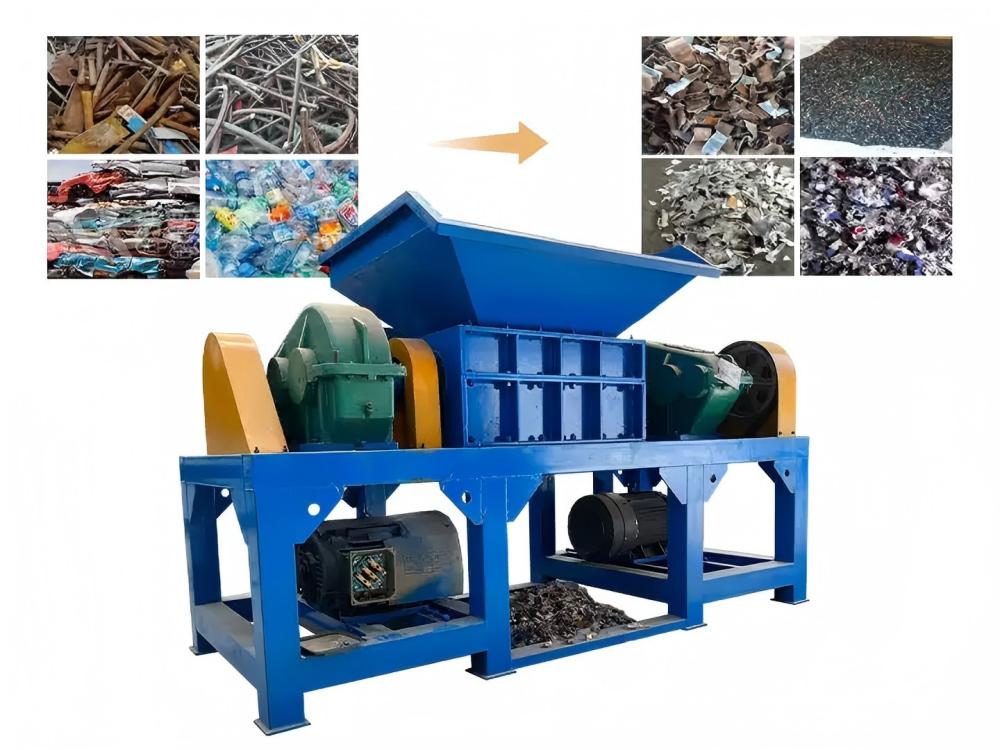
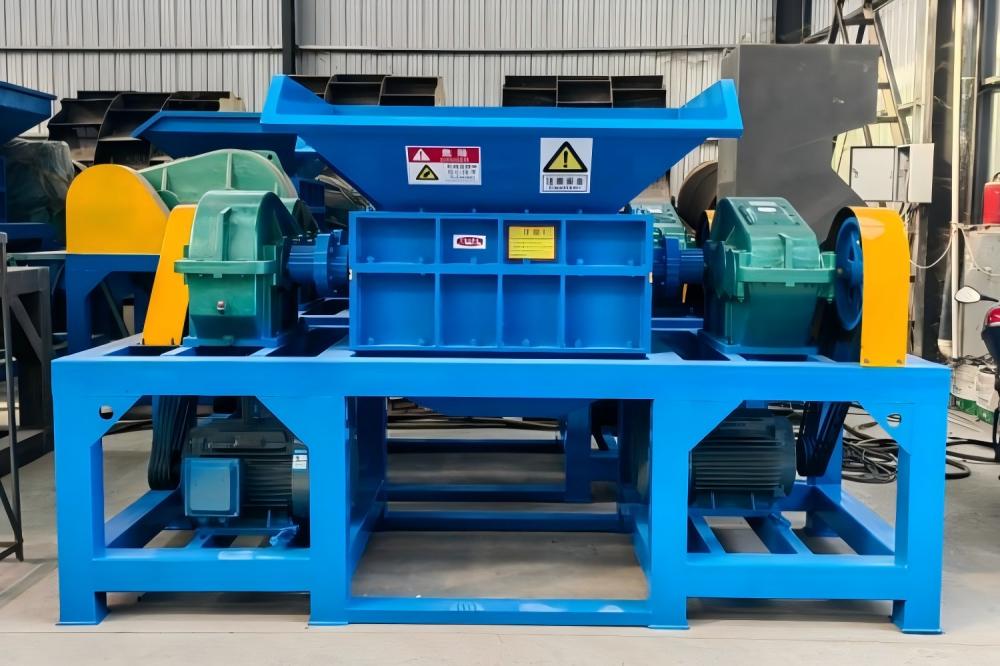
The hydraulic system in a HARSLE double-shaft shredder is a complex network of pumps, valves, cylinders, and fluid reservoirs designed to convert mechanical energy into powerful linear or rotary force. Because these systems operate under extreme pressure and often in harsh, debris-filled environments, they are susceptible to wear and tear. Recognizing the early warning signs of failure—such as unusual noises, sluggish performance, or fluid leaks—is the first step in effective preventative maintenance.
This guide serves as a technical manual for identifying common hydraulic faults. By mastering the diagnostic process, operators can transition from reactive repairs to proactive maintenance strategies. Whether you are dealing with pressure drops, overheating, or contaminated fluid, this article provides the insights needed to keep your shredder operating at peak performance levels.
Key Considerations for Hydraulic System Integrity
Maintaining the integrity of a hydraulic system begins with understanding the fluid itself. Hydraulic oil is the lifeblood of the machine; it acts as both a lubricant and a power transmission medium. If the oil becomes contaminated with metal shavings, dust, or moisture, it can cause catastrophic damage to internal components like pump vanes and cylinder seals. Regular oil analysis is a critical consideration that should never be overlooked in a busy fabrication shop.
Temperature control is another vital factor. Hydraulic systems generate significant heat during operation, especially when shredding high-density materials. If the cooling system fails or the oil viscosity breaks down due to excessive heat, the system will lose efficiency and components will begin to seize. Operators must monitor temperature gauges closely and ensure that heat exchangers are kept clean and free of debris to allow for optimal thermal dissipation.
Pressure settings must be calibrated according to the manufacturer’s specifications. Running a shredder at pressures higher than recommended to force through oversized material can lead to structural fatigue in the hydraulic lines and premature failure of the seals. Conversely, running at pressures that are too low will result in poor shredding quality and increased cycle times. Balancing these settings is a key consideration for long-term machine health.
Finally, the environment in which the shredder operates plays a significant role in system longevity. Metal fabrication facilities are often dusty and prone to temperature fluctuations. Ensuring that the hydraulic power unit (HPU) is housed in a clean, ventilated area can prevent many common environmental issues. Regular inspection of hoses and fittings for signs of vibration-induced loosening is also a mandatory practice for safety and efficiency.
Technical Details: Troubleshooting Common Hydraulic Failures
When addressing double-shaft shredder hydraulic system problems and how to troubleshoot them, one must adopt a systematic approach. The most common issue is a loss of system pressure. This often manifests as the shredder shafts failing to turn or struggling to process material. The first step is to check the hydraulic pump. If the pump is making a whining or grinding noise, it may be suffering from cavitation, often caused by a clogged intake filter or low oil levels. Inspect the suction line for air leaks, as air in the system will cause erratic movement and significant noise.
Another frequent problem involves the hydraulic cylinders. If the shredder’s pusher or ram is not moving smoothly, the issue may lie with the internal seals. Over time, seals can harden or tear, allowing fluid to bypass the piston. This internal leakage results in a loss of force and can cause the cylinder to drift. To troubleshoot this, perform a bypass test to determine if oil is leaking past the seal while the cylinder is under load. Replacing worn seals is a standard maintenance procedure that can restore full functionality.
Valve malfunctions are also a common culprit. Directional control valves can become stuck due to varnish buildup or debris in the hydraulic fluid. If a valve fails to shift, the shredder may become unresponsive. Technicians should inspect the solenoid coils for electrical continuity and ensure that the valve spools are free to move. Cleaning or replacing the valve block is often necessary if the system has been contaminated by metal particles.
Hose and fitting failures are perhaps the most visible hydraulic issues. High-pressure lines are subject to constant vibration and pressure spikes. Inspect all hoses for signs of bulging, cracking, or weeping fluid. Never attempt to tighten a fitting while the system is under pressure, as high-pressure hydraulic fluid injection injuries are extremely dangerous. Always depressurize the system before performing any maintenance on lines or connections.
Selection Advice: Choosing the Right Hydraulic Components
When it comes time to replace components or upgrade your HARSLE shredder, selection is paramount. Not all hydraulic parts are created equal. When selecting a replacement pump, ensure that the flow rate and pressure rating match the original equipment manufacturer (OEM) specifications. Using an undersized pump will lead to sluggish performance, while an oversized pump can overwhelm the system and cause premature component failure.
Consider the quality of the seals and hoses. In a metal fabrication environment, look for hoses with high abrasion resistance and temperature ratings that exceed your typical operating conditions. Investing in high-quality, reinforced hoses will pay dividends in reduced maintenance frequency and fewer emergency repairs. Similarly, choose hydraulic fluids that are formulated for heavy-duty industrial use, with excellent anti-wear and anti-foaming properties.
Filtration systems should also be a priority. Upgrading to a multi-stage filtration system can significantly extend the life of your hydraulic components. By capturing smaller particles that standard filters might miss, you protect the precision surfaces of your valves and pumps. Always keep a stock of spare filters on hand, as a clogged filter is the most common cause of preventable hydraulic system failure.
Finally, consult with the manufacturer or a certified hydraulic technician when making significant changes to your system. They can provide guidance on compatibility and ensure that any modifications do not void your warranty or compromise the safety of the machine. A well-planned selection process ensures that your shredder remains a reliable asset for years to come.
FAQ: Frequently Asked Questions
Why is my double-shaft shredder losing power during operation?
A loss of power is typically caused by a drop in hydraulic pressure. Check the oil level, inspect the pump for wear, and ensure that the relief valve is not set too low or stuck in the open position.
How often should I change the hydraulic oil?
The frequency depends on usage, but generally, hydraulic oil should be changed every 2,000 to 4,000 operating hours. Always perform an oil analysis to check for contamination before deciding to change it.
What are the signs of hydraulic fluid contamination?
Signs include cloudy or milky oil (indicating water contamination), a burnt smell (indicating overheating), or the presence of visible metal particles in the fluid. If you notice these, flush the system immediately.
Can I use generic hydraulic fluid in my shredder?
It is highly recommended to use the fluid grade specified by the manufacturer. Using the wrong viscosity can lead to poor lubrication and increased heat generation, which will damage the system.
How do I safely troubleshoot a high-pressure leak?
Never use your hands to check for leaks. Use a piece of cardboard or wood to locate the source of the spray. Always shut down and depressurize the machine before attempting any repairs.
Conclusion
Mastering double-shaft shredder hydraulic system problems and how to troubleshoot them is a vital skill for maintaining industrial efficiency. By focusing on regular maintenance, monitoring system health, and using high-quality replacement parts, you can prevent the most common causes of downtime. The hydraulic system is the heart of your HARSLE shredder; treat it with the care it deserves, and it will provide the consistent, powerful performance your operation requires. Remember that safety is the highest priority—always follow lockout/tagout procedures and consult technical documentation when performing repairs. With a proactive approach, you can ensure your metal fabrication equipment remains a productive and reliable part of your facility.