Briquetting Machine Working Principle: A Complete Technical Overview

Technical Overview: The Mechanics of Densification
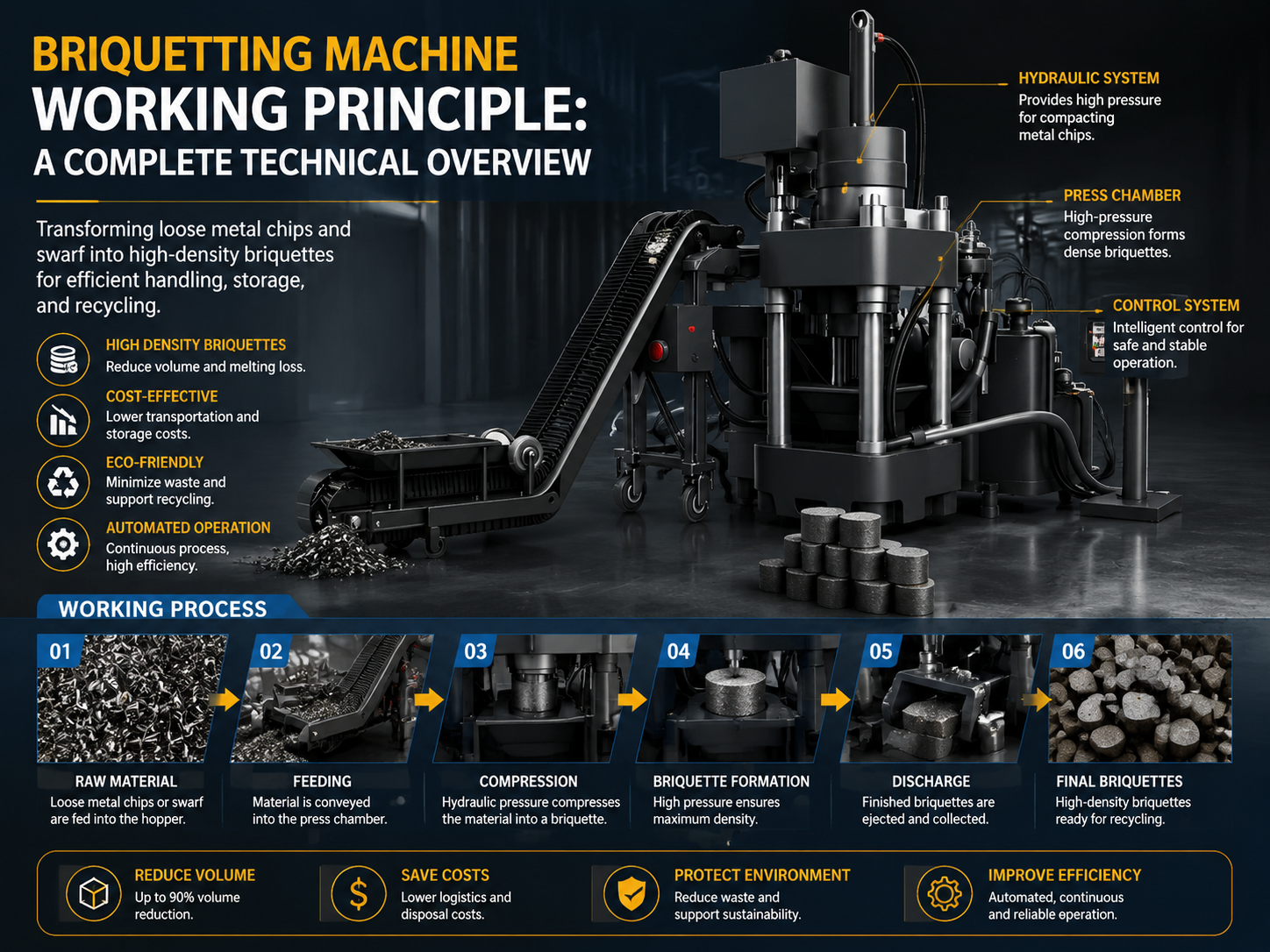
The Briquetting Machine Working Principle: A Complete Technical Overview centers on the transformation of loose, voluminous metal swarf, chips, or turnings into compact, high-density briquettes. In the modern metal fabrication landscape, managing waste is not merely an environmental necessity but a critical economic strategy. HARSLE briquetting systems utilize high-pressure hydraulic force to overcome the elastic limit of metal particles, forcing them into a cohesive solid state without the need for binders or heat.
At the heart of this process is the hydraulic cylinder assembly. When loose metal chips are fed into the hopper, they are directed into a pre-compression chamber. Here, a horizontal ram performs the initial compaction, removing air pockets and aligning the metal particles. This stage is crucial for ensuring the consistency of the final product, as it creates a uniform density before the material enters the main compression die.
Once the pre-compression is complete, the main vertical hydraulic ram exerts immense pressure—often exceeding 200 MPa—on the material. This force causes the metal particles to undergo plastic deformation. Because the pressure is applied within a confined die, the particles are forced to interlock at a molecular level. This mechanical interlocking, combined with the removal of cutting fluids and lubricants, results in a briquette that is easy to transport, store, and melt.
The final stage of the working principle involves the ejection of the briquette. The die assembly retracts or opens, and the finished briquette is pushed out by the ram. This cycle is fully automated in HARSLE systems, allowing for continuous production. The recovered cutting fluids are typically drained during the compression phase, collected, and filtered for reuse, adding a secondary layer of cost-efficiency to the fabrication process.
Core Parameters: Defining Performance
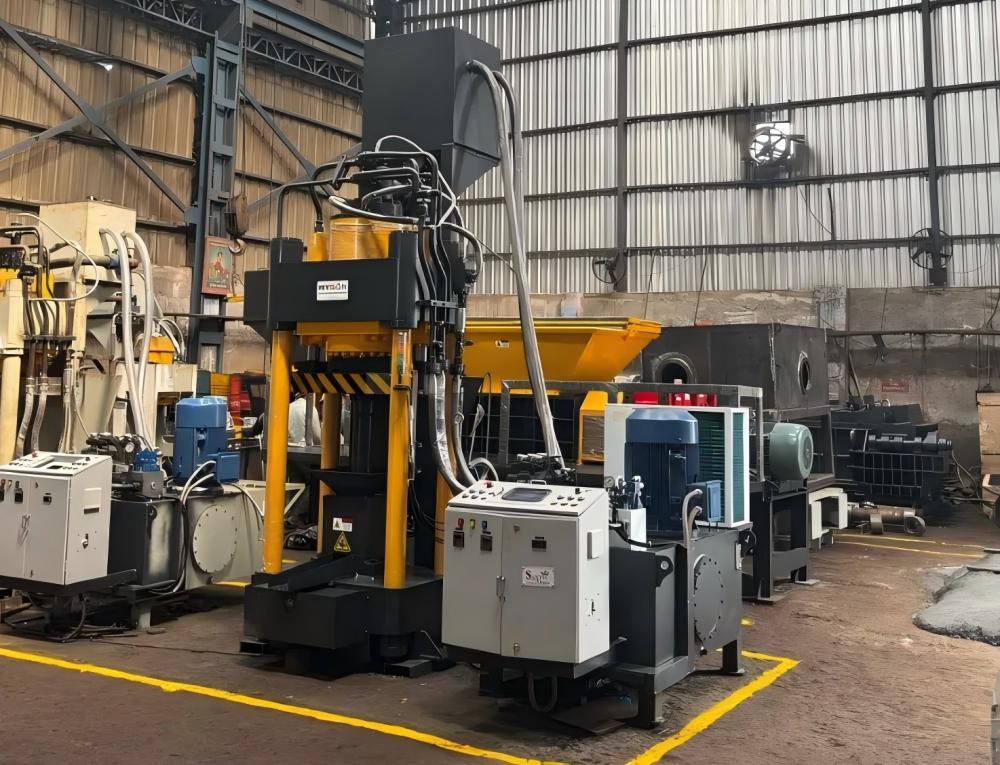
Understanding the Briquetting Machine Working Principle: A Complete Technical Overview requires a deep dive into the core parameters that dictate machine performance. The most significant parameter is the specific pressure, measured in Newtons per square millimeter (N/mm²). This value determines the density of the final briquette and is directly proportional to the hydraulic system’s capability. Higher specific pressure is required for harder metals like stainless steel or titanium compared to aluminum or copper.
Cycle time is another critical performance metric. It defines how many briquettes a machine can produce per hour. In high-volume fabrication shops, cycle time must be optimized to match the output rate of CNC machines. HARSLE engineers focus on high-speed hydraulic valves and optimized cylinder stroke lengths to minimize idle time between compression cycles, ensuring maximum throughput.
The briquette dimensions and weight are parameters that dictate the logistics of the recycling process. Standard briquettes are usually cylindrical, with diameters ranging from 50mm to 150mm. The weight of each briquette is a function of the material density and the volume of the die cavity. Consistent weight is essential for foundries that use these briquettes as charge material, as it allows for precise control over the chemical composition of the melt.
Finally, the motor power and hydraulic system capacity are the foundational parameters. The motor must provide sufficient torque to drive the hydraulic pumps, which in turn must maintain stable pressure throughout the compression cycle. HARSLE machines utilize variable-displacement pumps to ensure energy efficiency, drawing power only when the system is under load, which significantly reduces operational costs over the machine’s lifespan.
Calculation Method: Determining Required Force
To apply the Briquetting Machine Working Principle: A Complete Technical Overview in a practical setting, one must understand the calculation of required force. The fundamental formula is F = P × A, where F is the total force in Newtons, P is the required specific pressure in N/mm², and A is the cross-sectional area of the briquette in mm². This calculation is the starting point for selecting the correct machine tonnage.
However, the calculation must also account for the material’s compression ratio. The compression ratio is the volume of loose chips divided by the volume of the finished briquette. For aluminum, this ratio might be 10:1, while for steel, it could be 5:1. Engineers must calculate the hopper capacity and the stroke length of the ram to ensure that the machine can handle the volume of material required to produce a single briquette of the desired density.
Another vital calculation involves the fluid recovery rate. By measuring the volume of coolant extracted from a known weight of chips, operators can calculate the return on investment (ROI) for the briquetting system. This involves calculating the cost of new coolant versus the cost of recovered coolant, factoring in the filtration efficiency of the briquetting machine’s integrated drainage system.
Thermal management calculations are also necessary for high-duty cycles. As hydraulic oil is compressed and circulated, it generates heat. The cooling system capacity must be calculated based on the ambient temperature of the factory floor and the expected duty cycle of the machine. If the heat dissipation is insufficient, the hydraulic oil viscosity will drop, leading to pressure loss and potential damage to the pump seals.
Parameter Table: HARSLE Standard Specifications
| Model | Compression Force (kN) | Briquette Diameter (mm) | Output (kg/h) | Motor Power (kW) |
|---|---|---|---|---|
| HBS-100 | 1000 | 70 | 150-200 | 11 |
| HBS-200 | 2000 | 100 | 300-400 | 18.5 |
| HBS-350 | 3500 | 120 | 500-600 | 30 |
| HBS-500 | 5000 | 150 | 800-1000 | 45 |
Common Engineering Mistakes
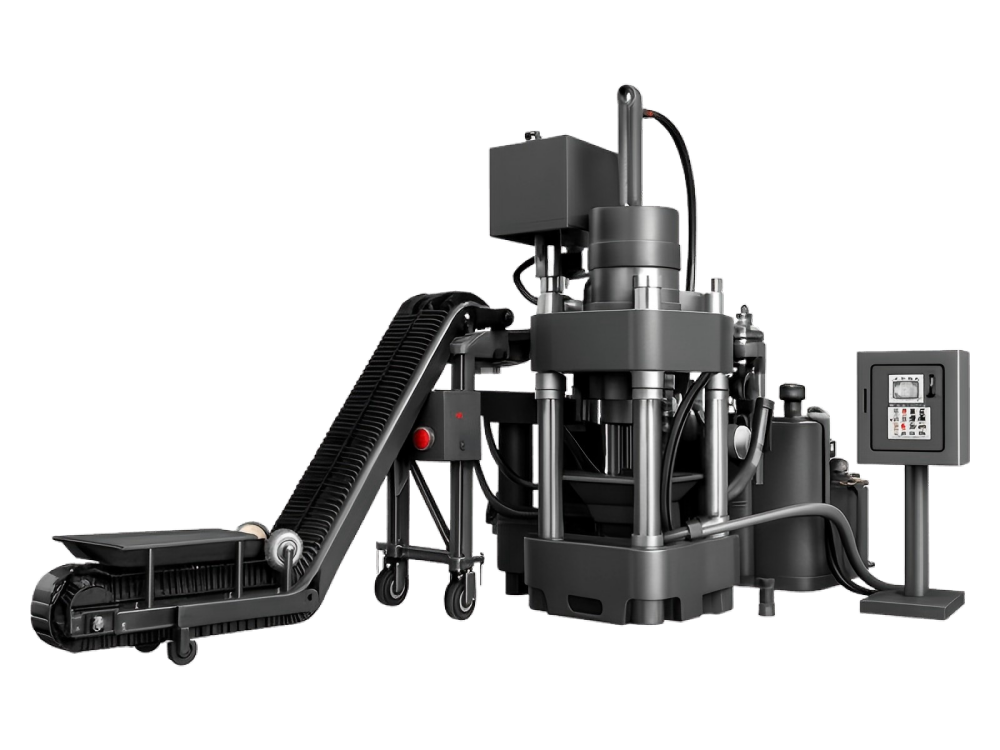
One of the most frequent mistakes in implementing the Briquetting Machine Working Principle: A Complete Technical Overview is the failure to account for material contamination. If the metal chips are heavily contaminated with tramp oils, plastic, or rubber, the resulting briquettes will have poor structural integrity. These contaminants create voids and prevent the metal particles from bonding correctly, leading to briquettes that crumble during transport.
Another common error is the mismatch between the machine’s pressure capacity and the material hardness. Attempting to process hardened steel chips with a machine designed for aluminum will result in excessive wear on the die and the ram. This not only shortens the lifespan of the machine but also leads to frequent downtime for maintenance and part replacement. Always consult the HARSLE technical team to match the machine specifications to your specific material stream.
Inadequate maintenance of the hydraulic system is a silent killer of briquetting efficiency. Many operators neglect the oil filtration system, leading to the accumulation of metal fines in the hydraulic fluid. These fines act as an abrasive, damaging the internal components of the hydraulic pumps and valves. Regular oil analysis and filter changes are mandatory to maintain the pressure consistency required for high-quality briquettes.
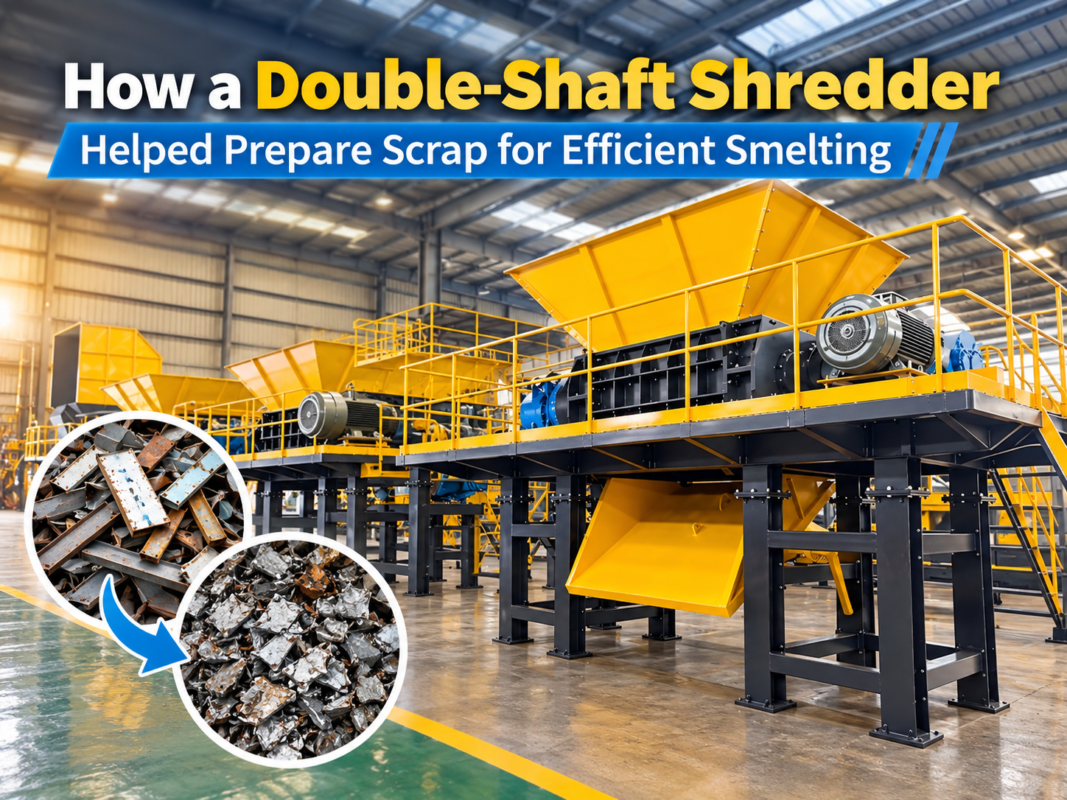
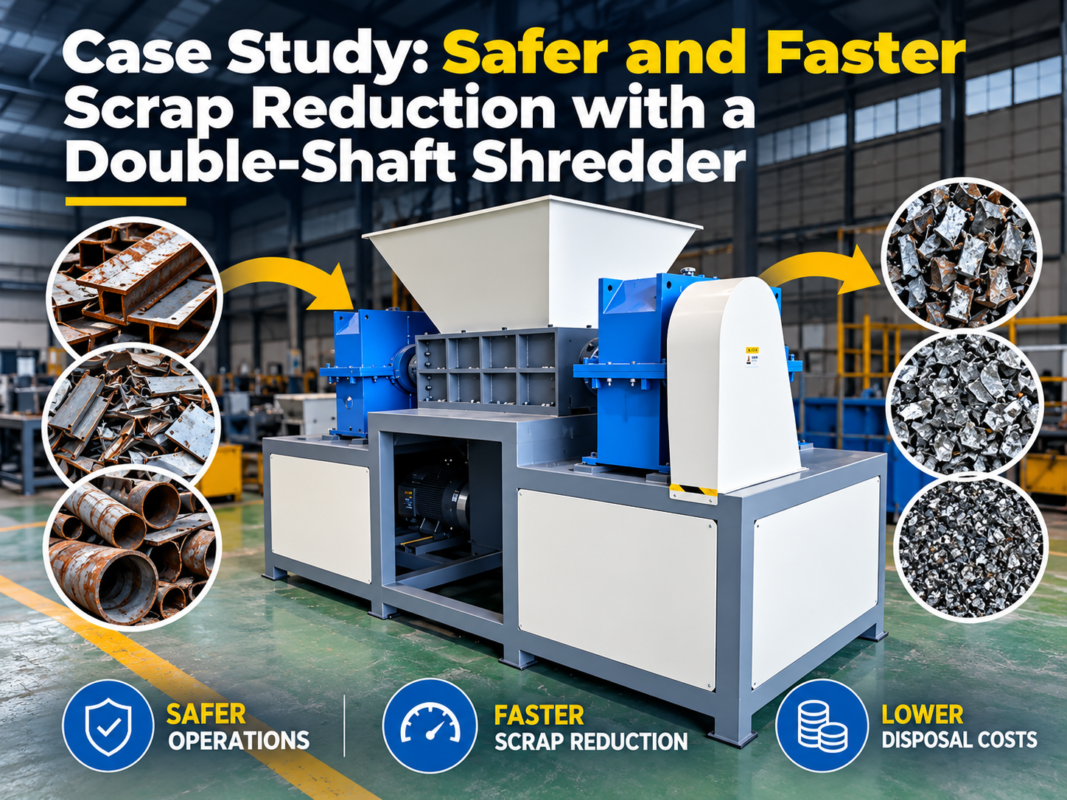
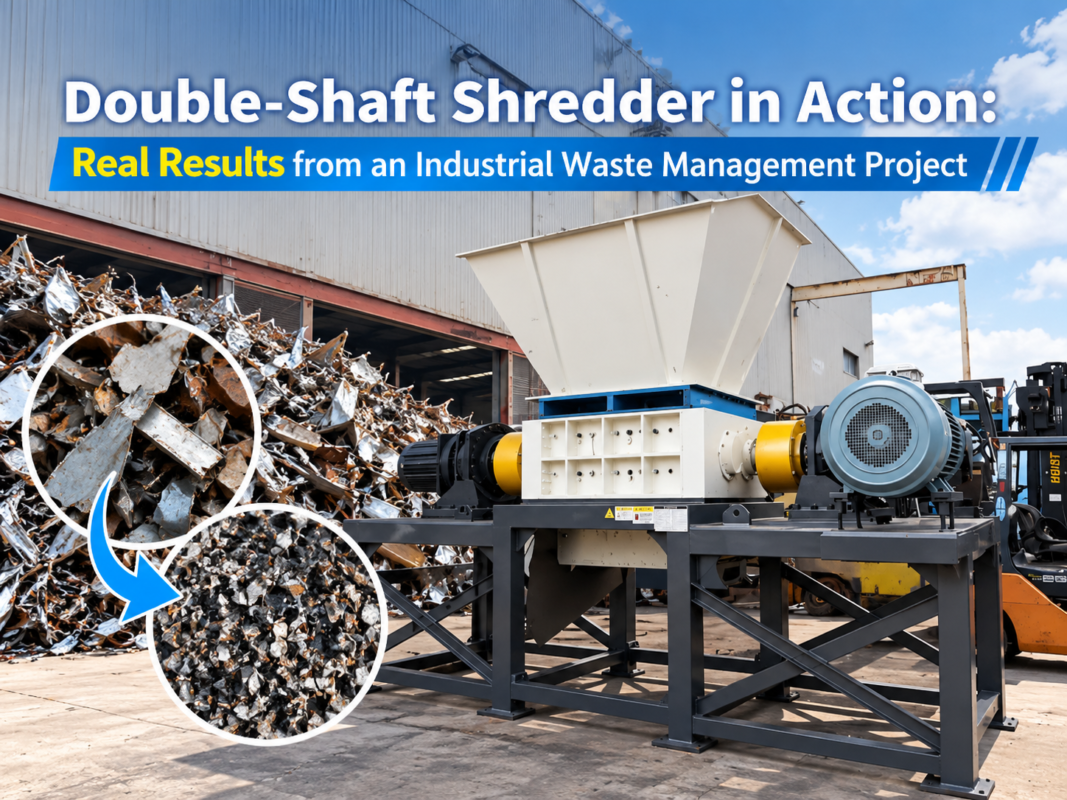
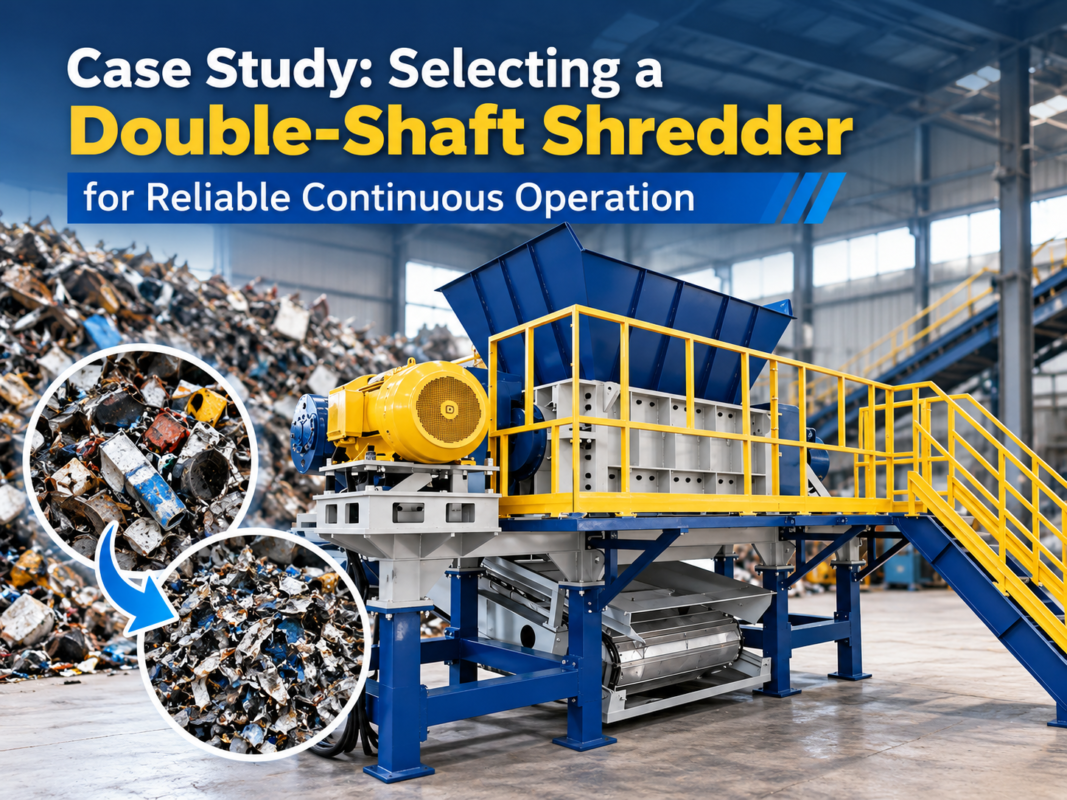
Finally, improper feeding of the machine is a frequent oversight. If the hopper is fed inconsistently or if the chips are too long (bird-nesting), the pre-compression chamber will not fill uniformly. This leads to briquettes of varying density and weight, which can cause issues in the melting furnace. Using a chip shredder prior to the briquetting machine is often the best engineering solution to ensure a consistent, high-quality feed.
Selection Checklist: Choosing the Right System
When selecting a briquetting machine, start by auditing your waste stream. Identify the types of metals you process (aluminum, steel, copper, brass) and their physical form (long turnings, short chips, or dust). This will determine the type of pre-crushing equipment needed and the required compression force of the briquetting machine.
Evaluate your daily production volume. A machine that is too small will create a bottleneck, while a machine that is too large will result in unnecessary capital expenditure and higher energy costs. Calculate your average daily chip output and select a machine that can process this volume within one or two shifts, allowing for maintenance time.
Consider the integration requirements. Does the machine need to be placed directly under a CNC machine, or will it be part of a centralized scrap processing facility? HARSLE offers various configurations, including compact vertical designs for tight spaces and horizontal systems for high-capacity, automated lines. Ensure the machine footprint fits your facility layout.
Check the availability of support and spare parts. A briquetting machine is a long-term investment. Ensure that the manufacturer provides comprehensive documentation, remote technical support, and a reliable supply chain for wear parts like dies and seals. HARSLE provides a global service network to ensure that your equipment remains operational, minimizing the impact of any potential technical issues.
FAQ: Frequently Asked Questions
Q: Can a briquetting machine process mixed metal chips?
A: While possible, it is generally discouraged. Mixing metals like aluminum and steel will result in a contaminated briquette that has lower value for recyclers and may cause metallurgical issues in the furnace. It is best to process each metal type separately.
Q: How often should the die be replaced?
A: The lifespan of the die depends on the hardness of the material being processed and the volume of production. Typically, with proper lubrication and maintenance, a high-quality HARSLE die can last for several thousand hours of operation.
Q: Does the briquetting process remove all cutting fluids?
A: The process is highly effective at removing surface fluids, often recovering up to 95% of the coolant. However, it will not remove fluids trapped deep within the pores of the metal chips. For maximum recovery, a centrifuge may be used in conjunction with the briquetting machine.
Q: Is it necessary to shred the chips before briquetting?
A: For long, stringy turnings, shredding is essential. It ensures a consistent feed into the hopper and prevents the material from bridging, which would otherwise stop the machine. For short, granular chips, shredding may not be required.
Q: What is the energy consumption of a typical HARSLE briquetting machine?
A: HARSLE machines are designed for energy efficiency. The power consumption is proportional to the throughput and the material hardness. On average, our systems consume between 0.1 and 0.2 kWh per kilogram of briquetted material.