Single-Shaft Shredder Specifications Guide: What Buyers Need to Know

Introduction to Single-Shaft Shredder Specifications
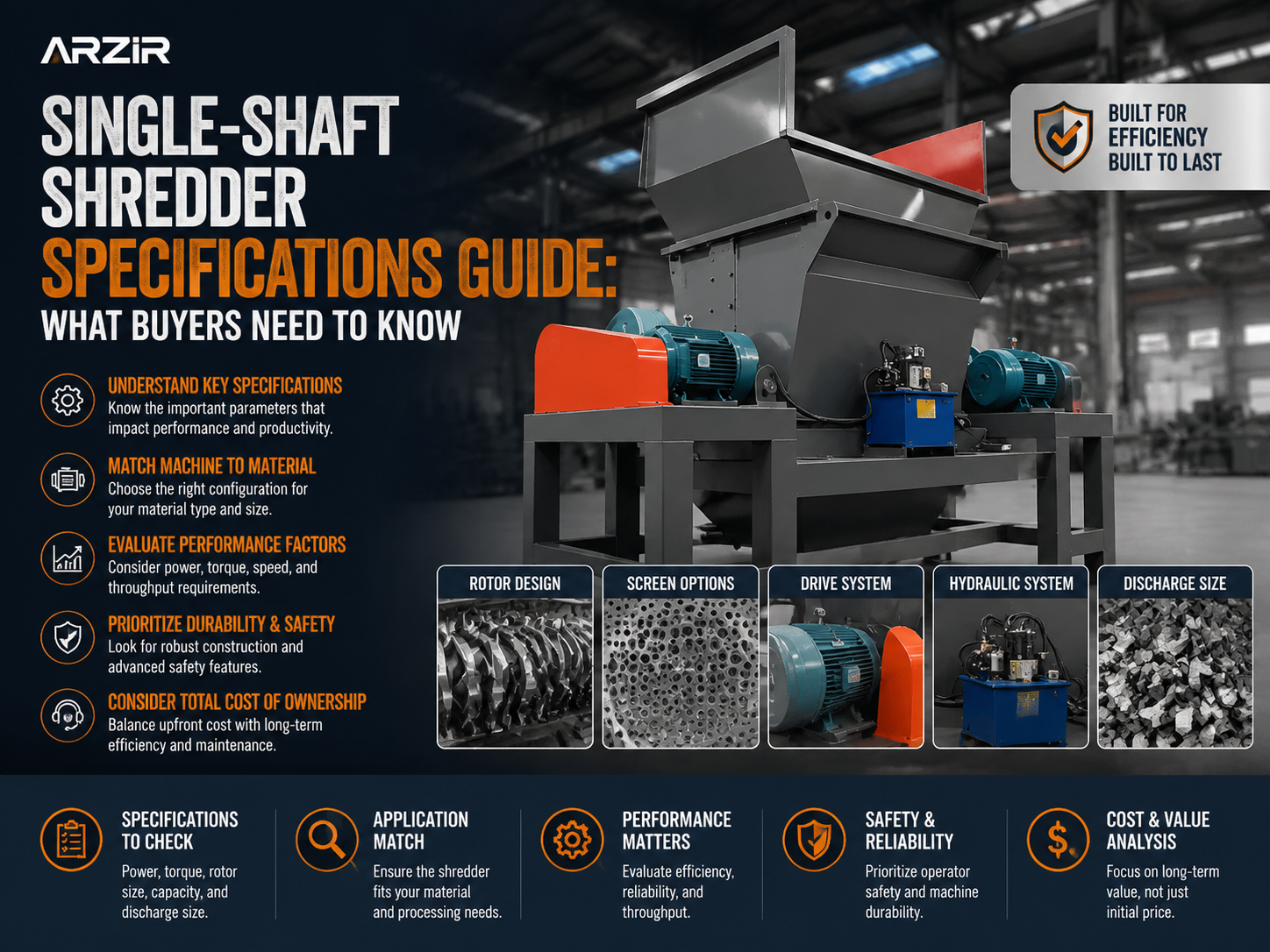
In the modern industrial landscape, the demand for efficient waste reduction and material recycling has never been higher. The single-shaft shredder stands as a cornerstone of this movement, offering a versatile solution for processing everything from plastics and wood to paper and light metals. However, for procurement managers and factory owners, navigating the technical jargon of Single-Shaft Shredder Specifications : Buyers Need Know can be a daunting task. Understanding these specifications is not just about comparing numbers; it is about ensuring the machine aligns with your specific production goals, material types, and long-term financial objectives.
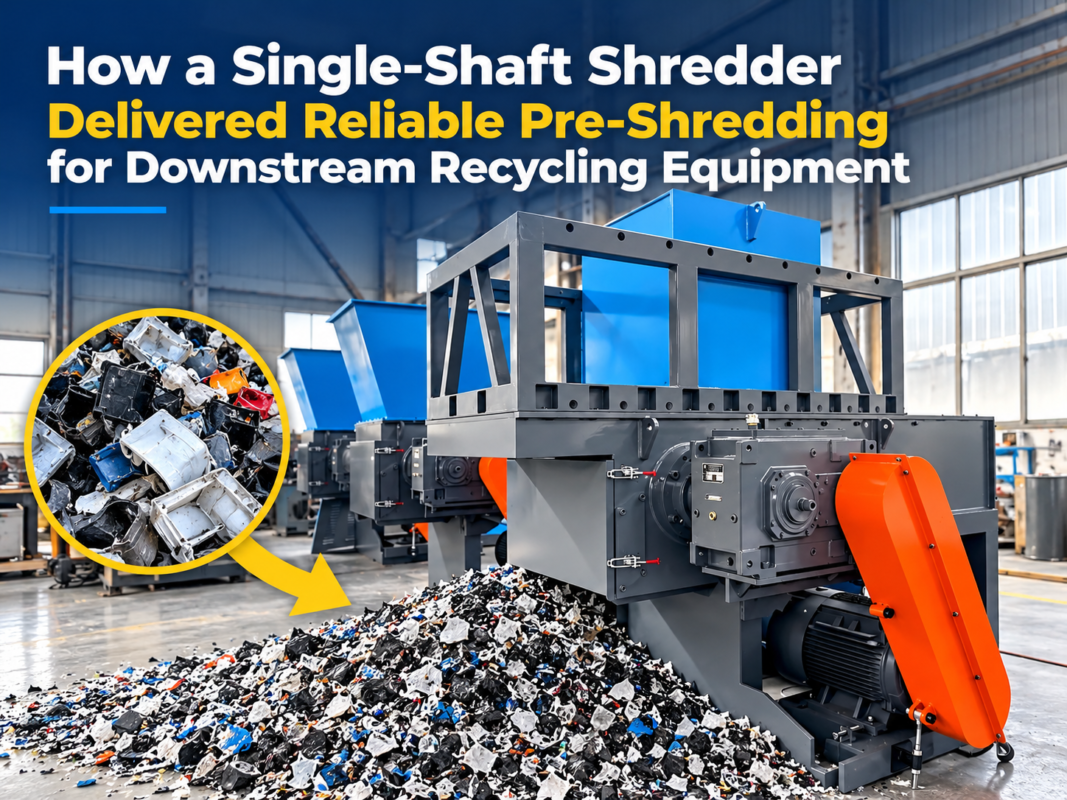
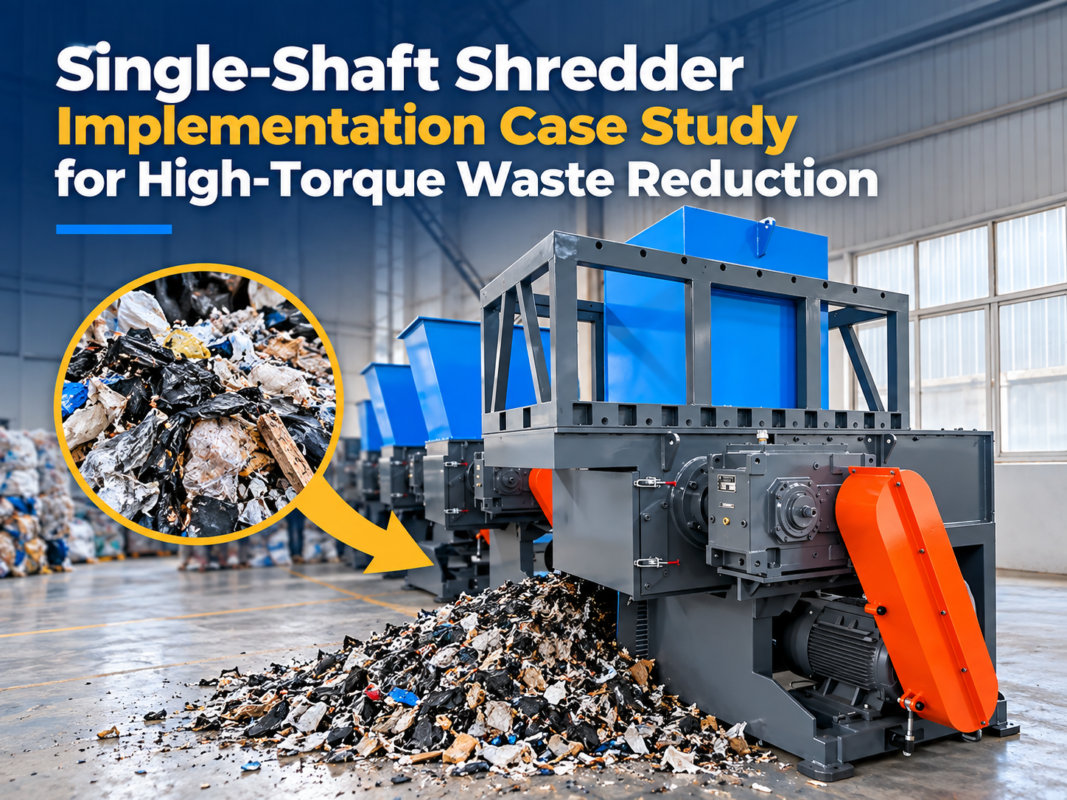
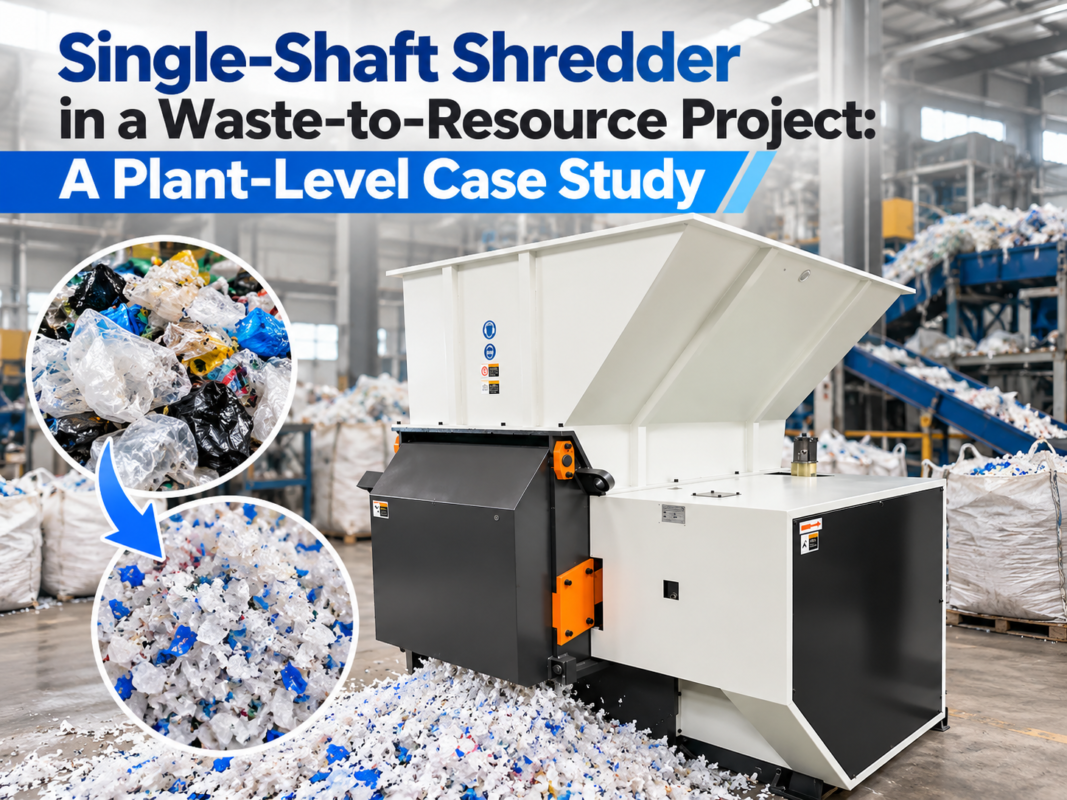
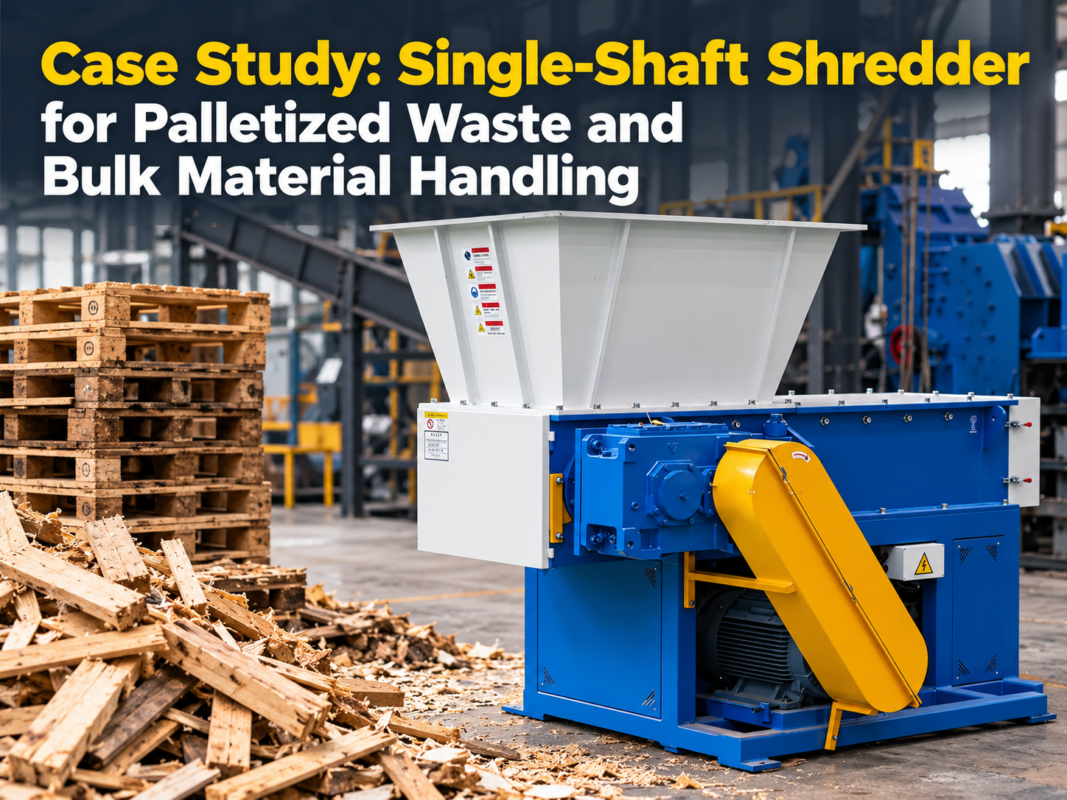
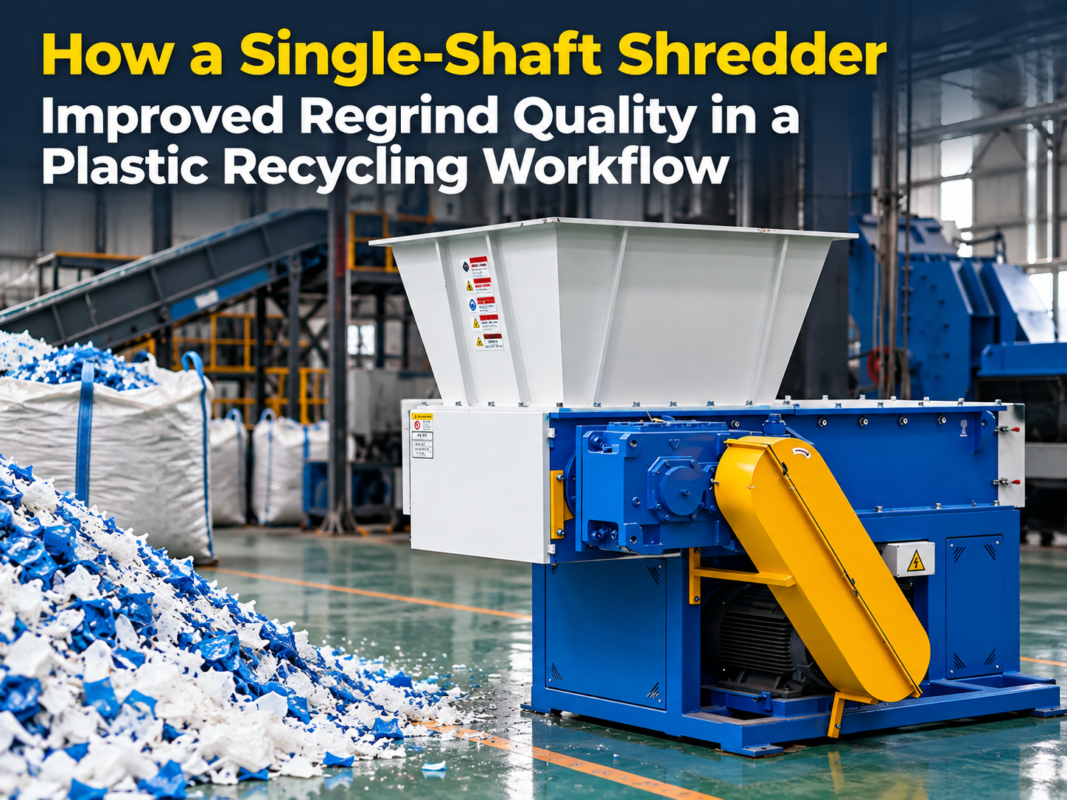
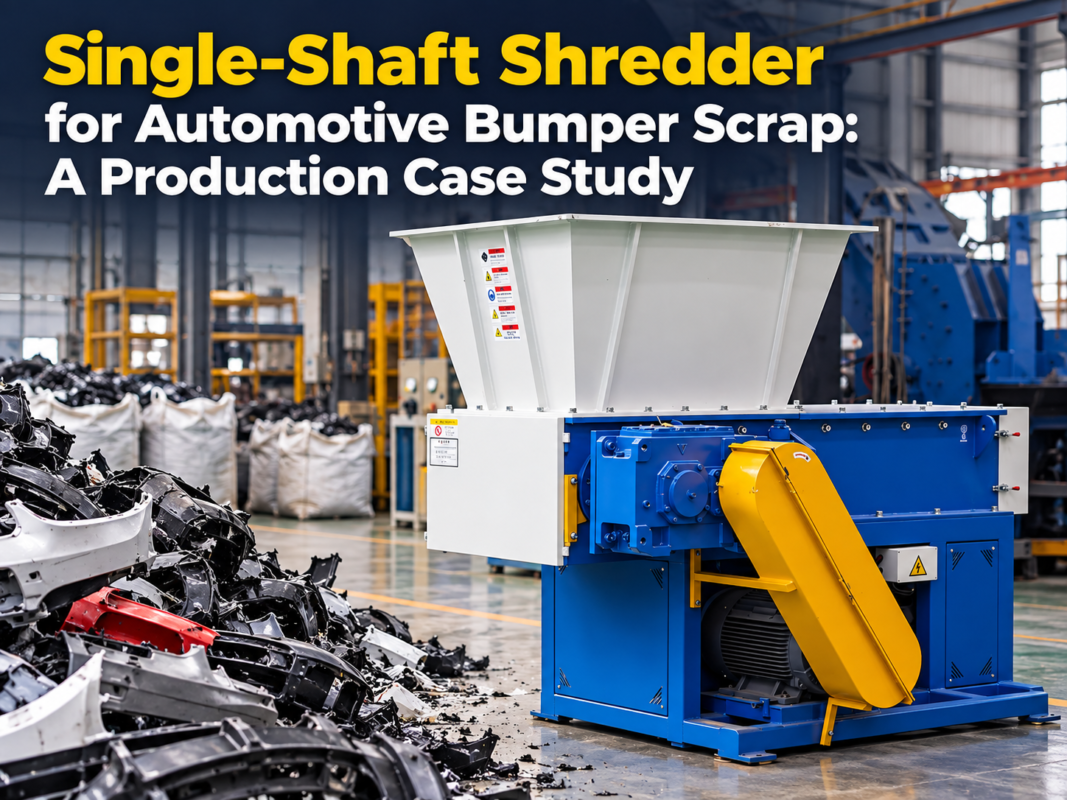
A single-shaft shredder operates using a large-diameter rotor equipped with multiple cutting blades. As the rotor turns at a relatively low speed with high torque, a hydraulic pusher forces the material against the rotor, where it is sheared into smaller pieces. The size of the final output is determined by a screen located beneath the rotor. While the concept is simple, the engineering nuances—such as rotor geometry, blade metallurgy, and hydraulic pressure—vary significantly between models. This guide aims to demystify these specifications, providing a clear roadmap for making an informed investment in HARSLE-grade industrial machinery.
Price Range Overview: From Entry-Level to Heavy-Duty
When evaluating the cost of a single-shaft shredder, buyers must recognize that price is often a direct reflection of throughput capacity, build quality, and technological integration. Generally, the market is divided into three primary tiers. Entry-level machines, often used for light plastic purging or small-scale wood waste, typically range from $12,000 to $35,000. These units usually feature smaller rotors (around 200mm to 300mm in diameter) and motors between 15kW and 30kW. While affordable, they are designed for intermittent use and may struggle with high-density materials.
The mid-range segment, which serves the majority of industrial recycling facilities, falls between $40,000 and $90,000. These machines are the workhorses of the industry, offering rotor lengths of 800mm to 1200mm and power ratings up to 75kW. They are built with thicker steel frames and more sophisticated PLC control systems, allowing for continuous operation and better handling of diverse waste streams. For many businesses, this tier offers the best balance between initial capital expenditure and operational efficiency.
At the top end of the spectrum are heavy-duty, high-capacity shredders that can exceed $150,000 to $300,000. These machines are engineered for the most demanding applications, such as shredding large-diameter plastic pipes, thick rubber tires, or baled paper. They feature massive rotors, dual-drive motors, and advanced cooling systems for the hydraulics and gearboxes. When considering Single-Shaft Shredder Specifications : Buyers Need Know, it is crucial to look beyond the sticker price and evaluate the machine’s ability to handle peak loads without excessive wear or downtime.
Main Cost Drivers: What Influences the Price Tag?
Several technical factors dictate the manufacturing cost and, consequently, the selling price of a single-shaft shredder. The most significant driver is the motor and gearbox assembly. High-quality motors from reputable brands like Siemens or ABB, paired with precision gearboxes from manufacturers like Bonfiglioli or Guomao, ensure high torque and energy efficiency. A cheaper, generic motor may save money upfront but will likely lead to higher energy bills and frequent failures under heavy load.
The rotor and blade system is another critical cost component. Rotors can be solid or hollow, with solid rotors offering more inertia and durability for tough materials. The blades themselves are typically made from high-grade tool steel such as D2 (SKD-11) or DC53. The number of blades and their arrangement (staggered vs. linear) also impact the price. Specialized coatings or heat treatments to extend blade life in abrasive environments (like glass-filled plastics) will add to the cost but significantly reduce maintenance frequency.
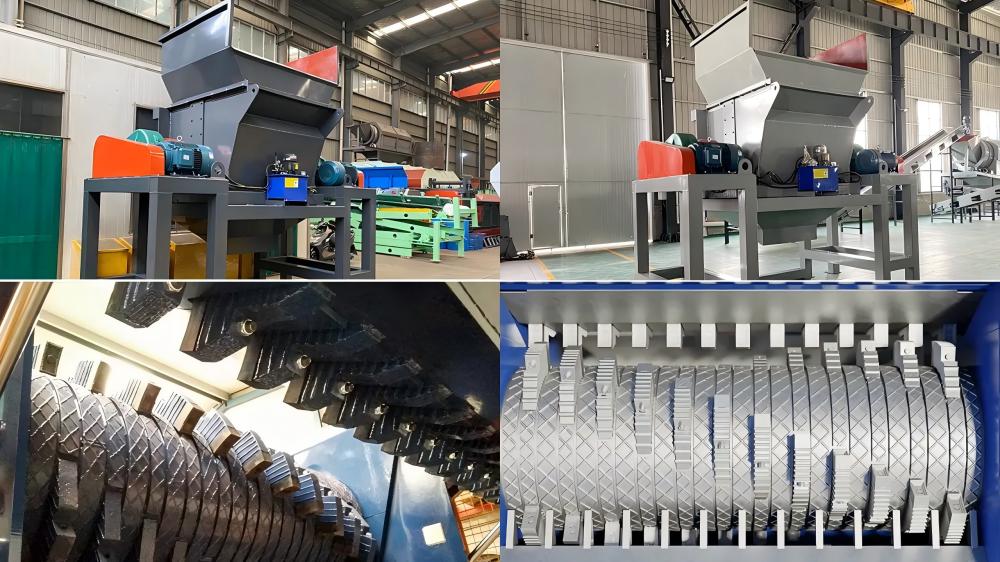
Lastly, the hydraulic system and the frame construction play vital roles. A robust hydraulic pusher with adjustable pressure settings allows the machine to adapt to different material densities. The frame must be constructed from heavy-gauge, welded steel to withstand the immense vibrations and stresses generated during the shredding process. A lightweight frame will eventually lead to structural fatigue and misalignment of the rotor, shortening the machine’s lifespan.
Configuration Impact: Tailoring the Machine to Your Needs
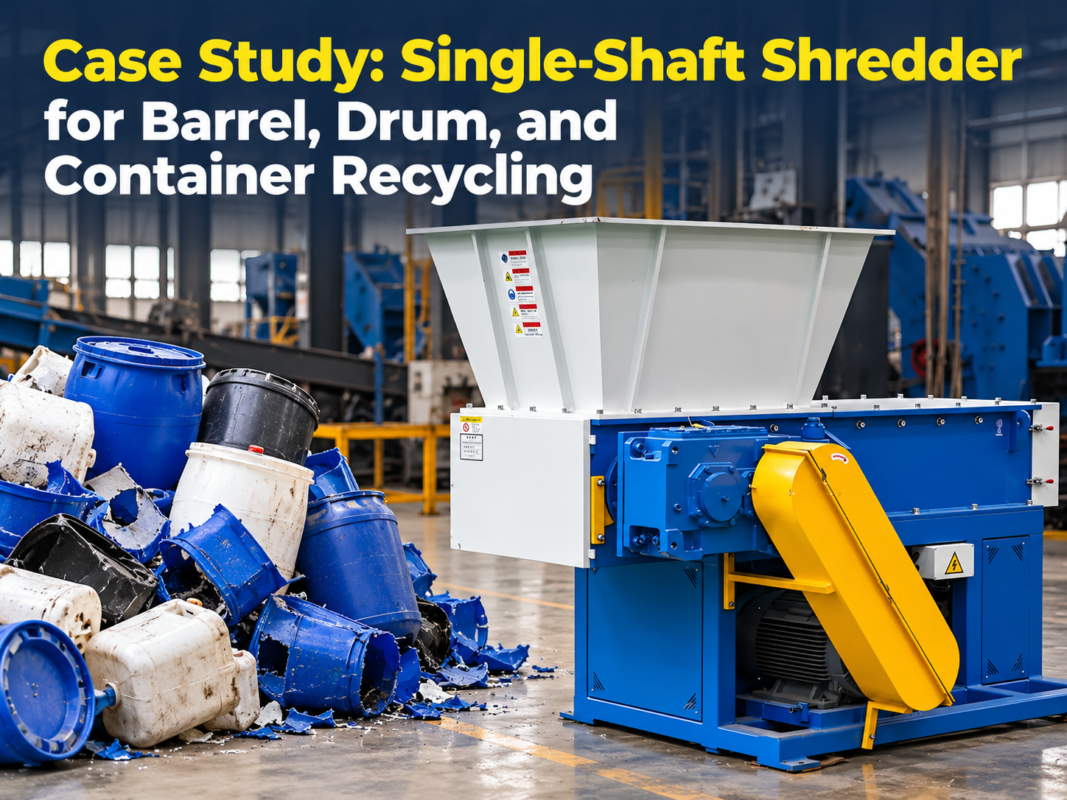
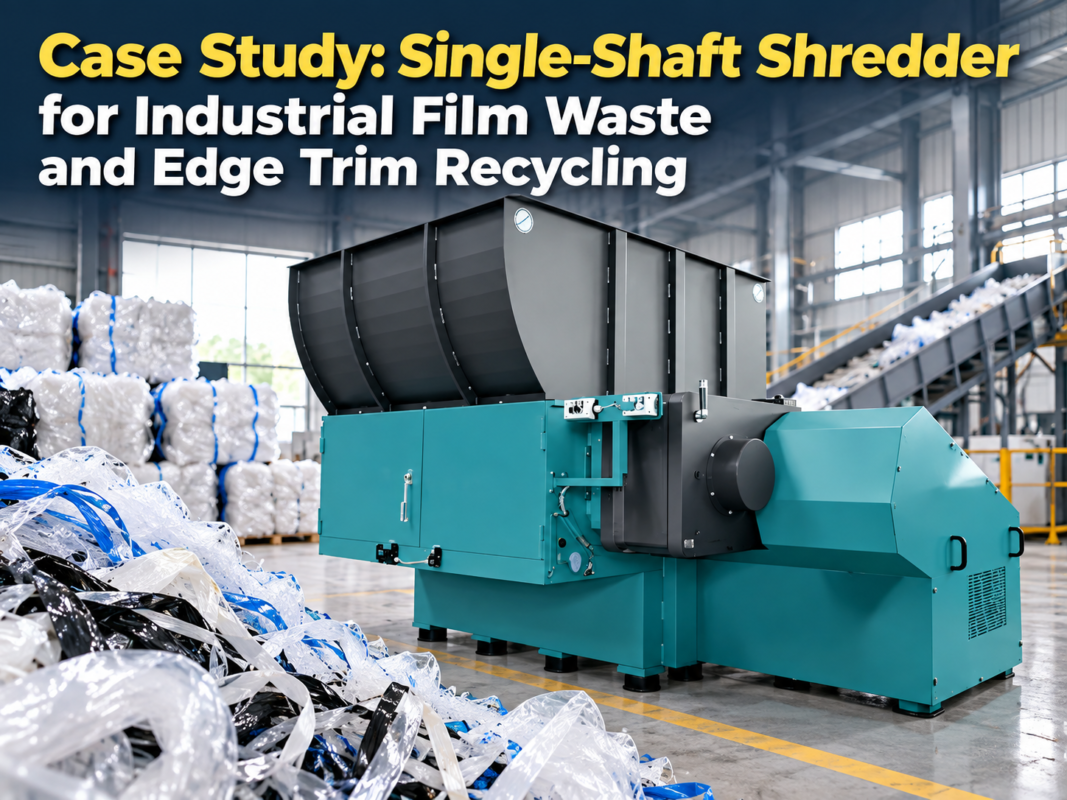
Choosing the right configuration is essential for optimizing performance. One of the first decisions a buyer must make is the type of pusher system. Horizontal pushers are standard for most applications, but swing-arm pushers are often preferred for bulky items like large containers or drums, as they prevent material from “bridging” or getting stuck above the rotor. The geometry of the pusher face can also be customized with “teeth” to better grip slippery materials like film or large blocks of wood.
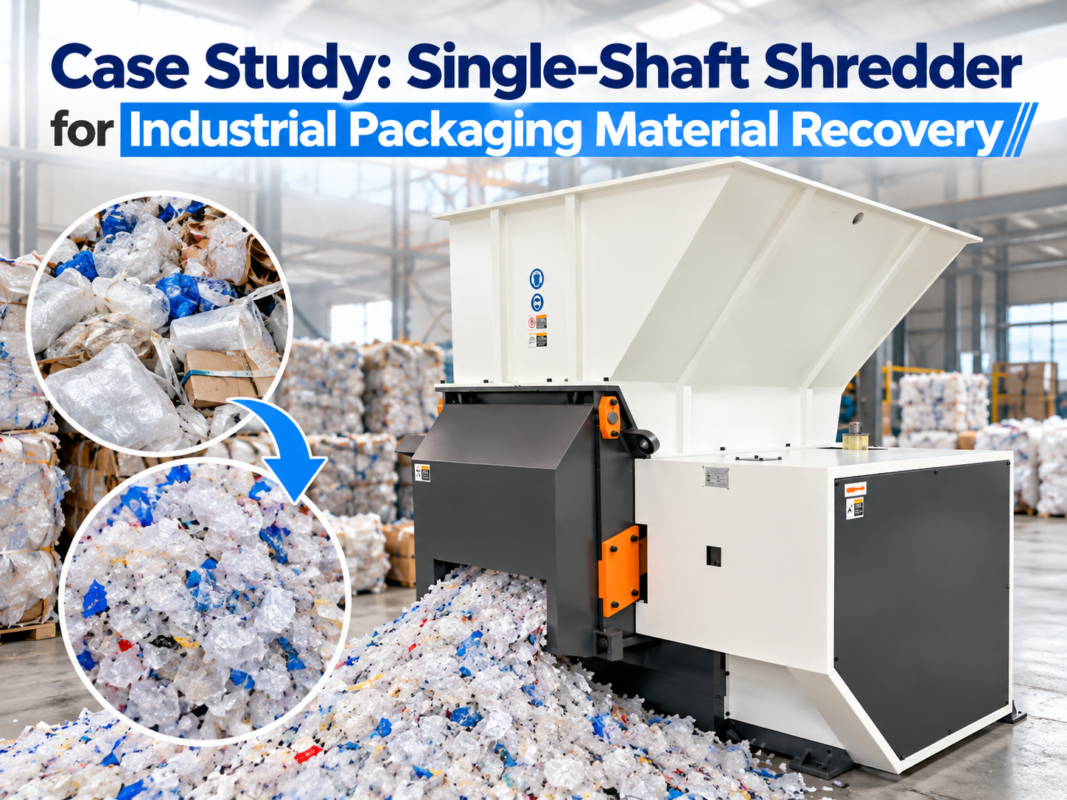
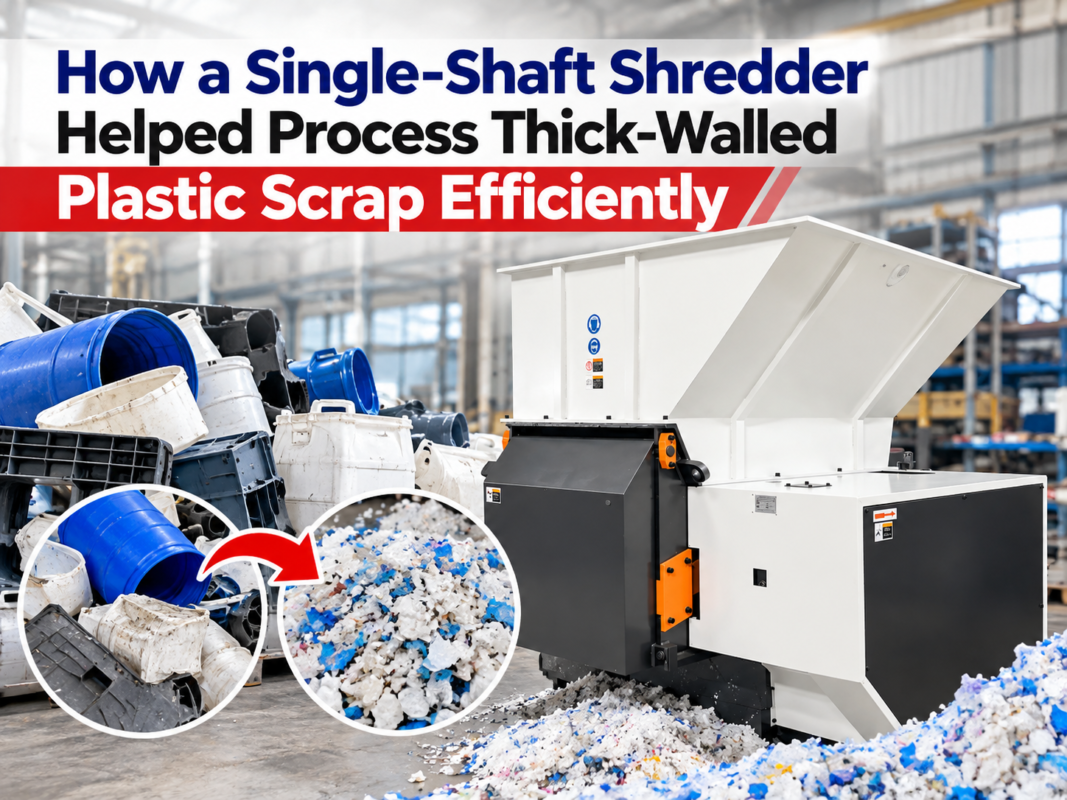
Screen size is another critical specification. The screen determines the final particle size of the shredded material. Standard screen holes range from 20mm to 100mm. Smaller holes produce a finer output but reduce the overall throughput and increase heat generation. Some advanced shredders offer quick-change screen designs, allowing operators to switch between different output requirements in minutes rather than hours. This flexibility is invaluable for contract recyclers who handle varying materials daily.
Control systems and automation also vary widely. Modern shredders utilize PLC (Programmable Logic Controller) systems with touch-screen interfaces. These systems monitor motor load in real-time; if the rotor encounters an unshreddable object or becomes overloaded, the PLC will automatically reverse the rotor and retract the pusher to clear the jam. This “auto-reverse” feature is a non-negotiable specification for any buyer looking to minimize manual intervention and prevent catastrophic mechanical failure.
Hidden Costs: Beyond the Initial Purchase
While the purchase price is the most visible expense, the total cost of ownership (TCO) includes several hidden factors. Energy consumption is the most significant ongoing cost. A shredder with a 55kW motor running 8 hours a day can consume thousands of dollars in electricity every month. Investing in a machine with high-efficiency motors and a power-saving idle mode can lead to substantial savings over the machine’s 10-15 year lifespan.
Wear parts, specifically blades and screen plates, represent a recurring maintenance cost. Depending on the abrasiveness of the material being processed, blades may need to be rotated or replaced every few hundred hours. Buyers should inquire about the cost of replacement blade sets and the ease of access for maintenance. A machine that requires 8 hours of labor to change a set of blades is far more expensive to operate than one designed for a 2-hour changeover.
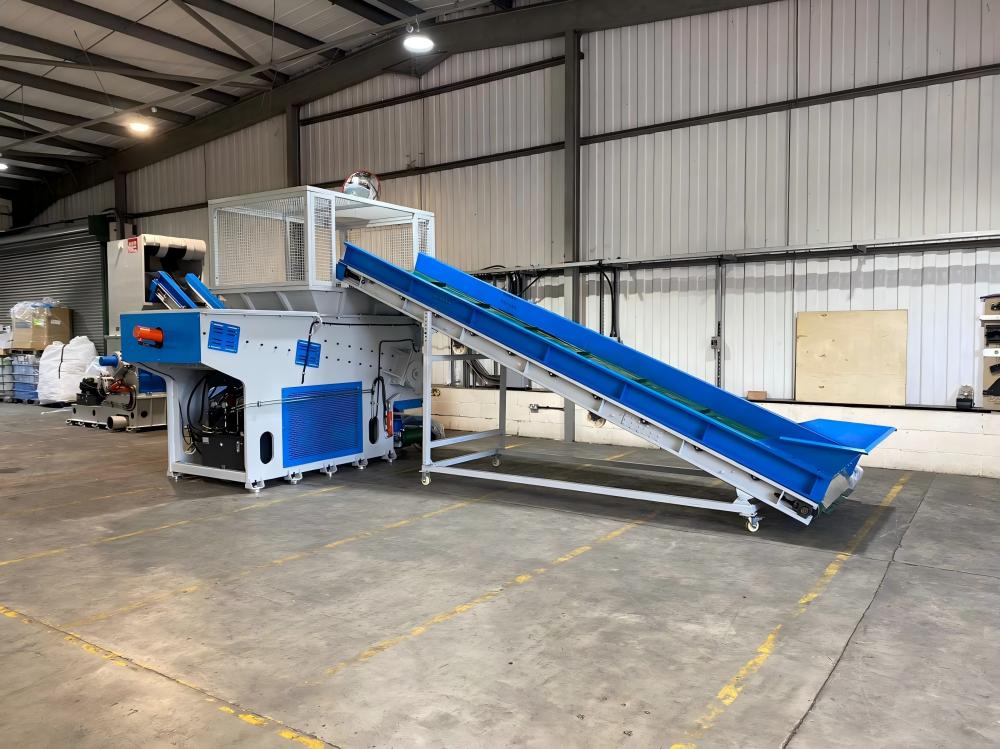
Installation and site preparation are often overlooked. A heavy-duty shredder requires a reinforced concrete floor to handle the weight and vibration. Additionally, you may need to upgrade your facility’s electrical infrastructure to handle the high start-up current (inrush current) of large motors. Finally, consider the cost of downstream equipment. A shredder rarely works in isolation; you will likely need discharge conveyors, magnetic separators, or granulators to complete your processing line.
ROI Calculation: Measuring the Value of Your Investment
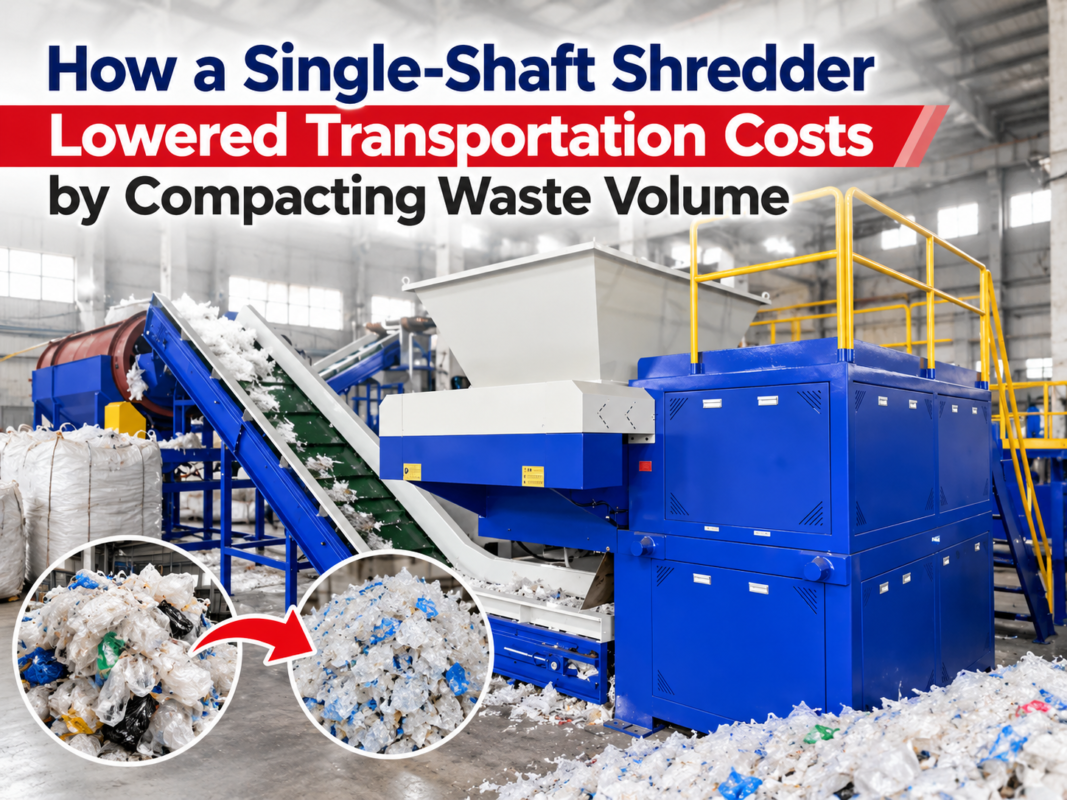
Calculating the Return on Investment (ROI) for a single-shaft shredder involves more than just looking at throughput. First, consider the reduction in waste disposal costs. Many companies pay significant fees to have bulky waste hauled away. By shredding this waste on-site, you can reduce the volume by up to 80%, drastically cutting transportation and landfill fees. In some cases, the shredded material can be sold as a commodity (e.g., plastic regrind or wood chips for biomass), turning a waste expense into a revenue stream.
Labor savings also contribute to ROI. A high-capacity shredder with an automated feeding system can replace several manual laborers who would otherwise be breaking down material by hand. To calculate the payback period, use the following formula: (Total Investment Cost) / (Monthly Savings in Disposal + Monthly Revenue from Material – Monthly Operating Costs). Most well-specified industrial shredders in a high-volume environment will achieve a full ROI within 18 to 24 months.
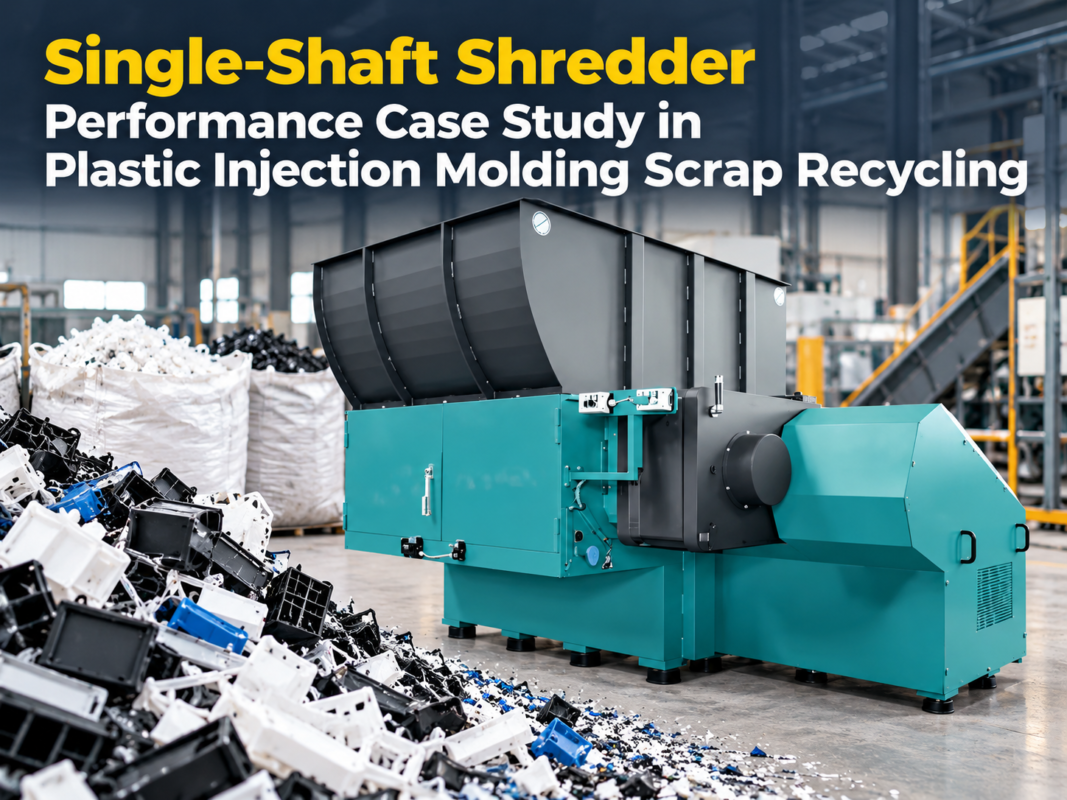
Furthermore, consider the “quality” of the output. If you are shredding plastic for a downstream extrusion process, consistent particle size is vital. A high-quality shredder that produces uniform chips with minimal “fines” (dust) will improve the efficiency of your extruders and reduce the rejection rate of your final product. This indirect benefit can add thousands of dollars to your bottom line annually, further justifying the initial investment in a premium machine.
Buying Advice: How to Choose the Right Shredder
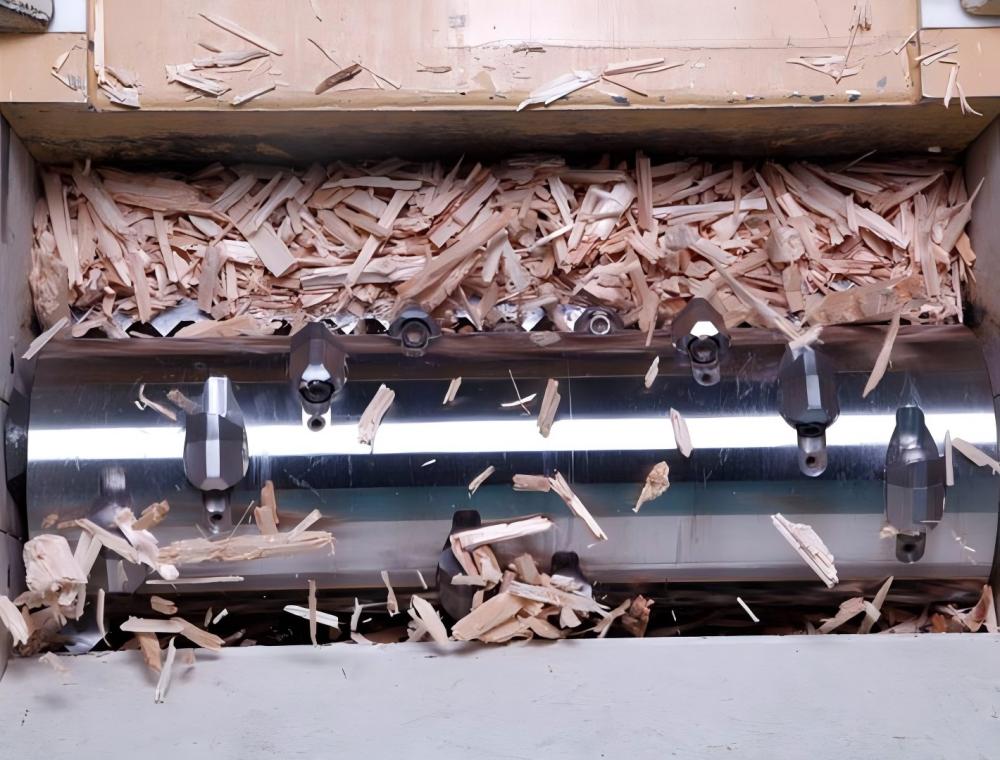
When you are ready to purchase, the first step is a material test. Any reputable manufacturer, including HARSLE, should be willing to process a sample of your specific material to demonstrate the machine’s capability. This test will reveal the actual throughput (kg/h) and the quality of the output, which often differs from theoretical catalog specifications. Pay close attention to how the machine handles the toughest parts of your waste stream.
Check the “serviceability” of the machine. Are the grease points easily accessible? Is the hydraulic unit placed in a location where it can be cooled and serviced easily? Ask for a list of recommended spare parts to keep in stock. Having a spare set of blades and a drive belt on hand can mean the difference between a two-hour delay and a two-week shutdown while waiting for shipping.
Finally, evaluate the manufacturer’s support network. Industrial machinery will eventually need technical support or specialized parts. Choosing a partner like HARSLE ensures that you have access to engineering expertise and a reliable supply chain. When reviewing Single-Shaft Shredder Specifications : Buyers Need Know, remember that the most important specification is the reliability of the company standing behind the machine.
Frequently Asked Questions (FAQ)
1. What is the difference between a single-shaft and a double-shaft shredder?
A single-shaft shredder uses a high-speed rotor and a screen to produce a specific, uniform particle size, making it ideal for recycling. A double-shaft shredder (or shear shredder) uses two counter-rotating shafts with interlocking discs to tear material. Double-shaft shredders are better for high-volume primary reduction of bulky items but do not provide a uniform output size without a secondary process.
2. How often do the blades need to be sharpened or replaced?
This depends entirely on the material. For clean plastics, blades may last 500-800 hours before needing to be rotated (most blades have 4 cutting edges). For abrasive materials like glass-filled nylon or contaminated wood with nails, the interval may drop to 100-200 hours. Regular inspection is key to maintaining throughput and preventing motor strain.
3. Can a single-shaft shredder handle metal?
Standard single-shaft shredders are designed for plastics, wood, and paper. While they can handle light non-ferrous metals like aluminum cans or thin copper wiring, they are not intended for heavy steel scrap. Processing thick steel will cause immediate damage to the blades and potentially the rotor or gearbox.
4. What motor power do I need for my application?
As a general rule, 22kW to 37kW is sufficient for light plastic and wood waste at moderate volumes. For high-capacity lines or tough materials like solid plastic purgings and large timber, 55kW to 90kW or more is recommended. Always choose a slightly higher power rating than you think you need to provide a safety margin for peak loads.
5. Why is the hydraulic pusher important?
The hydraulic pusher is what makes the single-shaft shredder efficient. It ensures that the material is constantly pressed against the rotor. Without a pusher, the rotor would simply “bounce” off the material, leading to very low throughput. Advanced pushers use load-sensing technology to adjust pressure, preventing the motor from stalling while maximizing cutting efficiency.
6. What is the significance of the screen size?
The screen size dictates the maximum size of the shredded pieces. If a piece is larger than the screen holes, it continues to circulate with the rotor until it is cut small enough to fall through. Smaller screens produce a more valuable, uniform product but significantly reduce the machine’s hourly capacity and increase energy consumption per ton.