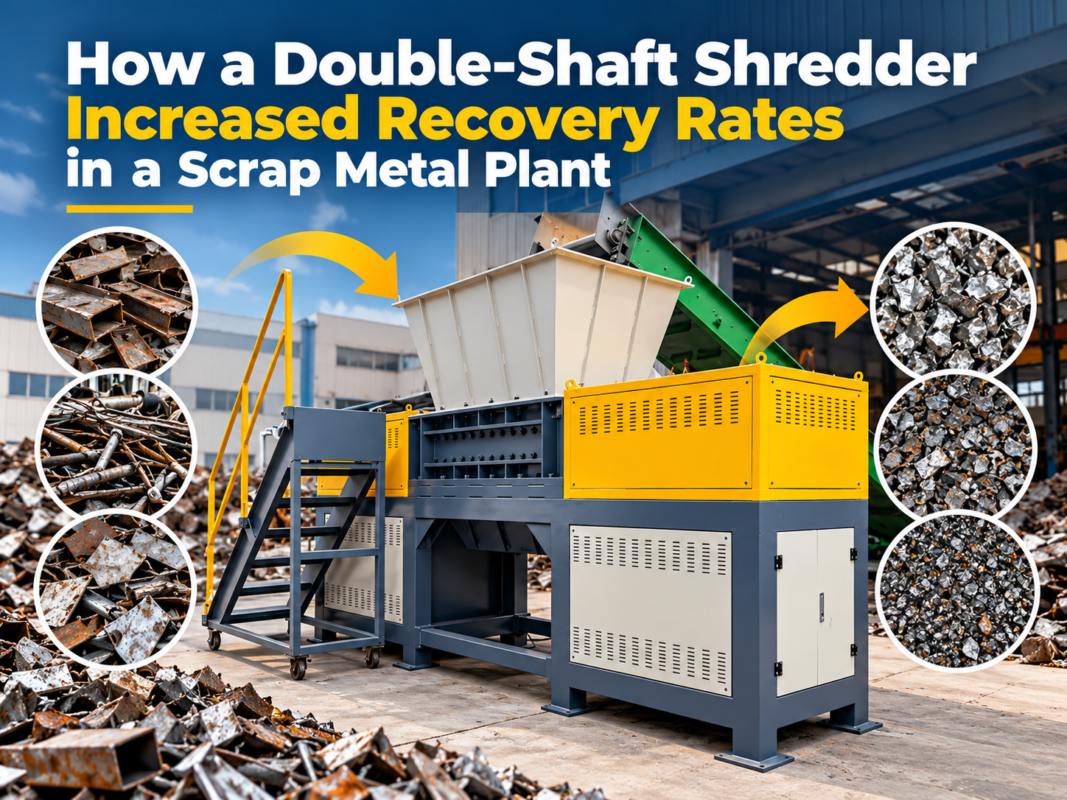
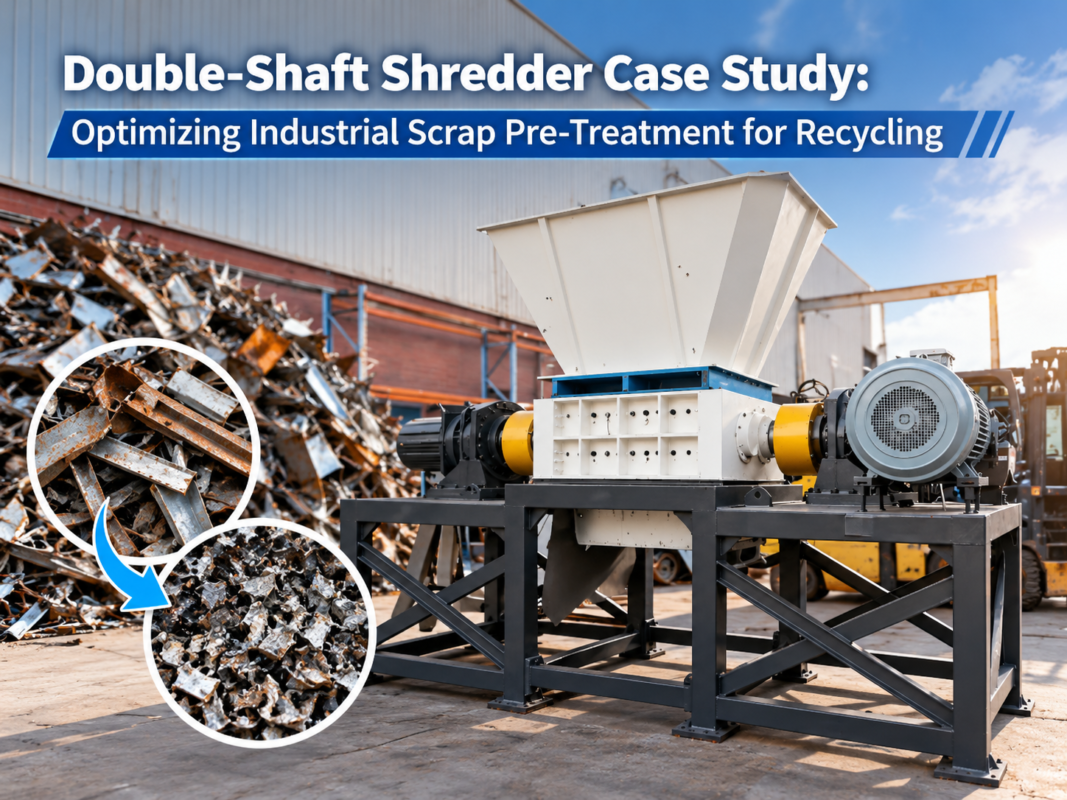
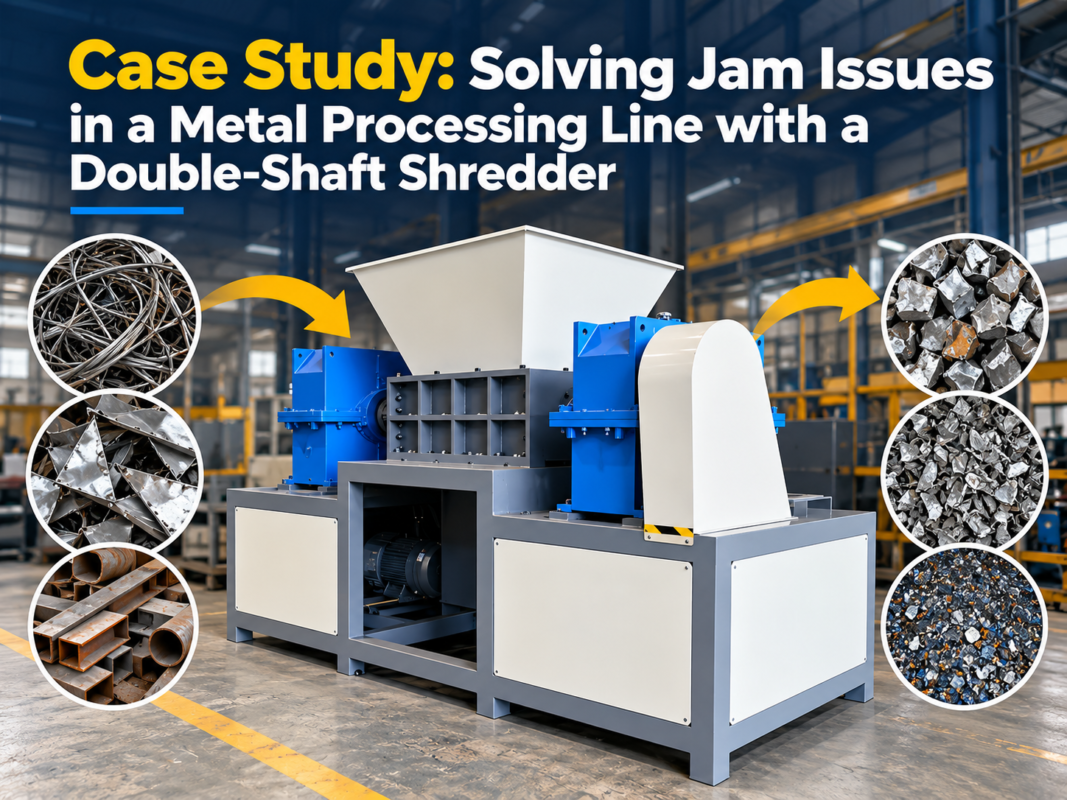
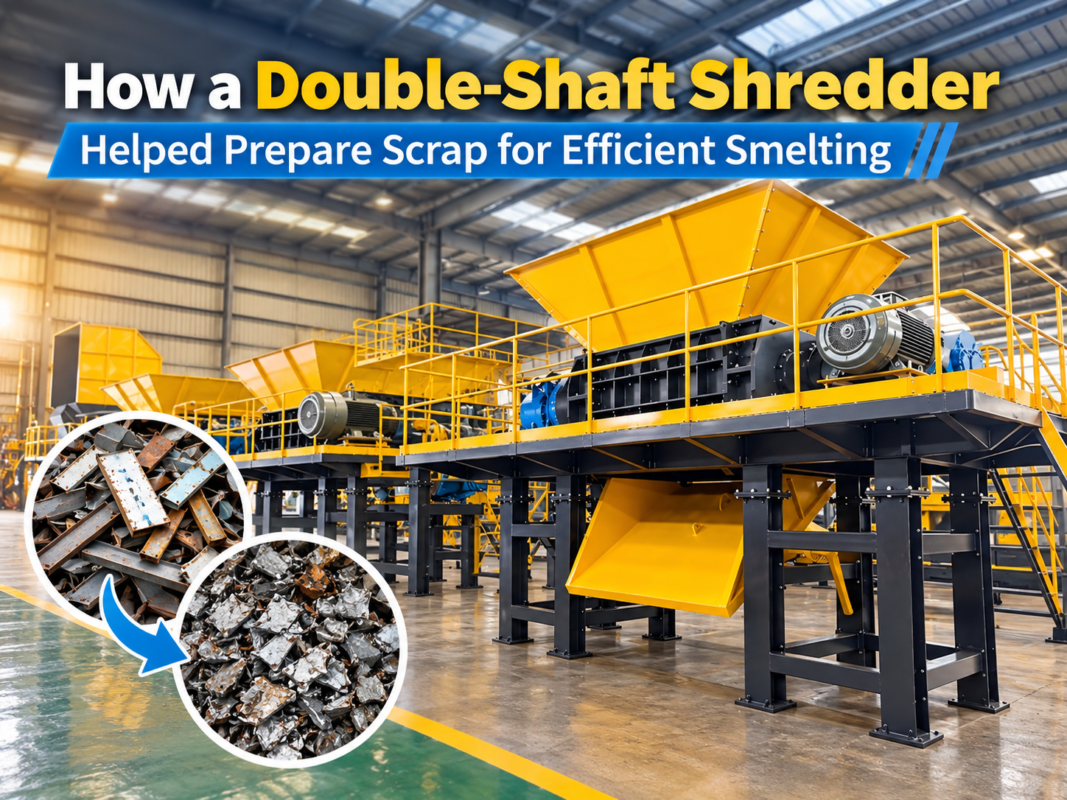
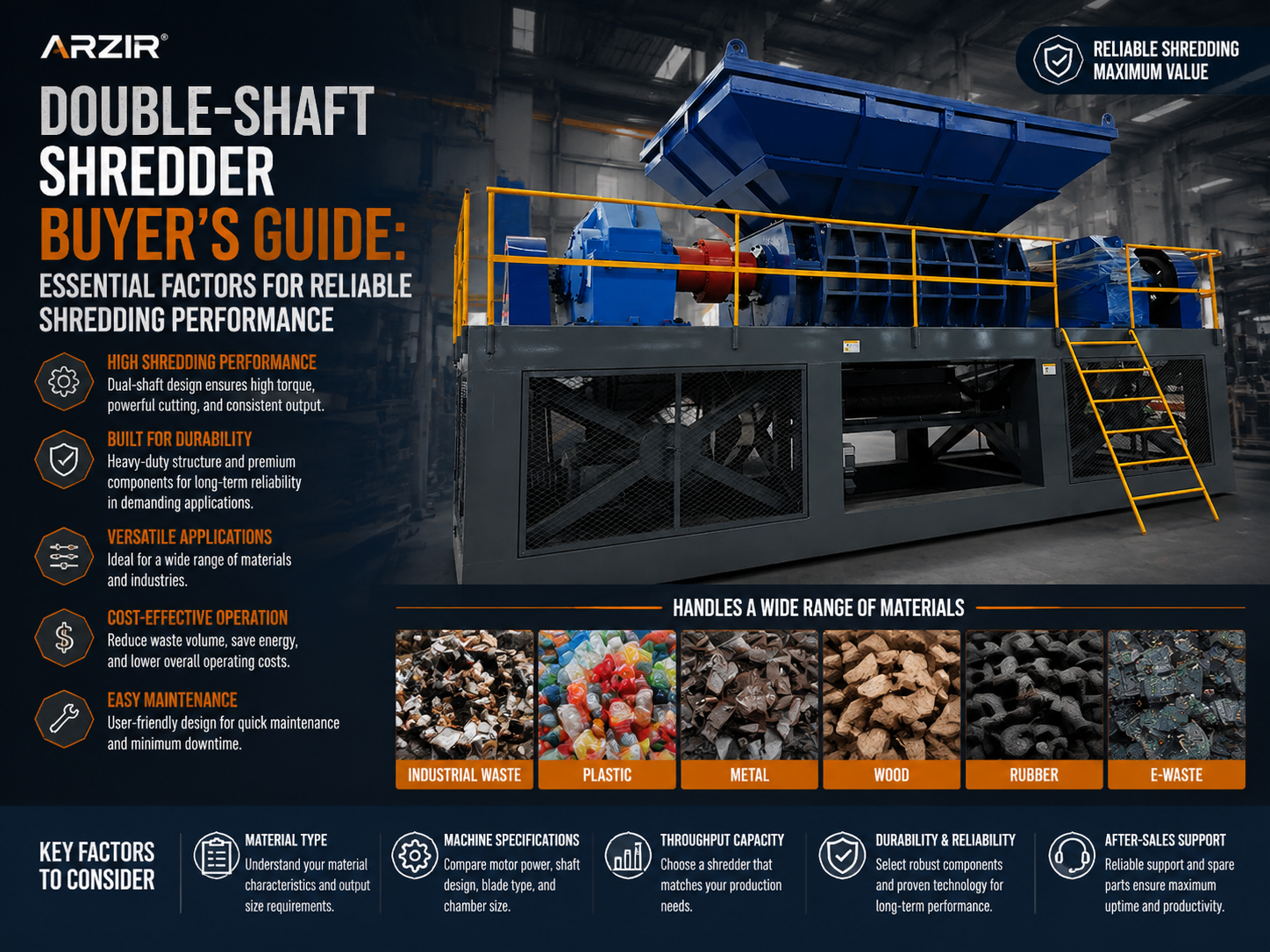
Double-Shaft Shredder Buyer’s Guide: Essential Factors for Reliable Shredding Performance

Introduction to Industrial Shredding Solutions
In the modern landscape of waste management and material recycling, the double-shaft shredder stands as a cornerstone of efficiency. Often referred to as a shear shredder, this machine utilizes two parallel shafts equipped with interlocking blades to tear, cut, and compress bulky materials into manageable sizes. Whether you are processing industrial plastics, metal scrap, electronic waste, or municipal solid waste, selecting the right equipment is critical for operational success. This Double-Shaft Shredder Buyer’s : Essential Factors Reliable Shredding Performance guide is designed to navigate the complexities of the market, ensuring that your investment yields maximum productivity and longevity.
The demand for robust shredding solutions has surged as global regulations on waste disposal tighten and the circular economy gains momentum. A double-shaft shredder is not merely a purchase; it is a strategic asset that determines the throughput of your entire recycling line. However, the market is flooded with various models, ranging from light-duty units to massive industrial powerhouses. Understanding the technical nuances—from torque requirements to blade metallurgy—is the difference between a machine that lasts a decade and one that becomes a maintenance nightmare within months.
At HARSLE, we recognize that every material has unique characteristics. A shredder designed for wood will struggle with steel-reinforced tires, and a machine optimized for paper will fail when faced with heavy aluminum extrusions. This guide provides a deep dive into the financial and technical aspects of acquiring a double-shaft shredder, helping you make an informed decision based on data and engineering principles.

Price Range Overview: Aligning Budget with Capacity
The cost of a double-shaft shredder is primarily dictated by its scale, power, and the materials it is intended to process. Generally, the market can be categorized into three main price tiers. Understanding these tiers helps buyers set realistic expectations for their capital expenditure (CAPEX).
Entry-Level and Small-Scale Shredders ($8,000 – $25,000)
Small-scale shredders are typically equipped with motors ranging from 5kW to 15kW. These units are ideal for laboratory testing, small recycling centers, or processing relatively soft materials like thin plastics, cardboard, and light electronic components. While affordable, these machines often feature smaller feed openings and lower torque, making them unsuitable for continuous heavy-duty industrial use. Buyers in this range should be cautious of build quality, ensuring the frame is rigid enough to handle the stresses of shredding.
Medium-Duty Industrial Shredders ($30,000 – $75,000)
This is the most common category for professional recycling facilities. These machines usually feature dual motors (often 22kW to 45kW each) and are capable of handling tougher materials such as car bumpers, thick-walled plastic pipes, and light metal scrap. In this price range, you begin to see more advanced features like PLC control systems with automatic reversal logic and high-quality alloy steel blades. These machines offer a balance between throughput and investment cost, making them the workhorses of the industry.
Heavy-Duty and Custom Shredding Systems ($80,000 – $250,000+)
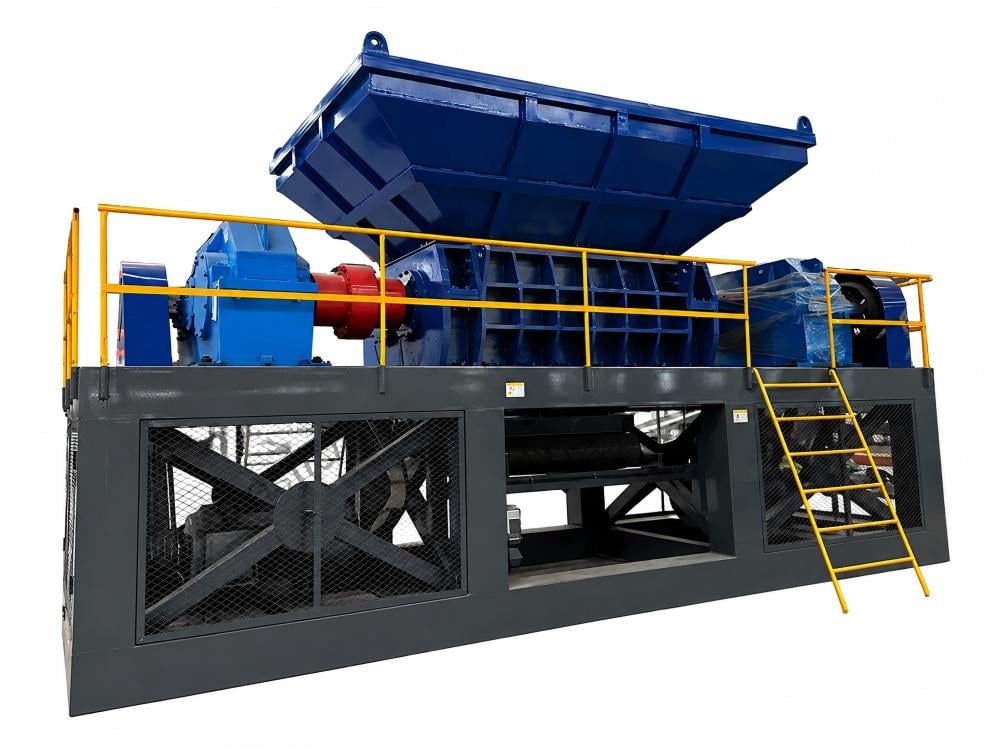
For high-volume operations processing municipal solid waste (MSW), scrap metal, or large tires, heavy-duty shredders are required. These units boast massive torque, reinforced chambers, and motors exceeding 100kW. The price reflects the engineering required to withstand extreme impact and abrasion. Often, these systems are integrated into full production lines with conveyors, magnetic separators, and dust extraction systems. At this level, customization is standard, with blade configurations and shaft speeds tailored to the specific material density and desired output size.
Main Cost Drivers: What Are You Really Paying For?
When comparing quotes for a double-shaft shredder, the price difference between two seemingly identical machines can be significant. This is usually due to the quality of internal components that are not immediately visible. Understanding these cost drivers is essential for evaluating the Double-Shaft Shredder Buyer’s : Essential Factors Reliable Shredding Performance.
1. Blade Material and Manufacturing Process
The blades (or cutters) are the most critical wear parts. High-quality blades are made from specialized alloy steels like D2, SKD-11, or H13. The cost is driven by the raw material price and the heat treatment process. Vacuum heat treatment ensures uniform hardness throughout the blade, preventing it from cracking under stress or wearing down prematurely. Cheaper machines often use inferior steel with surface-only hardening, leading to frequent replacements and downtime.
2. Motor and Drive System Quality
The drive system consists of the electric motors and the gearboxes. Premium brands like Siemens or ABB for motors and Bonfiglioli or SEW for gearboxes add to the initial cost but provide superior reliability and energy efficiency. A high-torque planetary gearbox is significantly more expensive than a standard spur gearbox but is necessary for the high-load, low-speed operation characteristic of double-shaft shredders.
3. Frame Construction and Chamber Design
A shredder’s frame must absorb massive vibrations and torsional forces. Machines built with thick, high-grade carbon steel plates that are precision-machined and stress-relieved will naturally cost more. A flimsy frame will eventually lead to shaft misalignment, bearing failure, and catastrophic chamber damage. Furthermore, the complexity of the bearing housing—specifically how it protects the bearings from dust and liquids—is a major cost factor.
4. Control Systems and Automation
Modern shredders utilize Programmable Logic Controllers (PLC) to manage the shredding cycle. A sophisticated system will monitor the motor current; if it detects a jam, it automatically reverses the shafts to clear the obstruction before attempting to shred again. This prevents motor burnout and mechanical breakage. The inclusion of touch-screen interfaces, remote monitoring capabilities, and safety interlocks adds to the cost but enhances safety and ease of use.
Configuration Impact: Tailoring the Machine to the Task
The configuration of a double-shaft shredder determines its performance characteristics. Buyers must match the machine’s specifications to their specific material requirements. Small changes in configuration can lead to massive differences in throughput and output quality.
Shaft Speed and Torque
Double-shaft shredders are low-speed, high-torque machines. Typically, the shafts rotate between 10 and 25 RPM. Lower speeds provide higher torque, which is essential for shearing through tough materials like tires or thick metal. If the speed is too high, the blades may simply bounce off the material rather than grabbing and cutting it. The gear ratio must be carefully selected to provide the necessary force for the toughest piece of material expected in the waste stream.
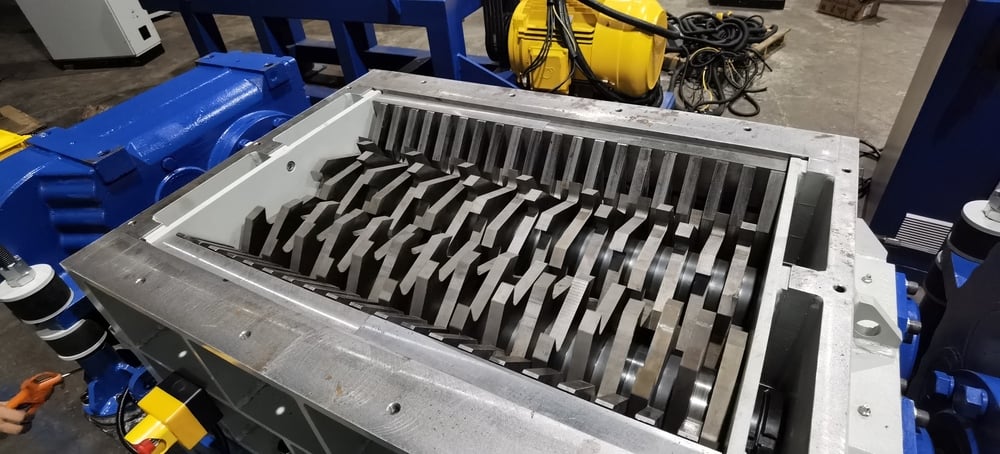
Blade Geometry and Hook Count
The shape of the blades—specifically the number of “hooks”—affects how the machine grabs material. Single-hook blades are aggressive and good for bulky items, while multi-hook blades produce a smaller, more consistent output size. The thickness of the blades also dictates the width of the shredded strips. For example, 20mm blades will produce 20mm wide strips. Choosing the right thickness is vital for downstream processing, such as granulating or sorting.
Screening and Recirculation
Unlike single-shaft shredders, standard double-shaft shredders often do not use a screen. The output size is determined by the blade width and hook geometry. However, for applications requiring a precise size, some double-shaft models can be fitted with a screen or integrated into a closed-loop system where oversized material is returned to the hopper. This configuration increases the complexity and footprint of the machine.
Hidden Costs: Beyond the Initial Purchase Price
The “sticker price” of a shredder is only part of the Total Cost of Ownership (TCO). Savvy buyers must account for the ongoing expenses that occur after the machine is installed. Ignoring these can quickly turn a profitable operation into a loss-making one.
- Wear Parts Replacement: Blades are consumable. Depending on the material (e.g., abrasive glass-filled plastics vs. clean film), blades may need sharpening or replacement every few hundred to a few thousand hours. The cost of a full set of blades can be 10-15% of the machine’s original price.
- Energy Consumption: Shredders are power-hungry. A machine that is not energy-efficient or is improperly sized for the task will result in high monthly utility bills. Utilizing VFDs (Variable Frequency Drives) can help mitigate peak demand charges.
- Maintenance Labor: Regular lubrication, bolt tightening, and seal inspections are required. If the machine’s design makes it difficult to access the shafts or bearings, maintenance will take longer, increasing labor costs and downtime.
- Installation and Commissioning: Shipping a multi-ton machine, hiring cranes for placement, and bringing in electricians for high-voltage wiring are significant expenses. Some manufacturers include commissioning in the price, while others charge extra for technician travel and daily rates.
- Spare Parts Inventory: To avoid weeks of downtime, it is advisable to keep critical spares on hand, such as a set of bearings, seals, and a backup PLC module. This ties up capital but acts as insurance against operational halts.
ROI Calculation: Measuring the Value of Your Investment
Calculating the Return on Investment (ROI) for a double-shaft shredder involves comparing the total costs against the revenue generated or costs saved. A well-chosen machine should pay for itself within 12 to 24 months in a high-volume environment.
The primary revenue drivers include:
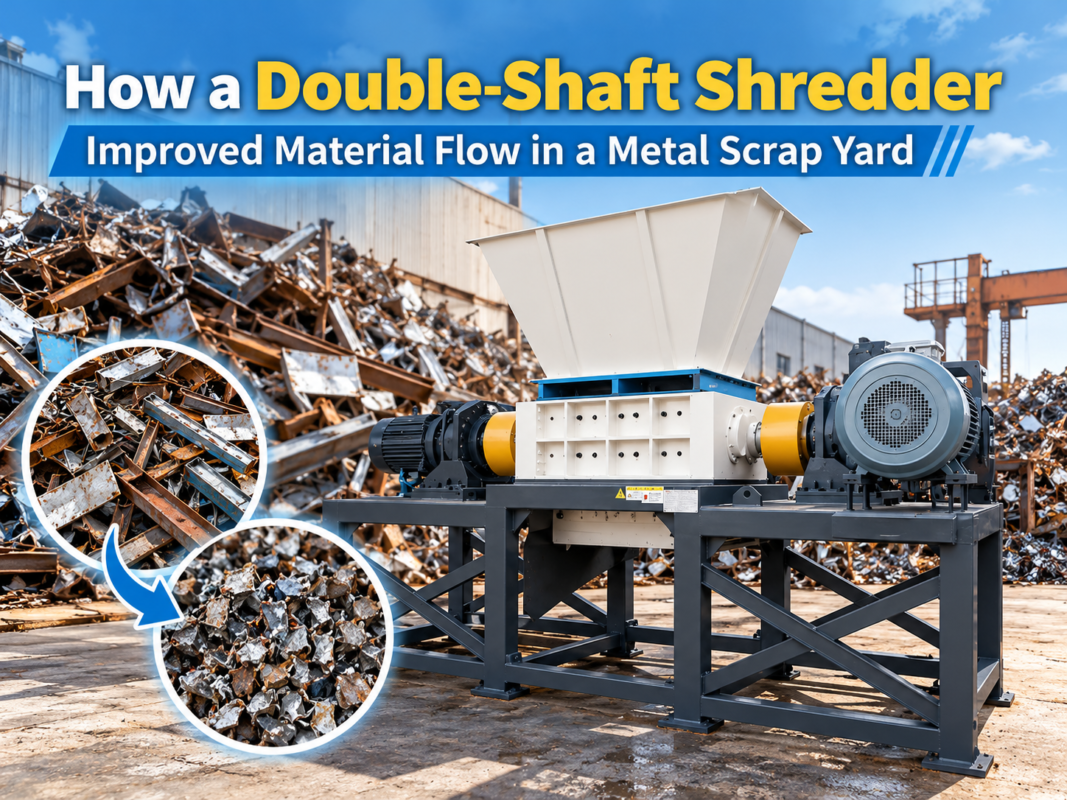
- Increased Scrap Value: Shredded and sorted material (like aluminum or copper) fetches a much higher price per ton than mixed, bulky scrap.
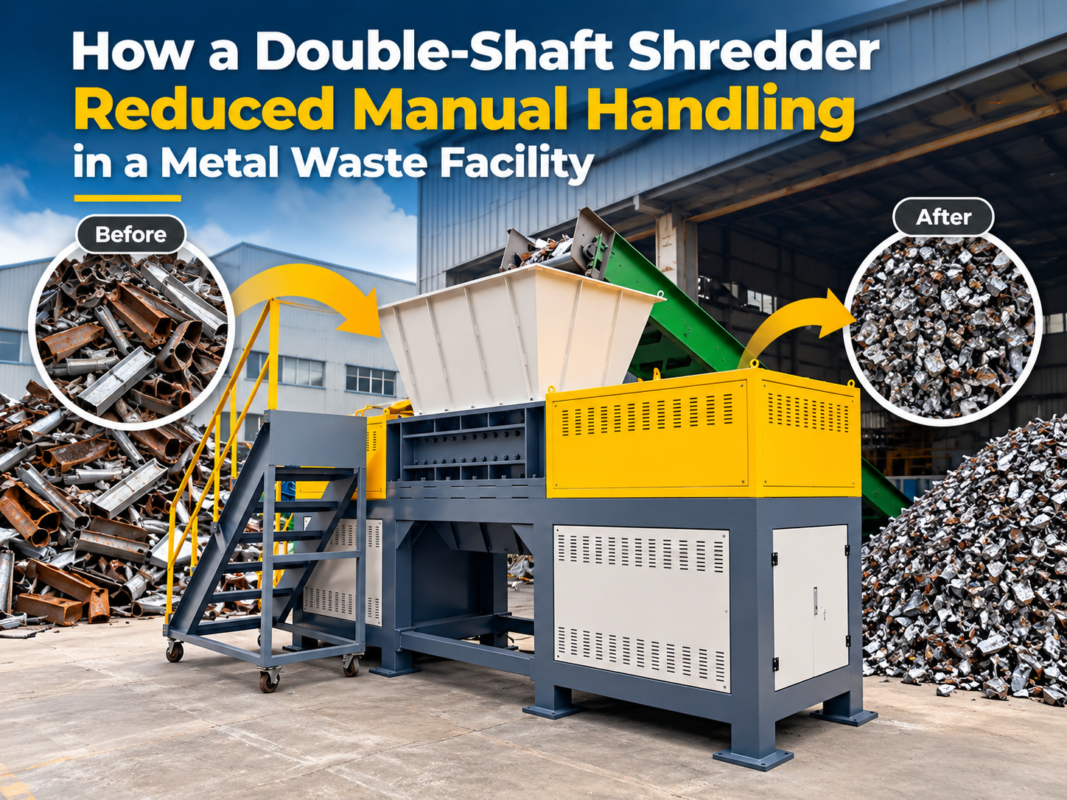
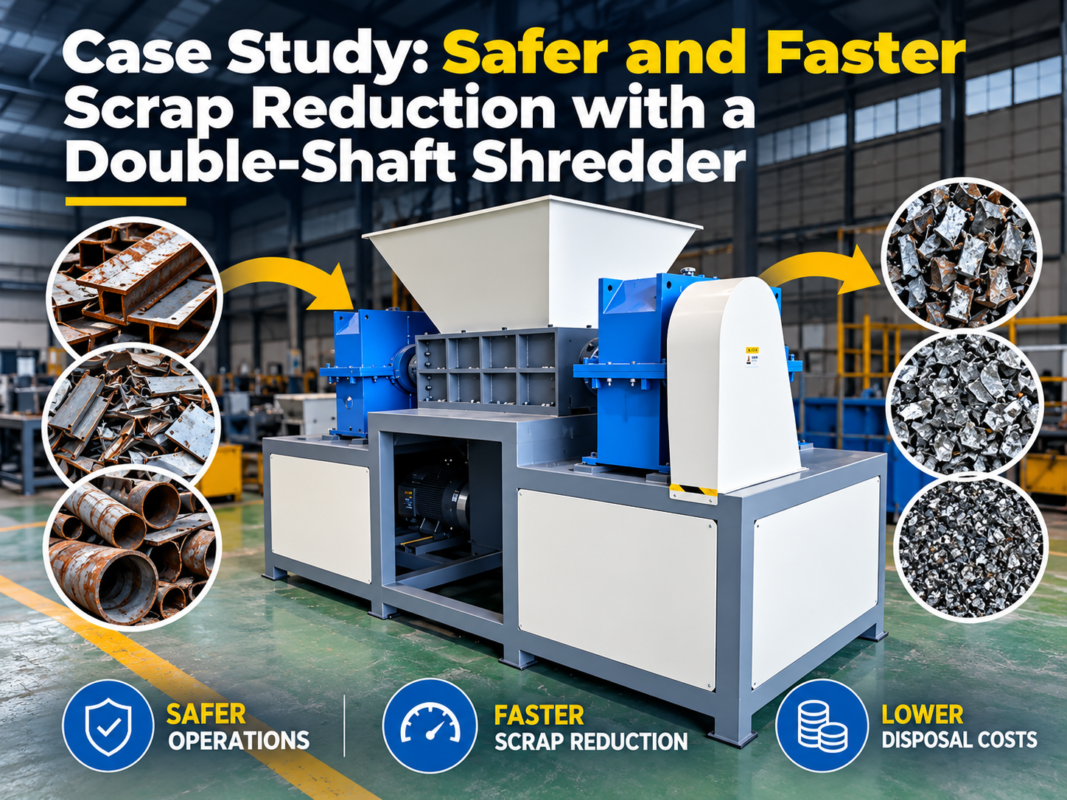
- Volume Reduction: Shredding reduces the volume of waste by up to 80%, significantly lowering transportation and landfill tipping fees.
- Material Recovery: Shredding is the first step in recovering valuable materials from complex waste streams like E-waste or ELVs (End-of-Life Vehicles).
To calculate ROI, use the following formula:
ROI (Months) = (Total Investment Cost) / (Monthly Revenue from Processed Material + Monthly Savings in Disposal – Monthly Operating Costs)
For example, if a $50,000 shredder saves $4,000 a month in transport costs and generates $2,000 in recycled material sales, while costing $1,000 in electricity and maintenance, the monthly net gain is $5,000. The ROI would be 10 months. This simple calculation highlights why quality equipment—which minimizes “Monthly Operating Costs” and maximizes “Monthly Revenue” through uptime—is the better financial choice.
Buying Advice: How to Choose the Right Partner
Selecting a double-shaft shredder is as much about choosing the right manufacturer as it is about the machine itself. Here are several tips to ensure a successful acquisition:
1. Conduct Material Testing
Never buy a shredder without seeing it process your specific material. Reputable manufacturers like HARSLE offer material testing services where you can send samples to their facility. They will provide a video of the shredding process and a report on the throughput and output size achieved. This eliminates guesswork and ensures the blade configuration is correct.
2. Evaluate After-Sales Support
Industrial machinery will eventually need parts and technical advice. Check the manufacturer’s track record for support. Do they have a local distributor? How quickly can they ship replacement blades? A cheap machine from a vendor with no support structure is a high-risk investment.
3. Check Safety Compliance
Ensure the machine meets local safety standards (such as CE or UL). This includes emergency stop buttons, safety limit switches on access doors, and proper guarding. Safety is not just about protecting workers; it also protects the company from legal liability and insurance complications.
4. Review the Technical Documentation
A professional manufacturer provides comprehensive manuals, wiring diagrams, and parts lists. This documentation is vital for your maintenance team to keep the machine running efficiently over the long term.
Frequently Asked Questions (FAQ)
What is the difference between a single-shaft and a double-shaft shredder?
A single-shaft shredder uses a high-speed rotor with small cutters and a hydraulic pusher to press material against the rotor; it is best for precise sizing of plastics. A double-shaft shredder uses two low-speed, high-torque shafts to shear material; it is better for bulky, tough, or mixed waste where high throughput and volume reduction are the primary goals.
Can a double-shaft shredder handle metal?
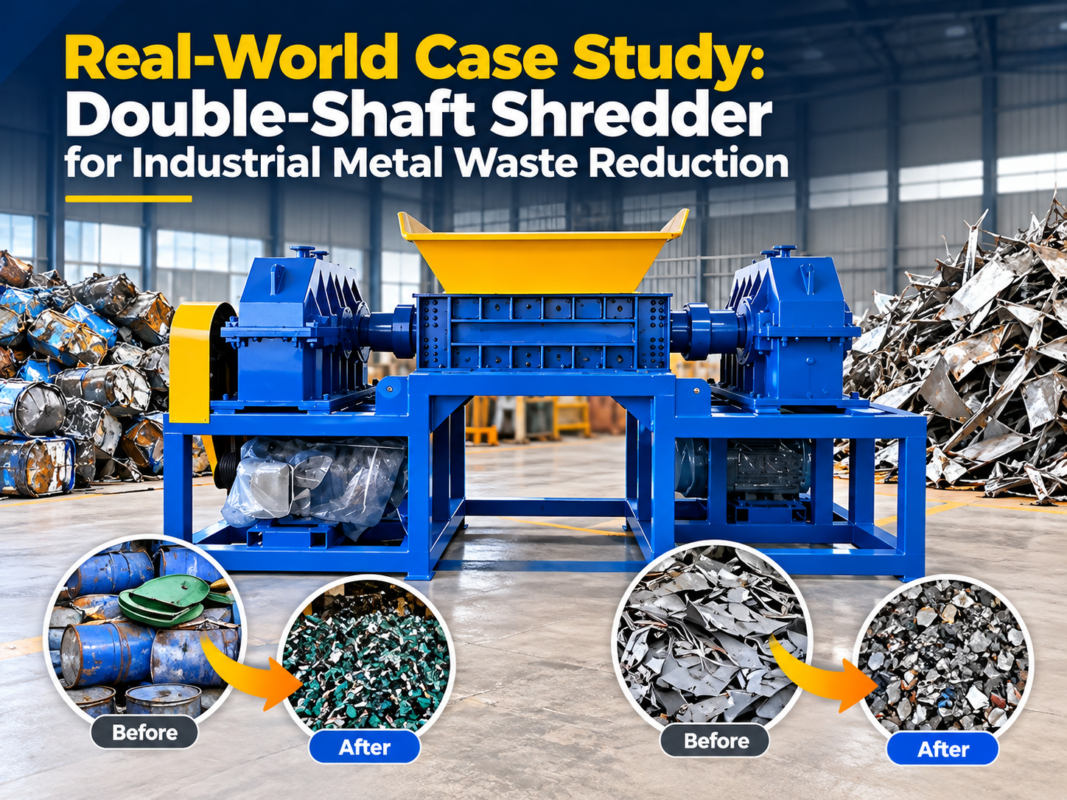
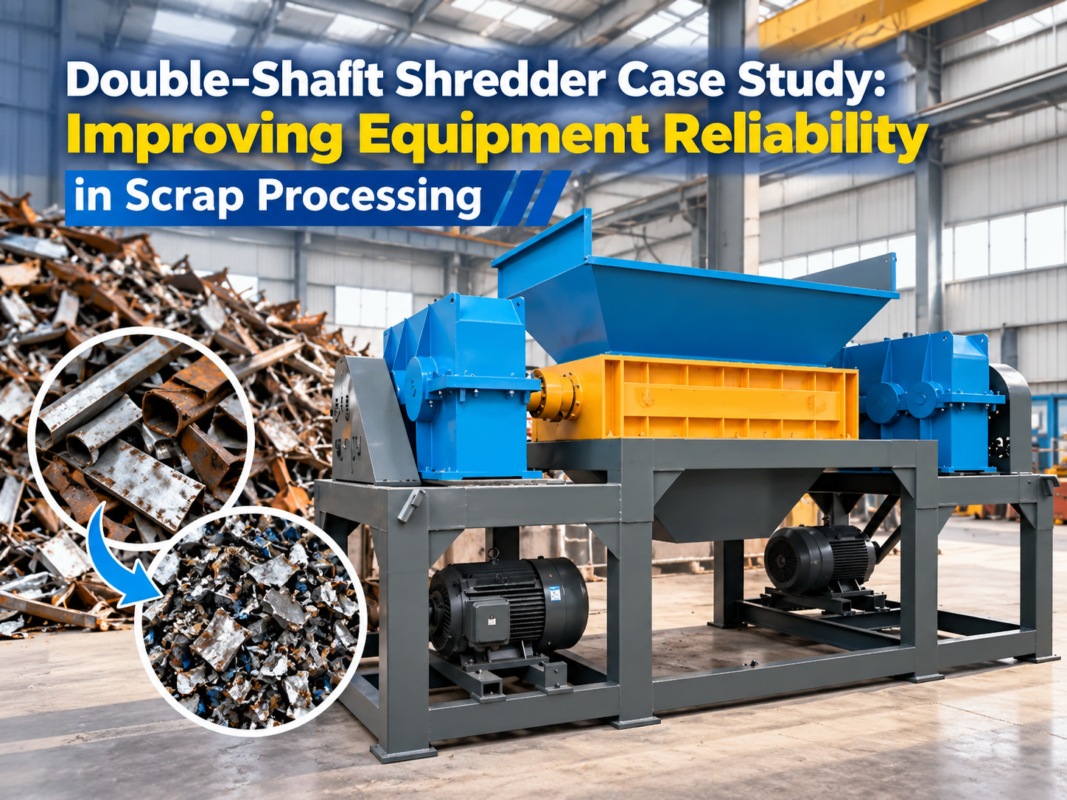
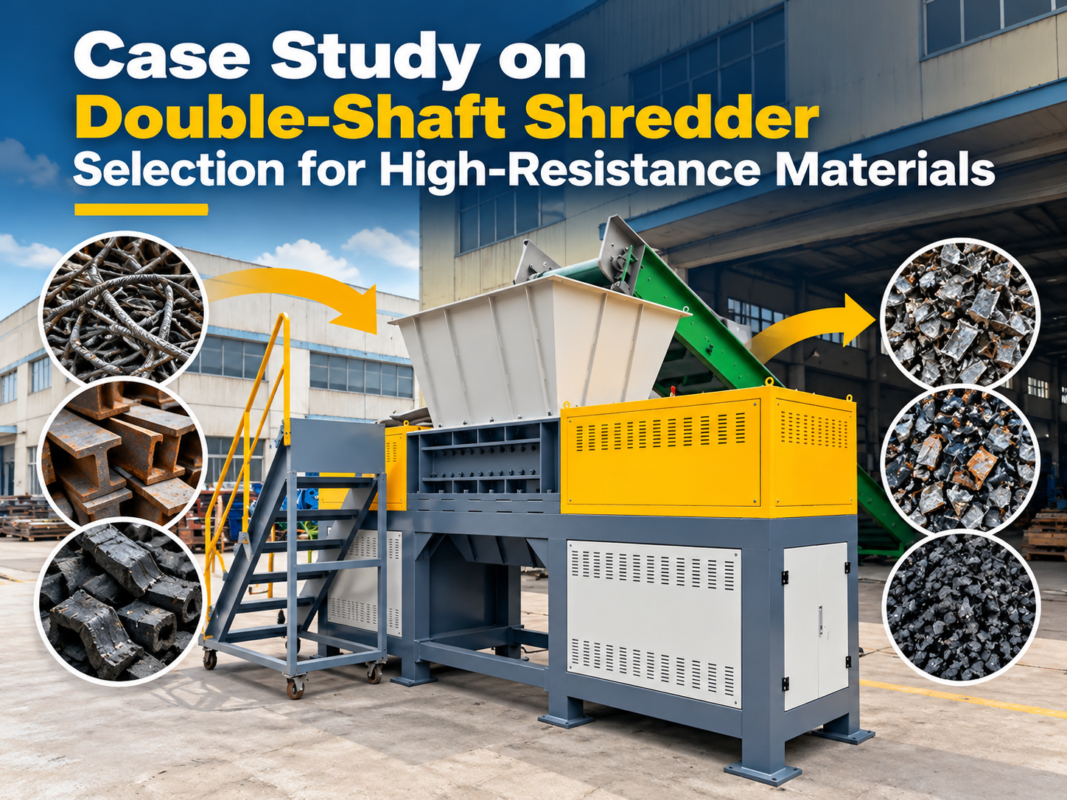
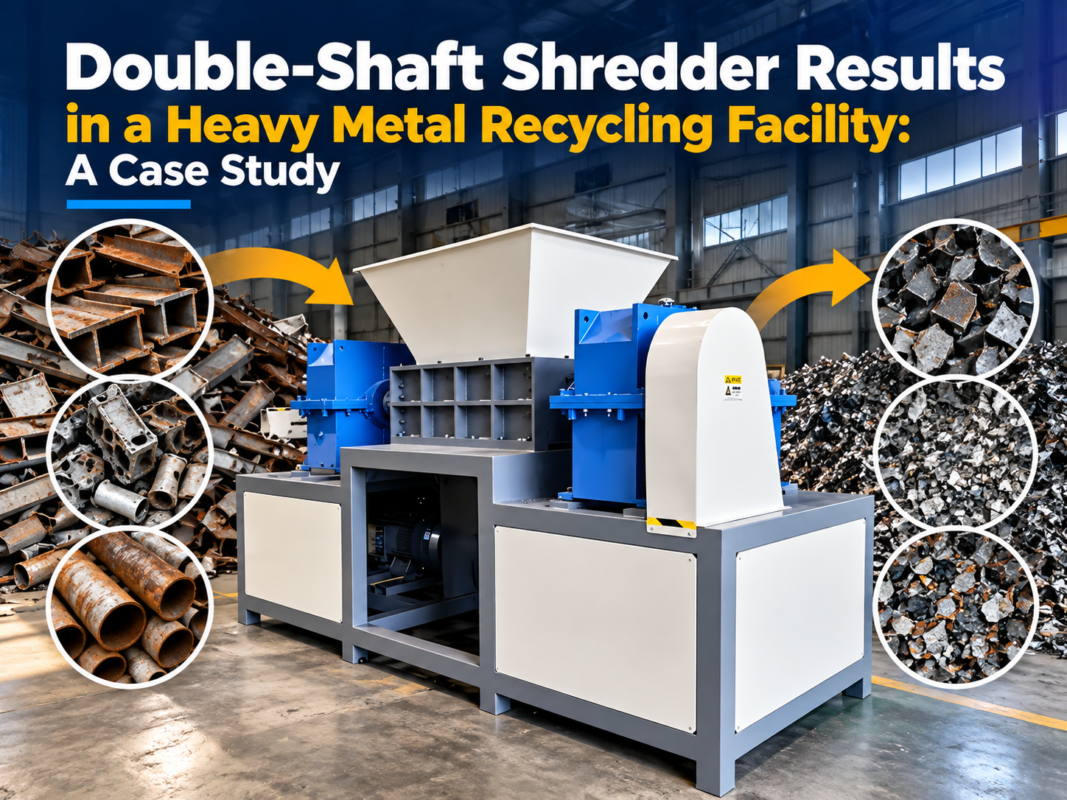
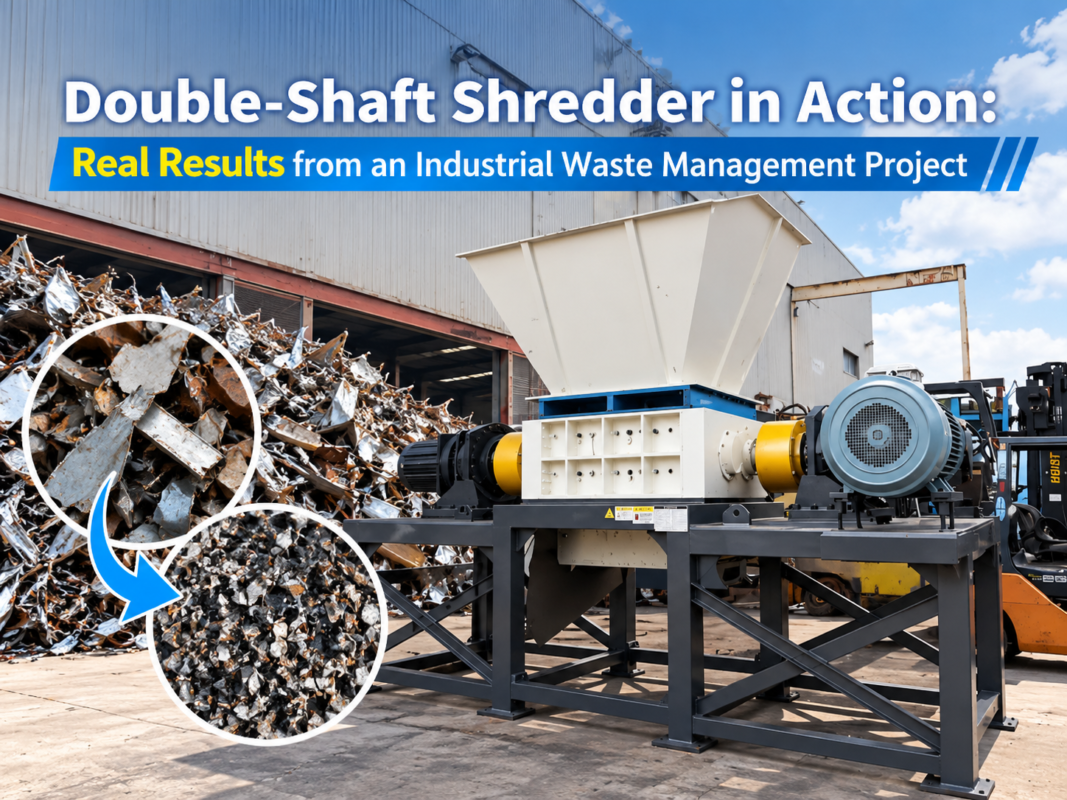
Yes, but it depends on the machine’s specifications. Light metals like aluminum cans, thin sheets, and copper wiring are easily handled by medium-duty machines. Heavy steel scrap requires a specialized, reinforced heavy-duty shredder with high-strength alloy blades and massive torque.
How often do the blades need to be sharpened?
This depends entirely on the material. Shredding clean plastic might allow for 2,000+ hours of use, while shredding contaminated construction waste or abrasive materials might require blade maintenance every 500 hours. Many modern blades are designed to be removed and sharpened several times before needing replacement.
What should I do if the shredder jams?
Most modern double-shaft shredders are equipped with an auto-reverse function. When the PLC detects an amperage spike (indicating a jam), it automatically stops and reverses the shafts to reposition the material. If the jam persists after several attempts, the machine will shut down and signal an alarm for manual intervention.
Is a double-shaft shredder very noisy?
Because they operate at low speeds, double-shaft shredders are generally quieter than high-speed granulators or hammer mills. However, the sound of the material being torn (especially metal or hard plastics) can still be loud. Most units operate between 75 and 85 decibels.
Conclusion
Investing in a double-shaft shredder is a significant step toward optimizing your waste management or recycling process. By focusing on the Double-Shaft Shredder Buyer’s : Essential Factors Reliable Shredding Performance—such as blade quality, drive system reliability, and proper configuration—you can ensure that your machine provides a strong ROI and minimal operational headaches. At HARSLE, we are committed to providing high-quality, durable shredding solutions tailored to the rigorous demands of the metal fabrication and recycling industries. Contact us today to discuss your material processing needs and find the perfect shredder for your application.