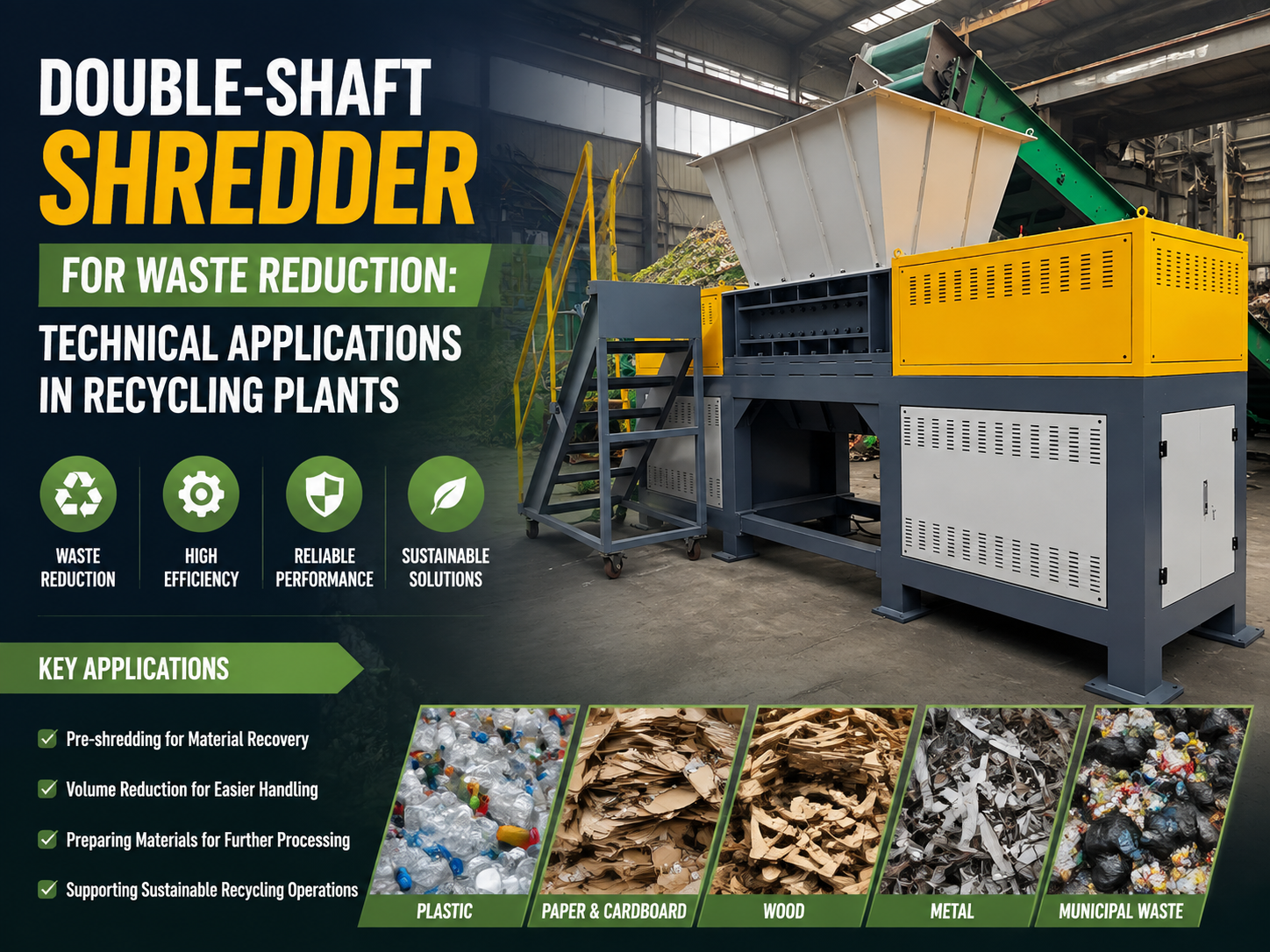
Double-Shaft Shredder Waste Reduction: Technical Applications In Recycling Plants

Technical Overview of Double-Shaft Shredders
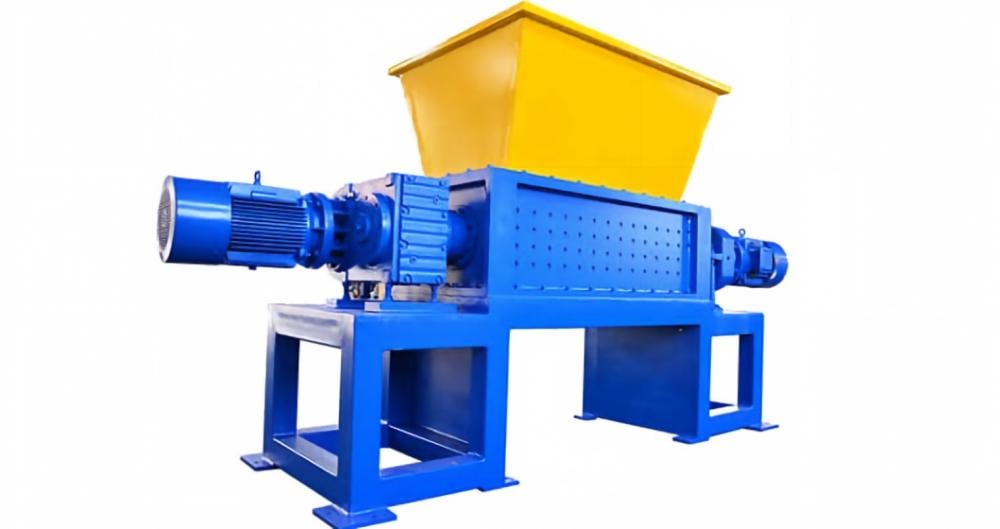
The double-shaft shredder, often referred to as a dual-shaft or shear shredder, represents the pinnacle of primary size reduction technology in modern recycling plants. Unlike high-speed grinders that rely on impact, the double-shaft shredder operates at low speeds with exceptionally high torque. This mechanical advantage allows it to process a vast array of materials, from resilient polymers and scrap tires to bulky electronic waste and light metal structures. The fundamental principle involves two parallel shafts equipped with interlocking cutting disks that rotate toward each other. As material is fed into the chamber, the hooks on the blades grab the waste, pulling it into the cutting zone where it is subjected to intense shearing, tearing, and squeezing forces.
HARSLE has engineered these machines to address the increasing complexity of industrial waste streams. By utilizing a low-speed, high-torque drive system, the double-shaft shredder minimizes dust generation, noise pollution, and heat buildup—factors that are critical when processing volatile or heat-sensitive materials. The modular design of the cutting chamber allows for rapid maintenance and blade replacement, ensuring that recycling facilities can maintain high uptime even when dealing with abrasive contaminants. The technical sophistication of these machines lies in their ability to handle non-uniform feedstocks, providing a consistent output size that is essential for downstream sorting and secondary processing.
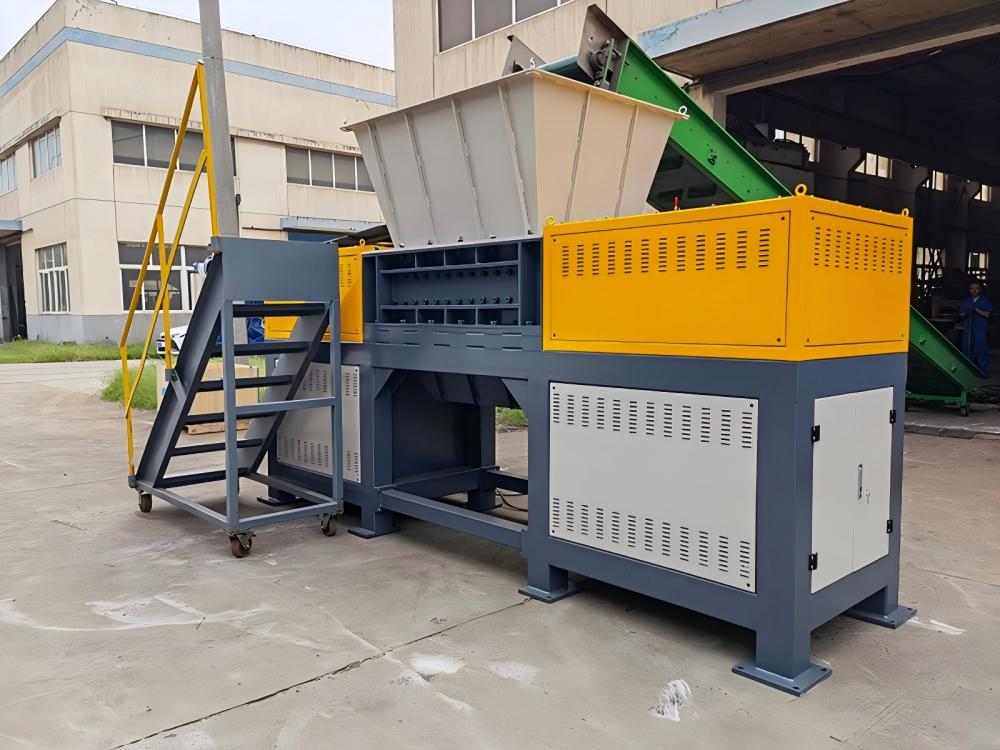
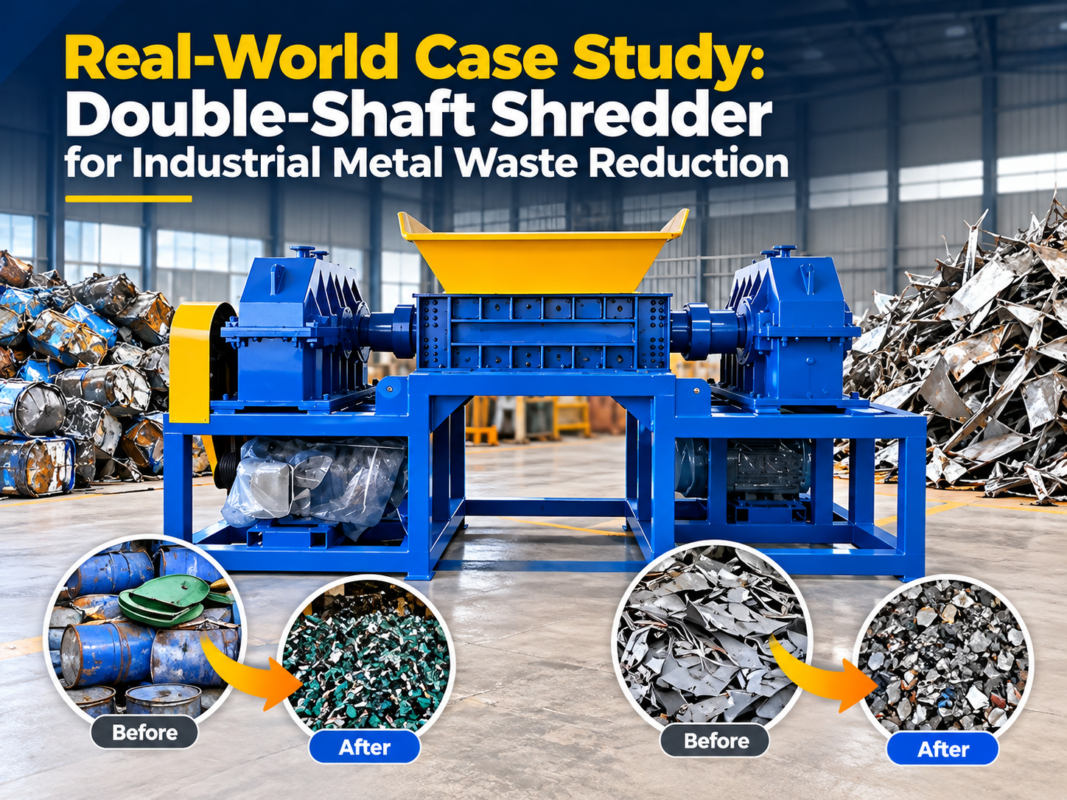
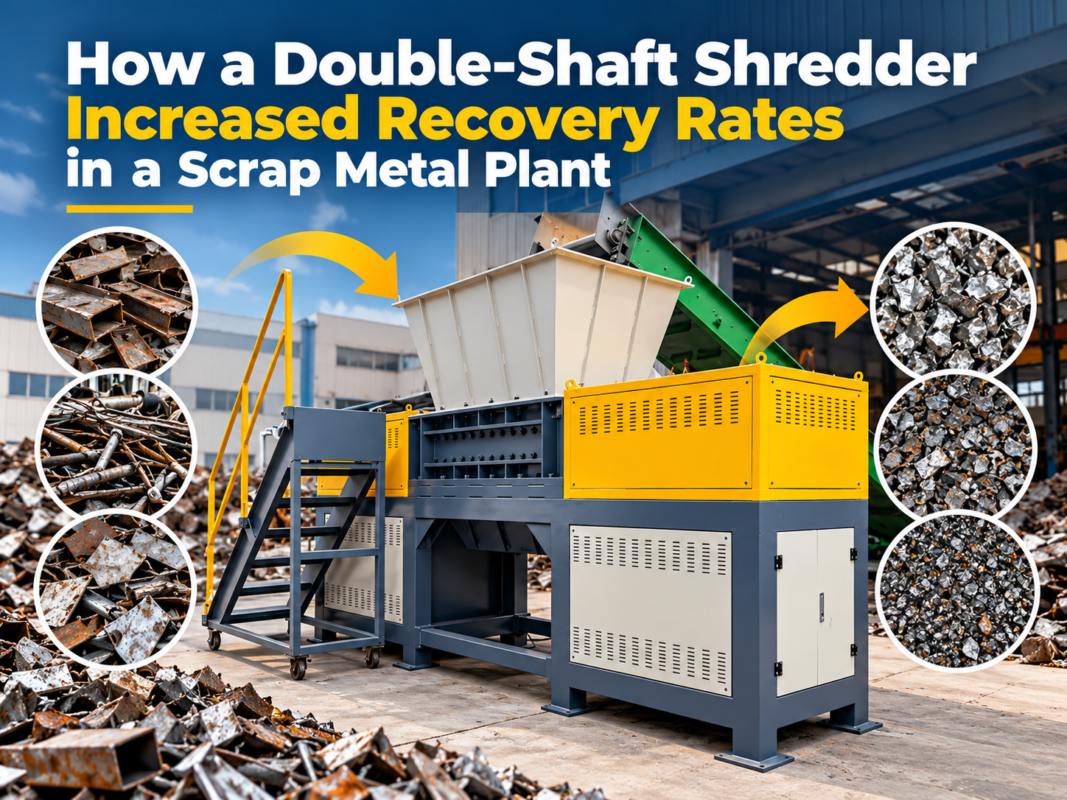
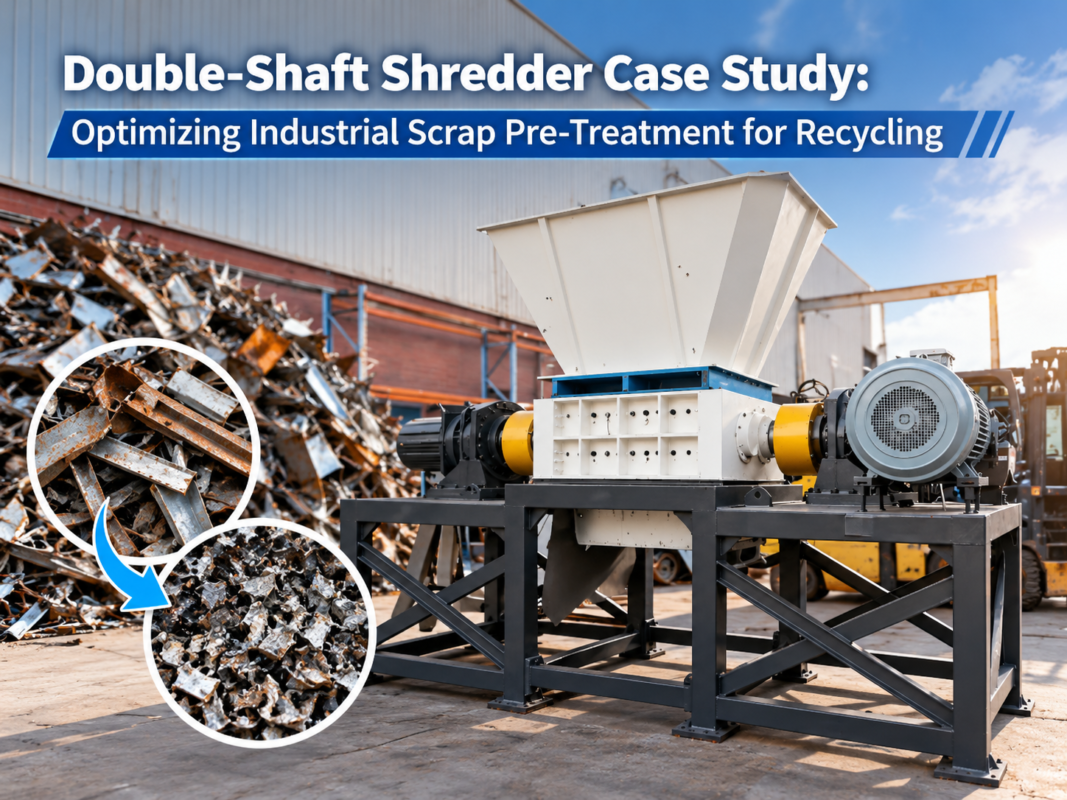
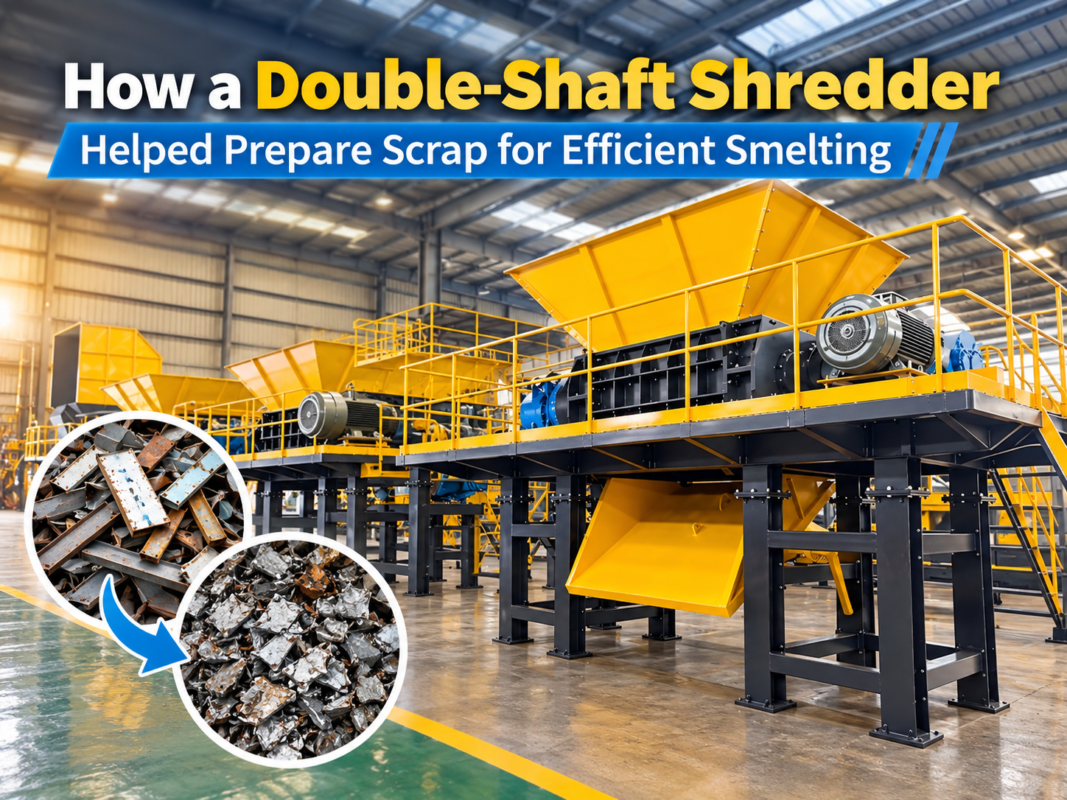
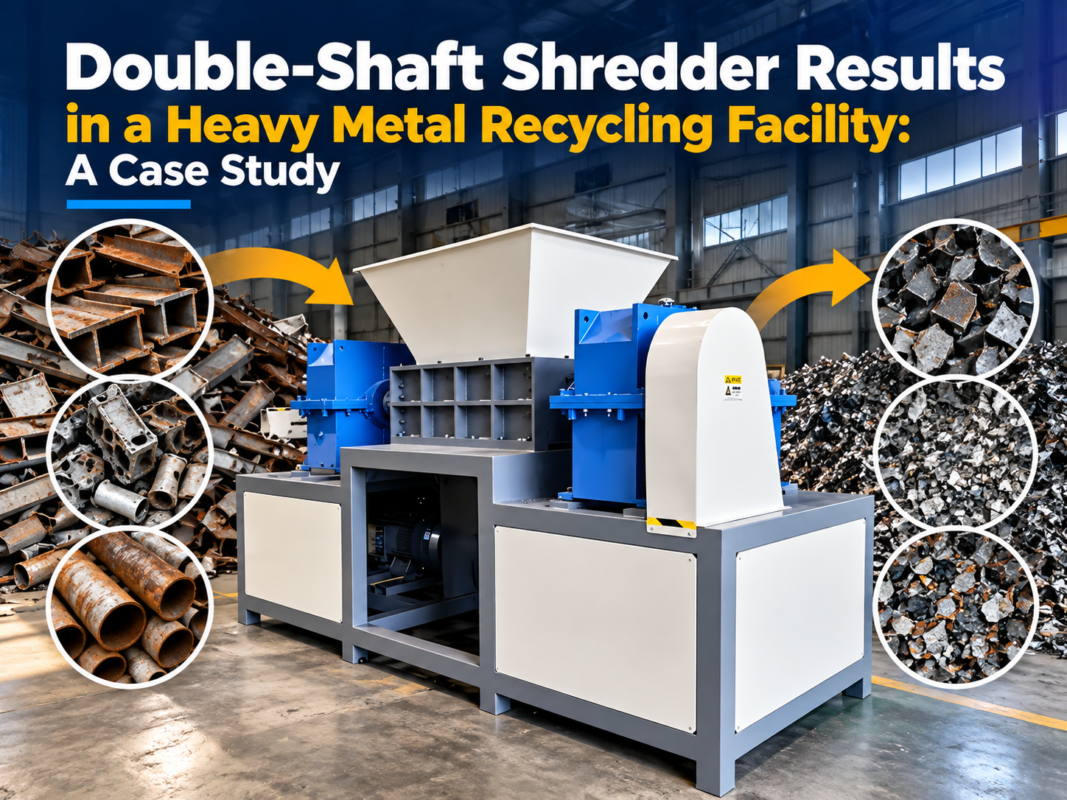
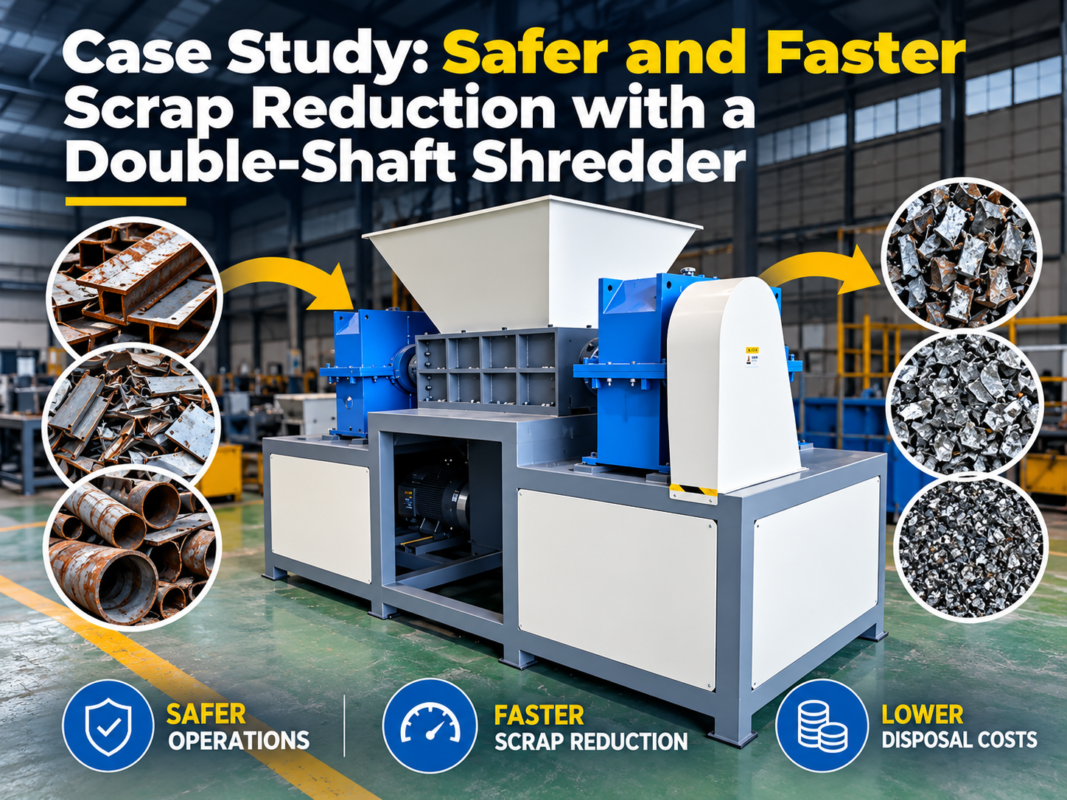
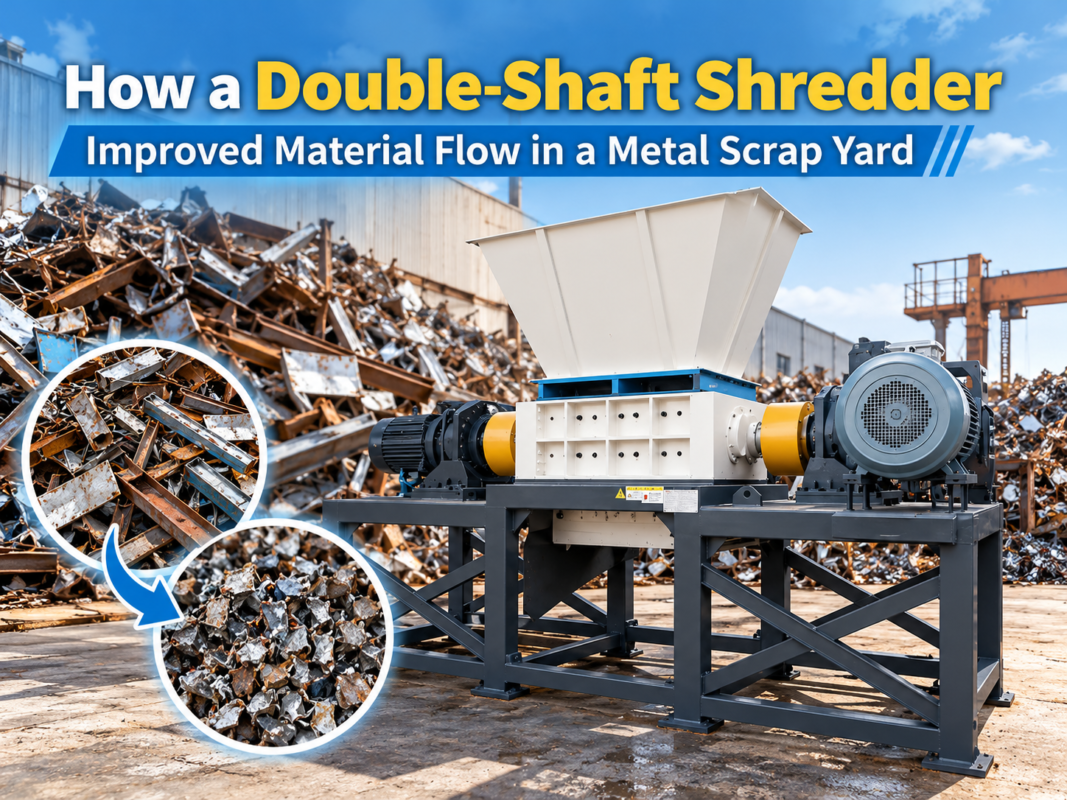
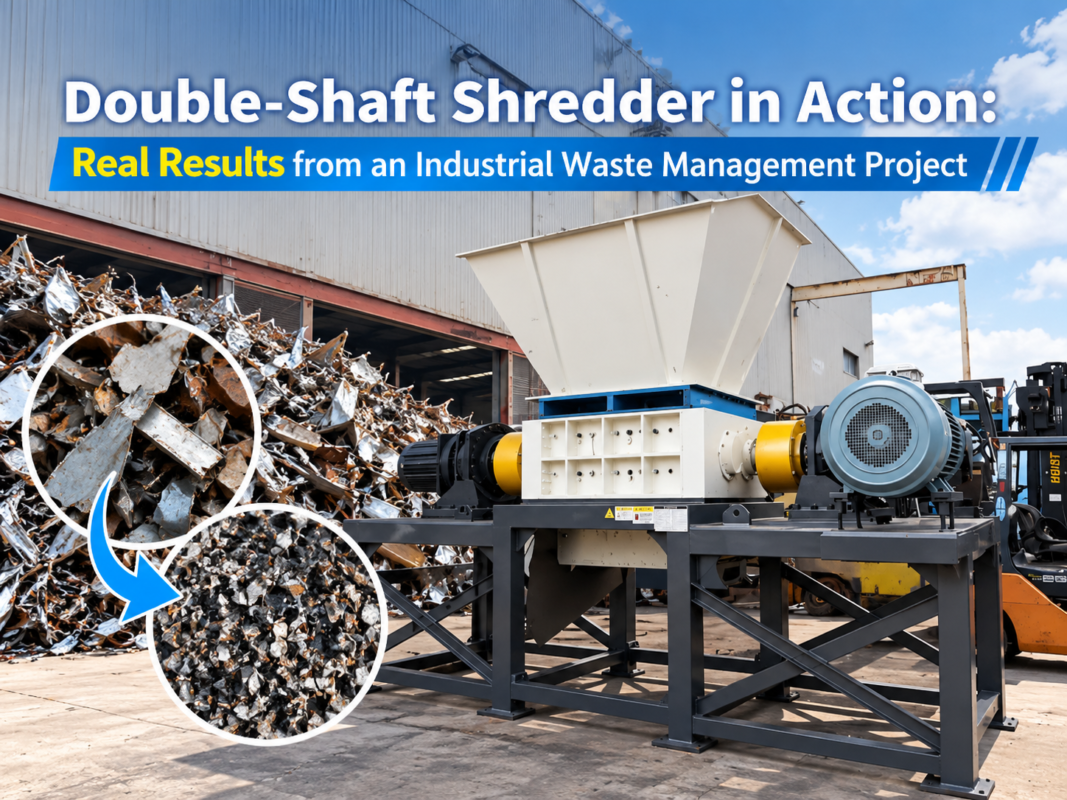
In the context of waste reduction, the double-shaft shredder serves as the ‘first responder.’ Its primary role is to reduce the volume of bulky waste by up to 80%, significantly lowering transportation costs and improving the efficiency of subsequent recycling stages. For instance, in metal recycling, shredding large appliances or automotive components into smaller, uniform pieces allows magnetic separators and eddy current systems to extract ferrous and non-ferrous metals with much higher purity levels. The technical application of these machines extends beyond simple destruction; they are precision instruments designed to liberate bonded materials, such as plastic coatings on copper wiring or rubber on steel rims.
Core Parameters and Engineering Specifications
Understanding the core parameters of a double-shaft shredder is vital for optimizing performance in a recycling plant. The most critical specification is the Torque Rating. Torque is the rotational force that determines the machine’s ability to shear through tough materials. In HARSLE shredders, torque is maximized through high-ratio planetary gearboxes, which convert the high-speed rotation of the electric motors into the slow, powerful movement of the shafts. A higher torque rating allows the machine to process thicker wall sections without stalling or triggering the auto-reverse mechanism frequently.
Blade Geometry and Material are equally important. Blades are typically manufactured from high-strength alloy steels such as Cr12MoV, D2, or DC53, which undergo specialized heat treatment processes to achieve a balance between hardness (for wear resistance) and toughness (to prevent cracking under shock loads). The number of ‘hooks’ or ‘teeth’ on each blade, as well as the thickness of the blade itself, determines the final output size. For example, a 20mm blade will produce a different shred profile than a 50mm blade. The interlocking pattern ensures that material cannot pass through the chamber without being engaged by the cutting edges.
Shaft Speed (RPM) typically ranges between 15 and 35 revolutions per minute. While this may seem slow compared to other industrial machinery, it is a deliberate design choice. Low speed prevents the material from bouncing off the blades and ensures a steady ‘bite.’ Furthermore, the Motor Power (measured in kW or HP) must be matched to the expected throughput. A dual-motor setup is common in heavy-duty applications, providing independent drive to each shaft, which allows for better handling of uneven loads and reduces the stress on the mechanical drivetrain.
Calculation Method for Shredder Throughput and Force
To accurately integrate a double-shaft shredder into a recycling line, engineers must calculate the expected throughput and the required cutting force. The theoretical capacity (C) of a shredder can be estimated using the following formula:
C = V × ρ × η
Where:
V is the displacement volume of the cutting chamber per hour (calculated by the area of the cutting zone multiplied by the shaft speed and blade width).
ρ is the bulk density of the input material (e.g., loose plastic vs. baled aluminum).
η is the efficiency factor, which accounts for the ‘void space’ in the hopper and the time taken for the auto-reverse cycles when the machine encounters unshreddable items.
Calculating the Cutting Force (Fc) is essential to ensure the motor and gearbox can handle the specific material. The force required to shear a material is defined by its shear strength (τ) and the cross-sectional area (A) being cut: Fc = τ × A. Because the double-shaft shredder uses a shearing action, the torque (T) required at the shaft is T = Fc × r, where ‘r’ is the radius of the blade. Engineers must ensure that the peak torque available from the gearbox exceeds the maximum calculated torque requirement by a safety factor of at least 1.5 to 2.0 to account for material inconsistencies.
Technical Parameter Table
| Model Series | Motor Power (kW) | Shaft Speed (RPM) | Blade Diameter (mm) | Throughput (Tons/Hr) | Typical Applications |
|---|---|---|---|---|---|
| HDS-800 | 30 – 45 | 20 – 25 | 300 | 1.5 – 3.0 | Plastic drums, E-waste, Wood pallets |
| HDS-1200 | 75 – 110 | 18 – 22 | 450 | 5.0 – 8.0 | Tires, Light metal scrap, MSW |
| HDS-1600 | 160 – 250 | 12 – 18 | 600 | 12.0 – 20.0 | Car bodies, Large bales, Industrial waste |
| HDS-2000 | 315+ | 10 – 15 | 800+ | 25.0+ | Heavy-duty mining and bulk demolition |
Common Engineering Mistakes in Shredder Implementation
One of the most frequent mistakes in recycling plant design is Incorrect Blade Selection. Many operators attempt to use a single blade profile for all materials. However, a blade designed for shredding soft plastics will likely chip or dull prematurely if used for reinforced tires or metal scrap. The hook height and angle must be optimized for the specific material’s grip requirements. Using a ‘one-size-fits-all’ approach leads to increased energy consumption and frequent downtime for blade sharpening or replacement.
Another common error is Inadequate Hopper Design and Feeding Logic. If the hopper is too small or the feeding conveyor is not synchronized with the shredder’s load, the machine will suffer from ‘bridging’ (where material hangs up above the shafts) or ‘slugging’ (where too much material enters at once, causing constant reversals). HARSLE recommends integrating a smart PLC system that monitors the motor current; when the current spikes, the feeder should momentarily pause or slow down to allow the shredder to clear the chamber, maintaining a steady state of operation.
Neglecting Vibration and Foundation Engineering can also lead to long-term structural failure. Double-shaft shredders generate significant low-frequency vibrations during the shearing process. If the machine is not properly anchored to a reinforced concrete pad or equipped with vibration-dampening mounts, these forces can transfer to the surrounding building and other sensitive equipment. Furthermore, failing to implement a robust Lubrication Schedule for the main bearings and gearbox is a recipe for catastrophic failure, especially in dusty recycling environments where contaminants can easily penetrate unsealed components.
Selection Checklist for Recycling Plants
- Material Characterization: Define the toughest material in your waste stream. The shredder must be sized for the ‘worst-case scenario,’ not the average material.
- Output Requirements: Determine the maximum allowable particle size for your downstream equipment (e.g., granulators or optical sorters).
- Throughput Goals: Calculate the required tons per hour, accounting for an 85% operational efficiency to allow for maintenance and cleaning.
- Drive System Choice: Decide between electric motor drives (standard) or hydraulic drives (better for extremely shock-heavy applications like heavy scrap metal).
- Blade Maintenance Access: Ensure the machine design allows for easy removal of the shafts or in-situ blade replacement to minimize downtime.
- Safety and Compliance: Verify that the machine includes emergency stops, safety interlocks on access doors, and CE/UL certification for electrical components.
- Integration Capabilities: Check if the PLC can communicate with your plant-wide SCADA system for remote monitoring and data logging.
Frequently Asked Questions (FAQ)
How often do the blades need to be sharpened?
The frequency of blade sharpening depends entirely on the abrasiveness of the material being processed. For clean plastics, blades may last 1,000+ hours. For contaminated construction waste or glass-filled polymers, sharpening may be required every 200-400 hours. HARSLE blades are designed to be hard-faced or reground multiple times before requiring full replacement.
Can a double-shaft shredder handle wet materials?
Yes, double-shaft shredders are excellent for wet materials because their low-speed operation does not cause the ‘splashing’ or centrifugal issues associated with high-speed mills. However, if the material is corrosive, the chamber and shafts should be treated with protective coatings, and the bearings must be specifically sealed against liquid ingress.
What is the difference between a single-shaft and a double-shaft shredder?
A single-shaft shredder uses a hydraulic pusher to force material against a high-speed rotor and a screen to control output size, making it ideal for achieving a very small, uniform final product. A double-shaft shredder is a high-torque, primary reducer that handles larger, bulkier items without a screen, focusing on volume reduction and liberation rather than fine granulation.
What happens if an ‘unshreddable’ object enters the machine?
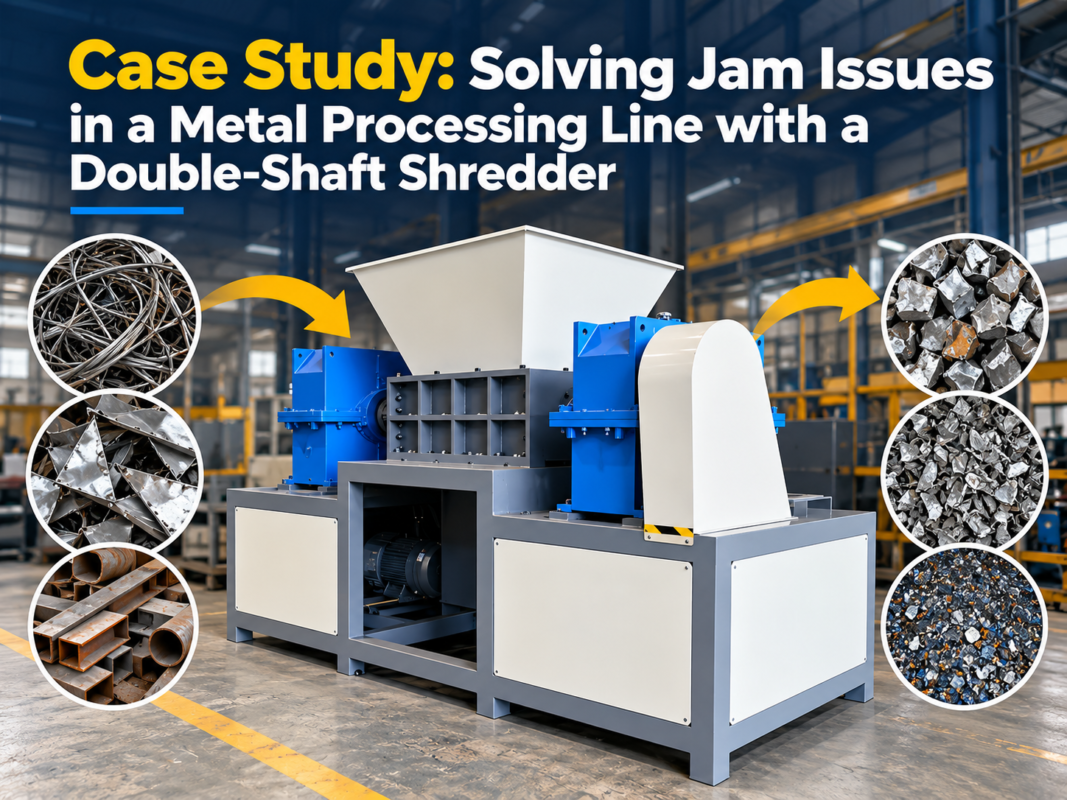
HARSLE shredders are equipped with an intelligent PLC-controlled auto-reverse system. When the sensors detect a torque spike that exceeds the safety limit (indicating a non-shreddable object like a heavy steel ingot), the shafts automatically stop and reverse their direction to clear the jam. If the jam persists after three attempts, the machine will shut down and trigger an alarm for manual intervention.
Is noise a significant factor with these machines?
Compared to hammer mills or high-speed grinders, double-shaft shredders are remarkably quiet. Most of the noise generated comes from the material itself being torn apart rather than the mechanical operation of the machine. In most recycling plant environments, the noise level remains well within OSHA-compliant limits without requiring additional soundproofing enclosures.