Comprehensive Double-Shaft Shredder Inspection Checklist: Daily, Weekly, and Monthly Maintenance Guide

Technical Overview of Double-Shaft Shredders
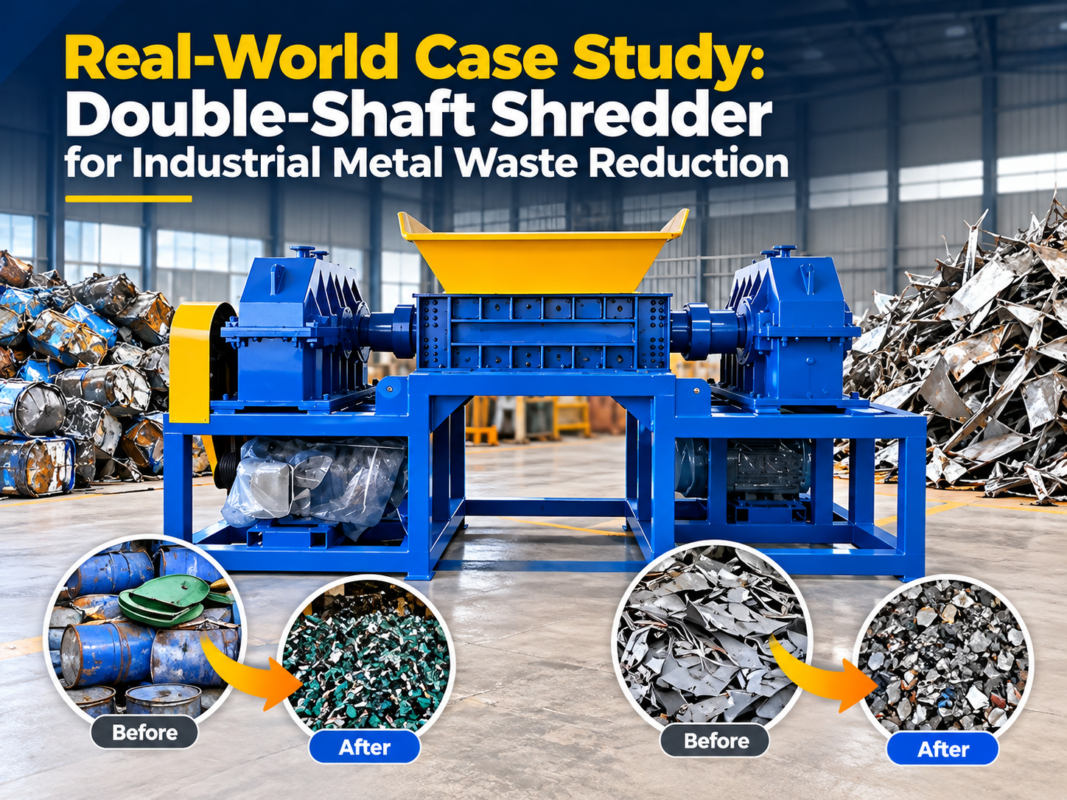
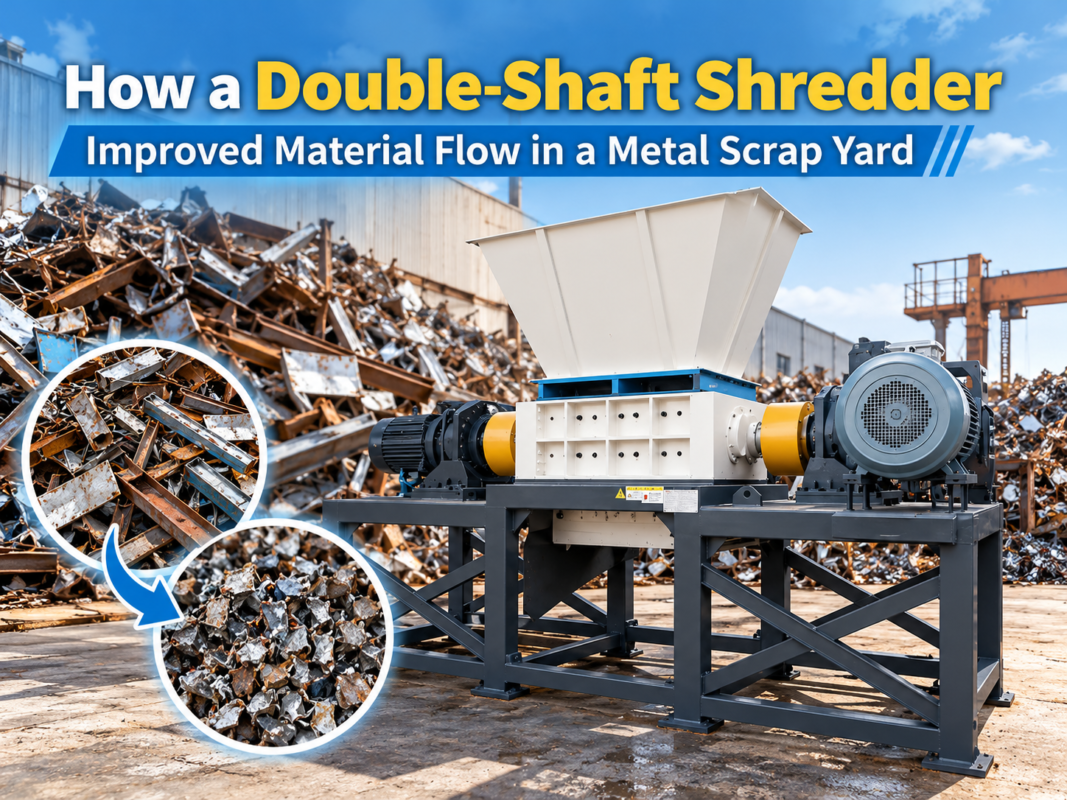
The double-shaft shredder, often referred to as a shear-type shredder, is a cornerstone of modern industrial recycling and waste processing. Unlike single-shaft units that rely on high-speed impact, the double-shaft shredder utilizes two counter-rotating shafts equipped with interlocking blades to tear, shear, and cut materials. This low-speed, high-torque mechanism is exceptionally effective for processing bulky items such as scrap metal, tires, plastic drums, and electronic waste. By operating at lower RPMs, these machines minimize dust generation, noise pollution, and heat buildup, which are critical factors in maintaining a safe and efficient industrial environment.
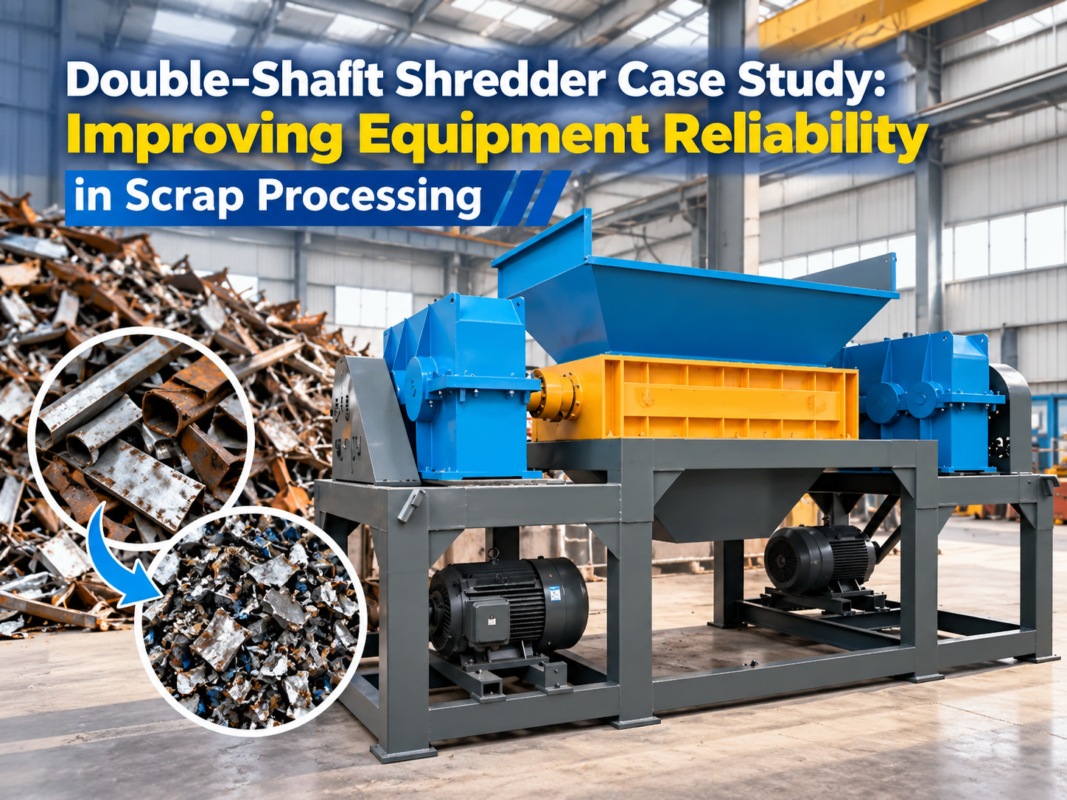
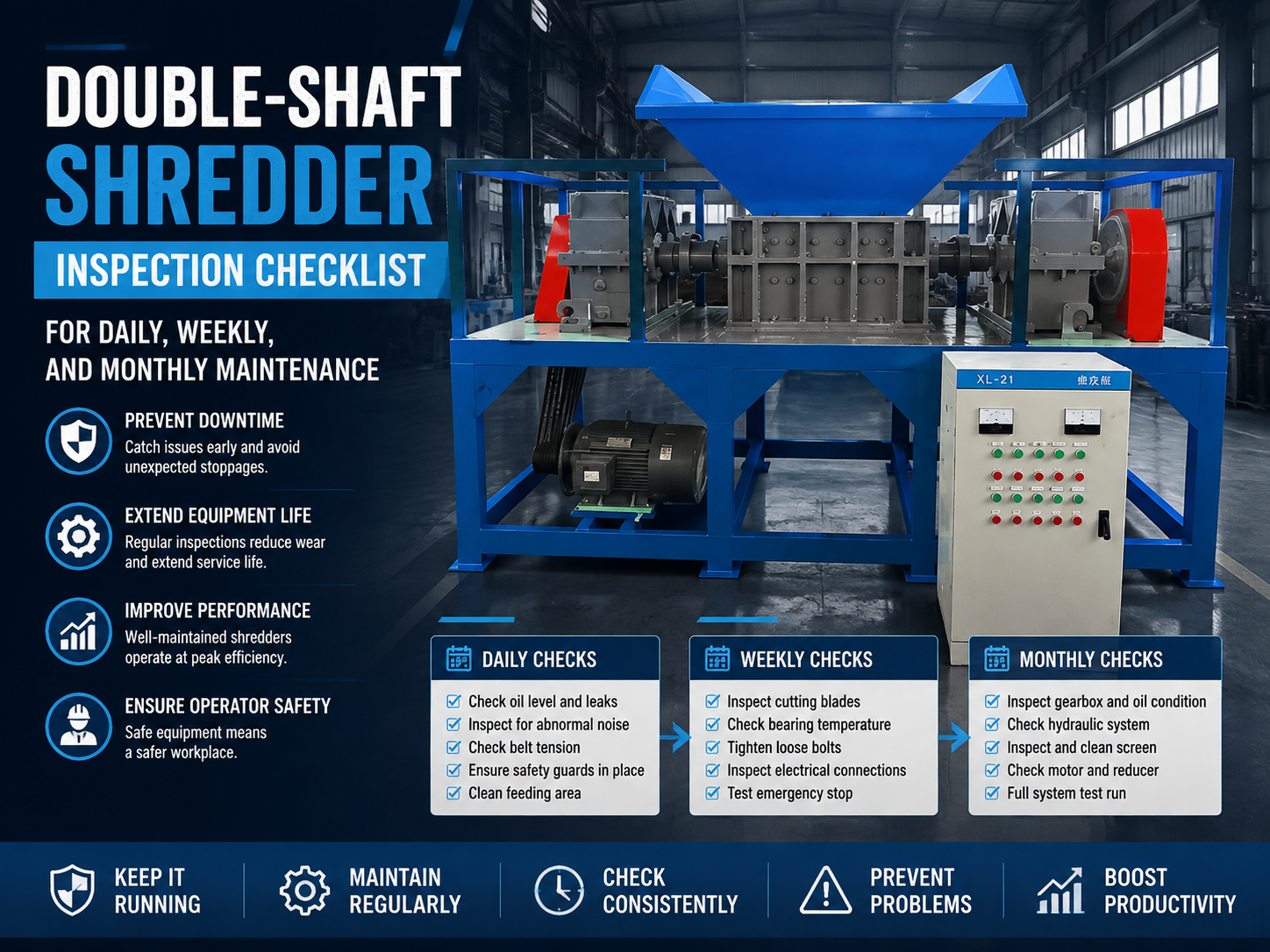
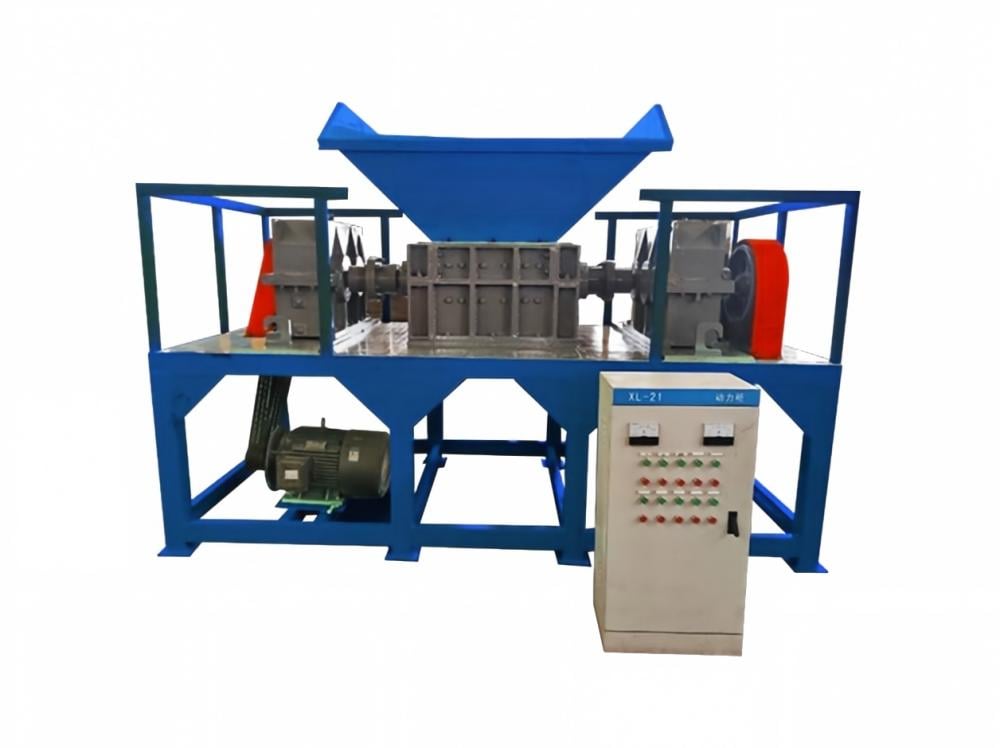
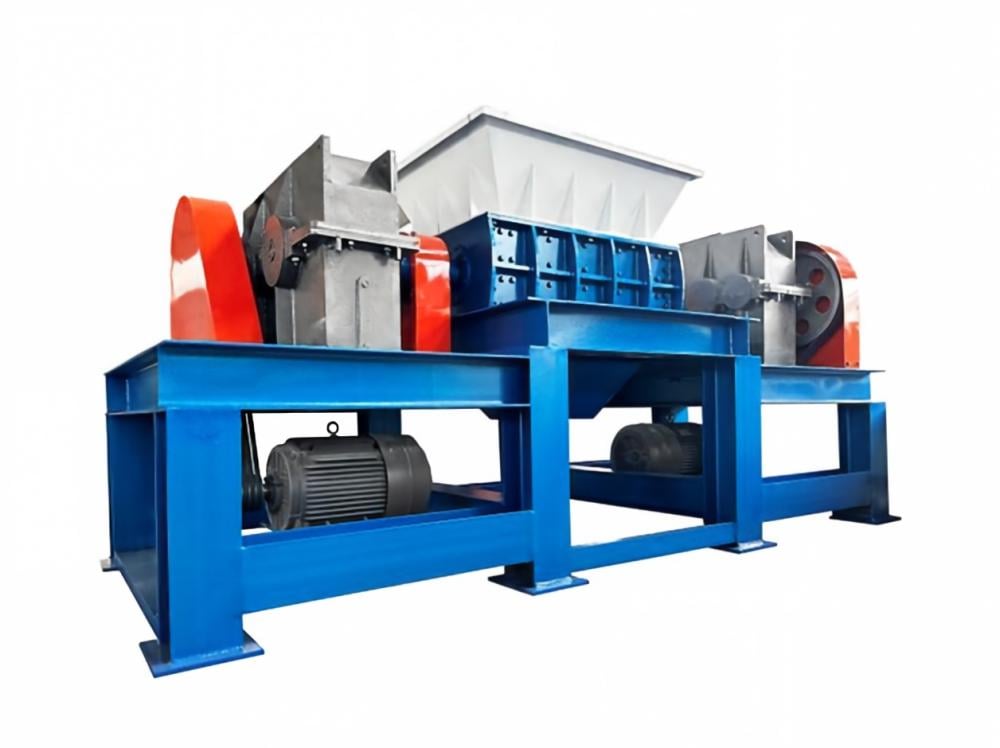
At the heart of the HARSLE double-shaft shredder is a robust transmission system, typically consisting of a high-power motor coupled with a planetary gearbox. This configuration ensures that the maximum amount of torque is delivered to the shafts, allowing the blades to penetrate even the toughest alloys. The structural integrity of the machine frame is engineered to withstand the immense reactive forces generated during the shearing process. Understanding the technical synergy between the hydraulic system (if equipped with a pusher), the electrical control unit (PLC), and the mechanical shearing components is essential for any operator or maintenance engineer.
Maintenance is not merely a reactive task but a proactive strategy to ensure the longevity of these expensive assets. A well-implemented Double-Shaft Shredder Inspection Checklist Daily, Weekly, Monthly Maintenance routine can extend the lifespan of the blades by up to 40% and prevent catastrophic gearbox failures. Because these machines often operate in harsh environments—dealing with abrasive materials and varying moisture levels—the wear and tear are constant. A systematic approach to inspection ensures that minor issues, such as a loose bolt or a slight oil leak, do not escalate into a multi-day production shutdown.
Furthermore, the integration of advanced PLC systems in HARSLE machinery allows for real-time monitoring of motor current and shaft speed. When the shredder encounters an unshreddable object, the system automatically triggers a reverse rotation to clear the jam. However, even the most advanced automation cannot replace physical inspections. The physical condition of the blade edges, the tension of the drive chains or belts, and the purity of the lubrication oil must be verified manually to ensure the machine operates within its designed parameters.
Core Parameters of Double-Shaft Shredders
To effectively maintain a shredder, one must first understand the core parameters that define its performance. These parameters are the benchmarks against which all maintenance inspections are measured. The most critical parameter is Torque. Torque determines the machine’s ability to shear through thick materials. If the torque output drops due to belt slippage or hydraulic inefficiency, the shredder will frequently jam, leading to increased wear on the motor and electrical components.
Another vital parameter is Blade Thickness and Geometry. The number of hooks on a blade and the thickness of the blade itself are tailored to the specific material being processed. For instance, thinner blades are used for plastics to achieve a smaller output size, while thicker, wider blades are used for metal scrap to provide structural strength. During inspection, measuring the gap between the interlocking blades is crucial; if this gap exceeds the manufacturer’s specification, the shearing efficiency drops, and the material may simply “slip” through without being cut.
Shaft Speed (RPM) is also a key factor. Double-shaft shredders typically operate between 10 and 25 RPM. While this seems slow, the force exerted at these speeds is immense. Maintenance teams must monitor the consistency of this speed. Fluctuations can indicate issues with the frequency inverter or mechanical resistance within the bearing housings. Additionally, Motor Power (kW) and Throughput Capacity (kg/h) are the primary indicators of the machine’s health. A sudden increase in power consumption for the same volume of material usually points to dull blades or increased friction in the drive train.
Calculation Method for Shredder Performance
Calculating the theoretical throughput and torque requirements is essential for verifying if the machine is performing at its peak. The theoretical capacity (Q) of a double-shaft shredder can be estimated using the following formula:
Q = 60 × n × V × ρ × η
- n: Rotational speed of the shafts (RPM).
- V: The effective volume of material captured by the blades per revolution (m³).
- ρ: Bulk density of the material (kg/m³).
- η: Filling efficiency factor (usually between 0.3 and 0.6 depending on material consistency).
Maintenance engineers use this calculation to determine if the machine is underperforming. If the actual throughput is significantly lower than the calculated Q, it suggests that the blades are not effectively grabbing the material (possibly due to worn hooks) or that the filling efficiency has dropped due to improper feeding techniques. Furthermore, calculating the Specific Energy Consumption (SEC)—which is the energy used per ton of material processed—helps in identifying hidden mechanical drags. An increase in SEC over time is a clear indicator that a comprehensive monthly maintenance overhaul is required.
Standard Parameter Table for HARSLE Shredders
The following table outlines the typical specifications for industrial-grade double-shaft shredders. These values serve as a reference point for your Double-Shaft Shredder Inspection Checklist Daily, Weekly, Monthly Maintenance routine.
| Model Series | Motor Power (kW) | Shaft Diameter (mm) | Blade Diameter (mm) | Torque (Nm) | Throughput (t/h) |
|---|---|---|---|---|---|
| HDS-800 | 30 – 45 | 120 | 300 | 15,000 – 22,000 | 1.5 – 3.0 |
| HDS-1000 | 55 – 75 | 150 | 400 | 35,000 – 45,000 | 3.0 – 6.0 |
| HDS-1200 | 90 – 110 | 180 | 450 | 55,000 – 70,000 | 6.0 – 10.0 |
| HDS-1500 | 132 – 160 | 220 | 550 | 85,000 – 110,000 | 10.0 – 18.0 |
Double-Shaft Shredder Inspection Checklist: Daily Maintenance
Daily maintenance is the first line of defense against machine failure. These checks should be performed at the start of every shift and monitored throughout the day. The primary focus is on safety and the detection of immediate mechanical anomalies.
- Visual Inspection of the Shredding Chamber: Before starting the machine, ensure the chamber is clear of any non-shreddable debris or leftover material from the previous shift. Check for any visible cracks in the blades or the shaft.
- Lubrication Levels: Check the automatic lubrication system (if present) to ensure the reservoir is full. Manually grease the main bearings if the machine does not have an auto-lube system. Use high-pressure, heat-resistant grease.
- Motor and Gearbox Temperature: During operation, use an infrared thermometer to check the temperature of the motor and gearbox. A sudden spike in temperature (above 80°C) indicates internal friction or cooling fan failure.
- Abnormal Noise and Vibration: Listen for grinding, squealing, or heavy rhythmic thumping. Excessive vibration often points to a loose foundation bolt or an unbalanced shaft caused by a broken blade.
- Hydraulic System Check: If your shredder uses a hydraulic pusher, check the oil level in the tank and inspect hoses for leaks. Ensure the pressure gauge is within the operating range (typically 10-15 MPa).
- Emergency Stop Verification: Test all emergency stop buttons and safety pull-cords to ensure they immediately cut power to the drive system.
- Electrical Cabinet Inspection: Ensure the cooling fans on the electrical cabinet are working and that the cabinet door is sealed to prevent dust ingress.
- Material Discharge Path: Verify that the conveyor belt or discharge chute is clear. A backup in the discharge path can cause material to be forced back into the shredding chamber, leading to a severe jam.
Double-Shaft Shredder Inspection Checklist: Weekly Maintenance
Weekly maintenance involves more technical checks that require the machine to be powered down and locked out. This phase focuses on the structural integrity and the precision of the moving parts.
- Blade Tightness and Spacing: Check the locking nuts on the shafts. Over time, the vibration can cause the blades to shift slightly. Use a feeler gauge to check the clearance between the moving blades and the fixed counter-blades (if applicable).
- Bolt Torque Check: Systematically go through the machine and tighten all structural bolts, especially those on the bearing housings and the motor mounts. Use a torque wrench to meet HARSLE’s specific torque requirements.
- Drive Chain/Belt Tension: Inspect the tension of the drive belts or chains. Loose belts will slip, reducing torque and causing heat damage. Over-tightened belts will put excessive radial load on the motor bearings.
- Gearbox Oil Quality: Take a small sample of the gearbox oil. If the oil appears milky (water contamination) or contains metallic flakes, a full oil change and internal inspection are required immediately.
- Cleaning the Cooling System: Blow out the dust from the motor cooling fins and the gearbox heat exchanger using compressed air. Dust buildup acts as an insulator and causes overheating.
- PLC Error Log Review: Access the PLC interface and review the error logs for the past week. Look for frequent “Overload” or “Reverse Rotation” triggers, which may indicate that the material being fed is too tough for the current blade configuration.
- Bearing Seal Inspection: Check the seals around the main shafts. If dust or liquid is leaking into the bearing housing, the bearing will fail prematurely.
Double-Shaft Shredder Inspection Checklist: Monthly Maintenance
Monthly maintenance is a deep-dive into the machine’s health. It often involves scheduled downtime for component replacement or calibration.
- Full Gearbox Oil Change: Depending on the operating hours, the gearbox oil should be replaced monthly or every 500-1000 hours. Always use the specific gear oil grade recommended in the HARSLE manual (e.g., ISO VG 220 or 320).
- Blade Sharpening or Replacement: Inspect the cutting edges of the hooks. If the edges are rounded, the shredder will consume more power and produce lower-quality output. Depending on the material, blades may need hard-facing (welding) or complete replacement.
- Shaft Alignment Check: Use a laser alignment tool to ensure the motor shaft and the gearbox input shaft are perfectly aligned. Misalignment is a leading cause of coupling failure.
- Electrical Component Testing: Inspect the contactors and relays in the electrical cabinet for signs of pitting or burning. Tighten all electrical terminals, as thermal cycling can loosen wire connections.
- Structural Weld Inspection: Clean the machine frame and inspect all welded joints for stress cracks, particularly near the bearing supports and the hopper attachment points.
- Hydraulic Oil Filter Replacement: Change the hydraulic filters and check the acidity of the hydraulic oil. Contaminated oil will damage the sensitive valves in the pusher system.
- Calibration of Sensors: Verify that the speed sensors, proximity switches, and pressure transducers are providing accurate readings to the PLC.
Common Engineering Mistakes in Shredder Operation
One of the most common mistakes in operating a double-shaft shredder is Overfeeding. Operators often believe that filling the hopper to the brim increases productivity. In reality, overfeeding causes the machine to frequently reverse, which puts immense stress on the gearbox and motor. It is more efficient to maintain a steady, metered feed that allows the shafts to maintain a constant RPM.
Another frequent error is Neglecting Blade Clearance. As blades wear down, the gap between them increases. Instead of shearing the material, the shredder begins to “fold” or “wedge” the material between the blades. This significantly increases the torque required and can lead to a snapped shaft or a cracked gearbox housing. Regular adjustment or shimming of the blades is necessary to maintain the shearing action.
Improper Lubrication is perhaps the most costly mistake. Using the wrong type of grease or failing to lubricate the bearings under high-load conditions leads to rapid heat buildup. Once a bearing seizes, it can damage the shaft surface, requiring an expensive and time-consuming shaft refurbishment. Always follow the manufacturer’s lubrication schedule and use the recommended lubricants.
Finally, Ignoring the Material Limits is a critical engineering oversight. Every shredder is designed for a specific range of material hardness and thickness. Attempting to shred hardened steel shafts or thick engine blocks in a machine designed for plastics or light aluminum scrap will result in immediate mechanical failure. Always verify the material’s shear strength against the machine’s torque capacity.
Selection Checklist for Buying a Double-Shaft Shredder
When selecting a new double-shaft shredder, consider the following technical factors to ensure the machine meets your long-term needs:
- Material Compatibility: Does the blade alloy (e.g., D2, Cr12MoV, or H13) match the abrasiveness of your waste stream?
- Torque-to-Speed Ratio: Does the machine provide enough torque for your toughest material, or is it built for speed?
- Maintenance Accessibility: How easy is it to access the blades? Look for designs with “split-bearing housings” that allow for shaft removal without dismantling the entire frame.
- Drive System Type: Choose between electric motor drives (more energy-efficient) and hydraulic drives (better for handling extreme shock loads).
- PLC and Automation Features: Does the system include auto-reverse, load sensing, and remote monitoring capabilities?
- Spare Parts Availability: Ensure the manufacturer (like HARSLE) provides ready access to wear parts like blades, spacers, and seals.
- Frame Robustness: Check the thickness of the steel plates used in the chamber construction. A heavier frame absorbs more vibration and lasts longer.
Frequently Asked Questions (FAQ)
1. How often should I sharpen the blades on my double-shaft shredder?
The frequency of sharpening depends entirely on the material being processed. For soft plastics, blades may last 6-12 months. For contaminated metal scrap, you might need to inspect and potentially hard-face the blades every 4-6 weeks. Monitor the motor current; if it increases by 20% for the same load, it’s time to sharpen.
2. Why does my shredder keep reversing automatically?
Automatic reversal is a safety feature triggered when the motor current exceeds a pre-set limit, indicating a jam or an unshreddable object. If this happens frequently, you are either overfeeding the machine, the blades are too dull to shear the material, or the material is too thick for the machine’s torque capacity.
3. Can I shred different materials in the same machine?
Yes, but with caution. A machine set up for tires (with specific hook geometry) will not be as efficient at shredding paper or thin plastics. If you plan to shred a variety of materials, consult with HARSLE to choose a “multi-purpose” blade design and a variable speed drive.
4. What is the most common cause of gearbox failure?
The most common cause is a lack of lubrication or the use of contaminated oil. However, repeated shock loads from unshreddable objects can also cause gear teeth to chip or fatigue over time. Ensuring the “auto-reverse” function is correctly calibrated is the best way to protect the gearbox.
5. How do I know if my bearings are failing?
Signs of bearing failure include an increase in operating temperature, unusual high-pitched noises, and visible movement or “play” in the shaft. Regular vibration analysis can detect bearing wear long before it becomes audible or visible.
6. Is a hydraulic pusher necessary?
A hydraulic pusher is necessary for bulky, lightweight materials (like plastic containers or large foam blocks) that tend to float on top of the shafts. The pusher forces the material into the blades, ensuring a consistent feed and higher throughput.