Double-Shaft Shredder Automation Guide: PLC Control, Sensors, and Overload Protection

Technical Overview of Double-Shaft Shredder Automation
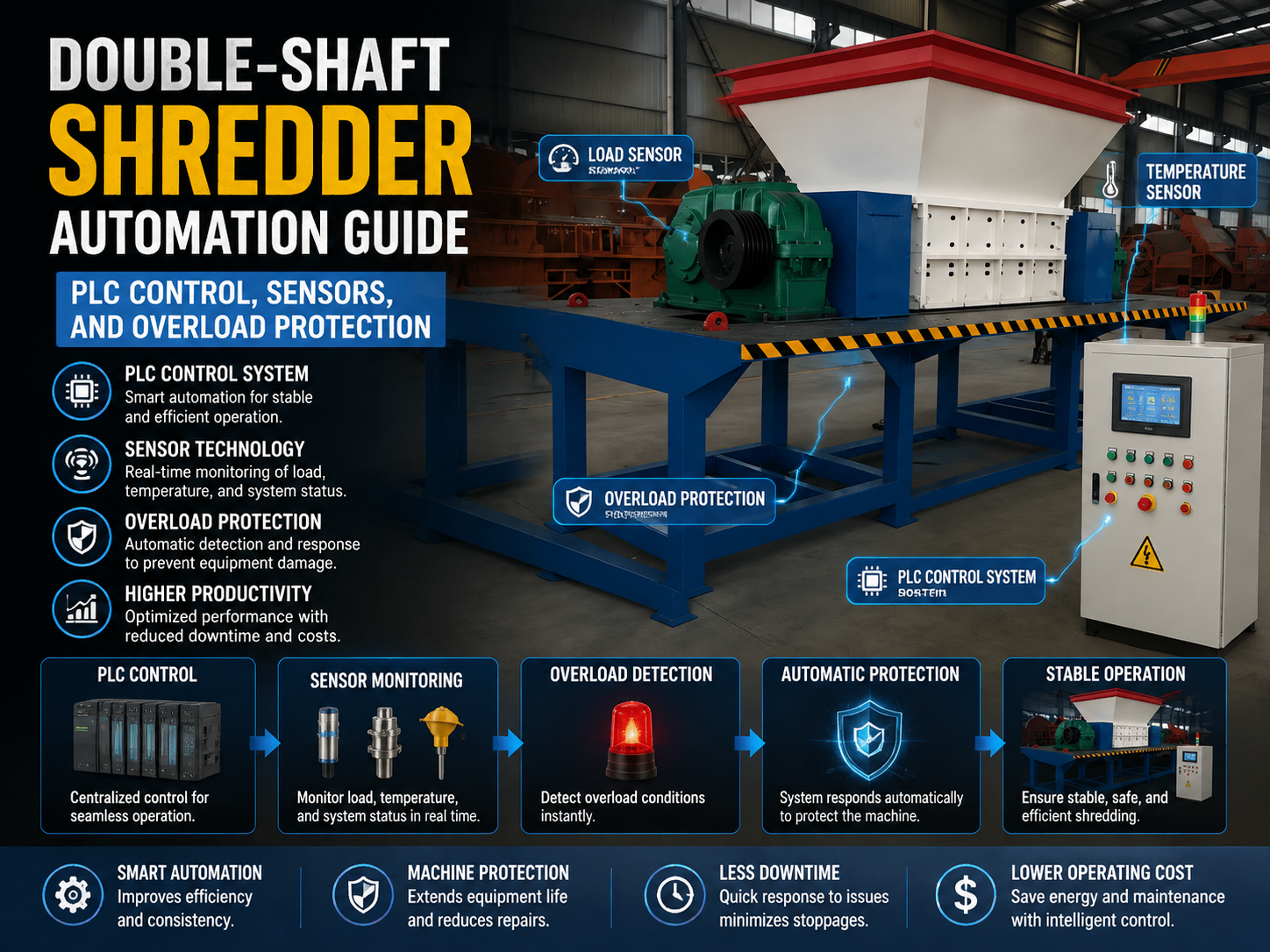
In the modern industrial landscape, the efficiency of waste reduction and material recycling is dictated by the sophistication of the machinery involved. The double-shaft shredder, a workhorse in metal fabrication and waste processing, has evolved from a simple mechanical grinder into a highly automated system. The integration of Double-Shaft Shredder Automation : Plc Control, Sensors, Overload Protection is no longer a luxury but a fundamental requirement for operational safety, longevity, and throughput optimization.
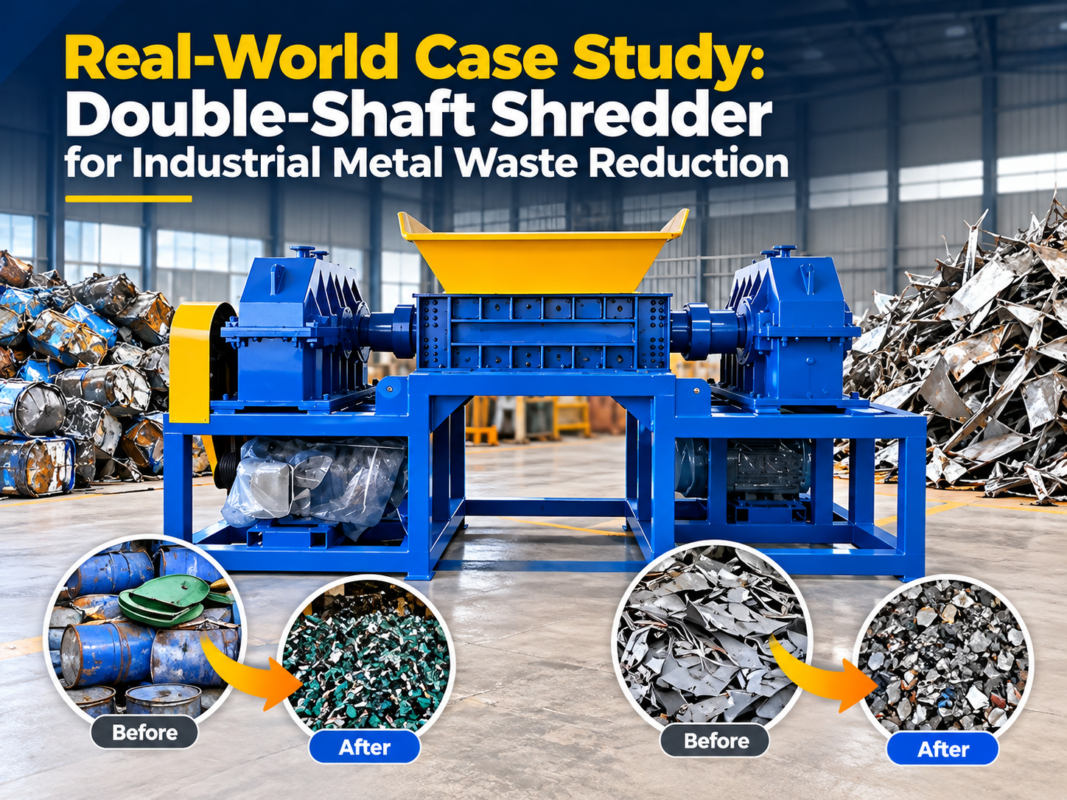
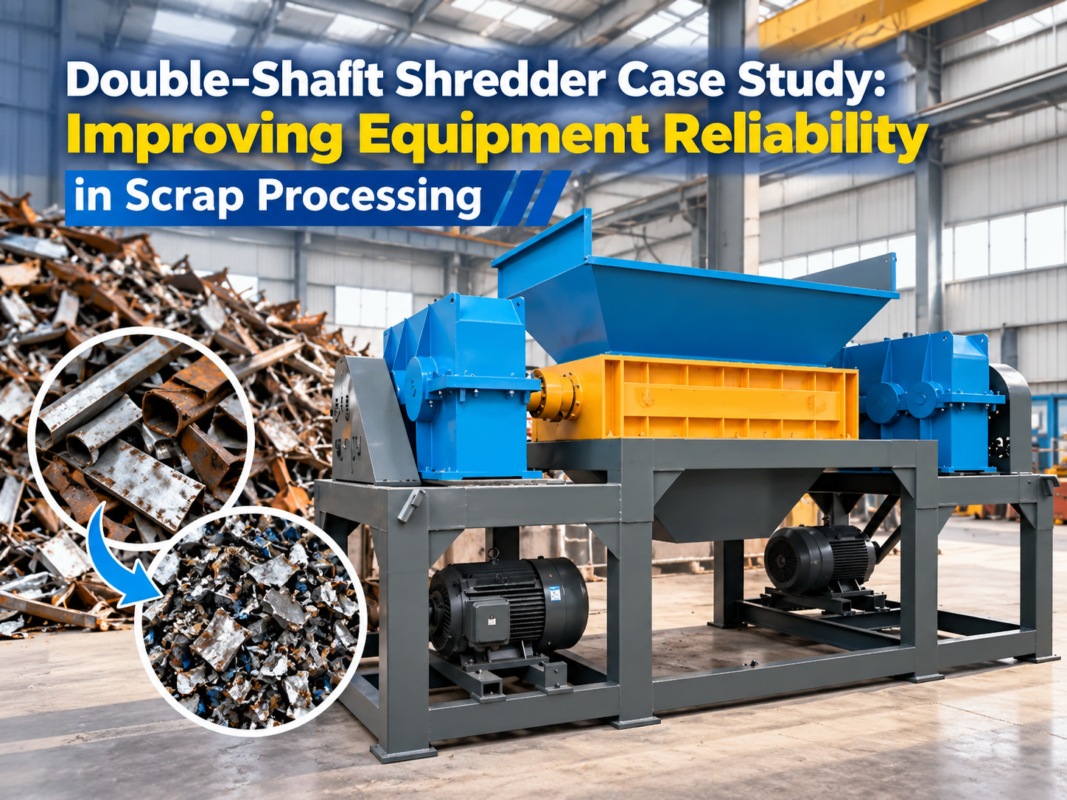
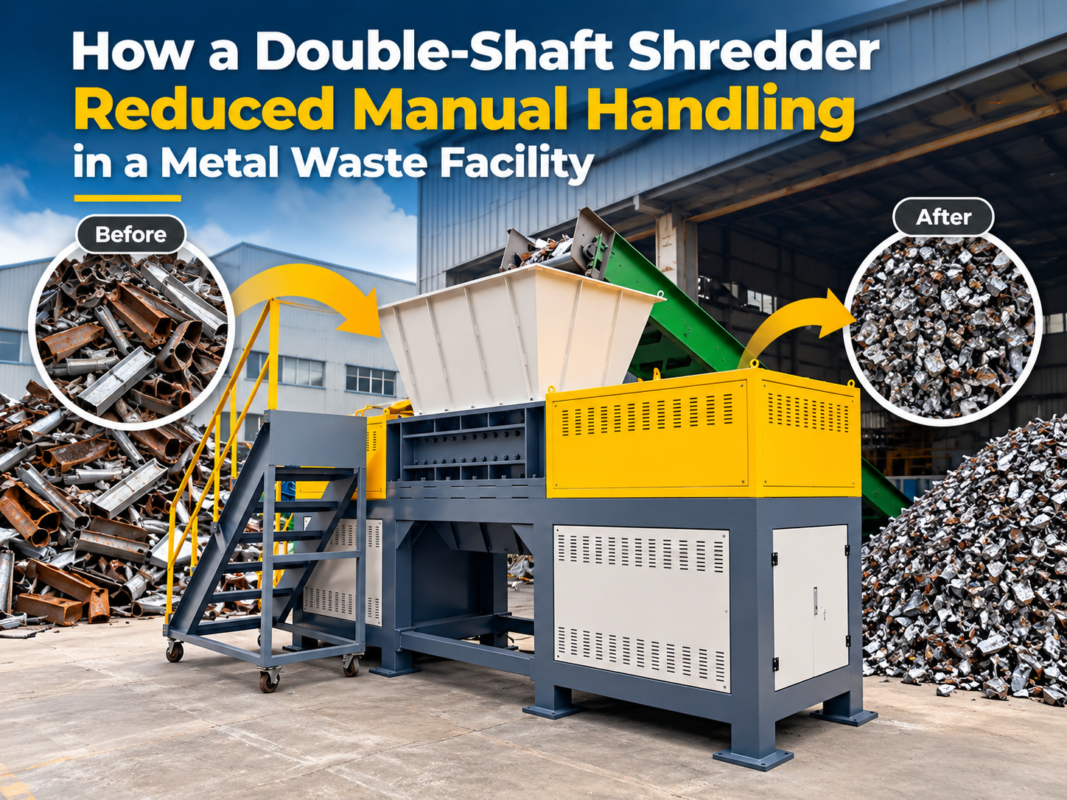
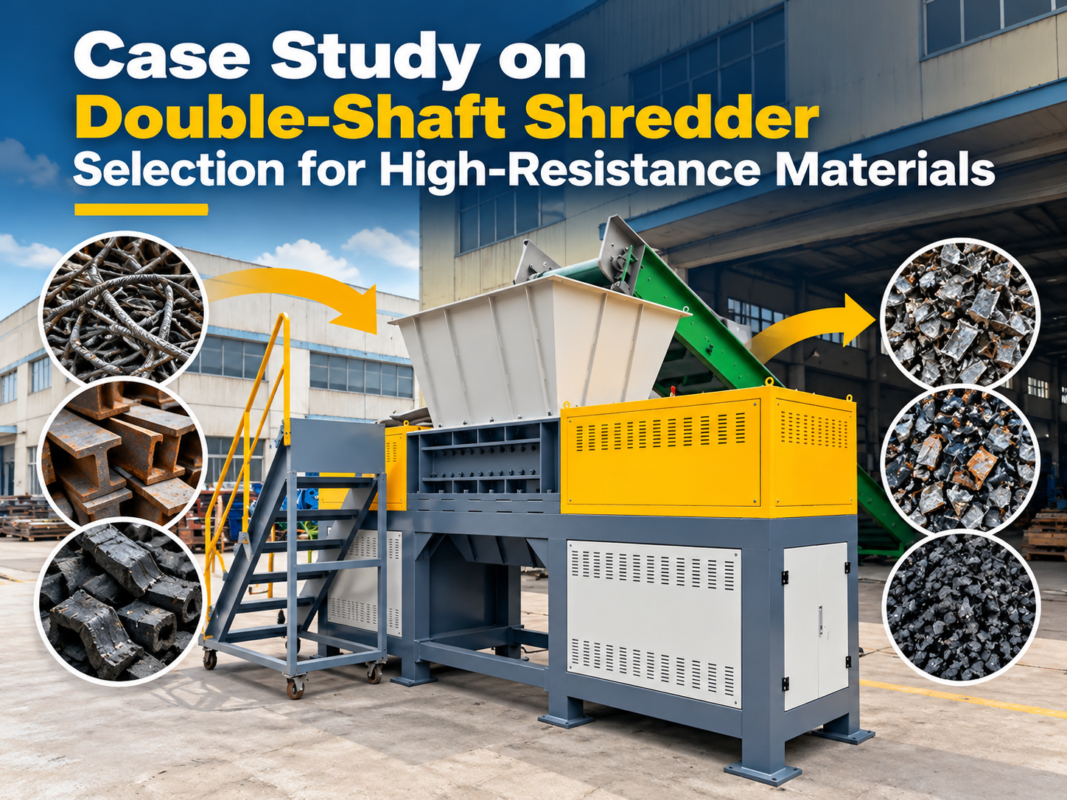
At its core, a double-shaft shredder utilizes two counter-rotating shafts equipped with interlocking blades to shear, tear, and crush materials. Without automation, these machines are prone to catastrophic failures caused by non-shreddable objects or excessive feed rates. Automation acts as the ‘brain’ and ‘nervous system’ of the machine, monitoring real-time data to adjust torque, speed, and direction. This ensures that the machine operates within its structural limits while maximizing the volume of processed material.
The automation architecture typically consists of a Programmable Logic Controller (PLC), a Human-Machine Interface (HMI), various field sensors, and Variable Frequency Drives (VFDs). The PLC executes complex algorithms that interpret sensor data to manage the motor’s behavior. For instance, when a sensor detects a spike in current—indicating a potential jam—the PLC triggers a pre-programmed reversal sequence to clear the obstruction before resuming forward operation. This level of control minimizes downtime and reduces the need for manual intervention, which is critical in high-volume industrial environments.
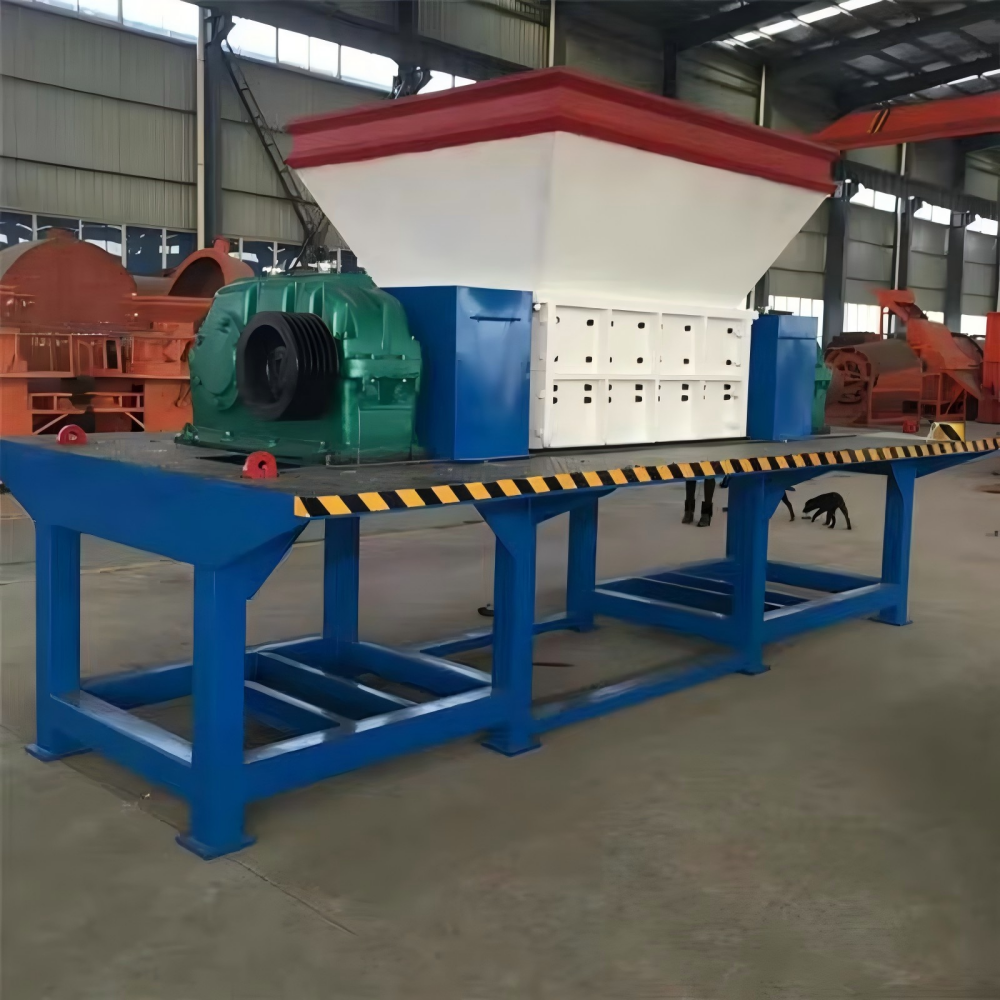
Furthermore, automation facilitates remote monitoring and predictive maintenance. By logging data such as motor temperature, vibration levels, and cycle counts, operators can identify wear patterns in the blades or bearings before a failure occurs. This transition from reactive to proactive maintenance is a hallmark of Industry 4.0, and it is particularly vital for double-shaft shredders that handle abrasive materials like scrap metal, tires, and electronic waste.
Core Parameters of Automated Shredding Systems
Understanding the core parameters of an automated shredding system is essential for both engineers and procurement specialists. These parameters define the machine’s capability and how the automation system must be configured to handle specific workloads. The primary parameters include shaft speed (RPM), torque capacity, motor power, and the response time of the control loop.
Shaft Speed and Torque: Unlike high-speed granulators, double-shaft shredders operate at low speeds (typically 10 to 25 RPM) but generate immense torque. The automation system must manage this torque through the VFD. If the torque exceeds a specific threshold, the PLC must react within milliseconds to prevent mechanical shear of the shafts or damage to the gearbox. The relationship between speed and torque is inversely proportional; as the material resistance increases, the system may slow down the shafts to increase the shearing force.
PLC Scan Time: The efficiency of the Double-Shaft Shredder Automation : Plc Control, Sensors, Overload Protection depends heavily on the PLC’s scan time. A scan time of less than 10ms is preferred to ensure that the overload protection can trigger before physical damage occurs. If the scan time is too slow, a hard object could wedge between the blades, causing a mechanical shock that travels through the drivetrain before the electronics can intervene.
Sensor Sensitivity and Hysteresis: Sensors used in shredders, such as inductive proximity sensors for speed monitoring or current transducers for load monitoring, must have adjustable sensitivity. Hysteresis settings are crucial to prevent ‘chatter’—where the machine rapidly switches between forward and reverse due to minor fluctuations in material density. Proper parameterization ensures a smooth, continuous operation even when the feed material is inconsistent.
Calculation Method for Shredder Automation Logic
Designing the automation logic for a double-shaft shredder requires precise calculations to ensure the overload protection is both effective and efficient. The most critical calculation involves determining the ‘Trip Point’ for the overload protection system. This is usually based on the motor’s rated current ($I_n$) and the peak torque requirements of the material being processed.
The formula for calculating the required torque ($T$) is:
T = (9550 × P) / n
Where:
– T is the torque in Newton-meters (Nm).
– P is the motor power in kilowatts (kW).
– n is the shaft speed in revolutions per minute (RPM).
Once the nominal torque is established, the PLC is programmed with a ‘High-High’ limit, typically set at 120% to 150% of the nominal current for a duration of 0.5 to 2 seconds. If the current stays above this limit for the specified time, the PLC initiates the reversal sequence. The reversal sequence itself is also calculated: usually, the shafts reverse for 3 to 5 rotations to redistribute the material before attempting to shred again.
Another vital calculation is the throughput capacity ($Q$), which helps in setting the hopper level sensors. The formula is:
Q = V × ρ × η
Where:
– V is the volume of the shredding chamber.
– ρ is the bulk density of the material.
– η is the efficiency factor (usually 0.6 to 0.8 for double-shaft systems).
By calculating $Q$, engineers can set the ultrasonic or infrared sensors in the hopper to trigger an ‘Auto-Stop’ of the conveyor belt when the chamber is at 90% capacity, preventing over-feeding and subsequent jams.
Parameter Table for Automated Double-Shaft Shredders
The following table outlines the typical automation specifications for various scales of HARSLE double-shaft shredders. These values serve as a baseline for configuring PLC setpoints and sensor thresholds.
| Model Category | Motor Power (kW) | PLC Type | Overload Trip (% of In) | Reverse Duration (s) | Sensor Types Integrated |
|---|---|---|---|---|---|
| Light Duty (Plastic/Wood) | 15 – 30 | Siemens S7-1200 | 120% | 2.0 | Current, Proximity |
| Medium Duty (E-Waste/Alu) | 45 – 75 | Mitsubishi FX5U | 135% | 3.5 | Current, Ultrasonic, Temp |
| Heavy Duty (Steel/Tires) | 90 – 200+ | Siemens S7-1500 | 150% | 5.0 | Current, Vibration, Hydraulic Pressure |
Common Engineering Mistakes in Shredder Automation
Despite the advanced technology available, several common engineering mistakes can compromise the effectiveness of Double-Shaft Shredder Automation : Plc Control, Sensors, Overload Protection. One of the most frequent errors is the improper placement of sensors. For example, placing an ultrasonic level sensor directly under a feed chute can lead to false ‘full’ readings due to falling debris. Sensors should be positioned in ‘dead zones’ where they can accurately measure the material stack height without interference.
Another significant mistake is ignoring the thermal limits of the VFD and motor during frequent reversal cycles. In a heavy-jam scenario, the machine might reverse and forward multiple times per minute. This creates massive heat buildup. Engineers often fail to program a ‘Cooling Delay’ or fail to size the VFD for ‘Heavy Duty’ cycles, leading to premature component failure. The automation logic must include a thermal monitoring loop that forces a machine pause if the internal temperatures exceed safe operating limits.
Furthermore, many systems lack a ‘Manual Override’ that is properly integrated with the safety PLC. In the event of a total jam that the auto-reverse cannot clear, operators need a way to manually jog the shafts. If the automation logic is too rigid, it might lock the machine out entirely, requiring a technician to reset the PLC code. A well-designed system includes a ‘Maintenance Mode’ that allows for controlled manual operation while maintaining basic safety protocols like E-stop functionality.
Lastly, insufficient data filtering in the PLC code can lead to ‘Ghost Jams.’ Industrial environments are electrically noisy. If the PLC interprets a momentary electromagnetic interference (EMI) spike as a motor overload, the machine will reverse unnecessarily, reducing throughput. Implementing software filters and using shielded cables for all sensor inputs is a critical step that is often overlooked in budget-constrained projects.
Selection Checklist for Automated Shredding Equipment
When selecting a double-shaft shredder with advanced automation, use the following checklist to ensure the equipment meets industrial standards for reliability and performance.
- PLC Brand and Accessibility: Is the PLC a globally recognized brand (e.g., Siemens, Schneider, Allen-Bradley)? Is the source code accessible for future modifications, or is it a ‘black box’ system?
- Sensor IP Rating: Shredding environments are dusty and often wet. Ensure all sensors have at least an IP67 rating to prevent ingress of contaminants.
- HMI Functionality: Does the HMI provide real-time diagnostics? It should display current draw per motor, shaft RPM, error logs, and a countdown for the reversal sequence.
- Overload Protection Logic: Does the system offer multi-stage protection? (e.g., Stage 1: Slow down; Stage 2: Reverse; Stage 3: Emergency Stop).
- Expandability: Can the automation system support additional sensors, such as fire detection or moisture sensors, if the application changes?
- Safety Compliance: Does the automation system comply with CE or UL standards, specifically regarding Category 3 or 4 safety circuits for the E-stop system?
Frequently Asked Questions (FAQ)
1. Why is PLC control better than simple relay logic for shredders?
PLC control offers significantly more flexibility and precision. Unlike relay logic, which is hard-wired and limited to simple on/off functions, a PLC can process multiple variables simultaneously, such as motor current, shaft speed, and material height. This allows for complex ‘intelligent’ responses, such as varying the reversal time based on the severity of the jam, which significantly improves machine lifespan and efficiency.
2. How does the overload protection prevent shaft breakage?
The overload protection monitors the electrical current drawn by the motor. Since current is directly proportional to torque, a sudden spike in current indicates that the blades have hit something they cannot shear. The PLC reacts by cutting power or reversing the motor within milliseconds, long before the mechanical stress reaches the yield point of the steel shafts.
3. What types of sensors are most critical for a double-shaft shredder?
The three most critical sensors are: 1) Current Transducers (for load monitoring), 2) Inductive Proximity Sensors (for monitoring shaft rotation and detecting slippage), and 3) Ultrasonic or Laser Level Sensors (to prevent overfilling the hopper). In advanced HARSLE models, vibration sensors are also used to detect bearing wear.
4. Can the automation system be retrofitted to an older shredder?
Yes, retrofitting is possible and often highly cost-effective. By replacing an old manual control panel with a modern PLC-based system and adding VFDs and sensors, an older machine can achieve performance levels similar to new models, particularly in terms of safety and jam management.
5. What happens if the ‘Auto-Reverse’ fails to clear a jam?
Most automated systems are programmed with a ‘Retry Limit’ (usually 3 to 5 attempts). If the jam persists after these attempts, the PLC will trigger a ‘Critical Fault,’ shut down the main motors, and sound an alarm. This prevents the machine from repeatedly hammering against an unbreakable object, which could lead to motor burnout or gearbox failure.
6. How does automation improve the energy efficiency of the shredder?
Automation improves energy efficiency primarily through the use of VFDs. Instead of running the motor at full power constantly, the VFD adjusts the power output based on the actual load. Additionally, by preventing long periods of idling and optimizing the feed rate via hopper sensors, the total energy consumed per ton of processed material is significantly reduced.