Hydraulic Briquetting Machine Piston Rod Issues: Causes, Repair, and Prevention

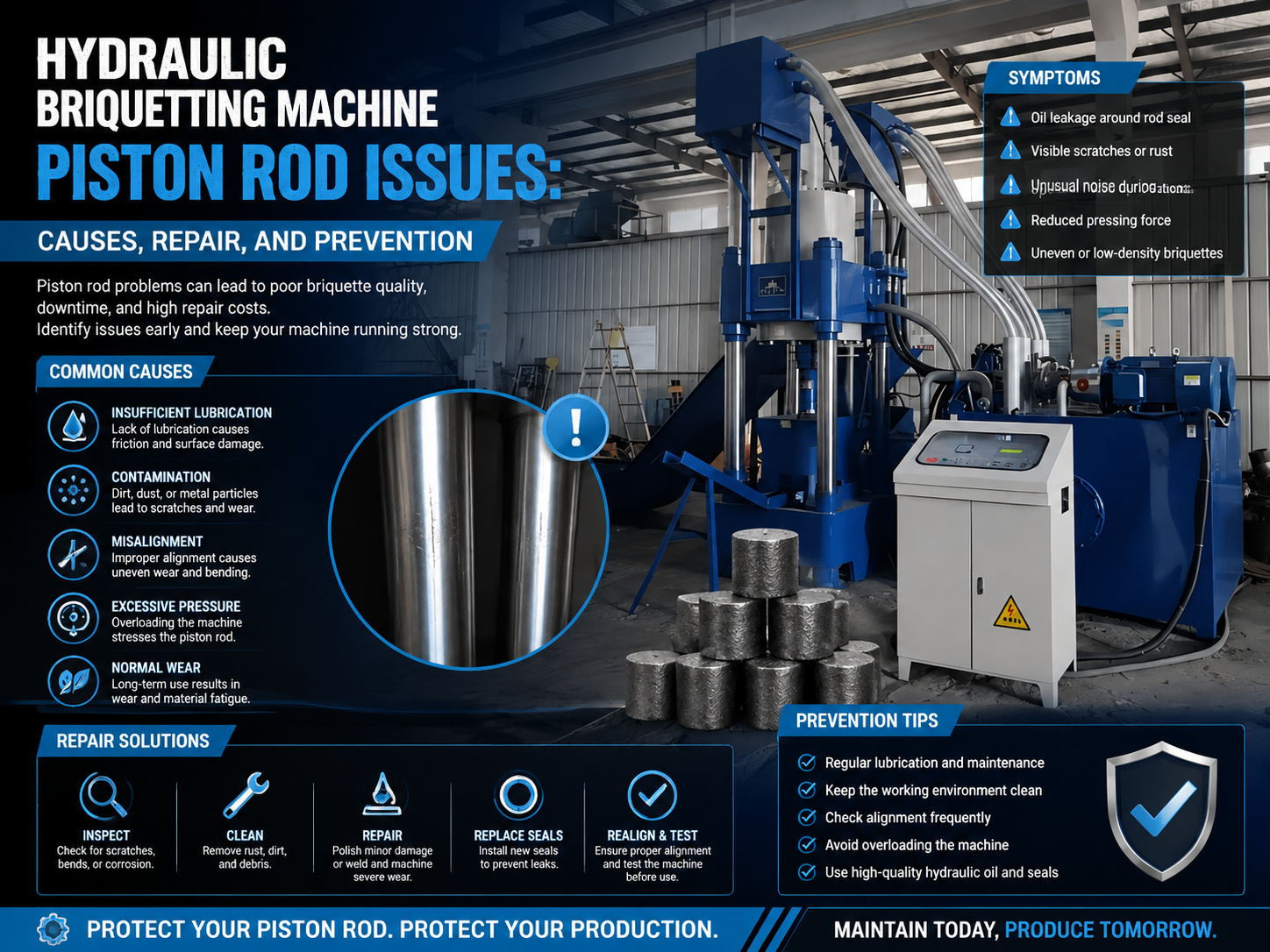
Introduction to Hydraulic Briquetting Machine Piston Rods
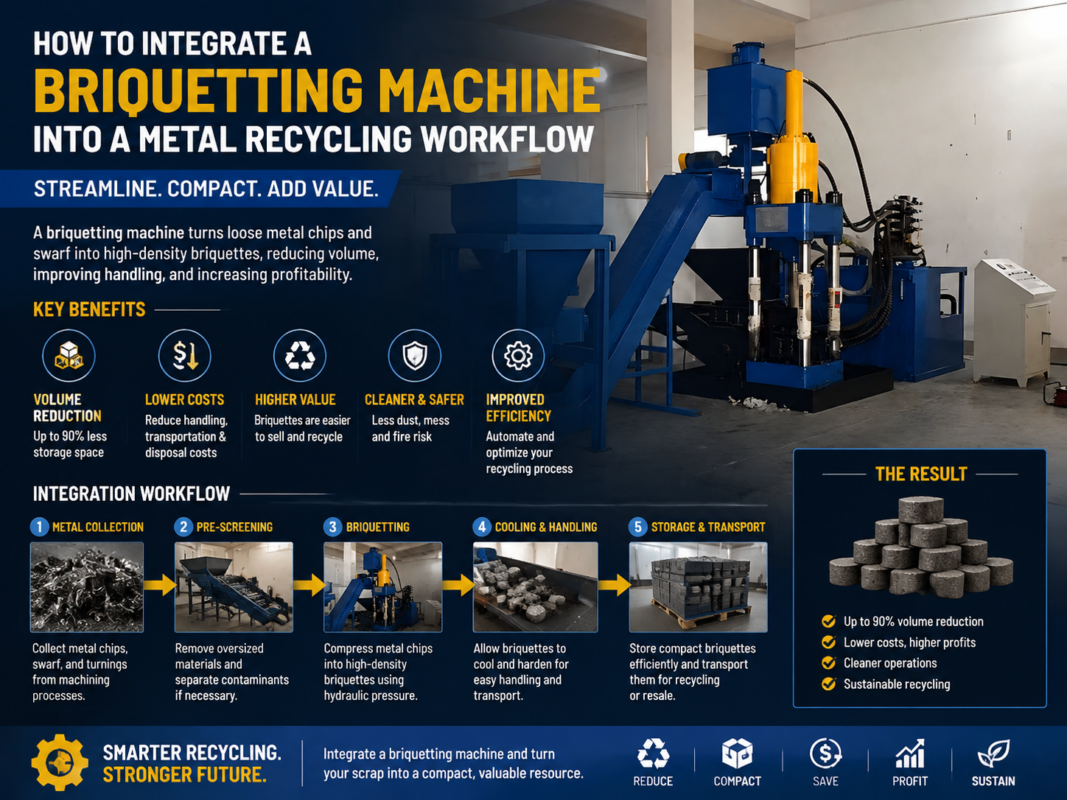
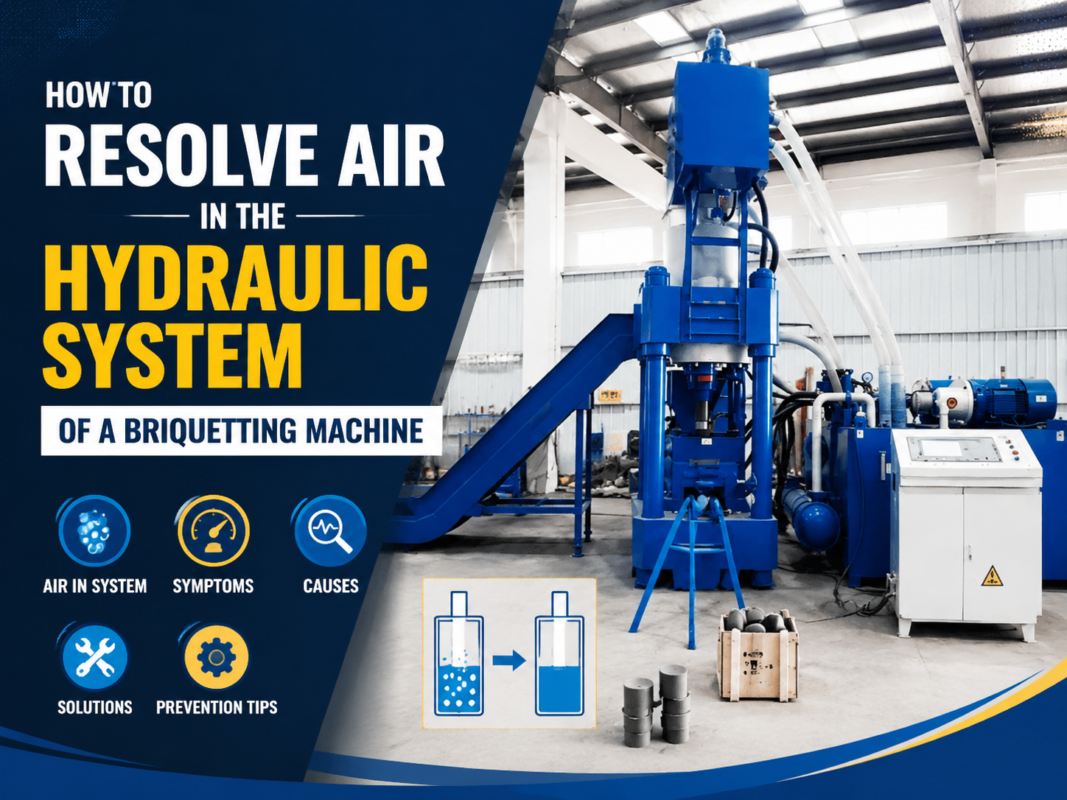
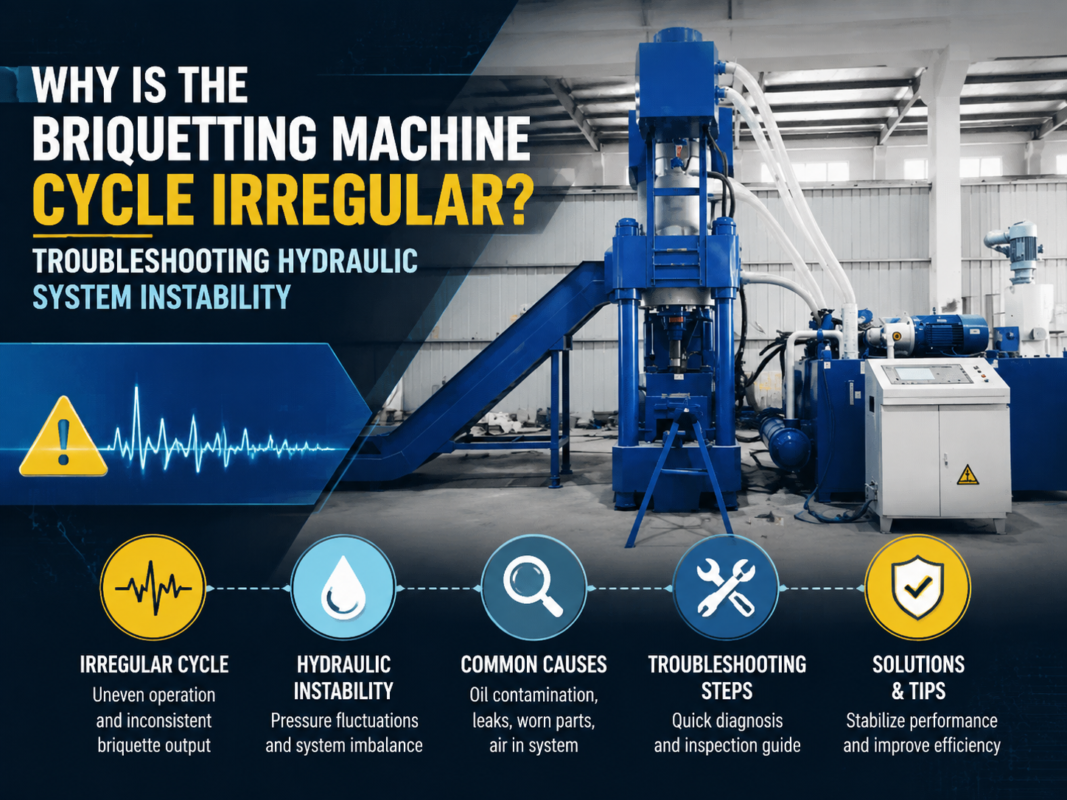
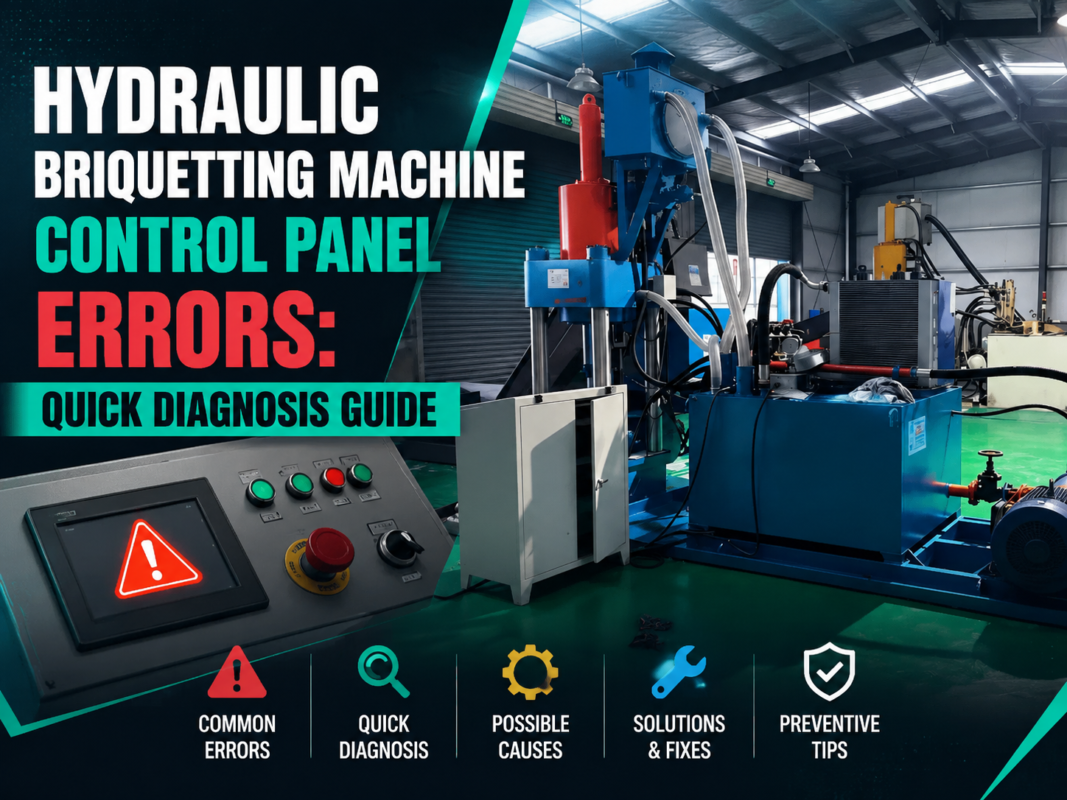
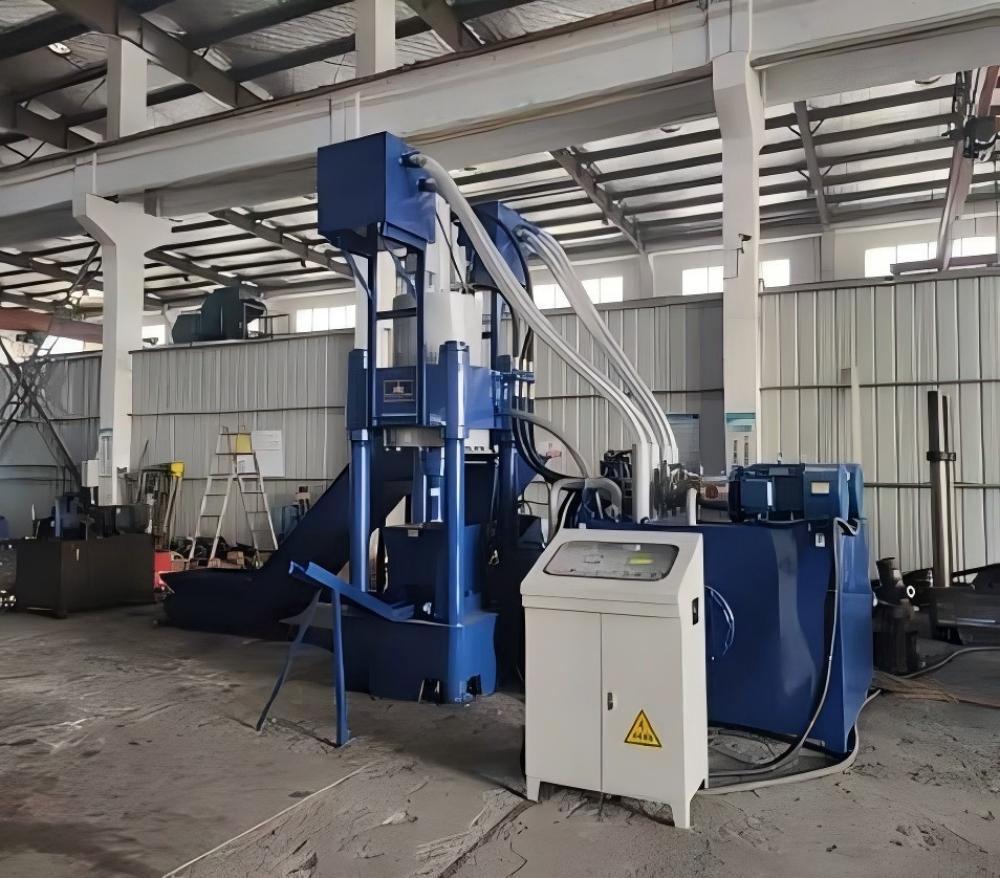
In the world of metal recycling and waste management, the hydraulic briquetting machine stands as a cornerstone of efficiency. These machines are designed to compress loose metal chips, turnings, and filings into dense, manageable briquettes. At the heart of this powerful operation lies the hydraulic cylinder, and more specifically, the piston rod. The piston rod is the critical component that transmits the force generated by hydraulic pressure to the pressing head, facilitating the compaction process. Because it is subjected to immense pressure, repetitive cycles, and often harsh industrial environments, the piston rod is a frequent point of concern for maintenance teams.
Understanding the intricacies of hydraulic briquetting machine piston rod issues is essential for any facility looking to maintain high uptime and operational efficiency. A failure in the piston rod doesn’t just stop production; it can lead to catastrophic damage to the entire hydraulic system, including seals, pumps, and the cylinder barrel itself. This article provides an in-depth exploration of the common causes of piston rod failure, the technical methods for repair, and the proactive measures required to prevent these issues from occurring in the first place.
HARSLE, a leader in metal fabrication machinery, emphasizes that the longevity of a briquetting machine is directly tied to the health of its hydraulic components. By focusing on the piston rod—the ‘muscle’ of the machine—operators can ensure that their investment continues to deliver value for years. Whether you are dealing with minor surface scratches or significant structural bending, this guide will equip you with the knowledge to handle these challenges professionally.
Key Considerations for Piston Rod Integrity
When evaluating the health of a hydraulic briquetting machine’s piston rod, several key factors must be considered. First and foremost is the material composition. Most high-quality piston rods are manufactured from medium carbon steel (such as 45# steel) or alloy steel (like 40Cr). These materials are chosen for their tensile strength and ability to withstand the compressive loads required during the briquetting process. However, the raw material is only half the story; the surface treatment is what truly defines the rod’s durability.
Hard chrome plating is the industry standard for piston rod surfaces. This layer, typically ranging from 20 to 50 microns in thickness, provides essential hardness (often reaching HRC 50-60) and corrosion resistance. It also creates a smooth surface that minimizes friction against the hydraulic seals. If this plating is compromised, the rod becomes vulnerable to rust and abrasive wear, which quickly leads to seal failure and oil leaks. Therefore, inspecting the integrity of the chrome layer is a primary consideration during routine maintenance.
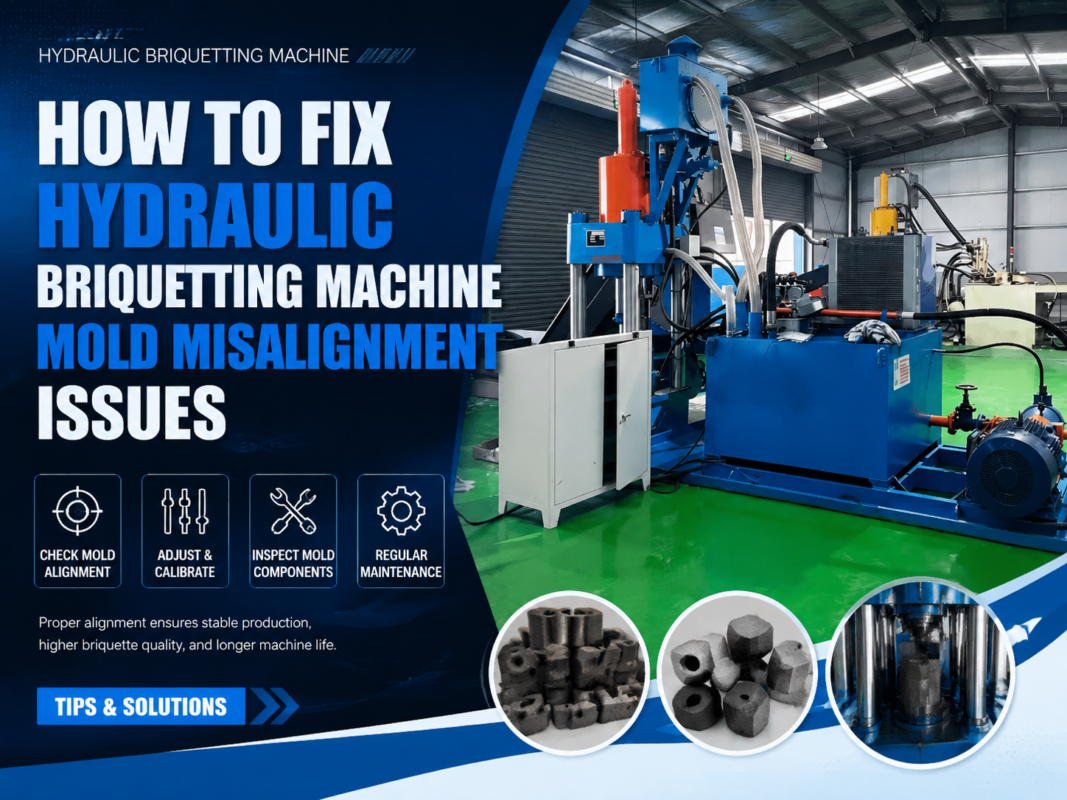
Another critical consideration is the alignment of the hydraulic system. The piston rod is designed to handle axial loads—forces acting directly along its length. It is not designed to handle lateral or side loads. In a briquetting machine, if the pressing mold or the guide rails are misaligned, the piston rod will experience bending stresses. Over time, this leads to uneven wear on one side of the rod and the cylinder bushing, eventually causing the rod to bend permanently or the seals to fail prematurely. Proper installation and regular alignment checks are non-negotiable for maintaining rod integrity.
Finally, the operating environment plays a massive role. Briquetting machines often operate in dusty environments filled with metal particles. If the rod’s wiper seal is damaged or of poor quality, these abrasive particles can cling to the rod and be pulled into the cylinder. This creates a ‘grinding paste’ effect that destroys both the rod surface and the internal seals. Understanding these environmental risks allows operators to implement better shielding and filtration strategies.
Technical Details: Common Causes of Piston Rod Failure
Identifying the root cause of a piston rod issue is the first step toward a permanent fix. In hydraulic briquetting machines, failures generally fall into four categories: surface damage, structural deformation, corrosion, and seal-related wear.
1. Surface Scratches and Scoring
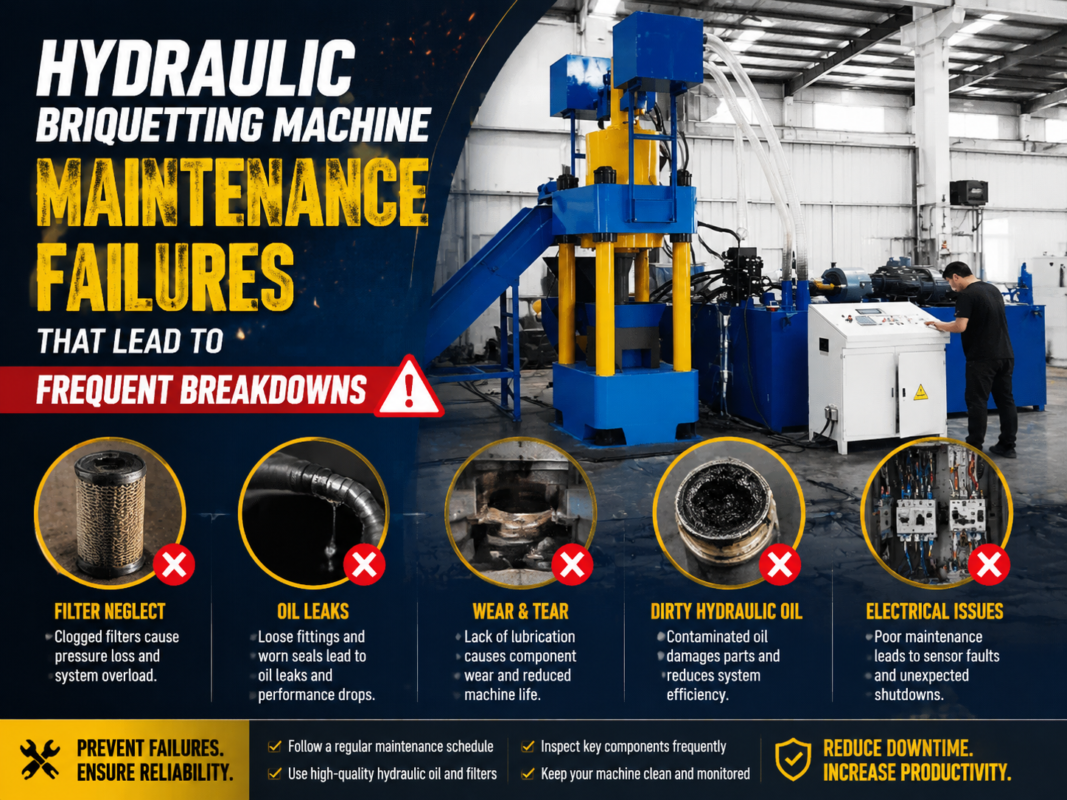
Surface scratches, often referred to as scoring, are perhaps the most common issue. These are typically caused by external contaminants. When metal chips or grit bypass the wiper seal, they become trapped between the rod and the bearing or seal. As the rod moves, these particles gouge the surface. In some cases, internal contamination—such as metal flakes from a failing hydraulic pump—can also cause scoring from the inside out. These scratches create paths for hydraulic oil to escape, leading to visible leaks and a drop in system pressure.
2. Bending and Misalignment
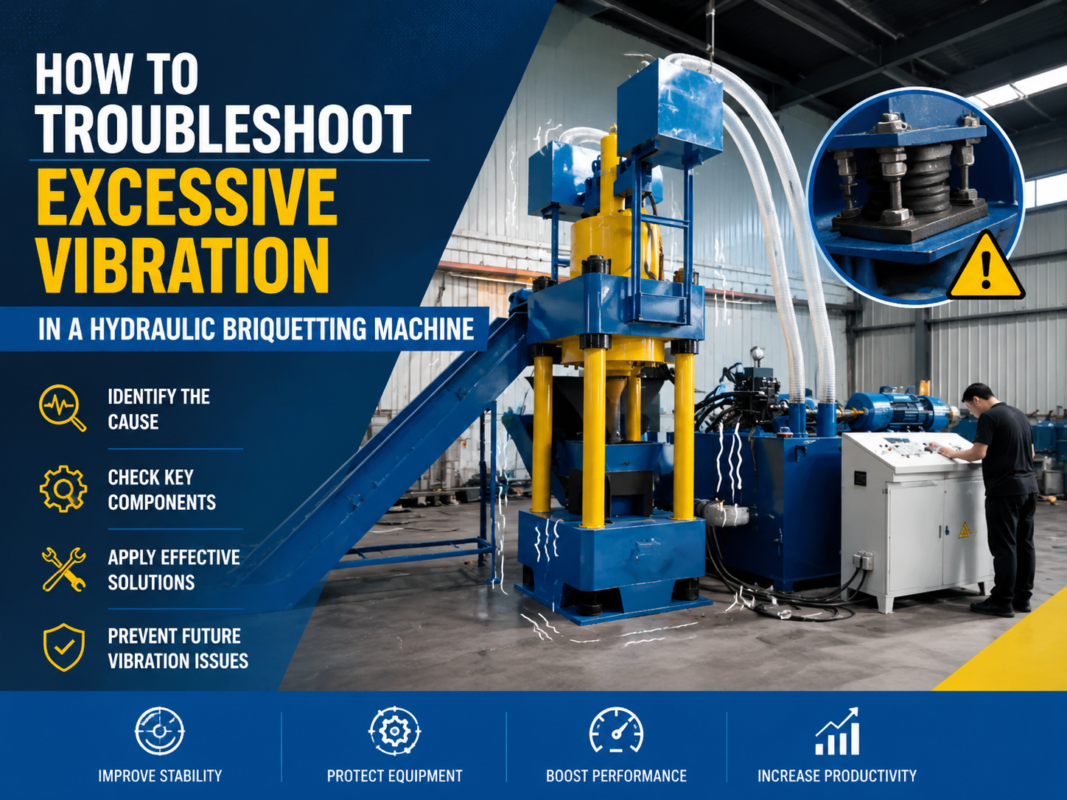
A bent piston rod is a severe mechanical failure. This usually occurs due to overloading the machine beyond its rated capacity or due to significant mechanical misalignment. In briquetting, if the material being compressed is unevenly distributed in the chamber, the pressing head may tilt, applying a side load to the rod. Even a slight bend (measured in thousandths of an inch) can cause the rod to rub against the cylinder head, generating heat and destroying the seals. If left unaddressed, a bent rod can eventually score the internal walls of the cylinder barrel, leading to a much more expensive repair.
3. Corrosion and Pitting
Corrosion occurs when the protective chrome layer is breached, allowing moisture or corrosive chemicals to reach the underlying steel. This is common in facilities with high humidity or where the hydraulic fluid has become acidic due to age and oxidation. Pitting is a specific type of corrosion that creates small, deep holes in the rod. These pits act like tiny knives, cutting the seals every time the rod passes through them. Once pitting starts, the rod usually requires professional re-surfacing or replacement.
4. Thermal Stress and Discoloration
If the hydraulic system runs too hot, the piston rod may show signs of discoloration (often a bluish tint). Excessive heat can be caused by internal bypass leaks, clogged coolers, or continuous operation at maximum pressure. High temperatures thin the hydraulic oil, reducing its lubricating properties and causing increased friction between the rod and the seals. This friction further increases the temperature, creating a destructive cycle that hardens the seals and can even affect the temper of the rod material.
Repair and Restoration Techniques
When a piston rod is damaged, the decision must be made: repair or replace? For minor issues, repair is often a cost-effective and fast solution. However, the repair must be performed with precision to ensure the rod returns to its original specifications.
Polishing and Buffing
For very light surface scratches that haven’t penetrated the chrome plating, professional polishing may be sufficient. Using fine-grit abrasive paper followed by a polishing compound can smooth out minor imperfections. This process is usually done while the rod is mounted on a lathe to ensure evenness. The goal is to remove the ‘burrs’ of the scratch so they no longer catch on the seals.
Brush Plating
Brush plating is a localized electroplating process used to fill in deeper scratches or pits without stripping the entire rod. A technician applies a metal solution (usually nickel or chrome) to the damaged area using a specialized tool. Once the area is filled, it is ground and polished back to the original diameter. This is an excellent ‘in-situ’ repair method that can save significant downtime, though it requires a high level of skill to ensure the bond is permanent.
Re-chroming
If the damage is widespread, the rod must be sent to a specialized hydraulic repair shop for re-chroming. The process involves stripping the old chrome chemically, grinding the rod down to a uniform undersized diameter, and then electroplating a new, thick layer of hard chrome. Finally, the rod is precision-ground back to its original OEM specifications. This process essentially returns the rod to a ‘like-new’ condition and is significantly cheaper than buying a new rod for large-diameter cylinders.
Straightening
Bent rods can sometimes be straightened using a hydraulic press and V-blocks. However, this is a delicate operation. The rod must be checked with a dial indicator to ensure it is within the allowable run-out tolerance (usually less than 0.02mm per meter). If the rod has ‘kinked’ or if the material has been stressed beyond its elastic limit, straightening is not recommended as the rod will likely bend again or even snap under load.
Prevention and Proactive Maintenance
The most cost-effective way to handle piston rod issues is to prevent them. A robust maintenance program can extend the life of a hydraulic briquetting machine by years.
- Maintain the Wiper Seal: The wiper seal (or dust seal) is the first line of defense. It should be inspected weekly. If it is cracked, brittle, or loose, replace it immediately. A $20 seal can save a $2,000 piston rod.
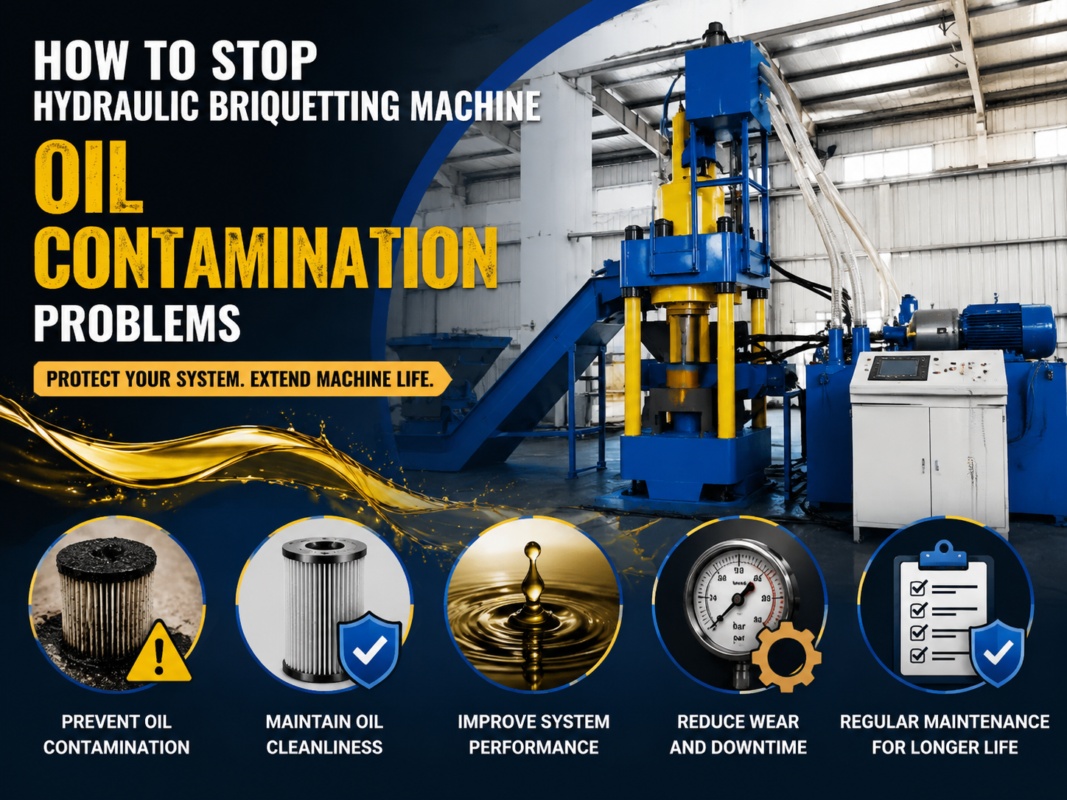
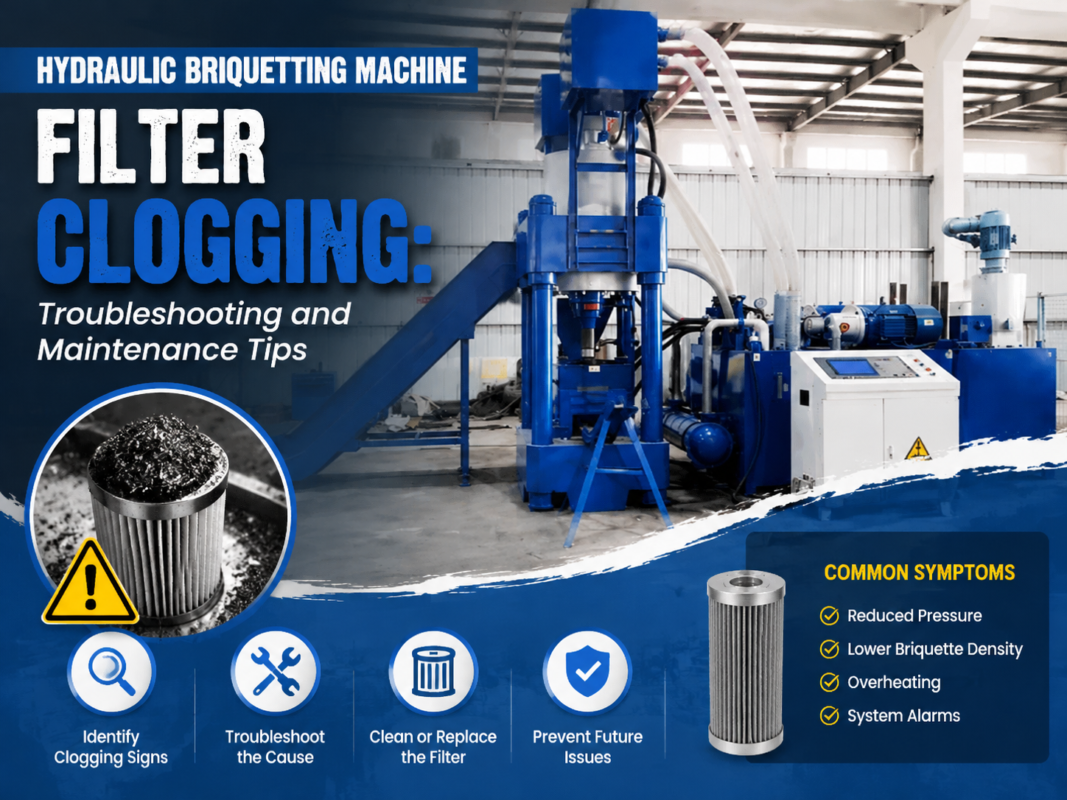
- Oil Filtration and Analysis: Clean oil is the lifeblood of the system. Use high-quality filters and change them according to the manufacturer’s schedule. Periodically send oil samples for laboratory analysis to check for metal content and acidity.
- Daily Cleaning: In a briquetting environment, dust is inevitable. Operators should wipe down the exposed portion of the piston rod with a clean, lint-free cloth at the end of every shift to remove accumulated grit.
- Lubrication: Ensure that the guide bushings and any external mechanical linkages are properly lubricated. This reduces the risk of friction-induced heat and misalignment.
- Protective Bellows: For machines operating in extremely dirty environments, consider installing protective bellows (boots) over the piston rod. These flexible covers expand and contract with the rod, keeping it completely isolated from external contaminants.
Selection Advice for High-Performance Briquetting Machines
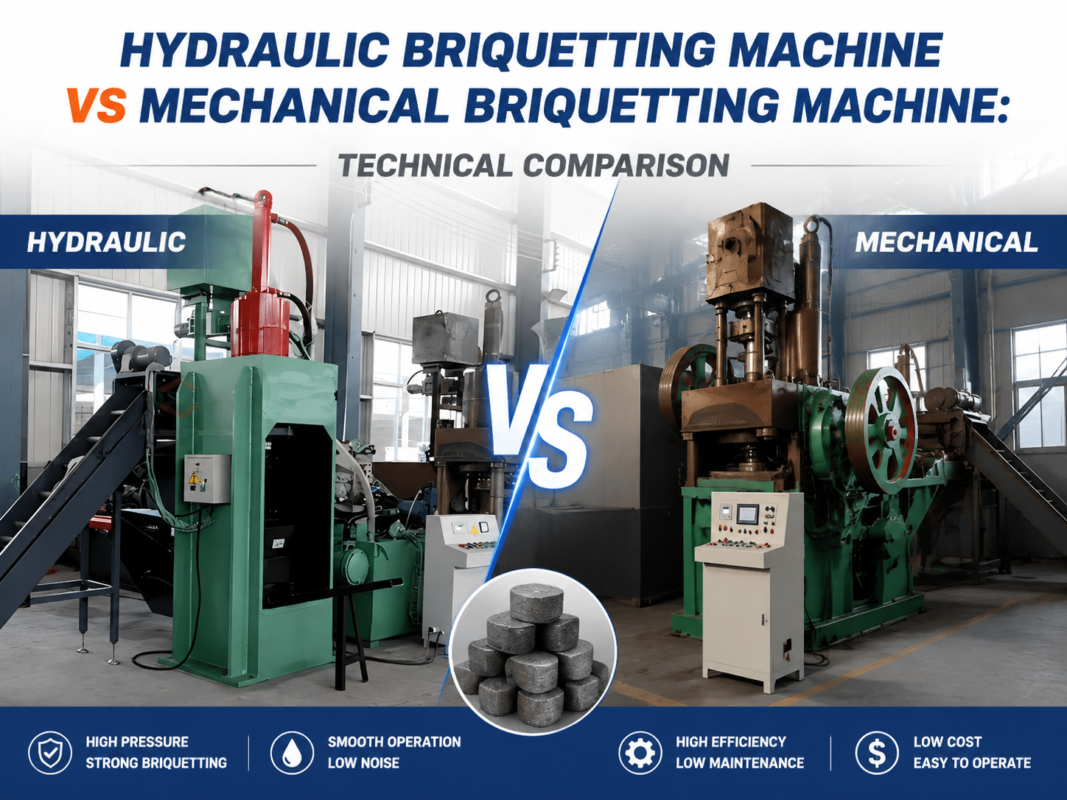
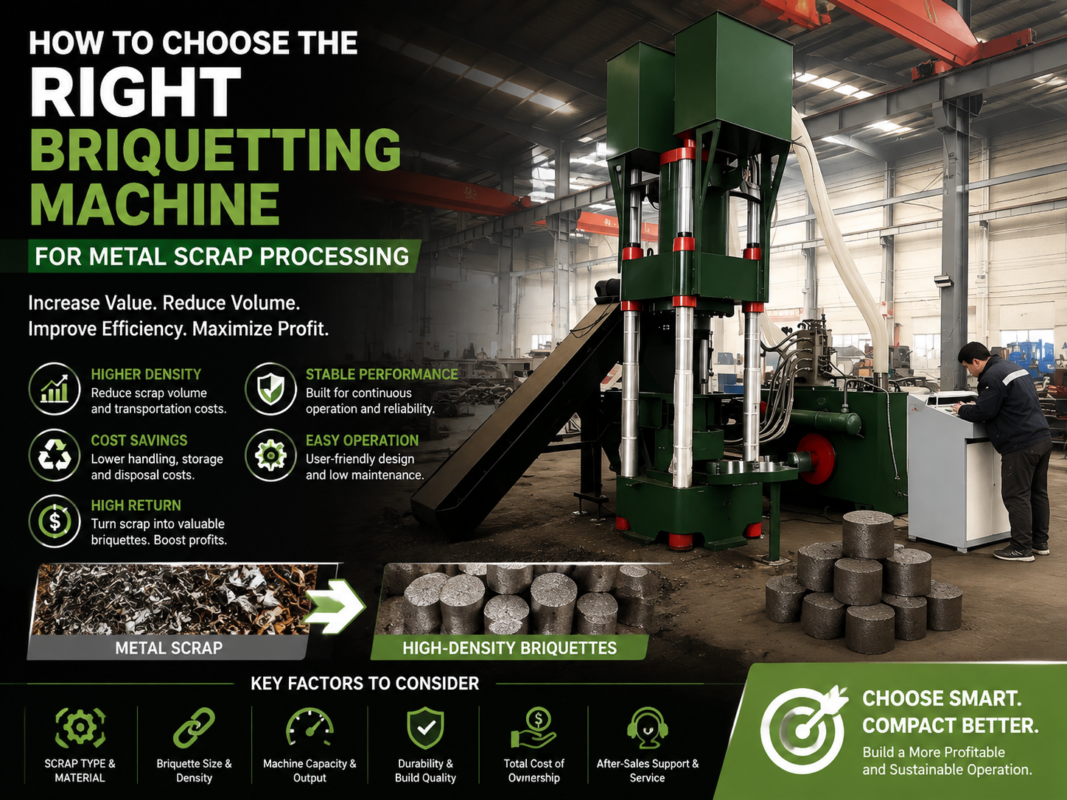
Choosing the right machine from the start can significantly reduce the frequency of piston rod issues. When sourcing a hydraulic briquetting machine, such as those offered by HARSLE, pay close attention to the technical specifications of the hydraulic assembly.
First, look for machines that use high-grade materials for the piston rod. A rod made from 40Cr with induction hardening and hard chrome plating will far outlast a standard 45# steel rod. Induction hardening provides a layer of strength beneath the chrome, making the rod much more resistant to impact damage and bending.
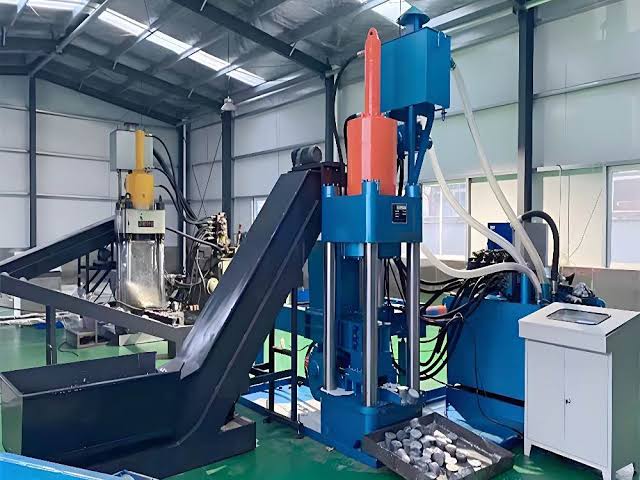
Second, evaluate the cylinder design. Does the machine feature a robust guiding system? Machines with long internal bushings or external guide pillars provide better support for the piston rod, minimizing the risk of side-loading. Additionally, check the quality of the seals. Premium brands like SKF or Hallite are preferred for their superior wear resistance and temperature tolerance.
Third, consider the system’s cooling and filtration capabilities. A machine equipped with an integrated oil cooler and a high-efficiency filtration system will maintain the hydraulic fluid’s integrity, protecting the piston rod from thermal stress and abrasive wear. HARSLE machines are engineered with these industrial requirements in mind, ensuring that the hydraulic system remains stable even under 24/7 operation.
Buyer’s Checklist for Piston Rod Quality:
| Feature | Requirement | Benefit |
|---|---|---|
| Material | 40Cr or 42CrMo | Higher tensile strength and fatigue resistance. |
| Surface Treatment | Hard Chrome Plating (25μm+) | Corrosion resistance and low friction. |
| Hardness | HRC 52-60 (Induction Hardened) | Prevents surface denting and scratches. |
| Seal Quality | Premium Polyurethane/Viton | Longer life and better leak prevention. |
| Alignment Support | External Guide Rails | Eliminates side-loading on the piston rod. |
FAQ
Q1: How often should I inspect the piston rod on my briquetting machine?
A: A visual inspection should be performed daily. Look for oil leaks, visible scratches, or any buildup of debris. A more thorough inspection, including checking for rod straightness and seal integrity, should be conducted every 500 operating hours.
Q2: Can I use any hydraulic oil in my briquetting machine?
A: No. You must use the oil grade recommended by the manufacturer (usually ISO VG 46 or 68). Using the wrong viscosity can lead to overheating or poor lubrication, both of which damage the piston rod and seals.
Q3: My piston rod is leaking oil, but I don’t see any scratches. What’s wrong?
A: The issue is likely the internal rod seal. Seals can fail due to age, heat, or chemical breakdown of the oil even if the rod surface looks perfect. However, you should still check the rod for ‘out-of-roundness’ which might be causing the seal to gap.
Q4: Is it possible to repair a bent piston rod?
A: Small bends can sometimes be straightened by professionals, but it is often a temporary fix. For high-pressure applications like briquetting, a bent rod usually indicates structural fatigue, and replacement is the safest long-term option.
Q5: Why does my piston rod have a ‘rainbow’ or blue tint?
A: This is a sign of extreme overheating. It indicates that the friction between the rod and seals, or the temperature of the hydraulic oil, has exceeded safe limits. You need to check your cooling system and ensure the machine isn’t being bypassed or overloaded.
Conclusion
The piston rod is a vital yet vulnerable component of the hydraulic briquetting machine. Its health directly impacts the machine’s performance, safety, and operational costs. By understanding the technical causes of failure—ranging from simple contamination to complex mechanical misalignment—operators can take decisive action to maintain their equipment. Repairing a rod through polishing or re-chroming can extend its life, but the ultimate goal should always be prevention through rigorous maintenance and the selection of high-quality machinery.
Investing in a machine from a reputable manufacturer like HARSLE ensures that you start with the best possible components. However, even the best hardware requires care. By following the guidelines outlined in this article—maintaining clean oil, ensuring proper alignment, and protecting the rod surface—you can maximize the ROI of your briquetting operation and keep your recycling line running smoothly for years to come. Remember, in the world of heavy machinery, attention to the smallest details, like the surface of a piston rod, makes the biggest difference in long-term success.