Comprehensive Guide: How to Troubleshoot Temperature Rise in Hydraulic Briquetting Machine Oil Systems

Introduction to Hydraulic Briquetting Machine Thermal Management
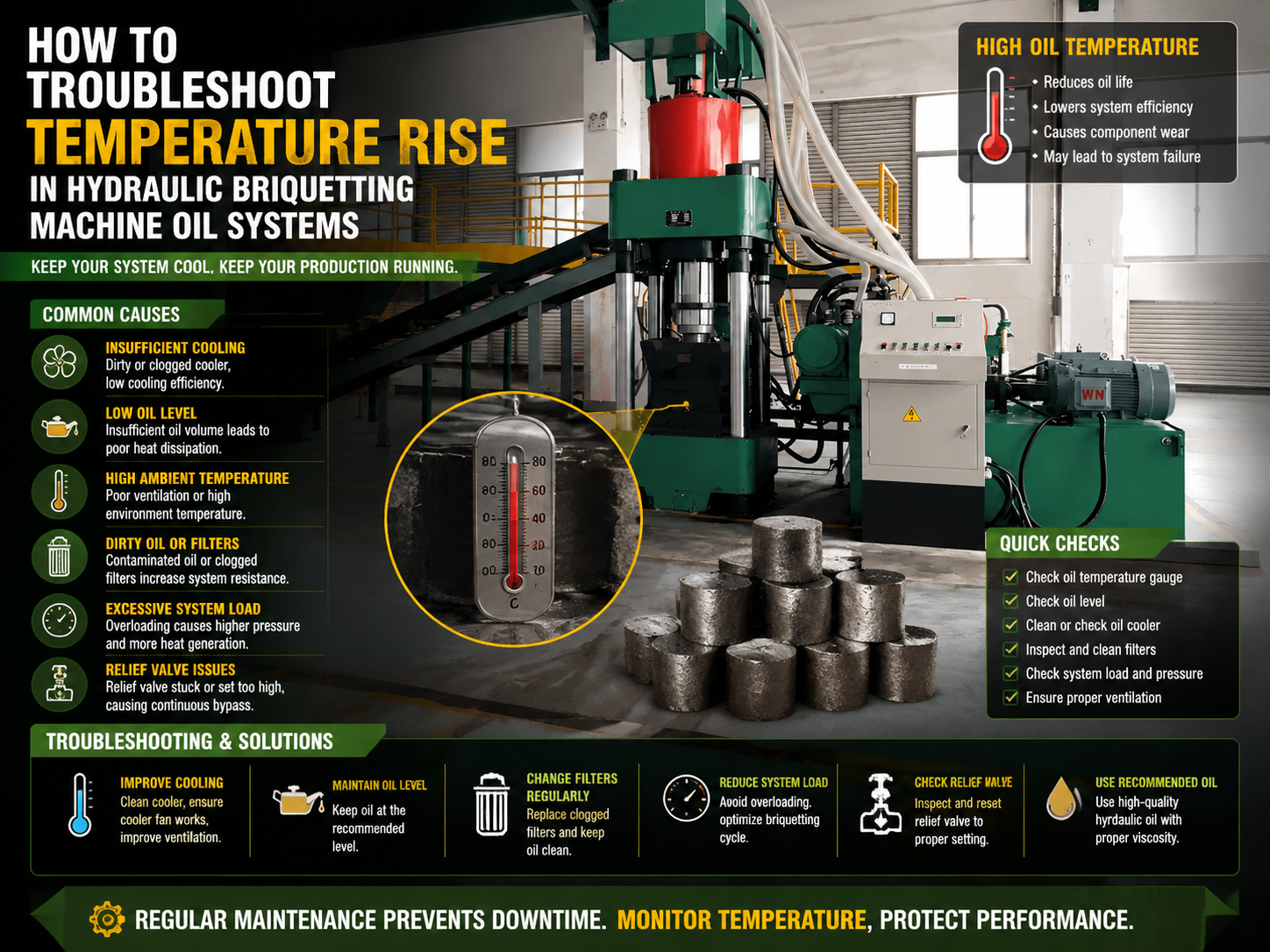
In the world of metal recycling and waste management, the hydraulic briquetting machine stands as a cornerstone of efficiency. These machines are designed to compress metal chips, shavings, and dust into dense, manageable briquettes, significantly reducing volume and increasing the value of scrap material. However, like any high-pressure industrial equipment, the performance of a hydraulic briquetting machine is heavily dependent on the health of its hydraulic oil system. One of the most common and potentially damaging issues operators face is excessive heat. When you need to Troubleshoot Temperature Rise In Hydraulic Briquetting Machine Oil Systems, understanding the underlying physics and mechanical interactions is crucial for maintaining uptime and protecting your investment.
Excessive oil temperature is often referred to as the “silent killer” of hydraulic systems. While a machine might continue to operate even as temperatures climb, the internal damage being done to seals, valves, and pumps is cumulative and costly. Ideally, the hydraulic oil in a briquetting press should operate within a range of 35°C to 55°C (95°F to 131°F). Once the temperature exceeds 60°C (140°F), the viscosity of the oil drops significantly, leading to increased internal leakage, reduced lubrication, and accelerated oxidation of the fluid itself. This guide provides a deep dive into the technical causes and practical solutions for managing thermal issues in HARSLE hydraulic briquetting machines.
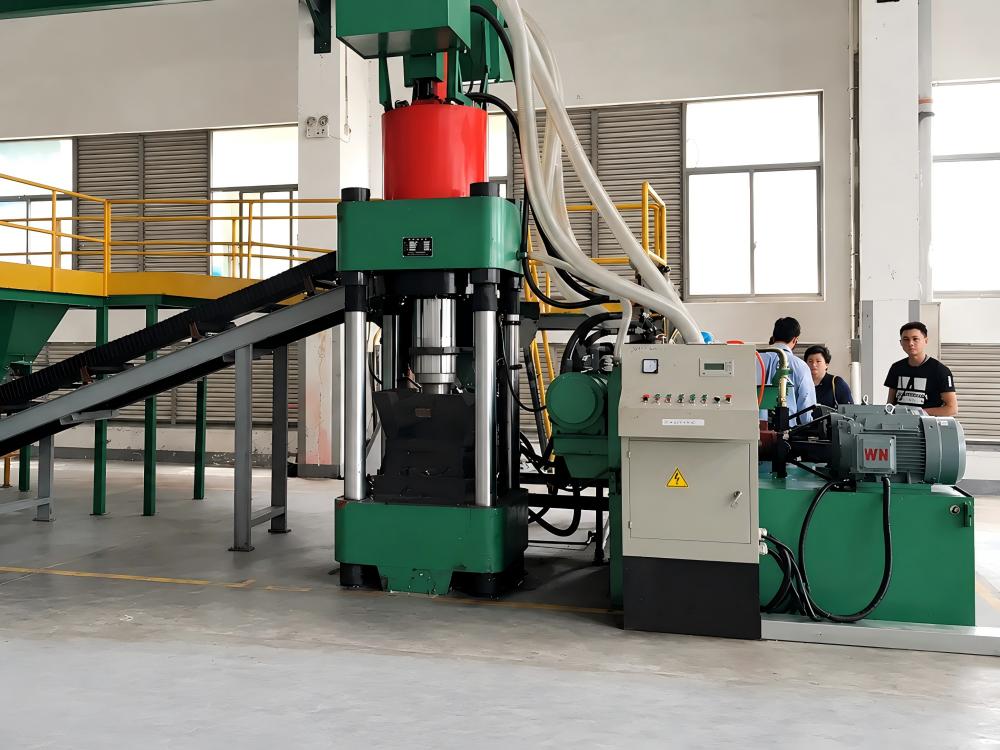
At HARSLE, we recognize that a well-maintained machine is a profitable machine. By mastering the ability to troubleshoot temperature rise in hydraulic briquetting machine oil systems, operators can extend the lifespan of their equipment by years. This article will explore the key considerations, technical nuances, and selection advice necessary to keep your hydraulic systems running cool and efficient, even under the most demanding production schedules.
Key Considerations for Oil Temperature Control
Before diving into specific mechanical failures, it is essential to consider the environmental and operational context of the machine. The first consideration is the ambient temperature of the facility. In many scrap yards or foundries, the surrounding air can be quite hot. If the machine’s cooling system is designed for a 25°C environment but is operating in a 40°C environment, the heat dissipation capacity will be naturally compromised. Operators must ensure adequate ventilation around the hydraulic power unit (HPU) to prevent heat soak.
Another critical factor is the duty cycle of the machine. Hydraulic briquetting machines are often used in continuous production lines. If a machine is pushed beyond its rated capacity or if the cycle time is shortened without adjusting the cooling capacity, the heat generated by the high-pressure compression will eventually outpace the system’s ability to shed that heat. This imbalance leads to a steady climb in oil temperature throughout the shift. Monitoring the rate of temperature rise can help distinguish between a gradual environmental issue and a sudden mechanical failure.
The quality and type of hydraulic oil used also play a pivotal role. Oil that is too thick (high viscosity) creates excessive friction as it moves through the pipes and valves, generating heat. Conversely, oil that is too thin (low viscosity) or has degraded over time will allow for more internal leakage within the pump and cylinders. This leakage—where high-pressure oil escapes to a low-pressure area without doing work—converts pressure energy directly into heat energy. Regularly testing the oil for viscosity and oxidation is a fundamental step in any troubleshooting protocol.
Finally, consider the cleanliness of the system. Contaminants such as metal fines or dust can act as abrasives, wearing down internal components and increasing friction. Furthermore, sludge buildup on the interior walls of the oil reservoir or the cooling fins of a heat exchanger acts as an insulator, trapping heat inside the system. A clean system is a cool system, and maintenance schedules must reflect the harsh environments in which these machines often operate.
Technical Details: Why Temperatures Rise
1. Internal Leakage and Volumetric Efficiency
The most common technical cause of heat in a hydraulic system is internal leakage. In a hydraulic briquetting machine, the pump must generate immense pressure to compress metal. If the internal tolerances of the pump (such as a piston pump or vane pump) have widened due to wear, a portion of the oil will slip back to the suction side or the case drain. This “slip” does not contribute to the movement of the ram but consumes significant energy, which is released as heat. Similarly, worn seals in the main hydraulic cylinder can allow oil to bypass the piston, creating a localized heat source that eventually warms the entire reservoir.
2. Pressure Relief Valve Settings
The pressure relief valve (PRV) is a safety component designed to protect the system from over-pressurization. However, if the PRV is set too low, or if the spring has weakened, the valve may remain partially open during the compression cycle. This allows high-pressure oil to dump directly back into the tank. Because the oil is dropping from high pressure to atmospheric pressure without performing mechanical work, nearly 100% of that energy is converted into heat. To Troubleshoot Temperature Rise In Hydraulic Briquetting Machine Oil Systems, one must always verify that the relief valve is set correctly—typically 10-15% above the maximum working pressure.
3. Inefficient Cooling Systems
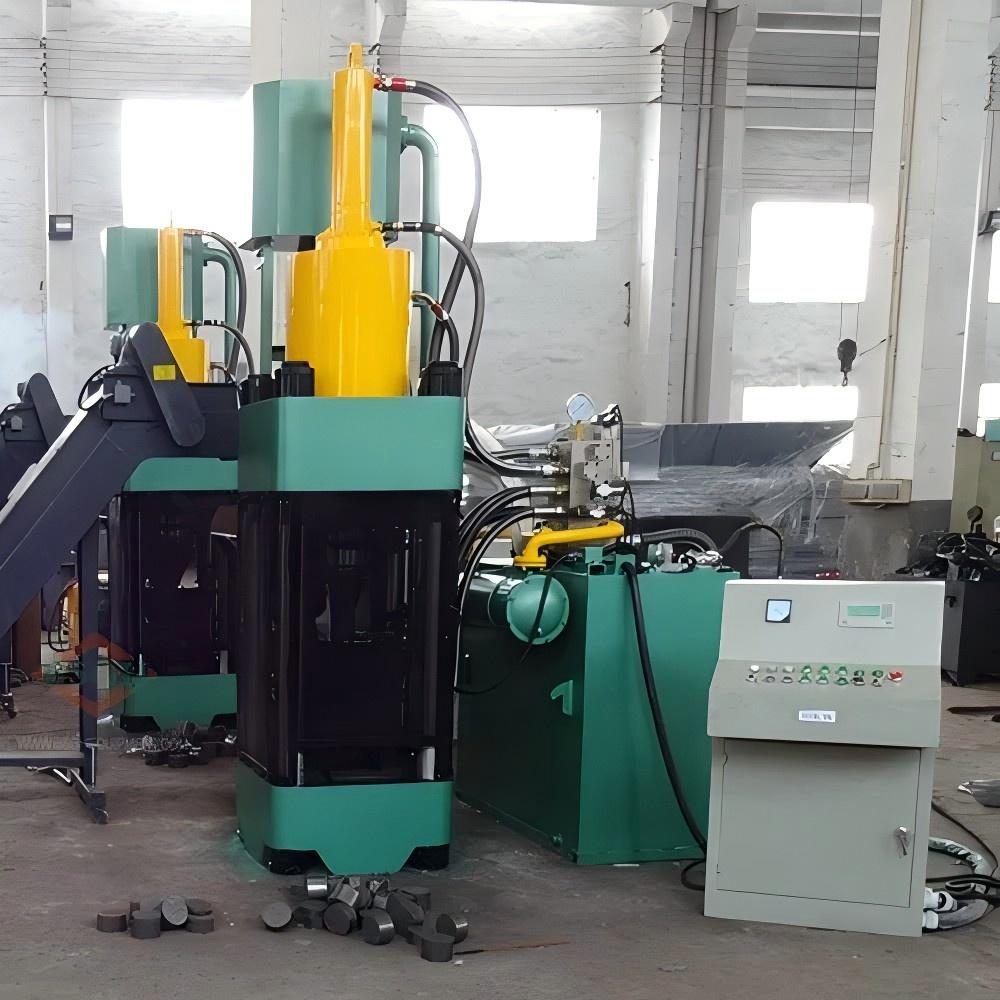
Most modern briquetting machines utilize either an air-cooled (radiator style) or water-cooled (shell and tube) heat exchanger. In air-cooled systems, the most frequent failure is a clogged radiator fin or a malfunctioning electric fan. In dusty environments, metal particles can quickly coat the fins, reducing the surface area available for heat exchange. In water-cooled systems, mineral scale can build up inside the tubes (fouling), or the water flow rate might be insufficient. If the cooling system cannot remove heat as fast as the hydraulic work generates it, the temperature will rise until a thermal equilibrium is reached—often at a level dangerous to the machine’s components.
4. Pipe and Valve Sizing
Hydraulic friction is a significant contributor to heat. If the hydraulic lines are too small for the flow rate, the oil velocity increases, leading to turbulence and friction against the pipe walls. Similarly, sharp bends, unnecessary elbows, or restrictive valves can create pressure drops. Every PSI lost to friction is a PSI converted to heat. During the design or modification of a briquetting machine, ensuring that the plumbing is sized correctly for the pump’s output is vital for thermal management.
Step-by-Step Troubleshooting Guide
When the oil temperature alarm sounds or the thermometer creeps into the red zone, follow this systematic approach to identify the culprit:
| Step | Action Item | What to Look For |
|---|---|---|
| 1 | Check Oil Level and Quality | Ensure the reservoir is full; low oil levels reduce the time the oil has to rest and cool in the tank. Check for foaming or dark color. |
| 2 | Inspect the Cooler | For air coolers, check for blocked fins or fan failure. For water coolers, check water flow and temperature. |
| 3 | Monitor Pressure Gauges | Is the system reaching relief pressure too often? Is the working pressure higher than necessary for the material being briquetted? |
| 4 | Touch Test (Infrared Thermometer) | Scan the pump, relief valve, and cylinders. A component that is significantly hotter than the rest of the system indicates internal leakage. |
| 5 | Verify Cycle Settings | Ensure the “dwell time” at high pressure isn’t unnecessarily long, as this generates heat without adding value to the briquette. |
Selection Advice for High-Performance Briquetting Machines
When purchasing a new hydraulic briquetting machine, preventing temperature issues starts with the right specifications. At HARSLE, we recommend looking for the following features to ensure long-term thermal stability:
- Oversized Oil Reservoirs: A larger tank provides more surface area for natural heat dissipation and allows the oil more time to “settle,” which helps in releasing trapped air and heat. A general rule is that the tank should be 3 to 5 times the pump’s flow per minute.
- High-Efficiency Heat Exchangers: Ensure the machine is equipped with a cooling system rated for your specific climate. For tropical or high-temperature industrial environments, an upgraded independent cooling circuit (kidney loop) is often the best choice.
- Variable Displacement Pumps: Unlike fixed displacement pumps that move a constant volume of oil regardless of demand, variable displacement pumps adjust their output. This significantly reduces the amount of oil being dumped over the relief valve, thereby reducing heat generation at the source.
- Quality Hydraulic Components: Machines built with reputable valves and pumps (such as those from Rexroth, Vickers, or high-end domestic brands used by HARSLE) have tighter tolerances and better materials, which minimize internal leakage and friction.
- Integrated Temperature Sensors: Modern machines should have digital temperature monitoring with automatic shut-off or warning systems to prevent catastrophic failure if the oil overheats.
Frequently Asked Questions (FAQ)
What is the maximum safe operating temperature for hydraulic oil?
For most standard mineral-based hydraulic oils, the maximum safe operating temperature is 60°C (140°F). While some synthetic oils can handle higher temperatures, the seals and hoses in the machine may begin to degrade rapidly above this point. It is best to maintain a working temperature between 40°C and 50°C for optimal performance.
Why does my machine overheat only after a few hours of work?
This usually indicates that the heat generation is slightly higher than the heat dissipation. It takes time for the large volume of oil in the reservoir to reach a critical temperature. This could be due to a partially clogged cooler, a slightly worn pump, or an increase in ambient temperature during the day. It suggests the cooling system is undersized or underperforming rather than a total component failure.
Can I just add more oil to stop the overheating?
Adding oil to the correct level is essential, but overfilling the tank can actually cause problems. If the oil level is too high, there may not be enough air space for the oil to expand and “breathe,” which can lead to aeration. Aerated oil (oil with air bubbles) compresses, and that compression generates immense heat, further worsening the problem.
How does contaminated oil contribute to temperature rise?
Contaminants increase friction and wear. As particles circulate, they score the polished surfaces of valves and pumps, increasing internal leakage. Furthermore, contaminants can cause valves to stick in a partially open position, leading to constant pressure drops that generate heat. Regular filtration and oil changes are the best defense.
Is a water-cooled system better than an air-cooled one?
Water-cooled systems are generally more efficient and can maintain a more stable temperature regardless of ambient air conditions. However, they require a consistent source of clean water and a way to dispose of or recycle that water. Air-cooled systems are simpler and lower maintenance but are more sensitive to the temperature of the room and dust buildup.
Conclusion: Maintaining Thermal Balance
To effectively Troubleshoot Temperature Rise In Hydraulic Briquetting Machine Oil Systems, one must view the hydraulic system as a balanced thermal equation. Heat is an inevitable byproduct of mechanical work, but in a well-designed and well-maintained HARSLE machine, that heat is managed through efficient components and robust cooling systems. When the balance tips and temperatures rise, the solution lies in identifying where energy is being wasted—whether through internal leakage, excessive friction, or a failure in the heat rejection path.
Regular maintenance remains the most effective strategy. By keeping the oil clean, the coolers clear, and the pressure settings accurate, operators can prevent the vast majority of overheating issues. Remember that heat not only damages the oil but also hardens seals, causes valves to varnish, and can eventually lead to the total failure of the hydraulic pump. Investing time in troubleshooting and thermal management today will save significant costs in repairs and downtime tomorrow. At HARSLE, we provide the technical support and high-quality machinery needed to ensure your metal fabrication and recycling operations remain cool, efficient, and productive.