Hydraulic Briquetting Machine Material Feeding Problems Solve Them: A Comprehensive Guide

Introduction to Hydraulic Briquetting and Feeding Systems
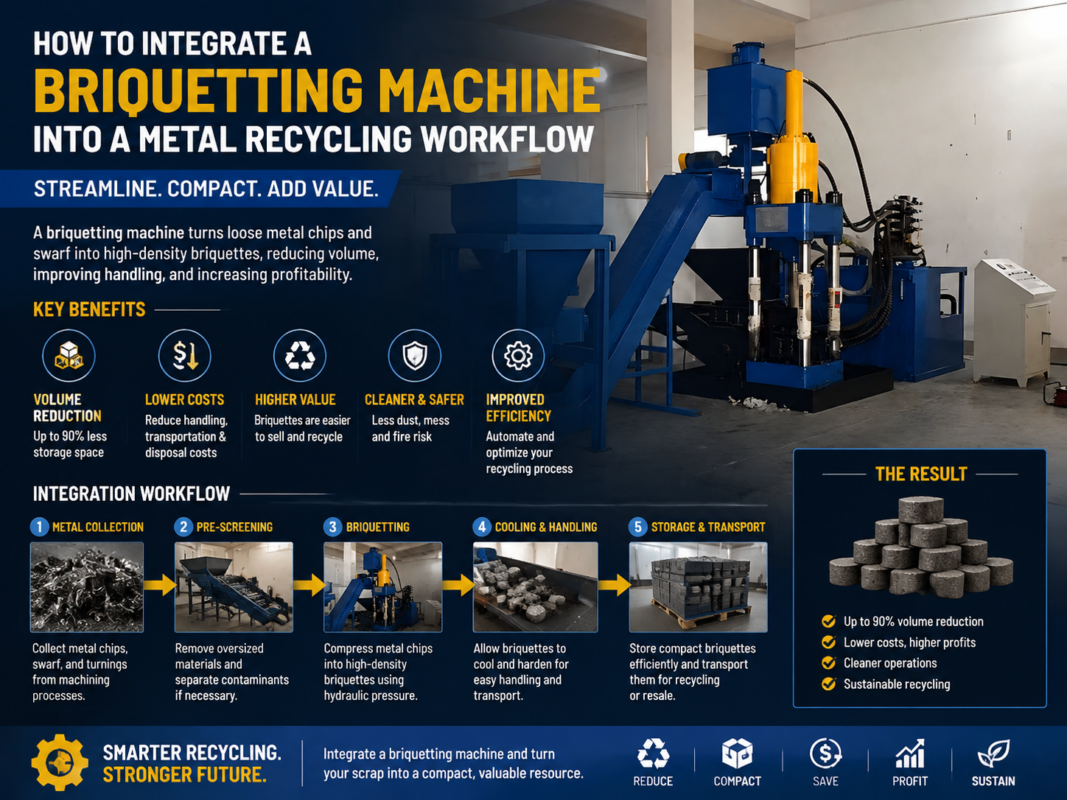
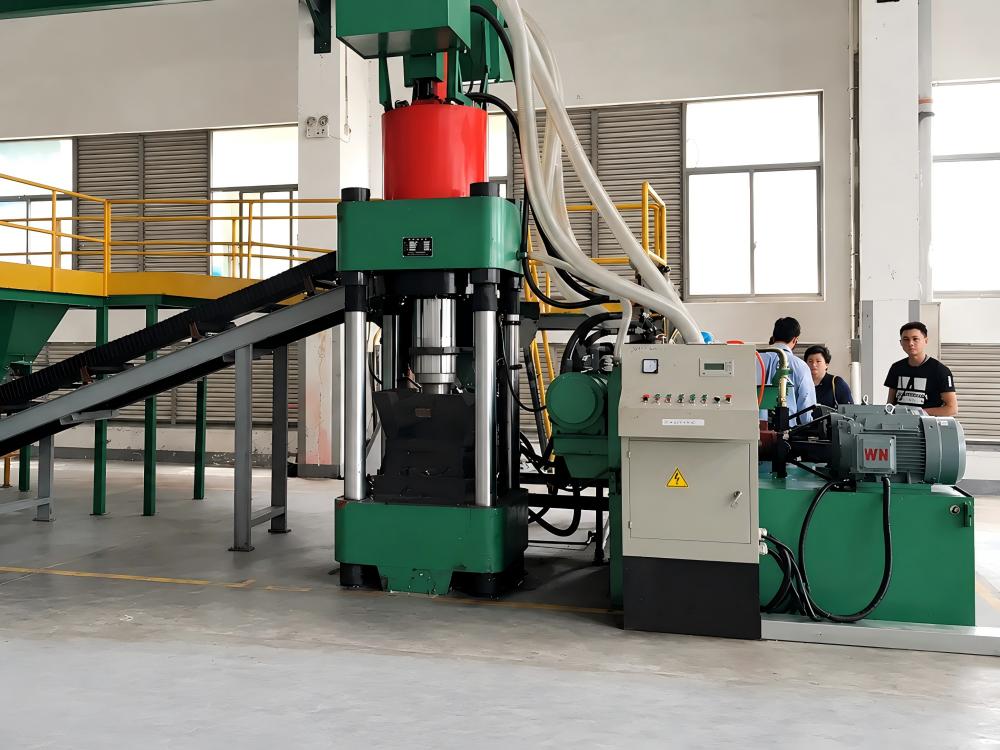
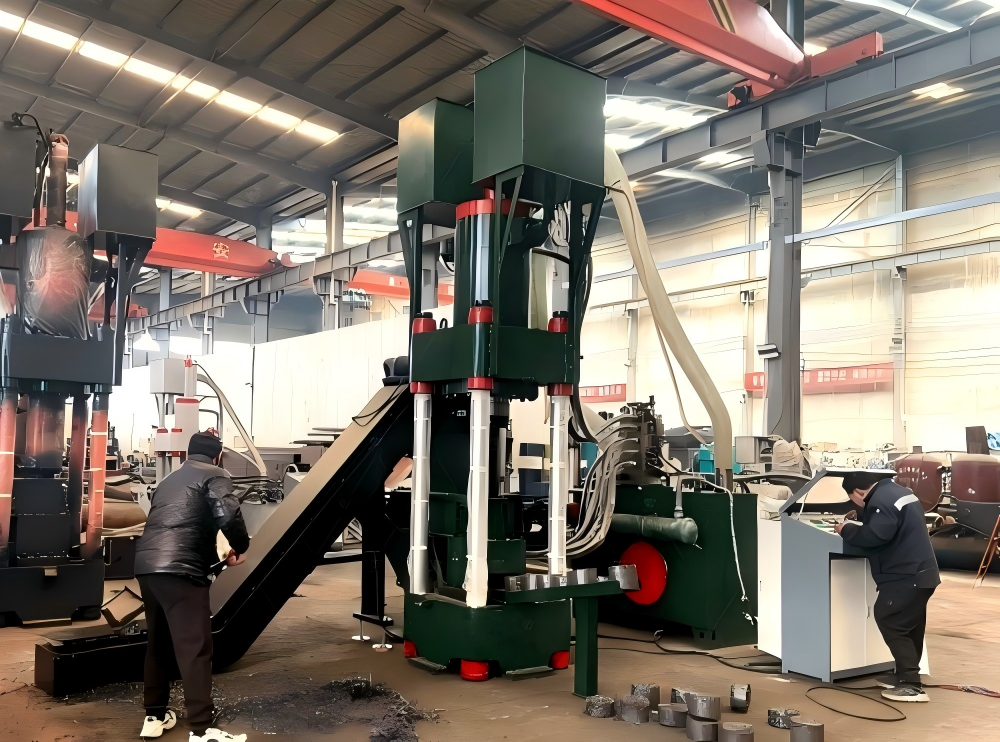
In the modern metal fabrication and recycling industry, the hydraulic briquetting machine stands as a cornerstone of efficiency. These machines are designed to transform loose metal chips, turnings, and swarf into dense, manageable briquettes. This process not only facilitates easier storage and transport but also significantly increases the value of the scrap material by reducing oxidation during melting. However, the performance of any hydraulic briquetting machine is only as good as its feeding system. When the material flow is interrupted or inconsistent, the entire production line suffers, leading to reduced output, poor briquette quality, and potential mechanical failure.
Understanding Hydraulic Briquetting Machine Material Feeding Problems Solve Them is essential for any facility manager or machine operator. Feeding is the first stage of the briquetting process, where raw material is moved from a hopper into the compression chamber. Because scrap metal varies wildly in size, shape, moisture content, and density, the feeding mechanism must be robust and adaptable. Whether you are dealing with aluminum shavings, steel turnings, or cast iron dust, the physics of material movement remains a challenge. This guide explores the intricacies of these systems and provides actionable solutions to keep your HARSLE machinery running at peak performance.
The complexity of feeding systems often stems from the non-uniform nature of industrial waste. Unlike standardized raw materials used in other manufacturing processes, scrap metal is often contaminated with cutting fluids, oils, and varying levels of moisture. These factors change the friction coefficient of the material, making it prone to sticking or clumping. By addressing these issues at the source, operators can ensure a steady throughput and extend the lifespan of the hydraulic components. In the following sections, we will delve into the technical details of feeding mechanics and the common pitfalls encountered in daily operations.
Key Considerations for Material Feeding Efficiency
Before troubleshooting specific problems, it is vital to understand the factors that influence feeding efficiency. The primary consideration is the material’s physical characteristics. The ‘angle of repose’—the steepest angle at which a material remains stable without sliding—plays a massive role in hopper design. For instance, dry cast iron chips flow easily, while long, stringy steel turnings tend to entangle, creating a structural mass that resists movement. If the hopper’s walls are not steep enough or if the outlet is too narrow, the material will fail to reach the compression screw.
Another critical factor is the moisture and oil content. In many metalworking environments, chips are saturated with coolants. This liquid acts as a binder, causing fine particles to stick together and form ‘cakes.’ These cakes can block the feeding throat or coat the internal surfaces of the screw conveyor, reducing its effective volume. Proper drainage or centrifugal drying of the material before it enters the briquetting machine can mitigate many of these feeding issues. Furthermore, the density of the material dictates the speed at which the feeder should operate. Lightweight materials like aluminum require a higher volumetric feed rate to achieve the same mass output as heavier steel scrap.
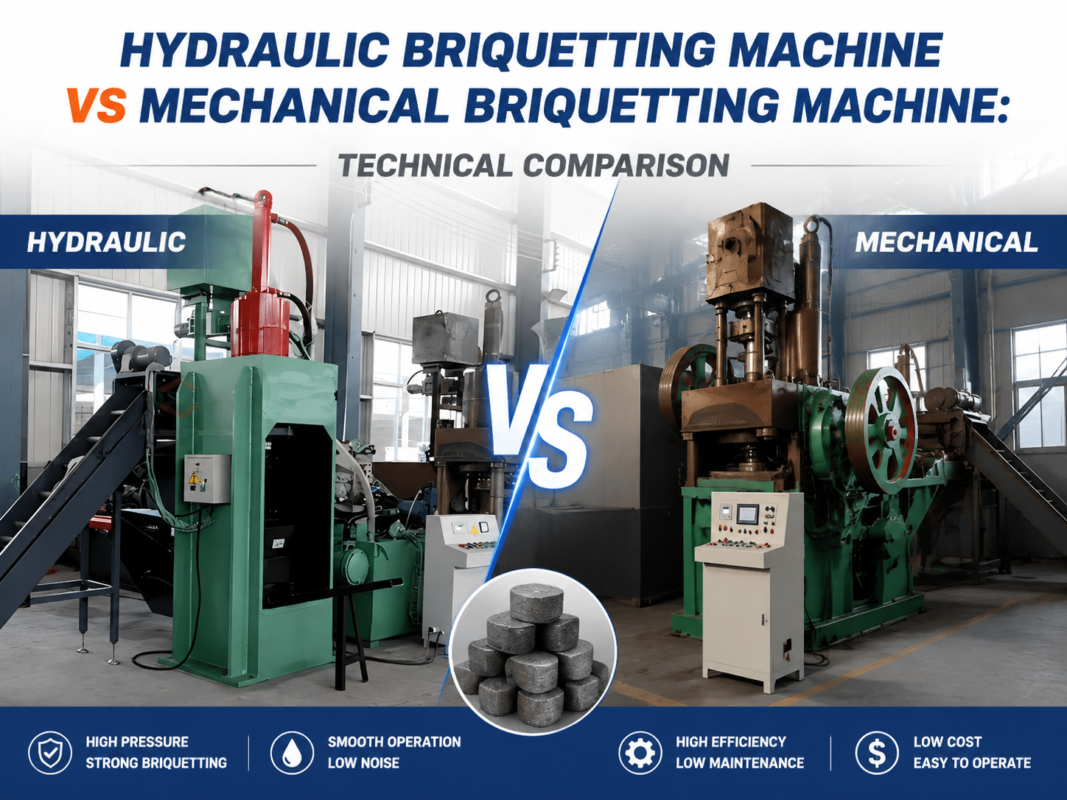
The design of the feeding mechanism itself—whether it is a gravity-fed hopper, a horizontal screw, or a vertical agitator—must match the material type. HARSLE machines are often equipped with sophisticated sensors and variable frequency drives (VFDs) that allow for real-time adjustments. However, even the best technology requires proper calibration. Operators must consider the cycle time of the hydraulic ram; if the feeder is too slow, the ram will cycle with an empty chamber, wasting energy and causing unnecessary wear. Conversely, if the feeder is too fast, it can overfill the chamber, leading to mechanical jams or inconsistent briquette lengths.
Common Hydraulic Briquetting Machine Material Feeding Problems
Material Bridging and Arching
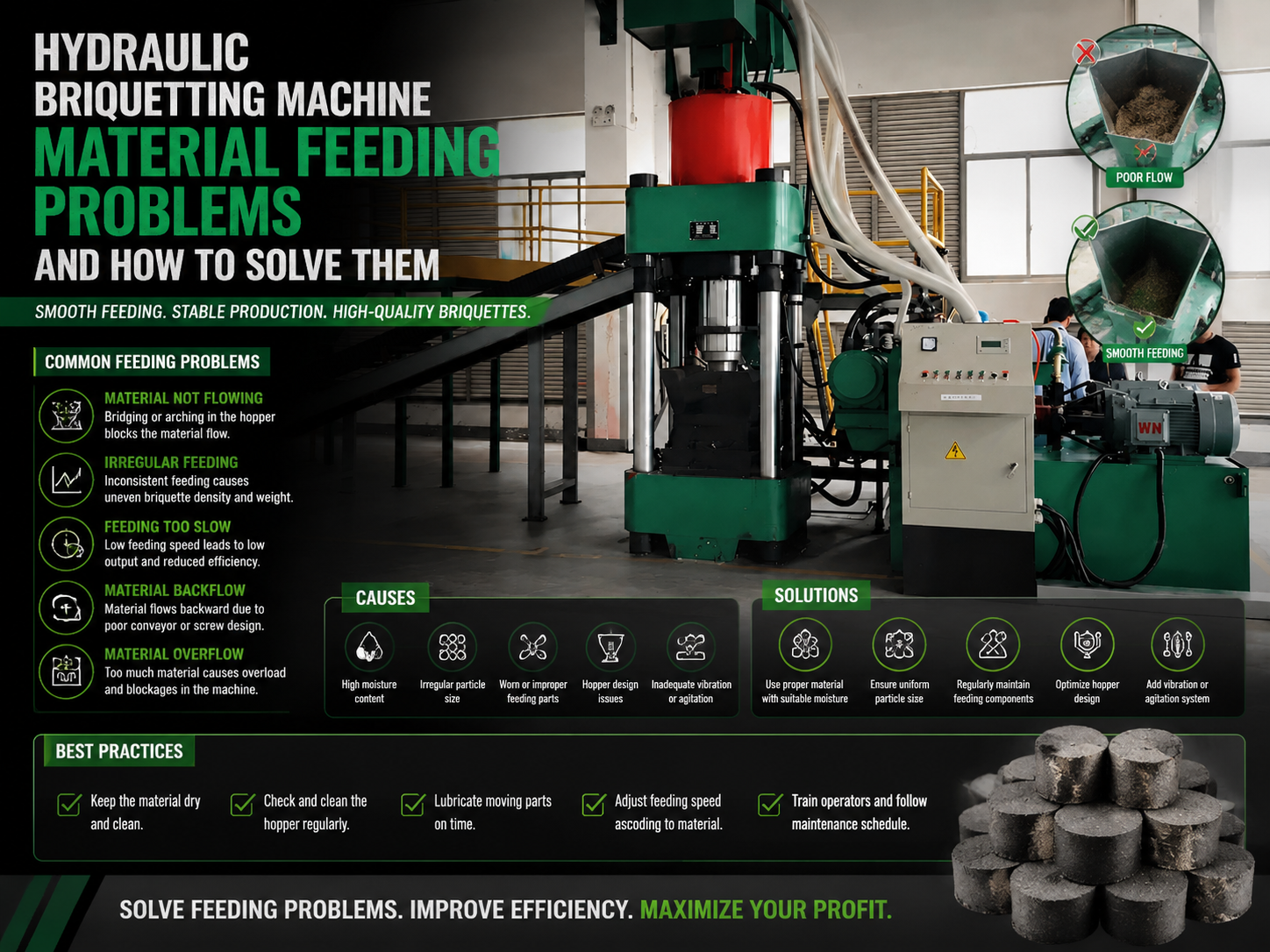
One of the most frequent issues in hydraulic briquetting is ‘bridging.’ This occurs when material forms a self-supporting arch over the hopper outlet, preventing any further material from falling into the feeding screw. This is particularly common with light, flaky materials or long, curly turnings. When bridging happens, the machine continues to cycle, but no briquettes are produced, or the briquettes produced are extremely thin and fragile. The root cause is often a combination of hopper geometry and material interlocking.
To solve bridging, many industrial machines utilize bridge-breaking agitators or vibratory motors attached to the hopper walls. If your machine lacks these, or if they are failing, the material will remain suspended. Operators often resort to manual poking, which is dangerous and inefficient. A technical solution involves analyzing the material’s flow properties and potentially retrofitting the hopper with a wider discharge opening or a more aggressive internal stirring mechanism.
Clogging and Material Buildup
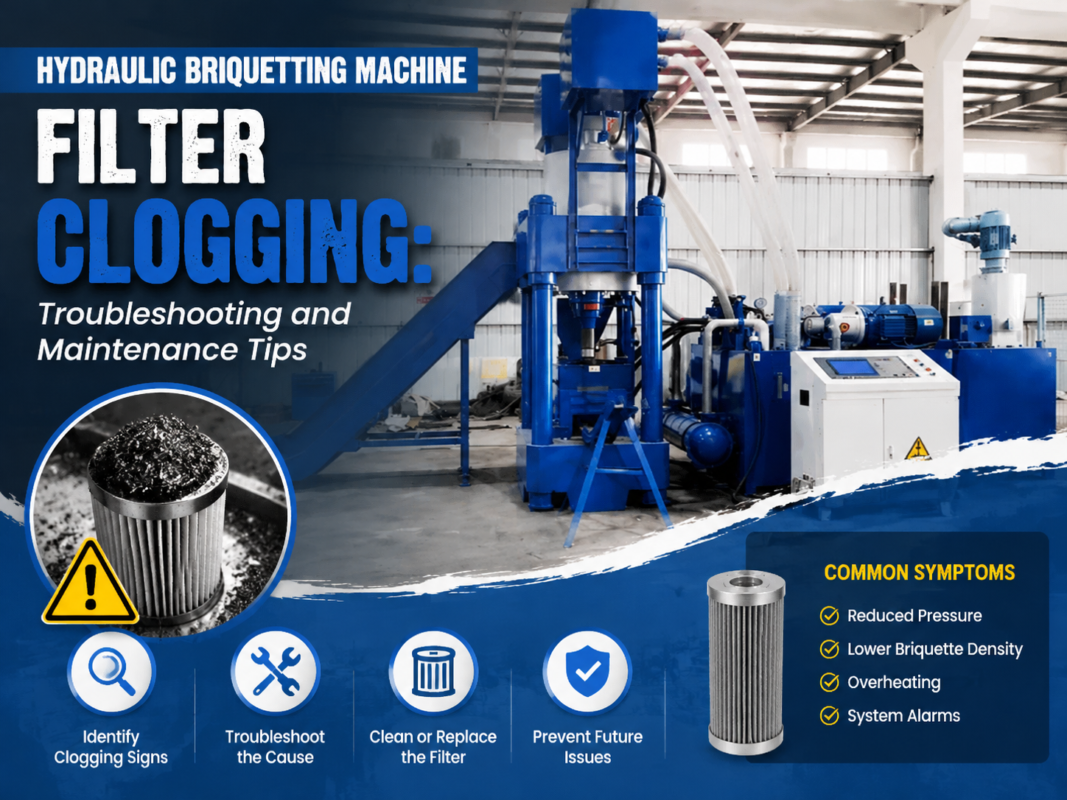
Clogging is distinct from bridging in that the material actually reaches the feeding screw but becomes stuck within the screw housing or the pre-compression chamber. This is usually caused by ‘sticky’ materials—those with high oil or moisture content. Over time, fine particles build up on the flights of the screw, reducing its capacity to move material forward. In extreme cases, the material can harden, effectively seizing the feeding motor.
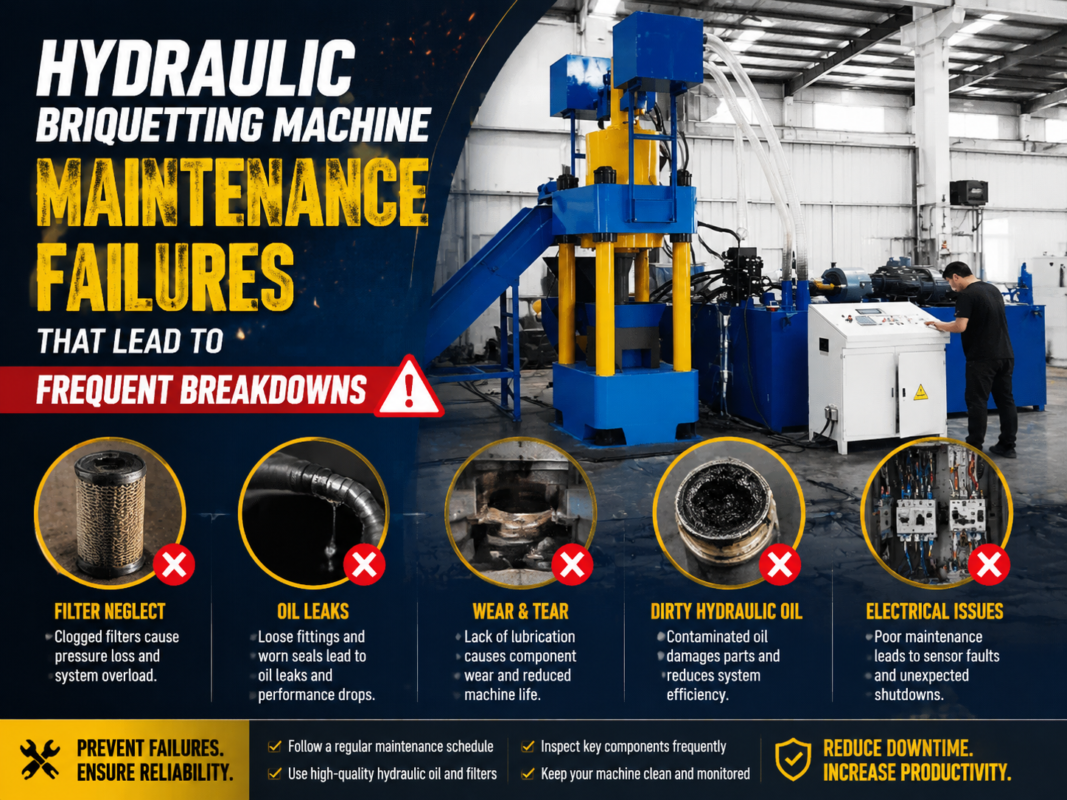
Solving clogging requires a two-pronged approach: pre-treatment and regular maintenance. Ensuring that the scrap is as dry as possible is the first step. Secondly, the feeding screw should be inspected for wear. As the edges of the screw flights wear down, the gap between the screw and the housing increases, allowing material to slip backward rather than being pushed forward. This ‘backflow’ increases friction and heat, further contributing to clogging. Replacing or hard-facing the screw can restore original feeding efficiency.
Inconsistent Feed Rates
Inconsistency in the feed rate leads to variations in briquette density and size. This is often a symptom of a mismatch between the material’s bulk density and the feeder’s speed settings. If the material contains a mix of large chunks and fine dust, the screw will move different masses with each rotation. This fluctuation makes it difficult for the hydraulic system to maintain a constant pressure, resulting in some briquettes being too soft and others potentially overloading the machine.
To solve inconsistent feeding, the use of a Variable Frequency Drive (VFD) on the feeding motor is highly recommended. By adjusting the RPM of the screw based on the feedback from the hydraulic pressure sensors, the machine can compensate for variations in material density. Additionally, installing a level sensor in the pre-compression chamber ensures that the main ram only fires when a sufficient amount of material is present, guaranteeing a uniform product.
Air Entrainment and Compression Issues
While not strictly a ‘blockage,’ air entrainment is a significant feeding problem. When light, porous materials are fed into the chamber, they carry a large volume of air. If this air is not allowed to escape during the initial compression phase, it can become trapped within the briquette. Upon the release of hydraulic pressure, the trapped air expands, causing the briquette to crumble or ‘explode’—a phenomenon known as ‘clam-shelling.’
Solving air entrainment involves optimizing the pre-compression stage. Many HARSLE hydraulic briquetting machines feature a two-stage compression process where a smaller cylinder or the feeding screw itself performs an initial ‘de-aeration’ squeeze. Ensuring that the vent holes in the compression chamber are clear of debris is also vital. If air cannot escape, the feeding system is essentially fighting against pneumatic pressure, which reduces the overall efficiency of the hydraulic cycle.
Technical Solutions to Solve Them
Addressing Hydraulic Briquetting Machine Material Feeding Problems Solve Them requires a combination of mechanical, electrical, and operational strategies. Below is a detailed breakdown of technical solutions that can be implemented to enhance feeding reliability.
Mechanical Adjustments and Upgrades
The first line of defense is the mechanical integrity of the feeding system. For materials prone to bridging, installing a ‘live bottom’ hopper—where the entire floor of the hopper moves or contains multiple screws—can be a game-changer. For stringy metal turnings, a pre-shredder or crusher should be placed before the briquetting machine. By reducing the material to a uniform chip size (typically less than 50mm), the feeding screw can handle the load much more effectively.
Furthermore, the clearance between the feeding screw and its trough should be checked monthly. In high-volume operations, abrasive metal dust can wear down steel components quickly. Using specialized coatings like tungsten carbide on the screw flights can extend the service life by 3-4 times. If the machine uses a gravity feed, ensuring the hopper walls are lined with low-friction materials like UHMW-PE (Ultra-High-Molecular-Weight Polyethylene) can prevent sticky materials from adhering to the sides.
Control System Optimization
Modern hydraulic briquetting machines rely heavily on PLC (Programmable Logic Controller) logic. If the feeding is inconsistent, the problem may lie in the sensor calibration. Ultrasonic or infrared level sensors in the hopper must be kept clean to provide accurate readings. If the sensor ‘thinks’ the hopper is full when it is nearly empty, it may slow down the feed rate unnecessarily.
Advanced systems use ‘load sensing’ technology. By monitoring the amperage draw of the feeding motor, the PLC can detect if the screw is struggling with a clog (high amps) or spinning freely due to bridging (low amps). The system can then be programmed to automatically reverse the screw for a few seconds to clear the obstruction before resuming forward operation. This ‘auto-clear’ function significantly reduces downtime and the need for manual intervention.
Material Pre-treatment Strategies
Often, the solution to a feeding problem lies outside the machine itself. Implementing a chip centrifuge or a drying deck can remove up to 95% of cutting fluids. Dry chips not only flow better but also produce higher-quality briquettes with better ‘green strength.’ For facilities dealing with very fine dust, a small amount of moisture or a specialized binding agent might actually be necessary to prevent the material from blowing back out of the feeder, but this must be carefully controlled.
Selection Advice for High-Performance Briquetting Machines
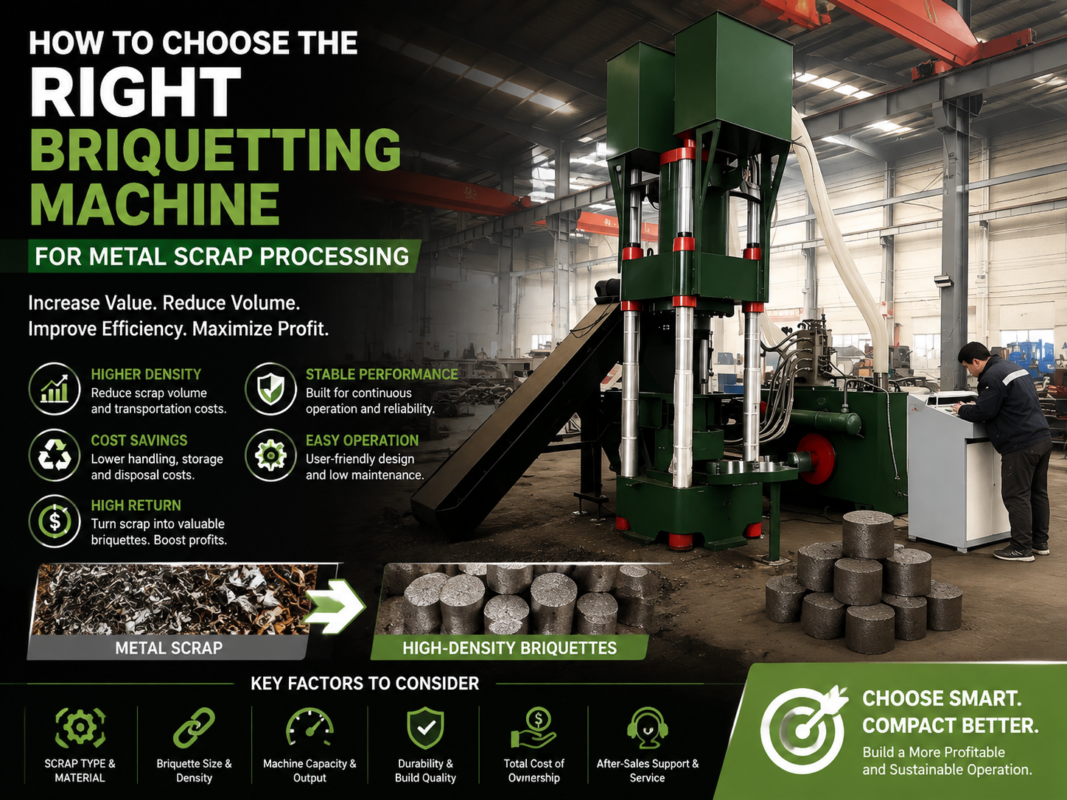
When purchasing a new hydraulic briquetting machine, selecting a model with a robust feeding system is paramount. Here are the key features to look for to avoid future feeding problems:
- Integrated Agitators: Ensure the hopper includes a motorized stirring arm to prevent bridging, especially if you process aluminum or long steel chips.
- Dual-Screw Feeders: For high-capacity requirements, dual-screw systems provide a more consistent volumetric flow than single-screw designs.
- Hardened Components: Look for screws and liners made from high-chromium steel or those that have undergone vacuum heat treatment.
- VFD Control: A machine with Variable Frequency Drives on all motors offers the flexibility needed to handle different scrap types.
- Easy Access Design: Choose a machine like those from HARSLE that allows for quick removal of the feeding screw for cleaning and maintenance.
It is also wise to perform a ‘material test’ before finalizing a purchase. Send a sample of your specific scrap material to the manufacturer. A reputable supplier will provide a video of the material being processed and offer data on the achieved density and throughput. This ensures that the feeding geometry is perfectly suited to your waste stream.
FAQ: Troubleshooting Feeding Issues
| Problem | Possible Cause | Recommended Solution |
|---|---|---|
| Machine cycles but no briquette comes out | Material bridging in the hopper | Check agitator function; install vibrator; reduce chip size |
| Feeding screw is making a grinding noise | Foreign object (bolt/tool) or worn bearings | Stop immediately; inspect screw for debris; replace bearings |
| Briquettes are inconsistent in length | Inconsistent material density or feed speed | Adjust VFD settings; ensure hopper is at least 30% full |
| Material leaking from the back of the screw | Worn seals or screw flights | Replace packing seals; check screw-to-housing clearance |
| Briquettes crumble upon ejection | Trapped air or excessive moisture | Clean air vents; pre-dry material; increase dwell time |
How often should I clean the feeding hopper?
For machines running 24/7, a weekly inspection is recommended. If you are processing oily chips, a deep clean of the feeding screw and hopper walls should be performed monthly to prevent the buildup of ‘sludge’ which can harden and cause mechanical resistance.
Can I process different metals in the same machine?
Yes, but you must adjust the feeding parameters. Switching from heavy steel to light aluminum usually requires increasing the feeding screw speed and adjusting the hydraulic pressure settings. Always clear the hopper completely before switching materials to avoid cross-contamination.
Conclusion
Mastering the art of Hydraulic Briquetting Machine Material Feeding Problems Solve Them is a journey of continuous improvement. By understanding the relationship between material properties and mechanical design, operators can transform a troublesome bottleneck into a streamlined asset. The key lies in proactive maintenance, smart equipment selection, and a deep understanding of the physics of scrap metal flow. HARSLE continues to lead the industry by providing machines that are not only powerful in their compression capabilities but also sophisticated in their material handling logic.
Remember that the feeding system is the heart of the briquetting process. When it beats steadily, the entire machine operates in harmony, delivering high-density briquettes that maximize your recycling ROI. Whether you are upgrading an existing line or investing in new technology, prioritize the feeding mechanism as much as the hydraulic press itself. With the right approach, common problems like bridging, clogging, and inconsistent density become easily manageable challenges rather than production-stopping disasters.