Hydraulic Briquetting Machine Control Panel Errors: Quick Diagnosis Guide

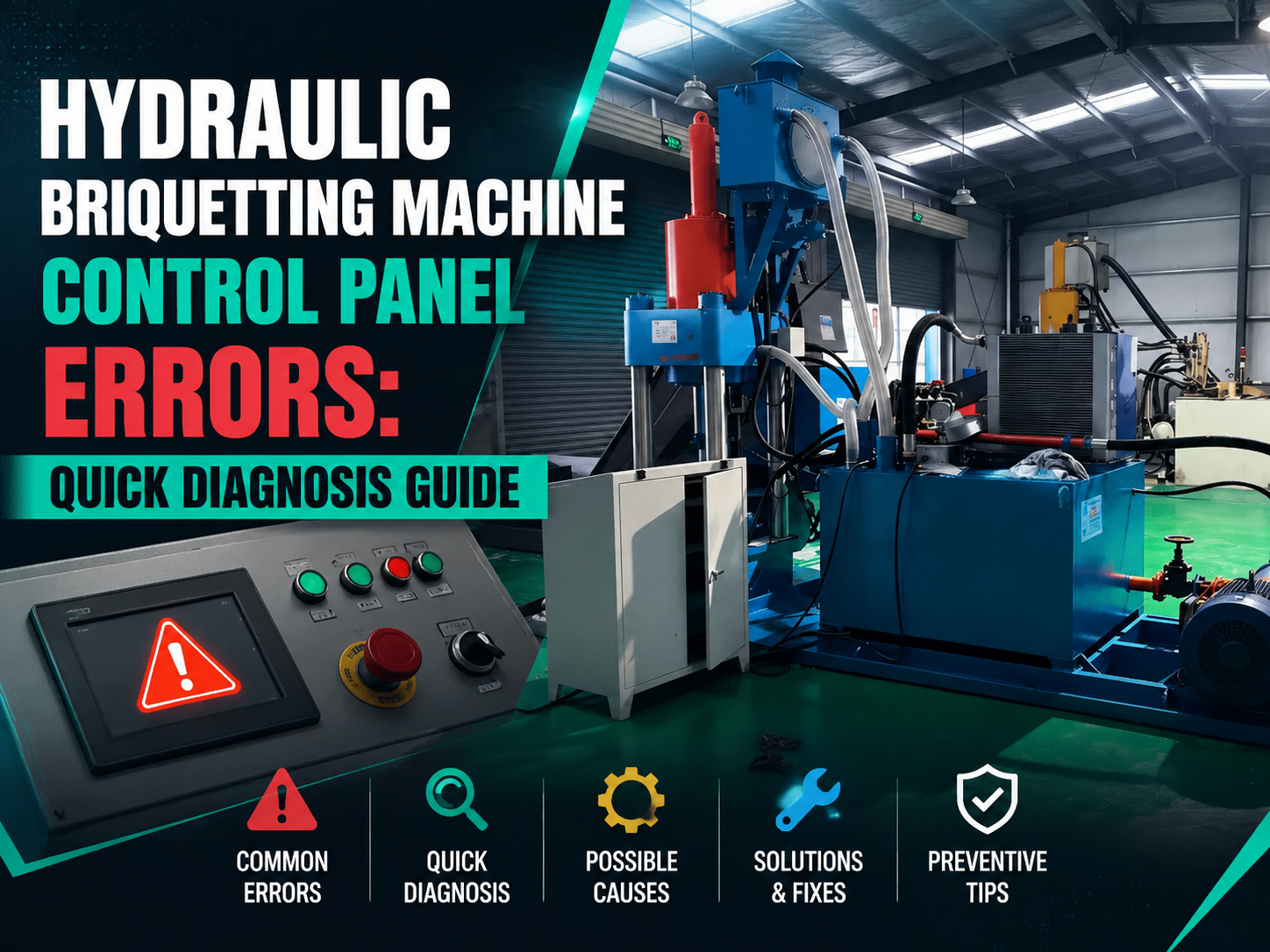
Introduction to Hydraulic Briquetting Machine Control Systems
In the modern metal fabrication and recycling industry, the hydraulic briquetting machine stands as a cornerstone of efficiency. These machines are designed to compress metal chips, turnings, and shavings into dense, manageable briquettes, significantly reducing volume and increasing the value of scrap material. However, the heart of this mechanical powerhouse is not just the hydraulic cylinders or the heavy-duty frame; it is the control panel. The control panel acts as the central nervous system, coordinating complex sequences of movements, pressure applications, and safety protocols.
When a Hydraulic Briquetting Machine Control Panel Errors: Quick Diagnosis becomes necessary, it is often due to the sophisticated nature of these systems. Modern machines, such as those manufactured by HARSLE, utilize Programmable Logic Controllers (PLCs) and Human-Machine Interfaces (HMIs) to provide precision. While these technologies enhance productivity, they also introduce a layer of electronic complexity that requires specific knowledge to troubleshoot. Understanding the common error codes and electrical symptoms is vital for minimizing downtime and ensuring the longevity of the equipment.
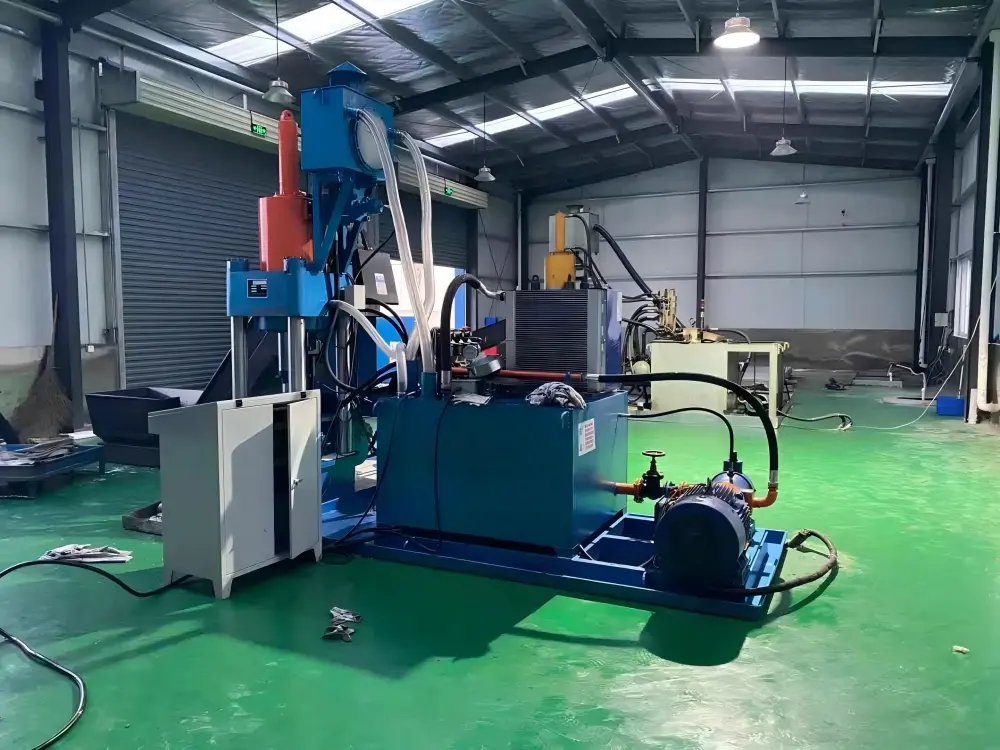
This guide is designed to walk operators and maintenance technicians through the most frequent control panel issues. From simple power fluctuations to complex sensor logic failures, we will explore how to identify the root cause of a malfunction. By following a systematic diagnostic approach, facilities can avoid the high costs of emergency repairs and keep their recycling lines running at peak capacity. Whether you are dealing with a complete system lockout or an intermittent signal glitch, the following sections provide the technical depth needed for effective resolution.
Key Considerations Before Troubleshooting
Before diving into the technical specifics of Hydraulic Briquetting Machine Control Panel Errors: Quick Diagnosis, safety must be the primary concern. Industrial hydraulic machinery operates under immense pressure and high voltage. Any attempt to open the control cabinet or test live circuits must be performed by qualified personnel. Implementing a strict Lockout/Tagout (LOTO) procedure is non-negotiable. This ensures that the machine cannot be accidentally energized while a technician is inspecting the internal wiring or replacing components.
Another critical consideration is the environment in which the machine operates. Metal fabrication shops are often filled with conductive dust, oil mist, and significant temperature variations. These environmental factors are the leading causes of control panel failures. Fine metal particles can settle on circuit boards, causing short circuits, while excessive heat can lead to the premature failure of relays and PLC modules. When diagnosing an error, always check the physical condition of the cabinet—is the cooling fan working? Is the seal intact? Often, a “software error” is actually a physical hardware failure caused by poor environmental protection.
Furthermore, it is essential to have the machine’s electrical schematics and the PLC program documentation on hand. Every manufacturer has a unique logic flow for their briquetting cycle. Without the wiring diagram, identifying which terminal corresponds to which sensor becomes a guessing game. HARSLE provides detailed documentation with their machines, which should be the first point of reference when an error code appears on the HMI. Understanding the sequence of operations—from the initial feeding to the final ejection—allows you to pinpoint exactly where the control logic is stalling.
Technical Details: Common Control Panel Errors and Diagnosis
1. PLC Communication and CPU Errors
The PLC is the brain of the hydraulic briquetting machine. When the HMI displays a “Communication Error” or “PLC No Response,” the entire operation halts. This is often caused by a faulty Ethernet or RS485 cable connecting the screen to the controller. However, it can also indicate a power supply issue to the PLC rack itself. Check the status LEDs on the PLC module; a red ‘SF’ (System Fault) light usually indicates a hardware failure or a logic error within the code. If the ‘RUN’ light is off, the PLC may have dropped into ‘STOP’ mode due to a critical safety violation detected in the software.
2. Sensor and Limit Switch Failures
Hydraulic briquetting machines rely heavily on proximity sensors and limit switches to track the position of the main ram, the feeding cylinder, and the ejection gate. If the control panel reports that a cycle cannot start, it is frequently because a sensor is not sending the “Home” signal. Hydraulic Briquetting Machine Control Panel Errors: Quick Diagnosis often involves checking these inputs. Metal chips can sometimes block a proximity sensor, or the sensor itself may have shifted due to vibration. Use the PLC diagnostic screen on the HMI to see which input is inactive. If the physical sensor is triggered but the HMI shows no signal, the issue lies in the wiring or the PLC input card.
3. Emergency Stop and Safety Loop Issues
One of the most common “errors” is actually a triggered safety circuit. If the control panel remains unresponsive and won’t clear an error, check every Emergency Stop (E-Stop) button on the machine. In many industrial setups, E-Stops are wired in a series loop. A single loose wire in one button will break the entire circuit, preventing the master relay from engaging. Additionally, check the safety interlocks on the maintenance doors. If the machine detects an open door, the control panel will inhibit all hydraulic movement to prevent injury. Diagnosis involves testing the continuity of the safety string with a multimeter.
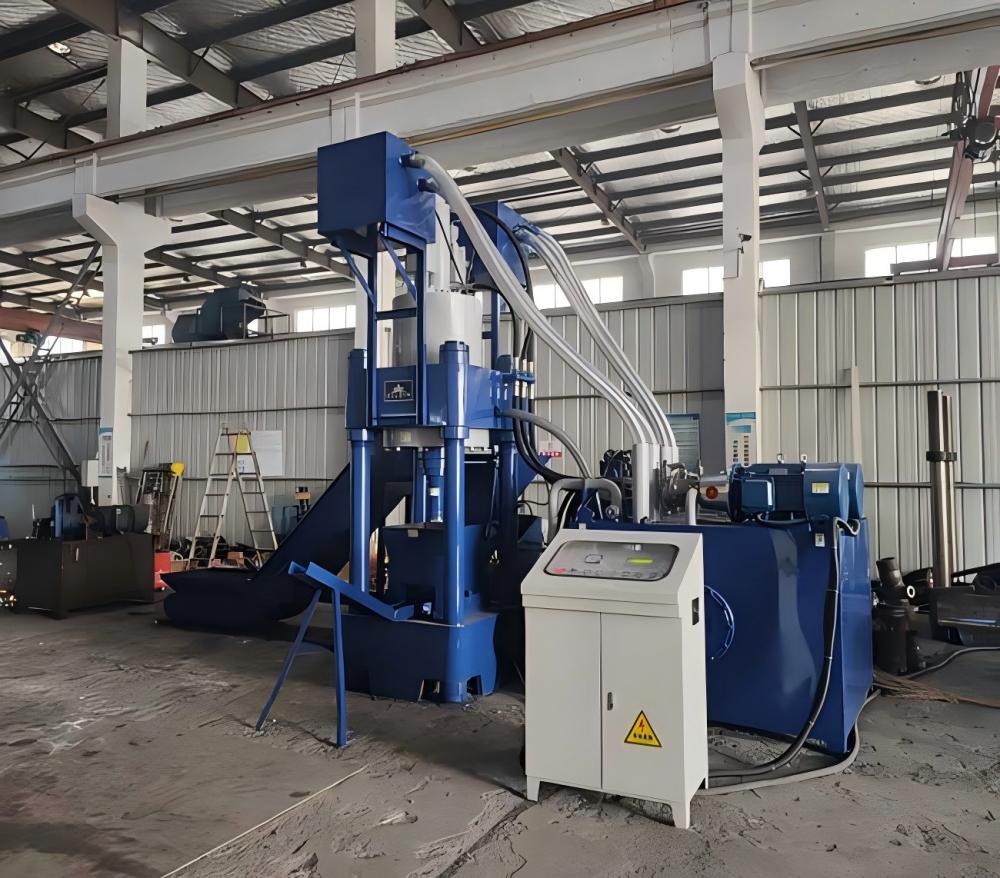
4. Motor Starter and Contactor Malfunctions
The hydraulic pump motor is controlled by a heavy-duty contactor or a Soft Starter/VFD (Variable Frequency Drive). If the control panel sends a start command but the motor fails to turn, the error might be a tripped thermal overload relay. This happens if the motor draws too much current, possibly due to a hydraulic blockage or a phase imbalance in the power supply. Inspect the contactor for burnt contacts or a “chattering” sound, which indicates insufficient voltage to the coil. Modern HARSLE machines often include digital motor protection that provides specific error codes for overcurrent, under-voltage, or phase loss.
5. Pressure Transducer and Analog Signal Errors
To ensure consistent briquette density, the machine uses pressure transducers to monitor the hydraulic system. These sensors send an analog signal (usually 4-20mA or 0-10V) to the PLC. If the control panel displays a “Pressure Sensor Out of Range” error, it usually means the signal wire is broken or the sensor has failed due to a pressure spike. Diagnosis requires checking the analog input value in the PLC. A reading of 0mA typically indicates a broken wire, while a maximum reading might suggest a short circuit. Replacing these sensors requires careful calibration to ensure the briquettes meet the required specifications.
Selection Advice: Choosing a Machine with a Reliable Control System
When purchasing a new hydraulic briquetting machine, the quality of the control panel should be a top priority. Not all control systems are created equal. High-end manufacturers like HARSLE prioritize the use of globally recognized components, such as Siemens, Schneider Electric, or Omron. This is crucial because, in the event of a failure, finding replacement parts locally is much easier than waiting for proprietary components from overseas. A machine with a “black box” control system—where the logic is hidden and the parts are unbranded—can lead to weeks of downtime for a simple relay failure.
Look for a control panel with a high Ingress Protection (IP) rating, such as IP54 or IP65. This indicates the cabinet’s ability to resist dust and moisture, which are the enemies of electronics in a scrap yard or foundry environment. Additionally, ensure the HMI is user-friendly and provides detailed diagnostic feedback. A good system won’t just say “Error”; it will say “Error 05: Main Ram Forward Limit Not Reached,” which drastically speeds up the Hydraulic Briquetting Machine Control Panel Errors: Quick Diagnosis process. Features like remote diagnostic capabilities via an Ethernet connection are also becoming standard, allowing factory technicians to troubleshoot your machine from across the world.
Finally, consider the layout of the electrical cabinet. It should be neatly organized with labeled wires and clear terminal blocks. A “rat’s nest” of wiring is a nightmare to troubleshoot and often leads to heat buildup. Machines that include integrated cooling systems (like heat exchangers or small AC units) for the electrical cabinet are preferred for high-duty cycle operations. Investing in a machine with a robust, well-documented control system may have a higher upfront cost, but the savings in maintenance and uptime will far outweigh the initial investment over the machine’s lifespan.
Frequently Asked Questions (FAQ)
What should I do if the HMI screen is blank?
First, check the 24V DC power supply inside the control cabinet. Most HMIs run on low-voltage DC. If the power supply LED is off, check the incoming AC fuse or circuit breaker. If the power supply is working, check the brightness settings or the backlight fuse on the HMI unit itself. If the screen is still blank after confirming power, the internal display board may have failed.
Why does my machine stop mid-cycle without an error code?
This is often caused by an intermittent signal from a limit switch or a pressure switch. If the signal drops out for just a millisecond due to vibration or a loose connection, the PLC logic may reset or pause the cycle. Check for loose terminal screws and ensure all sensors are securely mounted. Also, check for “noise” in the electrical lines; ensure that signal cables are shielded and separated from high-voltage power lines.
How often should I update the PLC software?
Generally, if the machine is performing well, you do not need to update the PLC software. However, if the manufacturer releases a patch to improve cycle times or fix a known bug, it should be applied by a professional. Always keep a backup of the original program on a USB drive or a secure server before making any changes.
Can I bypass a faulty sensor to finish a production run?
Bypassing safety sensors or limit switches is extremely dangerous and is not recommended. It can lead to catastrophic mechanical failure or severe injury. The correct approach is to replace the faulty sensor immediately. Most proximity sensors are standard industrial parts that can be sourced quickly.
What causes the ‘Thermal Overload’ error to trip repeatedly?
This usually indicates that the hydraulic pump is working too hard. Check for clogged hydraulic filters, incorrect oil viscosity, or a mechanical bind in the ram. It could also be an electrical issue, such as a loose connection at the motor terminals causing high resistance and heat, or a failing motor bearing.
Conclusion: Proactive Maintenance for Control Panel Longevity
Mastering Hydraulic Briquetting Machine Control Panel Errors: Quick Diagnosis is about more than just fixing problems as they arise; it is about implementing a proactive maintenance strategy. The control panel is the most sensitive part of the machine, and treating it with care is essential for reliable operation. Regularly cleaning the cabinet, checking for loose connections, and ensuring the cooling systems are functional can prevent 90% of common electrical failures. By understanding the relationship between the PLC, the sensors, and the hydraulic valves, operators can become much more effective at identifying issues before they lead to a total system shutdown.
HARSLE continues to lead the industry by providing machines that are not only powerful but also intelligently designed for ease of maintenance. By choosing equipment with high-quality components and clear diagnostic interfaces, businesses can ensure their metal recycling operations remain profitable and efficient. Remember, a well-maintained control panel doesn’t just prevent errors; it optimizes the entire briquetting process, ensuring consistent density, lower energy consumption, and a safer working environment for everyone on the shop floor. Stay vigilant, follow the diagnostic guides, and keep your hydraulic systems running at their peak.