Why Does A Hydraulic Briquetting Machine Produce Weak Briquettes? Troubleshooting and Solutions

Introduction to Hydraulic Briquetting Challenges
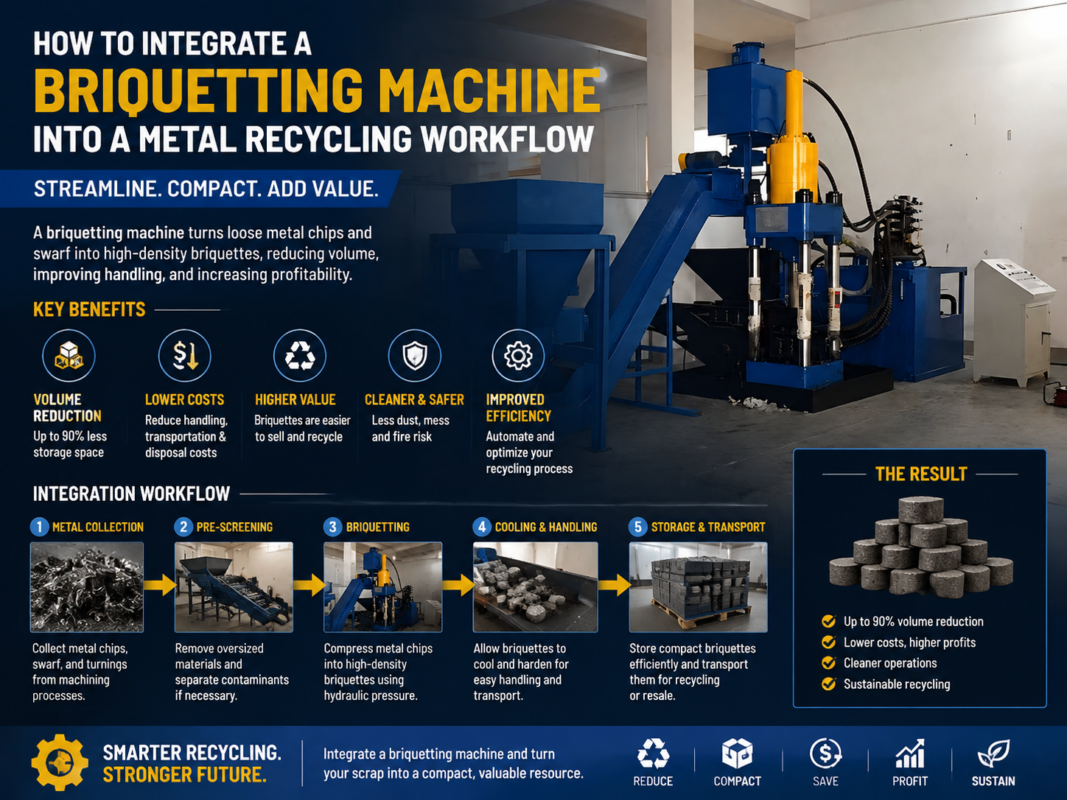
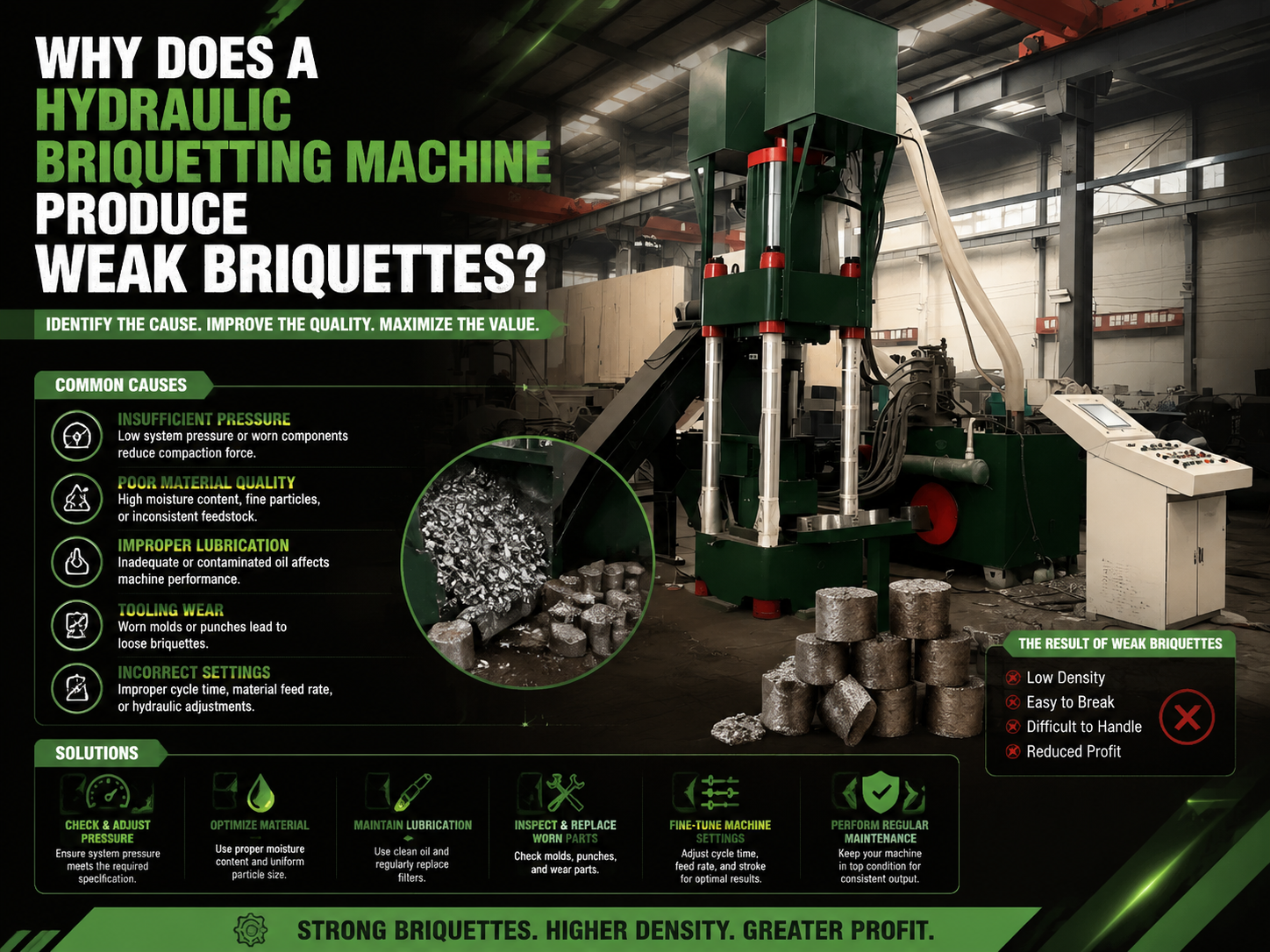
In the world of metal recycling and industrial waste management, the hydraulic briquetting machine stands as a cornerstone of efficiency. By compressing loose metal chips, swarf, turnings, and even dust into dense, manageable blocks, these machines significantly reduce storage volume and increase the melting yield in furnaces. However, operators often encounter a frustrating technical hurdle: the production of fragile or crumbly blocks. When a professional asks, “Does a hydraulic briquetting machine produce weak briquettes?” the answer is rarely a simple yes or no, but rather a complex investigation into mechanical settings, material properties, and hydraulic integrity.
Weak briquettes are more than just an aesthetic issue; they represent a loss in operational efficiency. A briquette that falls apart during transport or charging into a furnace creates dust, increases oxidation losses, and can even damage conveyor systems. Understanding the root causes of low-density briquettes is essential for maintaining a high-performance recycling line. This guide will delve into the multifaceted reasons behind this phenomenon, providing actionable insights for maintenance teams and plant managers using HARSLE equipment or similar industrial machinery.
The process of briquetting relies on the principle of cold welding and mechanical interlocking under extreme pressure. If any variable in this equation—be it the force applied, the duration of the press, or the state of the raw material—is off-balance, the resulting product will lack the structural integrity required for industrial handling. In the following sections, we will explore the key considerations and technical nuances that dictate the quality of your output.
Key Considerations: Material Properties and Preparation
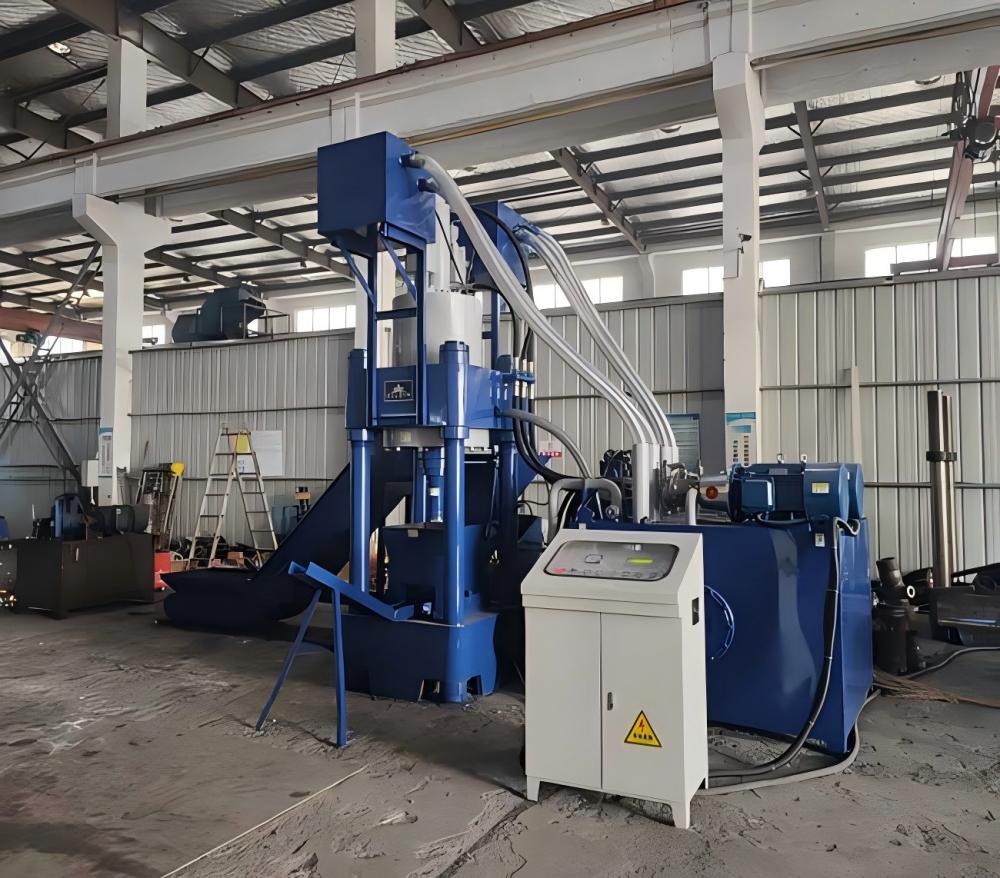
Before blaming the machine’s hydraulic system, one must first look at the raw material being fed into the hopper. The physical and chemical characteristics of the scrap play a decisive role in how well it compacts. If the material is not prepared correctly, even the most powerful HARSLE press will struggle to produce a solid briquette.
Moisture Content and Lubricants
One of the most common reasons why a hydraulic briquetting machine produces weak briquettes is improper moisture or oil content. In metal fabrication, chips are often soaked in cutting fluids or coolants. While a small amount of residual oil can sometimes act as a binder, excessive moisture creates “pore water pressure.” During compression, water or oil trapped between the metal particles cannot be compressed. When the pressure is released, this trapped liquid expands, causing the briquette to crack or crumble—a phenomenon known as “spring-back.” Conversely, if the material is too dry, particularly with certain types of cast iron or minerals, there may not be enough surface tension or lubrication to allow the particles to slide into a dense configuration.
Particle Size and Distribution
The uniformity of the feed material is critical. If the scrap consists of very long, curly turnings mixed with fine dust, the resulting briquette will have large internal voids. Ideally, the material should be shredded to a consistent size (usually under 10-15mm) before entering the briquetting chamber. Large pieces act as structural bridges that prevent the hydraulic force from reaching the smaller particles, leading to a block that is hard on the outside but hollow or loose on the inside. A well-graded mixture of particle sizes allows smaller grains to fill the gaps between larger ones, maximizing density.
Material Hardness and Elasticity
Different metals react differently to pressure. Soft metals like aluminum and copper are relatively easy to briquette because they undergo plastic deformation easily. However, high-carbon steels or specialized alloys may have high elasticity. These materials tend to “remember” their original shape and will expand slightly once the mold opens. If the machine does not provide enough dwell time (the time the maximum pressure is held), these elastic materials will push apart the bonds formed during the stroke, resulting in a weak product.
Technical Details: Hydraulic System and Mechanical Integrity
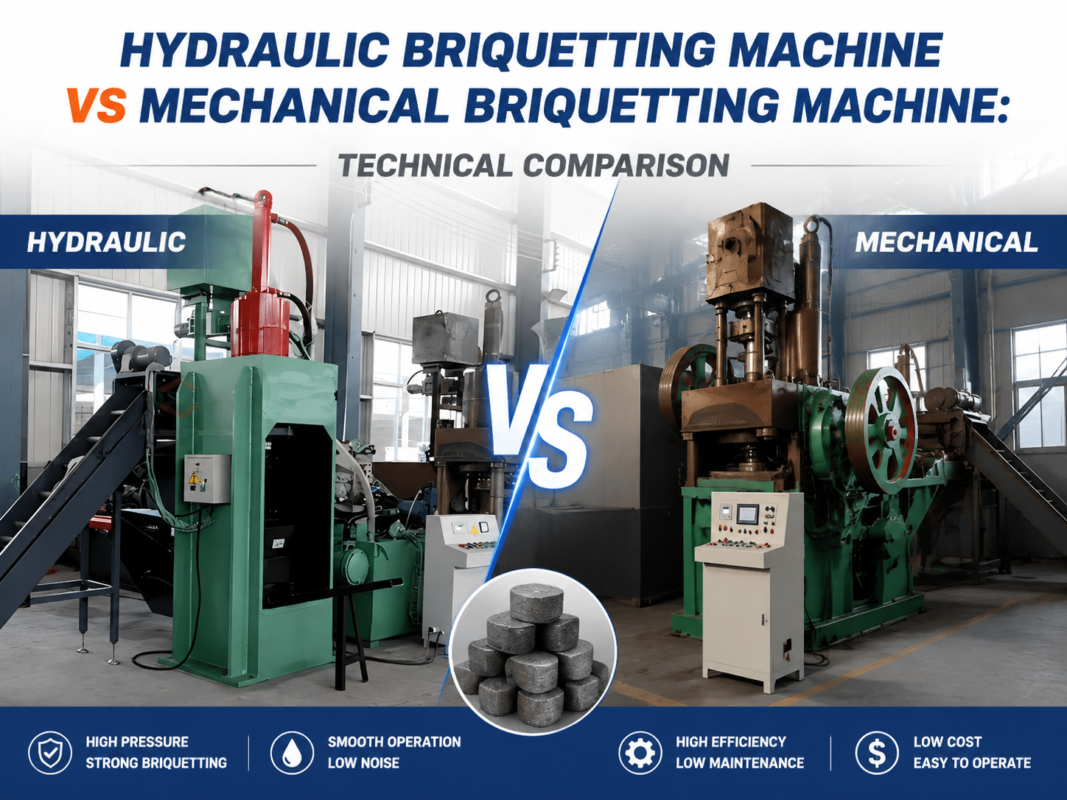
If the material is optimal but the quality remains poor, the focus must shift to the machine’s internal mechanics. A hydraulic briquetting machine is a precision instrument that requires all components to work in harmony to achieve the required tonnage.
Insufficient Hydraulic Pressure
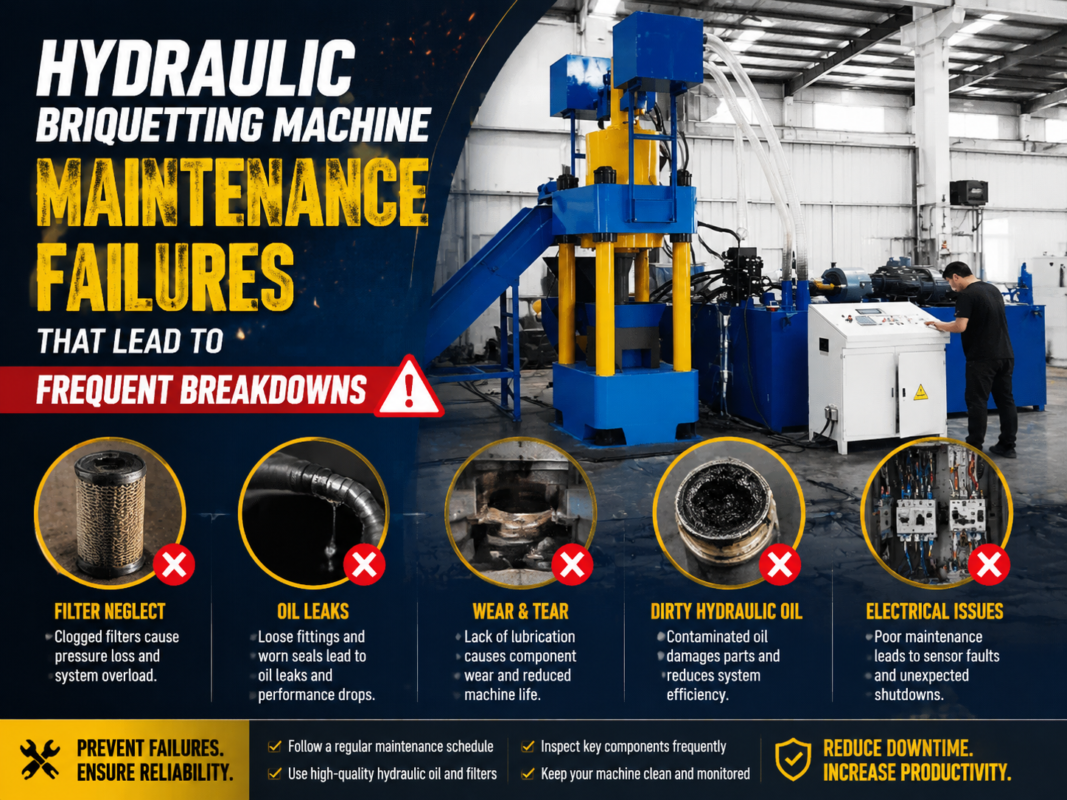
The most direct answer to “Does a hydraulic briquetting machine produce weak briquettes?” often lies in the pressure gauge. If the system cannot reach its rated PSI (pounds per square inch), the compaction force will be insufficient. This can be caused by a variety of factors:
- Pump Wear: Over time, the internal components of the hydraulic pump wear down, reducing its ability to generate high pressure.
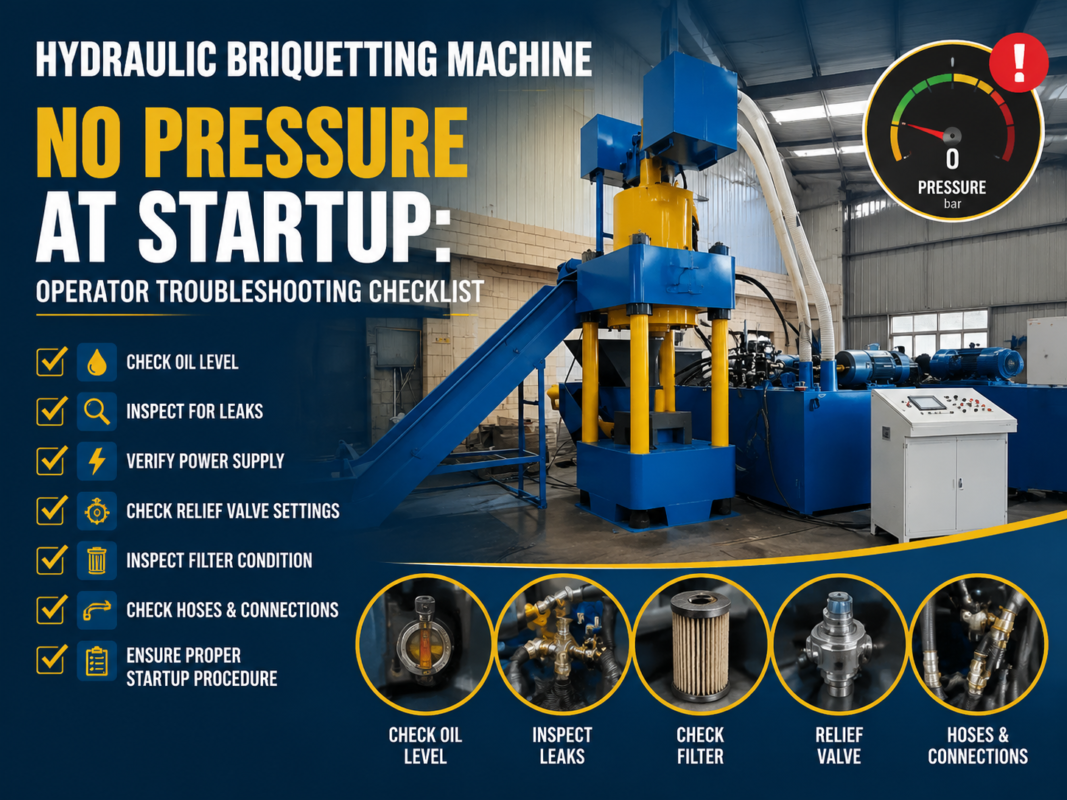
- Relief Valve Malfunction: If the main relief valve is set too low or is leaking internally, the system will bypass oil back to the tank before the full compression force is applied to the material.
- Internal Cylinder Leaks: Worn piston seals inside the main cylinder allow high-pressure oil to bypass the piston, resulting in a significant drop in effective pressing force.
Oil Temperature and Viscosity
Hydraulic systems are sensitive to temperature. As the machine runs, the oil heats up. If the cooling system is inadequate, the oil’s viscosity drops, making it “thinner.” Thin oil is more likely to leak past seals and valves, and it may not provide the necessary film strength for the pump to operate efficiently. Most industrial briquetting machines perform best when the oil temperature is maintained between 40°C and 55°C. Once the temperature exceeds 60°C, you will likely notice a decrease in briquette density and machine speed.
Die and Mold Wear
The mold (or die) is a consumable part that bears the brunt of the friction during every cycle. As the interior surface of the mold wears down, the clearance between the punch and the die increases. This allows material to “flash” or escape around the edges of the punch rather than being compressed. Furthermore, a worn mold may develop a “bell-mouth” shape, where the exit is wider than the compression zone. This lack of consistent lateral confinement prevents the material from reaching its maximum potential density.
Selection Advice: Choosing the Right Machine for High Density
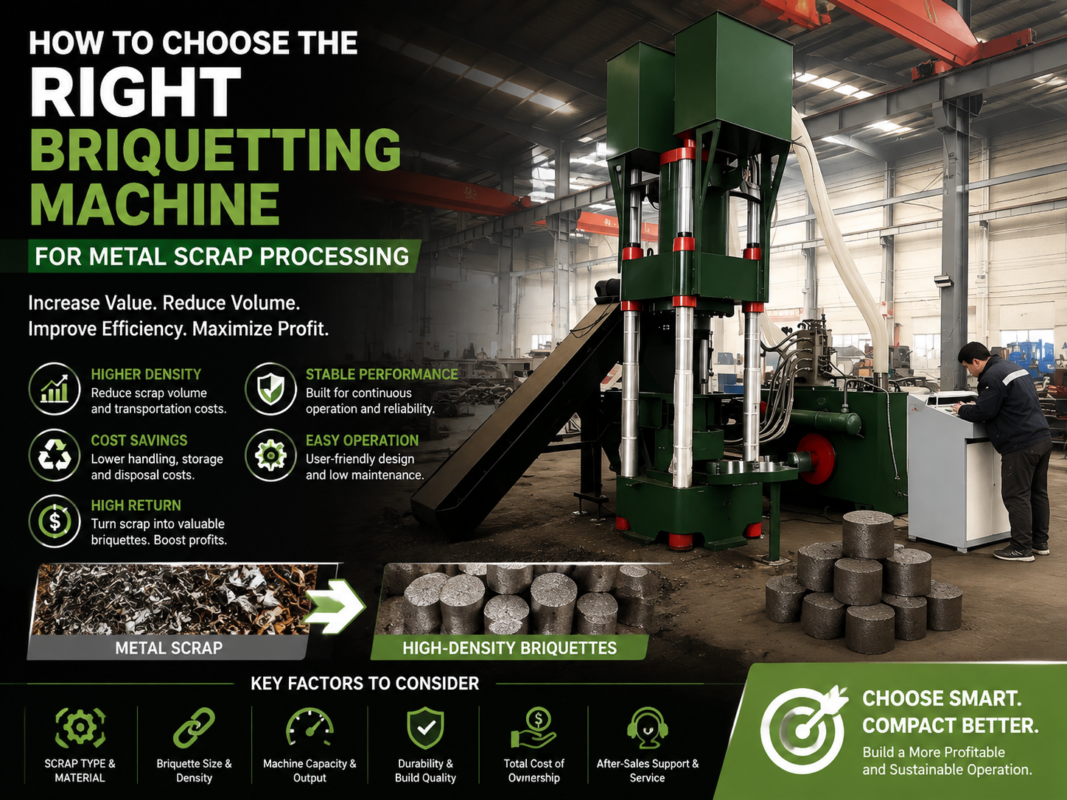
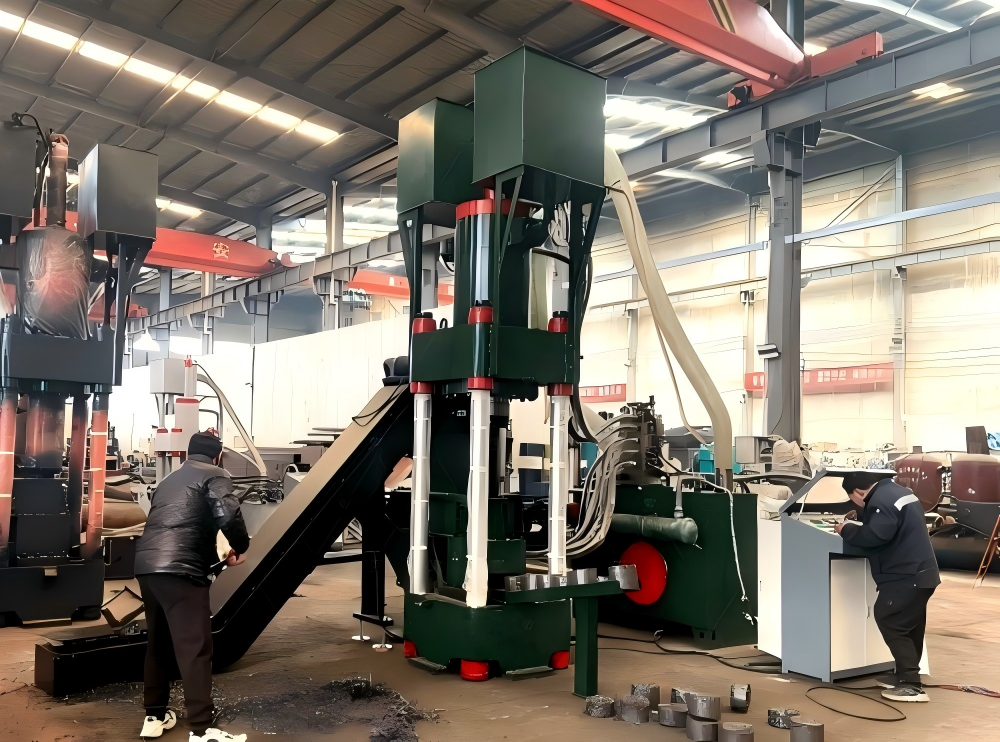
Avoiding weak briquettes starts with the purchasing process. Not all briquetting machines are created equal, and selecting a machine that is underpowered for your specific material is a recipe for long-term frustration. When evaluating a HARSLE hydraulic briquetting machine or any other brand, consider the following selection criteria.
Tonnage vs. Material Type
Ensure the machine’s rated tonnage is appropriate for your material. For example, aluminum chips might require 150-200 tons of force to achieve a good density, whereas steel turnings might require 300-500 tons. Always choose a machine with a 20% buffer above your minimum requirements to account for variations in material hardness and to reduce strain on the hydraulic system.
PLC Control and Dwell Time Settings
Modern machines equipped with Programmable Logic Controllers (PLCs) offer much better control over the briquetting cycle. Look for a machine that allows you to adjust the “dwell time”—the duration the ram stays at full pressure before retracting. For elastic materials, a few extra seconds of dwell time can be the difference between a solid block and a pile of scrap. HARSLE machines often feature intuitive touch-screen interfaces that allow operators to fine-tune these parameters based on the specific batch of material being processed.
Cooling and Filtration Systems
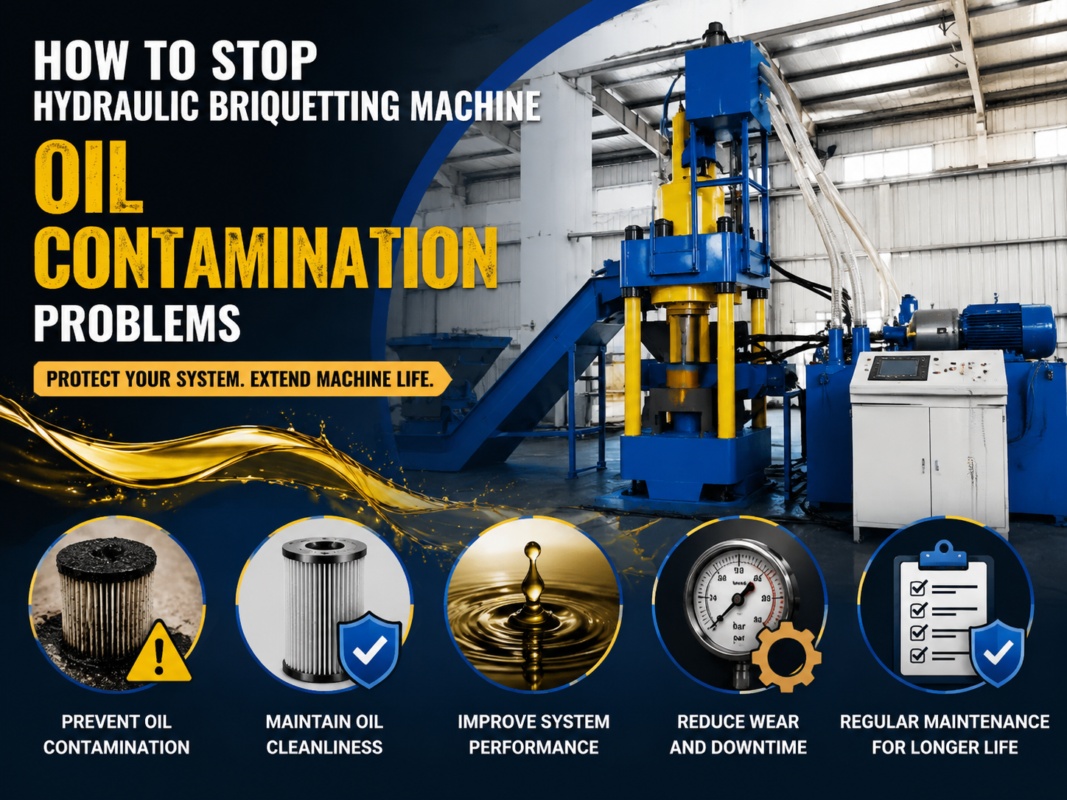
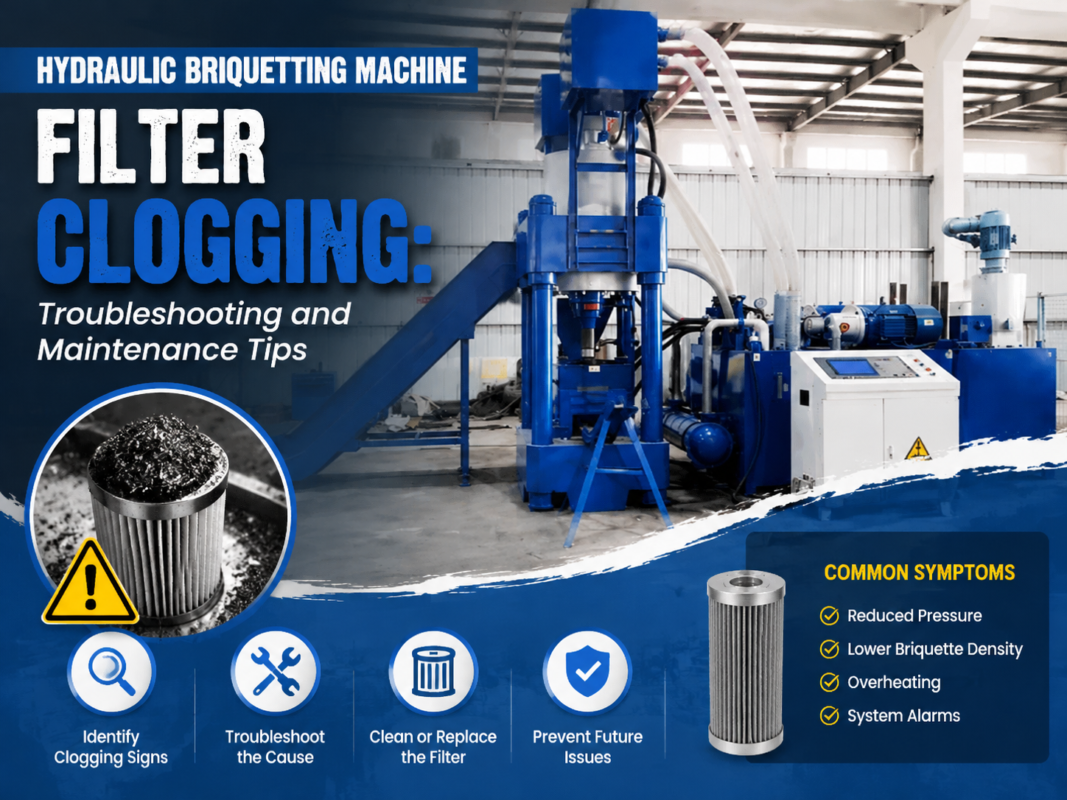
In high-volume industrial environments, the machine will likely run for multiple shifts. A robust oil cooling system (either air-cooled or water-cooled) is non-negotiable. Additionally, a high-quality filtration system ensures that metal fines do not enter the hydraulic circuit, where they could score cylinder walls or jam sensitive valves, leading to the pressure losses discussed earlier.
| Material Type | Recommended Pressure (MPa) | Ideal Moisture Content | Common Issues |
|---|---|---|---|
| Aluminum Chips | 25 – 35 | < 3% | Adhesion to mold, low weight |
| Steel Turnings | 40 – 60 | < 5% | High spring-back, tool wear |
| Cast Iron Borings | 30 – 45 | < 2% | Crumbling due to lack of binder |
| Copper/Brass | 35 – 50 | < 1% | High density but requires high force |
FAQ: Troubleshooting Weak Briquettes
Why are my briquettes solid on the ends but soft in the middle?
This is usually a sign of “layering” or insufficient feeding. If the machine feeds too much material into the chamber at once, the friction against the mold walls prevents the pressure from reaching the center of the mass. Try reducing the feed volume per stroke or increasing the lubrication of the mold walls.
Can I add a binder to stop the briquettes from breaking?
Yes, for certain materials like cast iron or fine mineral dust, adding a small percentage of a binder (such as molasses, starch, or specialized industrial polymers) can significantly improve structural integrity. However, in metal recycling, binders are often avoided because they can introduce impurities during the melting process.
How often should I check the hydraulic oil?
You should check the oil level and temperature daily. A full laboratory analysis of the oil should be conducted every 2,000 operating hours to check for oxidation and particulate contamination. Clean oil is the lifeblood of the hydraulic system; dirty oil is the leading cause of valve failure and subsequent pressure loss.
Does the shape of the briquette affect its strength?
Generally, cylindrical briquettes are more structurally sound than square or rectangular ones because the pressure is distributed more evenly across the circular cross-section. If you are having trouble with square blocks, consider switching to a round die set if your machine supports it.
What should I do if the machine reaches full pressure but the briquette is still weak?
If the gauge shows full pressure, the issue is almost certainly the material. Check for excessive moisture, large particle sizes, or high elasticity. If the material is fine, check if the dwell time is too short or if the mold is excessively worn, allowing the material to expand unevenly.
Conclusion: Maintaining Peak Briquetting Performance
In summary, when a hydraulic briquetting machine produces weak briquettes, it is a signal that one of the three pillars of briquetting—Material, Mechanics, or Maintenance—has been compromised. By systematically checking the moisture and size of your raw material, ensuring your hydraulic system is maintaining its rated pressure, and replacing worn dies, you can return your production line to peak efficiency.
Investing in a high-quality machine from a reputable manufacturer like HARSLE provides you with the structural rigidity and advanced control systems needed to handle difficult materials. However, even the best machine requires a diligent operator who understands the nuances of hydraulic force and material science. Regular inspections, proper material pre-treatment, and a proactive approach to hydraulic health will ensure that your briquettes remain dense, durable, and valuable for years to come. Remember, a strong briquette is not just a sign of a good machine; it is a sign of a well-managed industrial process.