Hydraulic Briquetting Machine Motor Tripping? Electrical Fault Checks and Fixes

Introduction to Hydraulic Briquetting Machine Motor Issues
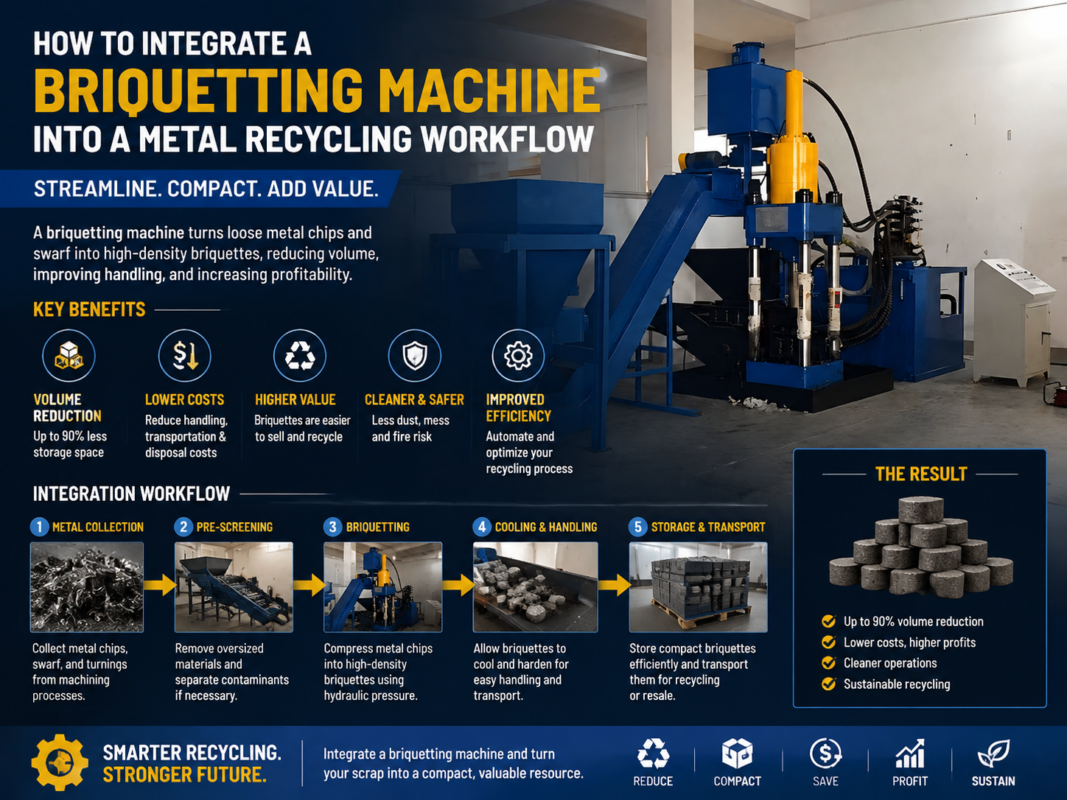
In the high-stakes world of metal recycling and waste management, the hydraulic briquetting machine stands as a cornerstone of efficiency. These machines are designed to compress metal chips, shavings, and turnings into dense, manageable blocks, significantly reducing volume and increasing the value of scrap material. However, like any heavy-duty industrial equipment, they are susceptible to operational hiccups. One of the most common and frustrating issues operators face is the motor tripping unexpectedly. When a hydraulic briquetting machine motor trips, it brings production to a grinding halt, leading to costly downtime and potential damage to the electrical system if not addressed correctly.
Understanding why a motor trips requires a blend of mechanical intuition and electrical expertise. At HARSLE, we recognize that a tripping motor is often a symptom of an underlying issue rather than the root cause itself. It could be a simple case of a loose wire, or it could point toward a more complex problem within the hydraulic circuit that is placing an undue load on the electrical drive. This guide is designed to walk you through the essential electrical fault checks and fixes, ensuring your briquetting operations remain smooth and uninterrupted.
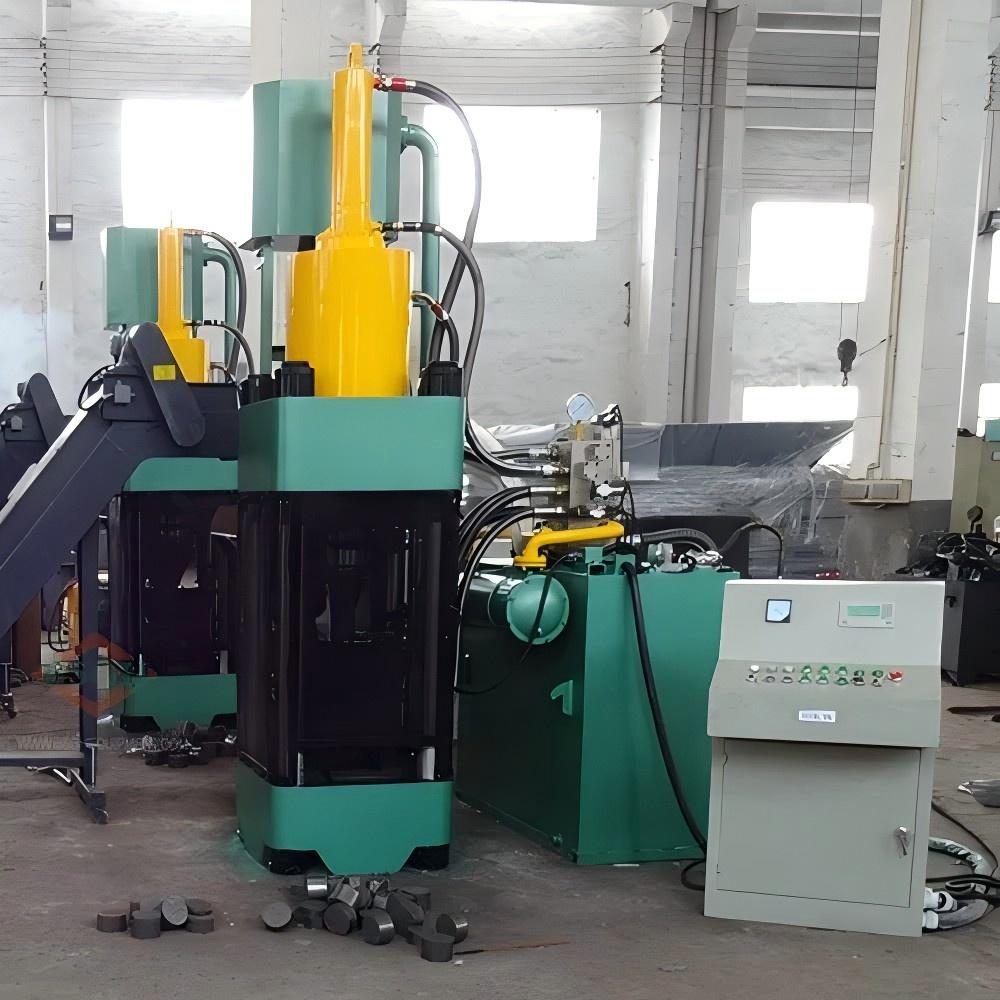
Before diving into the technicalities, it is crucial to emphasize safety. Industrial electrical systems carry high voltages that can be lethal. Always ensure that the machine is properly locked out and tagged out (LOTO) before performing any internal inspections. By following a systematic approach to troubleshooting, you can identify whether the fault lies in the power supply, the motor itself, the control cabinet, or the interaction between the hydraulic and electrical systems.
Key Considerations for Motor Tripping in Briquetting Machines
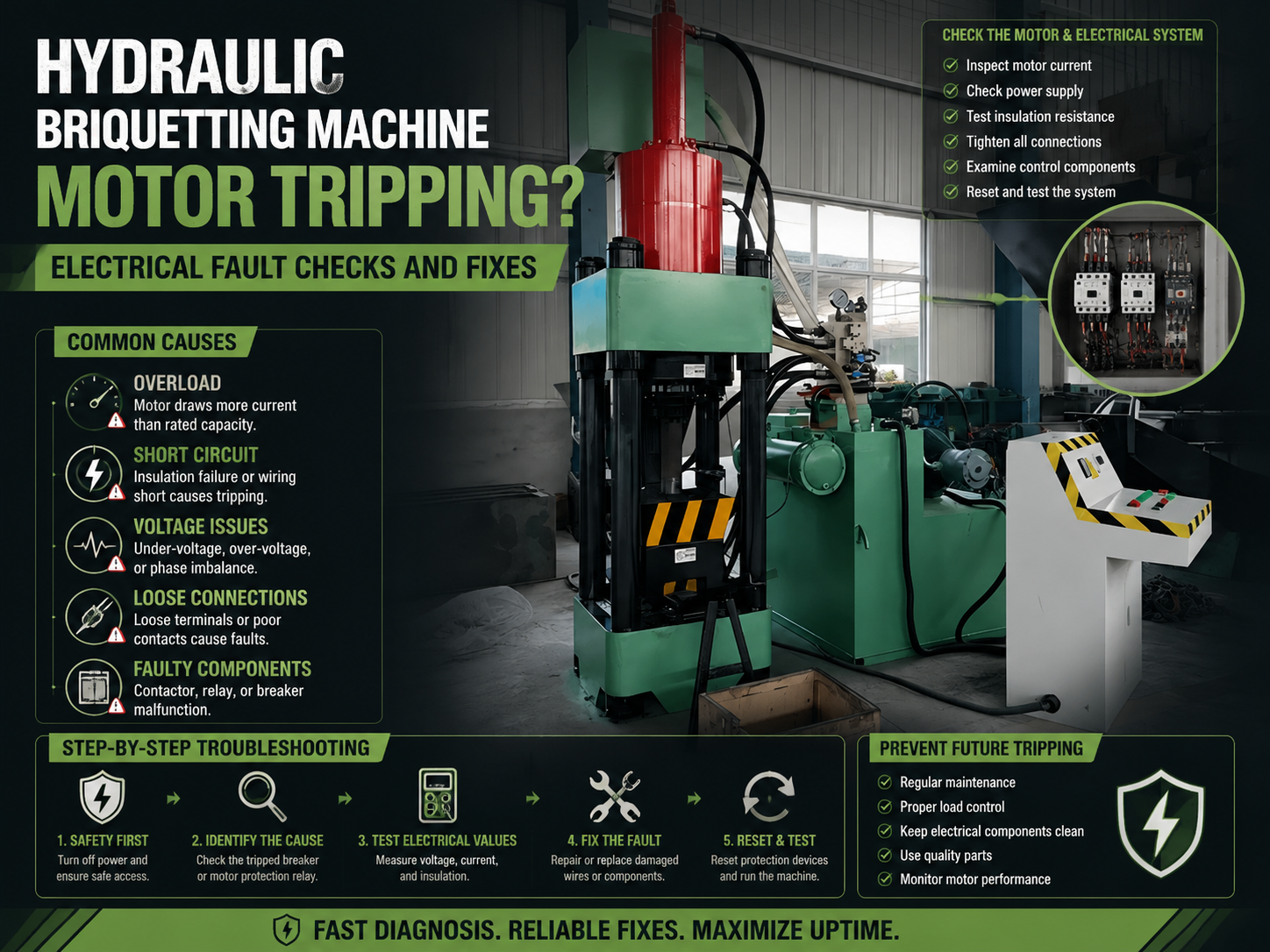
When a motor trips, the first step is to identify the type of trip. Most modern hydraulic briquetting machines are equipped with thermal overload relays or variable frequency drives (VFDs) that provide specific error codes. These codes are invaluable for narrowing down the search. Generally, motor tripping can be categorized into three main areas: power supply issues, internal electrical faults, and mechanical/hydraulic overloads that manifest as electrical problems.
Power supply stability is often overlooked. In many industrial facilities, the simultaneous startup of multiple heavy machines can cause significant voltage drops. If the voltage supplied to the briquetting machine motor falls below its rated threshold, the current (amperage) will rise to compensate for the power requirement, leading to a thermal trip. Conversely, overvoltage can also cause issues, though it is less common. Checking the incoming line voltage with a multimeter during the machine’s start-up cycle is a fundamental first step.
Another key consideration is the environment in which the machine operates. Metal fabrication shops are often dusty and filled with fine metallic particles. If these particles enter the motor housing or the electrical cabinet, they can cause short circuits or interfere with the cooling of the motor. A motor that cannot dissipate heat effectively will trip its thermal protection even if the electrical load is within normal parameters. Regular cleaning and ensuring the integrity of seals and gaskets are vital preventive measures.
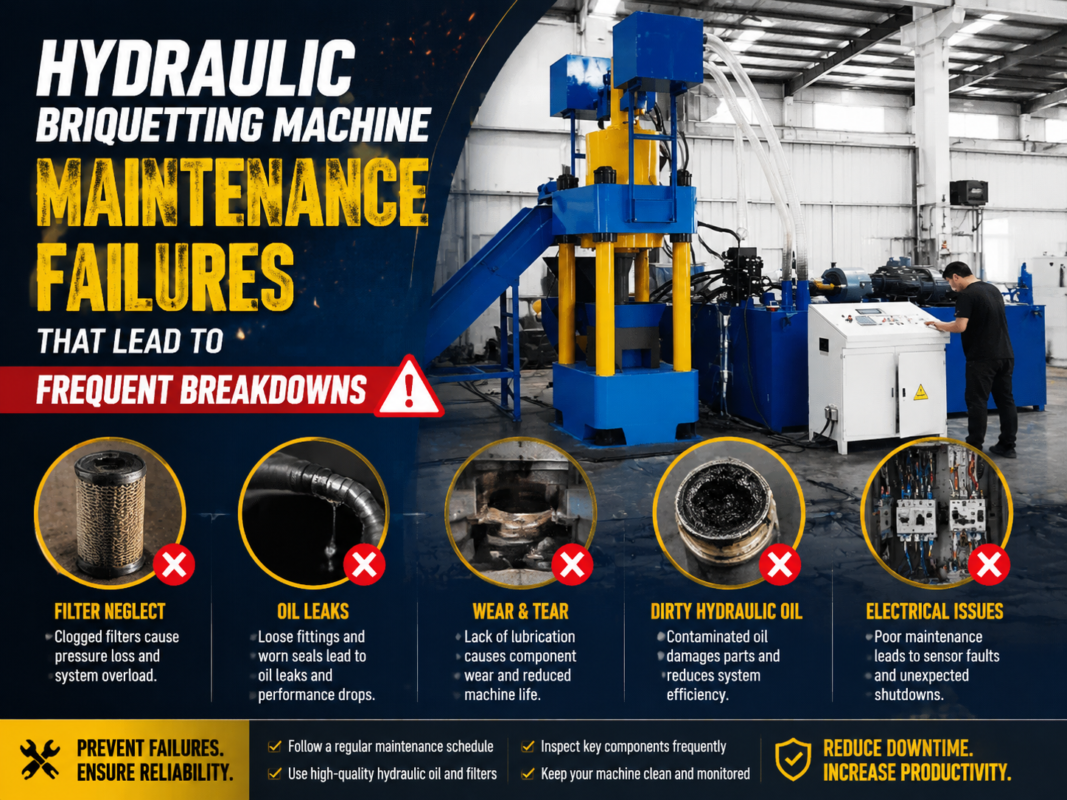
Finally, consider the age and condition of the electrical components. Contactors, relays, and circuit breakers have a finite lifespan. Over time, the contacts inside a contactor can become pitted or carbonized, leading to poor conductivity and localized heating. This heat can travel back to the thermal relay, causing it to trip prematurely. Inspecting the physical condition of these components is just as important as checking the electrical readings.
Technical Details: Electrical Fault Checks and Fixes
1. Phase Loss and Voltage Imbalance
A hydraulic briquetting machine typically runs on a three-phase power supply. If one of these phases is lost—due to a blown fuse, a broken wire, or a utility issue—the motor will attempt to run on the remaining two phases. This is known as “single-phasing.” The motor will draw excessive current on the active phases, causing rapid overheating and an immediate trip. Use a voltmeter to check the voltage between all three phases (L1-L2, L2-L3, L1-L3). They should be nearly identical. A voltage imbalance of more than 1% can lead to significant motor heating and reduced efficiency.
2. Thermal Overload Relay Settings
The thermal overload relay is the primary guardian of your motor. It is designed to trip when the current exceeds a set limit for a specific duration. However, if the relay is set too low, it will trip during normal operation. Conversely, if set too high, it won’t protect the motor from burnout. Check the motor’s nameplate for the Full Load Amps (FLA) rating and ensure the relay is adjusted accordingly. If the motor trips but the measured current is below the FLA, the relay itself may be faulty or the ambient temperature in the cabinet might be too high.

3. Insulation Resistance Testing (Megger Test)
If the motor trips the circuit breaker immediately upon startup, there may be a short circuit to the ground or between the windings. This is often caused by a breakdown in the motor’s internal insulation. Using an insulation resistance tester (Megger), you can check the integrity of the windings. A low resistance reading indicates that moisture, oil, or metallic dust has compromised the insulation. In such cases, the motor may need to be professionally cleaned, dried, or rewound.
4. Loose Connections and Arcing
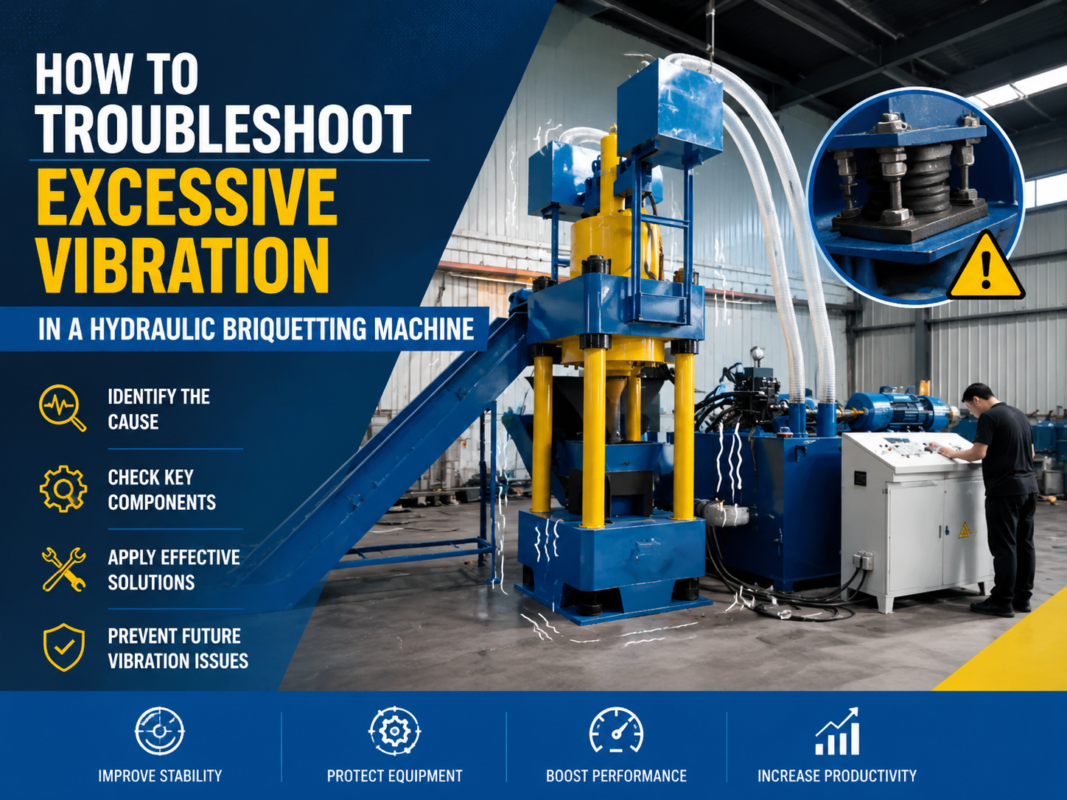
Vibration is a constant factor in hydraulic machinery. Over time, these vibrations can loosen the terminal screws in the motor junction box or the control cabinet. A loose connection creates high resistance, which generates heat. This heat can melt wire insulation and lead to intermittent faults or permanent trips. Periodically torque all electrical connections to the manufacturer’s specifications. Look for signs of discoloration or “charring” on wire ends, which indicates arcing and poor contact.
5. Hydraulic System Correlation
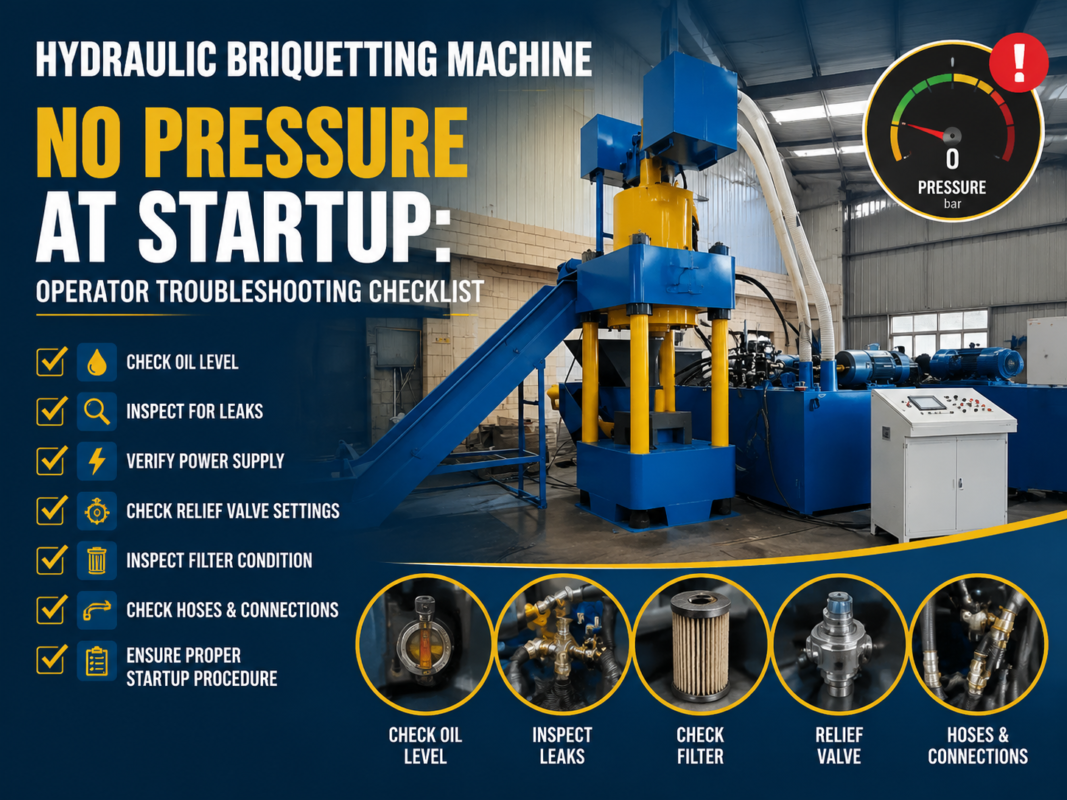
Sometimes the electrical fault is actually a hydraulic fault in disguise. If the hydraulic relief valve is set too high or is stuck closed, the pump will attempt to push oil against an insurmountable resistance. This forces the motor to work at its maximum torque capacity, drawing peak current until the thermal protection kicks in. Always monitor the pressure gauges while troubleshooting a tripping motor. If the pressure spikes beyond the machine’s rated capacity just before the trip, the issue lies in the hydraulic valves or the PLC logic controlling them.
Selection Advice: Choosing a Machine with Robust Electricals
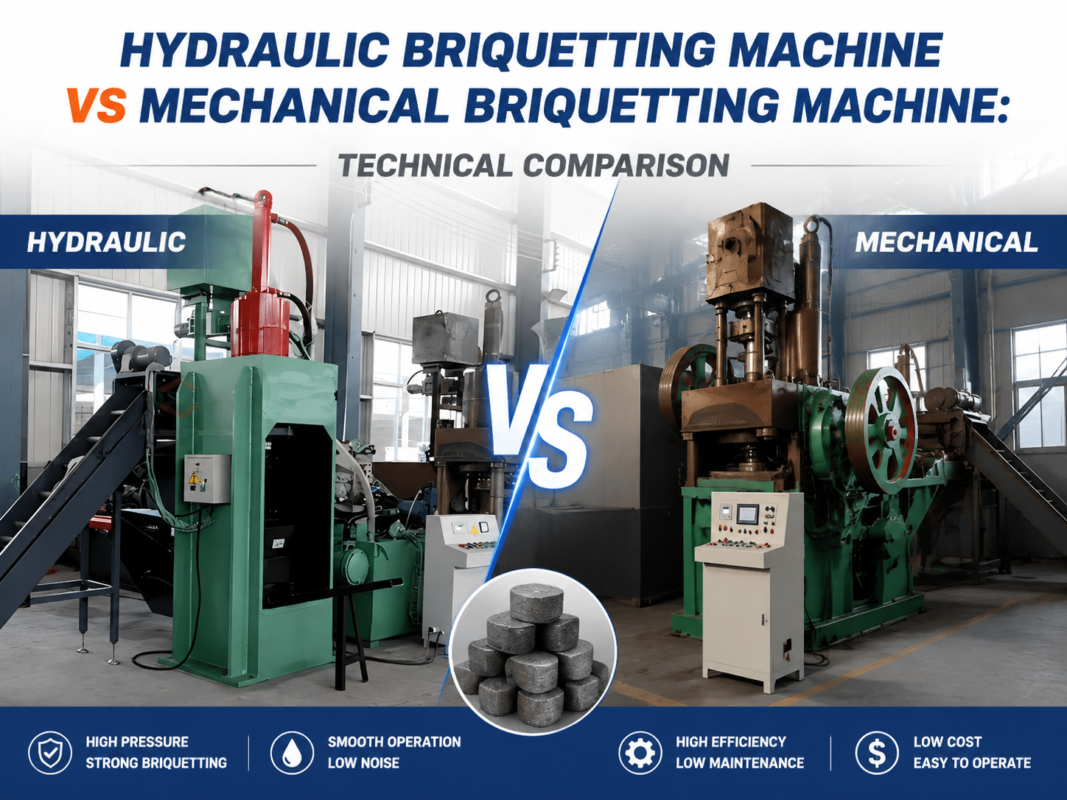
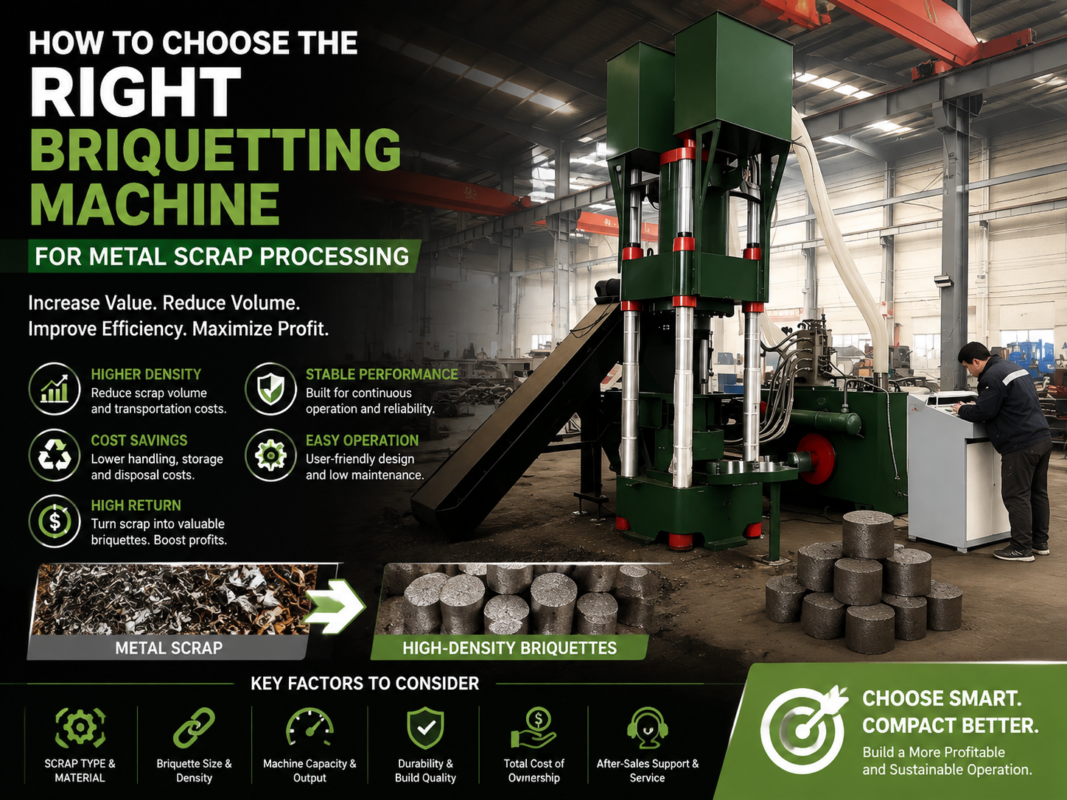
When purchasing a hydraulic briquetting machine, the quality of the electrical system is just as important as the tonnage of the press. To minimize future motor tripping issues, look for machines that utilize high-quality, internationally recognized components. Brands like Siemens, Schneider Electric, and ABB are preferred for their reliability and the ease of finding replacement parts globally. A machine equipped with a high-quality VFD (Variable Frequency Drive) offers superior protection, as it can provide soft starts, reducing the initial current surge that often trips breakers.
Furthermore, evaluate the design of the electrical cabinet. It should be well-ventilated, preferably with a cooling fan or heat exchanger, and have a high IP (Ingress Protection) rating to keep out dust and moisture. A well-organized cabinet with clearly labeled wires and a comprehensive wiring diagram will save hours of troubleshooting time in the future. At HARSLE, we prioritize these design elements to ensure our customers experience maximum uptime.
Consider the motor’s service factor as well. A motor with a service factor of 1.15 can handle a 15% overload for short periods without damage, providing a safety margin during particularly heavy briquetting cycles. Additionally, ensure the machine includes comprehensive protection features such as phase sequence protection, over-voltage/under-voltage protection, and E-stop integration that safely de-energizes the system in an emergency.
Frequently Asked Questions (FAQ)
Why does my motor trip only after running for an hour?
This is typically a thermal issue. It suggests that heat is building up gradually. Check for clogged motor cooling fins, a failing cooling fan in the electrical cabinet, or a slight mechanical bind in the hydraulic pump that is causing the motor to run slightly above its rated current. It could also be a sign of a “tired” thermal relay that loses its calibration as it warms up.
Can a faulty solenoid valve cause the motor to trip?
Yes. If a solenoid valve fails to shift, it might trap hydraulic fluid or prevent the system from unloading during the idle part of the cycle. This forces the motor to stay under high load constantly, eventually leading to an overload trip. Check the PLC outputs and the solenoid coils to ensure they are functioning correctly.
Is it okay to just reset the breaker and keep working?
No. A trip is a warning. Resetting a breaker once might be acceptable if it was a rare power surge, but repeated resets without investigation will lead to catastrophic motor failure or a fire. Always investigate the cause of the trip before restarting the machine.
How often should I check the electrical connections?
For high-vibration machinery like briquetting presses, a quarterly inspection of all major power connections is recommended. Use an infrared thermography camera if possible to identify “hot spots” while the machine is under load; this is a non-invasive way to find loose connections before they cause a trip.
Conclusion: Maintaining Peak Performance
A hydraulic briquetting machine is a significant investment, and its motor is the heart of the operation. While motor tripping can be a complex issue involving both electrical and hydraulic variables, a systematic approach to fault-finding will almost always reveal the culprit. By maintaining a clean environment, ensuring stable power supply, and performing regular technical checks on components like contactors and thermal relays, you can prevent the majority of electrical faults.
At HARSLE, we are committed to providing not just high-quality machinery, but also the knowledge required to keep that machinery running at peak performance. Whether you are dealing with aluminum, steel, or cast iron scrap, understanding the electrical nuances of your briquetting machine ensures that your recycling line remains a profitable and reliable part of your business. Remember, proactive maintenance is always more cost-effective than reactive repair. Keep your electrical cabinets clean, your connections tight, and your sensors calibrated to enjoy years of trouble-free operation.