How to Identify and Fix Seal Damage in Hydraulic Briquetting Machines

Introduction to Hydraulic Briquetting Machine Seal Integrity
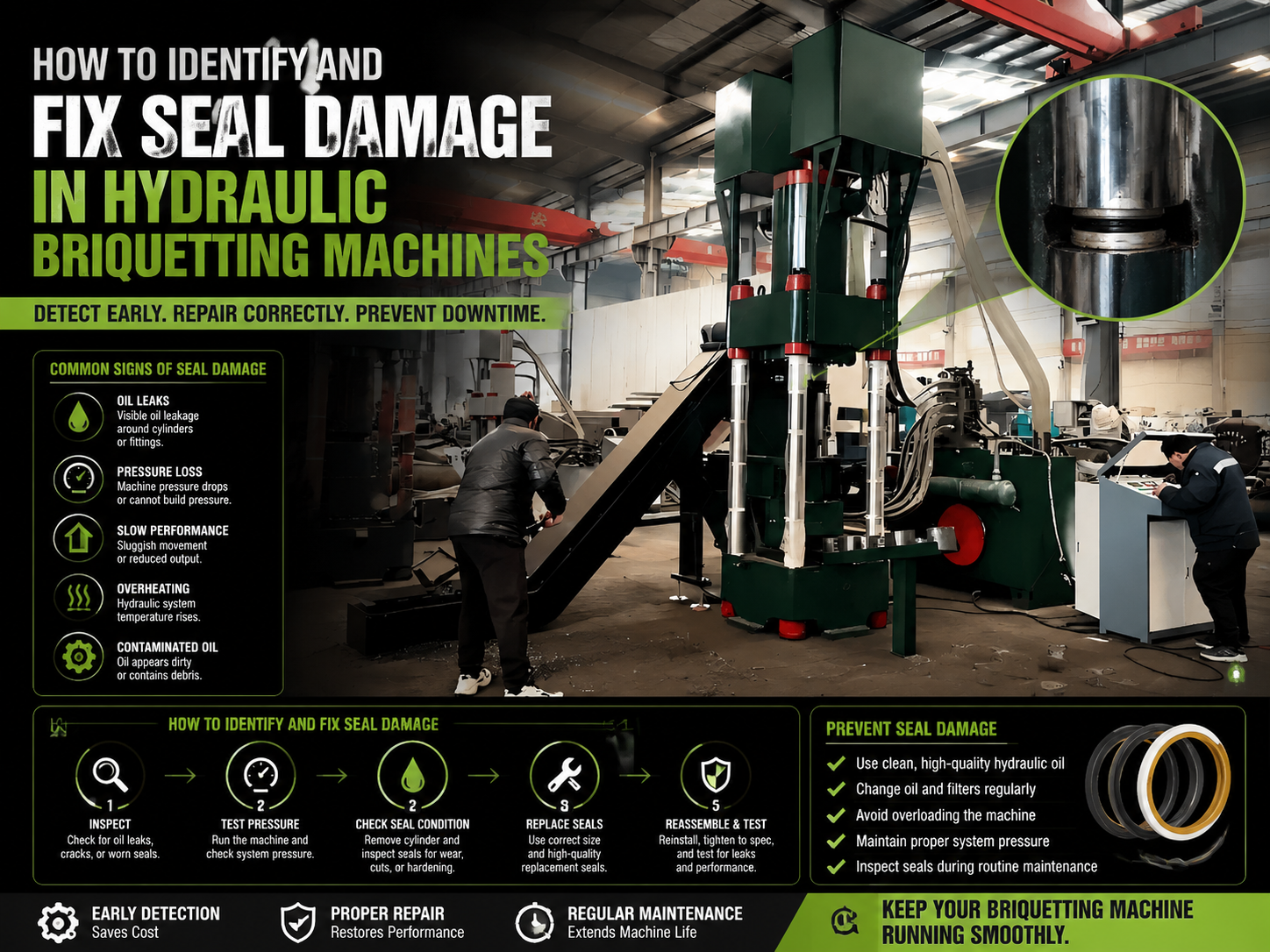
In the world of metal fabrication and scrap recycling, the hydraulic briquetting machine stands as a cornerstone of efficiency. These machines are designed to compress metal chips, turnings, and filings into dense, manageable blocks, significantly reducing volume and increasing the value of the waste material. However, the heart of these machines—the hydraulic system—relies heavily on the integrity of its seals. When you need to identify fix seal damage in hydraulic briquetting machines, you are dealing with the primary factor that determines the machine’s uptime, safety, and overall performance.
Seals in a hydraulic briquetting machine are responsible for containing high-pressure hydraulic fluid, preventing the ingress of contaminants, and ensuring that the force generated by the pump is effectively transmitted to the compression ram. Given the harsh environments in which these machines operate—often surrounded by abrasive metal dust, varying temperatures, and intense pressure cycles—seal wear is an inevitable reality. Understanding how to manage this wear is critical for any facility manager or machine operator.
Neglecting seal health can lead to a cascade of mechanical failures. A minor leak might seem inconsequential at first, but it often signals the beginning of internal pressure loss, which forces the hydraulic pump to work harder, leading to overheating and premature component failure. Furthermore, leaking hydraulic fluid poses significant environmental and safety risks, including slip hazards and fire potential. This guide provides a deep dive into the technical nuances of seal maintenance, ensuring your HARSLE equipment remains at peak productivity.
By the end of this article, you will have a comprehensive understanding of the types of seals used in briquetting presses, the symptoms of their failure, and a step-by-step methodology for repair. Whether you are operating an aluminum briquetter or a heavy-duty steel scrap press, the principles of identifying and fixing seal damage remain the same: precision, cleanliness, and proactive intervention.
Key Considerations for Seal Health in Industrial Environments
Before diving into the repair process, it is essential to understand the factors that contribute to seal degradation. Hydraulic briquetting machines operate under extreme conditions that are uniquely challenging for polymer and elastomer components. The first major consideration is operating temperature. Hydraulic systems generate heat through friction and fluid compression. If the cooling system is inadequate or the machine is pushed beyond its duty cycle, the hydraulic oil temperature can rise above the seal’s rated limit, causing the material to harden, crack, or lose its elasticity.
Another critical factor is contamination. In metal fabrication, the air is often thick with fine metallic particles. If the wiper seals on the hydraulic cylinders are damaged or of poor quality, these particles can enter the system. Once inside, they act as an abrasive paste, scoring the cylinder walls and shredding the internal piston seals. This is why cleanliness during both operation and maintenance is paramount. A single grain of metal can ruin a brand-new seal in a matter of hours.
Pressure spikes also play a significant role. Briquetting involves sudden transitions from low-pressure movement to high-pressure compression. These rapid fluctuations can cause “seal extrusion,” where the seal material is forced into the tiny gaps between metal components. Over time, this nibbles away at the seal’s edges, leading to eventual failure. High-quality machines like those from HARSLE are engineered to minimize these spikes, but the seals must still be robust enough to withstand the remaining stresses.
Finally, fluid compatibility cannot be overlooked. Not all seals are compatible with all types of hydraulic oil. Using a fire-resistant fluid with standard Nitrile (NBR) seals, for example, can cause the seals to swell or dissolve. Always ensure that replacement seals match the chemical specifications of the hydraulic fluid used in your specific briquetting application. Understanding these environmental stressors is the first step to identify fix seal damage in hydraulic briquetting machines effectively.
Technical Details: How to Identify Seal Damage
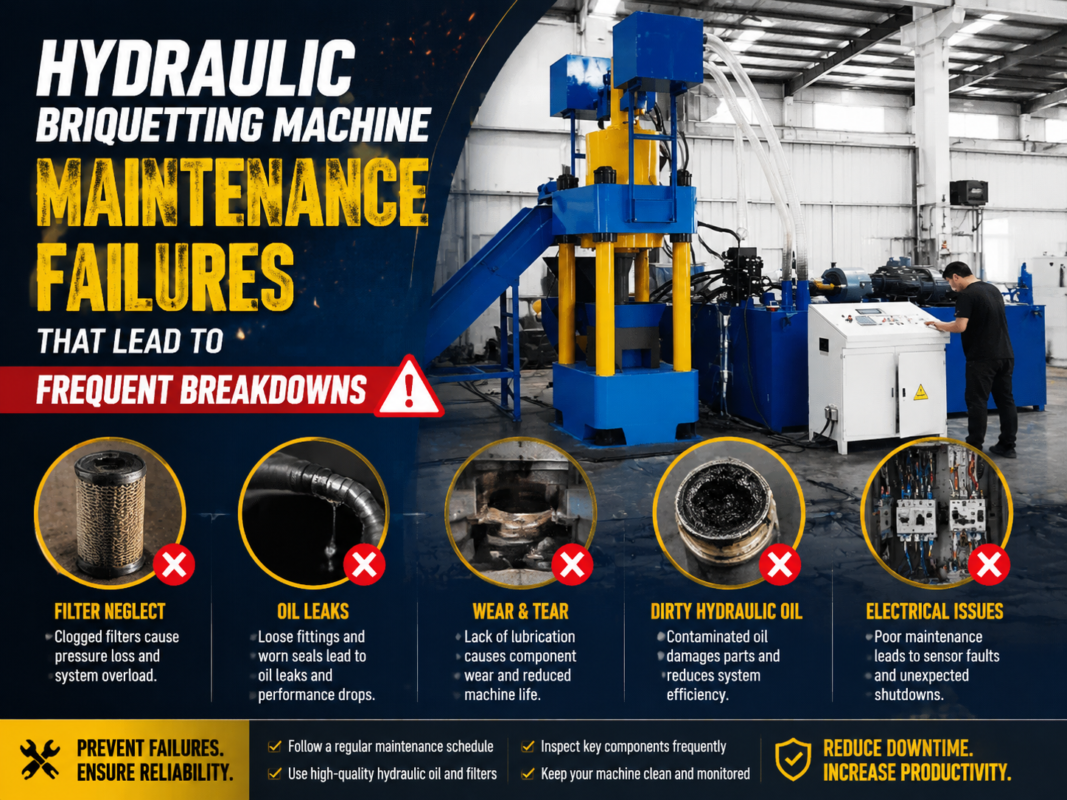
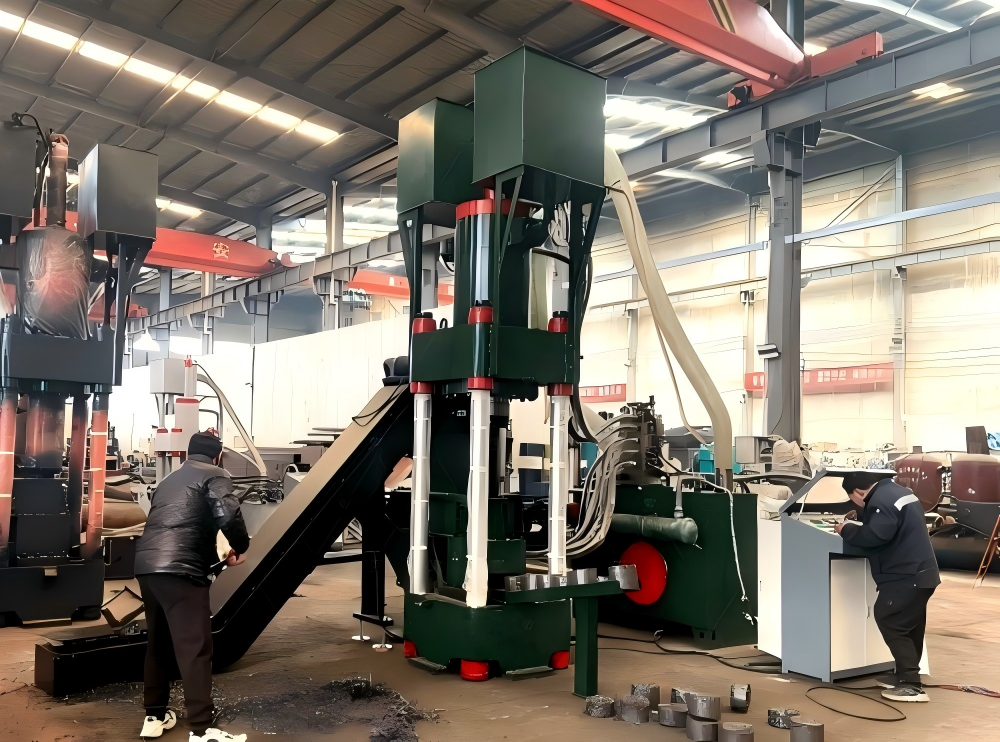
Identifying seal damage requires a combination of visual inspection, performance monitoring, and diagnostic testing. The most obvious sign is an external leak. If you see hydraulic fluid pooling around the base of the cylinder or dripping from the rod end, the rod seal or the wiper seal has failed. However, internal leaks are often more insidious and harder to detect. An internal leak occurs when the piston seal—the seal that separates the two chambers of the cylinder—fails, allowing fluid to bypass the piston.
To identify an internal leak, observe the machine’s behavior during the compression cycle. If the ram moves slowly, fails to reach full pressure, or “drifts” (moves when it should be stationary), it is a strong indicator of internal seal bypass. You can also perform a “bypass test” by extending the cylinder to its full stroke and holding the pressure; if the pressure drops significantly without any external leakage, the internal piston seal is likely the culprit.
Another technical indicator is excessive heat. When fluid leaks past a seal under high pressure, it generates localized heat due to friction. By using an infrared thermometer, you can scan the cylinder body. A “hot spot” near the piston location often indicates where the fluid is bypassing the seal. Additionally, listen for unusual noises. A high-pitched whistling or hissing sound during the stroke can indicate fluid being forced through a damaged seal orifice.
Physical inspection of the removed seal provides the ultimate diagnosis. Look for specific wear patterns:
- Hardening/Cracking: Indicates excessive heat or chemical incompatibility.
- Scoring/Pitting: Suggests contamination by metal particles or debris.
- One-sided Wear: Points to mechanical misalignment of the cylinder rod.
- Extrusion/Nibbling: Indicates excessive pressure or too large a clearance gap between metal parts.
| Symptom | Probable Seal Issue | Root Cause |
|---|---|---|
| Oil film on cylinder rod | Rod Seal Failure | Normal wear or abrasive dust |
| Cylinder “drifting” under load | Piston Seal Bypass | Internal scoring or seal hardening |
| Jerky ram movement | High Friction / Stick-Slip | Lack of lubrication or swollen seals |
| Rapid oil temperature rise | Internal Leakage | Worn piston seals causing turbulence |
Step-by-Step Guide: How to Fix Seal Damage
Once you have identified the failure, the next step is the repair. To identify fix seal damage in hydraulic briquetting machines, you must follow a strict protocol to ensure the repair is lasting and safe. Before any work begins, ensure the machine is completely powered down, the hydraulic pressure is bled off, and the ram is mechanically secured to prevent accidental movement.
Step 1: Disassembly. Carefully remove the hydraulic cylinder from the briquetting machine frame. This often requires heavy lifting equipment. Once on a clean workbench, unscrew the cylinder head (gland). Be extremely careful not to scratch the polished surface of the cylinder rod during this process. Use specialized wrenches rather than pipe wrenches to avoid damaging the metal components.
Step 2: Cleaning and Inspection. Once the piston and rod are removed, clean all parts with a lint-free cloth and a compatible solvent. Inspect the cylinder bore and the rod for scratches or “scoring.” If the metal surfaces are damaged, simply replacing the seals will not work; the new seals will be destroyed immediately. Minor scratches can sometimes be polished out, but deep grooves require the cylinder to be honed or the rod to be re-chromed.
Step 3: Seal Removal and Replacement. Use plastic or brass seal picks to remove the old seals. Avoid steel tools that can scratch the seal grooves. When installing new seals, ensure they are the correct orientation—many hydraulic seals are directional (U-cups, for example). Lubricate the new seals with clean hydraulic oil before installation. If the seal is particularly stiff, you can warm it slightly in clean oil to make it more pliable, but never use a heat gun directly on the seal.
Step 4: Reassembly and Testing. Carefully slide the piston and rod back into the cylinder. Use a seal compressor if necessary to prevent the seal lips from catching on the cylinder edge. Reinstall the cylinder head and torque all bolts to the manufacturer’s specifications. Once reinstalled on the machine, air must be bled from the system. Run the machine through several low-pressure cycles before returning to full production. Monitor the repaired area closely for the first few hours of operation to ensure no leaks reappear.
Selection Advice: Choosing the Right Machine and Seals
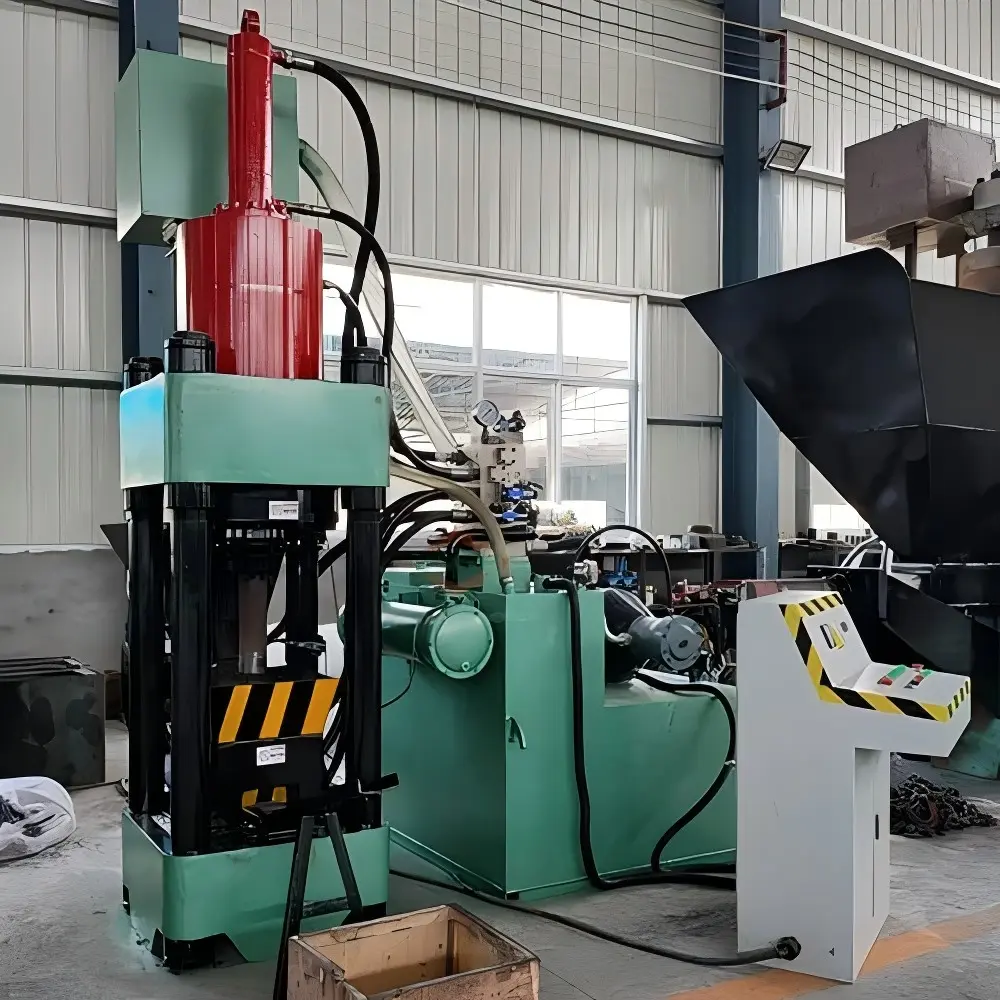
When purchasing a new hydraulic briquetting machine or sourcing replacement parts, the quality of the sealing system should be a primary selection criterion. Not all machines are created equal. A lower-priced machine might save money upfront but often uses generic, low-grade seals that fail prematurely under industrial loads. When evaluating a machine, ask about the brand and material of the seals used in the main cylinders. Brands like Parker, SKF, or Trelleborg are industry standards for a reason.
Material selection is equally important. For standard applications, Nitrile (NBR) is common due to its excellent oil resistance. However, if your briquetting process involves high temperatures (e.g., processing hot chips directly from a CNC machine), Viton (FKM) seals are a better choice as they can withstand much higher thermal loads. For high-speed applications where friction is a concern, PTFE (Teflon) based seals offer lower breakout friction and longer life.
Furthermore, consider the machine’s design features that protect the seals. Does the machine have a high-efficiency filtration system? Keeping the oil clean is the best way to extend seal life. Does it have a robust cooling system to prevent oil thinning and seal hardening? HARSLE machines are engineered with these factors in mind, utilizing high-specification seals and integrated cooling/filtration systems to ensure that the need to identify fix seal damage in hydraulic briquetting machines is minimized over the life of the equipment.
Finally, always keep a “seal kit” on hand. Having the exact OEM-specified seals in stock can turn a potential three-day shutdown into a four-hour repair. When ordering kits, ensure they are stored in a cool, dark place, as UV light and ozone can degrade elastomer seals even while they are still in the packaging. A proactive approach to seal selection and inventory management is the hallmark of a well-run fabrication facility.
Frequently Asked Questions (FAQ)
How often should I replace the seals in my briquetting machine?
There is no fixed calendar date for seal replacement, as it depends on the intensity of use and the environment. However, a general rule of thumb is to inspect seals every 2,000 operating hours. In high-production environments, many facilities choose to replace critical seals annually as part of a preventative maintenance program to avoid unplanned downtime.
Can I use generic O-rings to fix a leak?
While a generic O-ring might fit the groove, it is highly discouraged for high-pressure hydraulic applications. Industrial briquetting machines operate at pressures often exceeding 250 bar. Generic seals may not have the correct durometer (hardness) or chemical composition, leading to immediate failure or even dangerous blowouts. Always use seals rated for the specific pressure and fluid of your machine.
Why does my new seal leak immediately after installation?
This is usually caused by one of three things: improper installation (the seal was cut by a sharp edge during assembly), incorrect seal orientation (it was installed backward), or underlying mechanical damage (the cylinder rod is scored or bent). Always double-check the rod surface and use installation sleeves to protect the seal lips during assembly.
Does the type of metal being briquetted affect seal life?
Yes, indirectly. Abrasive metals like cast iron or certain aluminum alloys produce fine dust that is particularly hard on wiper seals. If you are processing these materials, you may need to replace the outer wiper seals more frequently to prevent that dust from reaching the internal high-pressure seals.
Conclusion: Maximizing ROI through Seal Maintenance
The ability to identify fix seal damage in hydraulic briquetting machines is a vital skill for maintaining the efficiency of a metal fabrication or recycling operation. While seals are relatively small and inexpensive compared to the overall cost of a briquetting press, their role is monumental. A well-maintained sealing system ensures that the machine delivers the full tonnage required to create high-density briquettes, minimizes oil waste, and protects the more expensive hydraulic components like pumps and valves.
Success in seal maintenance comes down to three pillars: vigilance, cleanliness, and quality. By monitoring your machine for the early warning signs of leaks or pressure loss, you can intervene before a minor issue becomes a catastrophic failure. By maintaining a clean hydraulic environment and following proper repair procedures, you ensure that your repairs last. And by choosing high-quality equipment and replacement parts, such as those provided by HARSLE, you set a foundation for long-term reliability.
Ultimately, a briquetting machine is an investment in sustainability and cost-recovery. Protecting that investment means paying attention to the small details—the seals that keep the power contained and the contaminants out. With the technical knowledge provided in this guide, you are now better equipped to manage your hydraulic systems and keep your production lines running smoothly for years to come.