Comprehensive Guide to Horizontal Baler Selection for Aluminum, Steel, and Mixed Scrap Applications

Technical Overview of Horizontal Balers in Metal Recycling
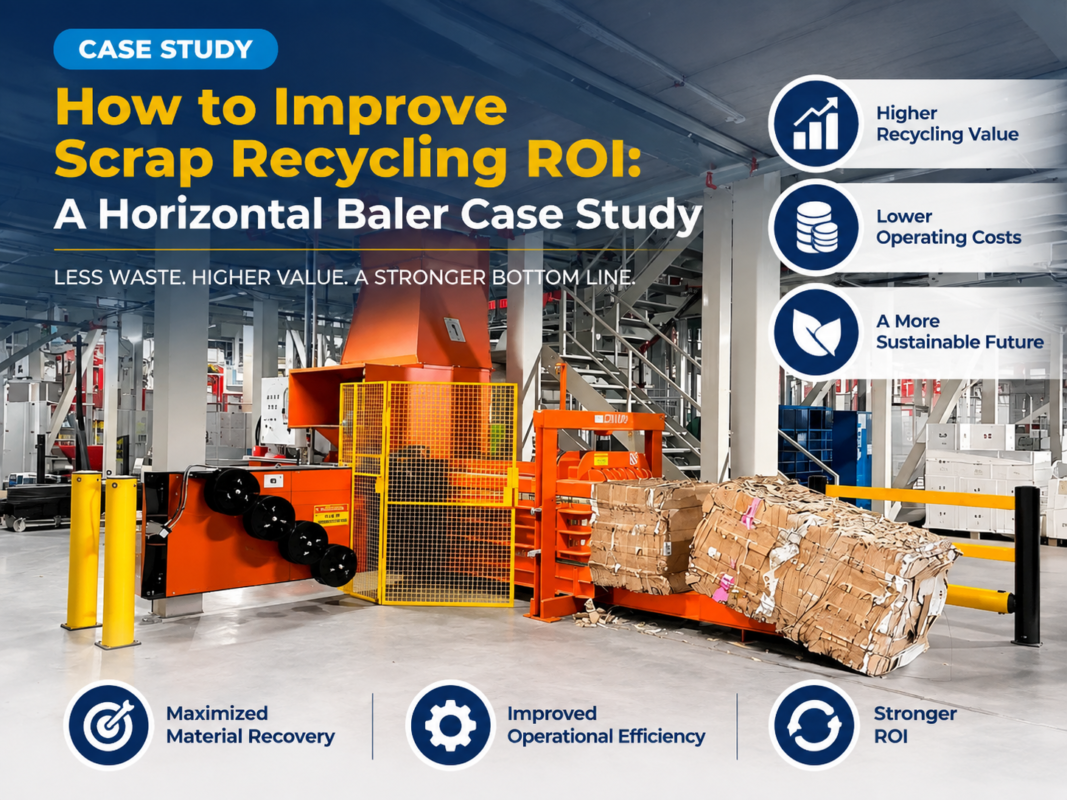
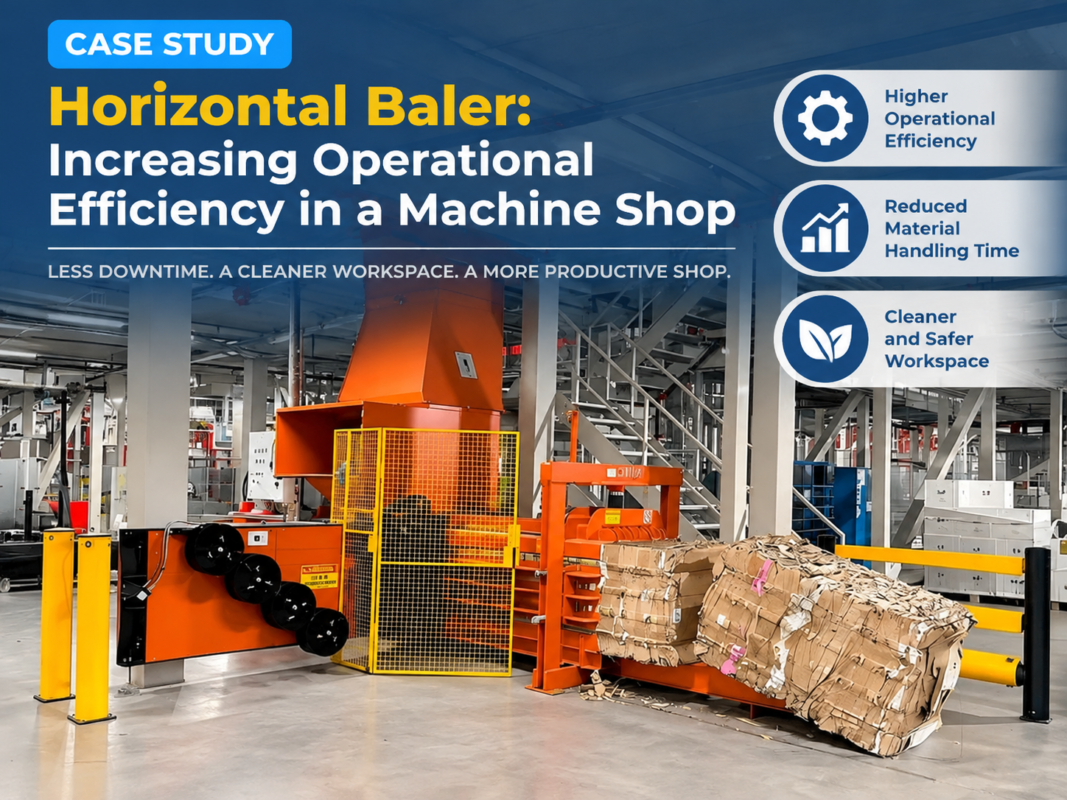
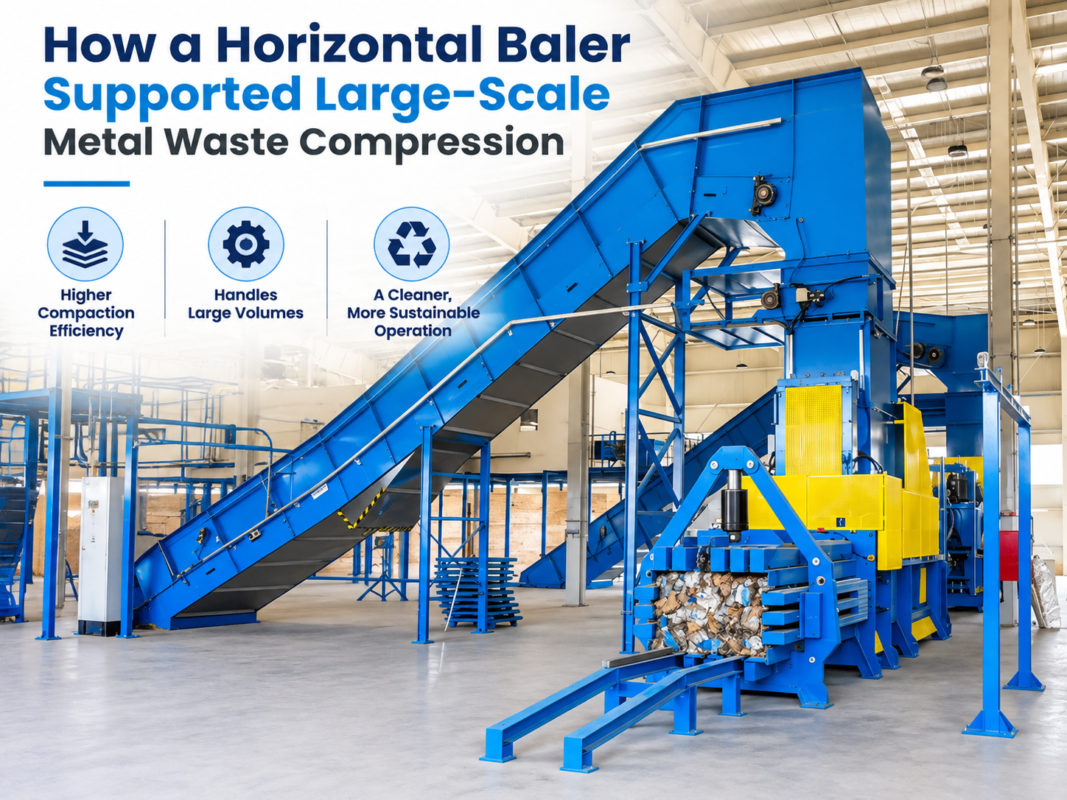
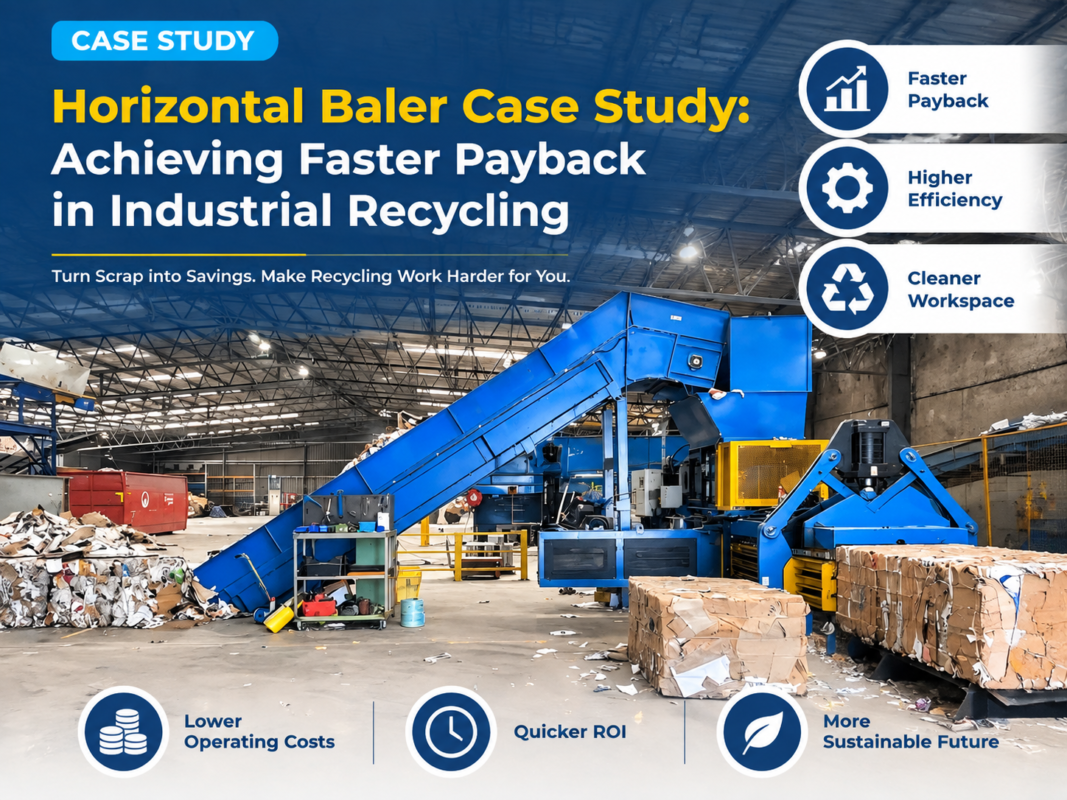
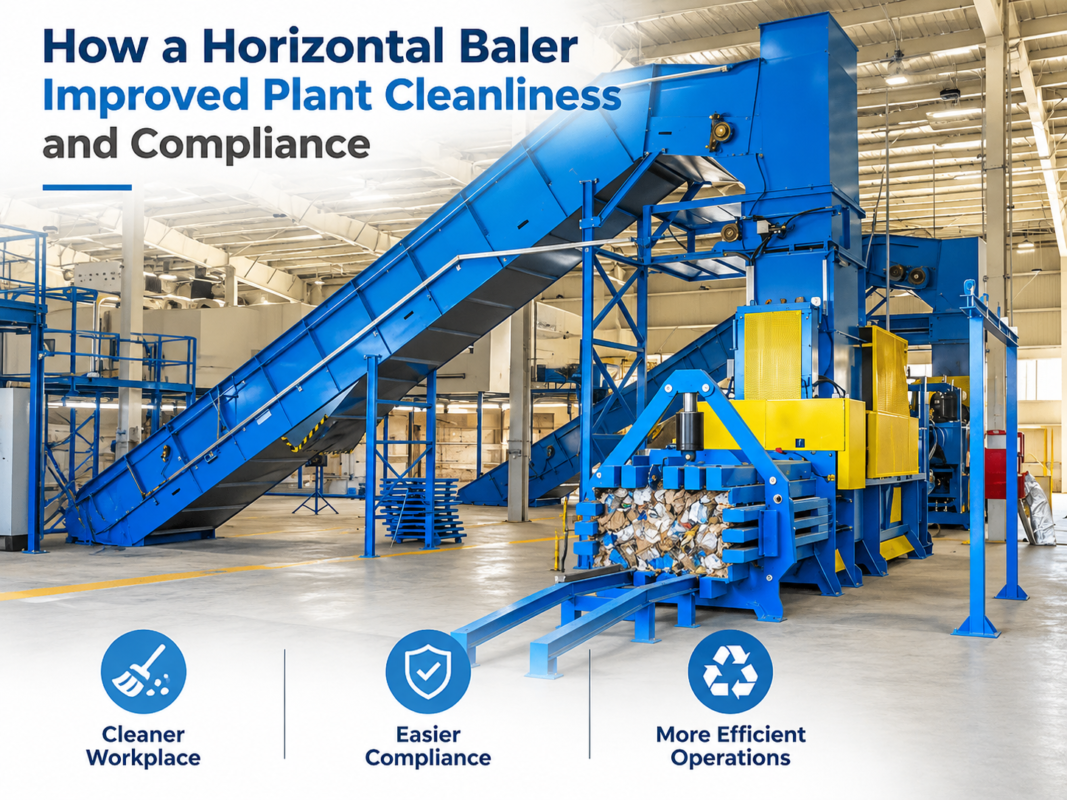
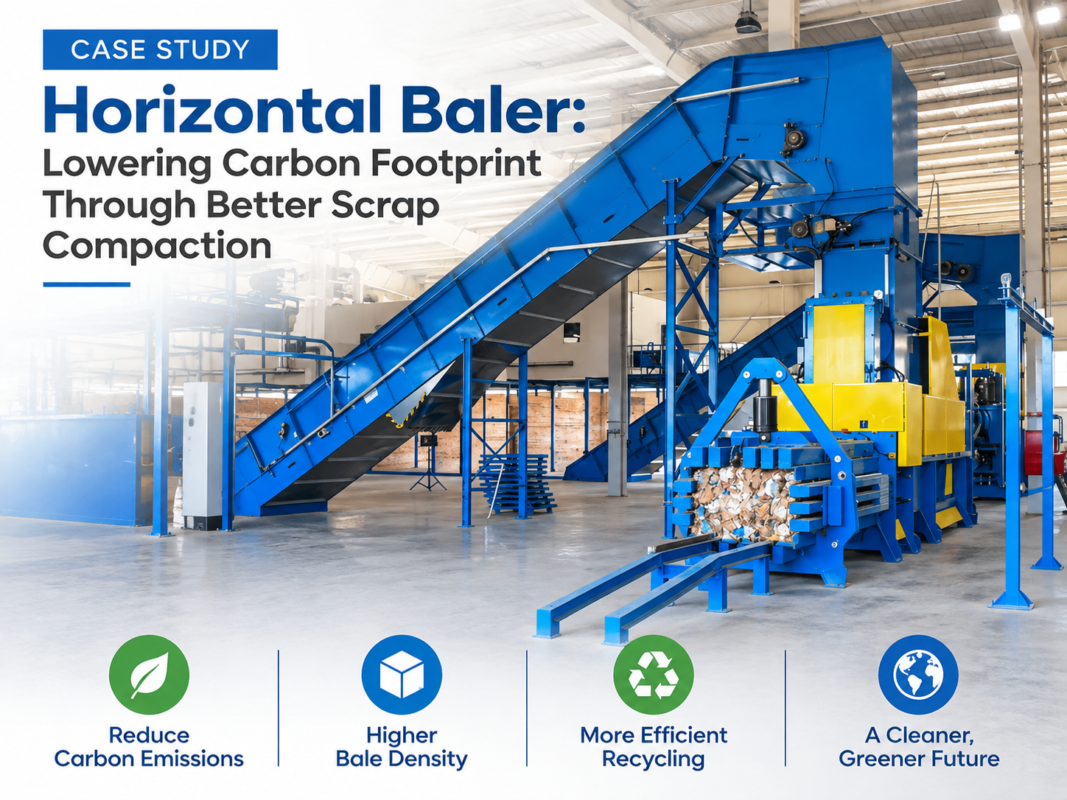
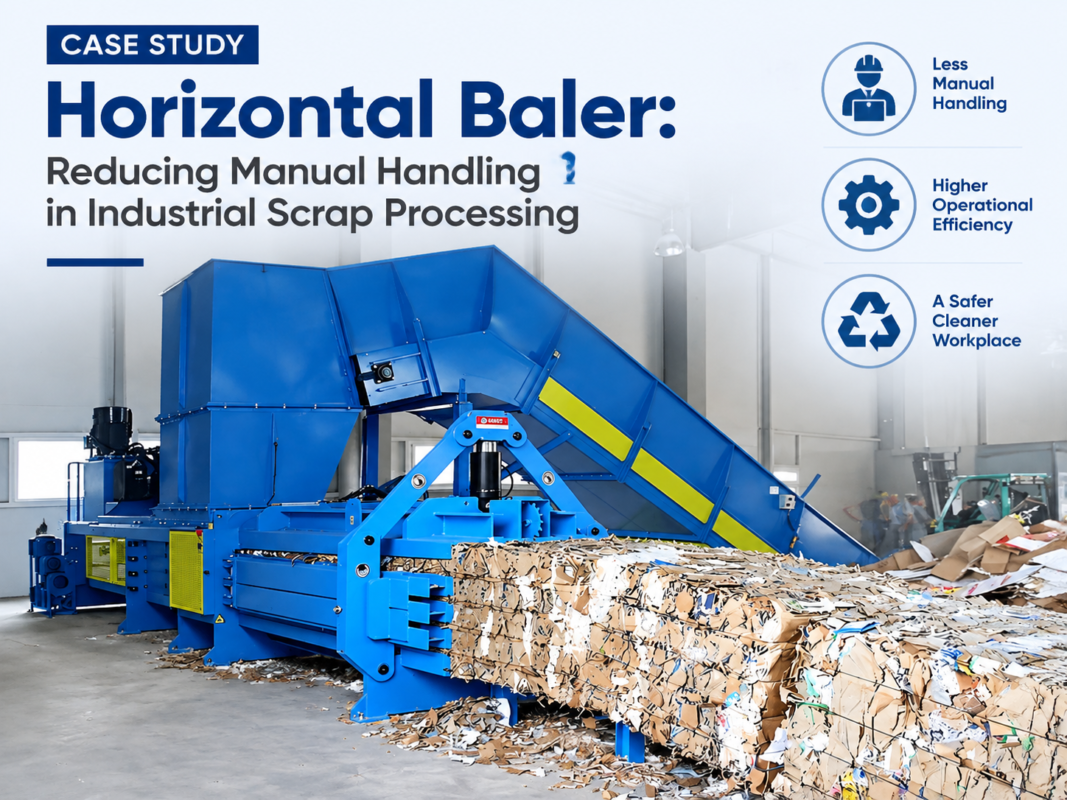
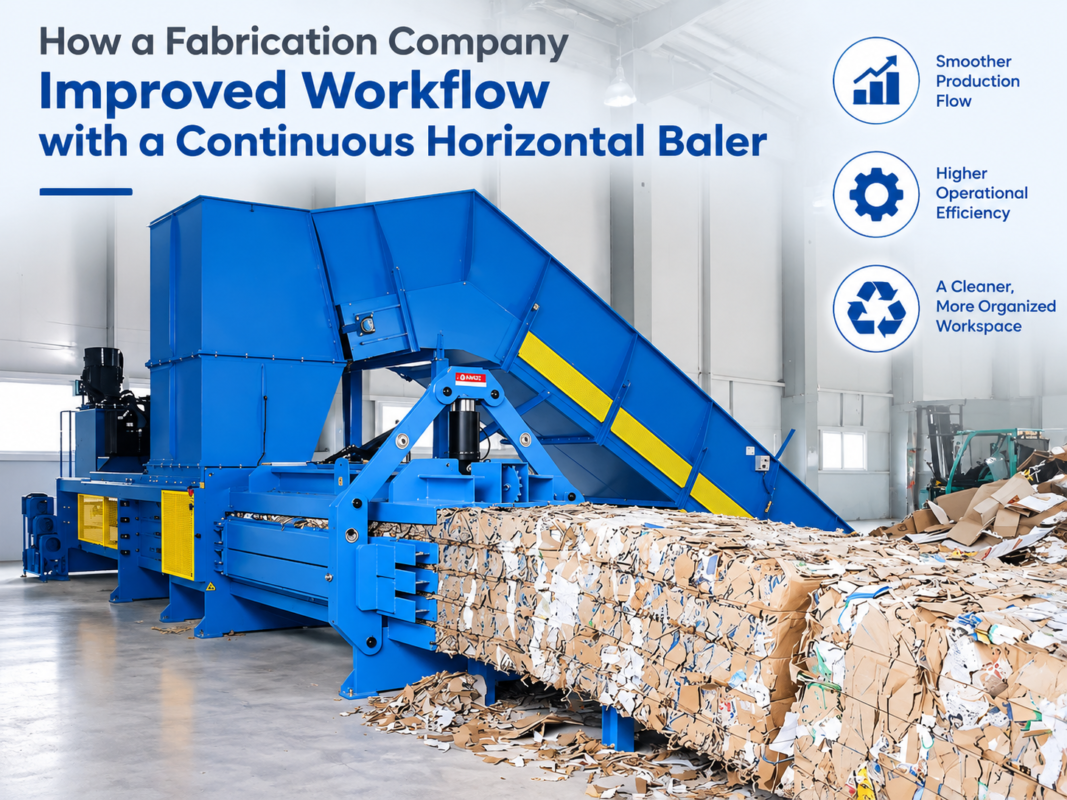
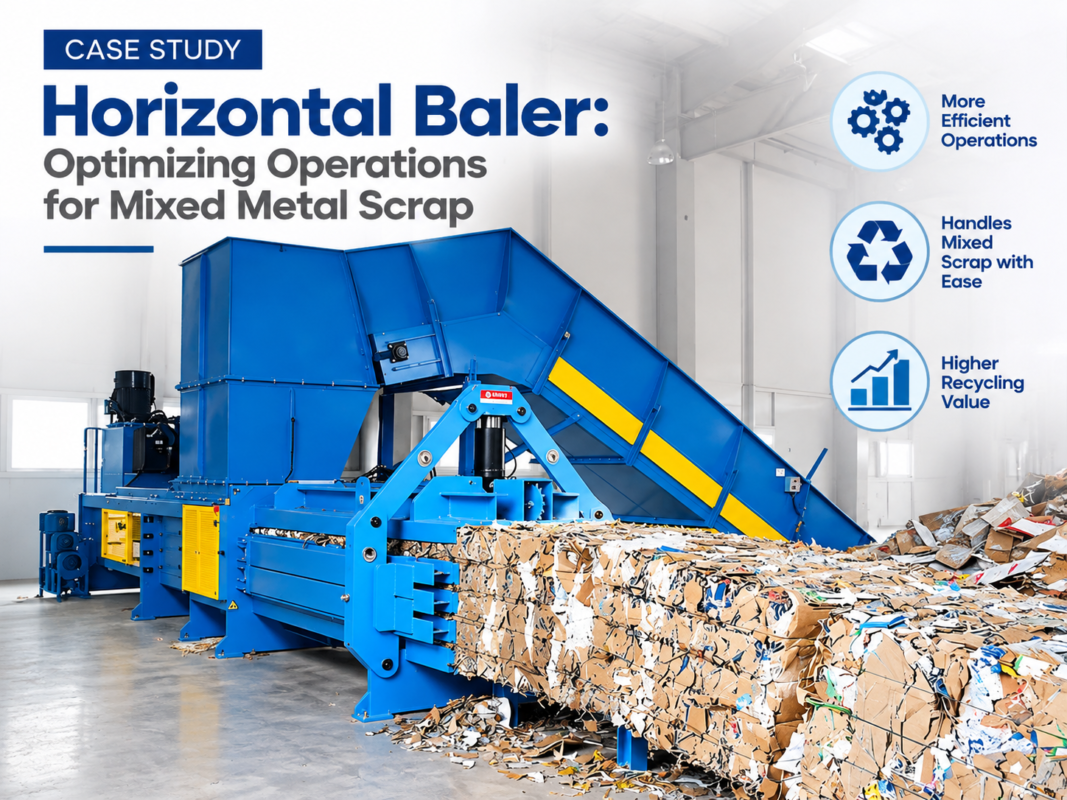
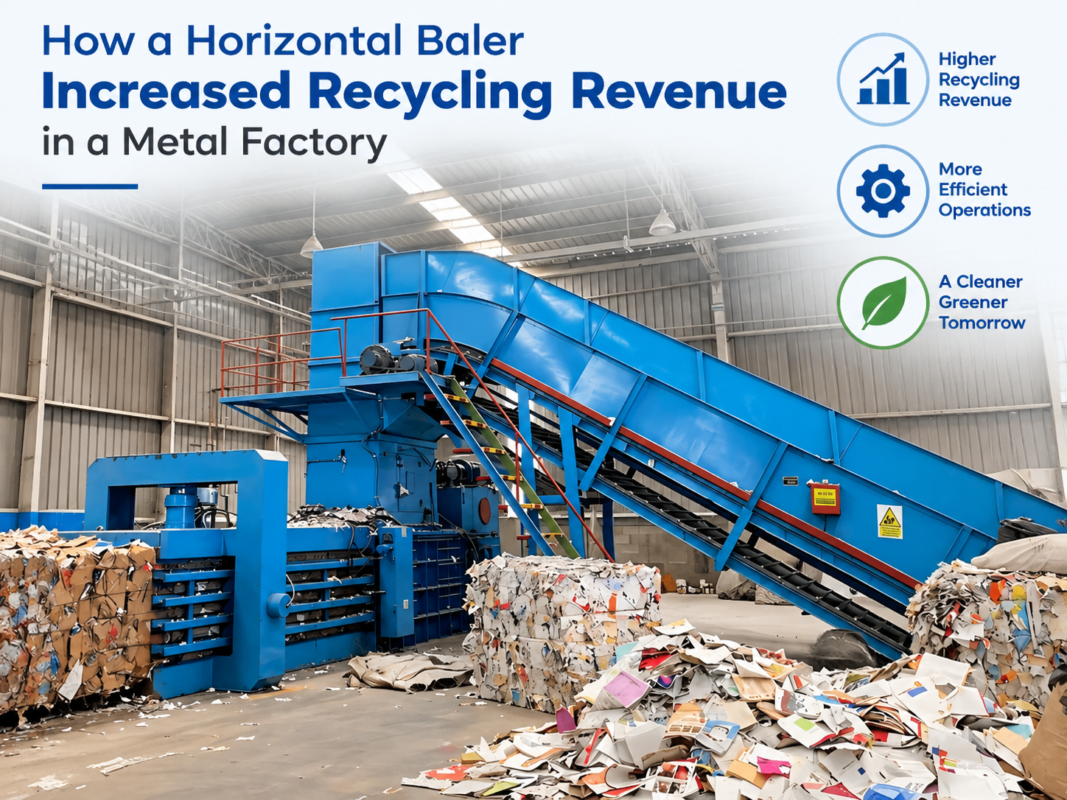
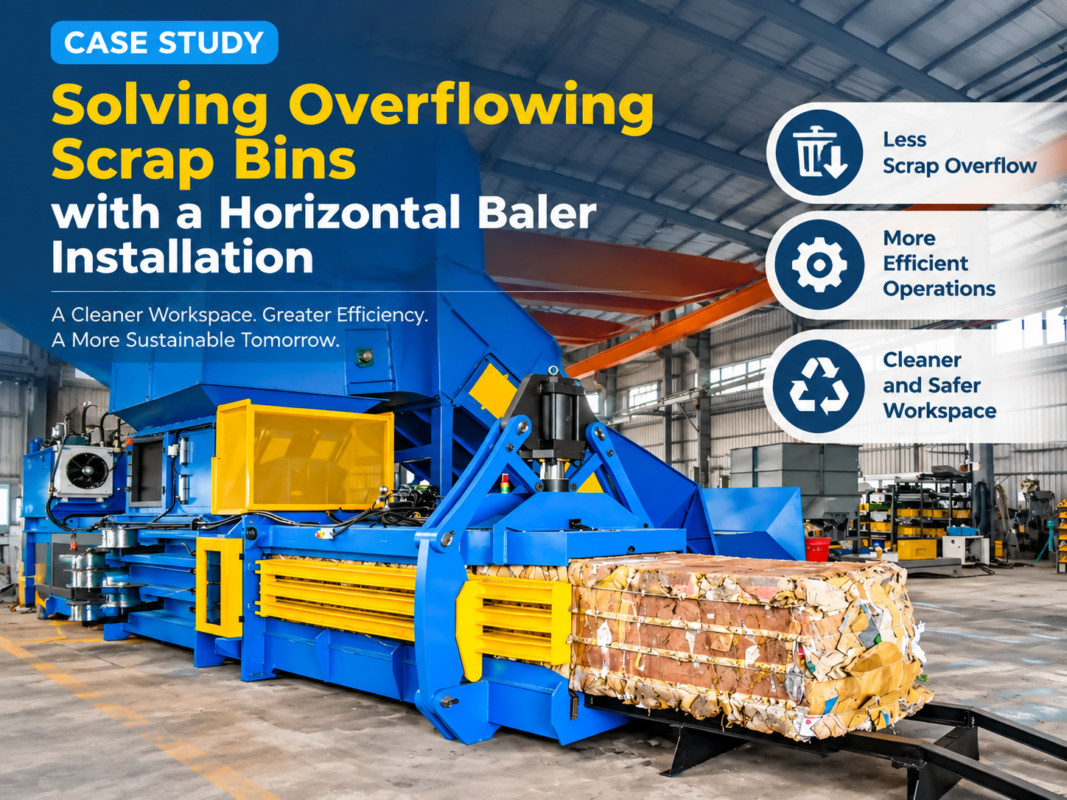
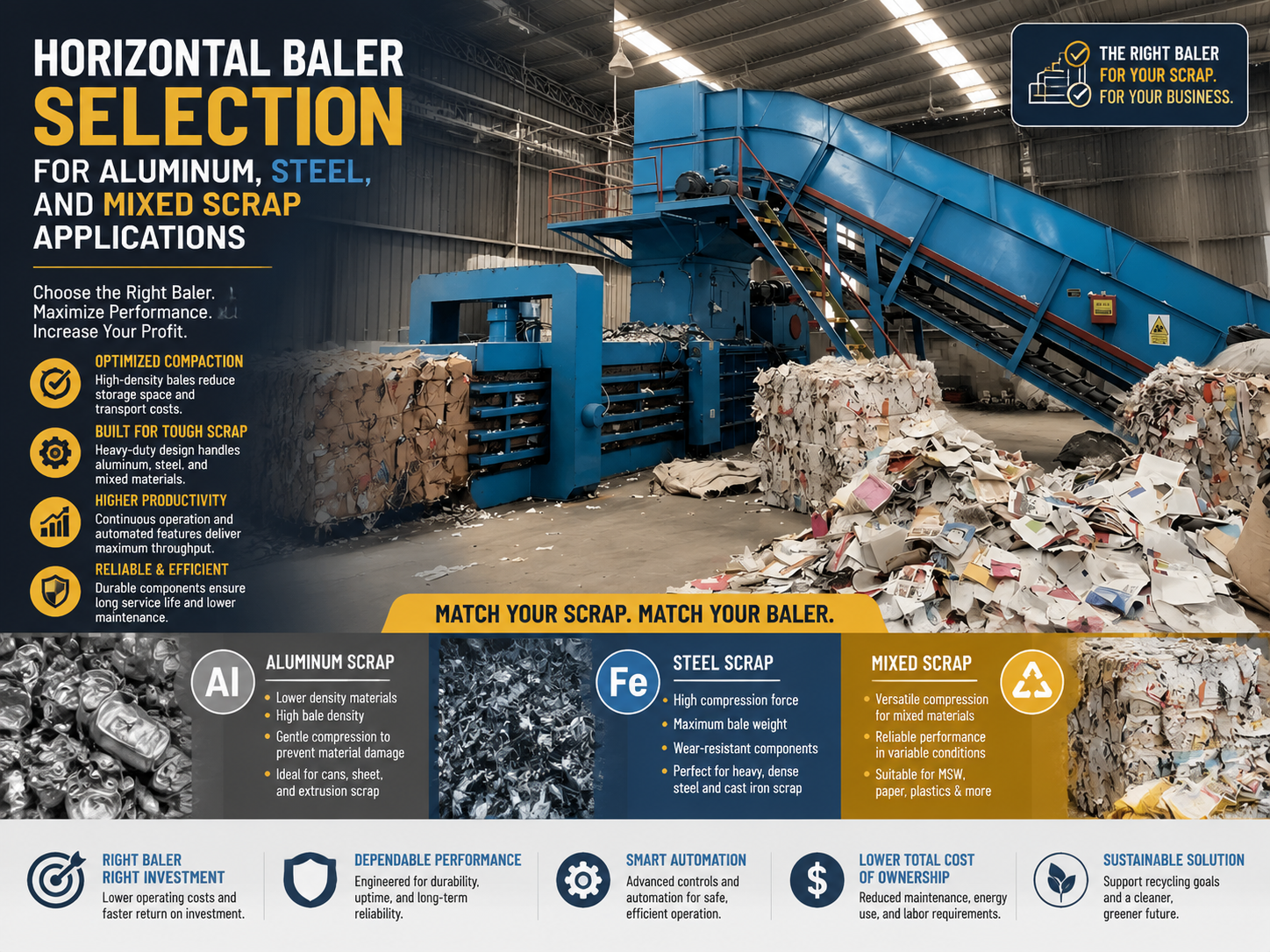
Horizontal balers represent the backbone of modern scrap metal management, providing the mechanical force necessary to compress voluminous metal waste into dense, manageable blocks. Unlike vertical balers, which are often limited by manual loading and lower throughput, horizontal balers are designed for continuous operation, often integrated with conveyor systems or air-fed cyclones. For industrial facilities dealing with aluminum extrusions, steel offcuts, and mixed scrap, the selection of a horizontal baler is not merely a purchase but a strategic engineering decision that impacts operational efficiency, logistics costs, and material resale value.
The core mechanism of a horizontal baler involves a heavy-duty hydraulic ram that moves horizontally across a compression chamber. As material enters the hopper, the ram pushes the scrap against a fixed or adjustable door (in closed-end models) or through a narrowing extrusion channel (in open-end models). This process reduces the volume of the scrap by up to 90%, depending on the material density and the applied pressure. For aluminum and steel applications, the structural integrity of the baler frame and the hardness of the wear liners are paramount, as these materials exert significant abrasive force and lateral pressure during the compression cycle.
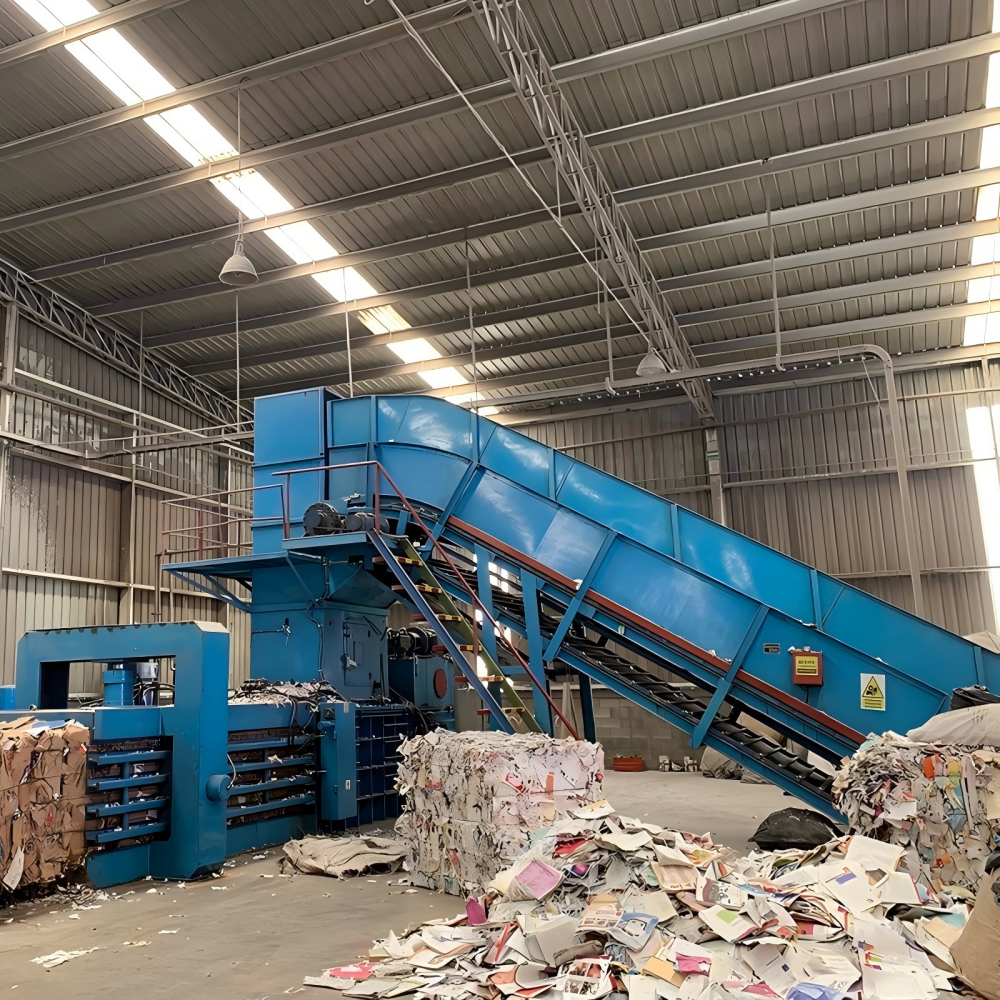
Modern horizontal balers, such as those manufactured by HARSLE, incorporate advanced PLC (Programmable Logic Controller) systems to manage the complex interplay between hydraulic pressure, ram position, and material feed rates. These systems allow for specific “recipes” or settings tailored to different materials. For instance, aluminum requires different pressure curves than stainless steel due to its higher elasticity and lower yield strength. By optimizing these parameters, operators can ensure consistent bale density while minimizing energy consumption and mechanical wear.
Core Parameters for Horizontal Baler Selection
When evaluating a horizontal baler for aluminum, steel, or mixed scrap, several core parameters must be analyzed to ensure the machine meets the facility’s specific demands. The most critical parameter is the Pressing Force (Tonnage). For light aluminum scrap, a pressing force of 60 to 100 tons may suffice, but for heavy steel offcuts or mixed industrial waste, tonnages exceeding 160 to 200 tons are often required to achieve the necessary bale density for export or foundry charging.
The Chamber Dimensions and Feed Opening are equally vital. The feed opening must be large enough to accommodate the largest pieces of scrap without bridging or jamming. In aluminum extrusion plants, long profiles require a wide hopper, whereas in automotive stamping plants, the feed opening must handle high volumes of small steel chips or skeletons. Furthermore, the Cycle Time—the time it takes for the ram to complete one full forward and backward stroke—directly dictates the hourly throughput. A faster cycle time is essential for high-volume operations but requires a more robust hydraulic pump and motor configuration.
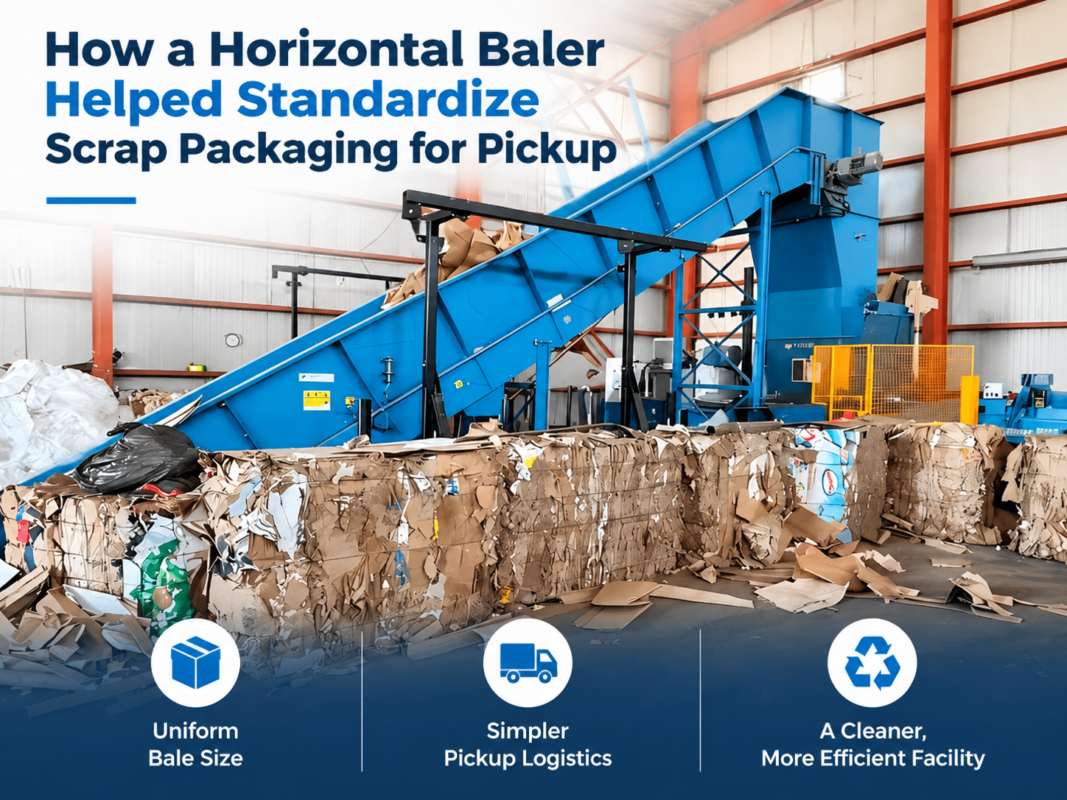
Another essential parameter is the Bale Size and Weight. Standard bale dimensions (e.g., 1100mm x 1100mm) are often dictated by shipping container dimensions or the requirements of the secondary smelter. For aluminum, achieving a bale weight of 400-600kg is common, while steel bales of the same size can weigh significantly more. The ability of the baler to produce uniform, stackable bales is critical for maximizing transport efficiency and reducing storage footprints. Finally, the Motor Power (kW) and Hydraulic System Efficiency determine the operational cost; high-efficiency vane pumps or variable frequency drives (VFDs) can significantly reduce electricity usage during idle periods.
Calculation Method for Throughput and Density
To accurately select a horizontal baler, engineers must perform specific calculations based on the anticipated material flow. The first step is determining the Required Throughput (T) in tons per hour. This is calculated by taking the total daily scrap volume and dividing it by the active operating hours. For example, if a facility generates 40 tons of aluminum scrap over an 8-hour shift, the required throughput is 5 tons per hour.
The Bale Density (D) is calculated using the formula: D = W / V, where W is the weight of the bale and V is the volume of the bale. For aluminum, a target density of 450-550 kg/m³ is often sought for logistical efficiency. To calculate the Number of Cycles per Hour (N) required to meet the throughput, use the formula: N = T / (W_avg), where W_avg is the average weight per bale. This number must be lower than the machine’s maximum theoretical cycles per hour to allow for loading and tying time.
Furthermore, the Specific Pressure (P_s) exerted on the material is a key metric for bale integrity. It is calculated by dividing the total pressing force (F) by the surface area of the ram face (A): P_s = F / A. For steel scrap, a specific pressure of at least 10-15 kg/cm² is typically required to overcome the material’s structural resistance. For mixed scrap, which may contain varying levels of elasticity, a higher specific pressure is generally safer to ensure the bale does not expand or fall apart after exiting the chamber.
Technical Parameter Table for Scrap Applications
The following table provides a comparative overview of typical parameters required for different scrap types in a horizontal baling environment.
| Parameter | Aluminum Extrusions | Light Steel Scrap | Mixed Industrial Scrap |
|---|---|---|---|
| Pressing Force (Tons) | 80 – 120 | 120 – 160 | 100 – 200 |
| Specific Pressure (kg/cm²) | 8 – 12 | 12 – 18 | 10 – 15 |
| Bale Size (mm) | 1100 x 1100 x Variable | 1100 x 1100 x Variable | 1100 x 1100 x Variable |
| Average Bale Weight (kg) | 450 – 650 | 800 – 1200 | 600 – 1000 |
| Cycle Time (Seconds) | 45 – 60 | 50 – 70 | 45 – 65 |
| Motor Power (kW) | 30 – 45 | 45 – 75 | 37 – 90 |
| Throughput (Tons/Hour) | 3 – 6 | 5 – 10 | 4 – 8 |
Common Engineering Mistakes in Baler Selection
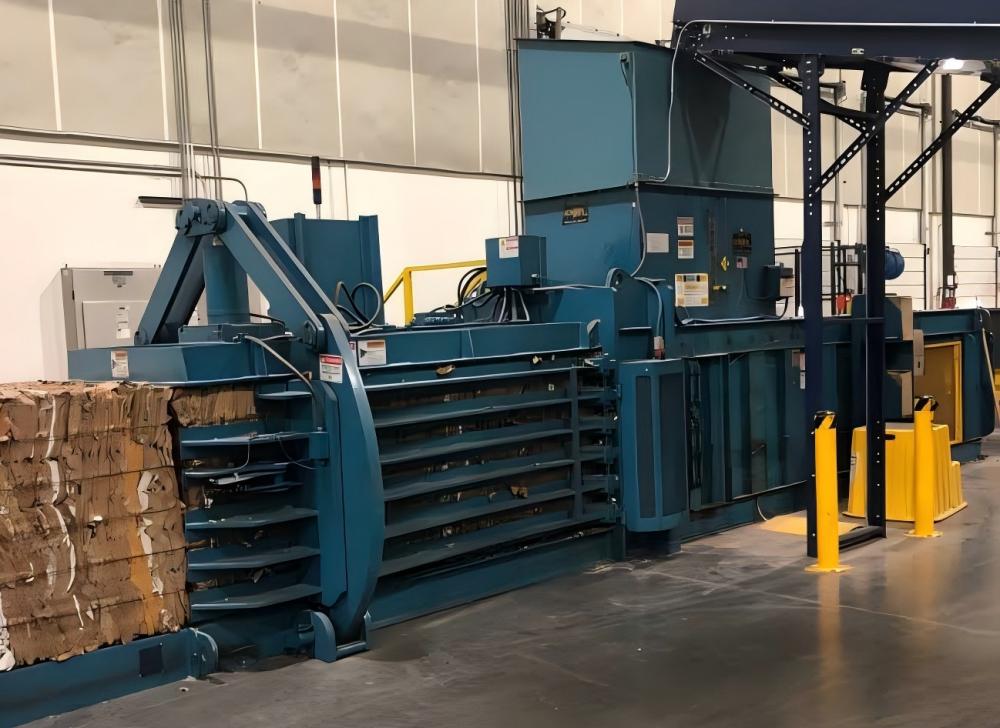
One of the most frequent mistakes in horizontal baler selection is Underestimating Material Spring-back. Aluminum, in particular, has a high degree of elasticity. If the baler does not provide sufficient holding time at full pressure or if the tying system is not robust enough, the bale will expand significantly once released, potentially breaking the wires or making the bale too large for standard transport. Engineers must ensure the baler has a “dwell” function in its PLC logic to allow the material to take a permanent set.
Another common error is Ignoring Abrasive Wear. Steel scrap, especially when it contains sand, scale, or hardened alloys, is extremely abrasive. Selecting a baler with standard mild steel liners in the compression chamber will lead to rapid degradation and frequent downtime for welding and repairs. High-quality balers use replaceable liners made from Hardox or similar abrasion-resistant steels. Failing to specify these liners for steel or mixed scrap applications is a costly oversight that significantly increases the total cost of ownership.
Furthermore, Inadequate Cooling Systems can cripple a horizontal baler in high-throughput environments. Hydraulic systems generate substantial heat during continuous cycling. If the oil temperature exceeds 60°C, the viscosity drops, leading to internal leakage in pumps and valves, reduced pressing force, and accelerated seal failure. For operations in warmer climates or those running multiple shifts, an oversized air-cooled or water-cooled heat exchanger is a mandatory requirement that is often overlooked during the initial budget phase.
Finally, Poor Feed Management often leads to machine inefficiency. A horizontal baler is only as fast as its loading system. If the hopper is too small or the conveyor is not synchronized with the baler’s cycle, the machine will spend a significant portion of its time idling. Conversely, overfilling the hopper can lead to “bridging,” where scrap wedges itself above the ram, requiring manual intervention. Selecting a baler with an integrated ultrasonic or infrared level sensor helps automate the feed process and prevents these common operational bottlenecks.
Selection Checklist for Industrial Buyers
To ensure a successful horizontal baler implementation, follow this comprehensive selection checklist:
- Material Analysis: Define the primary material (Aluminum, Steel, or Mixed) and its physical form (sheet, extrusion, wire, or turnings).
- Volume Requirements: Calculate the peak hourly volume, not just the daily average, to ensure the machine can handle surges in production.
- Bale Specification: Confirm the required bale dimensions and weight with your scrap buyer or secondary smelter to ensure maximum marketability.
- Space and Layout: Measure the available floor space, including the area needed for the bale discharge ramp, wire-tie coils, and maintenance access.
- Power Supply: Verify that the facility’s electrical infrastructure can handle the high startup current of large hydraulic motors (consider Soft Starters or VFDs).
- Shear Blade Configuration: For long scrap, ensure the baler is equipped with high-strength shear blades to cut overhanging material and prevent jams.
- Tying System: Choose between manual tie (lower cost, lower speed) and auto-tie (higher cost, higher throughput) based on labor availability and volume.
- Safety Compliance: Ensure the machine meets local safety standards (e.g., CE, ANSI) and includes emergency stops, safety interlocks, and proper guarding.
Frequently Asked Questions (FAQ)
What is the difference between an open-end and a closed-end horizontal baler?
An open-end horizontal baler uses a long, narrowing extrusion channel to create resistance, allowing for continuous baling and automatic tying. It is ideal for high-volume, consistent materials. A closed-end baler has a hydraulic door that remains shut until the bale reaches full density. This allows for higher pressing forces and is generally better for difficult-to-compress materials like heavy steel scrap or materials with high spring-back.
How often should the shear blades be sharpened or replaced?
The frequency of shear blade maintenance depends entirely on the material being processed. For aluminum, blades may last 12-18 months before needing attention. For steel scrap, they may require sharpening every 4-6 months. It is critical to maintain the proper clearance between the moving and stationary blades (typically 0.5mm to 1.0mm) to ensure clean cuts and prevent hydraulic strain.
Can one horizontal baler handle both aluminum and steel?
Yes, many horizontal balers are versatile enough to handle both. However, the machine must be spec’d for the “worst-case scenario,” which is usually the higher pressure and wear resistance required for steel. The PLC should have different program modes to adjust the pressure and cycle parameters when switching between aluminum and steel to optimize efficiency and bale integrity.
Why is bale density so important for scrap metal?
Bale density is the primary factor in logistics costs. Most shipping containers and trucks are limited by volume before they reach their weight limit. By increasing bale density, you can fit more tons into a single shipment, significantly reducing the cost per ton of transport. Additionally, many smelters prefer high-density bales as they melt more efficiently with less oxidation loss.
What maintenance is required for the hydraulic system?
Regular maintenance includes monitoring oil levels, checking for leaks, and replacing hydraulic filters every 500-1000 operating hours. Oil analysis should be performed annually to check for contamination or chemical breakdown. Keeping the oil clean and cool is the single most important factor in extending the life of the pumps and cylinders in a horizontal baler.