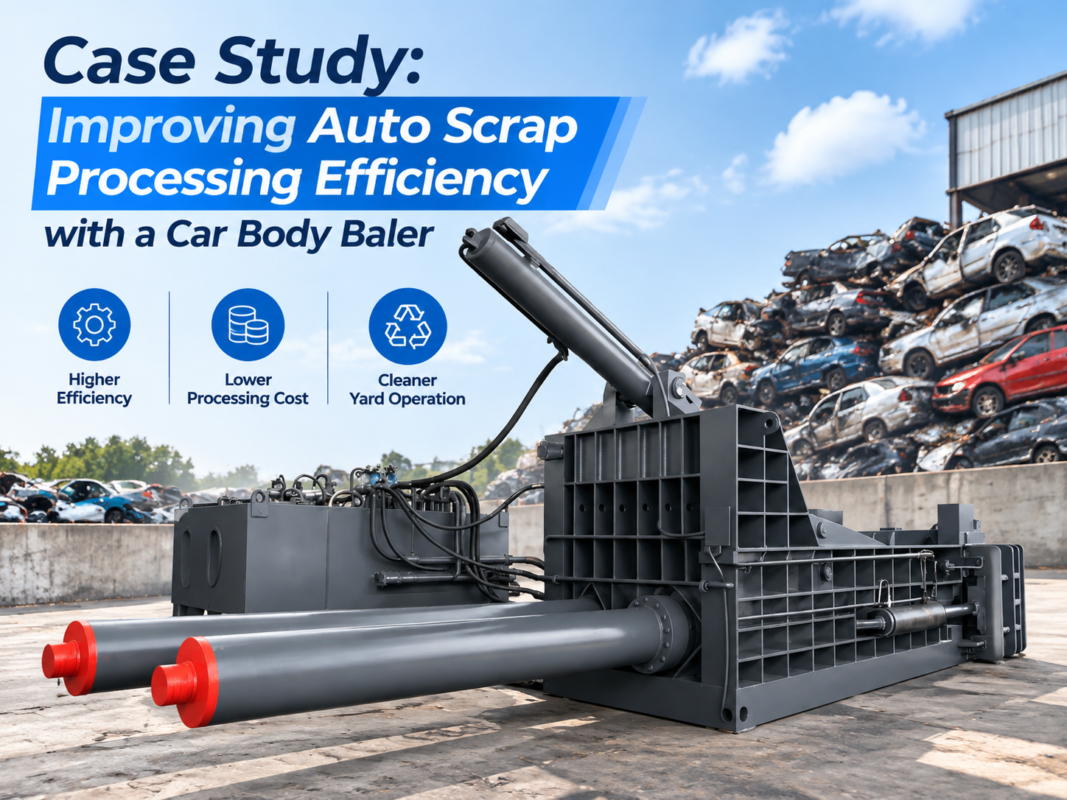
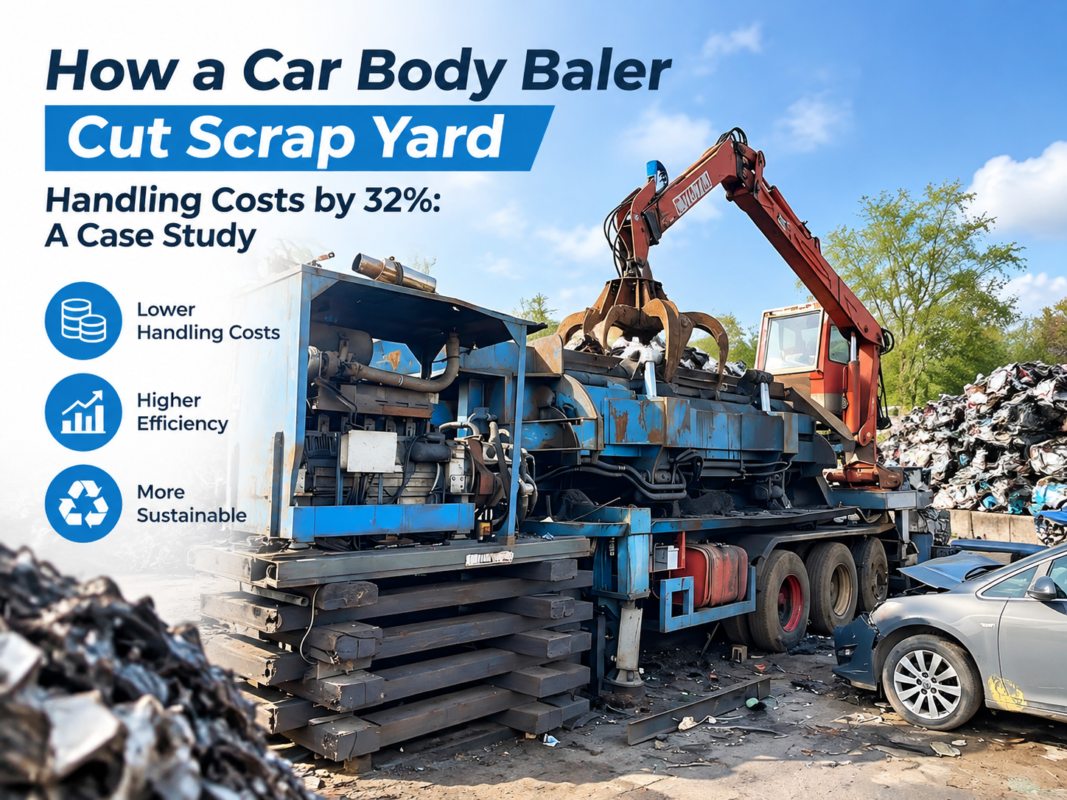
Car Body Baler Technical Guide: How It Works, Key Components, and Performance Factors

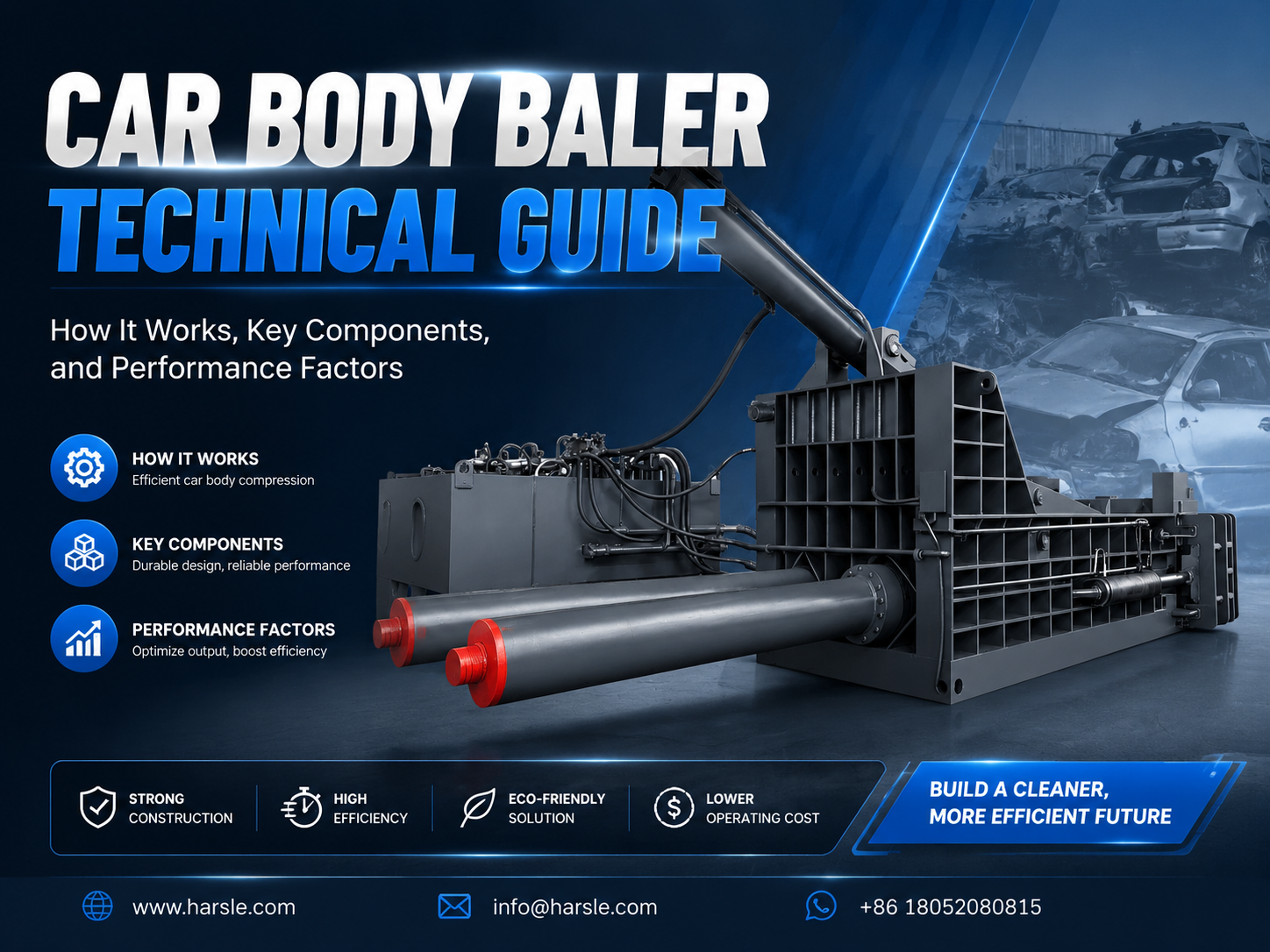
Technical Overview: The Mechanics of Car Body Balers
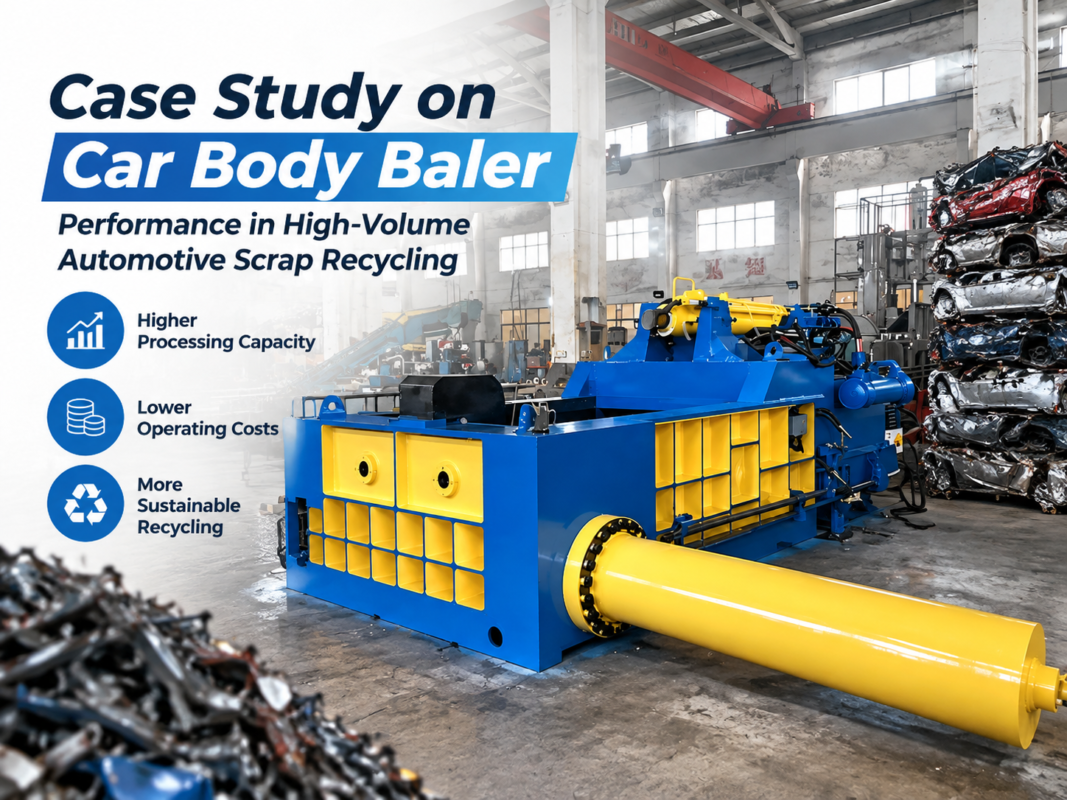
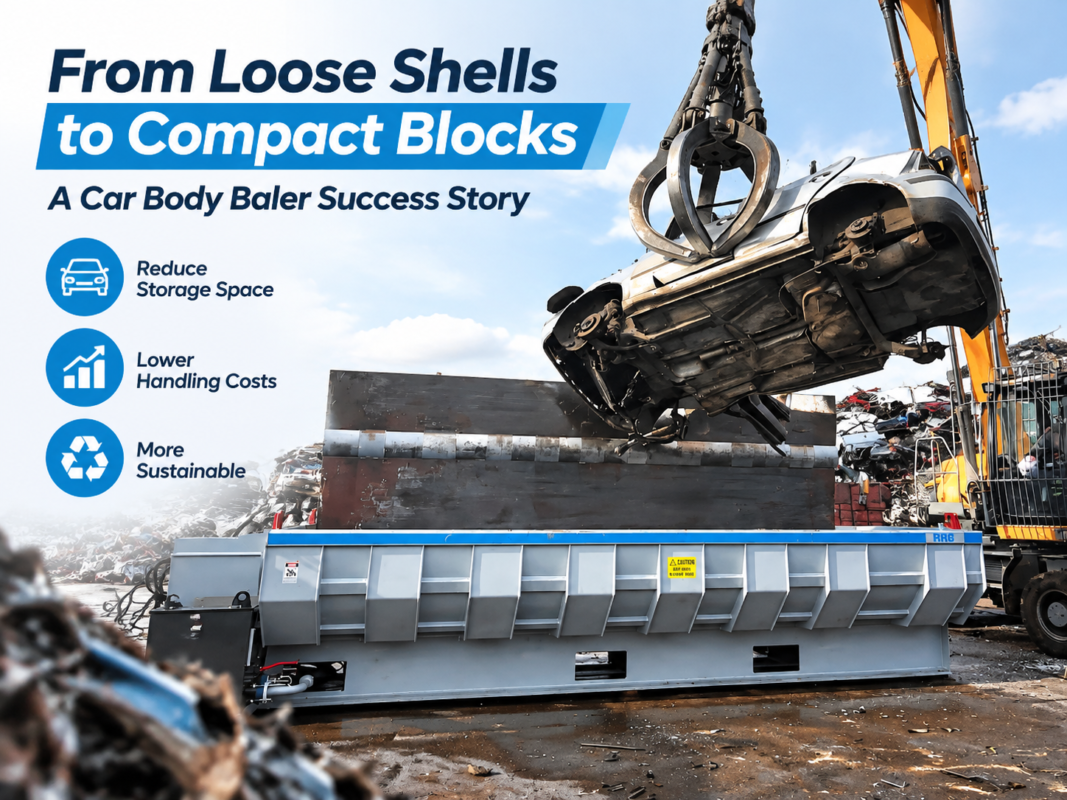
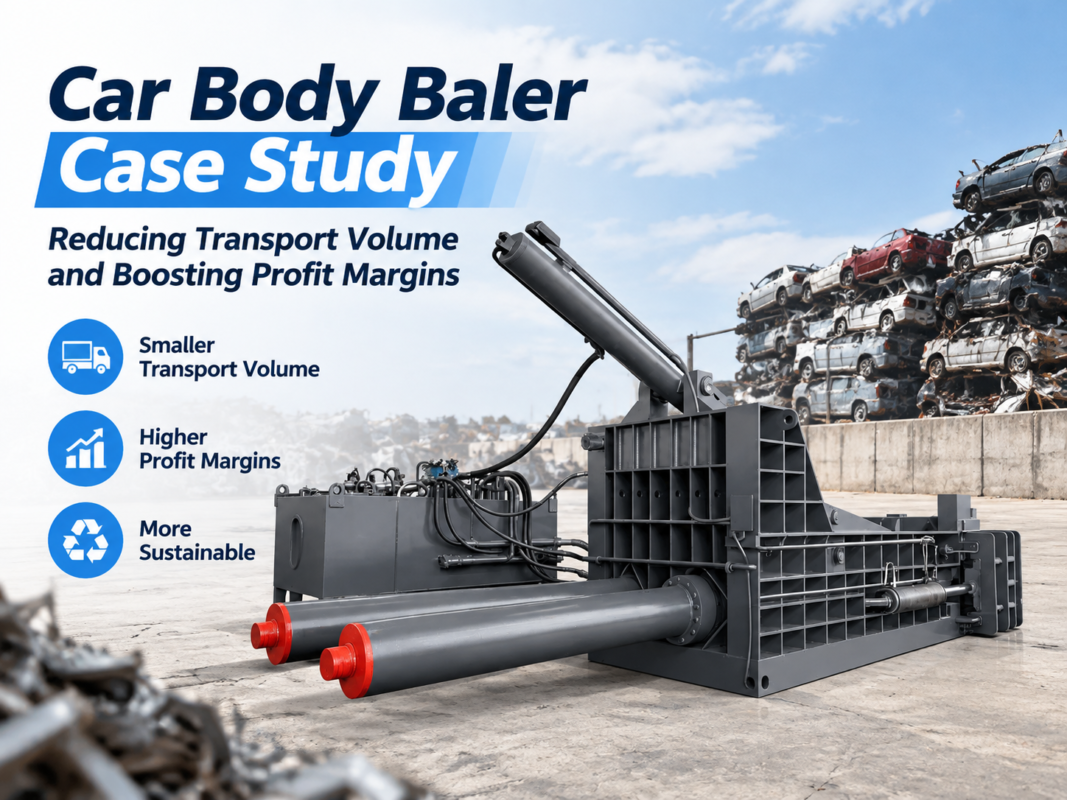
In the modern recycling industry, the car body baler stands as a cornerstone of efficiency for End-of-Life Vehicle (ELV) processing. A car body baler is a heavy-duty hydraulic machine designed to compress entire vehicle shells, light scrap, and non-ferrous metals into dense, manageable blocks known as bales. This process is critical for reducing transportation costs, optimizing storage space, and preparing material for secondary smelting or shredding. The technical sophistication of these machines lies in their ability to exert massive force while maintaining structural integrity and operational speed.
The fundamental principle of a car body baler involves multi-stage compression. Unlike standard vertical balers used for cardboard, a car body baler typically employs a three-dimensional compression sequence. This usually starts with a heavy-duty lid or ‘wing’ that crushes the vehicle from the top, followed by side-squeeze rams, and finally a longitudinal main ram that pushes the material into its final cubic shape. This sequential reduction ensures that even the most rigid automotive frames are collapsed into high-density packages.
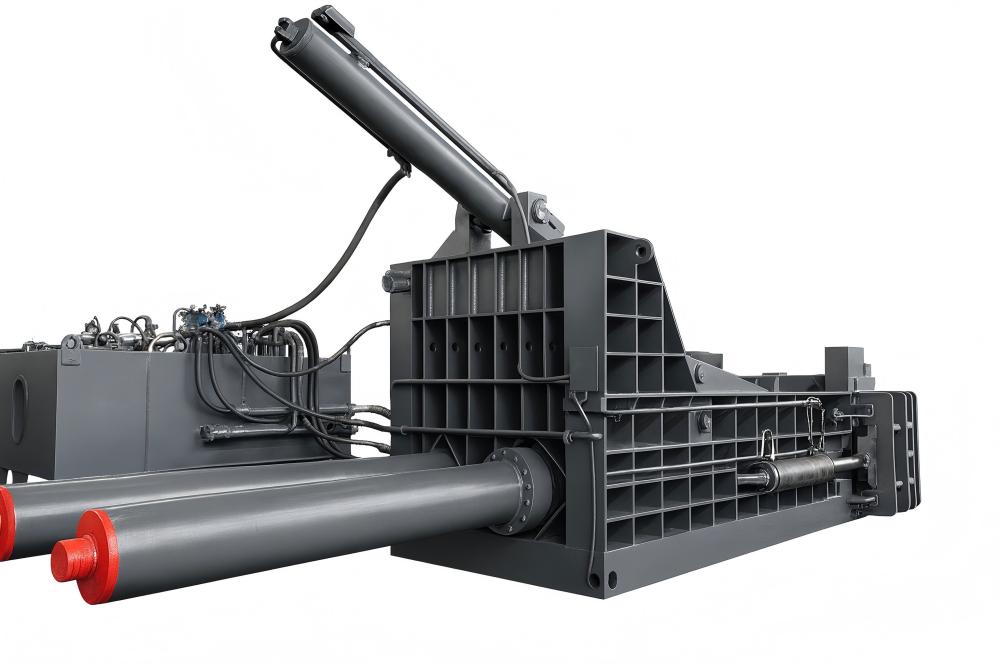
Modern car body balers, such as those engineered by HARSLE, utilize advanced hydraulic circuits to manage the immense pressures required—often exceeding 250 bars. The integration of PLC (Programmable Logic Controller) systems allows for automated cycles, where the machine detects the resistance of the scrap and adjusts the hydraulic flow accordingly. This ‘smart’ compression prevents mechanical overstrain and optimizes energy consumption, making the car body baler technical process both powerful and precise.
Furthermore, the structural design of the baling chamber is a feat of engineering. It must withstand repetitive high-impact loading and extreme internal pressures. Most high-end balers utilize replaceable wear plates made from abrasion-resistant steel (like Hardox) to protect the main frame. This technical foresight ensures that the machine can process thousands of tons of scrap metal before requiring significant structural maintenance, providing a long-term ROI for recycling facilities.
Core Parameters and Key Components
Understanding the technical specifications of a car body baler is essential for matching the machine to the specific needs of a scrap yard. The primary performance metric is the ‘Pressing Force,’ usually measured in kilonewtons (kN) or tons. For car bodies, a main ram force of 200 to 600 tons is common. However, the force of the lid and side rams is equally important, as they perform the initial ‘breakdown’ of the vehicle’s structural pillars.
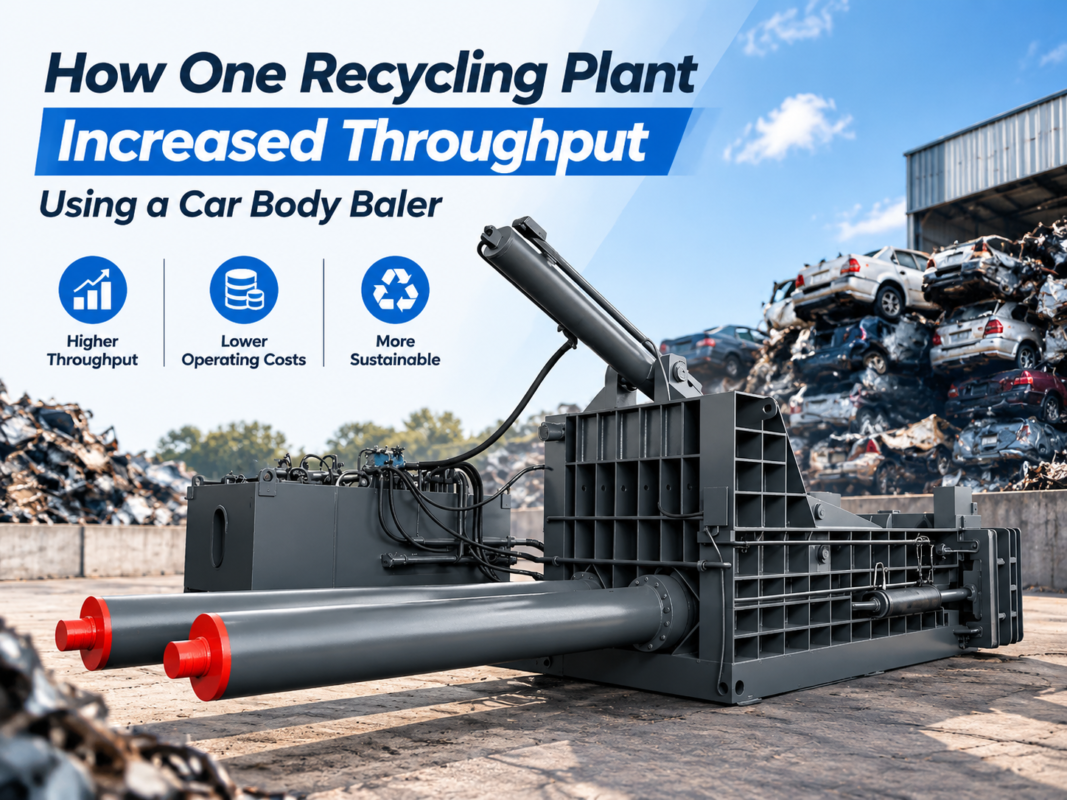
The hydraulic system is the heart of the baler. It consists of high-pressure pumps (often axial piston pumps for variable displacement), hydraulic cylinders with precision-honed bores, and a complex manifold of valves. The ‘Cycle Time’—the time it takes to complete one full compression and ejection cycle—is a critical parameter for throughput. A faster cycle time, often achieved through high-flow regenerative circuits, allows for more cars to be processed per hour, directly impacting the facility’s profitability.
Key Components Breakdown
- Compression Chamber: The reinforced box where the scrap is loaded. Its dimensions determine the maximum size of the vehicle shell that can be accepted without pre-cutting.
- Hydraulic Power Unit (HPU): Includes the electric motor, pump, and oil reservoir. HARSLE units often feature dual-pump systems to balance speed and pressure.
- Wear Liners: Replaceable plates lining the chamber, usually made from manganese steel or Hardox, designed to take the brunt of the friction and impact.
- PLC Control System: The ‘brain’ of the machine, managing the sequence of the rams, safety interlocks, and cooling systems.
- Ejection Door/Gate: A heavy-duty hydraulic gate that opens once the bale is formed, allowing the main ram to push the finished product out.
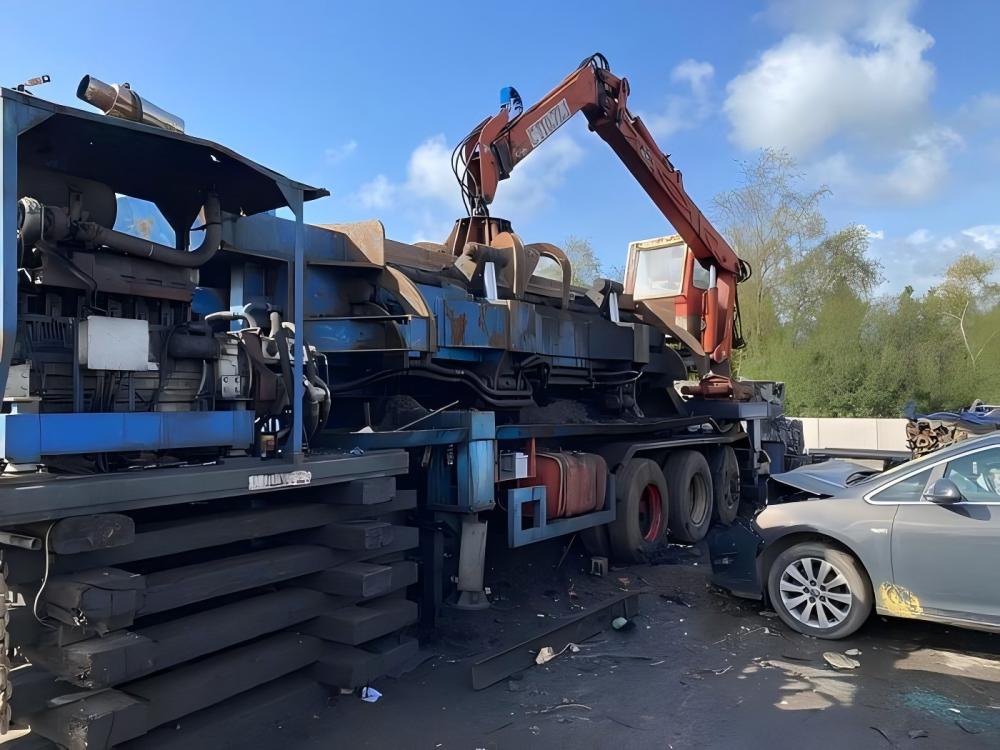
Calculation Method: Determining Performance and Density
To optimize a car body baler’s operation, engineers must calculate the expected bale density and the throughput capacity. Bale density is a function of the final bale volume and the weight of the material. For steel scrap, a target density of 800 kg/m³ to 1200 kg/m³ is often desired for efficient furnace charging. The formula for bale density is: Density (ρ) = Mass (m) / Volume (V).
Another critical calculation is the ‘Specific Pressure’ exerted on the material. This is calculated by dividing the total force of the main ram by the surface area of the ram head. For example, if a 400-ton ram has a face area of 0.5 square meters, the specific pressure is 800 tons per square meter. Higher specific pressure results in tighter, more stable bales that are less likely to fall apart during transport.
Throughput capacity is calculated by considering the cycle time and the average weight of a car body. If a baler has a cycle time of 90 seconds and processes one 1-ton car body per cycle, the theoretical hourly capacity is 40 tons. However, real-world factors such as loading time (using a crane or grapple) and operator efficiency must be factored in, typically reducing the theoretical capacity by 20-30%.
Technical Parameter Table
The following table outlines the typical technical specifications for various grades of car body balers, helping buyers understand the relationship between power and output.
| Parameter | Light-Duty Baler | Medium-Duty Baler | Heavy-Duty Baler |
|---|---|---|---|
| Main Ram Force (Tons) | 160 – 250 | 315 – 400 | 500 – 800 |
| Chamber Size (mm) | 3000 x 2000 x 1000 | 5000 x 2200 x 1200 | 6000 x 2500 x 1500 |
| Bale Size (mm) | 400 x 400 | 600 x 600 | 800 x 800 |
| Cycle Time (Seconds) | 120 – 150 | 90 – 120 | 70 – 100 |
| Motor Power (kW) | 30 – 45 | 60 – 90 | 110 – 220 |
| Bale Density (kg/m³) | 600 – 800 | 900 – 1100 | 1200+ |
Common Engineering Mistakes in Baler Operation
One of the most frequent engineering mistakes in the operation of car body balers is neglecting the hydraulic oil temperature. High-pressure operations generate significant heat. If the cooling system is undersized or the filters are clogged, the oil viscosity drops, leading to internal leakage in the pumps and valves. This not only slows down the cycle time but also causes premature wear on the precision components. Operators should ensure that the heat exchangers are cleaned regularly and that the oil is maintained within the manufacturer’s specified temperature range.
Another common issue is the ‘over-stuffing’ of the compression chamber. While it is tempting to maximize every cycle, forcing too much material into the chamber can lead to structural fatigue. If the lid cannot close properly, the hydraulic system may bypass through relief valves, wasting energy and potentially damaging the cylinder seals. Proper material preparation—such as removing heavy engines or thick axles if the baler isn’t rated for them—is essential for machine longevity.
Furthermore, ignoring the condition of the wear plates is a costly mistake. Once the wear plates are worn through, the scrap metal begins to grind against the main structural frame of the baler. This can lead to warping or cracking of the chamber walls, which is much more expensive to repair than simply replacing a bolt-on wear plate. Regular ultrasonic thickness testing of the liners can help predict when replacements are needed.
Selection Checklist: Choosing the Right Car Body Baler
When investing in a car body baler, a technical checklist is vital to ensure the machine meets your operational demands. Consider the following factors:
- Material Type: Are you processing only car shells, or do you need to bale heavy structural steel? Ensure the ram force and chamber thickness are rated for your toughest material.
- Loading Method: Does the baler have a large enough ‘throat’ or hopper for your existing grapple or crane? A mismatch here creates a bottleneck.
- Automation Level: Do you need a fully automatic cycle, or is a manual joystick control sufficient? PLC-controlled machines reduce operator fatigue and ensure consistent bale quality.
- Maintenance Accessibility: Are the hydraulic pumps and valves easy to reach? Look for designs that allow for quick filter changes and cylinder seal replacements.
- Power Supply: Ensure your facility’s electrical grid can handle the high peak currents required during the start-up of large electric motors. Soft-starters or VFDs (Variable Frequency Drives) are recommended.
- Bale Ejection Style: Side-push, flip-out, or end-push? Choose the style that best fits your yard’s layout and downstream transport logistics.
Frequently Asked Questions (FAQ)
What is the average lifespan of a car body baler?
With proper maintenance, a high-quality car body baler from a reputable manufacturer like HARSLE can last 15 to 20 years. The key is regular hydraulic oil changes, timely replacement of wear liners, and ensuring the structural welds are inspected for fatigue annually.
Can a car body baler handle engines and transmissions?
While heavy-duty balers can compress engines, it is generally recommended to remove them first. Engines contain cast iron and high-strength alloys that can cause excessive wear on the baler’s liners and may lead to ‘spring-back’ in the bale. Removing them also allows for the separate recycling of high-value aluminum and cast iron.
How does the weather affect baler performance?
Extreme cold can increase the viscosity of hydraulic oil, making the machine sluggish and potentially damaging pumps upon start-up. In such climates, tank heaters are essential. Conversely, in very hot climates, upgraded oil cooling systems (air or water-cooled) are necessary to prevent overheating during continuous operation.
What safety features should I look for?
Essential safety features include emergency stop buttons at multiple stations, safety interlocks on the chamber lid to prevent operation when open, and pressure relief valves to prevent hydraulic over-pressurization. Modern machines also feature remote diagnostics to monitor the machine’s health from a distance.
Why is bale density important for shipping?
Shipping costs are often calculated by volume or by container. If your bales are not dense enough, you will hit the volume limit of a truck or shipping container before you hit the weight limit, essentially paying to ship air. High-density bales ensure you maximize the weight capacity of every load, significantly reducing logistics costs.