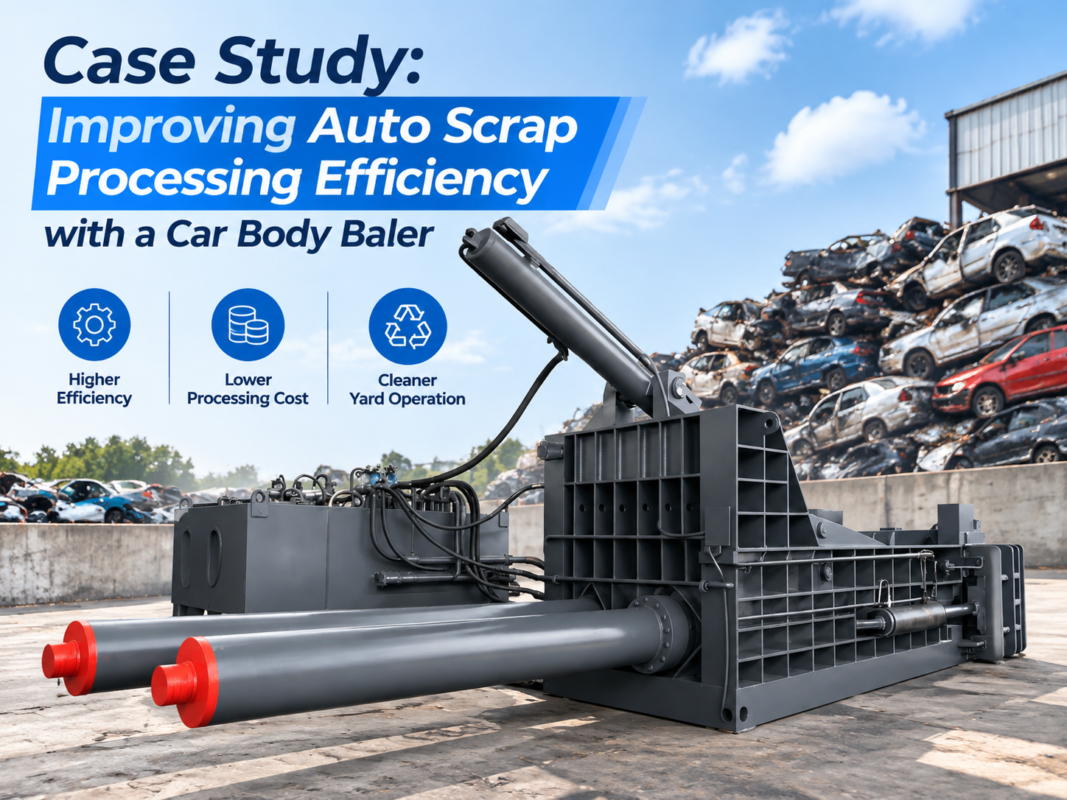
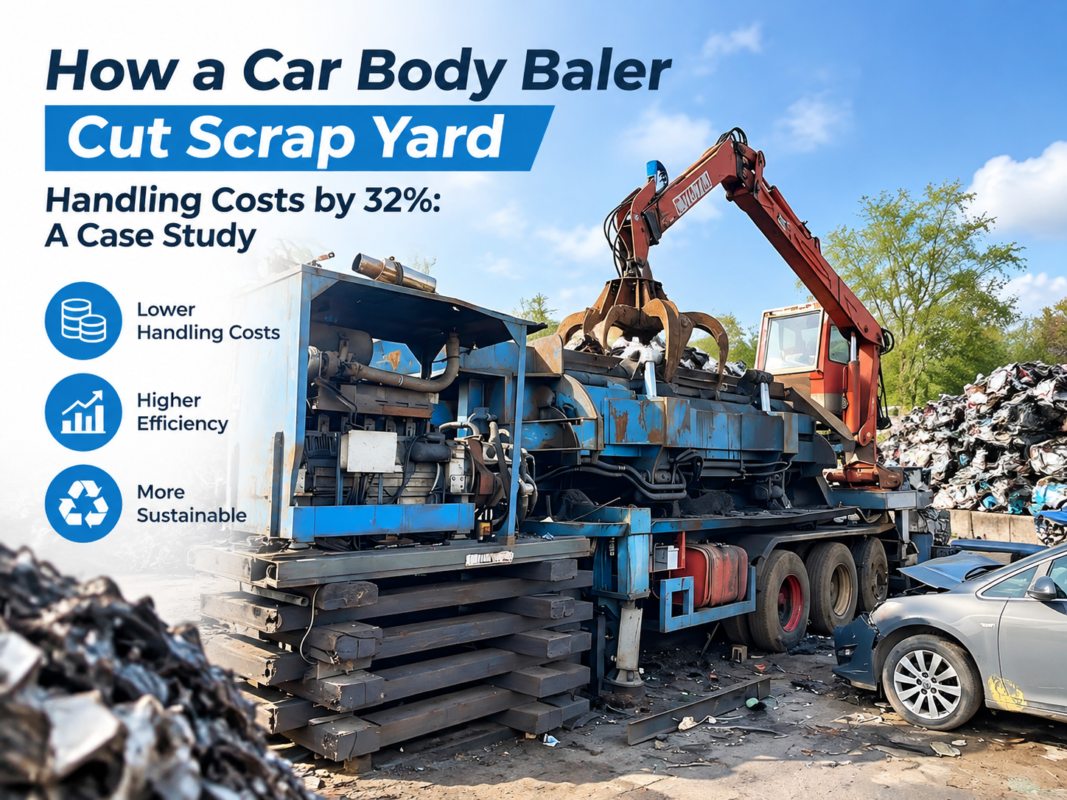
How to Choose the Right Car Body Baler for Automotive Scrap Processing Operations

Technical Overview of Car Body Balers in Modern Recycling
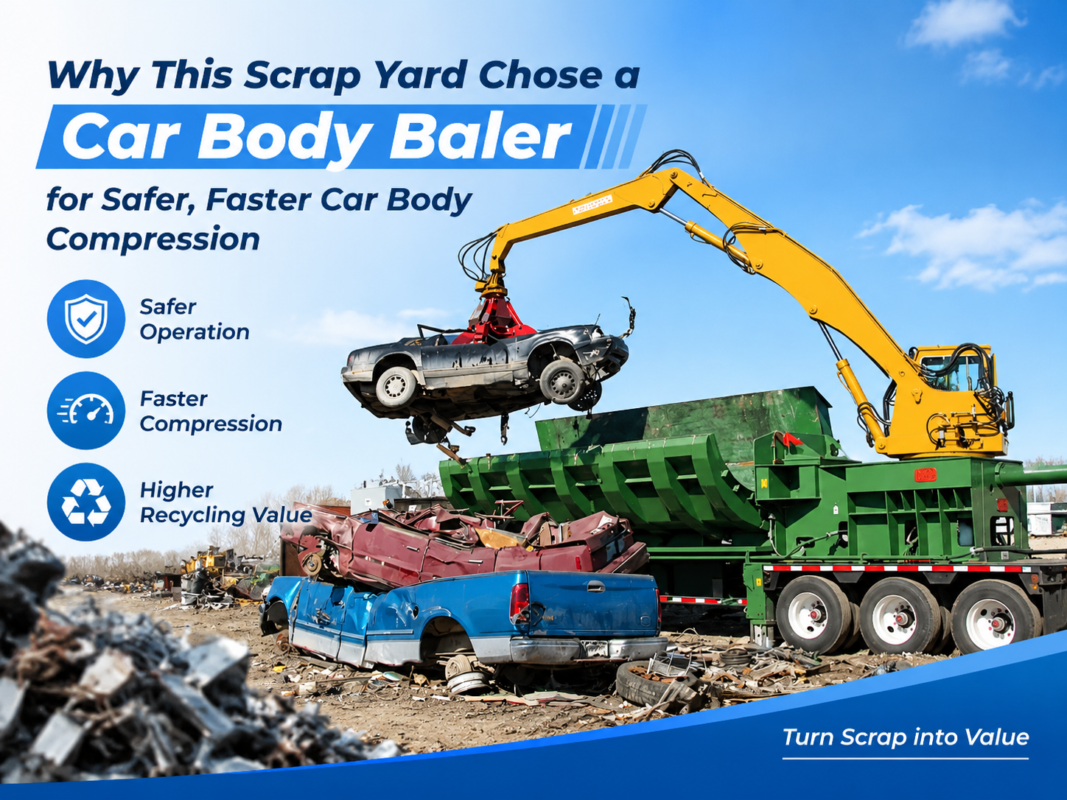
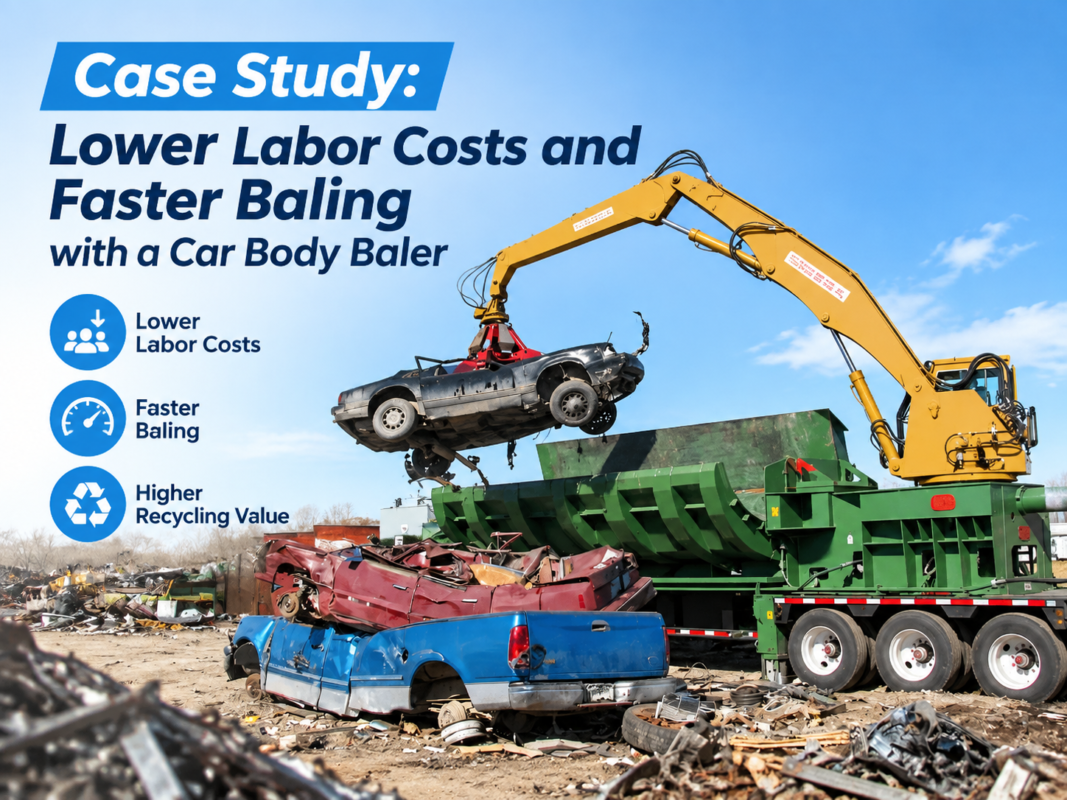
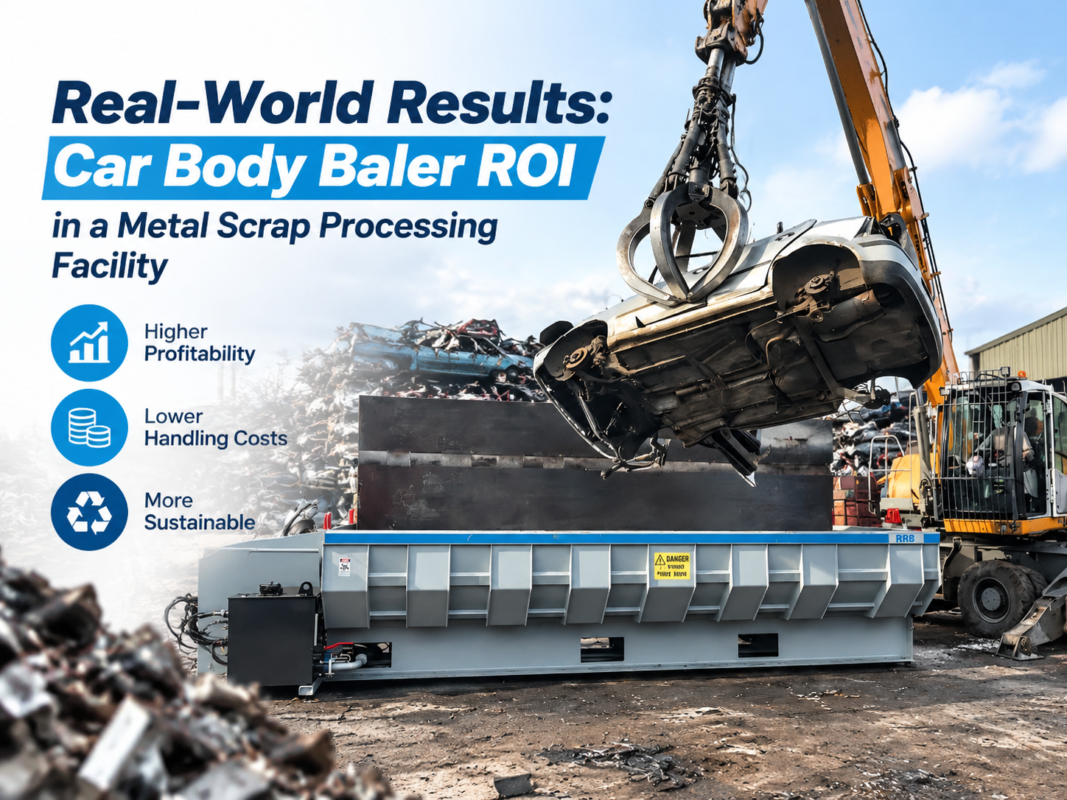
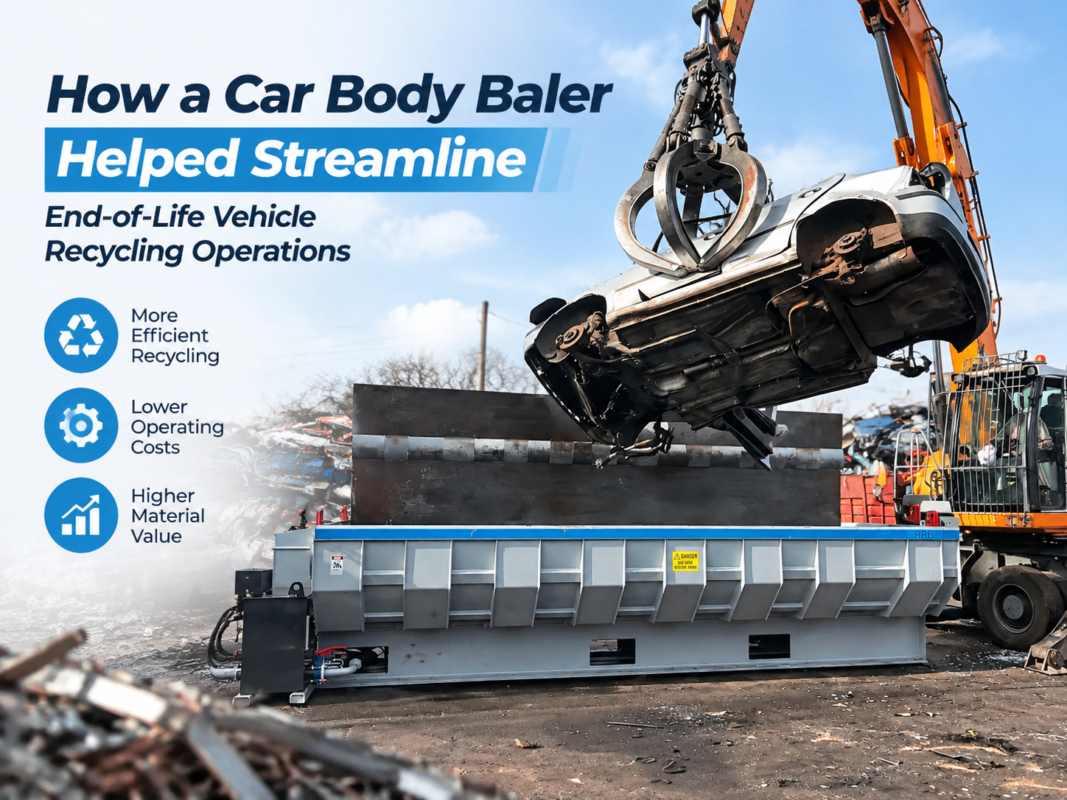
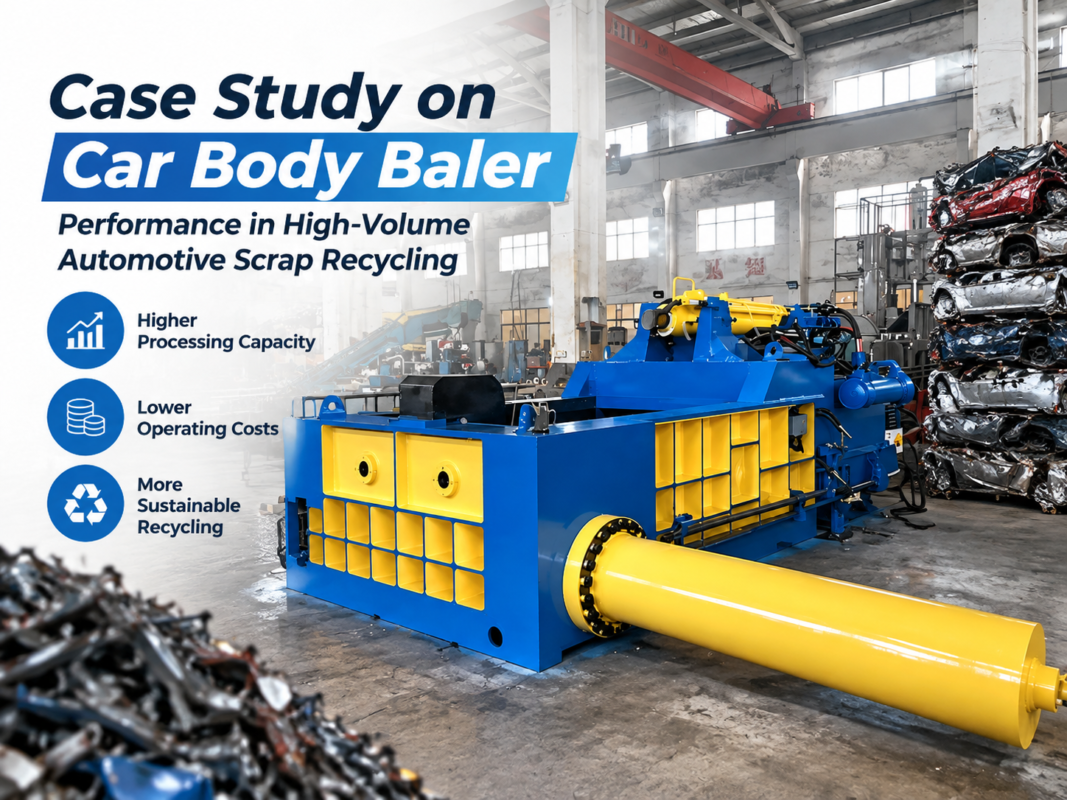
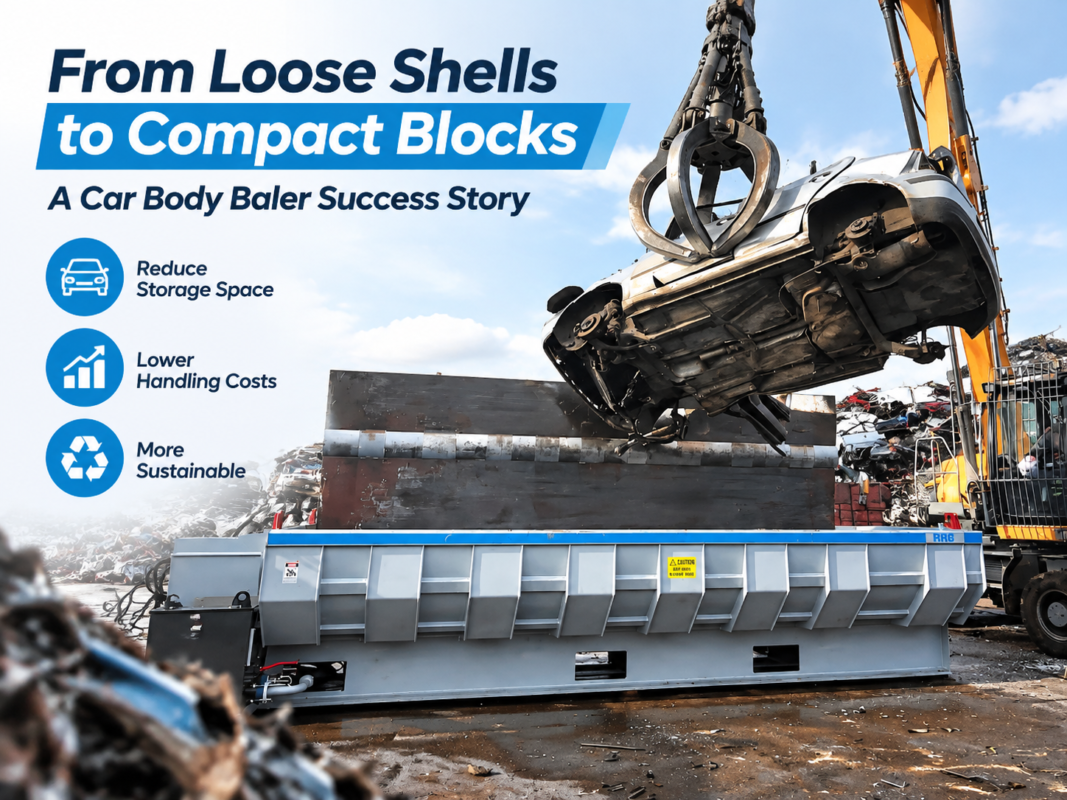
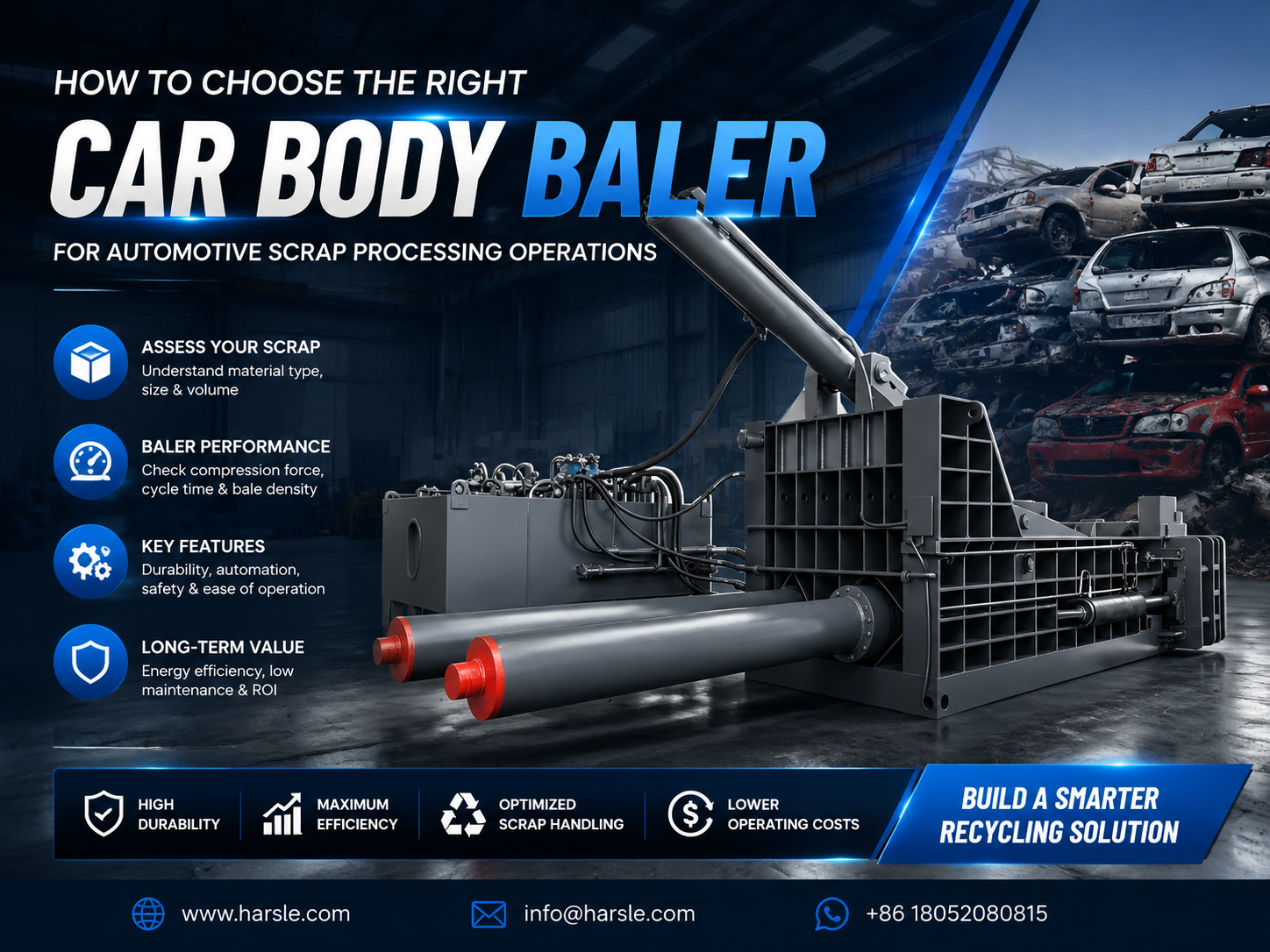
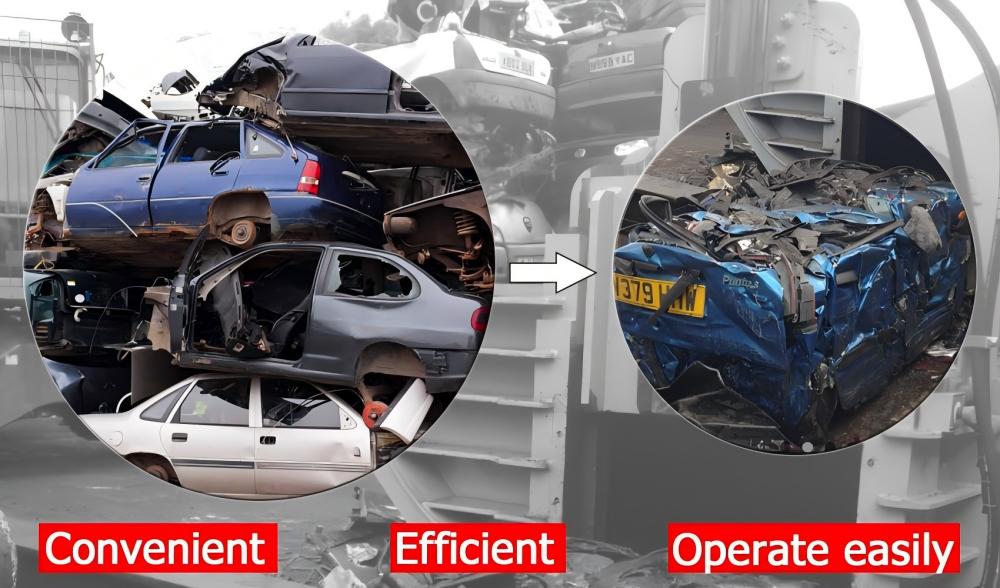
In the rapidly evolving landscape of the global recycling industry, the ability to efficiently process end-of-life vehicles (ELVs) is a cornerstone of profitable operations. To choose car body baler automotive scrap processing operations effectively, one must first understand the sophisticated engineering that drives these machines. A car body baler is not merely a press; it is a high-pressure hydraulic system designed to reduce the massive volume of a hollow automotive frame into a dense, stackable, and transportable cube. This process is essential for maximizing logistics efficiency and meeting the strict density requirements of steel mills and foundries.
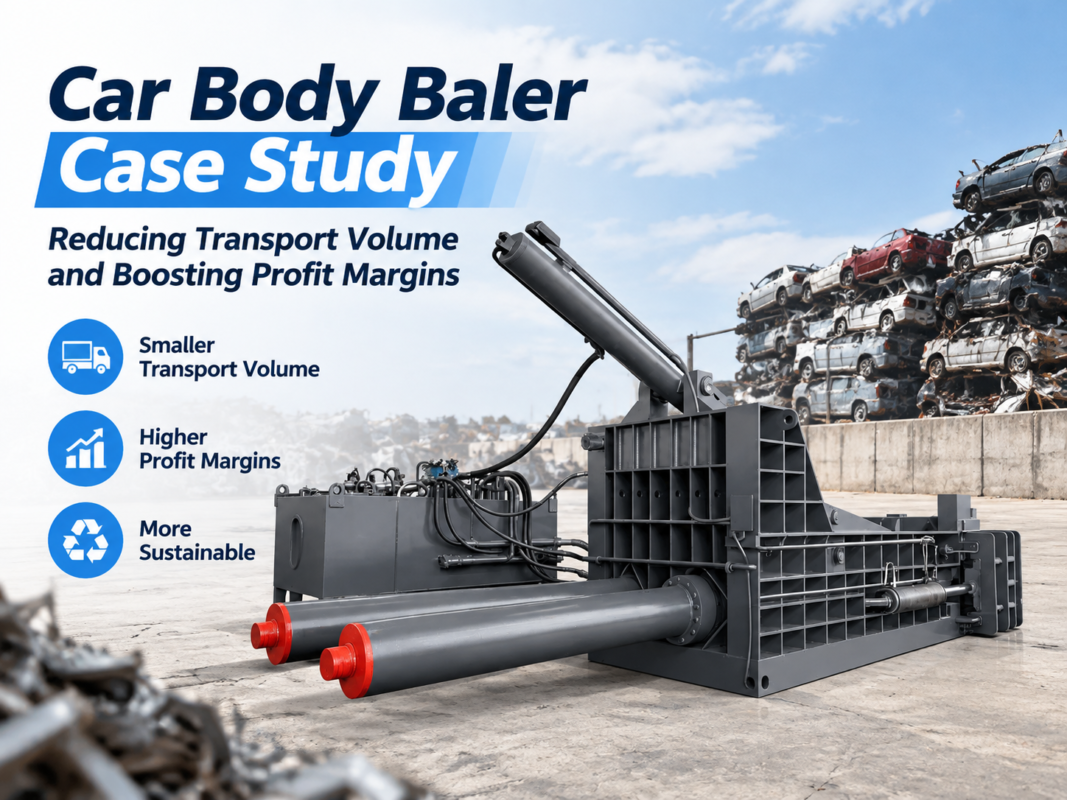
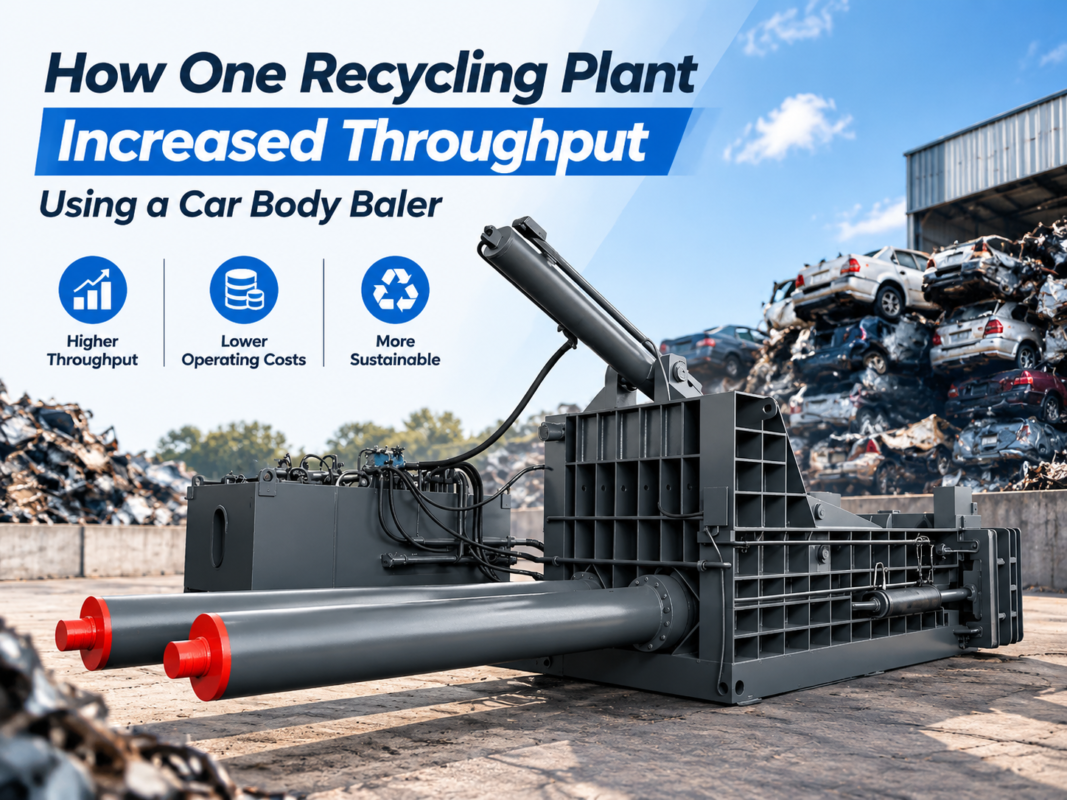
The technical architecture of a HARSLE car body baler typically revolves around a multi-stage compression cycle. Most industrial-grade units utilize a ‘triple compression’ or ‘lid-type’ design. In a lid-type configuration, a massive hydraulic lid descends to provide the initial crush, followed by side rams and a final longitudinal ram that pushes the finished bale out. This multi-axial pressure ensures that the air pockets within the vehicle structure—such as the engine bay, cabin, and trunk—are completely collapsed. The structural integrity of the baler frame is paramount; HARSLE utilizes high-tensile Q345B steel plates, often reinforced with wear-resistant liners like Hardox 500, to withstand the abrasive nature of scrap metal.
Hydraulic efficiency is the heart of the technical overview. Modern balers employ variable displacement pumps and high-pressure logic valves to optimize the flow of hydraulic oil. This allows the machine to move quickly during the ‘no-load’ phase of the cycle and switch to high-torque, slow-speed movement during the final compression phase. This intelligent power management reduces energy consumption while maximizing throughput. Furthermore, the integration of PLC (Programmable Logic Controller) systems allows for automated cycles, reducing the reliance on manual operator skill and ensuring consistent bale density across every shift.
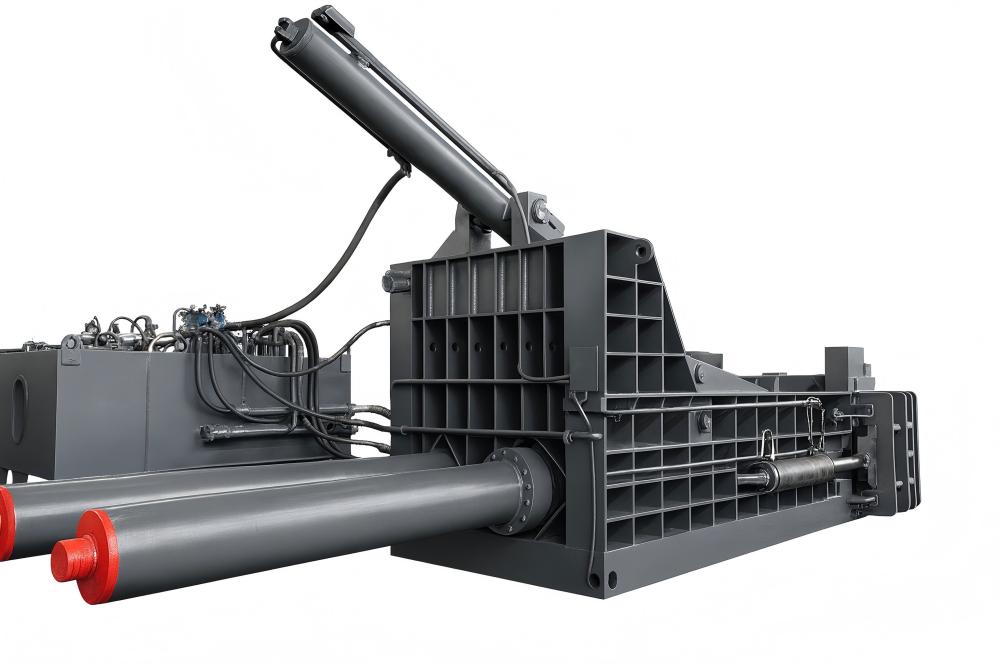
When we look at the mechanical stresses involved, the pivot points and cylinder mounts are the most critical areas. HARSLE engineers these components with oversized pins and self-lubricating bushings to ensure longevity. The cooling system is another vital technical aspect; as hydraulic oil works under immense pressure, it generates heat. An integrated air or water cooling system is necessary to maintain oil viscosity, preventing seal failure and ensuring the machine can operate 24/7 in harsh scrap yard environments. Understanding these technical nuances is the first step to choose car body baler automotive scrap processing operations that will yield long-term ROI.
Core Parameters to Evaluate Before Purchase
Selecting the right machinery requires a deep dive into specific performance metrics. The most critical parameter is the Nominal Pressure, usually measured in Kilonewtons (KN) or Tons. For standard passenger vehicles, a baler with a main cylinder pressure of 250 to 400 tons is typically sufficient. However, for larger SUVs, light trucks, or mixed heavy scrap, operations may require 600 tons or more. The pressure exerted per square inch on the material determines the final density of the bale, which directly impacts the price per ton paid by the steel mill.
The Chamber Size is the next vital parameter. It must be large enough to accommodate a full car body without extensive pre-cutting. A standard chamber length of 5 meters (approx. 16.4 feet) is common for automotive processing. If the chamber is too small, operators waste time using excavators or shears to ‘prep’ the car, which adds labor costs and slows down the entire facility. Conversely, an oversized chamber for small cars leads to inefficient cycle times and wasted energy. Matching the chamber dimensions to your primary feedstock is a key factor when you choose car body baler automotive scrap processing operations.
Cycle Time and Bale Size are the throughput drivers. Cycle time refers to the duration from the moment the lid starts closing to the moment the bale is ejected and the rams return to their starting position. A high-efficiency HARSLE baler might achieve a cycle time of 90 to 120 seconds. Bale size is equally important for logistics; standard bale dimensions (e.g., 600mm x 600mm or 800mm x 800mm) are designed to fit perfectly into shipping containers or onto flatbed trucks. If the bales are too large or irregularly shaped, you will face ‘dead space’ in your transport vehicles, significantly increasing your overhead costs.
Finally, consider the Motor Power and Pump Configuration. A dual-motor system offers redundancy; if one motor requires maintenance, the machine can often still operate at half-speed. High-kilowatt motors (e.g., 45kW x 2 or 60kW x 2) provide the necessary flow rate to keep cycle times low. It is also important to check the electrical compatibility with your local grid, as these machines draw significant current during the peak of the compression stroke. Soft-start or VFD (Variable Frequency Drive) options are highly recommended to prevent power surges and reduce mechanical shock to the hydraulic system.
Calculation Method for Throughput and Efficiency
To accurately choose car body baler automotive scrap processing operations, you must perform a quantitative analysis of your expected production. The most common formula used by plant managers is the Hourly Production Capacity (HPC). This is calculated by determining the weight of an average bale and multiplying it by the number of cycles possible in one hour, accounting for loading and unloading time.
Formula: HPC = (W × 3600) / (Tc + Tl)
Where:
W = Average weight of the car body (e.g., 0.8 to 1.2 tons).
Tc = Machine cycle time in seconds (e.g., 100 seconds).
Tl = Loading and bale removal time in seconds (e.g., 60 seconds).
For example, if you are processing cars weighing 1 ton with a machine cycle of 100 seconds and a loading time of 60 seconds, your HPC would be (1 × 3600) / 160 = 22.5 tons per hour. However, in a real-world scenario, you must apply an ‘Efficiency Factor’ (usually 0.75 to 0.85) to account for operator breaks, material sorting, and minor maintenance. This gives you a realistic expectation of 17-19 tons per hour. If your facility receives 150 tons of scrap per day, a machine with this capacity can finish the workload in a single 8-hour shift.
Another critical calculation is the Bale Density. Steel mills often require a minimum density of 75-100 lbs per cubic foot (approx. 1200-1600 kg/m³). To calculate this, divide the weight of the bale by its volume (Length × Width × Height). If your calculated density is too low, you may need a machine with higher nominal pressure or a smaller final compression chamber. High-density bales not only fetch better prices but also reduce the number of truckloads required to move your inventory, directly boosting your bottom line.
Technical Parameter Table for HARSLE Y81 Series
The following table provides a comparative look at common HARSLE models used in automotive scrap processing. This data serves as a baseline to help you choose car body baler automotive scrap processing operations based on your specific volume requirements.
| Model (Y81 Series) | Nominal Force (KN) | Bale Size (mm) | Chamber Size (mm) | Cycle Time (s) | Production (t/h) |
|---|---|---|---|---|---|
| Y81-250 | 2500 | 500 x 500 | 2000 x 1400 x 900 | 90 – 110 | 4 – 6 |
| Y81-400 | 4000 | 600 x 600 | 2500 x 2000 x 1000 | 100 – 120 | 8 – 12 |
| Y81-630 | 6300 | 700 x 700 | 3000 x 2500 x 1200 | 120 – 150 | 15 – 20 |
| Y81-1000 | 10000 | 800 x 800 | 5000 x 3000 x 1300 | 150 – 180 | 25 – 35 |
Note: The production capacity varies based on the density of the input material and the efficiency of the loading crane. For car bodies, the Y81-400 and Y81-630 are the most popular choices due to their balance of speed and chamber dimensions.
Common Engineering Mistakes in Baler Selection
One of the most frequent mistakes when businesses choose car body baler automotive scrap processing operations is undersizing the machine. While a smaller baler has a lower upfront cost, forcing it to process heavy automotive frames leads to structural fatigue and frequent hydraulic seal failures. If the machine is constantly operating at its maximum relief valve pressure, the oil will overheat, and the frame may eventually crack. It is always better to have 20% more capacity than you currently need to allow for future growth and to ensure the machine operates within its ‘comfort zone’.
Another common error is ignoring the Oil Cooling and Filtration System. In many scrap yards, dust and metal particles are everywhere. If the baler does not have a high-quality offline filtration system, these particles will enter the hydraulic circuit, acting like sandpaper on the cylinder rods and valve spools. Furthermore, in warmer climates, an undersized heat exchanger will cause the machine to shut down due to high oil temperatures, leading to expensive downtime during peak operating hours. Always specify an oversized cooler if you operate in regions with high ambient temperatures.
Neglecting the Loading Method and Site Layout is a logistical mistake that hampers even the best machine. A car body baler is only as fast as the crane that feeds it. If the baler is placed in a corner where the crane has limited maneuverability, the cycle time will be artificially inflated by the loading delay. Additionally, failing to provide a reinforced concrete foundation can lead to the machine shifting under the immense forces of compression. This misalignment can cause the rams to bind or the lid hinges to fail prematurely. Engineering the site is just as important as engineering the machine itself.
Finally, many buyers overlook the Wear Part Accessibility. Car bodies are abrasive. The internal liners of the baler will eventually wear down. If the machine design makes it difficult to replace these liners (e.g., requiring extensive welding or dismantling of the main frame), maintenance will be deferred, leading to damage to the primary structure. HARSLE designs its balers with bolt-on or easily accessible weld-on liners to ensure that routine maintenance is straightforward and cost-effective.
Selection Checklist for Scrap Processing Operations
To ensure you choose car body baler automotive scrap processing operations that align with your business goals, follow this structured selection checklist:
- Define Your Feedstock: Are you processing only passenger cars, or will you include light trucks, buses, and heavy industrial scrap? This dictates the required nominal force and chamber size.
- Verify Throughput Requirements: Calculate your daily tonnage and choose a machine that can handle that volume in 75% of a standard shift.
- Assess Bale Logistics: Check with your local steel mills or exporters for their preferred bale dimensions and density. Ensure the baler can meet these specs consistently.
- Evaluate Hydraulic Components: Request a list of the hydraulic pump and valve brands. High-quality components from reputable manufacturers ensure easier sourcing of spare parts.
- Check Safety Features: Ensure the machine includes emergency stop buttons, safety interlocks on the access doors, and pressure relief valves. Remote control operation is a significant safety plus.
- Foundation and Power Requirements: Confirm that your facility can provide the necessary electrical amperage and that you have a suitable concrete pad for installation.
- After-Sales Support: Investigate the manufacturer’s reputation for technical support and the availability of wear parts like seals, filters, and liners.
- Automation Level: Decide between manual valve control (lower cost, higher operator fatigue) or PLC-based automatic control (higher cost, higher consistency).
Frequently Asked Questions (FAQ)
1. How long does a HARSLE car body baler typically last?
With proper maintenance, including regular oil changes, liner replacements, and lubrication of pivot points, a high-quality car body baler can last 15 to 20 years. The structural frame is designed for long-term fatigue resistance, while the hydraulic components are modular and can be rebuilt or replaced as needed.
2. Can a car body baler process other types of scrap?
Yes, car body balers are highly versatile. They can process ‘white goods’ (appliances), aluminum extrusions, copper wire, and various grades of light melting scrap (LMS). However, they should not be used for heavy structural steel or thick plate unless specifically rated for those materials, as this can damage the lid and rams.
3. What is the difference between a side-push and a turn-out baler?
A side-push baler ejects the finished bale through a door on the side of the machine, which is generally faster and more reliable for heavy car bodies. A turn-out baler (or ‘tipping’ baler) flips the bale out of the chamber. Side-push models are typically preferred for automotive scrap due to the weight and size of the bales.
4. Is remote control necessary for operation?
While not strictly necessary, remote control is highly recommended. It allows the crane operator to trigger the baling cycle from the cab of the loader, eliminating the need for a second person to stand near the machine to operate manual levers. This increases safety and significantly reduces labor costs.
5. How do I maintain the hydraulic oil quality?
Maintaining oil quality involves three steps: using the correct grade of anti-wear hydraulic oil (e.g., ISO VG 46 or 68), ensuring the cooling system is functional to prevent thermal breakdown, and replacing filters every 500-1000 hours of operation. Periodic oil analysis by a lab can also help detect internal component wear before a failure occurs.
6. What kind of foundation is required for a 400-ton baler?
A 400-ton baler typically requires a reinforced concrete pad at least 300mm to 500mm thick, depending on the soil conditions. The foundation must be level to prevent frame twisting. HARSLE provides detailed foundation drawings for each model to ensure proper installation.