Comprehensive Guide: How to Troubleshoot Valve Malfunctions in a Hydraulic Briquetting Machine

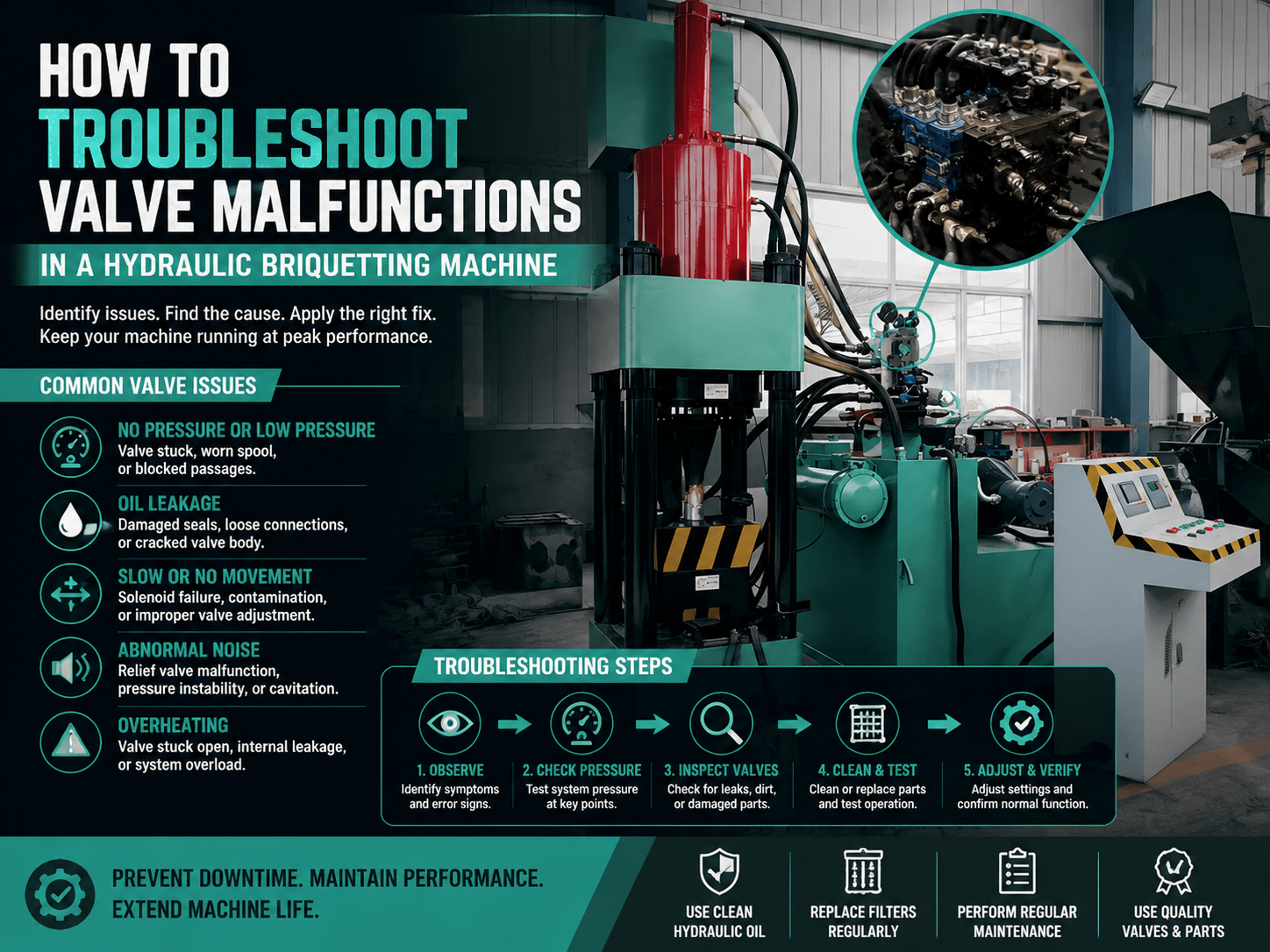
Introduction to Hydraulic Briquetting Machine Valve Systems
In the world of metal fabrication and waste management, the hydraulic briquetting machine stands as a cornerstone of efficiency. By compressing loose metal chips, shavings, and turnings into dense, manageable blocks, these machines facilitate easier transport, storage, and smelting. However, the heart of this powerful equipment is its hydraulic system, and the valves act as the critical control centers. When you need to troubleshoot valve malfunctions in a hydraulic briquetting machine, you are essentially diagnosing the logic and flow of the entire operation.
Hydraulic valves are responsible for directing fluid, regulating pressure, and controlling the flow rate. In a briquetting context, they ensure that the main ram exerts the correct force, the feeding mechanism operates in sync, and the ejection system functions smoothly. A single valve failure can lead to reduced pressure, erratic movements, or a complete machine shutdown. Understanding how these components interact is the first step toward maintaining a high-performance production line.
At HARSLE, we recognize that downtime is the enemy of profitability. Whether you are processing aluminum, steel, or cast iron scrap, maintaining the integrity of your hydraulic valves is paramount. This guide provides an in-depth look at identifying, diagnosing, and resolving valve-related issues to keep your briquetting operations running at peak capacity. We will explore the technical nuances of directional control valves, relief valves, and check valves, providing you with the expertise needed to handle complex industrial troubleshooting.
Key Considerations Before Troubleshooting
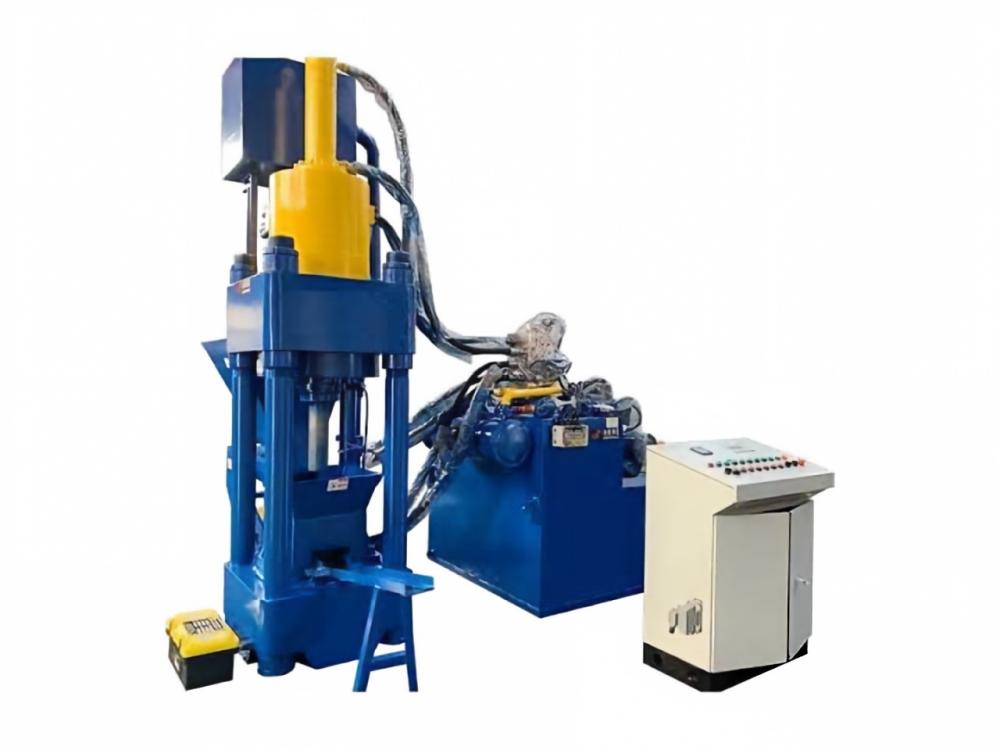
Before diving into the mechanical aspects of how to troubleshoot valve malfunctions in a hydraulic briquetting machine, safety and preparation must be the top priorities. Hydraulic systems operate under immense pressure, often exceeding 3000 PSI (210 bar). Improper handling can lead to fluid injection injuries or mechanical accidents. Always ensure the machine is powered down, the electrical supply is locked out (LOTO), and all residual hydraulic pressure is bled from the system before loosening any fittings.
Another critical consideration is the environment in which the machine operates. Briquetting machines are often exposed to metal dust, coolant residue, and varying temperatures. These external factors significantly impact valve performance. Contamination is the leading cause of valve failure; even microscopic particles can score a valve spool or clog an orifice. Therefore, troubleshooting should always begin with an assessment of the hydraulic fluid’s cleanliness and the condition of the filtration system.
Furthermore, having the correct documentation is essential. A hydraulic schematic is the “map” of your machine. Without it, identifying which valve controls which function becomes a guessing game. Ensure that your maintenance team has access to the original equipment manufacturer (OEM) manuals, which detail the specific pressure settings and solenoid configurations for your HARSLE briquetting machine. Understanding the sequence of operations—from the initial feed to the final compression—allows you to isolate which valve is likely responsible for a specific symptom.
Technical Details: Identifying Common Valve Malfunctions
1. Relief Valve Failures
The relief valve is the primary safety and regulation component. Its job is to limit the maximum pressure in the system. If the machine fails to reach the required briquetting pressure, the relief valve is often the culprit. It may be stuck in the open position due to a broken spring or a piece of debris lodged in the seat. Conversely, if the system pressure spikes dangerously high, the relief valve might be stuck closed or improperly adjusted. Troubleshooting involves checking the pressure gauge while the machine is under load and adjusting the setting to see if the system responds accordingly.
2. Directional Control Valve (DCV) Issues
Directional control valves manage the movement of the hydraulic cylinders. Common symptoms of DCV malfunction include the ram failing to extend or retract, or moving sluggishly. These valves are typically solenoid-operated. Troubleshooting starts with the electrical side: is the solenoid coil receiving the correct voltage? If the electrical signal is present but the valve doesn’t shift, the internal spool may be jammed by contamination or heat-induced expansion. Manual overrides on the valve body can be used to test if the spool moves mechanically.
3. Check Valve and Flow Control Problems
Check valves allow fluid to flow in only one direction. In a briquetting machine, they are often used to maintain pressure during the compression cycle. If a check valve leaks internally, the ram may “drift” or lose pressure during the hold phase. Flow control valves, on the other hand, regulate the speed of the cylinders. If the machine’s cycle time has suddenly increased, the flow control valve may be clogged or its needle adjustment may have vibrated out of position.
| Symptom | Potential Valve Cause | Diagnostic Action |
|---|---|---|
| Low Compression Force | Main Relief Valve | Check pressure gauge; inspect valve seat for debris. |
| Ram Fails to Move | Solenoid Directional Valve | Test solenoid coil continuity; check for spool jam. |
| Erratic/Jerky Movement | Air in System / Flow Control | Bleed air from cylinders; inspect flow control settings. |
| Pressure Drop During Hold | Pilot-Operated Check Valve | Inspect seals and seating surfaces for wear. |
| Excessive Heat in Valve Block | Internal Leakage / Bypass | Use thermal camera to find localized hot spots. |
Step-by-Step Troubleshooting Process
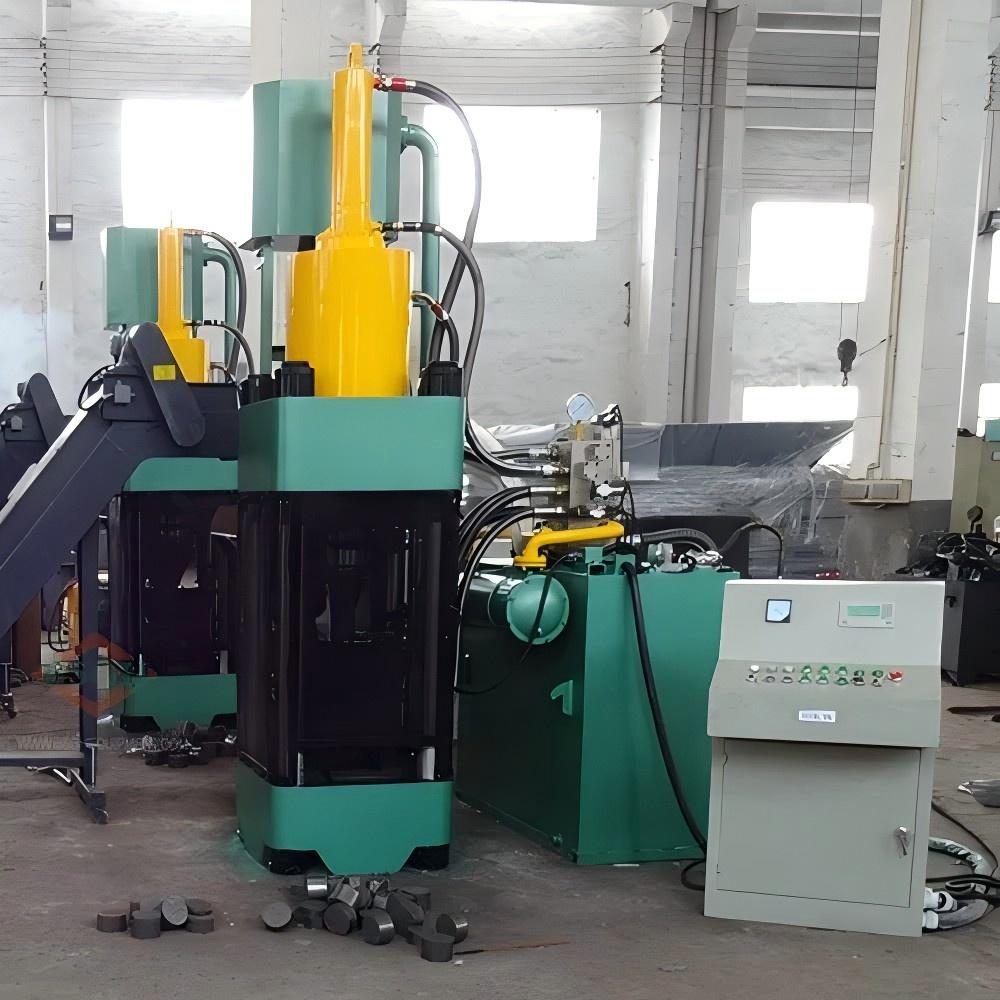
To effectively troubleshoot valve malfunctions in a hydraulic briquetting machine, follow a logical, deductive process. Start with the easiest and least invasive checks before moving to component disassembly.
- Visual and Auditory Inspection: Listen for unusual noises like whining or chattering, which often indicate cavitation or a vibrating relief valve spring. Look for external leaks around valve manifolds and solenoid seals.
- Check Hydraulic Fluid: Verify the oil level and color. Milky oil indicates water contamination, while dark, burnt-smelling oil suggests overheating. Both conditions lead to premature valve wear.
- Test Electrical Signals: Use a multimeter to ensure the PLC (Programmable Logic Controller) is sending the correct signal to the valve solenoids. A faulty relay or a loose wire is often mistaken for a mechanical valve failure.
- Pressure Testing: Install pressure gauges at various points in the circuit. By comparing the pump outlet pressure with the pressure at the cylinder ports, you can identify where the pressure loss is occurring.
- Isolate and Clean: If a specific valve is suspected, remove it from the manifold. Disassemble it carefully in a clean environment. Clean all parts with a suitable solvent, inspect the spool and bore for scratches, and replace any worn O-rings or seals.
Selection Advice for Replacement Valves
When troubleshooting reveals that a valve is beyond repair, selecting the right replacement is critical for restoring the machine’s performance. Not all valves are created equal, and using an incorrect component can lead to system inefficiency or even catastrophic failure. When sourcing parts for your hydraulic briquetting machine, consider the following factors:
Pressure and Flow Ratings: Ensure the replacement valve is rated for the maximum operating pressure of your machine. A valve with an insufficient pressure rating may burst or leak. Similarly, the flow rating (GPM or LPM) must match the pump’s output to prevent excessive backpressure and heat generation.
Spool Configuration: For directional control valves, the internal spool configuration (e.g., tandem center, open center, closed center) must be identical to the original. The wrong spool type will change how the fluid behaves when the valve is in the neutral position, potentially causing the ram to move unexpectedly or the pump to overheat.
Material and Seal Compatibility: Briquetting machines often operate in harsh environments. Ensure the valve body material and the internal seals (Viton, Buna-N, etc.) are compatible with the type of hydraulic fluid you are using, especially if you use fire-resistant or synthetic fluids. HARSLE machines are designed with high-grade components, and we recommend using OEM-spec parts to maintain the warranty and performance standards.
Mounting Interface: Most industrial valves follow standard mounting patterns, such as CETOP or ISO standards. Verify the footprint (e.g., NG6, NG10) to ensure the valve fits perfectly onto your existing manifold without the need for adapters that could introduce new leak points.
Maintenance Tips to Prevent Valve Malfunctions
Proactive maintenance is the best way to avoid the need to troubleshoot valve malfunctions in a hydraulic briquetting machine. A well-maintained system rarely suffers from sudden valve failure. Implement a strict oil analysis program to monitor for particulate contamination and chemical breakdown. Changing filters according to the manufacturer’s schedule—or even more frequently in dusty environments—is the single most effective way to protect your valves.
Temperature control is another vital factor. Hydraulic oil loses its viscosity as it heats up, leading to increased internal leakage within the valves. Ensure that the machine’s cooling system (air or water-cooled) is functioning correctly and that the heat exchanger fins are clean. Additionally, periodically check the tightness of all electrical connections to the solenoids, as vibration from the briquetting process can loosen terminals over time, leading to intermittent valve operation.
Frequently Asked Questions (FAQ)
Why is my briquetting machine losing pressure during the cycle?
Pressure loss is usually caused by internal leakage. This can occur in the main relief valve, the cylinder seals, or a pilot-operated check valve. If the relief valve is worn or contaminated, it may be bypassing fluid back to the tank before the target pressure is reached. Inspecting the valve seat and testing the cylinder for bypass are the first steps.
What causes a hydraulic valve to make a loud buzzing sound?
A buzzing or humming sound from a solenoid valve often indicates an electrical issue, such as low voltage or a failing coil. It can also be caused by a mechanical obstruction that prevents the armature from fully seating. In relief valves, a high-pitched whine usually indicates “chatter,” where the valve is opening and closing rapidly due to pressure fluctuations or a weakened spring.
How often should I replace the hydraulic valves?
There is no fixed timeline for valve replacement. Valves are designed to last for millions of cycles. However, their lifespan is directly tied to oil cleanliness. With proper filtration and cooling, valves can last for many years. Replacement should only be necessary when troubleshooting confirms internal wear, physical damage, or consistent failure to hold pressure that cannot be resolved by cleaning.
Can I clean a stuck valve spool myself?
Yes, but it must be done with extreme care. Use a clean, lint-free workspace. Do not use abrasive materials like sandpaper on the spool or bore, as this will destroy the precision tolerances and cause permanent leakage. Use a fine scotch-brite pad only if absolutely necessary to remove minor varnish, and always lubricate the spool with clean hydraulic oil before reassembly.
Conclusion
The ability to troubleshoot valve malfunctions in a hydraulic briquetting machine is an invaluable skill for any industrial maintenance team. By understanding the roles of relief, directional, and check valves, and by following a systematic diagnostic approach, you can significantly reduce downtime and extend the life of your equipment. Remember that most valve issues are symptoms of larger systemic problems, primarily fluid contamination and overheating.
At HARSLE, we are committed to providing not only world-class metal fabrication machinery but also the knowledge required to keep that machinery running efficiently. Regular maintenance, coupled with a deep understanding of hydraulic principles, ensures that your briquetting machine remains a productive asset for years to come. If you encounter complex issues that go beyond standard troubleshooting, always consult with professional technicians or the HARSLE support team to ensure the safety and integrity of your industrial operations.