Comprehensive Guide to Hydraulic Briquetting Machine Hydraulic Pump Problems: Symptoms and Solutions

Introduction to Hydraulic Briquetting Machine Pump Systems
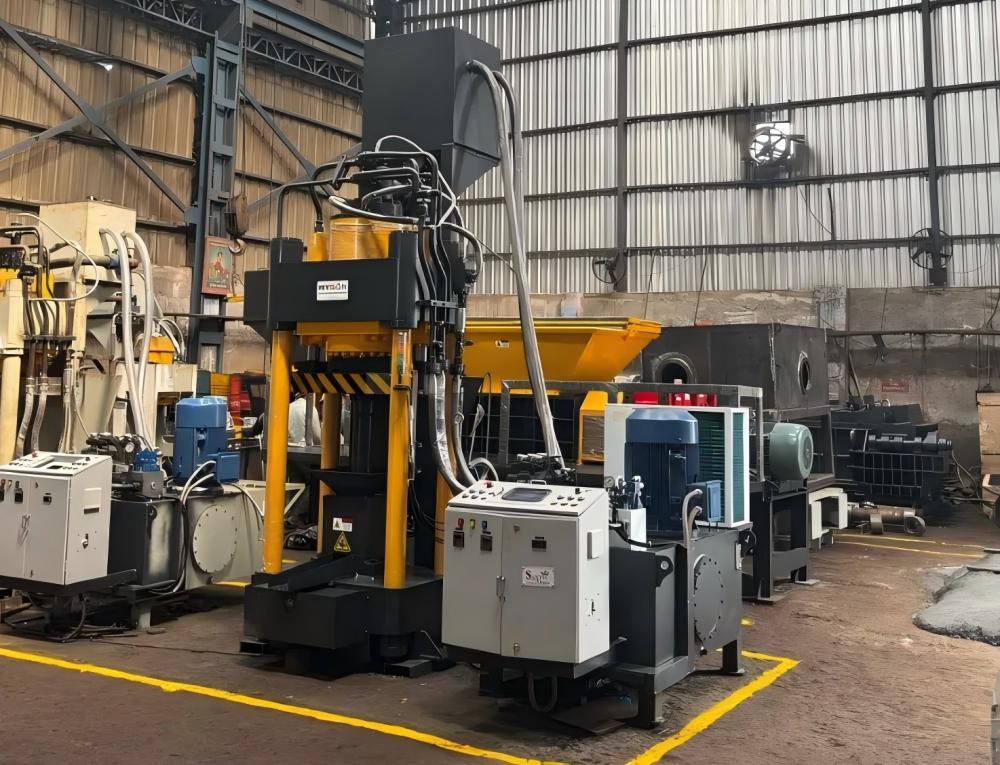
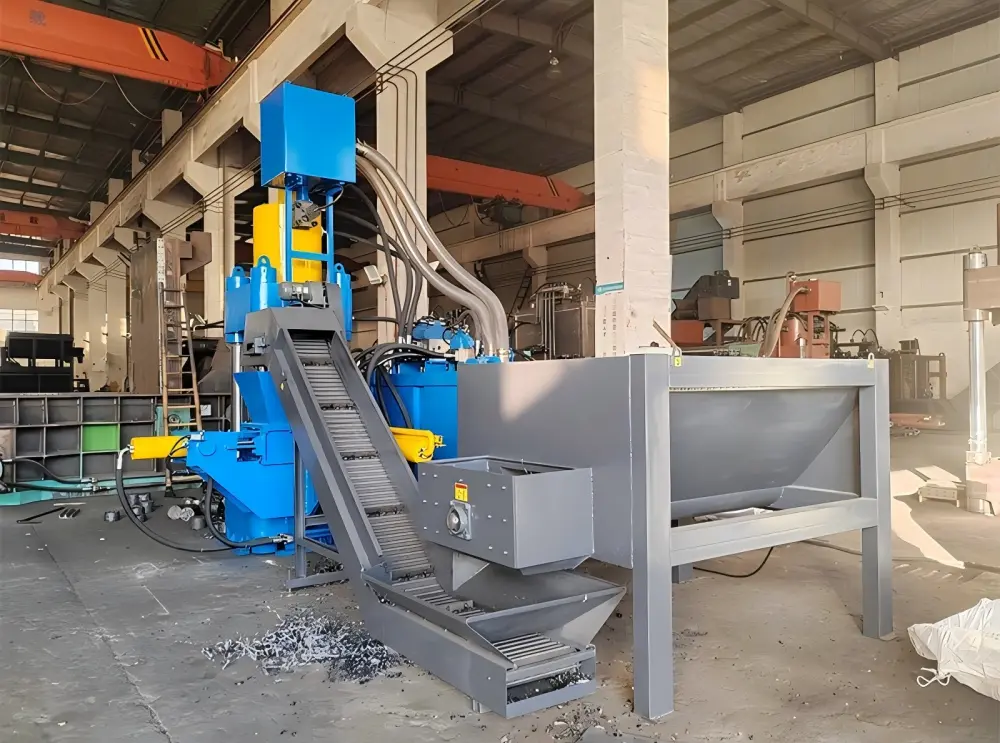
In the realm of metal recycling and waste management, the hydraulic briquetting machine stands as a cornerstone of efficiency. These machines are designed to compress metal chips, shavings, and turnings into dense, manageable briquettes, significantly reducing volume and increasing the value of scrap material. At the heart of this powerful operation lies the hydraulic pump. The pump is responsible for converting mechanical energy into hydraulic energy, providing the necessary flow and pressure to drive the heavy-duty cylinders that crush metal into solid blocks.
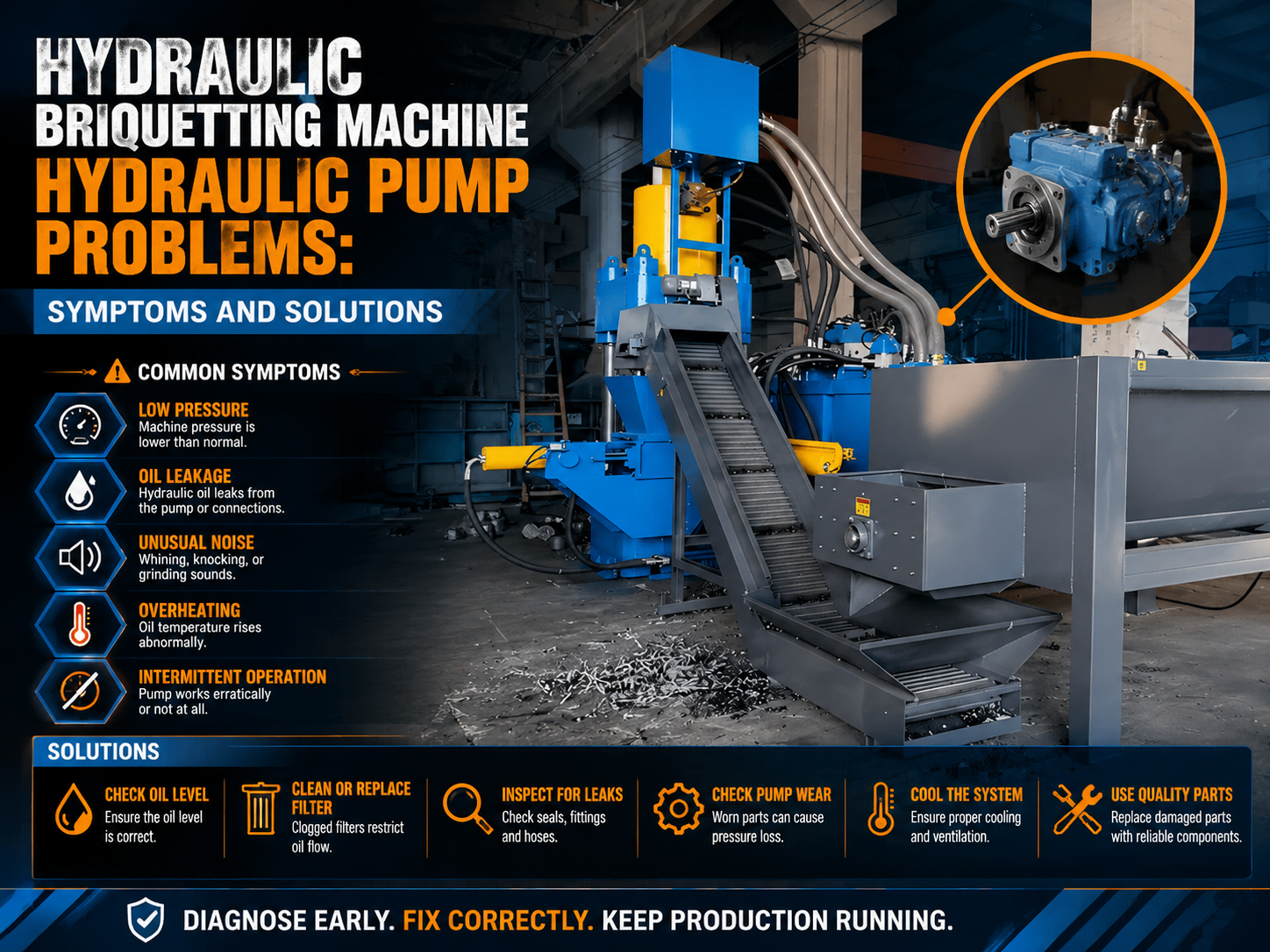
However, because the hydraulic pump operates under extreme pressure and often in harsh industrial environments, it is susceptible to wear and tear. When a pump begins to fail, the entire production line can grind to a halt. Understanding the nuances of Hydraulic Briquetting Machine Hydraulic Pump Problems: Symptoms and Solutions is not just a matter of maintenance; it is a critical skill for ensuring operational longevity and maximizing Return on Investment (ROI). A malfunctioning pump doesn’t just stop the machine; it can lead to catastrophic failures in other components like valves, seals, and cylinders if left unaddressed.
HARSLE, a leader in metal fabrication machinery, emphasizes that proactive diagnostics are the key to avoiding expensive downtime. This guide delves deep into the technical aspects of hydraulic pump failure, providing operators and maintenance teams with a roadmap to identify symptoms early and implement effective solutions. Whether you are dealing with a vertical or horizontal briquetting press, the principles of hydraulic health remain constant.
Key Considerations for Hydraulic Pump Health
Before diving into specific troubleshooting steps, it is essential to understand the factors that influence the health of a hydraulic pump in a briquetting environment. Unlike standard hydraulic presses, briquetting machines often operate in high-cycle environments where the pump is constantly loading and unloading. This creates thermal stress and mechanical fatigue that can accelerate component degradation.
The first consideration is fluid cleanliness. Metal fabrication environments are inherently dusty and filled with microscopic metal particles. If these contaminants enter the hydraulic reservoir, they act as an abrasive paste inside the pump, scouring the precision-machined surfaces of gears, vanes, or pistons. Regular oil analysis and high-quality filtration systems are non-negotiable for pump longevity.
Secondly, operating temperature plays a vital role. Hydraulic oil is designed to operate within a specific viscosity range. If the pump is forced to work with oil that is too hot, the fluid thins out, losing its lubricating properties and leading to metal-on-metal contact. Conversely, oil that is too cold can cause cavitation during startup. Maintaining a stable thermal environment through heat exchangers or cooling fans is critical for the pump’s internal seals and bearings.
Lastly, system pressure settings must be correctly calibrated. Many operators attempt to increase the briquette density by cranking up the relief valve pressure beyond the pump’s rated capacity. This “over-pressurization” leads to internal leakage (slippage) and premature bearing failure. Always adhere to the manufacturer’s specifications provided by HARSLE to ensure the pump operates within its efficiency curve.
Technical Details: Common Symptoms and Solutions
1. Excessive Noise and Vibration
One of the most common symptoms of hydraulic pump problems is an unusual noise. While hydraulic systems are naturally loud, certain sounds indicate specific failures. A high-pitched whining or shrieking sound often points to cavitation. This occurs when the pump cannot get enough oil, causing vacuum bubbles to form and implode against the metal surfaces. This can be caused by a clogged suction strainer, a collapsed intake hose, or oil that is too viscous.
Solution: Inspect the suction line for any restrictions. Clean or replace the suction filters and ensure the intake pipe is not drawing air. If the oil is too thick due to cold temperatures, implement a pre-heating cycle before full operation.
Another noise to watch for is a “rattling” or “marbles in a can” sound, which usually indicates aeration. This happens when air enters the system through a leak in the suction side or a low oil level in the reservoir. Air in the oil causes erratic movement and can destroy the pump’s internal components through localized overheating.
Solution: Check the oil level in the reservoir and top it up if necessary. Inspect all fittings on the suction side for tightness. Use a soapy water test or ultrasonic leak detector to find pinhole leaks in the intake hoses.
2. Loss of Pressure or Slow Operation
If your briquetting machine is taking longer to complete a cycle or failing to reach the required tonnage to form a solid briquette, the pump may be experiencing internal leakage. As pumps age, the clearances between moving parts (like the cylinder block and valve plate in a piston pump) increase. This allows high-pressure oil to bypass the output and flow back to the suction side or the case drain.
Solution: Perform a flow test. If the pump’s output flow drops significantly as pressure increases, the pump is worn and requires a rebuild or replacement. Additionally, check the system’s relief valve; a stuck-open relief valve will mimic pump failure by diverting flow back to the tank.
3. Overheating of the Hydraulic Fluid
Excessive heat is both a symptom and a cause of pump failure. If the pump casing is too hot to touch (typically above 60-70°C), it indicates that energy is being wasted as heat rather than being converted into fluid power. This is often caused by mechanical friction or fluid bypass. When oil escapes through worn internal clearances, it generates heat due to the pressure drop.
Solution: Check the cooling system (air or water coolers) for blockages. If the cooling system is functional but the oil remains hot, the pump is likely bypassing internally. Replacing worn wear plates or piston rings can restore efficiency and reduce heat generation.
4. Fluid Leaks and External Contamination
Visible oil leaks around the pump shaft or housing bolts are clear indicators of seal failure. A leaking shaft seal not only loses oil but can also allow air to be sucked into the pump, leading to the aeration mentioned earlier. Leaks are often caused by shaft misalignment or excessive case pressure.
Solution: Replace the shaft seals and check the alignment between the electric motor and the pump. Ensure the coupling is in good condition. Also, verify that the case drain line is not restricted, as backpressure in the pump case will blow out the shaft seal.
Selection Advice for Replacement Pumps
When a pump is beyond repair, selecting the right replacement is vital for the continued performance of your hydraulic briquetting machine. Not all pumps are created equal, and the choice depends on your specific application requirements.
- Gear Pumps: These are the most common for smaller, budget-friendly briquetting machines. They are robust and dirt-tolerant but generally less efficient at very high pressures. If your machine operates at lower tonnages, a high-quality gear pump is a cost-effective choice.
- Vane Pumps: Known for their quiet operation and medium pressure capabilities. They are excellent for environments where noise reduction is a priority. However, they are more sensitive to contamination than gear pumps.
- Piston Pumps: These are the gold standard for high-pressure, high-efficiency briquetting presses. Variable displacement piston pumps can adjust their output flow based on demand, saving energy and reducing heat. While more expensive, they offer the longest life and best performance for industrial-scale recycling.
When purchasing from HARSLE or other reputable suppliers, ensure the pump’s displacement (cc/rev) and pressure rating match your machine’s original specifications. Upgrading to a pump with a higher flow rate might seem beneficial, but it can lead to excessive fluid velocity, turbulence, and overheating if the rest of the system (valves and hoses) isn’t sized to handle it.
Maintenance Checklist for Preventing Pump Problems
To avoid the symptoms discussed above, implement a rigorous maintenance schedule. Use the following checklist as a guide:
| Frequency | Task | Objective |
|---|---|---|
| Daily | Check oil level and temperature | Prevent cavitation and overheating |
| Weekly | Inspect hoses and fittings for leaks | Prevent aeration and fluid loss |
| Monthly | Check pump/motor alignment | Prevent bearing and seal wear |
| Quarterly | Oil analysis and filter replacement | Remove abrasive contaminants |
| Annually | System pressure calibration | Ensure pump operates within design limits |
Frequently Asked Questions (FAQ)
Why is my briquetting machine losing power after an hour of work?
This is a classic symptom of oil thinning due to heat. As the oil heats up, its viscosity drops. If the pump is worn, the thinner oil leaks through internal clearances more easily, causing a drop in pressure and power. Check your cooling system and inspect the pump for internal wear.
Can I use any hydraulic oil in my HARSLE briquetting machine?
No. You must use the oil grade specified in the manual (usually ISO VG 46 or 68). Using the wrong viscosity can lead to cavitation (if too thick) or poor lubrication and internal leakage (if too thin). Always use high-quality anti-wear (AW) hydraulic fluid.
How do I know if the noise is coming from the pump or the motor?
Use a mechanic’s stethoscope or a long screwdriver held against your ear to pinpoint the source. If the noise is a deep hum, it’s likely the motor (possibly a bearing). If it’s a sharp whine or rhythmic knocking, it’s almost certainly the hydraulic pump.
Is it better to repair or replace a failing pump?
This depends on the extent of the damage. For gear pumps, replacement is usually more economical. For expensive piston pumps, a professional rebuild with genuine parts can save 40-60% of the cost of a new unit. However, if the pump housing is scored or cracked, replacement is the only option.
Conclusion
The hydraulic pump is the lifeblood of any metal briquetting operation. By understanding the Hydraulic Briquetting Machine Hydraulic Pump Problems: Symptoms and Solutions, operators can transform from reactive fixers to proactive managers of their machinery. Recognizing the early warning signs of noise, heat, and pressure loss allows for planned maintenance that prevents the catastrophic failures that lead to weeks of downtime.
HARSLE remains committed to providing not only world-class metal fabrication equipment but also the technical knowledge required to keep that equipment running at peak performance. Regular maintenance, clean oil, and a keen ear for changes in machine behavior are your best defenses against pump failure. By following the guidelines in this article, you ensure that your briquetting machine continues to turn scrap into profit efficiently and reliably for years to come.