How to Choose an Alligator Shear for Steel, Rebar, and Scrap Metal Applications

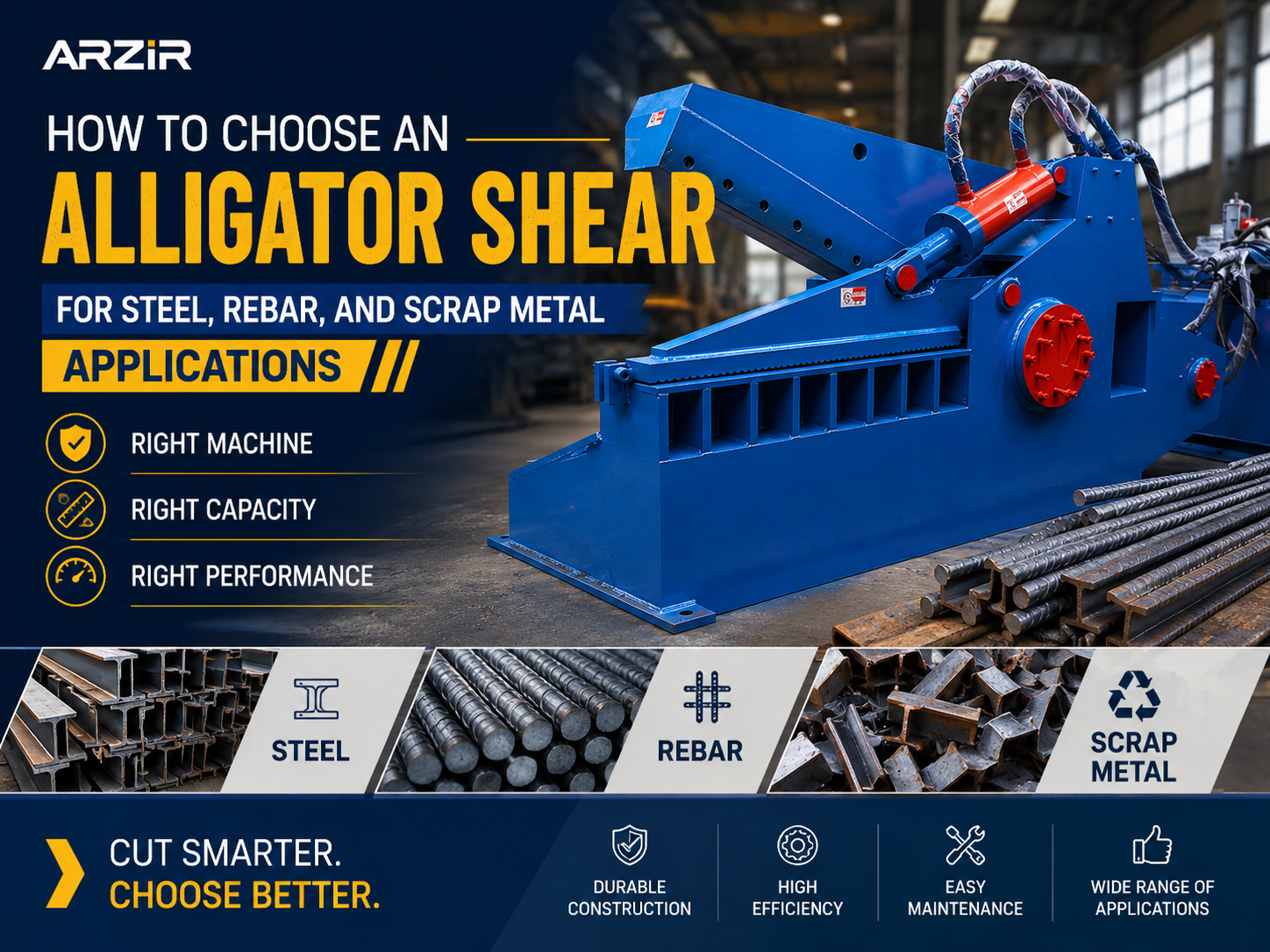
Introduction to Alligator Shears in Metal Recycling
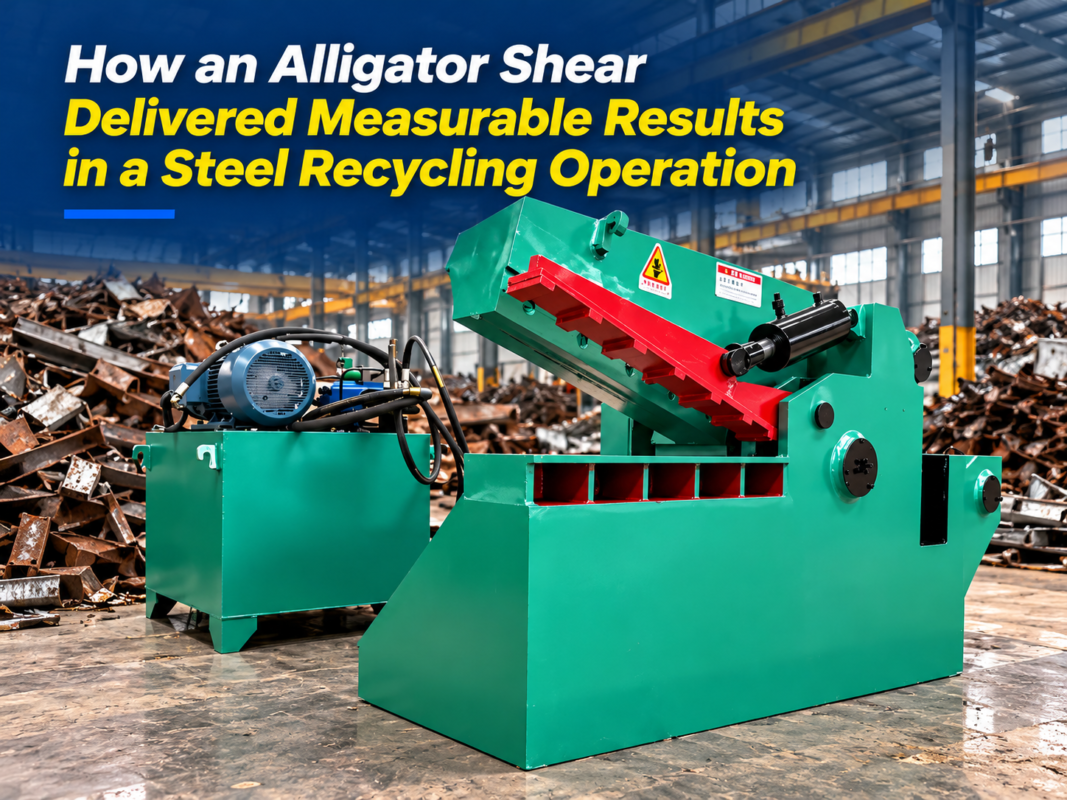
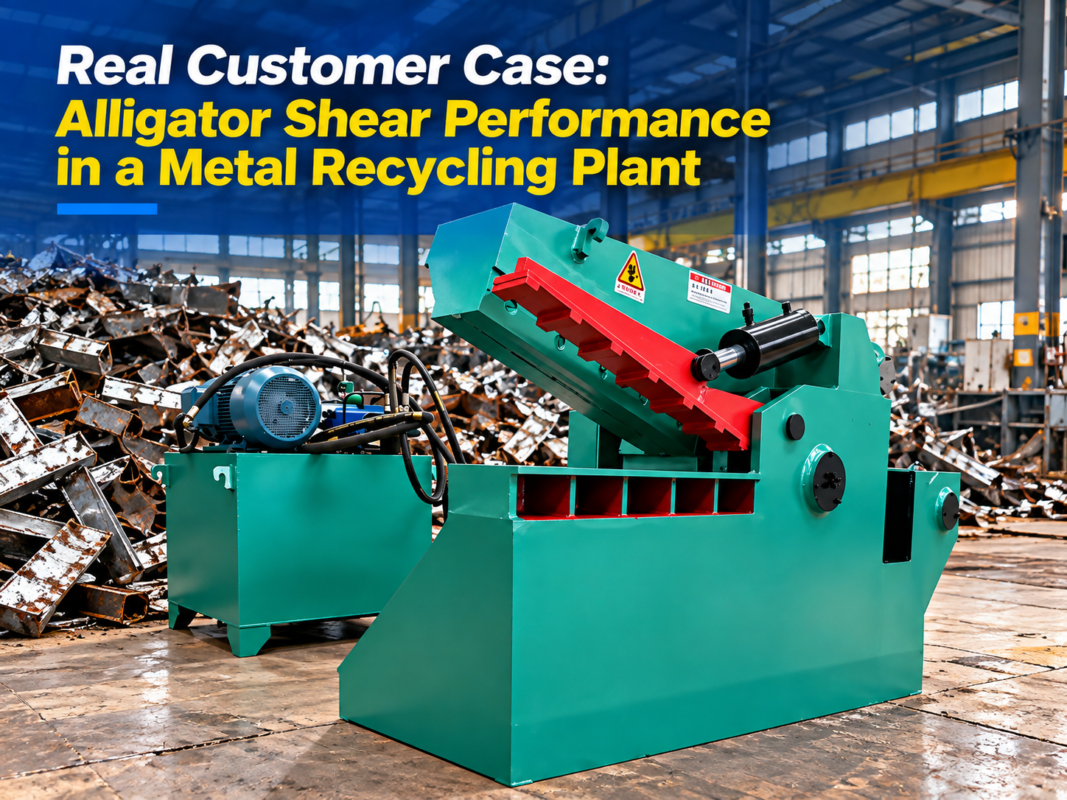
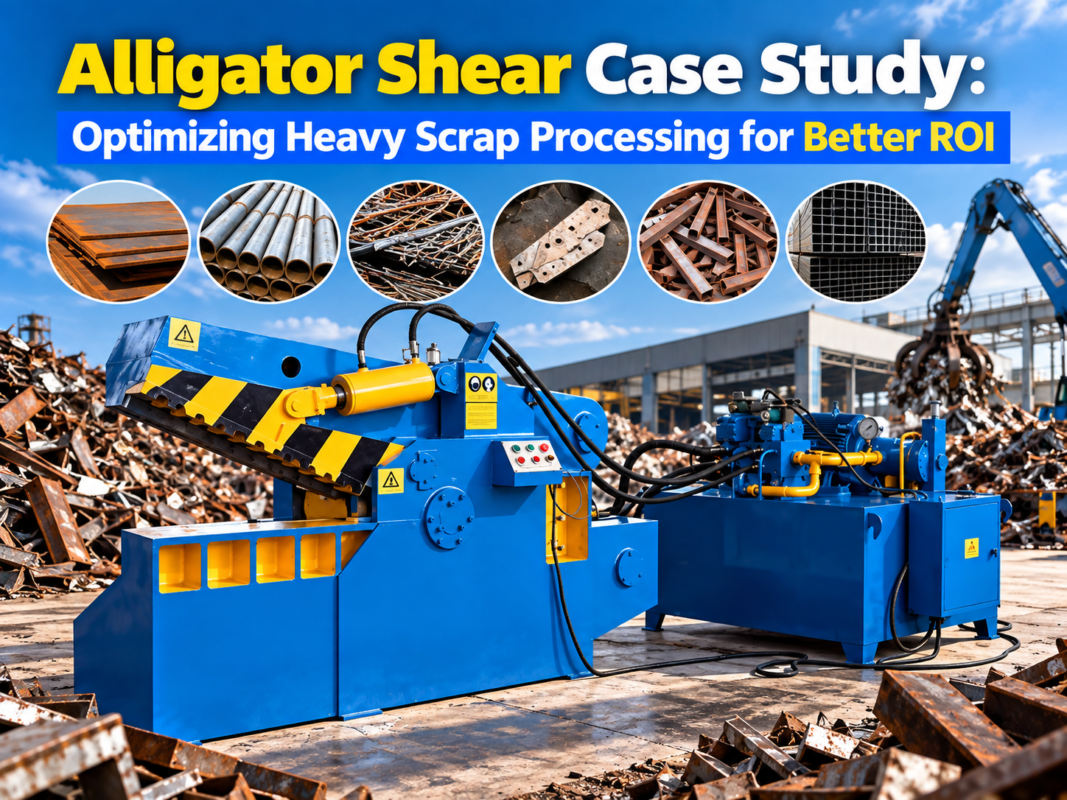
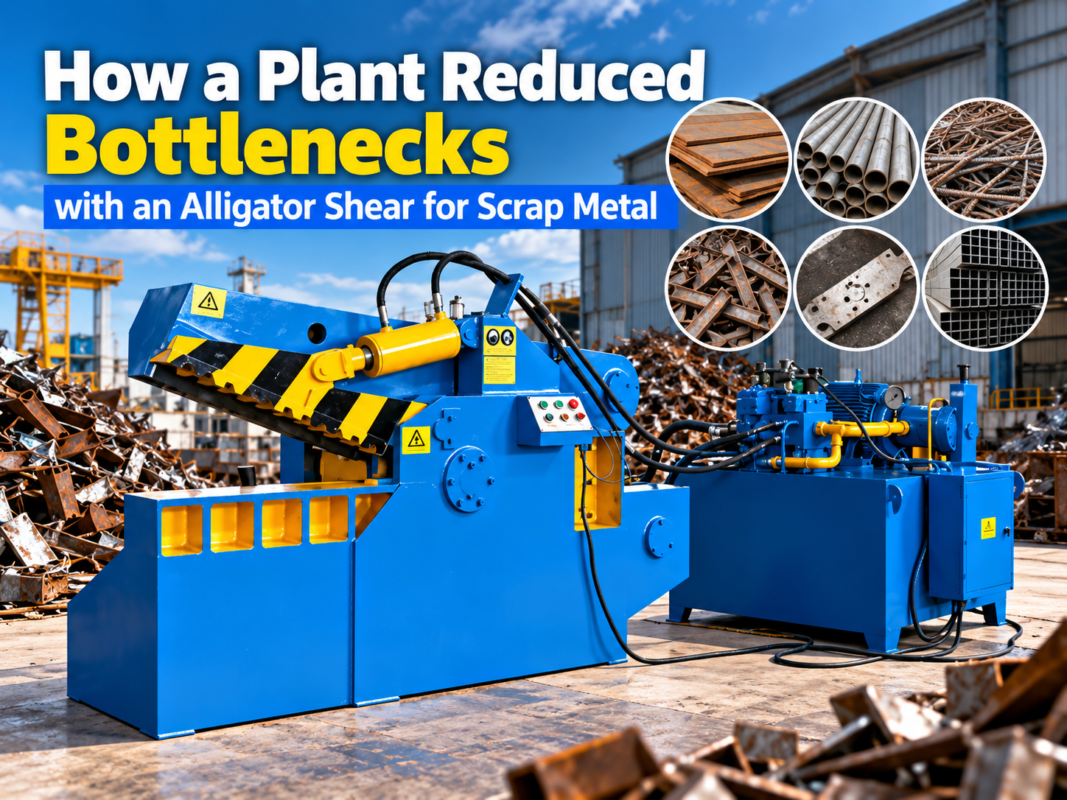
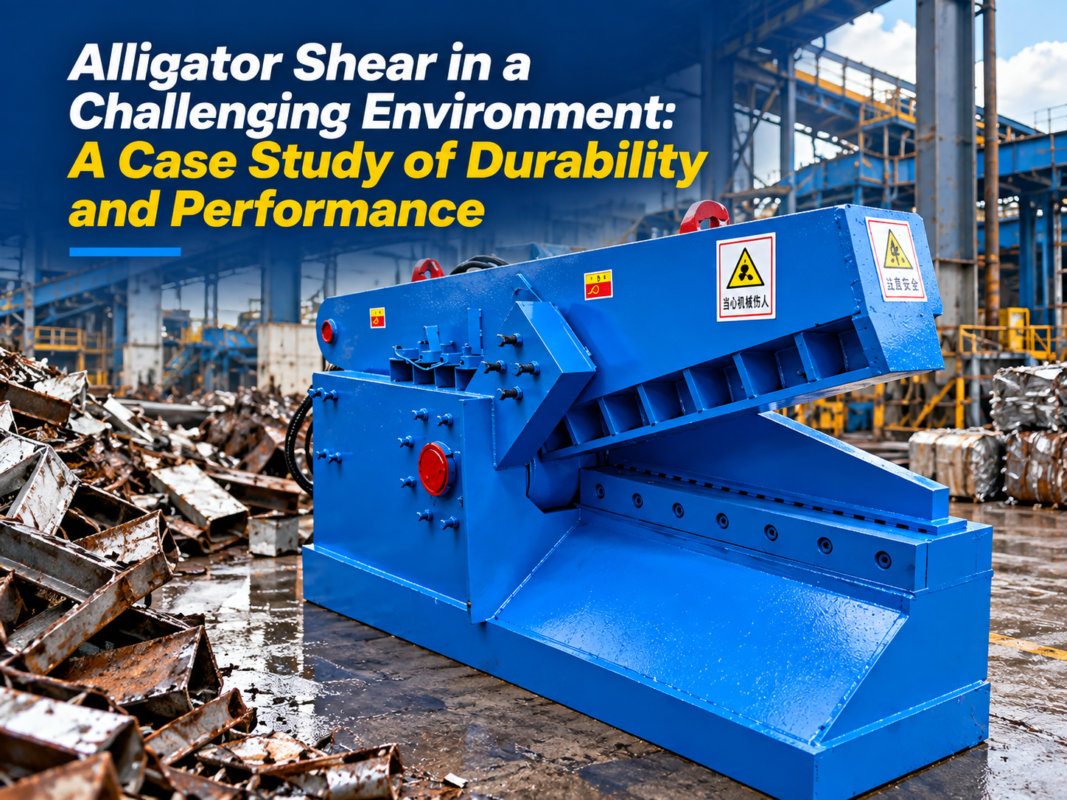
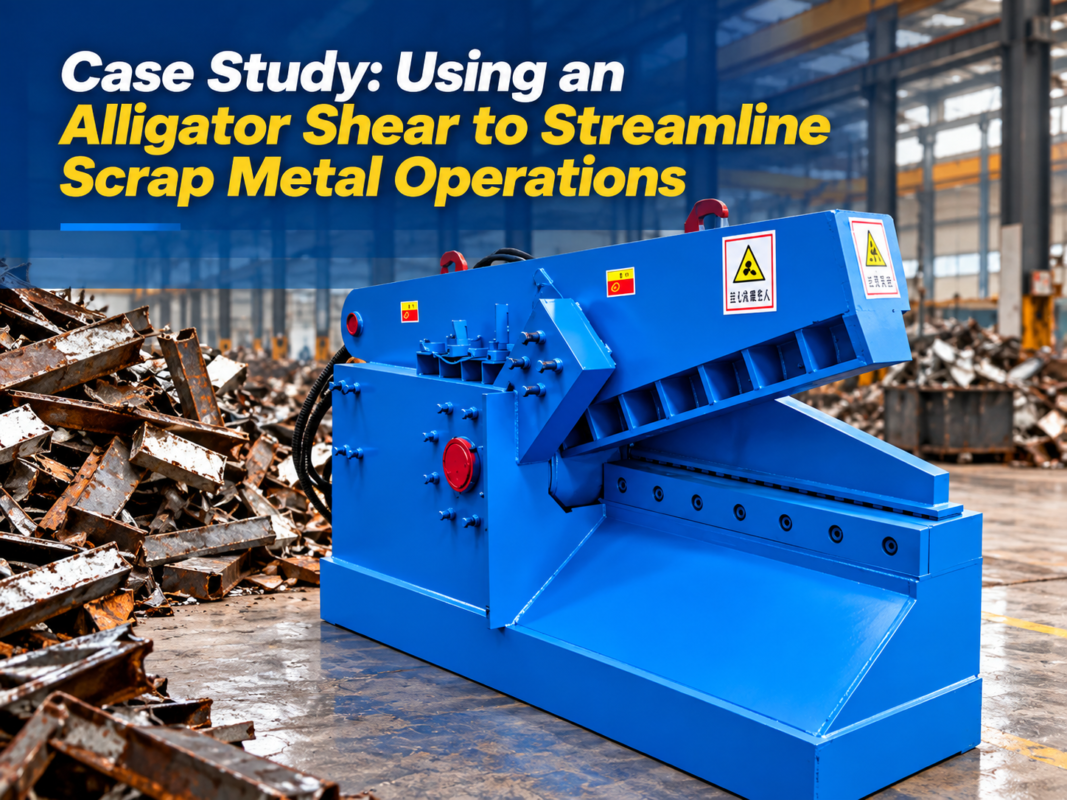
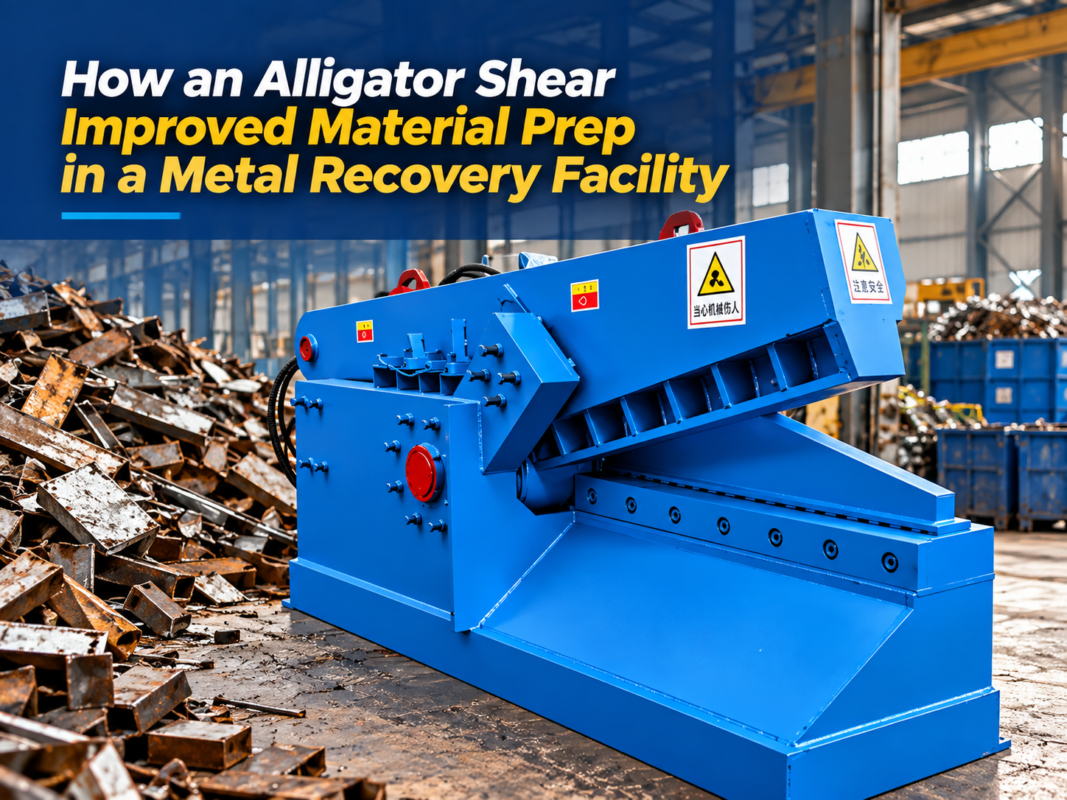
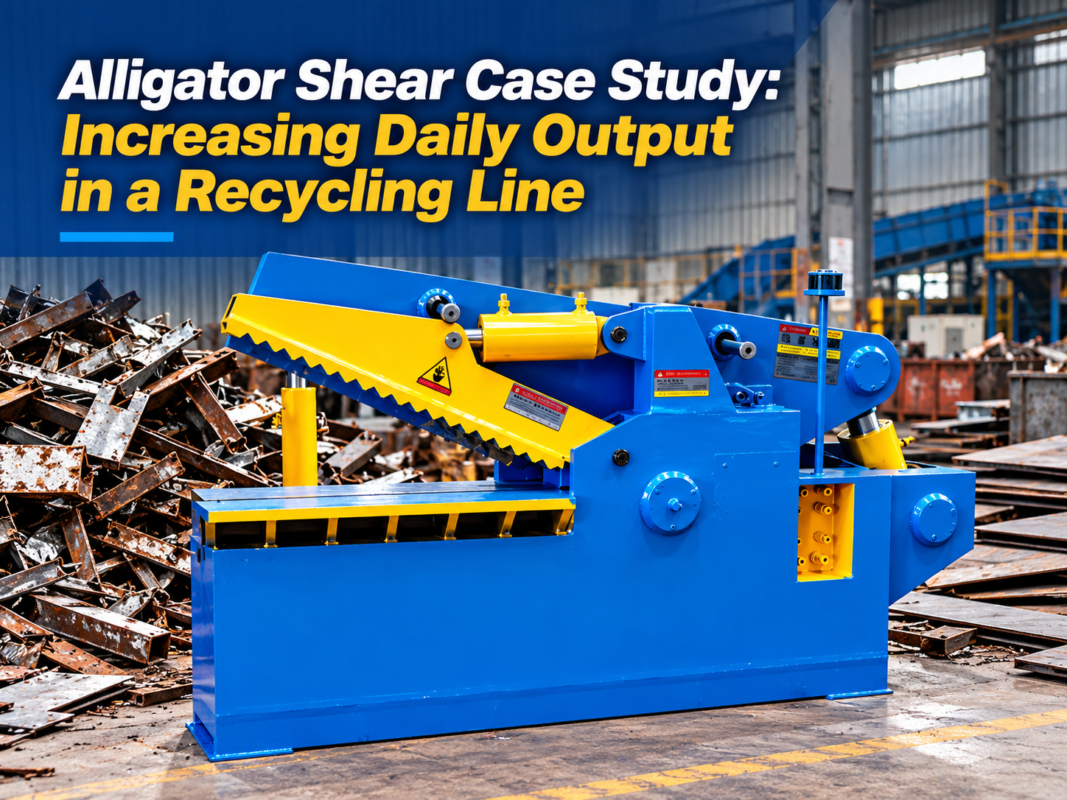
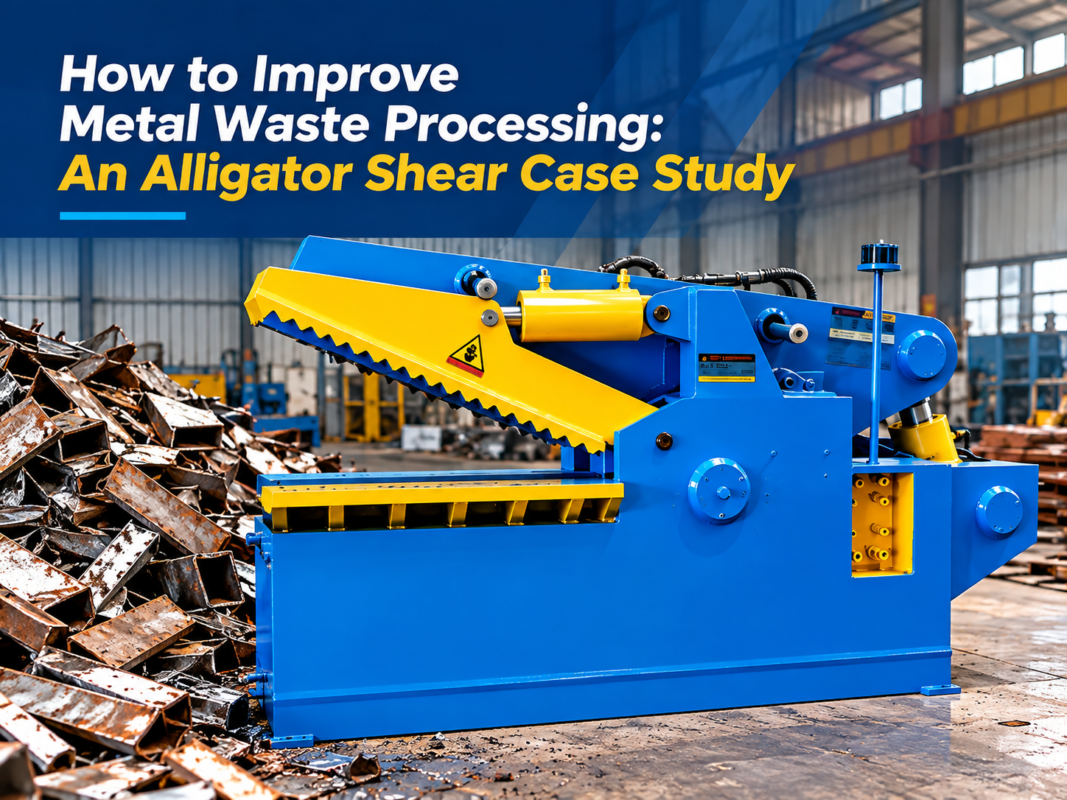
In the world of metal recycling and industrial fabrication, the alligator shear stands as a foundational piece of equipment. Named for its distinctive jaw-like motion, this hydraulic machine is designed to cut long-form scrap metal into smaller, manageable pieces that are ready for smelting or further processing. Whether you are dealing with heavy-duty steel beams, tangled rebar from a demolition site, or non-ferrous scrap, the ability to choose an alligator shear steel, rebar, scrap metal applications effectively can mean the difference between a profitable operation and a logistical bottleneck.
HARSLE has long been at the forefront of providing robust hydraulic solutions for the scrap industry. Choosing the right machine involves more than just looking at the price tag; it requires a deep understanding of material thickness, throughput requirements, and the mechanical limits of the shear itself. This guide will walk you through every critical factor, from initial investment costs to long-term return on investment (ROI), ensuring that your facility is equipped with a machine that maximizes efficiency and safety.
The versatility of the alligator shear makes it indispensable. Unlike larger guillotine shears, alligator shears are often more compact and easier to integrate into existing workflows. They are particularly effective for cleaning scrap—removing non-metallic parts or separating different types of alloys by cutting away contaminated sections. As we delve into the selection process, keep in mind that the goal is to match the machine’s shearing force and blade length to your most common material profiles.
Price Range Overview: What to Expect
When you begin to choose an alligator shear steel, rebar, scrap metal applications, the first question is often about the budget. Alligator shears are generally categorized by their blade length and shearing force, which directly correlates to their price. Entry-level machines, often used for light non-ferrous metals or thin rebar, typically start in the range of $3,000 to $7,000. These machines usually feature blade lengths of 400mm to 600mm and are ideal for small-scale recycling centers.
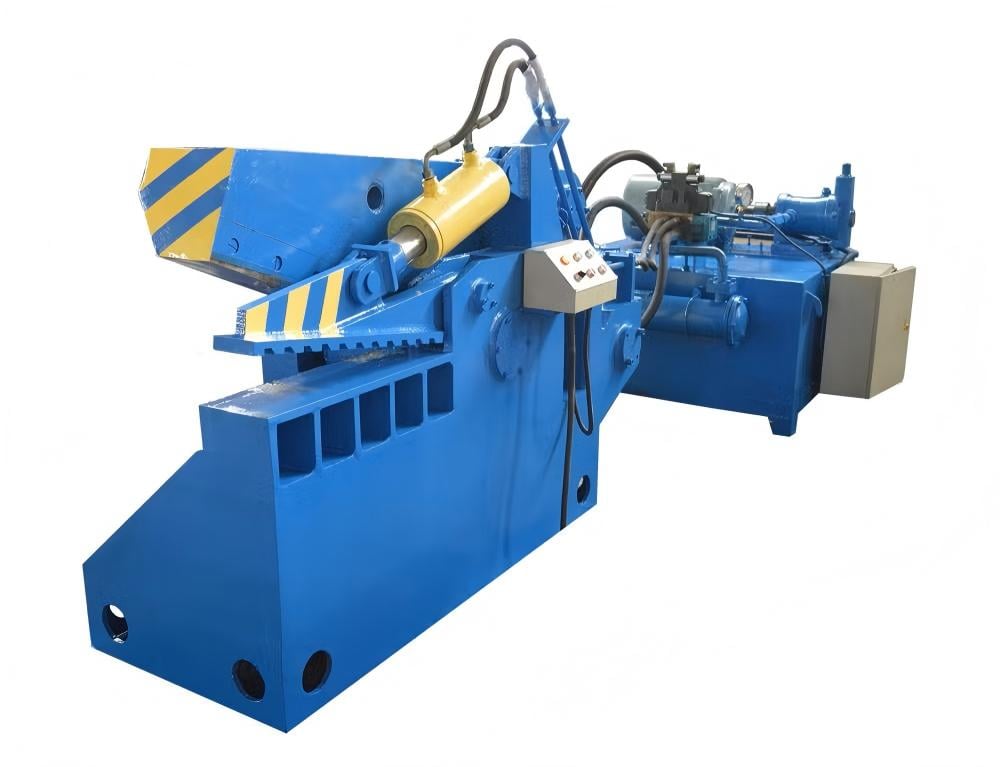
Mid-range alligator shears, which are the workhorses of the industry, fall between $8,000 and $15,000. These machines offer higher hydraulic pressure, often exceeding 100 tons of shearing force, and are capable of handling thicker structural steel and larger bundles of rebar. They often include semi-automatic features and improved cooling systems for continuous operation throughout a standard work shift.
At the high end of the spectrum, heavy-duty industrial alligator shears can cost anywhere from $20,000 to over $50,000. These units are designed for 24/7 operation in high-volume scrap yards. They feature massive blade lengths (up to 1200mm or more), advanced PLC controls, and specialized hydraulic circuits that allow for rapid cycle times. While the initial investment is significant, the throughput capacity of these machines allows for the processing of hundreds of tons of scrap per month, justifying the cost for large-scale operations.
Main Cost Drivers: Why Prices Vary
Understanding the cost drivers is essential when you choose an alligator shear steel, rebar, scrap metal applications. The primary driver is the hydraulic system. A high-quality hydraulic pump and valve system from reputable brands (such as Rexroth or Vickers) will increase the machine’s price but significantly improve its reliability and speed. The “tonnage” or shearing force is a direct result of the cylinder diameter and the hydraulic pressure; higher tonnage requires more robust steel frames and larger cylinders, driving up costs.
Blade quality is another significant factor. Standard blades are made from 9CrSi or similar tool steels, which are fine for general scrap. However, if you are processing hardened rebar or high-carbon steel, you will need blades made from H13 or other premium alloy steels. These blades stay sharp longer and resist chipping under high stress, but they add to the initial purchase price. The precision of the blade seat and the ability to adjust the blade gap also contribute to the machine’s manufacturing cost.
Structural integrity cannot be overlooked. A cheap alligator shear may use thinner steel plates for the frame, which can flex or crack under maximum load. HARSLE machines utilize heavy-duty welded steel plates that are stress-relieved to ensure long-term alignment. The weight of the machine is often a good indicator of its build quality; a heavier machine typically contains more steel and can better withstand the violent forces generated during the shearing process. Finally, the inclusion of safety features, such as protective cages and emergency stop systems, adds to the cost but is non-negotiable for modern industrial standards.
Configuration Impact: Tailoring the Machine to Your Needs
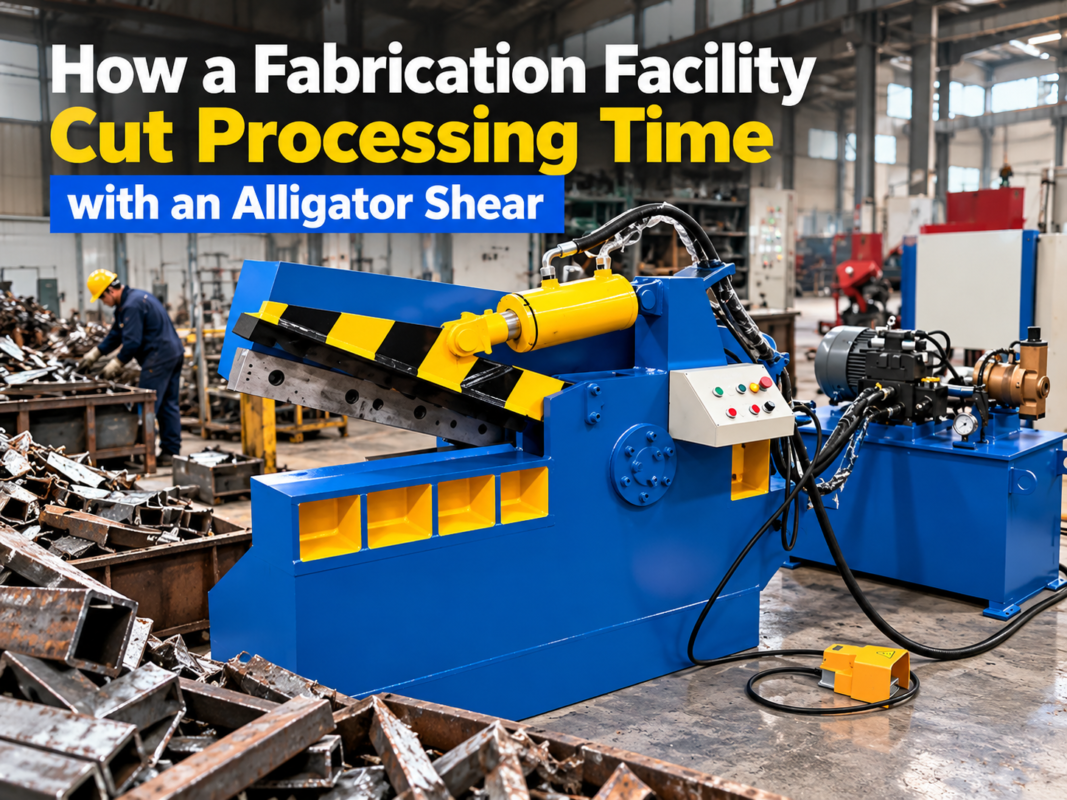
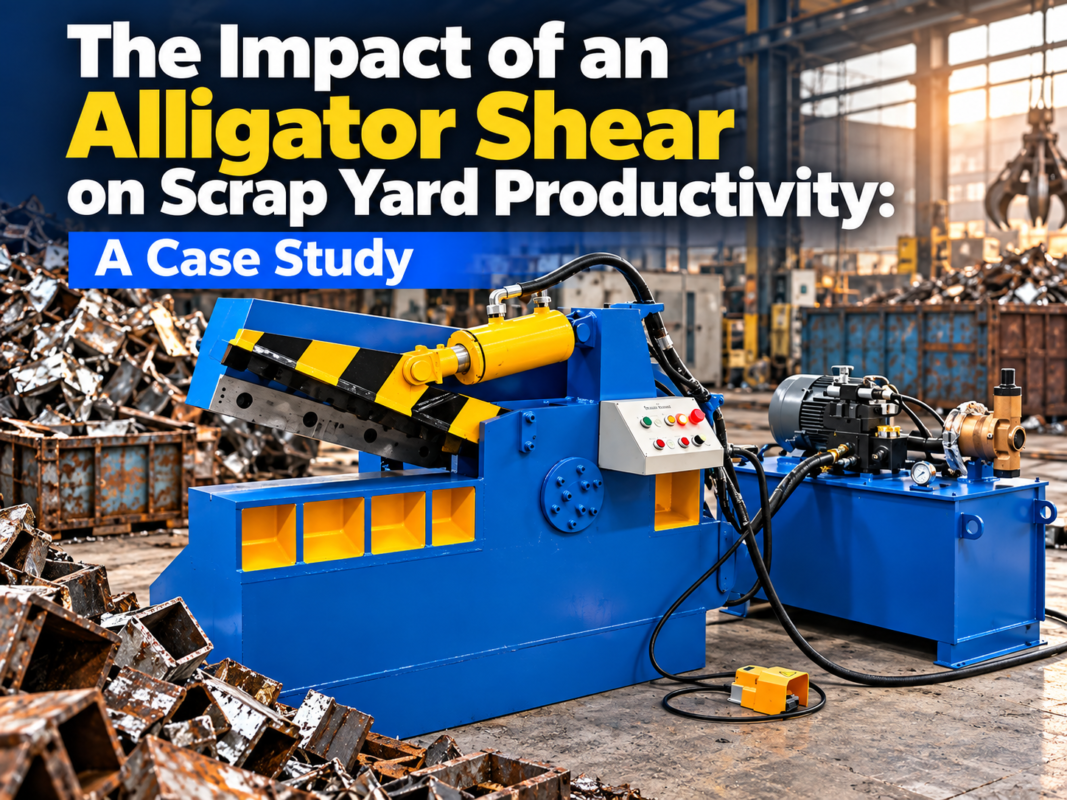
The configuration of your alligator shear should be dictated by the specific materials you intend to process. For instance, if your primary application is rebar, you need a machine with a high cycle speed and a blade gap optimized for round stock. If you are processing large steel plates or beams, a longer blade length is necessary to minimize the number of cuts required. The “throat” depth of the shear also determines how large a piece of scrap can be fed into the jaws at once.
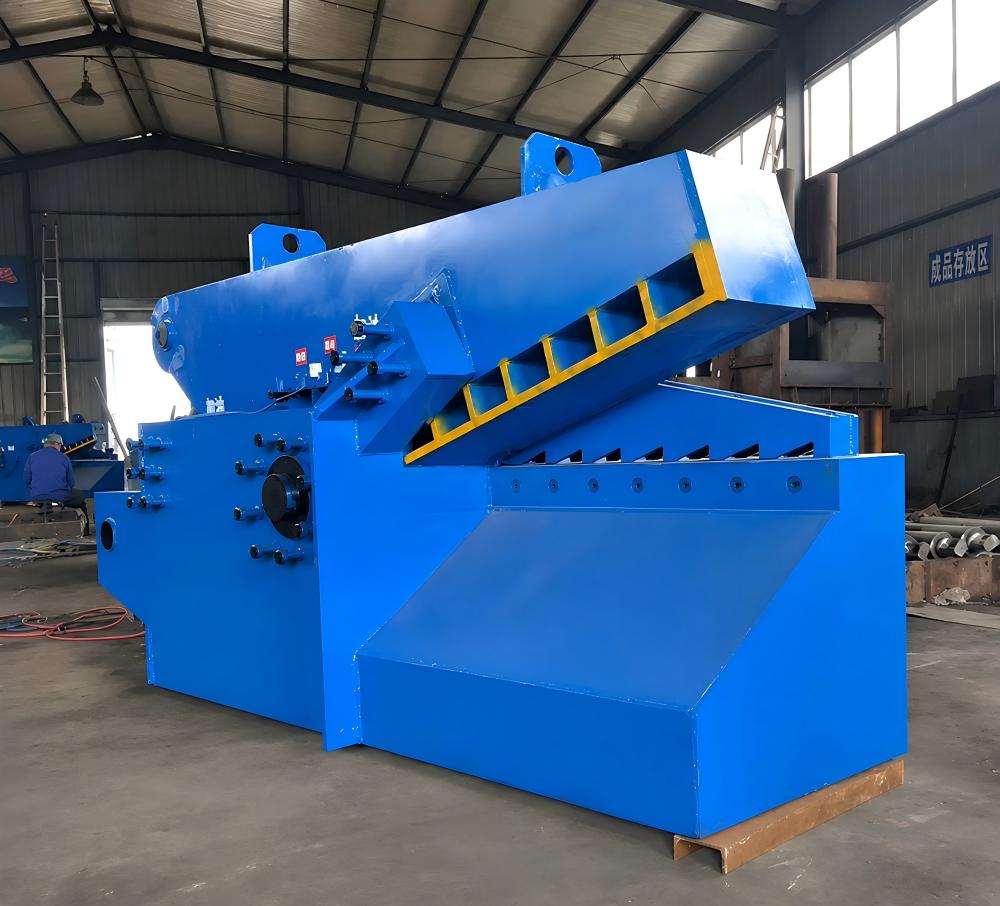
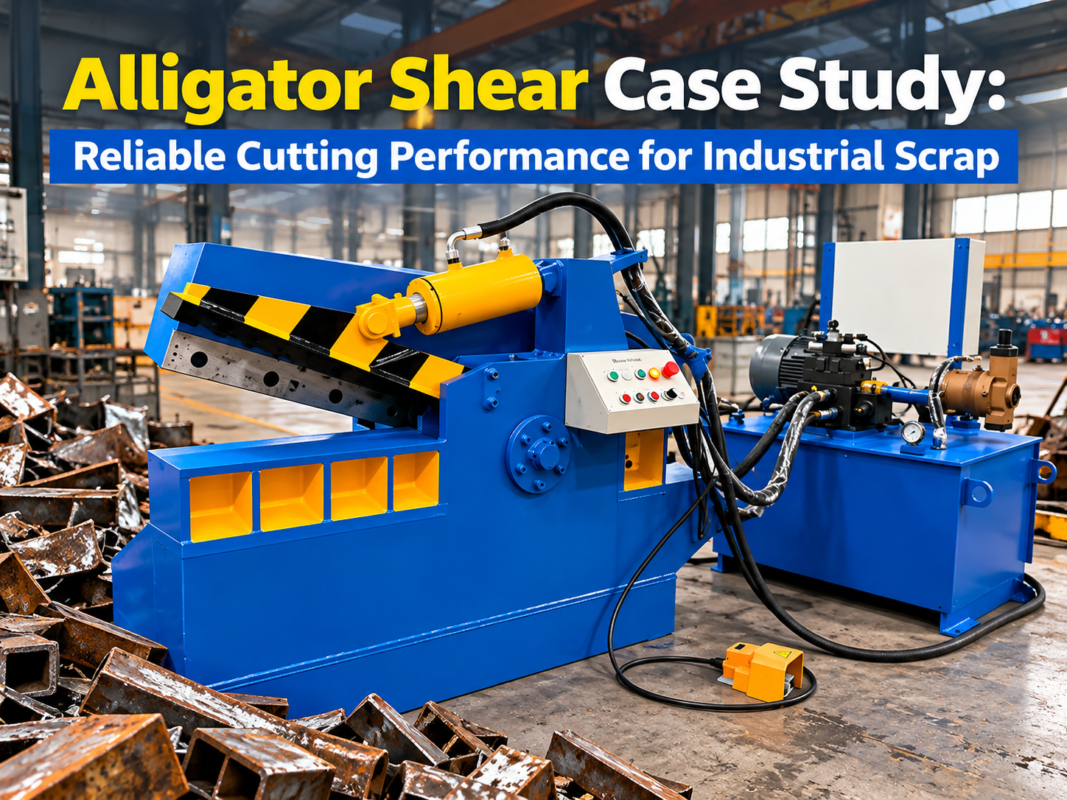
Control systems vary from simple foot-pedal operation to fully automatic cycles. For manual sorting and cleaning of scrap, a foot-pedal allows the operator to precisely control the jaw movement, which is essential for safety and accuracy. For high-volume rebar cutting, an automatic cycle with a conveyor feed can drastically increase productivity. Some modern HARSLE models also feature adjustable stroke lengths, allowing the operator to limit the jaw opening for smaller materials, thereby reducing cycle time and energy consumption.
Cooling and filtration are critical configuration options for hot climates or high-duty cycles. Hydraulic oil loses its viscosity if it gets too hot, leading to power loss and seal damage. An integrated air or water cooling system keeps the oil at an optimal temperature. Furthermore, high-quality oil filters prevent metal shavings and dust from entering the hydraulic valves, extending the life of the entire system. When you choose an alligator shear steel, rebar, scrap metal applications, always consider the environment in which the machine will operate.
Hidden Costs: Beyond the Purchase Price
When calculating the total cost of ownership, several “hidden” expenses must be considered. The most prominent is maintenance and wear parts. The blades on an alligator shear are consumable items. Depending on the material being cut, they will need to be rotated (most blades have four cutting edges) and eventually reground or replaced. The cost of a new set of blades for a large shear can be several hundred dollars, and the downtime required for the changeover should be factored into your operational plan.
Electricity consumption is another ongoing cost. A 15kW or 22kW motor running for 8 hours a day adds up. Choosing a machine with an efficient hydraulic circuit or a variable frequency drive (VFD) can reduce these costs, but the initial investment might be higher. Additionally, hydraulic oil needs to be changed periodically—typically every 2,000 to 4,000 hours of operation. A large shear might require 200 to 400 liters of high-grade hydraulic oil, which is a significant recurring expense.
Shipping and installation are often underestimated. These machines are heavy and require specialized freight and offloading equipment (like a heavy-duty forklift or crane). Once on-site, the machine must be leveled and anchored to a reinforced concrete floor to prevent vibration and movement. If the machine requires a 3-phase power supply that isn’t currently available in your facility, the electrical upgrade costs can be substantial. Always get a full quote that includes shipping and consider the infrastructure requirements before finalizing your purchase.
ROI Calculation: Is the Investment Worth It?
To determine the ROI when you choose an alligator shear steel, rebar, scrap metal applications, you must look at the value added to your scrap. Unprocessed “oversize” scrap metal typically sells for a much lower price per ton than “prepared” scrap that meets foundry or mill specifications (usually pieces under 2 feet or 3 feet in length). For example, if prepared scrap sells for $50 more per ton than unprepared scrap, and your alligator shear processes 5 tons per day, you are generating an additional $250 in revenue daily.
Labor savings also play a role. Using an alligator shear is significantly faster and safer than using a handheld torch or a manual saw. A single operator with an alligator shear can often do the work of three people using traditional cutting methods. If you save $3,000 a month in labor costs while increasing the value of your scrap by $4,000, the machine could pay for itself in less than six months. This calculation should also include the reduction in gas costs (for torches) and the decrease in workplace injury risks, which can lead to lower insurance premiums.
Furthermore, the ability to process scrap on-site reduces transportation costs. Instead of paying to haul bulky, air-filled loads of tangled rebar or large tanks, you can densify the load by shearing the material into compact pieces. This allows you to fit more weight into every truckload, maximizing your shipping efficiency. When these factors are combined—increased scrap value, reduced labor, lower consumables, and optimized logistics—the ROI for a HARSLE alligator shear becomes very compelling for any serious metal processing business.
Buying Advice: A Checklist for Success
Before you sign a purchase order, go through this checklist to ensure you choose an alligator shear steel, rebar, scrap metal applications that fits your business perfectly:
- Material Assessment: What is the thickest and hardest material you will cut? Ensure the machine’s rated capacity is at least 20% higher than your toughest material to avoid constant strain.
- Blade Length: Does the blade length accommodate your widest scrap pieces? A 600mm blade is standard, but 1000mm+ is better for demolition scrap.
- Cycle Time: How many cuts per minute does the machine perform? For rebar, speed is more important than pure tonnage.
- Safety Features: Does the machine have a hold-down device to prevent material from “kicking up” during the cut? Is there an easily accessible emergency stop?
- Spare Parts Availability: Does the manufacturer (like HARSLE) have a reliable supply of replacement blades and seals?
- Power Requirements: Do you have the necessary voltage and amperage at your site?
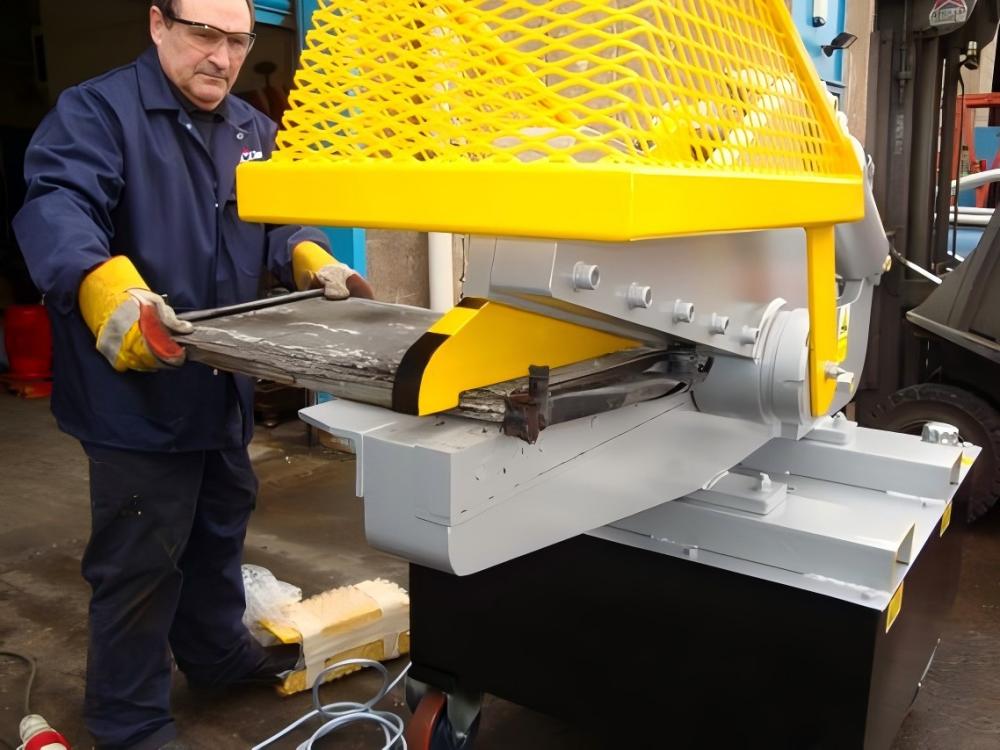
It is also advisable to request a video of the machine processing material similar to yours. Most reputable manufacturers will provide a test-cut video. Pay attention to the smoothness of the hydraulic stroke and the stability of the frame during the cut. If the machine jumps or vibrates excessively, it may indicate a lack of structural mass or poor hydraulic dampening. Finally, consider the warranty and technical support. A machine is only as good as the support behind it when a seal blows or a valve sticks in the middle of a busy week.
Maintenance Tips for Longevity
Once you have chosen your alligator shear, maintaining it is key to protecting your investment. The most critical task is blade management. Dull blades don’t just produce poor cuts; they put immense stress on the hydraulic cylinder and the frame because the machine has to work harder to “tear” the metal rather than shear it. Check the blade gap daily; if the gap is too wide, thin metal will fold between the blades rather than being cut, which can jam the machine and damage the bearings.
Lubrication is the second pillar of maintenance. Alligator shears have several high-pressure pivot points. These must be greased daily to prevent metal-on-metal wear. Use a high-quality extreme-pressure (EP) grease. Additionally, keep the hydraulic oil clean. Check the color and smell of the oil regularly; if it looks cloudy or smells burnt, change it immediately. Keeping the machine clean of metal dust and debris also prevents premature wear on the cylinder rods and seals. A well-maintained HARSLE alligator shear can easily last 10 to 15 years in a demanding industrial environment.
Frequently Asked Questions (FAQ)
1. Can an alligator shear cut hardened steel or alloy shafts?
While alligator shears are powerful, they are primarily designed for structural steel, rebar, and non-ferrous metals. Cutting extremely hardened materials like automotive axles or tool steel can chip the blades or damage the hydraulic system. Always check the machine’s hardness rating before attempting to cut specialized alloys.
2. How often do the blades need to be sharpened?
This depends entirely on the material. If you are cutting clean aluminum, blades can last for months. If you are cutting sandy, rusty rebar or stainless steel, you may need to rotate the blades every few weeks. Most HARSLE blades have four usable edges, so you can rotate them three times before needing a professional regrind.
3. Is a foot pedal or an automatic handle better?
For most scrap yard applications, a foot pedal is superior because it leaves the operator’s hands free to position the material safely. Automatic handles or PLC-controlled cycles are better for repetitive tasks like cutting bundles of rebar to a specific length.
4. What hydraulic oil should I use?
Most alligator shears use standard ISO 46 or ISO 68 hydraulic oil. In very cold environments, a thinner ISO 32 oil may be required for winter startups. Always refer to your HARSLE manual for the specific oil grade recommended for your climate.
5. Can I use an alligator shear outdoors?
Yes, many alligator shears are used in outdoor scrap yards. However, you must protect the electrical motor and control box from direct rain. Additionally, in freezing temperatures, the hydraulic oil must be warmed up before the machine is put under full load to prevent seal failure.
6. What is the difference between a mechanical and a hydraulic alligator shear?
Mechanical shears use a flywheel and a clutch, similar to an old-fashioned press. They are very fast but can be dangerous because the stroke cannot be stopped once it starts. Hydraulic shears (like those from HARSLE) are much safer, more powerful, and allow the operator to stop or reverse the jaw at any point in the cycle.