The Complete Vertical Baler Buying Guide for Cost-Effective Waste Compaction

Introduction to Cost-Effective Waste Compaction
In the modern industrial landscape, waste management is no longer just a matter of cleanliness; it is a critical component of operational efficiency and financial sustainability. For businesses dealing with high volumes of cardboard, plastic, paper, or light metals, the accumulation of loose waste can lead to significant logistical bottlenecks, safety hazards, and exorbitant disposal fees. This is where the vertical baler becomes an indispensable asset. As a leading manufacturer of metal fabrication and waste management machinery, HARSLE understands that choosing the right equipment requires a balance between initial investment and long-term performance.
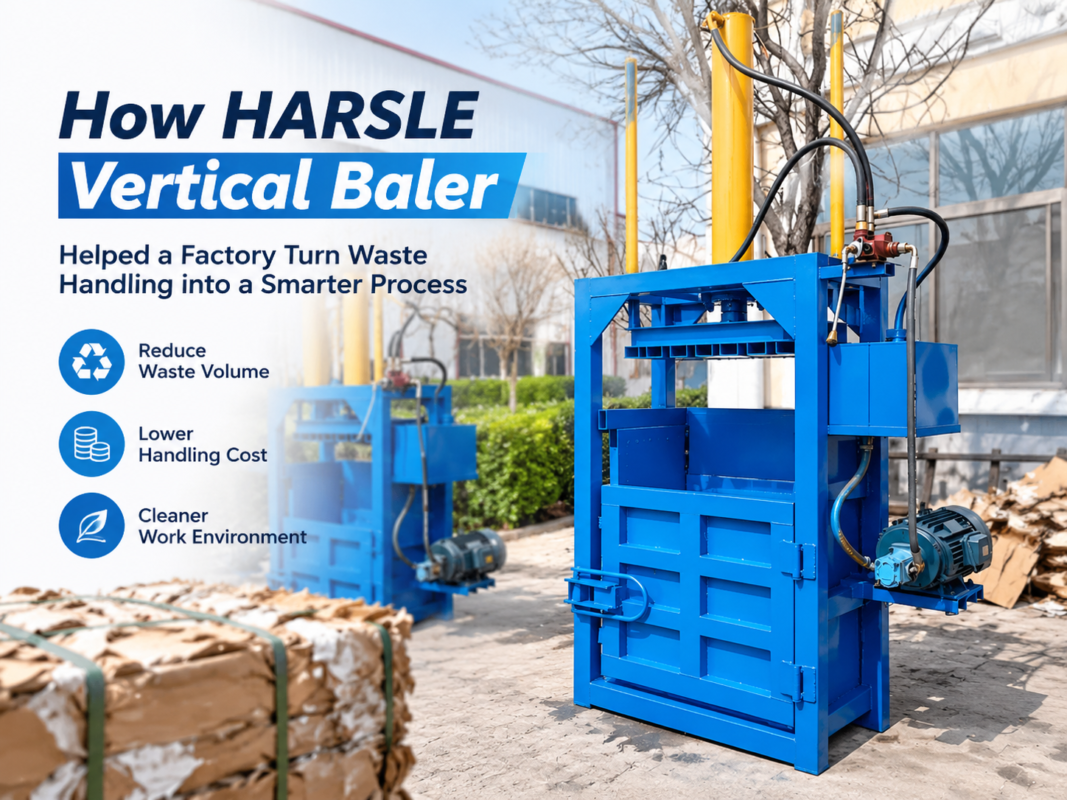
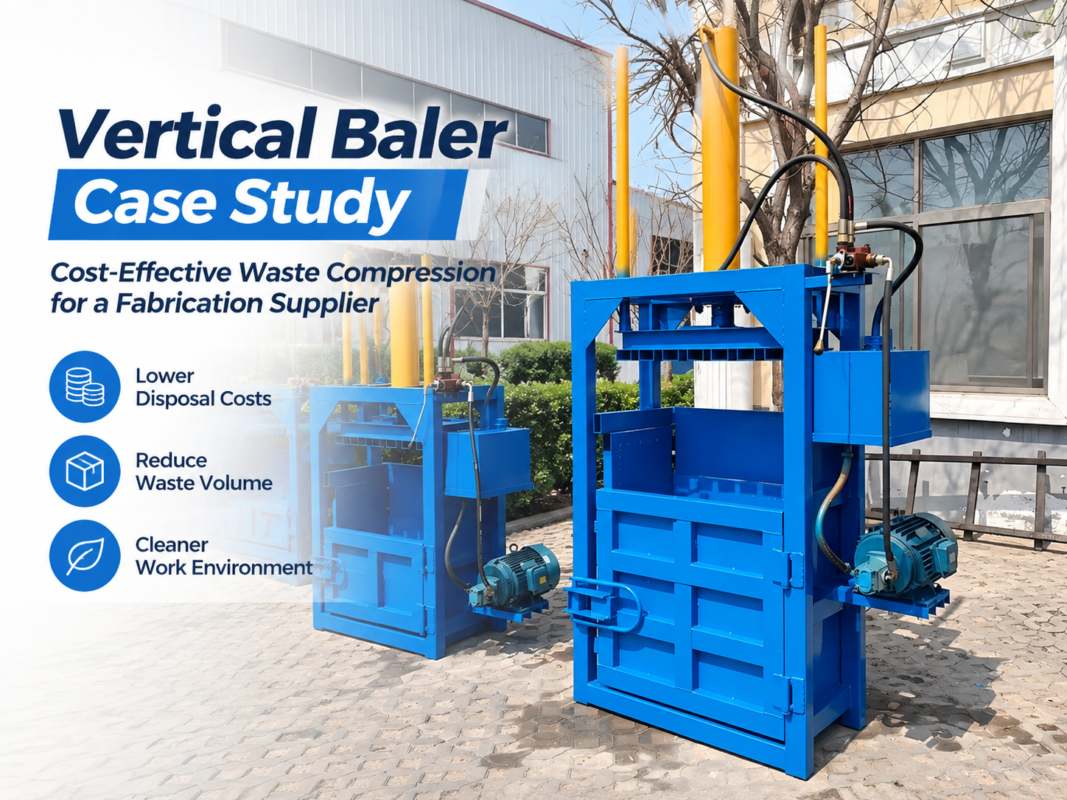
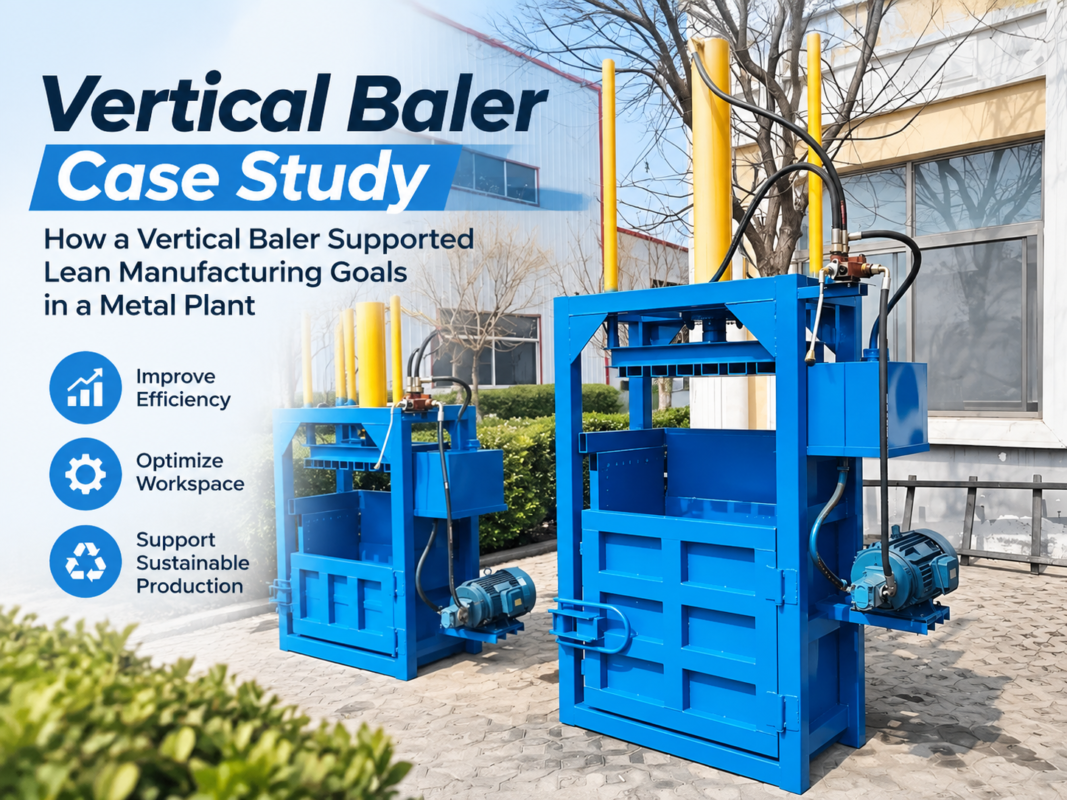
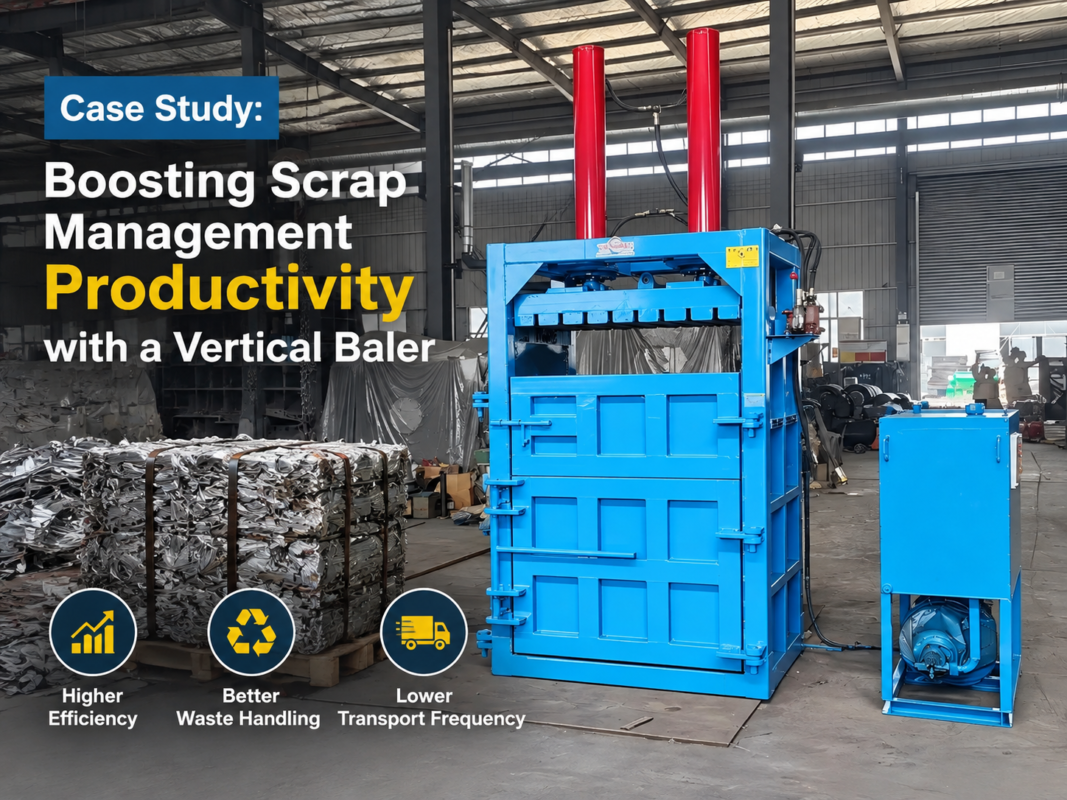
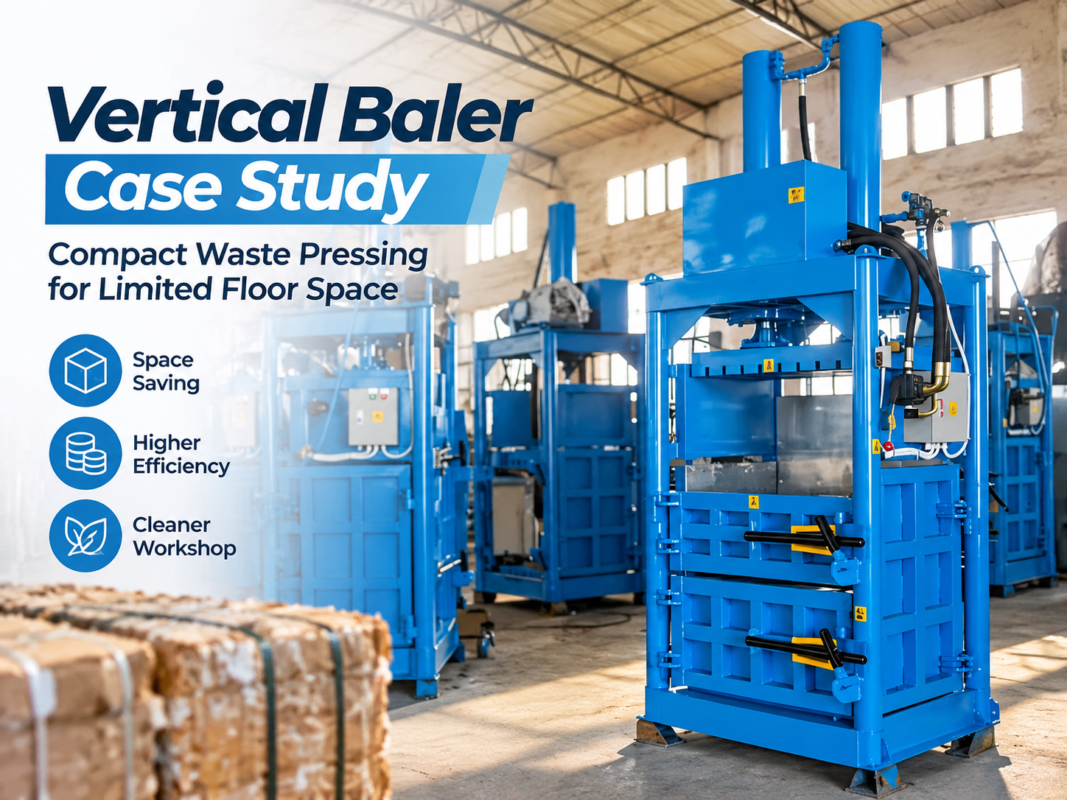
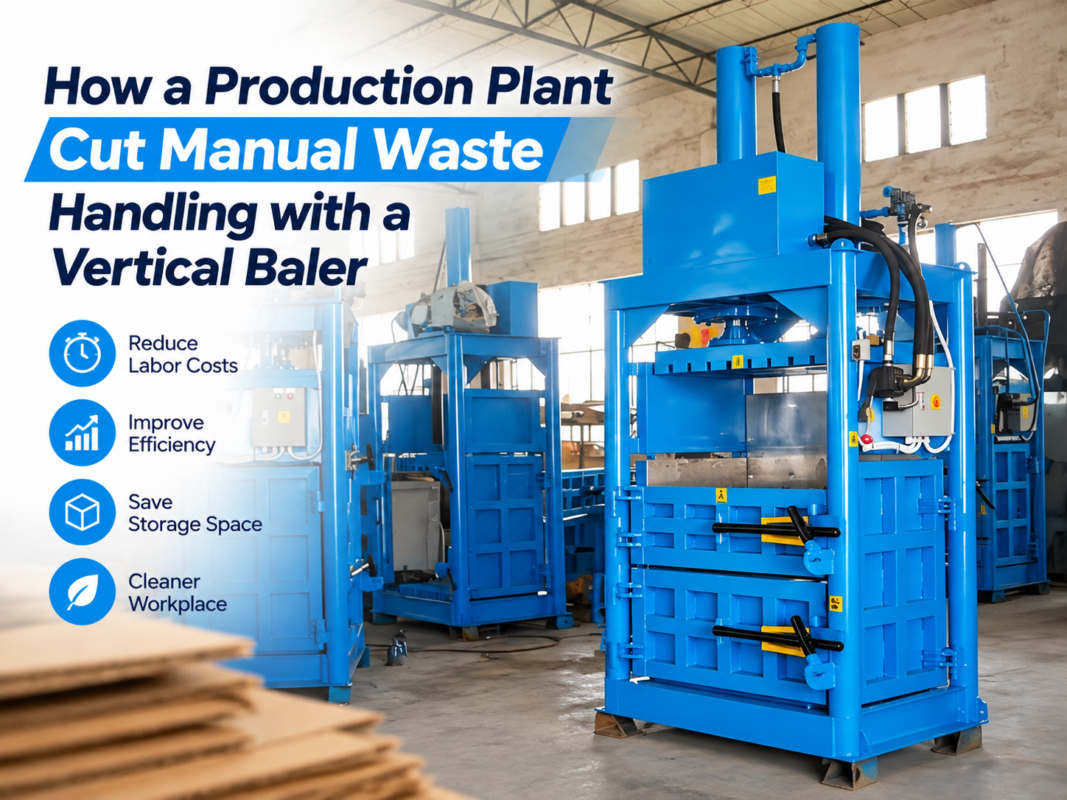
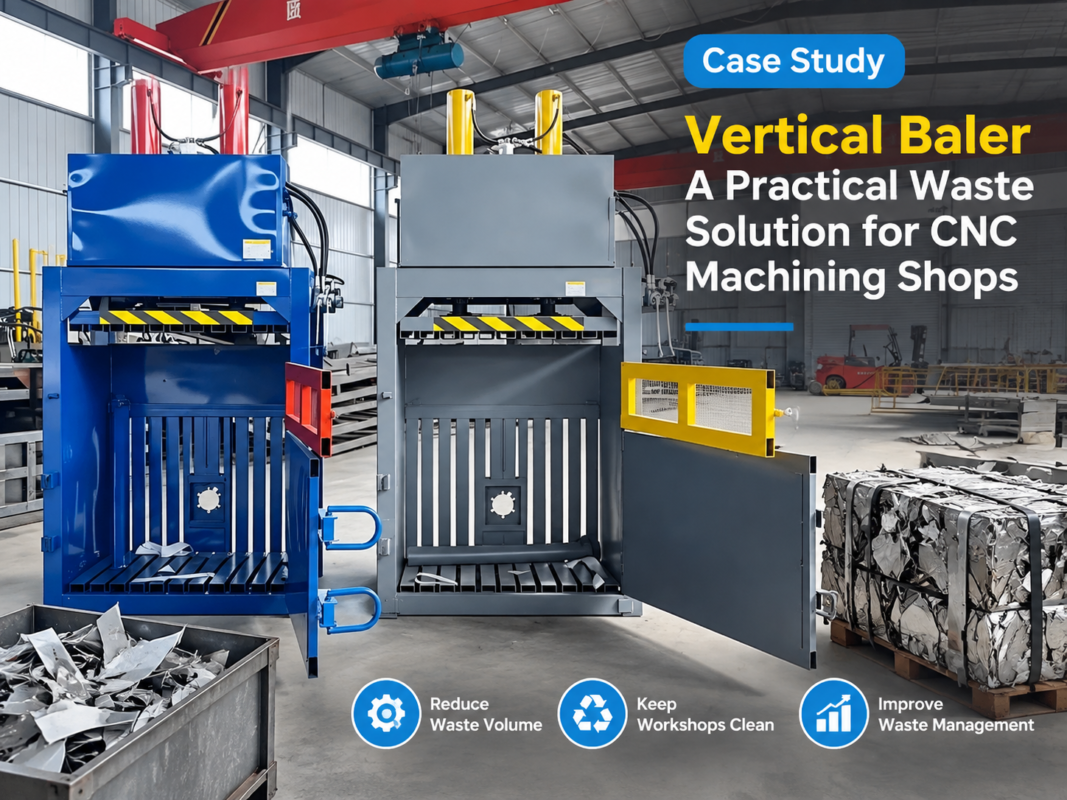
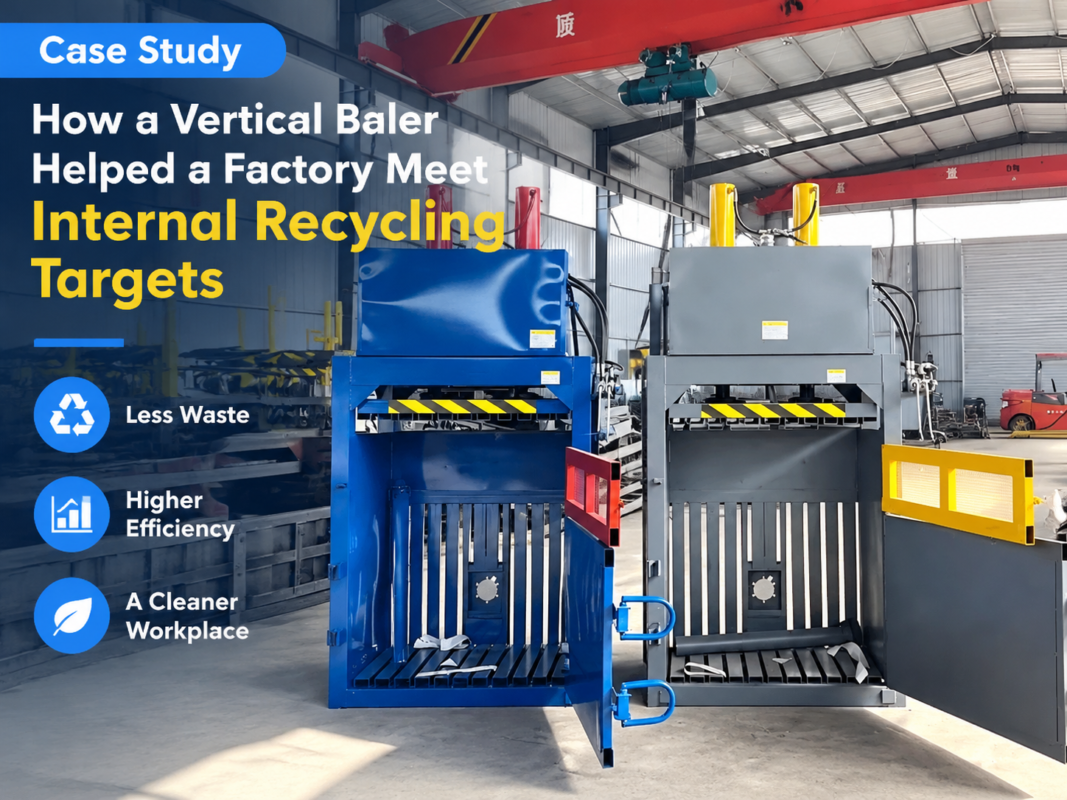
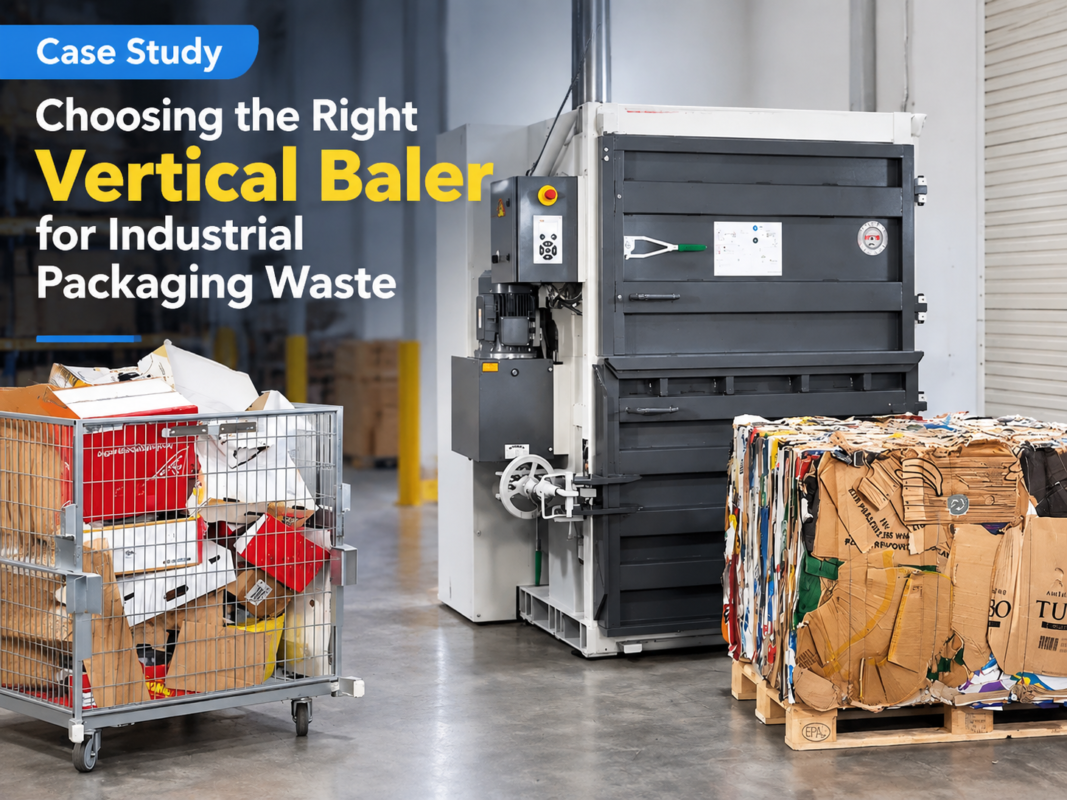
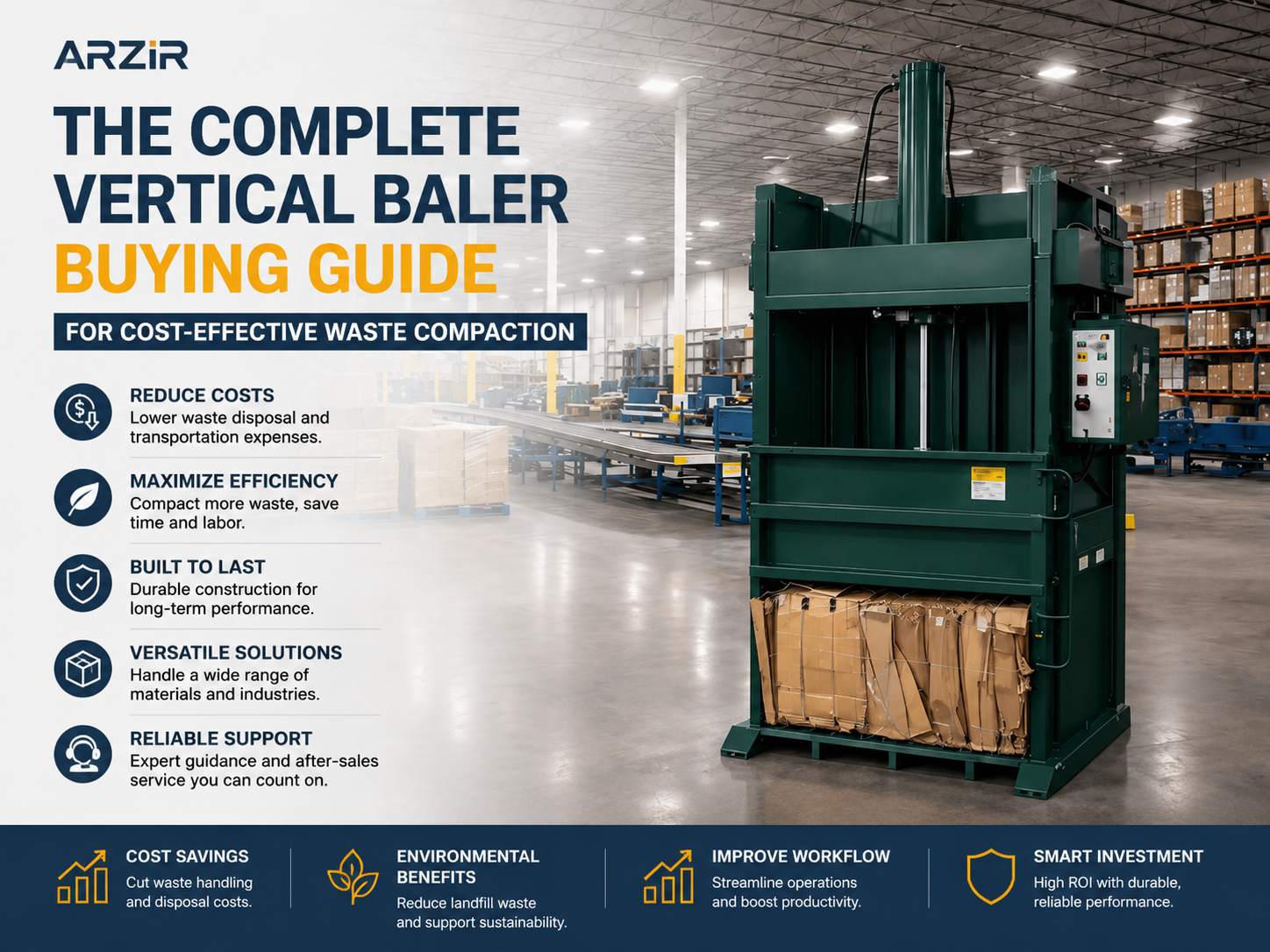
The Complete Vertical Baler Buying Guide for Cost-Effective Waste Compaction is designed to navigate the complexities of the market. Whether you are a small retail outlet or a large-scale manufacturing facility, understanding the nuances of hydraulic pressure, bale size, and cycle times is essential. A vertical baler works by compressing loose material into dense, manageable blocks (bales), which can then be sold to recyclers or disposed of at a fraction of the cost of loose waste. This guide will break down everything from pricing structures to the technical configurations that drive ROI.
Price Range Overview: What to Expect
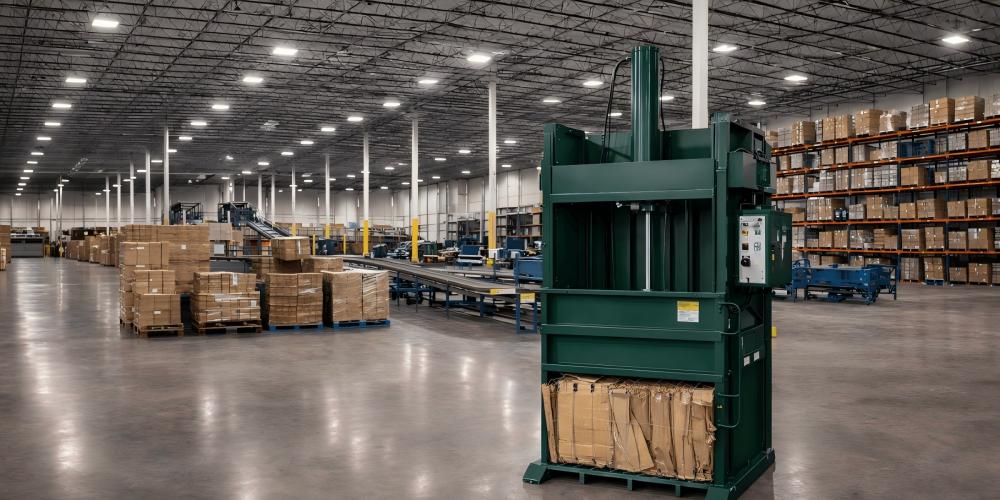
When entering the market for a vertical baler, the price range can be surprisingly broad. This variation is primarily dictated by the machine’s pressing force (tonnage), the size of the bale it produces, and the level of automation. Generally, vertical balers are categorized into three main price tiers:
- Entry-Level / Small Footprint Balers ($3,000 – $7,000): These machines are ideal for small retail stores, restaurants, or offices that generate a moderate amount of cardboard or plastic. They typically offer a pressing force of 5 to 15 tons and produce smaller bales that can be moved with a hand truck.
- Mid-Range Industrial Balers ($8,000 – $18,000): This is the most common category for warehouses and distribution centers. These machines provide 20 to 50 tons of pressure and produce industry-standard mill-size bales (usually 60 inches wide). These bales are highly sought after by recycling companies, often fetching the best market prices.
- Heavy-Duty / Specialized Balers ($20,000 – $45,000+): Designed for high-volume recycling centers or industrial plants, these balers feature high-speed hydraulics, reinforced frames for compressing tough materials like aluminum cans or heavy plastics, and advanced PLC controls for continuous operation.
It is important to note that while the “sticker price” is the most visible cost, the value of a HARSLE vertical baler lies in its durability and the reduction of labor costs over its 10-15 year lifespan. Investing in a slightly more expensive machine with a faster cycle time can often pay for itself within the first year through increased throughput.
Main Cost Drivers in Vertical Baler Manufacturing
Understanding what drives the cost of a vertical baler helps buyers distinguish between a “cheap” machine and a “cost-effective” one. At HARSLE, we focus on several key engineering factors that influence both the price and the performance of our equipment.
1. Hydraulic System Quality
The heart of any baler is its hydraulic system. The cost is driven by the quality of the pump, the diameter of the cylinders, and the sophistication of the valve blocks. High-quality hydraulics ensure consistent pressure and prevent leaks, which are common in lower-end models. A dual-cylinder system, for instance, provides more balanced pressure across the platen, reducing wear on the frame but increasing the initial manufacturing cost.
2. Steel Grade and Frame Reinforcement
A baler is subjected to immense internal stress during every cycle. The thickness of the steel plates and the quality of the welding are paramount. Cost-effective waste compaction requires a machine that won’t warp or crack under pressure. HARSLE utilizes high-tensile steel and robotic welding to ensure structural integrity, which may carry a higher upfront cost than lightweight alternatives but ensures a much longer service life.
3. Motor Efficiency and Power
The electric motor determines how quickly the platen moves. A larger, high-efficiency motor reduces cycle times, allowing operators to process more waste in less time. However, larger motors also require more robust electrical components and safety switchgear, contributing to the overall price. Energy-efficient motors (IE3 standard) are becoming more common, offering lower operational costs despite a higher purchase price.
Configuration Impact: Tailoring the Machine to Your Needs
The configuration of your vertical baler significantly impacts its efficiency in your specific environment. Choosing the wrong configuration can lead to operational bottlenecks, while the right one streamlines the entire waste stream.
Loading Door Options
Vertical balers typically come with either a sliding gate or a swing door. Sliding gates are excellent for space-constrained environments as they don’t require clearance to open outward. They are also generally safer as they can be integrated with interlocks that prevent operation while the door is open. Swing doors are often found on smaller, budget-friendly models but require more floor space for the operator to maneuver.
Bale Ejection Systems
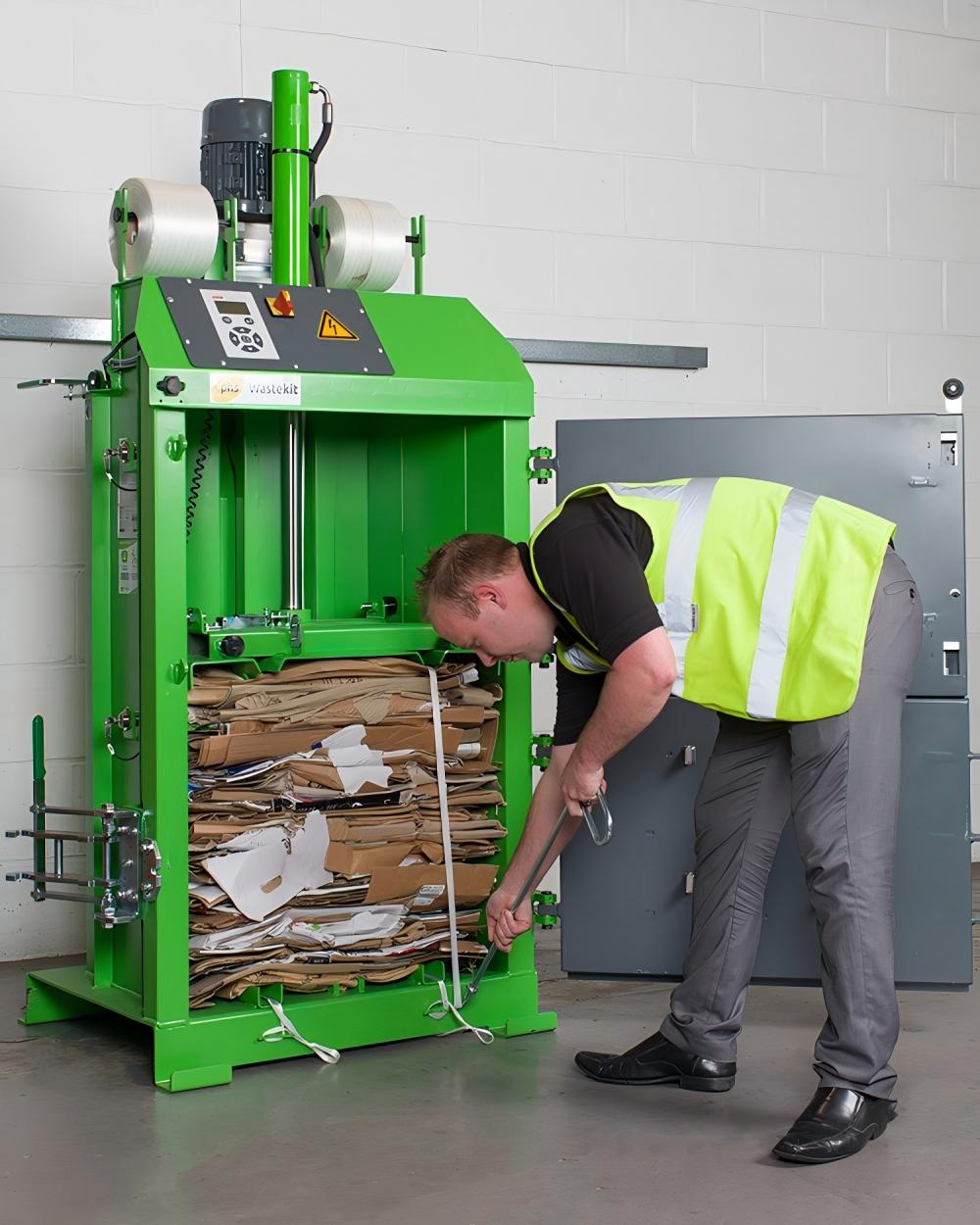
How the finished bale is removed from the machine is a critical configuration choice. Manual ejection requires the operator to use a lever or chain to pull the bale out, which can be physically demanding. Hydraulic ejection systems, standard on most HARSLE industrial models, use the machine’s own power to push the bale onto a pallet automatically. This reduces the risk of injury and speeds up the transition between baling cycles.
Control Systems and Automation
Modern balers feature PLC (Programmable Logic Controller) systems that monitor oil temperature, bale fullness, and safety sensors. Some advanced configurations include “auto-start” sensors that begin the compression cycle as soon as the door is closed, and “bale-ready” lights that notify staff when it’s time to tie off a bale. While these features add to the cost, they are essential for high-volume environments where every second counts.
Hidden Costs of Ownership
When calculating the total cost of ownership for a vertical baler, many buyers overlook the secondary expenses. To achieve truly cost-effective waste compaction, you must account for the following:
- Installation and Electrical Upgrades: Industrial balers often require 3-phase power. If your facility is only wired for single-phase, the cost of an electrician and a phase converter can be significant. Additionally, consider the cost of freight and the equipment needed (like a heavy-duty forklift) to move the baler into position.
- Consumables: To hold the compressed material together, you will need baling wire or high-strength twine. Depending on your volume, this can cost several hundred to several thousand dollars per year. Using the correct gauge of wire is vital; using wire that is too thin can lead to bale breakage, resulting in wasted labor.
- Maintenance and Spare Parts: Like any hydraulic machine, vertical balers require regular oil changes, filter replacements, and seal inspections. HARSLE recommends a preventative maintenance schedule to avoid the high cost of emergency repairs and downtime.
- Training and Safety Compliance: Operators must be trained not only on how to use the machine but also on safety protocols. In many regions, OSHA or similar bodies require specific safety features and documented training, which may involve a small investment in time and resources.
ROI Calculation: Turning Waste into Profit
The most compelling reason to invest in a vertical baler is the Return on Investment (ROI). A well-implemented baling system can turn a waste expense into a revenue stream. Here is how to calculate the potential savings:
1. Reduction in Disposal Fees
Most waste management companies charge by the “pull” (each time they empty a dumpster) or by volume. By compacting cardboard at a ratio of 10:1, you can drastically reduce the number of weekly pickups. If you currently pay $500 a month for loose trash removal, and a baler reduces that to $100, you save $4,800 annually.
2. Revenue from Recyclables
Loose cardboard is often treated as trash. However, dense, mill-size bales are a commodity. Depending on market rates, recyclers may pay between $30 and $100 per ton for baled cardboard. If your facility produces 5 tons of cardboard a week, you could generate significant monthly revenue that directly offsets the machine’s cost.
3. Labor Efficiency
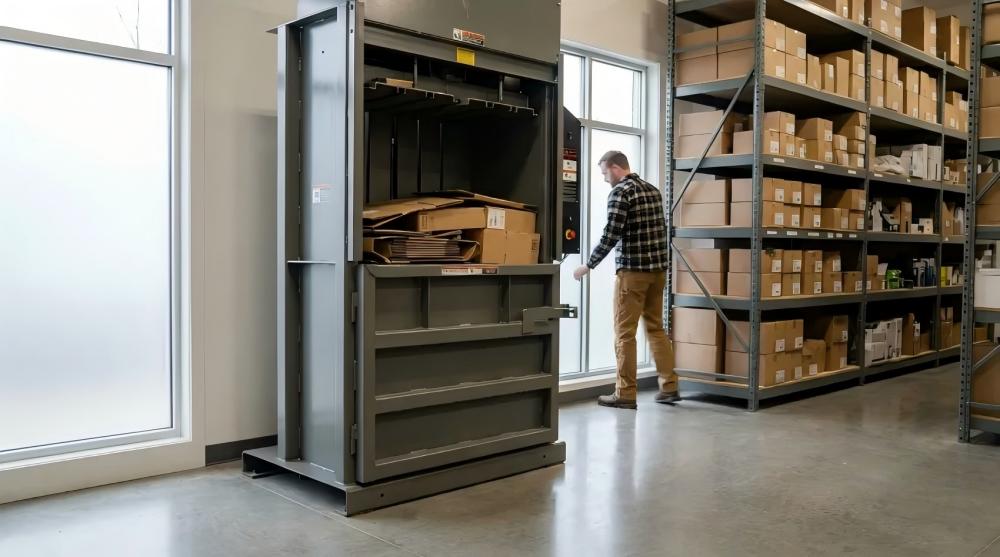
Without a baler, employees often spend hours breaking down boxes manually and walking them to an outdoor dumpster. A vertical baler located near the source of the waste allows employees to toss boxes directly into the machine. This can save dozens of labor hours per month, allowing staff to focus on more productive tasks.
Example ROI Scenario:
Initial Investment: $12,000 (HARSLE Mid-Range Baler)
Monthly Savings (Disposal): $400
Monthly Revenue (Recycling): $300
Monthly Labor Savings: $300
Total Monthly Benefit: $1,000
Payback Period: 12 Months
Buying Advice: Choosing the Right HARSLE Baler
To ensure you get the most cost-effective solution, follow this checklist before making a purchase:
- Analyze Your Waste Stream: What is the primary material? Cardboard requires different pressure than plastic film or metal shavings. Measure the volume of waste produced daily to determine the required bale size.
- Check Your Ceiling Height: Vertical balers are tall. Ensure your facility has enough vertical clearance for the ram to extend fully. Also, check the width of your doorways for delivery.
- Consider the Operator: If you have high staff turnover, look for a machine with simple, intuitive controls and robust safety interlocks to minimize the risk of accidents and the need for extensive retraining.
- Evaluate Vendor Support: Does the manufacturer offer a warranty? Are spare parts readily available? HARSLE prides itself on global support and a comprehensive inventory of components to keep your operations running.
- Think Long-Term: It is often better to buy a machine with slightly more capacity than you currently need. As your business grows, your waste volume will likely increase, and a larger baler will prevent you from needing an upgrade in just a few years.
Frequently Asked Questions (FAQ)
How long does a vertical baler typically last?
With proper maintenance, a high-quality industrial vertical baler from HARSLE can last 15 to 20 years. The lifespan is largely dependent on the frequency of hydraulic oil changes and ensuring the machine is not overloaded beyond its rated tonnage.
Can I bale different materials in the same machine?
Yes, most vertical balers are versatile. You can bale cardboard, plastic wrap, and paper in the same machine. However, you should never mix materials in a single bale, as this significantly reduces the recycling value. Always clear the chamber before switching materials.
What safety features should I look for?
Essential safety features include emergency stop buttons, dual-hand controls (to keep hands away from the press), and magnetic interlock switches on the doors that prevent the motor from running while the door is open. All HARSLE balers meet or exceed international safety standards.
Is a vertical baler better than a horizontal baler?
Vertical balers are more cost-effective for small to medium volumes and take up much less floor space. Horizontal balers are only recommended for massive operations (like municipal recycling centers) where waste is fed via a conveyor belt and processed continuously.
What electrical requirements are standard?
Most industrial vertical balers require a 208V, 230V, or 460V three-phase power supply. Smaller units may be available in 110V single-phase, but they will have slower cycle times and lower pressing force.
How do I know when the bale is finished?
Most modern balers include a “Full Bale” indicator light. This is triggered when the platen reaches a certain depth and can no longer compress the material further. At this point, the operator ties the wire and ejects the bale.
Conclusion
Investing in a vertical baler is one of the most effective ways to streamline industrial operations and improve the bottom line. By following this complete vertical baler buying guide, you can identify the specific needs of your facility and choose a machine that offers the best balance of price, performance, and durability. HARSLE remains committed to providing high-quality, cost-effective waste compaction solutions that empower businesses to manage their waste responsibly and profitably. Whether you are looking to reduce your carbon footprint or simply cut down on overhead, the right vertical baler is the key to a cleaner, more efficient future.