How to Choose a Reliable Alligator Shear Manufacturer and Supplier: A Comprehensive Guide

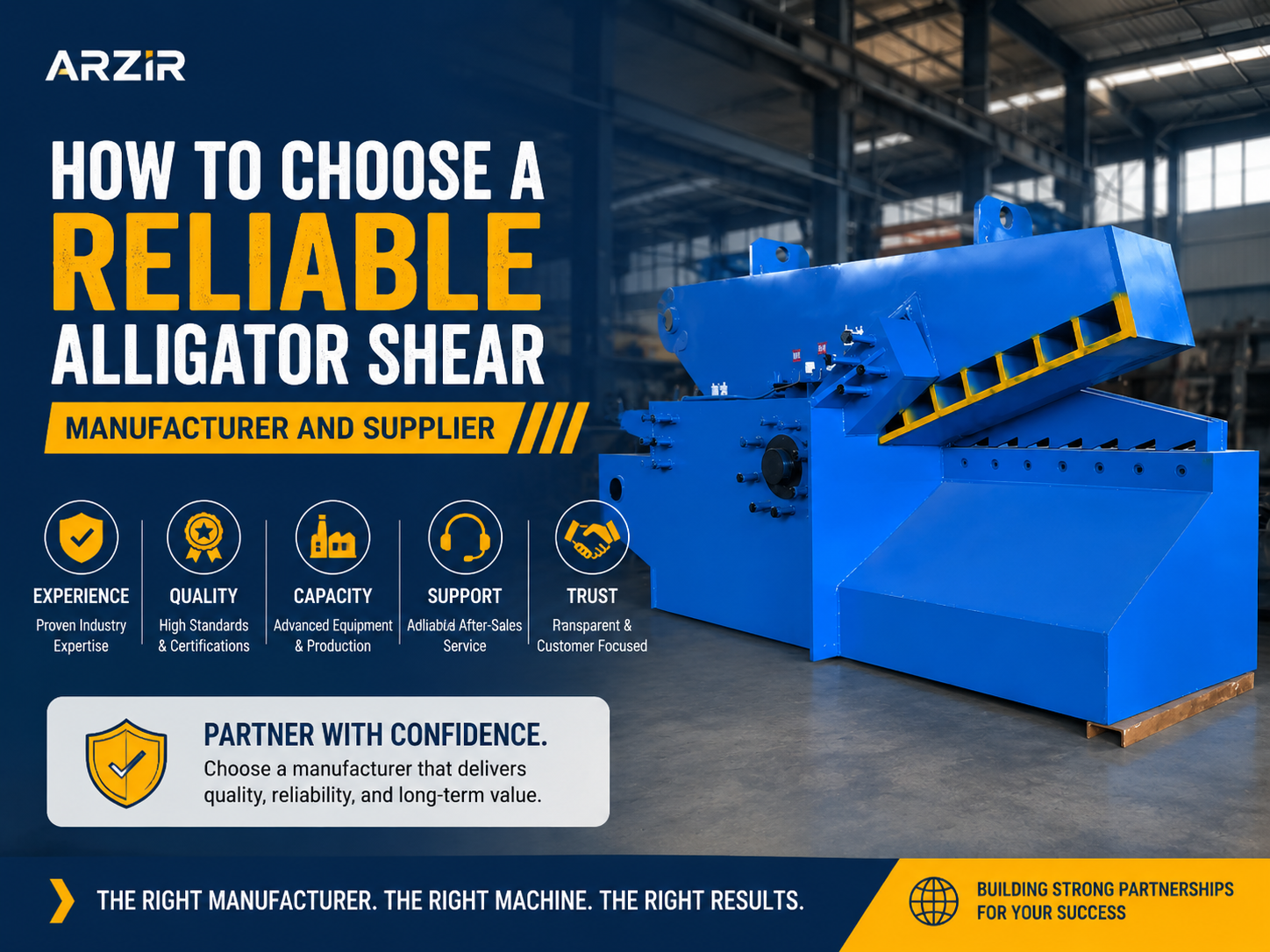
Introduction to Alligator Shear Procurement
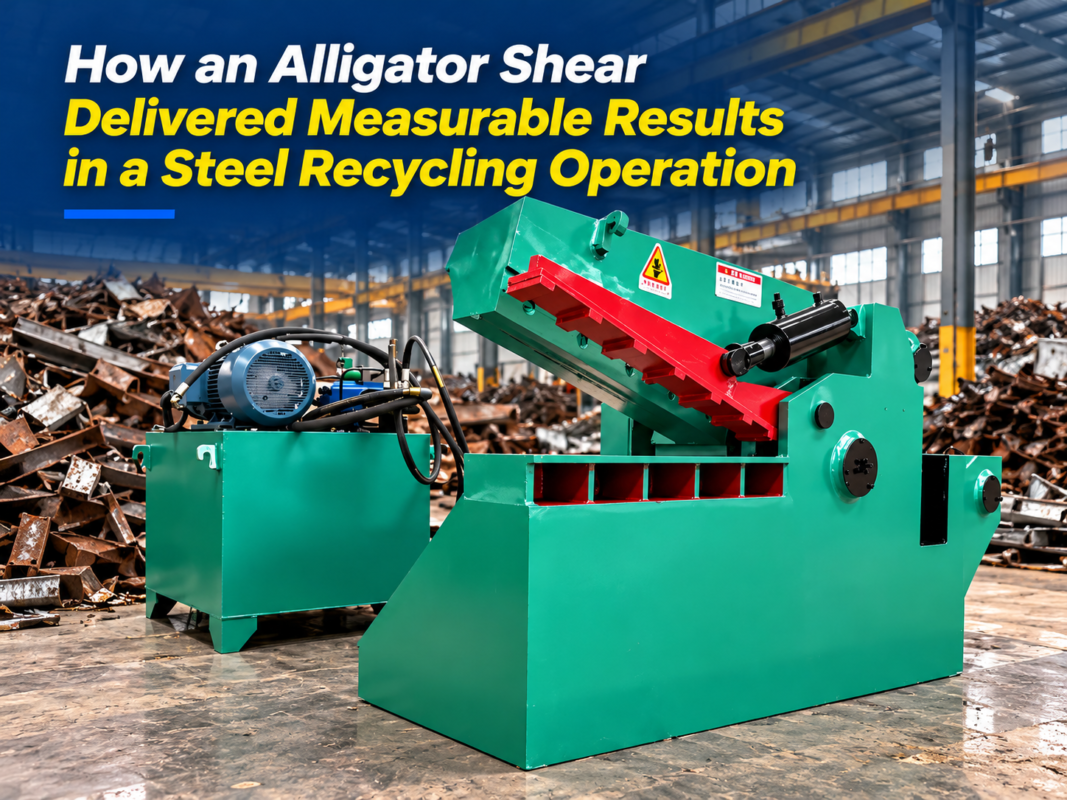
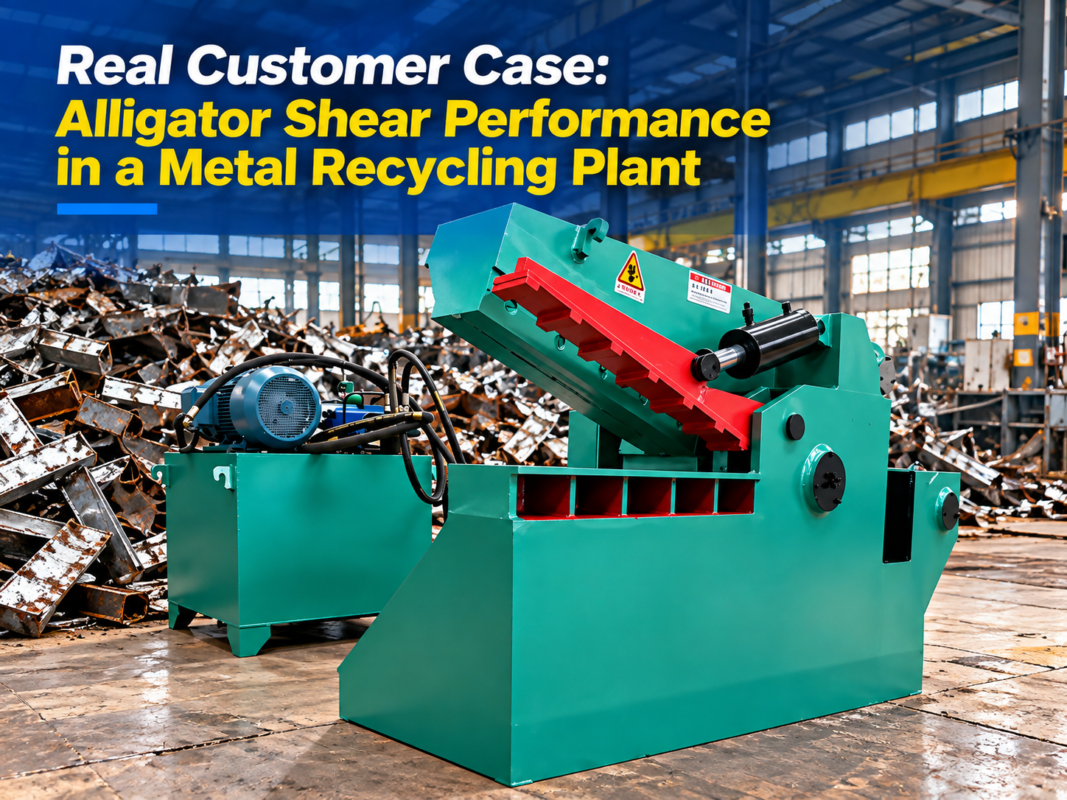
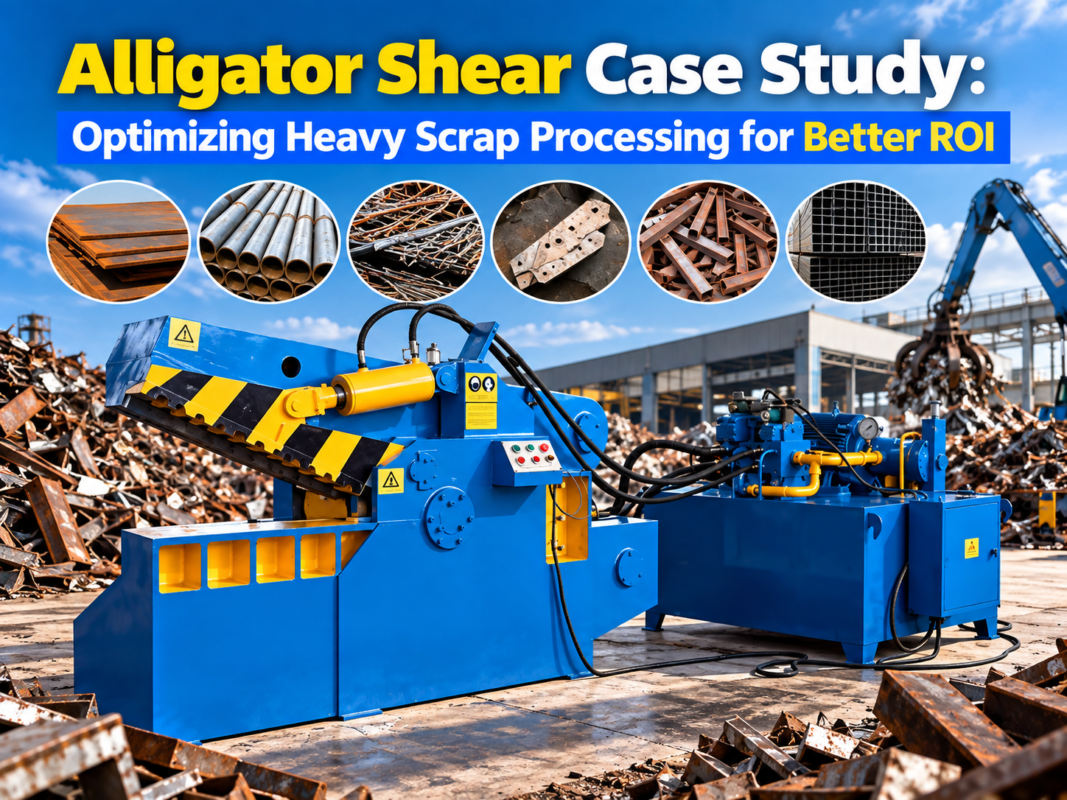
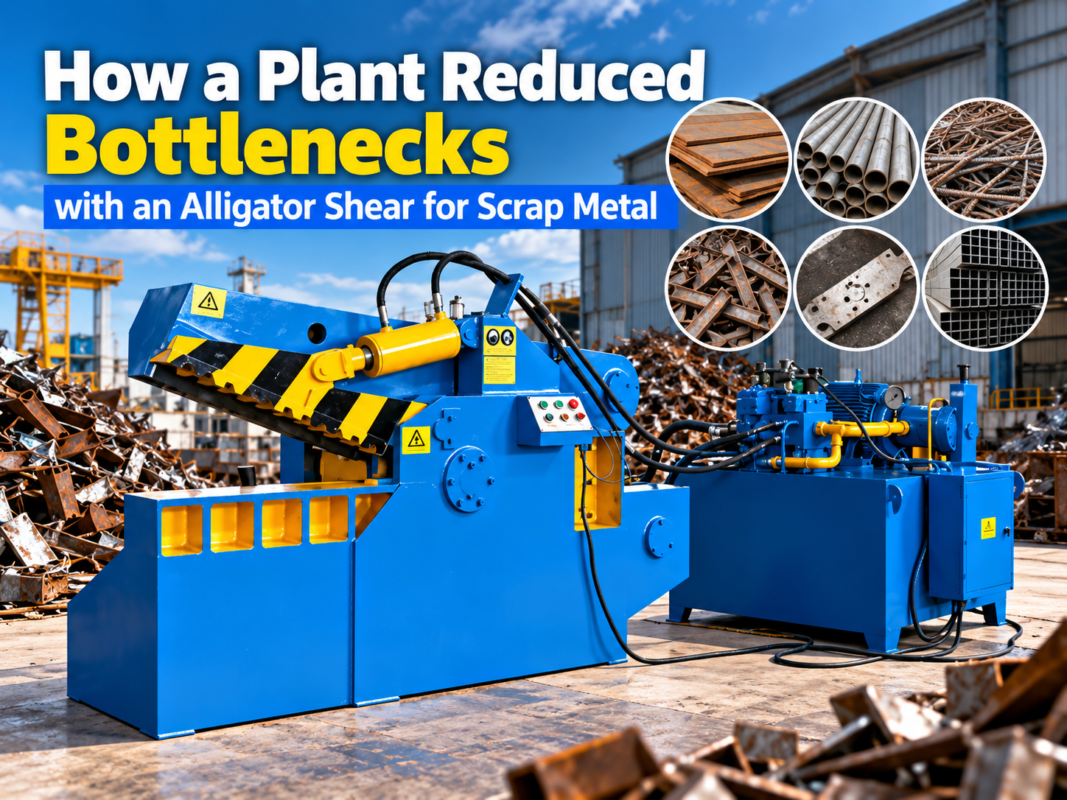
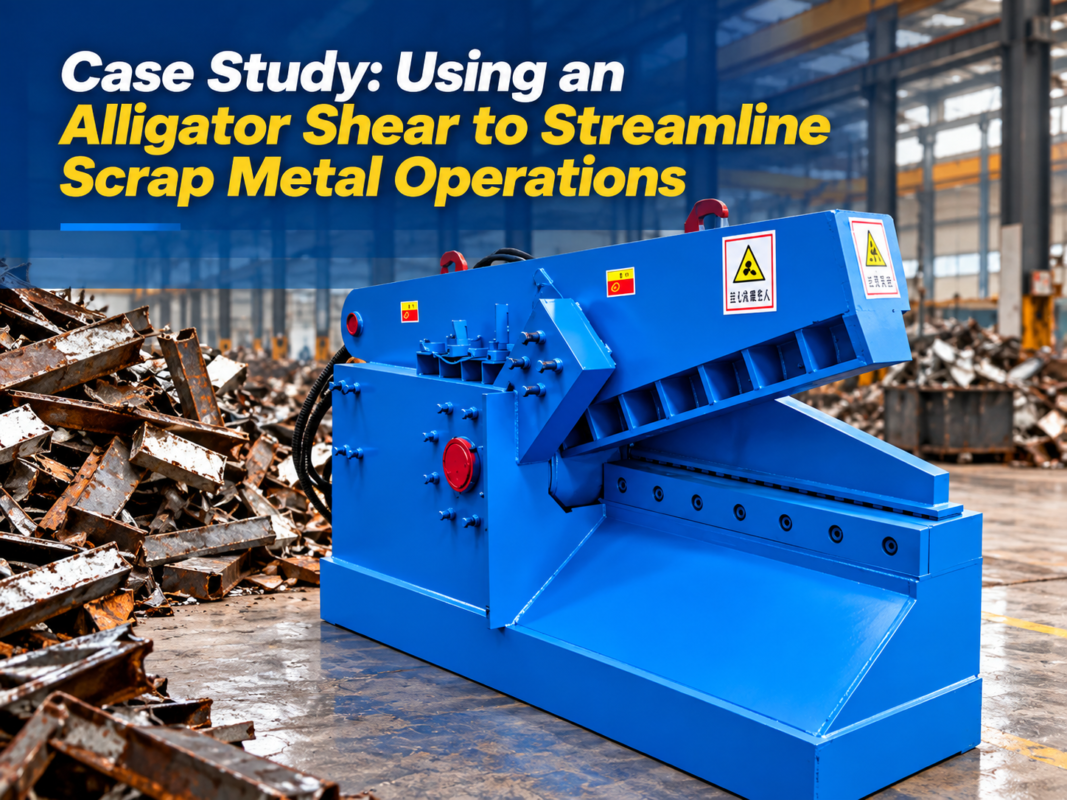
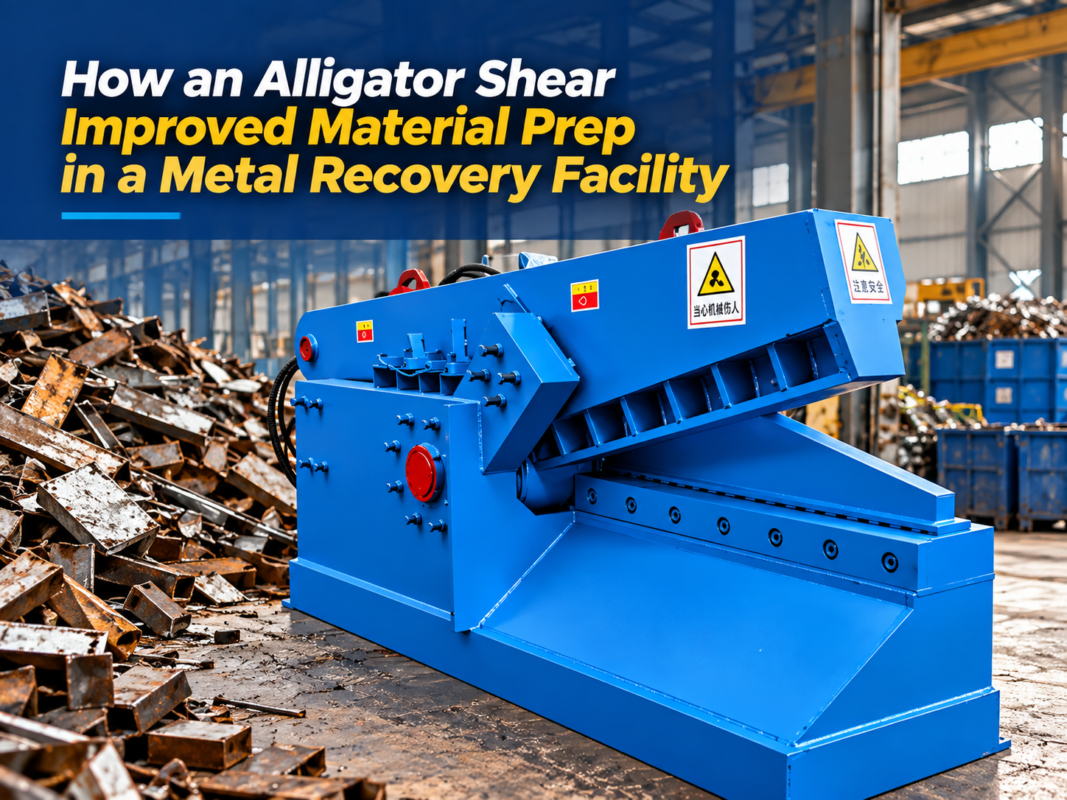
In the world of scrap metal recycling and industrial waste management, the alligator shear stands as a foundational piece of equipment. Named for its characteristic jaw-like movement, this hydraulic machine is essential for cold-cutting various metal shapes—pipes, rods, angles, and sheets—into manageable sizes for smelting or transport. However, the market is flooded with options, ranging from low-cost local fabricators to high-end international brands. To choose a reliable alligator shear manufacturer supplier, one must look beyond the initial price tag and evaluate the engineering integrity, hydraulic efficiency, and long-term support capabilities of the vendor.
Selecting the wrong supplier can lead to frequent downtime, safety hazards, and poor cutting precision, all of which erode your profit margins. A reliable manufacturer like HARSLE understands that these machines operate in harsh environments, often running for multiple shifts under heavy loads. Therefore, the procurement process requires a deep dive into technical specifications, material quality, and the manufacturer’s track record. This guide is designed to provide you with a roadmap to navigate the complexities of the alligator shear market, ensuring you invest in a machine that delivers consistent performance for years to come.
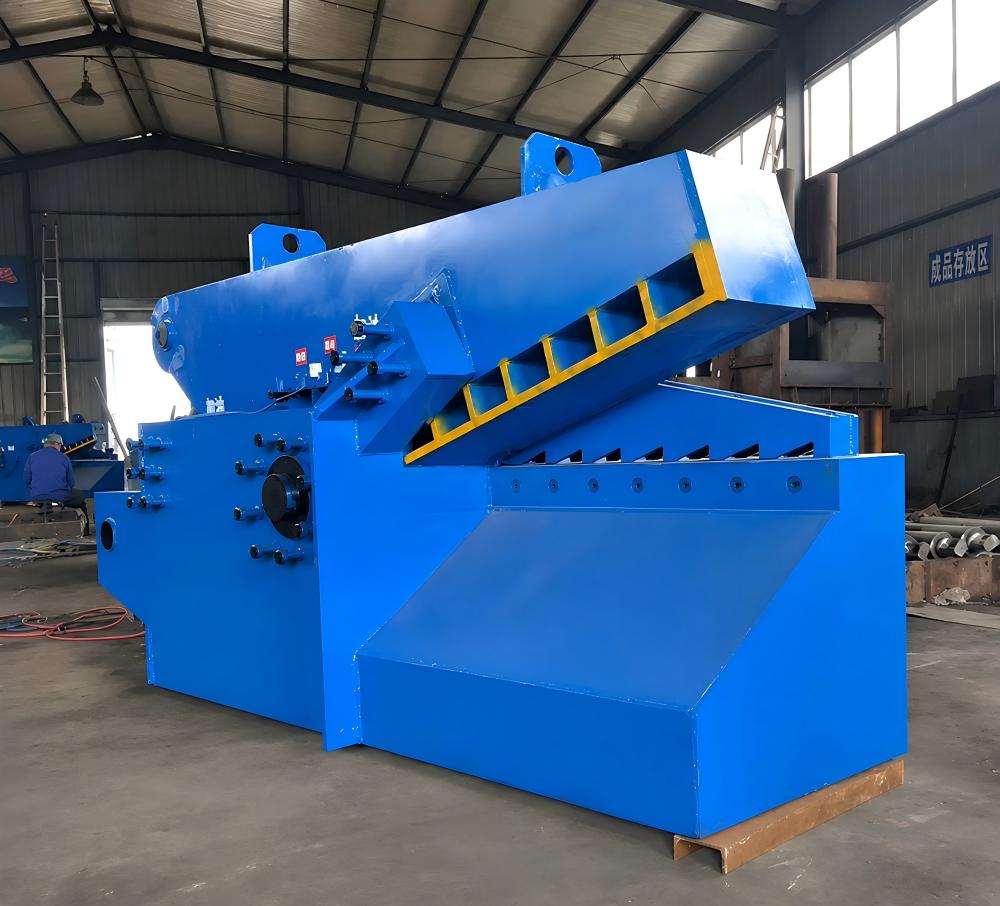
Price Range Overview: Understanding the Market Tiers
When you begin your search to choose a reliable alligator shear manufacturer supplier, the first thing you will notice is the wide variance in pricing. Generally, alligator shears are categorized by their cutting force (measured in tons) and blade length. Understanding these tiers helps you align your budget with your operational needs.
| Machine Category | Cutting Force (Tons) | Typical Price Range (USD) | Primary Application |
|---|---|---|---|
| Entry-Level / Workshop | 60 – 100 Tons | $3,500 – $7,500 | Small scrap yards, copper wire, light aluminum profiles. |
| Mid-Range Industrial | 120 – 250 Tons | $8,000 – $18,000 | General steel scrap, pipes, automotive parts recycling. |
| Heavy-Duty / High-Volume | 315 – 600+ Tons | $20,000 – $55,000+ | Large-scale recycling centers, heavy structural steel, demolition scrap. |
Entry-level machines are often characterized by shorter blade lengths (400mm to 600mm) and simpler hydraulic circuits. While they are affordable, they may lack the cooling systems required for continuous 24/7 operation. Mid-range machines offer a balance of speed and power, often featuring 800mm to 1000mm blades. The heavy-duty tier represents the pinnacle of engineering, featuring reinforced frames, advanced PLC controls, and high-flow hydraulic systems designed for maximum throughput. When comparing prices, always ask if the quote includes the motor, hydraulic oil, and a set of spare blades, as these can significantly alter the total initial investment.
Main Cost Drivers in Alligator Shear Manufacturing
To choose a reliable alligator shear manufacturer supplier, you must understand what makes one machine more expensive than another. It isn’t just brand name; it is the quality of the components hidden beneath the paint. The primary cost driver is the quality of the steel used in the frame. A reliable manufacturer uses high-grade Q235 or Q345 steel with significant thickness to prevent frame warping under the immense pressure of hydraulic cutting.
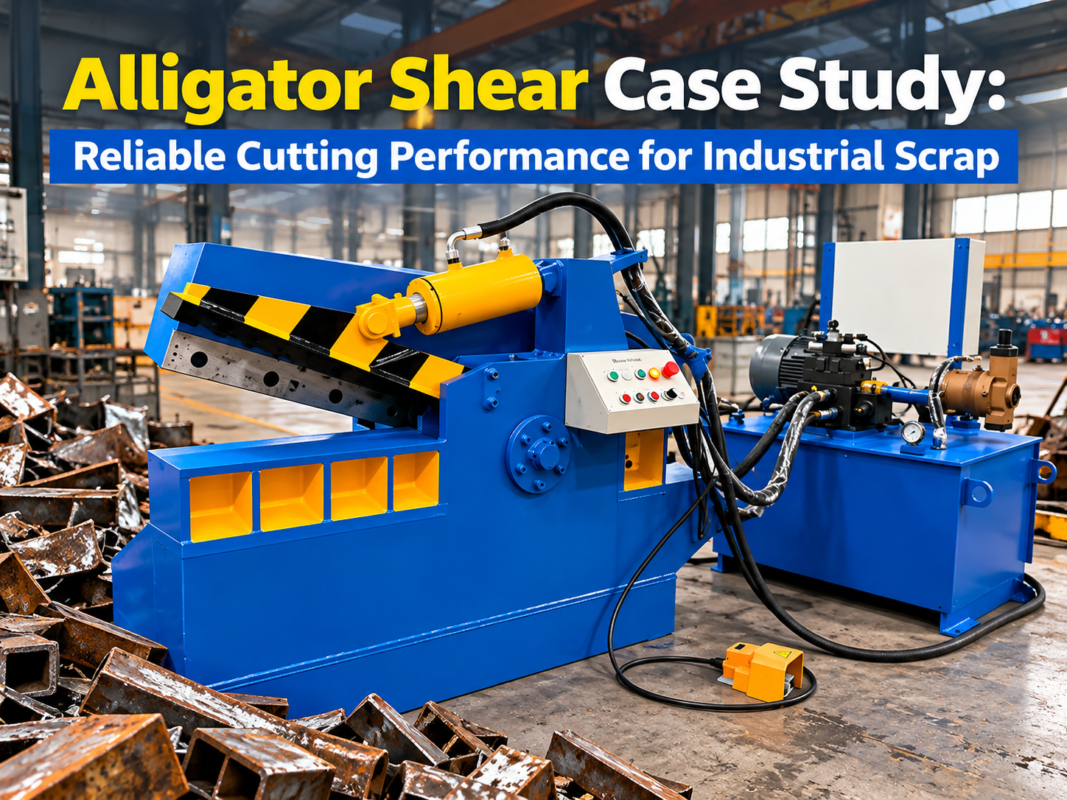
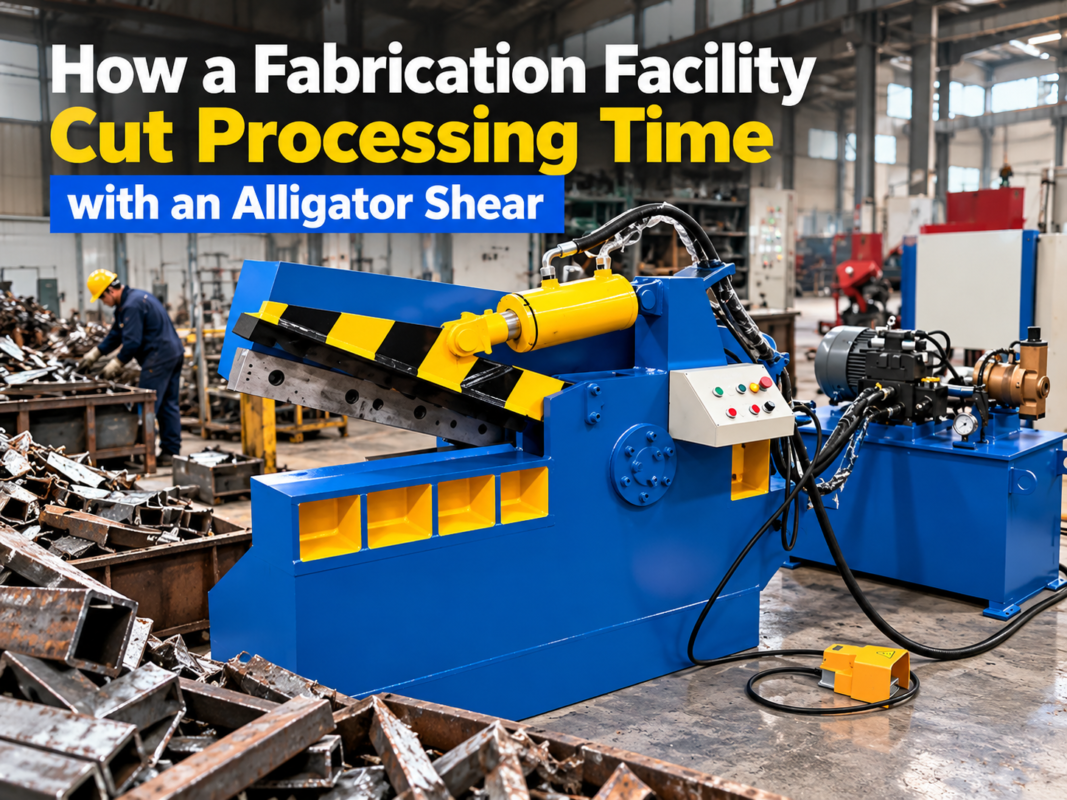
The hydraulic system is the heart of the machine. Suppliers who use premium components, such as Rexroth or Vickers valves and high-pressure pumps, will charge more, but these components offer superior longevity and easier sourcing of replacement parts. Furthermore, the motor’s efficiency rating (IE2 vs. IE3) impacts both the purchase price and the long-term electricity costs. A high-efficiency motor might cost 15% more upfront but can save thousands in energy bills over its lifespan.
Blade material is another critical factor. Standard blades are often made of 9CrSi, which is suitable for softer metals. However, for cutting hard steel or stainless steel, you need blades made of Cr12MoV or H13 tool steel. These materials undergo specialized heat treatment processes to reach a hardness of 55-58 HRC, ensuring they stay sharp longer and resist chipping. A supplier offering “cheap” shears often cuts corners on these metallurgical details, leading to frequent blade replacements and increased maintenance costs for the buyer.
Configuration Impact: Tailoring the Machine to Your Needs
The configuration of an alligator shear determines its versatility and efficiency. When you choose a reliable alligator shear manufacturer supplier, you should look for one that offers customization options. For instance, the choice between manual foot-pedal operation and fully automatic continuous cutting is vital. Automatic cycles are essential for high-volume operations where the operator simply feeds the material, whereas manual control is better for precise, one-off cuts of irregular scrap.
Blade length is another configuration point. A longer blade (e.g., 1200mm) allows you to cut wider sheets or multiple pipes at once, but it requires a significantly larger hydraulic cylinder to maintain the same cutting pressure per square inch. If your primary material is thick rebar, a shorter, more powerful jaw (600mm) might be more effective than a long, weaker one. Additionally, consider the inclusion of a hydraulic hold-down device. This feature clamps the material before the blade descends, preventing the metal from “kicking up,” which is a major safety hazard and a cause of blade misalignment.
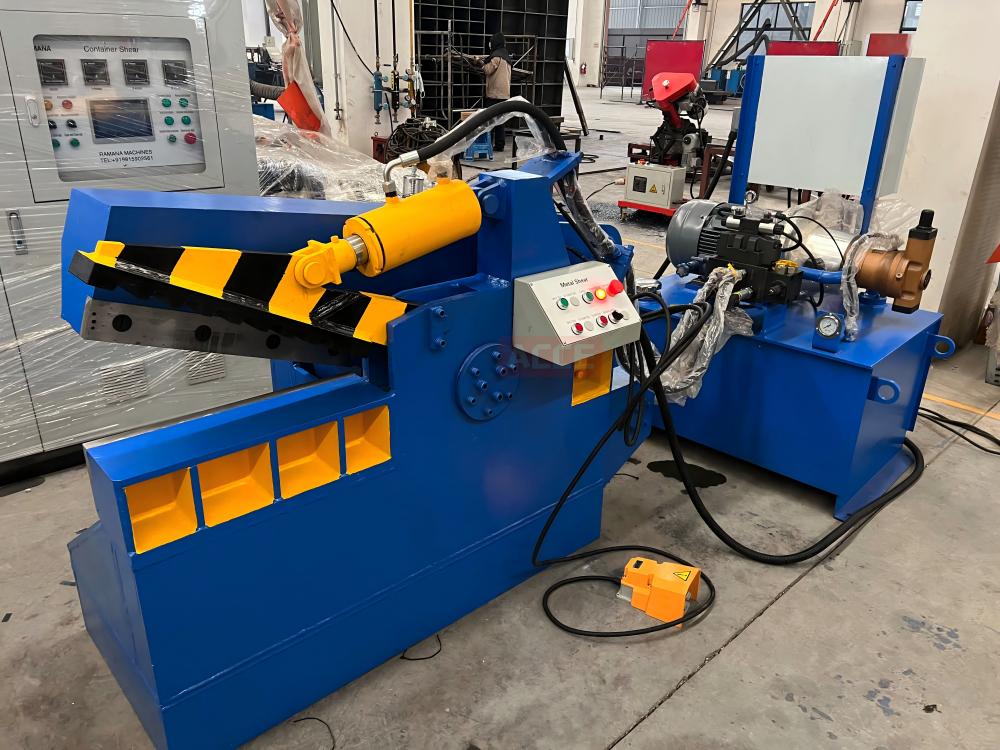
Cooling and Filtration Systems
In warmer climates or high-intensity environments, the hydraulic oil can overheat, leading to seal failure and loss of pressure. Reliable suppliers often include or offer optional air-cooled or water-cooled heat exchangers. Furthermore, a high-quality filtration system is necessary to keep the hydraulic fluid free of metal shavings and dust, which are prevalent in scrap yards. A machine configured with these protective measures will have a significantly longer mean time between failures (MTBF).
Hidden Costs of Owning an Alligator Shear
The purchase price is only the beginning. To truly choose a reliable alligator shear manufacturer supplier, you must account for the total cost of ownership (TCO). One of the most overlooked hidden costs is international shipping and logistics. For a machine weighing several tons, sea freight, customs duties, and local port handling fees can add 10-20% to the total cost. Ensure your supplier provides clear Incoterms (like CIF or DDP) so there are no surprises at the dock.
Installation and commissioning are also factors. Does the machine arrive “plug and play,” or does it require a technician to fly out and assemble the hydraulic lines? Many low-cost suppliers provide no documentation, leaving you to figure out the wiring and hydraulic priming on your own. This can lead to costly mistakes during the initial setup. Furthermore, consider the cost of hydraulic oil; a large shear might require 200 to 500 liters of high-grade anti-wear hydraulic oil, which is a significant initial expense.
Finally, think about spare parts. Blades, seals, and filters are wear items. A reliable supplier will have these parts in stock and ready for express shipping. If you choose a supplier with no local presence or poor after-sales support, a simple blown seal could shut down your production for weeks while you wait for a part to clear customs. This downtime is the most expensive hidden cost of all.
ROI Calculation: Is the Investment Worth It?
Calculating the Return on Investment (ROI) is essential for any business looking to choose a reliable alligator shear manufacturer supplier. The ROI is driven by two main factors: labor savings and the value-add of processed scrap. Unprocessed scrap metal is often bought at a lower price by larger foundries because it is difficult to handle and transport. By shearing the metal into standard sizes (e.g., 500mm lengths), you can often command a premium price per ton.
Consider this hypothetical scenario: A manual scrap yard processes 2 tons of metal per day using torches or hand tools. By investing $12,000 in a mid-range alligator shear, they increase their throughput to 8 tons per day with the same labor force. If the price difference between “unprepared” and “prepared” scrap is $40 per ton, the machine generates an additional $320 in value per day. At this rate, the machine pays for itself in fewer than 40 working days. Even when accounting for electricity and maintenance, the payback period is remarkably short for high-volume operations.
Furthermore, the safety aspect of an alligator shear reduces the risk of workplace injuries associated with manual cutting or torching. Lowering insurance premiums and avoiding potential legal liabilities contribute to the long-term financial health of the company, making the choice of a high-quality, safe machine from a reputable supplier even more critical.
Buying Advice: How to Vet Your Supplier
When you are ready to choose a reliable alligator shear manufacturer supplier, follow this checklist to ensure you are dealing with a professional entity:
- Check Certifications: Ensure the manufacturer is ISO 9001 certified and the machine carries the CE mark for safety. This indicates a baseline of quality management and safety engineering.
- Request Video Proof: Ask for a video of the actual machine you are buying performing a test cut on material similar to what you will be processing. A reliable supplier like HARSLE will gladly provide this.
- Evaluate the Documentation: Ask for a sample of the user manual and hydraulic schematics. If they are poorly translated or non-existent, it is a red flag for future support.
- Inquire About the Warranty: A standard warranty should be at least 12 months. Clarify what is covered—does it include the hydraulic pump and motor? Who pays for the shipping of replacement parts?
- Check References: Ask for contacts of previous customers in your region. Speaking with an actual user can provide insights into the machine’s real-world durability and the supplier’s responsiveness.
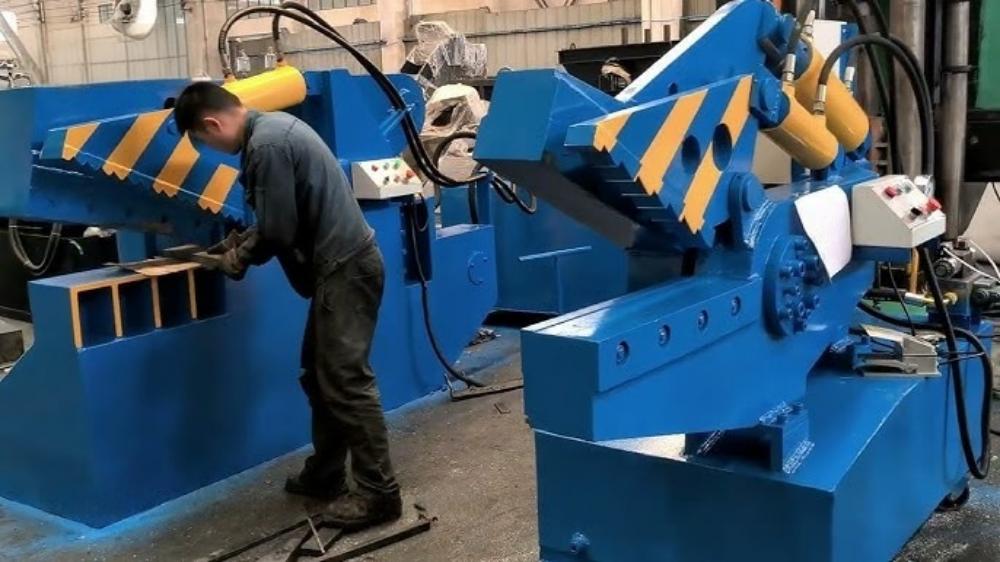
Maintenance Tips for Longevity
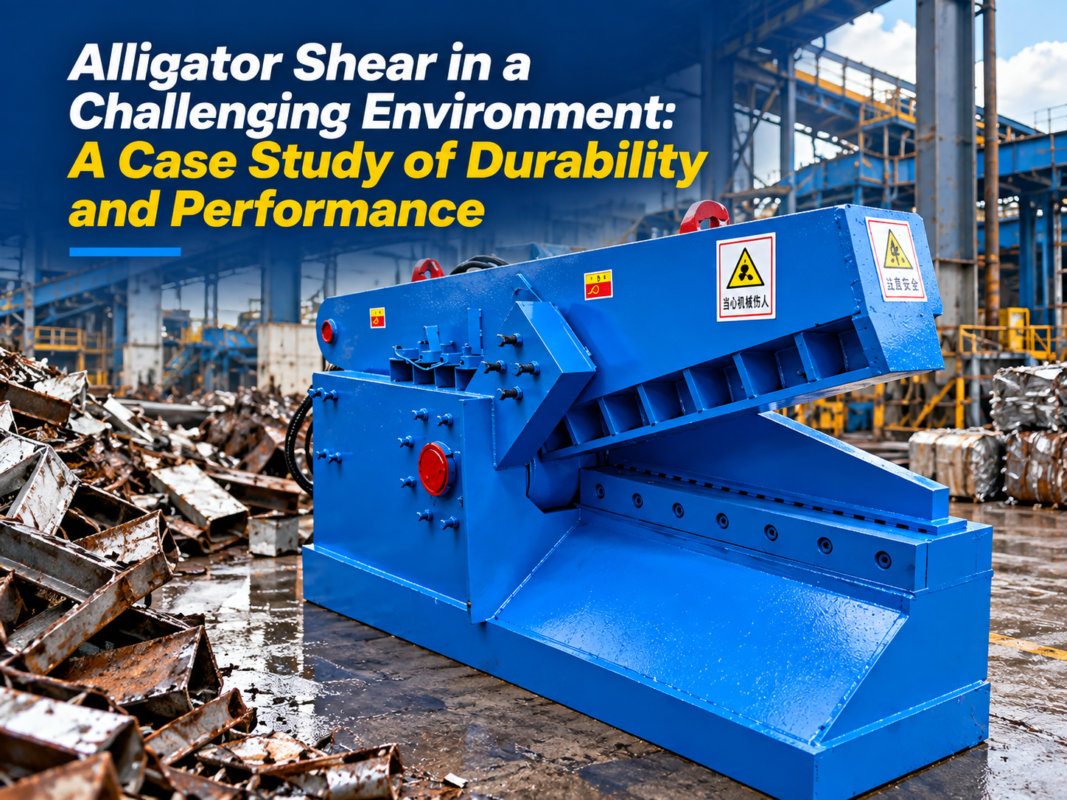
Even if you choose a reliable alligator shear manufacturer supplier, the machine’s lifespan depends on proper maintenance. The most important task is regular lubrication of the pivot points. The main pin of the alligator jaw is under extreme stress; without daily greasing, it will wear prematurely, leading to blade misalignment. Secondly, monitor the hydraulic oil temperature and cleanliness. Changing the filters every 500 hours of operation can prevent 90% of hydraulic failures.
Blade maintenance is also crucial. Do not wait until the blades are completely dull to rotate or sharpen them. Most alligator shear blades are four-sided, meaning you can rotate them to use a fresh edge before needing a professional regrind. Keeping the blades sharp reduces the load on the hydraulic system and ensures clean, efficient cuts. Finally, always check the tightness of the blade bolts, as the vibration from cutting can loosen them over time, potentially causing catastrophic damage to the jaw.
Frequently Asked Questions (FAQ)
1. What is the difference between an alligator shear and a container shear?
An alligator shear is a smaller, open-jaw machine used for manual feeding of scrap. A container shear (or guillotine shear) is a much larger, automated system where scrap is loaded into a hopper and compressed before being cut. Alligator shears are more affordable and better for smaller, irregular pieces, while container shears are for high-volume industrial processing.
2. Can an alligator shear cut stainless steel?
Yes, but it requires high-quality blades (like Cr12MoV) and a machine with sufficient cutting force. Stainless steel is much harder than mild steel, so you should typically use a machine rated for a higher capacity than the thickness of the stainless you intend to cut.
3. How often should I change the hydraulic oil?
For most industrial alligator shears, the hydraulic oil should be changed every 2,000 to 3,000 hours of operation, or at least once a year. However, you should check the oil level and clarity weekly. If the oil appears milky (water contamination) or smells burnt, it should be changed immediately.
4. Is it better to choose a supplier with a local distributor?
While buying directly from a manufacturer like HARSLE can save money, having a local distributor can be beneficial for immediate technical support and spare parts. If buying direct, ensure the manufacturer has a robust international shipping process for parts and offers video-based technical support.
5. What safety features should I look for?
A reliable alligator shear should have a protective cage over the cutting area, an emergency stop button within easy reach, and a hydraulic hold-down device to secure the material during the cut. Never bypass these safety features to increase speed.
Conclusion
To choose a reliable alligator shear manufacturer supplier is to invest in the future of your recycling business. By focusing on the quality of hydraulic components, the integrity of the steel frame, and the reputation of the manufacturer, you ensure that your equipment remains an asset rather than a liability. Remember that the cheapest option often carries the highest long-term cost in repairs and lost productivity. Manufacturers like HARSLE provide the engineering excellence and after-sales support necessary to keep your operations running smoothly, safely, and profitably. Take the time to vet your suppliers, understand your technical requirements, and calculate your ROI—your bottom line will thank you.