Aluminium Extrusion Press Hydraulic Maintenance Tips for Better Performance: A Comprehensive Guide

The Critical Role of Maintenance in Aluminium Extrusion
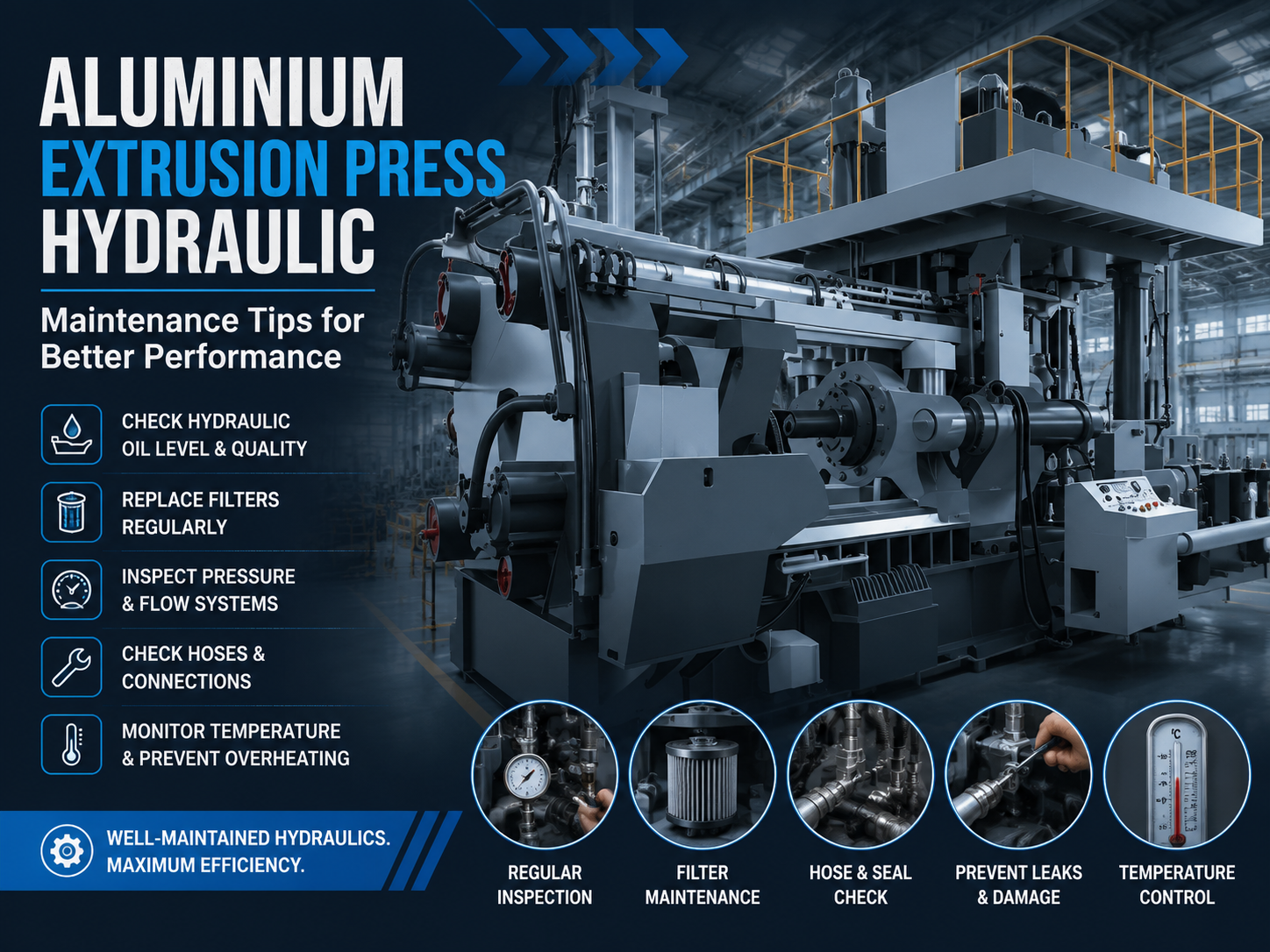
In the high-stakes world of metal fabrication, the aluminium extrusion press stands as a cornerstone of production. These massive machines exert thousands of tons of pressure to transform raw aluminium billets into intricate profiles used in everything from aerospace components to window frames. However, the sheer force and heat involved in this process place immense stress on the machine’s components, particularly the hydraulic system. Implementing effective Aluminium Extrusion Press Hydraulic Maintenance Tips for Better Performance is not just a recommendation; it is a necessity for any facility aiming to maintain a competitive edge.
The hydraulic system is the lifeblood of the extrusion press. It provides the necessary force to push the billet through the die, controls the speed of the ram, and manages the auxiliary functions like the container shift and the shear. When the hydraulic system is neglected, the entire production line suffers. Minor leaks can escalate into catastrophic failures, and contaminated oil can wear down expensive pumps and valves prematurely. By prioritizing maintenance, manufacturers can ensure consistent profile quality, reduce energy consumption, and significantly extend the lifespan of their HARSLE equipment.
Furthermore, a well-maintained press is a safer press. Hydraulic systems operate under extreme pressure, often exceeding 250 bar. A burst hose or a failing seal can pose significant risks to operators. Beyond safety, the economic impact of downtime is staggering. In a modern extrusion plant, an unscheduled stoppage can cost thousands of dollars per hour in lost productivity and wasted energy. Therefore, understanding and applying the right maintenance strategies is essential for operational excellence and long-term profitability.
This guide provides a deep dive into the essential practices for keeping your aluminium extrusion press in peak condition. From daily visual inspections to complex hydraulic circuit analysis, we will cover the steps necessary to achieve better performance and reliability. Whether you are operating a brand-new HARSLE press or maintaining an older model, these tips will help you optimize your extrusion process.
The Importance of a Proactive Maintenance Strategy
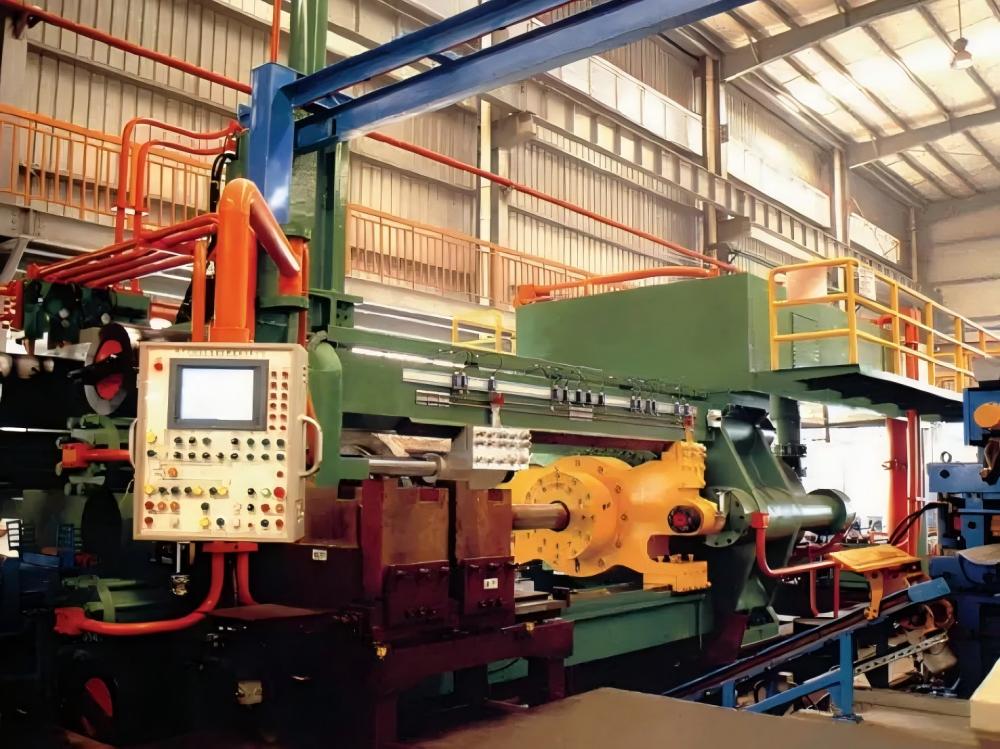
Transitioning from a reactive “fix-it-when-it-breaks” mentality to a proactive maintenance strategy is the first step toward better performance. Proactive maintenance involves identifying potential issues before they lead to machine failure. This approach relies on regular monitoring, data collection, and scheduled interventions. For an aluminium extrusion press, this means paying close attention to the hydraulic fluid’s health, the mechanical alignment of the press frame, and the responsiveness of the electrical control systems.
One of the primary benefits of proactive maintenance is the stabilization of the extrusion process. When the hydraulic system operates within its designed parameters, the ram speed remains constant, and the pressure application is smooth. This consistency is vital for maintaining the dimensional tolerances and surface finish of the extruded profiles. Inconsistent pressure can lead to defects such as “chatter marks,” uneven wall thickness, or structural weaknesses in the aluminium profile.
Moreover, proactive maintenance significantly reduces the Total Cost of Ownership (TCO). While there is an upfront cost associated with regular oil analysis, filter replacements, and seal inspections, these expenses are minor compared to the cost of replacing a main hydraulic pump or a large-diameter cylinder. By catching wear and tear early, you can schedule repairs during planned downtime, minimizing the impact on your production schedule. This strategic approach ensures that your Aluminium Extrusion Press Hydraulic Maintenance Tips for Better Performance translate directly into bottom-line savings.
Finally, a robust maintenance program enhances the resale value of the machinery. Industrial equipment that comes with a detailed maintenance log and shows signs of meticulous care is much more attractive on the secondary market. For companies looking to upgrade their HARSLE machinery in the future, maintaining the current fleet to the highest standards is a wise investment. It demonstrates a commitment to quality and operational discipline that resonates throughout the entire manufacturing organization.
Daily Inspection: The First Line of Defense
The daily inspection is perhaps the most critical component of any maintenance plan. It requires no specialized tools—only a keen eye and a disciplined routine. Operators should be trained to perform a thorough walk-around of the press at the start of every shift. This routine helps in identifying early warning signs that might otherwise go unnoticed until a major fault occurs. The goal is to catch the “small things” before they become “big things.”
Start by checking the hydraulic oil level in the main reservoir. The oil level should be within the specified range on the sight glass. A sudden drop in oil level is a clear indicator of a leak, while an increase could suggest water contamination or a problem with the heat exchanger. Next, inspect the area around the press for any signs of hydraulic fluid. Even a small puddle can point to a loose fitting or a weeping seal. Addressing these leaks immediately prevents environmental hazards and reduces the risk of oil starvation in the pumps.
Monitor the temperature of the hydraulic oil via the HMI (Human-Machine Interface) or the local gauges. Most aluminium extrusion presses are designed to operate with oil temperatures between 40°C and 55°C. If the temperature exceeds 60°C, the oil’s viscosity drops, leading to poor lubrication and accelerated wear of hydraulic components. Overheating is often a sign of a failing cooling system or internal leakage within a valve or pump. Daily monitoring allows you to spot trends in temperature fluctuations that might indicate an emerging problem.
Listen for unusual noises during the press cycle. A healthy hydraulic system has a consistent, rhythmic sound. High-pitched whining, grinding, or banging noises are red flags. For instance, a whining sound from the pump often indicates cavitation, which occurs when air enters the fluid or the suction line is restricted. Cavitation can destroy a hydraulic pump in a matter of hours. By incorporating these Aluminium Extrusion Press Hydraulic Maintenance Tips for Better Performance into the daily routine, operators become the first line of defense against costly breakdowns.
Hydraulic System Checks: Deep Dive into Fluid Power
The hydraulic system of an aluminium extrusion press is a complex network of pumps, valves, cylinders, and accumulators. Maintaining this system requires a deeper understanding of fluid power principles. The most important factor in hydraulic health is oil cleanliness. It is estimated that up to 80% of hydraulic system failures are caused by fluid contamination. Microscopic particles of metal, dust, and rubber can act as an abrasive, wearing down the precision-machined surfaces of proportional valves and piston pumps.
Regular oil analysis is essential. This involves taking a sample of the hydraulic fluid and sending it to a lab to check for particle counts (ISO 4406), water content, and chemical degradation. Based on these results, you can determine if the oil needs to be filtered (kidney-loop filtration) or replaced entirely. Additionally, the main pressure filters and return-line filters must be changed according to the manufacturer’s schedule or when the differential pressure indicators signal a clog. Never bypass a filter, as this allows contaminants to circulate freely through the system.
The main hydraulic pumps are the heart of the press. Inspect the pump mountings for vibration and check the case drain flow if possible. An increase in case drain flow is a primary indicator of internal pump wear. Similarly, the hydraulic cylinders—especially the main ram—should be inspected for scoring on the rods and leaks at the gland seals. A scored rod can quickly destroy new seals, leading to a cycle of constant leakage and repair. Ensuring the rods are clean and free of debris is a simple yet effective way to prolong seal life.
Accumulators play a vital role in providing rapid pressure for functions like the container seal and the shear. These nitrogen-charged vessels must be checked regularly for proper pre-charge pressure. If the pre-charge is too low, the accumulator won’t provide the necessary boost, leading to sluggish machine movements. If it’s too high, the bladder or piston inside can be damaged. Using a dedicated charging kit to verify and adjust the nitrogen levels is a key part of Aluminium Extrusion Press Hydraulic Maintenance Tips for Better Performance.
Electrical and Mechanical Checks: Ensuring Synergy
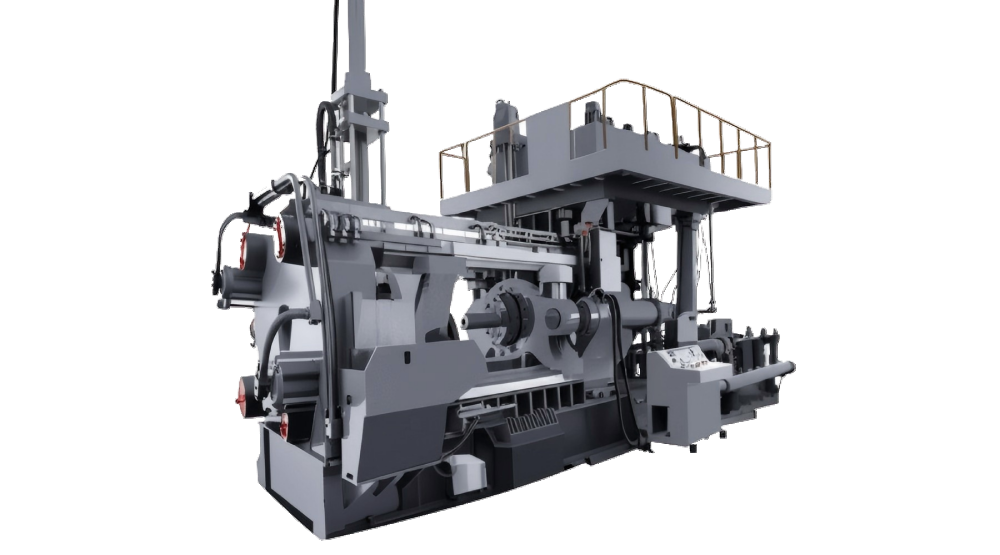
While the hydraulic system provides the muscle, the electrical system provides the brains, and the mechanical structure provides the skeleton. For the press to perform at its best, all three systems must work in perfect harmony. Electrical maintenance starts with the control cabinet. Ensure that the cabinet is clean, dry, and well-ventilated. Dust buildup on electronic components can lead to overheating and premature failure of PLCs (Programmable Logic Controllers) and frequency inverters.
Check all limit switches, proximity sensors, and linear transducers. These components provide the feedback the PLC needs to control the press’s movements. A loose sensor or a frayed wire can cause erratic behavior, such as the ram failing to stop at the correct position or the container moving out of sequence. Regularly calibrating the pressure transducers and flow meters ensures that the data the operator sees on the HMI is accurate, allowing for precise control over the extrusion process.
Mechanically, the alignment of the press is paramount. The main ram, the container, and the die slide must be perfectly aligned along the center axis of the press. Misalignment causes uneven wear on the container liners and the extrusion stem, and it can lead to “banana-ing” of the extruded profiles. Use laser alignment tools or precision levels to check the frame’s integrity periodically. Pay close attention to the tie bars; these massive bolts hold the press together under immense tension. Check the nuts for tightness and inspect the bars for any signs of cracking or fatigue.
The container heating system also requires attention. Aluminium extrusion is a thermal process, and the container must be maintained at a specific temperature to ensure the billet flows correctly. Check the heating elements for continuity and inspect the thermocouples for accuracy. Uneven heating in the container can lead to localized pressure spikes and poor metal flow, which negatively impacts the quality of the finished product. Integrating these electrical and mechanical checks into your Aluminium Extrusion Press Hydraulic Maintenance Tips for Better Performance ensures a holistic approach to machine health.
Lubrication Plan: Reducing Friction and Wear
Lubrication is often overlooked, yet it is one of the most cost-effective ways to prevent wear in an aluminium extrusion press. The machine has numerous moving parts that are subject to high loads and high temperatures. A proper lubrication plan specifies the type of lubricant to be used, the location of the lubrication points, and the frequency of application. Using the wrong grease or missing a lubrication point can lead to seized bearings or galling on sliding surfaces.
The die slide and the container guide rails are particularly vulnerable. These components move under heavy loads and are exposed to the heat radiating from the billet and the container. A high-temperature, extreme-pressure (EP) grease is typically required for these areas. Many modern HARSLE presses feature automated lubrication systems that deliver small, precise amounts of grease at regular intervals. It is vital to monitor these systems to ensure the reservoirs are full and the delivery lines are not blocked.
Beyond the sliding surfaces, the pivot points on the loader, the shear, and the die changer also require regular lubrication. These areas might not be under the same thermal stress as the container, but they are essential for the smooth operation of the auxiliary systems. A failure in the loader’s lubrication can lead to jerky movements, which might cause the billet to be misaligned as it enters the container, potentially damaging the equipment.
It is also important to manage the lubrication of the hydraulic pump couplings and motor bearings. These high-speed components require specific types of grease that can withstand the centrifugal forces and operating temperatures. Over-greasing can be just as harmful as under-greasing, as it can lead to seal failure and overheating in bearings. Following a strict lubrication schedule as part of your Aluminium Extrusion Press Hydraulic Maintenance Tips for Better Performance will keep the machine running smoothly and quietly.
Troubleshooting Signals: Identifying Problems Early
Even with the best maintenance plan, issues can still arise. The key is to recognize the signals of trouble early and respond effectively. One of the most common signals is a change in the cycle time. If the press is taking longer to complete an extrusion cycle, it usually indicates a loss of hydraulic efficiency. This could be due to a worn pump, a leaking internal valve, or a restriction in the hydraulic lines. Monitoring cycle times via the HMI can provide an early warning of declining performance.
Another critical signal is the presence of air in the hydraulic system. This often manifests as “spongy” movement or erratic pressure readings. Air can enter the system through a leak in the suction line or a low oil level in the reservoir. If left unaddressed, air will cause cavitation in the pumps and oxidation of the hydraulic oil. If you notice foam in the sight glass or hear a crackling sound in the valves, it is time to bleed the system and find the source of the air ingress.
Excessive heat is a universal signal of trouble. If a specific valve manifold feels significantly hotter than the surrounding components, it likely has an internal leak. When high-pressure oil is forced through a small orifice (like a worn valve seat), it generates heat. Using an infrared thermometer to perform a “heat map” of the hydraulic system during operation can help pinpoint these internal failures without dismantling the entire circuit. This diagnostic technique is a cornerstone of advanced Aluminium Extrusion Press Hydraulic Maintenance Tips for Better Performance.
Finally, pay attention to the quality of the extruded product. If you start seeing consistent defects like surface tearing, dimensions drifting out of tolerance, or variations in the profile’s structural properties, the press is likely the culprit. While die issues are common, the press’s ability to maintain constant pressure and speed is what ultimately determines the quality of the extrusion. Troubleshooting should always involve a collaborative effort between the maintenance team and the production operators to identify the root cause of the problem.
Comprehensive Maintenance Schedule Table
To help organize your maintenance efforts, use the following table as a baseline for your HARSLE aluminium extrusion press. Note that specific intervals may vary based on your production volume and environmental conditions.
| Frequency | Component | Action Required |
|---|---|---|
| Daily | Hydraulic Reservoir | Check oil level and look for signs of foam or water. |
| Daily | Main Pumps | Listen for unusual noise (cavitation/grinding). |
| Daily | Hoses & Fittings | Visual inspection for leaks or weeping. |
| Daily | HMI / Controls | Check for active alarms or error codes. |
| Weekly | Filters | Check differential pressure indicators; replace if needed. |
| Weekly | Guide Rails | Clean and inspect lubrication coverage. |
| Weekly | Cooling System | Check heat exchanger for proper water flow/fan operation. |
| Monthly | Oil Analysis | Send sample to lab for particle count and chemistry. |
| Monthly | Accumulators | Check nitrogen pre-charge pressure. |
| Monthly | Electrical Cabinet | Clean filters and check for loose wire connections. |
| Quarterly | Alignment | Verify alignment of stem, container, and die slide. |
| Quarterly | Sensors | Calibrate pressure and linear transducers. |
| Yearly | Hydraulic Oil | Complete oil change (if analysis suggests) and tank cleaning. |
| Yearly | Tie Bars | Perform NDT (Non-Destructive Testing) for cracks. |
Frequently Asked Questions (FAQ)
1. How often should I change the hydraulic oil in my extrusion press?
There is no fixed timeframe for an oil change. Instead, you should rely on regular oil analysis. Factors like operating temperature, filtration efficiency, and environment determine the oil’s lifespan. Generally, with high-quality filtration and stable temperatures, oil can last several years. However, if the analysis shows high oxidation or unmanageable contamination, it must be changed immediately to protect the system.
2. Why is my hydraulic system overheating?
Overheating is usually caused by one of three things: a failing cooling system (clogged heat exchanger or broken fan), internal leakage (oil bypassing a valve or pump seal), or the press operating at relief valve pressure for extended periods. Check the cooling circuit first, then use an infrared thermometer to look for hot spots in the hydraulic manifold that indicate internal leaks.
3. What is the best way to prevent hydraulic leaks?
The best way to prevent leaks is to ensure all fittings are tightened to the correct torque and to use high-quality seals. Vibration is a major cause of loose fittings, so ensure all hydraulic lines are properly clamped. Additionally, keeping the oil clean and cool prevents the seals from hardening and cracking, which is the primary cause of weeping at the cylinder glands.
4. Can I use any hydraulic oil in my HARSLE press?
No, you must use oil that meets the manufacturer’s specifications, typically an anti-wear (AW) hydraulic oil with the correct ISO viscosity grade (usually ISO 46 or 68). Using the wrong oil can lead to poor lubrication, pump damage, and compatibility issues with the seals. Always consult your HARSLE manual before topping up or changing the fluid.
5. How do I know if my accumulator needs charging?
If you notice that auxiliary functions like the shear or the container seal are becoming sluggish, or if the hydraulic pressure drops significantly during these movements, the accumulator pre-charge is likely low. You can verify this by using a charging and gauging kit while the press is powered down and the hydraulic pressure is bled off.
Conclusion: The Path to Peak Performance
Maintaining an aluminium extrusion press is a demanding but rewarding task. By following these Aluminium Extrusion Press Hydraulic Maintenance Tips for Better Performance, you can transform your maintenance department from a cost center into a value driver. A well-maintained press produces better parts, uses less energy, and experiences fewer breakdowns, directly contributing to the success of your manufacturing operations. Remember that consistency is key; the most effective maintenance programs are those that are performed diligently every single day.
At HARSLE, we are committed to providing not only high-quality machinery but also the knowledge and support you need to keep that machinery running at its best. By investing in the health of your hydraulic system, you are investing in the future of your business. Stay proactive, stay disciplined, and your extrusion press will provide reliable service for decades to come.