Comprehensive Guide: Routine Cleaning Tips for Hydraulic Briquetting Machine Operators

The Critical Importance of Routine Maintenance for Hydraulic Briquetting Machines
In the high-intensity world of metal fabrication and scrap recycling, the hydraulic briquetting machine stands as a cornerstone of efficiency. By transforming loose metal chips, turnings, and swarf into dense, manageable blocks, these machines significantly reduce storage volume and increase the melt-value of scrap. However, the very nature of their work—processing abrasive metal particles often coated in cutting fluids—makes them susceptible to rapid wear and tear if not properly maintained. For operators, understanding and implementing routine cleaning tips for hydraulic briquetting machine operators is not just a chore; it is a fundamental aspect of operational excellence.
Neglecting routine cleaning leads to a cascade of mechanical failures. Fine metal dust can infiltrate hydraulic seals, causing internal leaks that reduce pressing force. Accumulated sludge from coolant and fine particles can clog heat exchangers, leading to overheating and premature oil degradation. Furthermore, a dirty machine hides emerging problems like hairline cracks in the frame or loose hydraulic fittings. By prioritizing cleanliness, operators can extend the lifespan of the equipment by years, ensuring that the HARSLE briquetting machine remains a profitable asset rather than a maintenance liability.
Beyond mechanical longevity, routine cleaning is a primary safety concern. Metal shavings are sharp and can cause severe lacerations if allowed to accumulate in walkways or around control panels. Oil leaks, when mixed with metal dust, create slippery surfaces and fire hazards. A clean workspace allows the operator to move freely and respond quickly to any operational anomalies. In this guide, we will delve deep into the specific cleaning and inspection protocols that every operator should follow to maintain peak performance.
Daily Inspection Protocols for Operators
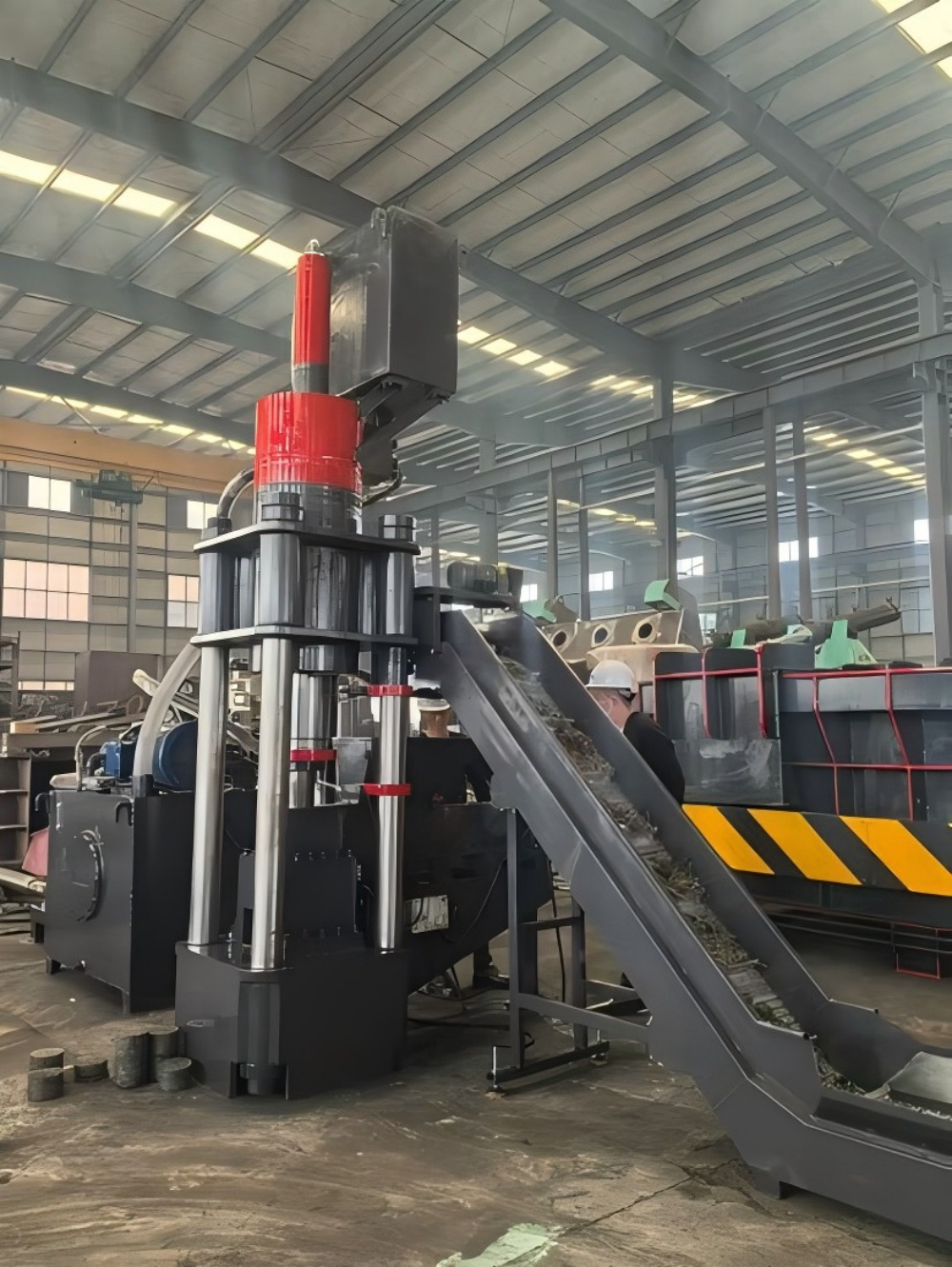
The first line of defense against machine failure is the daily inspection. This should be performed at the start of every shift before the machine is powered on. Operators should begin with a visual sweep of the entire unit. Look for any signs of fluid leakage on the floor or around the hydraulic cylinders. Even a small drip can indicate a failing seal or a loose hose connection that could lead to a catastrophic blowout under high pressure. Checking the oil level via the sight glass is also mandatory; low oil levels can introduce air into the system, causing cavitation and damaging the hydraulic pump.
Once the visual check is complete, the operator should focus on the feeding mechanism and the compression chamber. Metal chips often get stuck in the corners of the hopper or around the ram’s path. These obstructions can cause uneven pressure distribution, leading to malformed briquettes or excessive wear on the wear plates. Using a stiff brush or a specialized scraper, the operator must clear out any residual material from the previous shift. This ensures that the machine starts with a clean cycle, preventing the buildup of hardened metal cakes that are much harder to remove later.
The daily routine should also include a check of the electrical control panel. While it might seem disconnected from the mechanical cleaning, dust accumulation on the exterior of the panel can eventually find its way inside. Operators should wipe down the buttons and touchscreens with a dry, lint-free cloth. Ensuring that the emergency stop buttons are clean and unobstructed is a critical safety step that must never be overlooked. Finally, listen for any unusual sounds during the initial warm-up phase. Grinding or high-pitched whining often points to lubrication issues or debris caught in moving parts.
Hydraulic System Hygiene: Beyond the Surface
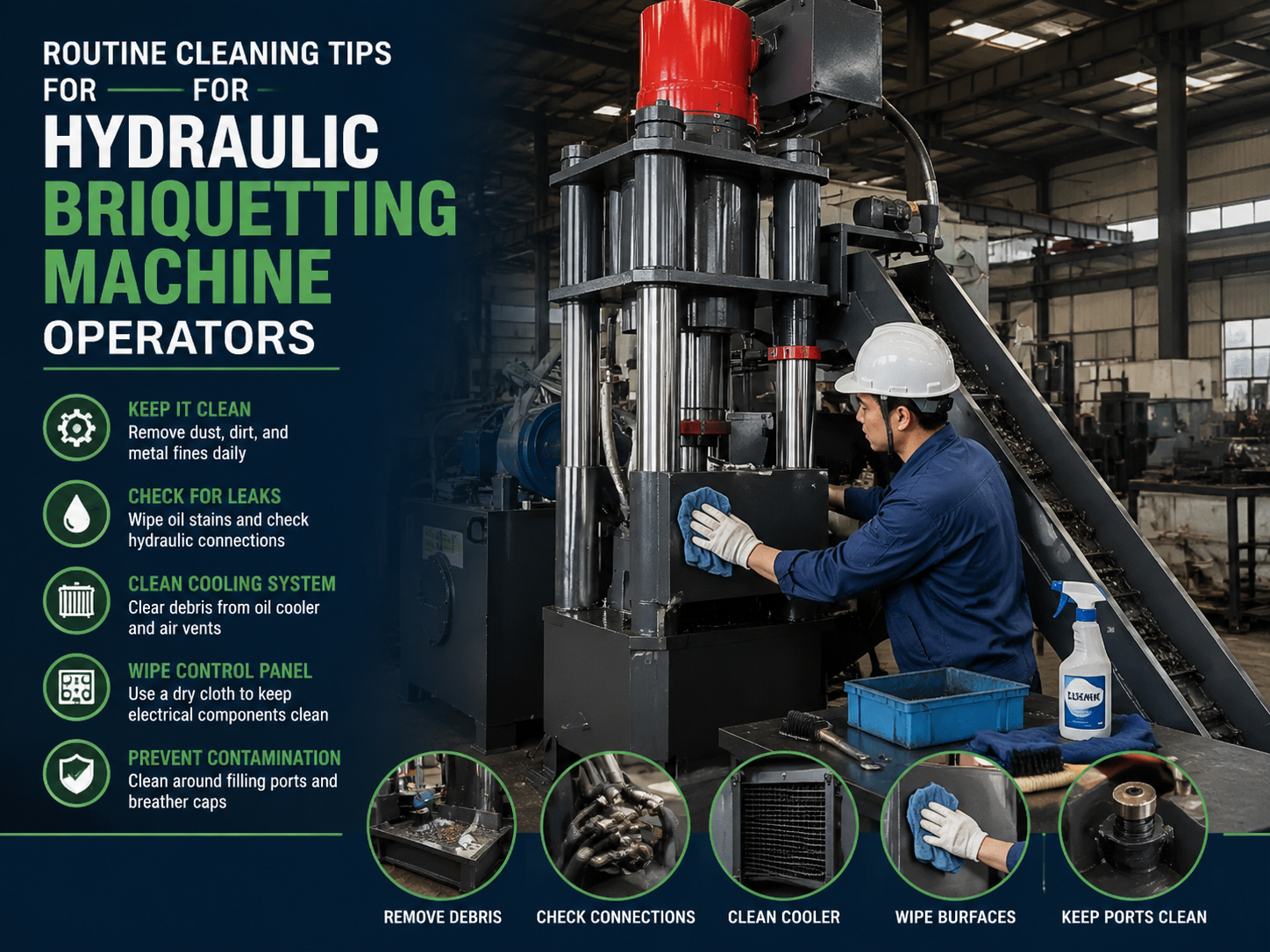
The hydraulic system is the heart of the briquetting machine, and its cleanliness is paramount. One of the most important routine cleaning tips for hydraulic briquetting machine operators involves the management of hydraulic fluid. Contamination is the leading cause of hydraulic system failure. Even microscopic metal particles can act as an abrasive, scouring the precision-machined surfaces of valves and pumps. Operators must ensure that the area around the oil filler cap is meticulously cleaned before adding any fluid to prevent dirt from falling into the reservoir.
Cleaning the hydraulic cooling system is another vital task. Most briquetting machines use air-cooled or water-cooled heat exchangers to maintain the oil at an optimal operating temperature (usually between 40°C and 55°C). For air-cooled systems, the cooling fins can quickly become clogged with airborne dust and oil mist. Operators should use compressed air to blow out these fins weekly, or more frequently in particularly dusty environments. If the cooling system is blocked, the oil temperature will rise, causing the oil to thin out and lose its lubricating properties, which ultimately leads to seal failure and pump wear.
Furthermore, the hydraulic filters must be monitored closely. Most modern HARSLE machines are equipped with pressure gauges or indicators that signal when a filter is becoming clogged. However, a proactive operator doesn’t wait for the warning light. Regularly wiping down the filter housings and checking for leaks around the seals is essential. When changing filters, it is crucial to clean the surrounding area to ensure no external contaminants enter the system during the swap. This level of attention to detail in hydraulic hygiene directly translates to smoother operation and consistent briquette quality.
Electrical and Control System Cleaning
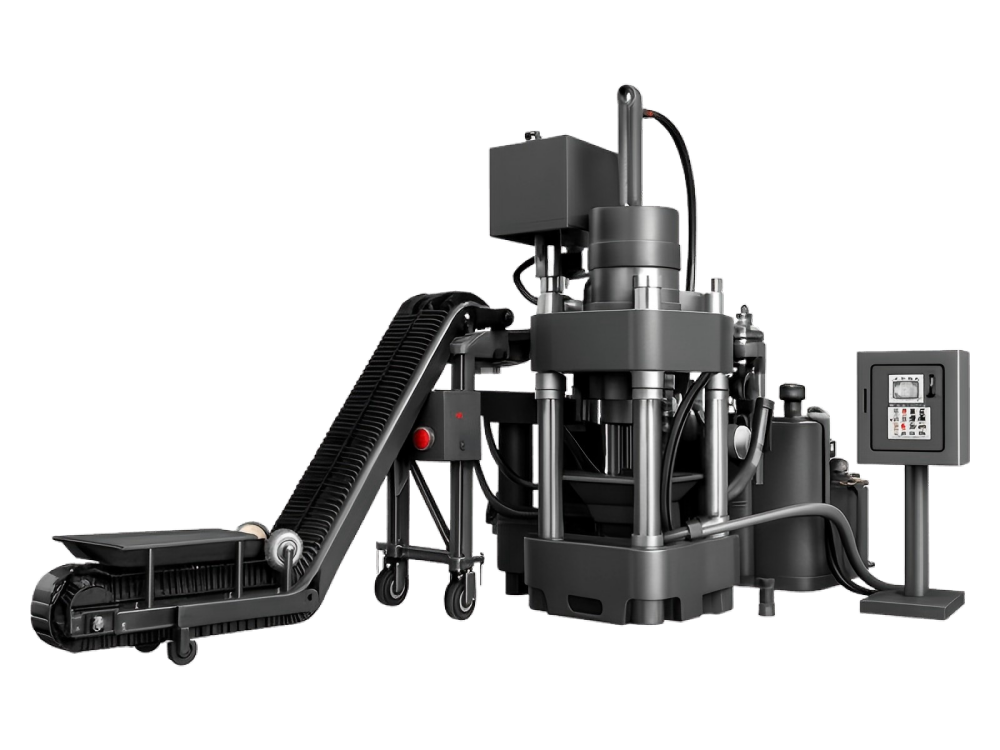
While the hydraulic and mechanical sections handle the heavy lifting, the electrical system provides the intelligence. In an industrial environment, electrical cabinets are magnets for fine metal dust, which is often conductive. If this dust accumulates on circuit boards or contactors, it can cause short circuits, erratic behavior, or even fires. Operators should ensure that the cabinet doors are always tightly sealed during operation. As part of the routine cleaning, the exterior of the cabinet should be vacuumed—never blown with compressed air, as this can force dust into the small crevices of the enclosure.
The sensors and limit switches located around the machine are also prone to contamination. These components detect the position of the ram and the feeding mechanism. If a limit switch is covered in oily metal sludge, it may fail to trigger, causing the machine to over-travel and potentially damage the cylinders or the frame. Operators should use a soft cloth and a mild, non-conductive cleaner to keep these sensors clear. Ensuring that the wiring conduits are intact and free from heavy debris is also part of a thorough cleaning routine, as heavy scrap falling on exposed wires can cause significant downtime.
Modern briquetting machines often feature PLC (Programmable Logic Controller) interfaces and HMI (Human Machine Interface) screens. These screens can become difficult to read if coated in oily fingerprints and dust. Using a screen-safe cleaner and a microfiber cloth ensures that the operator can clearly see the system status and any error messages. A clean interface reduces the likelihood of input errors, which is especially important when adjusting pressure settings for different types of metal scrap.
Mechanical Component Care and Scrap Management
The mechanical structure of the briquetting machine, including the frame, the compression chamber, and the molds, requires constant vigilance. The compression chamber is where the highest forces are applied, and it is also where the most debris accumulates. After every shift, the operator should thoroughly clean the chamber. This involves removing any “fines”—very small particles of metal—that have bypassed the main ram. If these fines are allowed to build up, they can become compacted behind the ram, eventually causing it to jam or move out of alignment.
The molds and dies are precision components that determine the shape and density of the briquette. Abrasive materials like cast iron or silicon-heavy aluminum can wear these parts down over time. Cleaning the molds allows the operator to inspect them for signs of pitting or cracking. If the mold surface is rough due to buildup, the briquettes will be difficult to eject, putting unnecessary strain on the ejection cylinder. Applying a light coating of rust-preventative oil to the molds after cleaning, especially if the machine will be idle for a weekend, is a best practice that prevents oxidation.
Scrap management around the machine is equally important. A cluttered workspace leads to accidents. Operators should implement a “clean-as-you-go” policy, ensuring that any spilled metal chips are swept up immediately. This prevents the chips from being tracked into other areas of the facility and keeps the base of the machine clear for inspection. Many operators find that using a magnetic sweeper for ferrous materials or a specialized industrial vacuum for non-ferrous chips makes this task much more efficient.
Developing a Robust Lubrication and Cleaning Plan
Cleaning and lubrication go hand-in-hand. You cannot effectively lubricate a dirty machine. Before applying grease to any fitting, the operator must wipe the grease nipple clean. If this is not done, the grease gun will force the accumulated dirt and grit directly into the bearing or bushing, causing it to wear out faster than if it had no grease at all. This is one of the most overlooked routine cleaning tips for hydraulic briquetting machine operators.
A robust plan involves identifying all lubrication points, which typically include the ram guides, the hopper hinge points, and the conveyor bearings. Operators should follow the manufacturer’s recommendations for the type of lubricant to use. Using the wrong grease can lead to chemical incompatibility and failure of the lubricating film. By integrating cleaning into the lubrication schedule, the operator ensures that the machine is not only well-oiled but also free from the abrasive contaminants that negate the benefits of lubrication.
Consistency is the key to success. A dedicated logbook should be kept near the machine where operators can record their cleaning and lubrication activities. This log serves as a historical record that can be invaluable for troubleshooting. If a bearing fails prematurely, the log can show whether it was being cleaned and greased at the proper intervals. It also fosters a sense of accountability and pride in the equipment, as operators can see the direct correlation between their maintenance efforts and the machine’s uptime.
Recognizing Troubleshooting Signals Caused by Poor Hygiene
Even with a cleaning routine, operators must be trained to recognize the signals that indicate dirt-related issues. For example, if the briquettes are suddenly coming out with irregular shapes or varying densities, it often points to a dirty compression chamber or a clogged feeding mechanism. If the hydraulic cycle time slows down, it could be due to a dirty suction filter or a clogged air breather on the oil tank, both of which restrict the flow of oil and cause the pump to work harder.
Excessive heat is another major signal. If the machine frame feels unusually hot to the touch, or if the oil temperature gauge is consistently in the red zone, the operator should immediately check the cooling system for dust buildup. Noisy operation, such as a banging sound during the compression stroke, can indicate that metal debris has become lodged in a place where it shouldn’t be, or that a guide rail is so dirty that the ram is stuttering. Recognizing these signs early allows for a quick cleaning intervention before a minor annoyance becomes a major repair.
Finally, the presence of “foaming” in the hydraulic oil is a clear sign of contamination, often by water or air. Water contamination can occur if the machine is cleaned with a high-pressure washer and water is forced past the seals. Operators should be instructed to use low-pressure cleaning methods and to avoid spraying water directly at electrical components or hydraulic breathers. Understanding these troubleshooting signals empowers the operator to take proactive steps, maintaining the high standards of performance expected from HARSLE machinery.
Maintenance Schedule Table
| Frequency | Component | Action Required | Purpose |
|---|---|---|---|
| Daily | Hopper & Chamber | Clear debris and metal fines | Prevent jams and ensure briquette quality |
| Daily | Hydraulic Oil Level | Check sight glass | Prevent pump cavitation |
| Daily | Safety Switches | Wipe clean and test | Ensure operator safety |
| Weekly | Cooling Fins | Blow out with compressed air | Prevent oil overheating |
| Weekly | Ram Guides | Clean and apply fresh grease | Ensure smooth mechanical movement |
| Monthly | Hydraulic Filters | Inspect and replace if necessary | Maintain oil purity |
| Monthly | Electrical Cabinet | Vacuum exterior and check seals | Prevent electrical shorts |
| Quarterly | Hydraulic Hoses | Wipe down and check for cracks | Prevent high-pressure leaks |
| Yearly | Hydraulic Reservoir | Drain, clean, and replace oil | Remove accumulated sludge and moisture |
Frequently Asked Questions
1. Why is it important to clean the machine before lubrication?
Cleaning the grease nipples and surrounding areas before lubrication is vital because it prevents dirt, metal dust, and grit from being pushed into the bearings. If contaminants enter the bearing housing, they act as an abrasive paste, rapidly wearing down the components and leading to premature failure.
2. Can I use a high-pressure water hose to clean my briquetting machine?
It is generally not recommended to use high-pressure water. Water can easily bypass hydraulic seals, contaminate the oil, and cause rust on precision-machined surfaces. Furthermore, water is extremely dangerous around electrical components. Use brushes, vacuums, and damp cloths instead.
3. How often should I change the hydraulic oil?
While it depends on the intensity of use, a general rule is to change the hydraulic oil every 2,000 to 4,000 hours of operation, or at least once a year. However, if the oil appears cloudy (water contamination) or smells burnt (overheating), it should be changed immediately regardless of the hours.
4. What happens if I don’t clean the metal fines from the compression chamber?
Accumulated metal fines can become highly compacted, eventually acting like a solid block. This can cause the ram to misalign, increase the friction and heat during the stroke, and potentially score the cylinder walls or the chamber lining, leading to expensive repairs.
5. How do I clean the electrical sensors without damaging them?
Use a soft, dry microfiber cloth to wipe away dust. For oily residue, use a specialized electrical contact cleaner that is non-conductive and evaporates quickly. Avoid using heavy solvents or abrasive pads, as these can scratch the sensor face or damage the plastic housing.
6. What is the best way to manage the metal dust generated during briquetting?
The best approach is a combination of local exhaust ventilation (if the dust is airborne) and regular vacuuming with an industrial-grade vacuum cleaner. Avoid using compressed air to blow dust around the shop, as this just relocates the problem and can create respiratory hazards for workers.