How to Clean the Hydraulic System of a Briquetting Machine Safely: A Comprehensive Industrial Guide

The Critical Importance of Hydraulic System Maintenance
In the world of metal fabrication and waste management, the hydraulic briquetting machine stands as a cornerstone of efficiency. These machines exert immense pressure to transform loose metal chips, sawdust, or mineral powders into dense, manageable briquettes. However, the heart of this operation—the hydraulic system—is also its most sensitive component. Understanding how to clean the hydraulic system of a briquetting machine safely is not just a matter of housekeeping; it is a fundamental requirement for operational longevity and workplace safety.
Contamination is the leading cause of hydraulic system failure. Microscopic particles, moisture, and air can infiltrate the system, leading to component wear, valve sticking, and pump cavitation. When a hydraulic system is neglected, the internal friction increases, causing the oil temperature to rise. This thermal stress further degrades the oil, creating a vicious cycle of inefficiency. For operators using HARSLE machinery, maintaining a pristine hydraulic environment ensures that the precision-engineered valves and cylinders perform at their peak rated capacity.
Safety must always be the primary concern when dealing with high-pressure hydraulics. A pinhole leak in a pressurized hose can release fluid with enough force to penetrate human skin, a condition known as fluid injection injury. Therefore, cleaning the system involves more than just wiping down surfaces; it requires a structured approach to depressurization, fluid handling, and component inspection. By following a rigorous cleaning and maintenance protocol, facilities can reduce unexpected downtime by up to 80% and significantly extend the intervals between major overhauls.
Furthermore, a clean system contributes to environmental sustainability. Efficient briquetting machines consume less energy and produce fewer emissions. When the hydraulic fluid is kept clean through regular maintenance and proper cleaning cycles, the fluid itself lasts longer, reducing the volume of hazardous waste oil that must be disposed of. This guide provides a deep dive into the technical and safety aspects of maintaining these powerful industrial assets.
Daily Inspection: The First Line of Defense
Before any cleaning process begins, a daily inspection routine must be established. This proactive approach allows operators to identify potential issues before they escalate into catastrophic failures. The daily check should start with a visual sweep of the entire machine. Look for signs of external oil leaks around fittings, hose connections, and cylinder seals. Even a small damp spot can indicate a loose connection that might fail under the high pressures typical of briquetting operations.
Monitoring the oil level and quality is the next critical step. Most HARSLE briquetting machines are equipped with a sight glass on the hydraulic reservoir. The oil should be clear and at the appropriate level. If the oil appears milky, it indicates water contamination; if it looks dark or smells burnt, it has likely undergone thermal degradation. Daily checks should also include the pressure gauges. If the system is struggling to reach its target pressure or if the needle fluctuates wildly, there may be air in the system or a clogged suction filter.
Temperature monitoring is equally vital. Most industrial hydraulic systems operate best between 40°C and 55°C (104°F to 131°F). If the daily inspection reveals that the system is consistently running hot, it is a clear signal that the cooling system is failing or that internal leakage is generating excess heat. Cleaning the heat exchanger or oil cooler should be prioritized in such cases. Operators should also listen for unusual noises, such as whining or growling from the pump, which often points to cavitation caused by restricted flow.
Finally, the daily inspection should cover the physical cleanliness of the machine’s exterior. Dust, metal shavings, and debris from the briquetting process can accumulate on the piston rods. If this debris is not wiped away, it can be pulled past the wiper seals and into the hydraulic fluid, causing internal scoring of the cylinder walls. A simple daily wipe-down with a lint-free cloth can prevent thousands of dollars in repair costs.
Comprehensive Hydraulic, Electrical, and Mechanical Checks
Hydraulic Subsystem Integrity
The hydraulic subsystem is a complex network of pumps, valves, and actuators. During a deep clean, it is essential to inspect the condition of all hydraulic hoses. Look for cracking, kinking, or abrasion of the outer cover. Hoses have a finite lifespan and should be replaced if they show signs of aging, regardless of whether they are currently leaking. Additionally, check the mounting bolts of the hydraulic pump and motor. Vibration can loosen these fasteners over time, leading to misalignment and premature bearing failure.
Electrical Control Systems
While the focus is often on the fluid, the electrical system controls the logic of the briquetting cycle. Ensure that the control cabinet is clean and free of metallic dust, which can cause short circuits. Inspect the wiring for frayed insulation and ensure that all terminal connections are tight. The emergency stop buttons and safety interlocks must be tested daily to ensure they function correctly. A malfunction in the electrical system can lead to erratic hydraulic behavior, making the cleaning process dangerous if the machine cycles unexpectedly.
Mechanical Structure and Wear Parts
The mechanical components of a briquetting machine, such as the compression chamber, the ram, and the die, are subject to intense abrasive wear. During the cleaning process, inspect these areas for cracks or excessive thinning of the metal. The mechanical linkages that connect the hydraulic cylinders to the pressing mechanism should be checked for play or slop. If the mechanical components are misaligned, the hydraulic system will have to work harder to compensate, leading to increased pressure and heat.
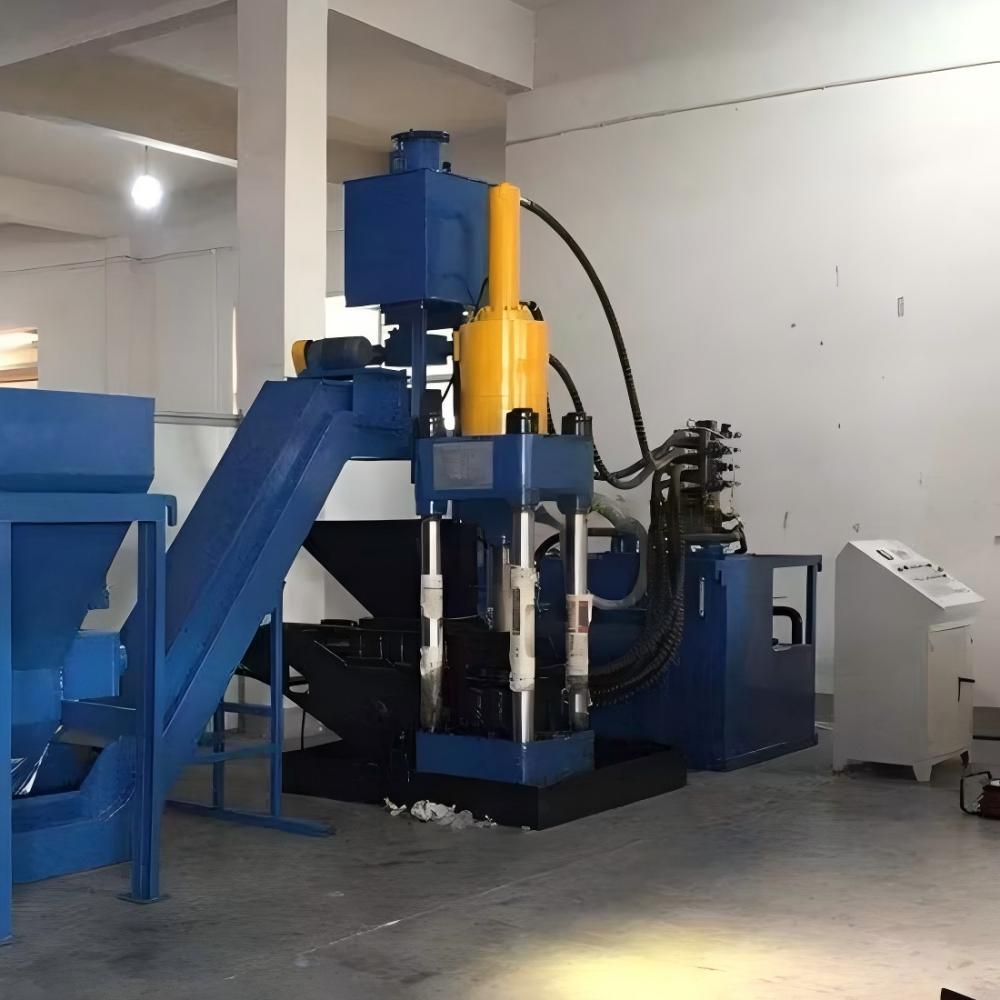
Step-by-Step: How to Clean the Hydraulic System Safely
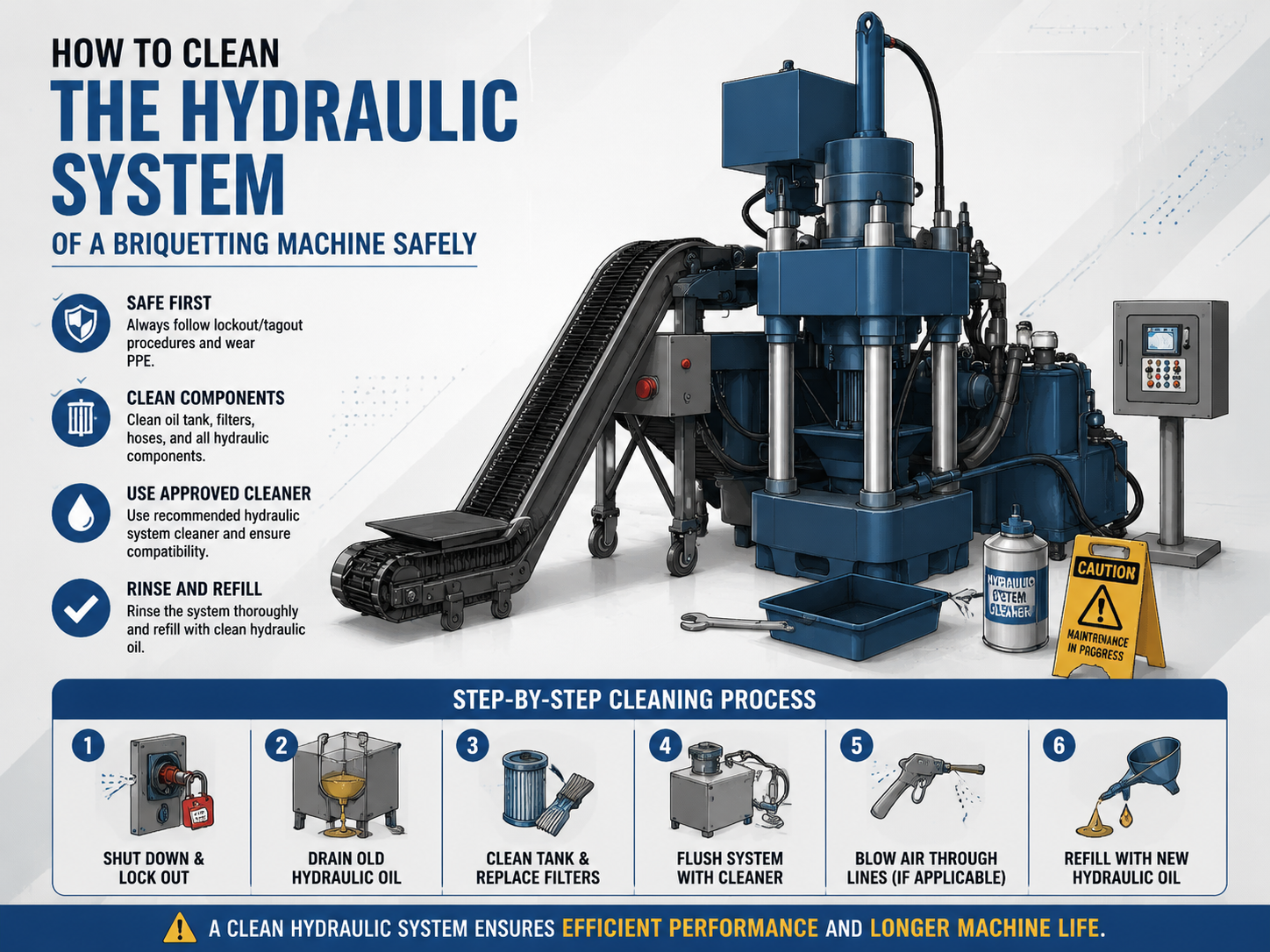
Cleaning the internal hydraulic system is a high-stakes task that requires precision. The first and most important step is Lockout/Tagout (LOTO). Ensure the machine is completely powered down, the main isolator is locked, and a tag is placed to prevent accidental startup. Furthermore, you must bleed off any residual pressure stored in accumulators or trapped in the lines. Never crack a fitting until you are certain the system pressure is at zero.
Once the system is safe, the process of draining the oil begins. Use a dedicated oil transfer pump rather than simply opening a drain plug to minimize spills. The oil should be drained while it is still warm, as this helps keep contaminants in suspension so they are removed with the fluid. After the reservoir is empty, open the access hatches to clean the interior of the tank. Use lint-free rags and a specialized cleaning solvent that is compatible with the hydraulic oil. Avoid using pressurized air to blow out the tank, as this can introduce moisture and airborne dust.
The next phase is flushing the system. Simply changing the oil is often insufficient because a significant volume of old, contaminated fluid remains in the hoses and cylinders. A professional flush involves filling the system with a low-viscosity flushing oil and circulating it through the system at low pressure. This helps dislodge sludge and varnish from the valve spools and internal galleries. After flushing, the system is drained again, and the filters are replaced. Always use high-quality filters with the correct micron rating as specified by HARSLE.
When refilling the system with new hydraulic oil, do not pour it directly from the drum into the reservoir. New oil is often not clean enough for high-pressure systems. Use a filter cart to pump the new oil into the machine. This ensures that any contaminants present in the new oil are captured before they enter the machine’s sensitive components. Once filled, cycle the machine through its full range of motion several times at low pressure to purge any trapped air before returning to full production.
Developing a Robust Lubrication Plan
While the hydraulic oil provides lubrication for the internal components, the external mechanical pivots and slides of the briquetting machine require a separate lubrication plan. A well-structured plan identifies every lubrication point, the type of lubricant required (grease vs. oil), and the frequency of application. For most HARSLE briquetting machines, the main ram guides and pivot pins require daily or weekly greasing depending on the shift intensity.
Choosing the right lubricant is critical. Using a grease that is too thick may not penetrate the tight tolerances of the bushings, while a grease that is too thin may run out under the high heat of operation. Always refer to the manufacturer’s manual for the specific ISO or NLGI grade. Over-lubrication can be just as damaging as under-lubrication; excess grease can attract abrasive dust and metal chips, creating a grinding paste that accelerates wear on the very parts you are trying to protect.
Automated lubrication systems are an excellent investment for high-volume briquetting operations. These systems deliver precise amounts of lubricant at set intervals, ensuring that the machine is always protected without human error. If your machine uses a manual system, keep a detailed logbook. Recording when each point was last lubricated helps maintain accountability and ensures that no component is overlooked during busy production schedules.
Troubleshooting Signals: What Your Machine is Telling You
A briquetting machine often provides audible or visual signals before a major failure occurs. Learning to interpret these signals is a key part of maintenance. If you hear a high-pitched squealing sound, it often indicates that a relief valve is bypassing or that the pump is struggling with a restricted suction line. A knocking sound, on the other hand, usually points to mechanical looseness or a failing bearing in the motor-pump coupling.
Visual signals include the appearance of the briquettes themselves. If the briquettes are suddenly less dense or are crumbling, it suggests a drop in hydraulic pressure or a leak in the main compression cylinder. Erratic or jerky movement of the ram is a classic sign of air trapped in the hydraulic circuit or a sticking valve spool. If the oil temperature gauge is climbing faster than usual, check for a clogged oil cooler or internal leakage in the pump.
Vibration is another critical indicator. Excessive vibration can lead to fatigue failure of hydraulic lines and electrical connections. If the machine starts vibrating more than usual, check the foundation bolts and the alignment of the hydraulic pump. By catching these signals early and performing a targeted cleaning or repair, you can avoid the high costs associated with emergency repairs and lost production time.
Maintenance Schedule Table
| Frequency | Task Description | Component |
|---|---|---|
| Daily | Check oil level, inspect for leaks, and wipe piston rods. | Reservoir & Cylinders |
| Weekly | Lubricate mechanical pivots and check filter indicators. | Linkages & Filters |
| Monthly | Inspect electrical connections and clean the oil cooler. | Control Panel & Heat Exchanger |
| Quarterly | Perform oil analysis and check bolt torque on the frame. | Hydraulic Fluid & Structure |
| Annually | Full system flush, reservoir deep clean, and hose replacement. | Complete Hydraulic System |
Frequently Asked Questions (FAQ)
1. How often should I change the hydraulic oil in my briquetting machine?
While a general rule is every 2,000 to 4,000 operating hours, the best practice is to base the change on oil analysis. Factors like operating environment, temperature, and workload significantly impact oil life. If the oil shows signs of oxidation or high particle counts, it should be changed regardless of the hour count.
2. Can I use any type of hydraulic oil?
No. You must use the oil grade specified by the manufacturer (usually ISO 46 or 68 anti-wear hydraulic oil). Using the wrong viscosity can lead to poor lubrication at high temperatures or excessive flow resistance at low temperatures, both of which can damage the pump.
3. Why is my hydraulic system overheating?
Overheating is usually caused by one of three things: a dirty oil cooler, a pump that is worn and leaking internally, or a relief valve that is set too low or is stuck open. Continuous operation at high temperatures will rapidly destroy seals and degrade the oil.
4. Is it safe to tighten a leaking fitting while the machine is running?
Absolutely not. Never attempt to tighten or loosen any hydraulic component while the system is pressurized. The risk of a high-pressure fluid injection or a catastrophic hose burst is too high. Always shut down the machine and bleed the pressure first.
5. What is the best way to remove water from hydraulic oil?
If the contamination is minor, specialized water-absorbing filters can be used. However, if the oil is milky, it is best to drain the system, find the source of the water ingress (often a faulty cooler or reservoir breather), and refill with fresh oil after a thorough cleaning.
6. How do I know if my filters need replacing?
Most modern briquetting machines have visual or electrical clogging indicators on the filter housing. If the indicator is in the red zone, the filter is in bypass mode, meaning unfiltered oil is circulating through your system. Replace filters immediately when indicated.
7. What safety gear is required for cleaning the hydraulic system?
At a minimum, you should wear chemical-resistant gloves, safety goggles or a face shield, and protective clothing. Hydraulic oil can be an irritant to the skin and eyes, and the cleaning process often involves handling heavy components and potentially hot fluids.