Hydraulic Briquetting Machine Maintenance Schedule for Maximum Uptime

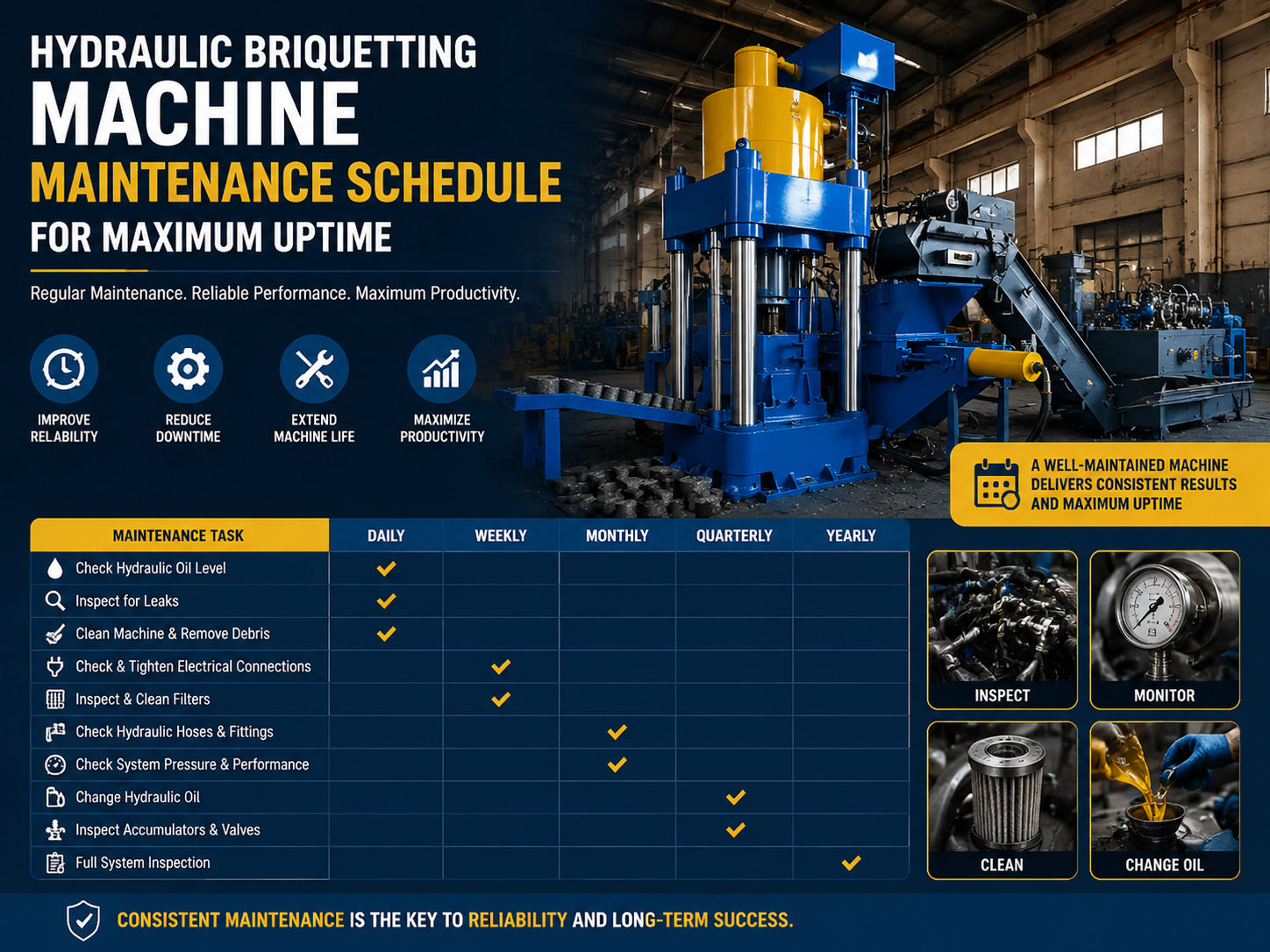
The Critical Role of a Hydraulic Briquetting Machine Maintenance Schedule for Maximum Uptime
In the high-stakes world of metal fabrication and scrap recycling, the hydraulic briquetting machine stands as a cornerstone of efficiency. By converting loose metal chips, turnings, and swarf into dense, manageable briquettes, these machines significantly reduce storage volume and increase the melt-value of scrap material. However, the harsh environment of metal processing—characterized by abrasive dust, high pressures, and continuous operation—places immense strain on the equipment. Implementing a rigorous Hydraulic Briquetting Machine Maintenance Schedule for Maximum Uptime is not merely a recommendation; it is an operational necessity for any facility looking to protect its investment and ensure consistent production cycles.
Maximum uptime is achieved when maintenance shifts from a reactive model to a proactive, preventative strategy. When a machine fails unexpectedly, the costs extend far beyond the repair bill. Lost production hours, delayed shipments, and the potential for secondary damage to interconnected systems can cripple a facility’s profitability. A well-structured maintenance plan ensures that every component, from the smallest hydraulic seal to the massive main cylinder, operates within its designed parameters. This systematic approach minimizes the risk of catastrophic failure and extends the overall service life of the machinery by years.
Furthermore, a consistent maintenance schedule enhances safety. Hydraulic systems operate under extreme pressure, often exceeding 250 bar. A neglected hose or a faulty pressure relief valve can lead to dangerous oil leaks or mechanical bursts. By adhering to a strict schedule, operators can identify early warning signs of wear, such as hairline fractures or fluid degradation, before they pose a risk to personnel. In the following sections, we will break down the essential steps required to maintain peak performance, covering everything from daily visual checks to complex hydraulic system overhauls.
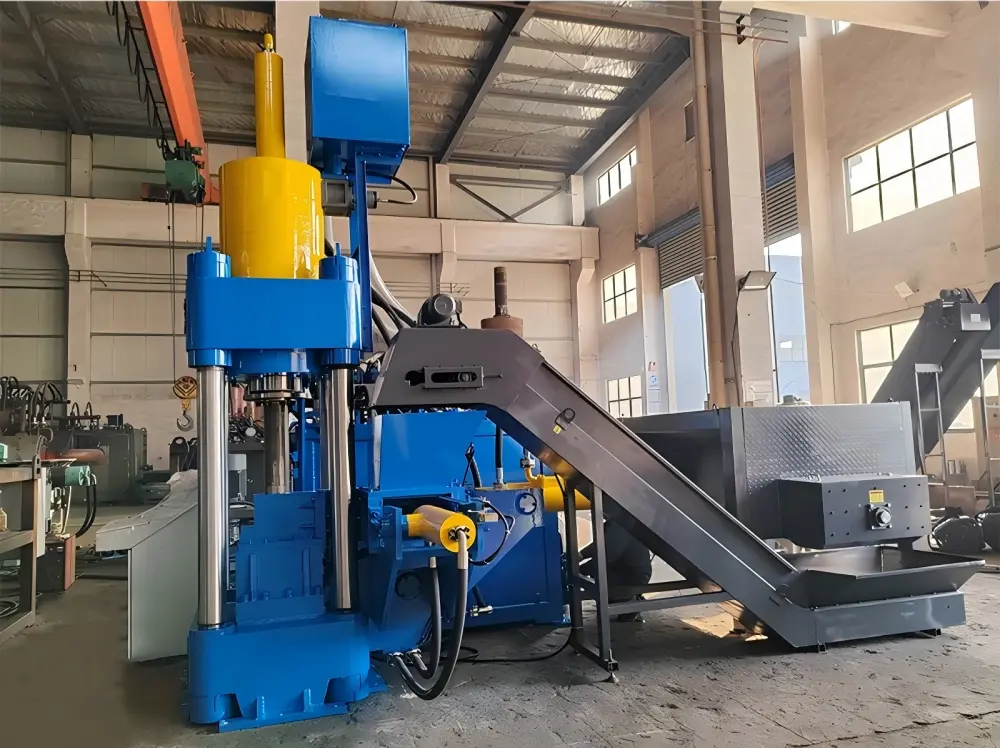
Daily Inspection: The First Line of Defense
The foundation of any Hydraulic Briquetting Machine Maintenance Schedule for Maximum Uptime begins with the daily inspection. This routine should be performed at the start of every shift before the machine is fully engaged. The goal is to identify obvious anomalies that could lead to immediate failure. Operators should begin with a visual sweep of the machine’s exterior, looking for signs of oil puddles on the floor, which indicate leaks in the hydraulic lines or cylinder seals. Even a small leak can lead to a significant drop in pressure and an increase in oil consumption over time.
Next, the operator must check the hydraulic oil level and temperature. Most modern HARSLE briquetting machines are equipped with integrated sight glasses and temperature gauges. The oil level should always be within the designated ‘safe’ zone. If the oil is too low, the pump may cavitate, leading to internal damage. Conversely, if the oil temperature is too high (typically above 60°C), the viscosity drops, reducing the lubricating properties and potentially damaging the pump and valves. Daily monitoring of these levels ensures that the system remains thermally stable throughout the workday.
Another critical daily task is the inspection of the feeding mechanism and the hopper. Metal chips can sometimes bridge or clog the intake, leading to dry cycles or uneven briquette density. Operators should ensure that the hopper is free of large foreign objects (like stray tools or oversized scrap pieces) that could jam the screw feeder or the primary ram. Finally, a quick check of the emergency stop buttons and safety interlocks is mandatory. Ensuring that the machine can be halted instantly in an emergency is the most basic yet vital aspect of daily operational readiness.
Hydraulic System Maintenance: The Heart of the Machine
The hydraulic system is the most complex and vital part of the briquetting machine. Maintaining it requires a deep understanding of fluid dynamics and filtration. The primary enemy of any hydraulic system is contamination. Microscopic metal particles, dust, and moisture can act as abrasives, wearing down the precision-engineered surfaces of pumps and valves. As part of your Hydraulic Briquetting Machine Maintenance Schedule for Maximum Uptime, the hydraulic filters must be checked and replaced according to the manufacturer’s hour-meter readings. Most systems utilize a suction filter and a return-line filter; both must be kept clean to prevent backpressure and ensure smooth fluid flow.
Oil quality is equally important. Over time, hydraulic oil undergoes thermal degradation and oxidation. It is recommended to perform an oil analysis every six months to check for acidity, water content, and particle count. If the oil appears cloudy or has a burnt smell, it must be replaced immediately. When changing the oil, it is crucial to clean the interior of the oil tank to remove any settled sludge. Using the correct grade of anti-wear hydraulic oil (typically ISO VG 46 or 68, depending on the climate) is essential for maintaining the correct film strength between moving parts.
The cooling system, whether air-cooled or water-cooled, also requires regular attention. In air-cooled systems, the heat exchanger fins can become clogged with oily dust, significantly reducing cooling efficiency. These should be blown out with compressed air weekly. In water-cooled systems, the heat exchanger should be checked for scale buildup or leaks. If the hydraulic system runs too hot, the seals will harden and crack, leading to internal leakage and a loss of compaction force, which directly impacts the quality of the briquettes produced.
Electrical and Mechanical Component Checks
While the hydraulics provide the power, the electrical system provides the intelligence. The PLC (Programmable Logic Controller) manages the timing of the cylinders and the feeding mechanism. Maintenance for the electrical system involves checking all wiring connections for tightness. Vibrations from the briquetting process can loosen terminal screws over time, leading to intermittent faults or short circuits. The electrical cabinet should be kept clean and dry, with cooling fans checked to ensure they are functioning correctly to prevent the overheating of sensitive electronic components.
Mechanical components, particularly the ram, the mold (die), and the guide rails, are subject to intense friction. The ram’s alignment is critical; if it becomes misaligned, it will exert uneven pressure on the mold, leading to premature wear of both components. Inspect the guide bushings for excessive play and ensure that the ram surface is free of deep scores or pitting. The mold itself is a wear item; as it processes thousands of tons of metal, the internal dimensions will slowly expand. Regularly measuring the briquette diameter can help determine when the mold or the wear sleeves need replacement.
Fasteners and structural bolts must also be part of the mechanical check. The high-pressure cycles of a briquetting machine create a rhythmic stress on the machine frame. Periodically use a torque wrench to verify that the foundation bolts and the main cylinder mounting bolts are tightened to the manufacturer’s specifications. A loose cylinder can cause a catastrophic frame failure or lead to severe hydraulic line ruptures due to unexpected movement during the compression stroke.
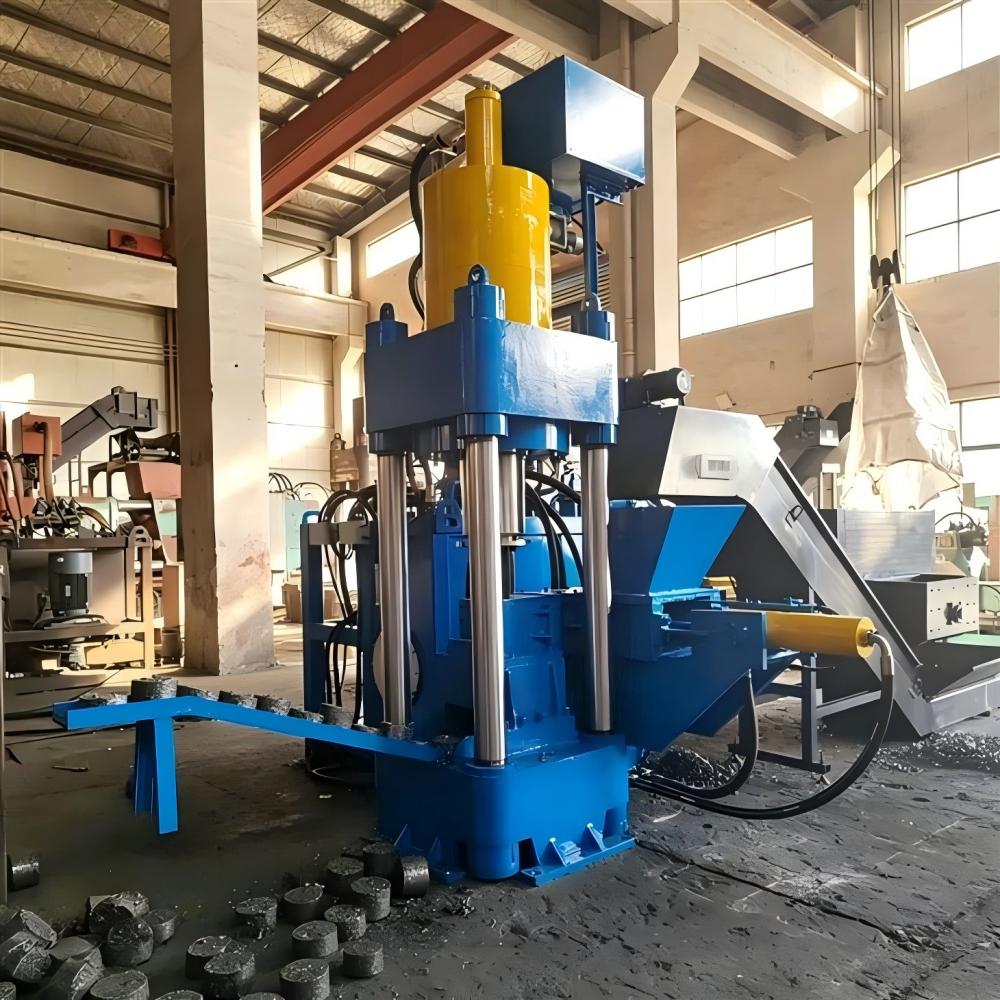
Comprehensive Lubrication Plan
A robust Hydraulic Briquetting Machine Maintenance Schedule for Maximum Uptime must include a detailed lubrication plan. Beyond the hydraulic oil, there are numerous pivot points, bearings, and sliding surfaces that require manual or automated greasing. The screw feeder bearings, for instance, are often located in dusty environments and require high-pressure grease to push out contaminants. Using a lithium-based EP (Extreme Pressure) grease is generally recommended for these applications.
If the machine is equipped with an automatic lubrication system, the reservoir must be topped up regularly, and the distribution lines should be inspected for blockages. A blocked line can lead to a bearing running dry, which will quickly result in a seized component and significant downtime. For machines with manual lubrication points, a clear chart should be posted near the machine, indicating every grease nipple and the required frequency (e.g., every 40 hours of operation). Consistency is key; over-greasing can be just as harmful as under-greasing, as it can attract more dust and debris to the moving parts.
Troubleshooting Signals: Identifying Issues Early
Operators should be trained to recognize the “language” of the machine. Changes in sound, vibration, or cycle time are often the first indicators of an impending problem. For example, a high-pitched whining sound from the hydraulic pump usually indicates cavitation or air entering the system. A “banging” sound during the compression stroke might suggest a loose mechanical component or a hydraulic shock caused by a faulty relief valve. Recognizing these signals early allows for scheduled repairs during off-hours rather than emergency shutdowns during peak production.
Slow cycle times are another common troubleshooting signal. If the machine takes longer than usual to complete a briquette, it could indicate a worn pump, internal leakage in the cylinders, or a clogged filter. Monitoring the pressure gauge during the cycle is also vital. If the machine fails to reach its maximum design pressure, the resulting briquettes will be soft and prone to falling apart, which defeats the purpose of the briquetting process. Keeping a daily log of cycle times and pressures can help maintenance teams spot gradual performance declines that might otherwise go unnoticed.
Detailed Maintenance Schedule Table
To ensure nothing is missed, use the following table as a template for your facility’s maintenance operations. Adjust the frequencies based on your specific shift patterns and material types.
| Frequency | Component | Action Required |
|---|---|---|
| Daily | Hydraulic Oil | Check level and temperature; inspect for leaks. |
| Daily | Safety Systems | Test E-stop and interlock switches. |
| Daily | Hopper/Feeder | Clear obstructions and check for unusual noise. |
| Weekly | Filters | Inspect filter indicators; clean air breathers. |
| Weekly | Lubrication | Grease all manual points (bearings, pivots). |
| Weekly | Heat Exchanger | Clean cooling fins or check water flow. |
| Monthly | Electrical Cabinet | Vacuum dust; check for loose wiring connections. |
| Monthly | Mechanical Fasteners | Torque check on main bolts and cylinder mounts. |
| Quarterly | Hydraulic Oil | Perform oil analysis for contamination/oxidation. |
| Quarterly | Ram & Mold | Measure wear tolerances; inspect for scoring. |
| Yearly | System Overhaul | Replace hydraulic oil; replace all filters; calibrate sensors. |
Frequently Asked Questions (FAQ)
1. How often should I change the hydraulic oil in my briquetting machine?
Typically, hydraulic oil should be changed every 2,000 to 4,000 operating hours, or once a year. However, this depends heavily on the operating environment and oil analysis results. If the machine operates in a very hot or dusty environment, more frequent changes may be necessary to protect the pump and valves.
2. Why are my briquettes coming out soft or crumbling?
Soft briquettes are usually caused by insufficient pressure. This can stem from a worn hydraulic pump, a leaking bypass valve, or low oil levels. Additionally, if the material being processed has too much moisture or the wrong particle size, it may not bond correctly under pressure. Check your system pressure settings and oil quality first.
3. What type of grease is best for the mechanical parts?
For most industrial briquetting machines, a high-quality Lithium-based Extreme Pressure (EP2) grease is ideal. It provides excellent water resistance and can withstand the high loads and vibrations typical of metal compaction processes.
4. Can I use recycled hydraulic oil?
It is generally not recommended to use recycled oil unless it has been professionally dehydrated and filtered to meet the original ISO cleanliness standards. Using sub-standard oil is one of the leading causes of premature component failure in hydraulic systems.
5. How do I prevent the hydraulic system from overheating?
Ensure the cooling system is functioning correctly. For air-cooled systems, keep the radiator fins clean. For water-cooled systems, ensure a steady flow of cool water. Also, check that the pressure relief valves are not set too high, as this causes the pump to work harder and generate excess heat.
Conclusion: Investing in Longevity
Adhering to a Hydraulic Briquetting Machine Maintenance Schedule for Maximum Uptime is the most effective way to ensure your HARSLE equipment delivers a high return on investment. By dedicating a small amount of time each day to inspections and following a structured weekly and monthly plan, you can avoid the high costs of emergency repairs and lost production. Remember that a clean, well-lubricated, and properly cooled machine is a productive machine. Treat your briquetting equipment with the care it deserves, and it will provide reliable service for decades to come, turning your scrap metal waste into a valuable, high-density resource.