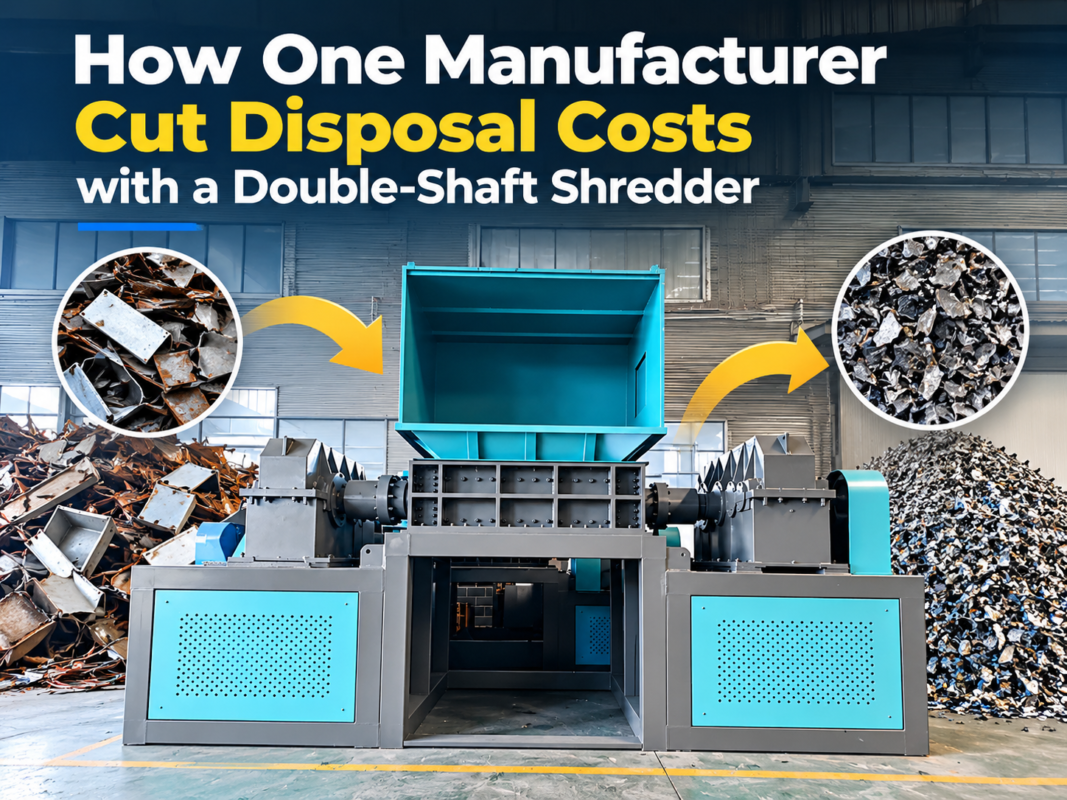
Best Spare Parts to Stock for Hydraulic Briquetting Machine Maintenance: A Comprehensive Guide

The Critical Importance of Maintenance for Hydraulic Briquetting Machines
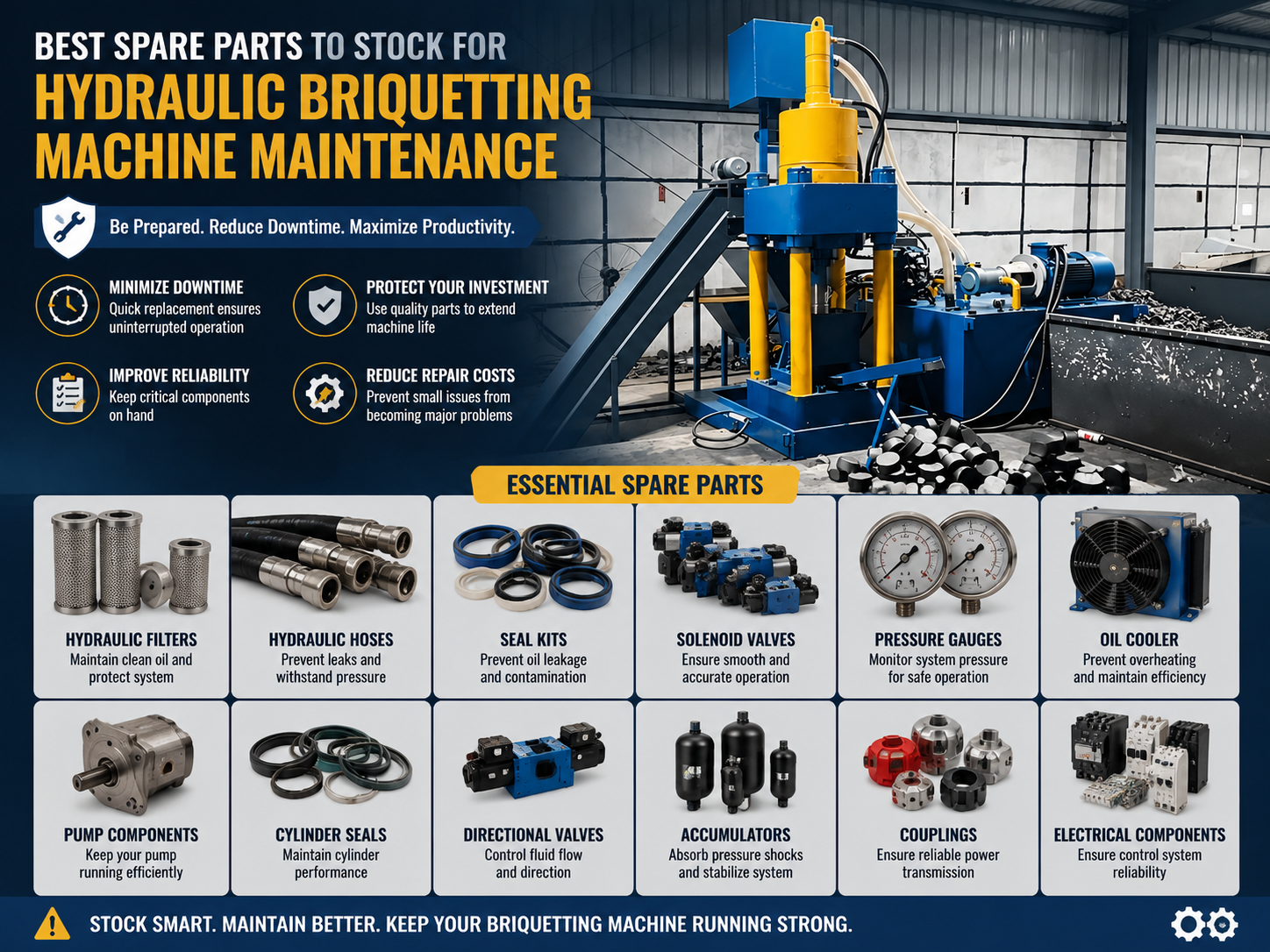
In the world of metal recycling and industrial waste management, the hydraulic briquetting machine stands as a cornerstone of efficiency. By compressing metal chips, shavings, and turnings into dense, manageable blocks, these machines significantly reduce storage space and increase the value of scrap material. However, the high-pressure environment in which these machines operate places immense stress on every component. Implementing a strategy for the best spare parts stock hydraulic briquetting machine maintenance is not just a recommendation; it is a necessity for any facility aiming to maintain high productivity and long-term operational health.
HARSLE, a leader in metal fabrication machinery, designs its briquetting presses to withstand rigorous industrial use. Yet, even the most robust machines are subject to the laws of physics. Friction, heat, and pressure eventually lead to the wear of consumable parts. When a machine goes down due to a failed seal or a faulty sensor, the cost is not merely the price of the part—it is the lost revenue from halted production, the labor costs of idle operators, and the potential delay in fulfilling recycling contracts. Having a well-curated inventory of spare parts ensures that minor issues do not escalate into catastrophic failures.
Effective maintenance goes beyond simple repairs; it involves a proactive approach to equipment longevity. By understanding which components are most likely to fail and keeping them on hand, maintenance teams can perform rapid swaps during scheduled downtimes. This strategy minimizes unplanned outages and extends the overall service life of the hydraulic system. In the following sections, we will delve into the specific components that should form the core of your spare parts inventory, ensuring your HARSLE briquetting machine remains a reliable asset for years to come.
Furthermore, the environmental conditions of a typical scrap yard or machining shop—characterized by dust, metal particles, and fluctuating temperatures—can accelerate the degradation of sensitive parts. A robust maintenance plan, backed by a strategic spare parts stock, acts as a safeguard against these harsh conditions. It allows for the immediate replacement of worn filters or damaged hoses before they can contaminate the entire hydraulic circuit, which would otherwise lead to expensive pump or valve replacements.
Daily Inspection: The First Line of Defense
Before diving into the technicalities of spare parts, it is essential to establish a daily inspection routine. This practice allows operators to identify early warning signs of wear, which informs which parts need to be pulled from the stock. A daily walk-around should focus on identifying leaks, unusual noises, and abnormal vibrations. These symptoms often point toward specific components that are nearing the end of their functional life.
Operators should begin by checking the hydraulic oil level and clarity. Cloudy or dark oil indicates contamination or oxidation, suggesting that the filtration system is failing or that the oil itself needs replacement. Next, a visual inspection of all hydraulic hoses and fittings is crucial. Look for signs of weeping, bulging, or abrasion. A hose that fails under high pressure can be extremely dangerous and will cause an immediate machine shutdown. Keeping a variety of high-pressure hoses and connectors in your best spare parts stock hydraulic briquetting machine maintenance inventory is vital for quick resolution of these issues.
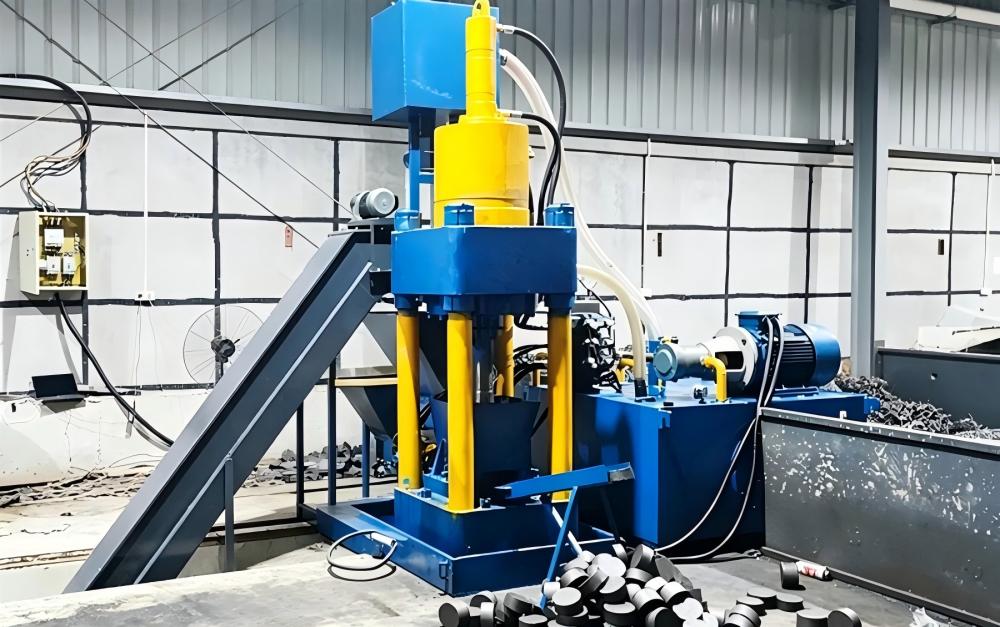
Another critical aspect of the daily check is the monitoring of the machine’s operating temperature. Excessive heat is the enemy of hydraulic systems, as it breaks down the lubricating properties of the oil and damages seals. If the machine is running hotter than usual, it may indicate a clogged oil cooler or a pump that is working too hard due to internal leakage. By catching these trends early, you can prepare the necessary replacement parts, such as cooling fans or pump cartridges, before a total breakdown occurs.
Finally, the mechanical interface—where the metal chips are fed and compressed—must be inspected for debris buildup. Metal fragments can wedge themselves into moving parts, causing premature wear on the molds and punches. Ensuring that the feeding mechanism is clear and that the lubrication system is functioning correctly will prevent the need for frequent mechanical part replacements. Daily diligence is the foundation upon which a successful spare parts strategy is built.
Hydraulic System Checks and Essential Spares
The hydraulic system is the heart of the briquetting machine, responsible for generating the massive force required to compress metal. Because it operates under extreme pressure, the components within this system are among the most likely to require replacement. The most critical items to stock are hydraulic seals. These include O-rings, V-packings, and piston seals. Over time, the heat and friction of the cylinder’s stroke will cause these rubber and polymer components to harden or tear, leading to internal or external leaks.
Beyond seals, the hydraulic valves—specifically solenoid valves and pressure relief valves—are vital. Solenoid valves control the direction of oil flow and are subject to electrical failure or mechanical sticking due to oil contamination. A spare set of solenoids ensures that if a valve fails to shift, the machine can be back in operation within minutes. Pressure relief valves are safety-critical; they prevent the system from exceeding its design pressure. If these valves become erratic, they must be replaced immediately to protect the structural integrity of the machine.
Hydraulic pumps and motors are the most expensive components in the system, and while they are designed for long life, they are not invincible. Keeping a spare pump or a rebuild kit (including vanes, gears, or pistons depending on the pump type) can save weeks of lead time during a major failure. Additionally, high-quality hydraulic filters are the most frequently replaced items. You should always have a minimum of three to five sets of suction and return-line filters in stock. Clean oil is the single most important factor in hydraulic longevity, and regular filter changes are the cheapest way to ensure it.
Lastly, do not overlook the hydraulic fluid itself. While not a “part” in the traditional sense, maintaining a reserve of the specific ISO grade oil recommended by HARSLE is essential. In the event of a major leak or a necessary oil change after a component failure, having the correct fluid on hand prevents the temptation to use an incompatible oil, which could cause further damage to the system’s seals and pumps.
Electrical System Components and Sensors
Modern HARSLE hydraulic briquetting machines utilize sophisticated electrical systems to automate the compression cycle and ensure operator safety. These systems rely on a network of sensors, switches, and controllers that can be sensitive to the vibrations and electromagnetic interference common in industrial environments. The most common electrical failure points are proximity sensors and limit switches. These components tell the PLC (Programmable Logic Controller) the exact position of the hydraulic cylinders. If a sensor fails, the machine may stop mid-cycle or fail to start entirely.
Stocking a variety of proximity sensors, especially those located near the compression chamber where they are exposed to heat and metal dust, is highly recommended. Additionally, emergency stop buttons and safety interlock switches should be kept in inventory. These are critical safety components that can be physically damaged in a busy shop environment. Ensuring they are functional is not just a maintenance requirement but a legal and ethical necessity for workplace safety.
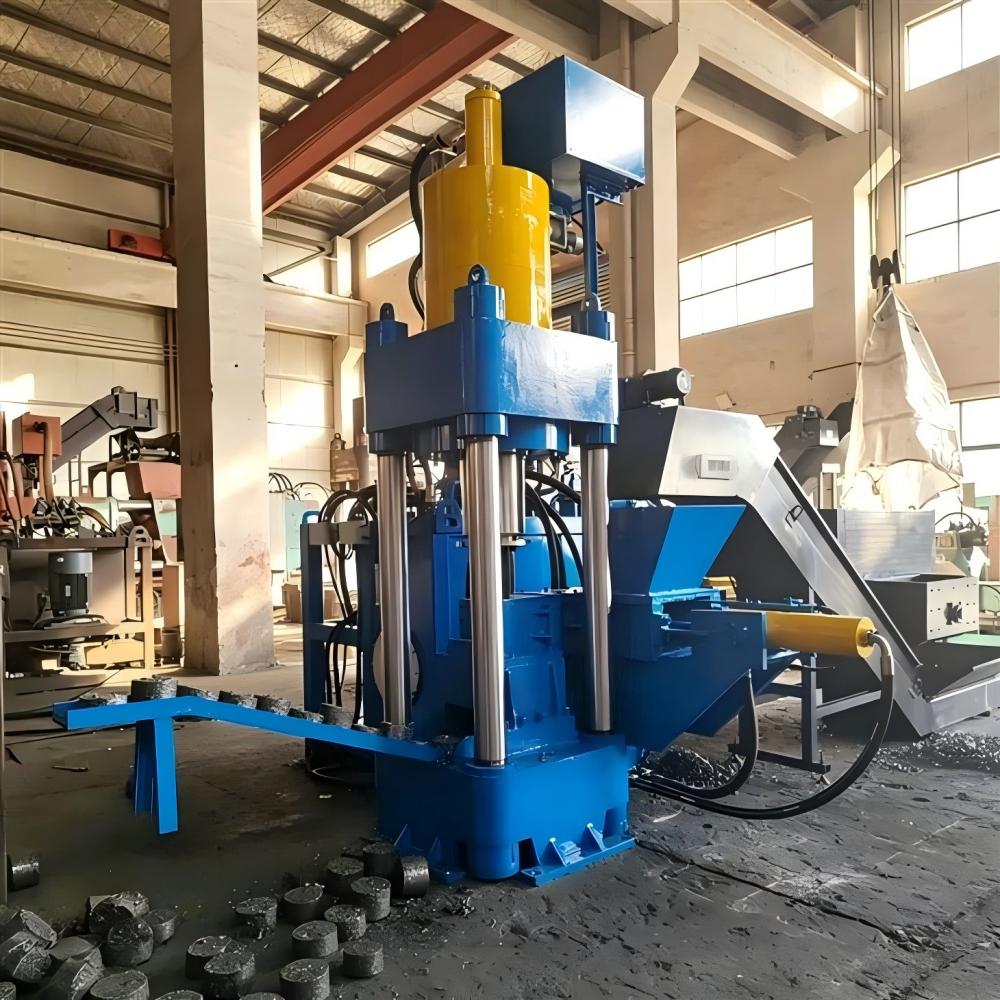
Inside the electrical cabinet, components like contactors, relays, and fuses are essential spares. Contactors for the main pump motor undergo significant electrical arcing every time the motor starts, eventually leading to pitted contacts and failure. Having a spare contactor sized correctly for your motor prevents a simple electrical issue from becoming a prolonged outage. It is also wise to keep a backup of the PLC’s battery (if applicable) and a copy of the machine’s software program on a dedicated USB drive.
Wiring and connectors can also become brittle or loose over time due to machine vibration. Keeping a kit of high-quality industrial connectors, wire ferrules, and heat-shrink tubing allows maintenance technicians to make permanent, reliable repairs rather than temporary “quick fixes” that often lead to intermittent faults. A proactive approach to electrical spares ensures that the “brain” of your briquetting machine remains sharp and responsive.
Mechanical System: Molds, Punches, and Bearings
The mechanical components of a briquetting machine are where the “rubber meets the road”—or rather, where the steel meets the scrap. The compression chamber, the mold (die), and the punch (ram head) are subjected to extreme abrasive forces. Depending on the material being processed—such as abrasive cast iron chips or tough steel turnings—these parts will wear down, leading to misshapen briquettes or reduced density. A set of spare molds and punches is perhaps the most important part of the best spare parts stock hydraulic briquetting machine maintenance for maintaining product quality.
Bearings and bushings in the feeding mechanism and the main pivot points also require attention. While these are often protected by lubrication, the high loads can eventually lead to fatigue. If a bearing begins to seize, it can cause the motor to draw excessive current or lead to the misalignment of the ram. Keeping a set of replacement bearings and high-strength mounting bolts ensures that mechanical repairs can be handled swiftly. It is also important to stock the specific wear plates that line the compression chamber, as these are designed to be sacrificial parts that protect the main frame of the machine.
The feeding system, whether it uses a screw conveyor or a vibrating hopper, has its own set of mechanical requirements. Drive belts, chains, and sprockets should be inspected for tension and wear. A snapped drive chain can bring the entire process to a halt. Keeping a length of matching chain and several master links in your spare parts bin is a low-cost way to prevent significant downtime. Similarly, if your machine uses a screw feeder, the flighting on the screw will eventually thin out and lose efficiency; having a spare screw or the materials to hard-face the existing one is a smart long-term strategy.
Finally, consider the fasteners. Industrial machinery is held together by high-grade bolts (often Grade 8.8 or 10.9). Under the constant vibration of hydraulic cycles, these bolts can stretch or shear. A dedicated drawer in your spare parts cabinet for various sizes of high-tensile bolts, washers, and locking nuts will save your maintenance team from making trips to the hardware store, ensuring that every repair is done to the original manufacturer’s specifications.
Comprehensive Lubrication Plan
Lubrication is the lifeblood of mechanical movement. Without a proper lubrication plan, even the best spare parts will fail prematurely. A hydraulic briquetting machine requires two main types of lubrication: the hydraulic oil that powers the system and the grease that protects the moving mechanical joints. The lubrication plan should specify the type of lubricant, the frequency of application, and the method of delivery (manual vs. automated).
For the hydraulic system, the plan must include regular oil analysis. By sending a small sample of oil to a lab, you can detect microscopic metal particles that indicate internal component wear before a failure occurs. This “predictive” maintenance allows you to order the best spare parts stock hydraulic briquetting machine maintenance items exactly when they are needed. The plan should also mandate the cleaning of the oil reservoir and the replacement of the breather cap, which prevents airborne contaminants from being sucked into the tank as the oil level fluctuates.
Mechanical lubrication usually involves greasing the main cylinder trunnions, the guide rails for the ram, and the bearings of the feeding system. If your HARSLE machine is equipped with an automatic lubrication system, the plan should include a weekly check of the grease reservoir and an inspection of the distribution lines to ensure no blockages have occurred. If manual lubrication is required, a strict schedule (e.g., every 8 hours of operation) must be followed. Using the wrong type of grease can be as bad as using no grease at all; always use the EP (Extreme Pressure) rated grease recommended in the machine manual.
Proper lubrication also helps in heat dissipation. In the high-pressure zones of the machine, a thin film of lubricant reduces the friction that generates heat. By keeping these areas well-lubricated, you reduce the thermal stress on the hydraulic seals, thereby extending the time between seal replacements. A well-executed lubrication plan is the most cost-effective way to reduce the overall consumption of spare parts.
Troubleshooting Signals: When to Reach for Your Spares
Recognizing the early signals of component failure is a skill that every machine operator and maintenance technician should develop. One of the most common signals is a change in cycle time. If the machine takes longer to complete a single briquette than it did a month ago, it usually indicates a loss of hydraulic efficiency. This could be due to a worn pump, a leaking internal seal, or a bypass in a control valve. At this point, you should check your stock for seal kits or a replacement pump.
Unusual noises are another clear indicator. A high-pitched whining sound often points to pump cavitation, which is caused by a clogged suction filter or a leak in the intake line. A banging or knocking sound during the stroke might indicate a loose mechanical component or a failing cylinder mounting. If you hear “chattering” from the valves, it may be an electrical issue where the solenoid is not receiving a clean signal, or the valve spool is sticking. Each of these sounds is a diagnostic tool that tells you which part of your best spare parts stock hydraulic briquetting machine maintenance inventory is about to be utilized.
Visual cues are equally important. If the briquettes are coming out crumbled or less dense than usual, the pressure might not be reaching its set point, or the mold might be excessively worn. If you see “foaming” in the hydraulic oil sight glass, air is entering the system, which will quickly destroy the pump if not addressed. Finally, keep an eye on the PLC error codes. Modern HARSLE machines provide specific fault codes that can pinpoint a failed sensor or an overloaded motor, taking the guesswork out of troubleshooting and allowing for immediate part replacement.
Maintenance Schedule Table
To keep your hydraulic briquetting machine in peak condition, follow this structured maintenance schedule. This table helps you track when to inspect and when to replace parts from your stock.
| Frequency | Task / Component to Check | Action Required | Related Spare Part |
|---|---|---|---|
| Daily | Hydraulic Oil Level & Temp | Inspect and top up if necessary | Hydraulic Oil (ISO VG 46/68) |
| Daily | Hoses and Fittings | Check for leaks or abrasions | High-pressure Hoses / Ferrules |
| Weekly | Hydraulic Filters | Check pressure gauges for clogging | Return & Suction Filters |
| Weekly | Mechanical Lubrication | Grease all pivot points and rails | EP2 Lithium Grease |
| Monthly | Electrical Connections | Tighten terminals and clean sensors | Proximity Sensors / Relays |
| Monthly | Mold and Punch Wear | Measure dimensions for tolerance | Replacement Die / Ram Head |
| Quarterly | Hydraulic Oil Analysis | Send sample to lab for testing | N/A (Diagnostic) |
| Yearly | Full System Calibration | Check pressure settings and PLC logic | Pressure Gauges / PLC Battery |
| Yearly | Hydraulic Seal Replacement | Proactive replacement of main seals | Cylinder Seal Kits |
Frequently Asked Questions (FAQ)
1. What are the most common spare parts needed for a hydraulic briquetting machine?
The most frequently replaced parts are hydraulic seals (O-rings and V-packings), hydraulic filters, and proximity sensors. Because these machines work with abrasive metal chips, the molds and punches are also considered high-wear items that should always be kept in stock.
2. How often should I change the hydraulic oil?
Generally, hydraulic oil should be changed every 2,000 to 4,000 hours of operation, or once a year. However, this can vary based on the environment. Regular oil analysis is the best way to determine the exact timing for an oil change.
3. Why is my briquetting machine losing pressure?
Pressure loss is usually caused by internal leakage in the hydraulic cylinder (worn seals), a malfunctioning pressure relief valve, or a worn-out hydraulic pump. Check these components in order, starting with the easiest to inspect (the relief valve).
4. Can I use any type of hydraulic oil?
No. You must use the oil viscosity and type recommended by HARSLE, typically ISO VG 46 or 68 anti-wear hydraulic oil. Using the wrong oil can lead to poor performance, overheating, and damage to the seals.
5. How do I know when the molds need to be replaced?
When the briquettes start to show irregular shapes, have rough edges, or when the machine requires more force to eject the briquette, it is likely that the mold or the wear plates are worn beyond their tolerances.
6. What should I do if the machine stops and shows a PLC error?
Consult the HARSLE user manual for the specific error code. Most often, these errors are triggered by a failed proximity sensor or an emergency stop that has been engaged. Check the sensors for debris or damage first.
7. Is it necessary to stock a spare hydraulic pump?
While a pump is a major investment, having one in stock is highly recommended for facilities where downtime costs are high. If a pump fails, the lead time for a replacement can be several weeks, whereas having one on the shelf allows for a same-day repair.