Why Regular Maintenance Improves Hydraulic Briquetting Machine Output

The Critical Link Between Maintenance and Productivity
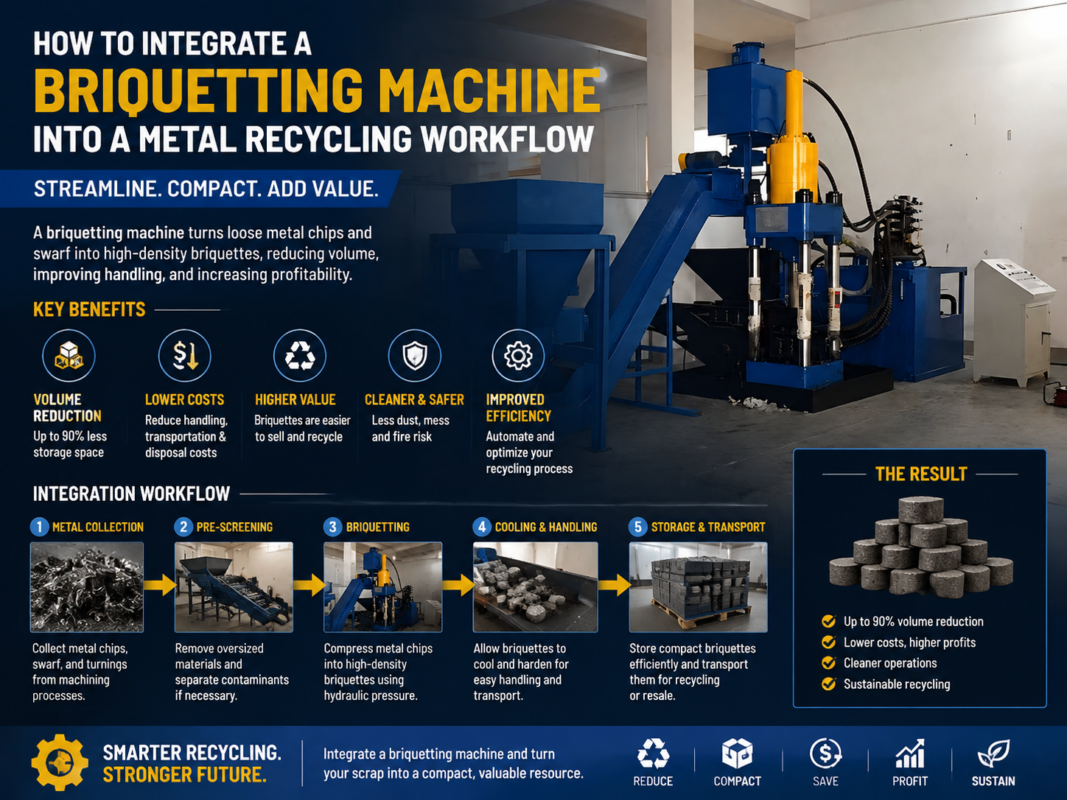
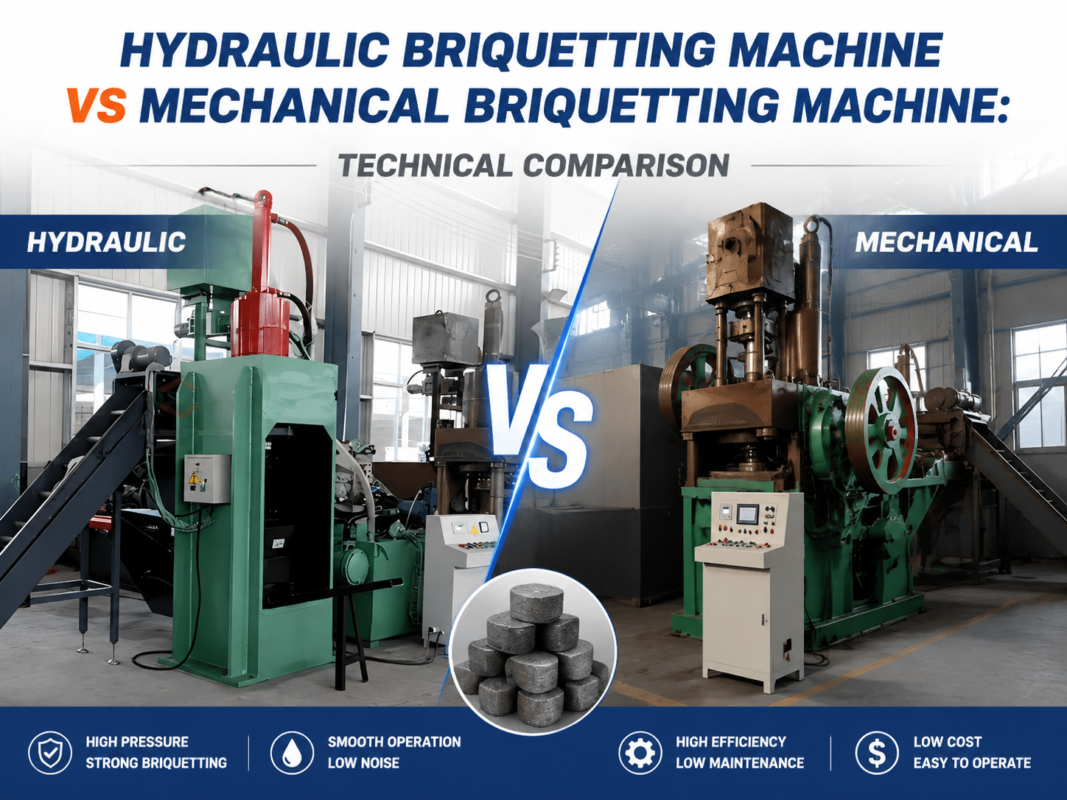
In the modern metal fabrication and recycling industry, the efficiency of scrap management directly impacts the bottom line. Hydraulic briquetting machines are the workhorses of this sector, transforming loose metal chips, turnings, and shavings into dense, high-value briquettes. However, like any heavy-duty industrial equipment, their performance is subject to the laws of mechanical wear and hydraulic degradation. Understanding why regular maintenance improves hydraulic briquetting machine output is essential for any facility manager looking to maximize ROI and ensure consistent production cycles.
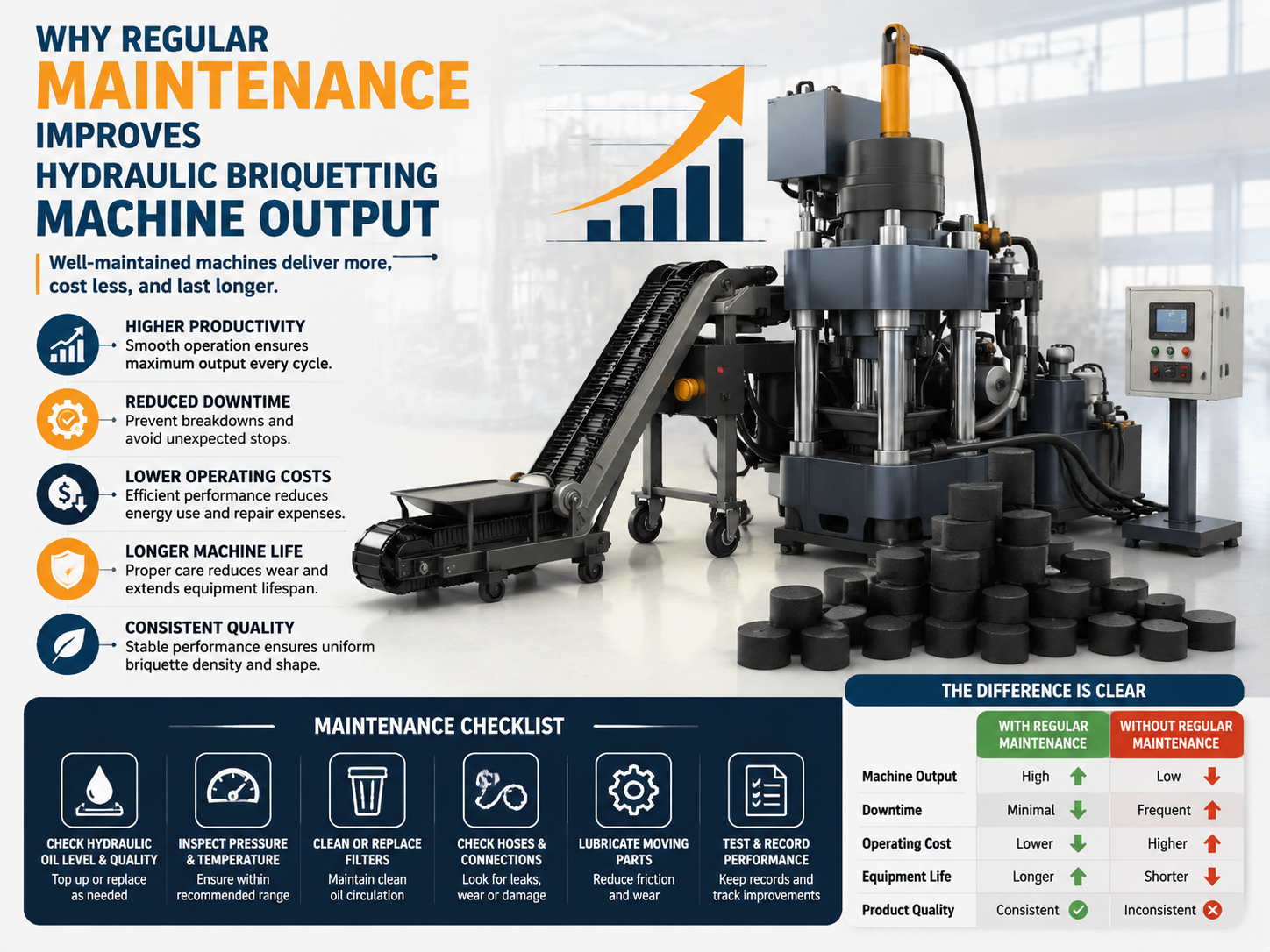
Regular maintenance is not merely a reactive measure to fix broken parts; it is a proactive strategy designed to keep the machine operating at its peak design parameters. When a hydraulic briquetting machine is well-maintained, the hydraulic fluid remains clean, the seals stay tight, and the mechanical tolerances are preserved. This leads to faster cycle times, higher briquette density, and significantly reduced energy consumption. Conversely, neglecting maintenance leads to a slow decline in performance that often goes unnoticed until a catastrophic failure occurs, resulting in expensive downtime and lost production revenue.
HARSLE, a leader in metal fabrication machinery, engineers its briquetting machines for durability, but even the most robust designs require systematic care. By adhering to a strict maintenance regimen, operators can ensure that the machine’s output remains stable over years of service. This article explores the multifaceted relationship between maintenance and output, providing a detailed roadmap for keeping your hydraulic briquetting machine in top-tier condition.
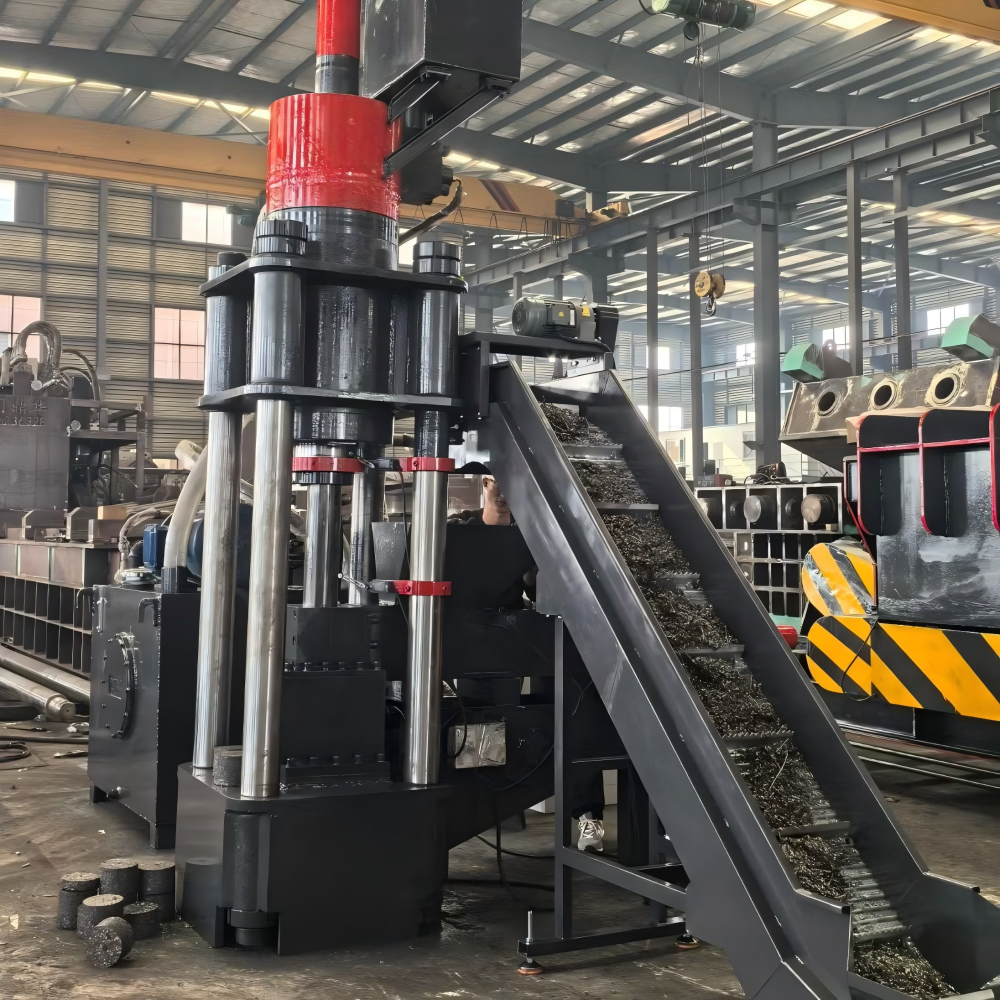
Why Regular Maintenance Improves Hydraulic Briquetting Machine Output
The primary reason why regular maintenance improves hydraulic briquetting machine output lies in the preservation of hydraulic efficiency. Hydraulic systems rely on the incompressible nature of oil to transmit force. If the oil is contaminated or the pump is worn, the system loses pressure, leading to softer briquettes and longer cycle times. Regular maintenance ensures that the hydraulic pump operates at maximum volumetric efficiency, allowing the machine to reach its target pressure faster and more consistently.
Furthermore, mechanical friction is a major enemy of output. In a briquetting machine, the ram and the mold are subject to extreme pressures and abrasive metal particles. Without proper lubrication and inspection of wear plates, friction increases, requiring more energy to move the same amount of material. This not only slows down the machine but also generates excess heat, which further degrades the hydraulic oil. By maintaining these components, you minimize internal resistance, ensuring that every kilowatt of energy is directed toward compressing the metal scrap rather than overcoming friction.
Consistency is another critical factor. A well-maintained machine produces briquettes of uniform size and density. This is vital for downstream processes, such as melting in a furnace, where uniform briquettes improve melt yield and reduce oxidation. When maintenance is neglected, the machine may produce inconsistent results, leading to rejected batches and wasted material. Therefore, maintenance is directly tied to the quality of the output, which is just as important as the quantity.
Daily Inspection Protocols for Maximum Uptime
The foundation of any successful maintenance program is the daily inspection. These are quick, non-invasive checks performed at the start of every shift to identify potential issues before they escalate. A daily routine ensures that the machine starts in an optimal state and alerts the operator to any changes in behavior that might indicate an underlying problem.
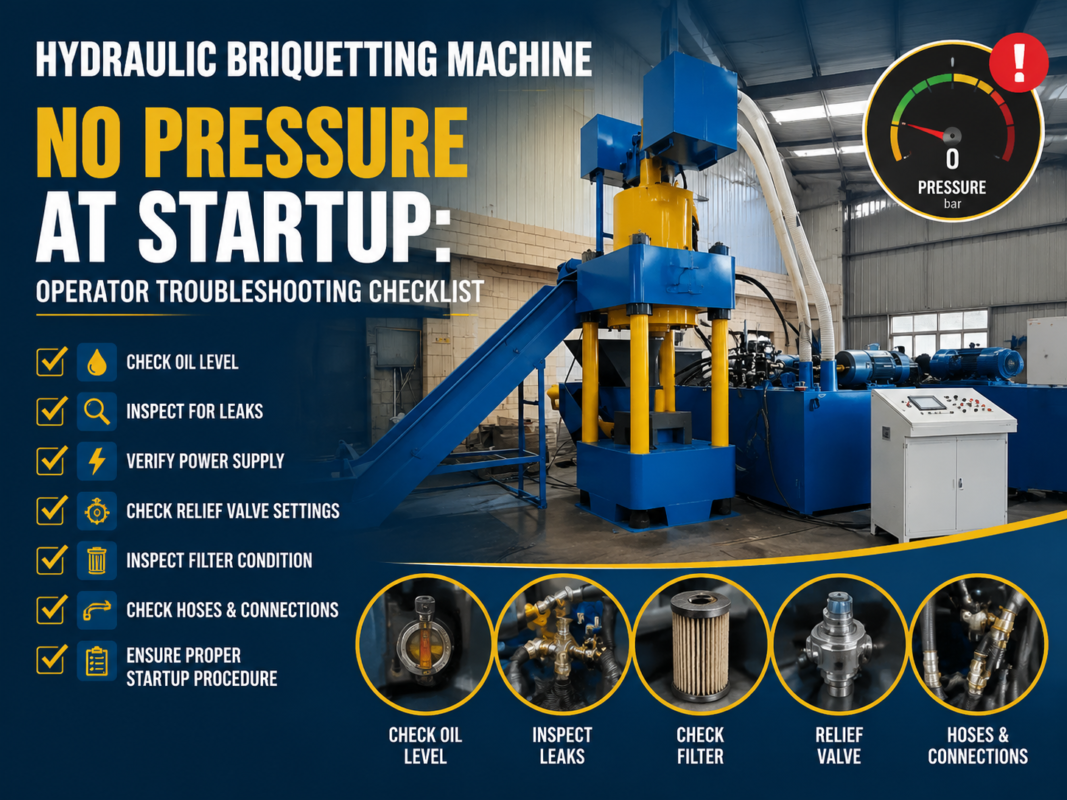
First, operators should perform a visual sweep of the entire machine. Look for signs of hydraulic fluid leaks around hoses, fittings, and cylinders. Even a small leak can lead to a significant drop in fluid levels over time, causing the pump to cavitate and overheat. Additionally, check the area around the mold and the hopper for any buildup of metal dust or debris that could interfere with the movement of the ram or the sensors.
Second, monitor the oil level and temperature gauges. Hydraulic oil should be within the recommended range on the sight glass. If the oil is too low, the system will run hot; if it is too high, it may foam. The temperature should stabilize after the machine has reached its operating state. If the temperature continues to climb, it indicates a cooling system failure or excessive internal friction. Early detection of these thermal issues is a key reason why regular maintenance improves hydraulic briquetting machine output by preventing thermal degradation of the oil.
Finally, listen to the machine. Experienced operators can often “hear” a problem before they see it. Unusual whining from the pump, banging in the cylinders, or grinding in the mechanical linkages are all red flags. Daily auditory checks allow for immediate intervention, preventing minor wear from turning into a major mechanical failure.
Deep Dive: Hydraulic, Electrical, and Mechanical Checks
Hydraulic System Integrity
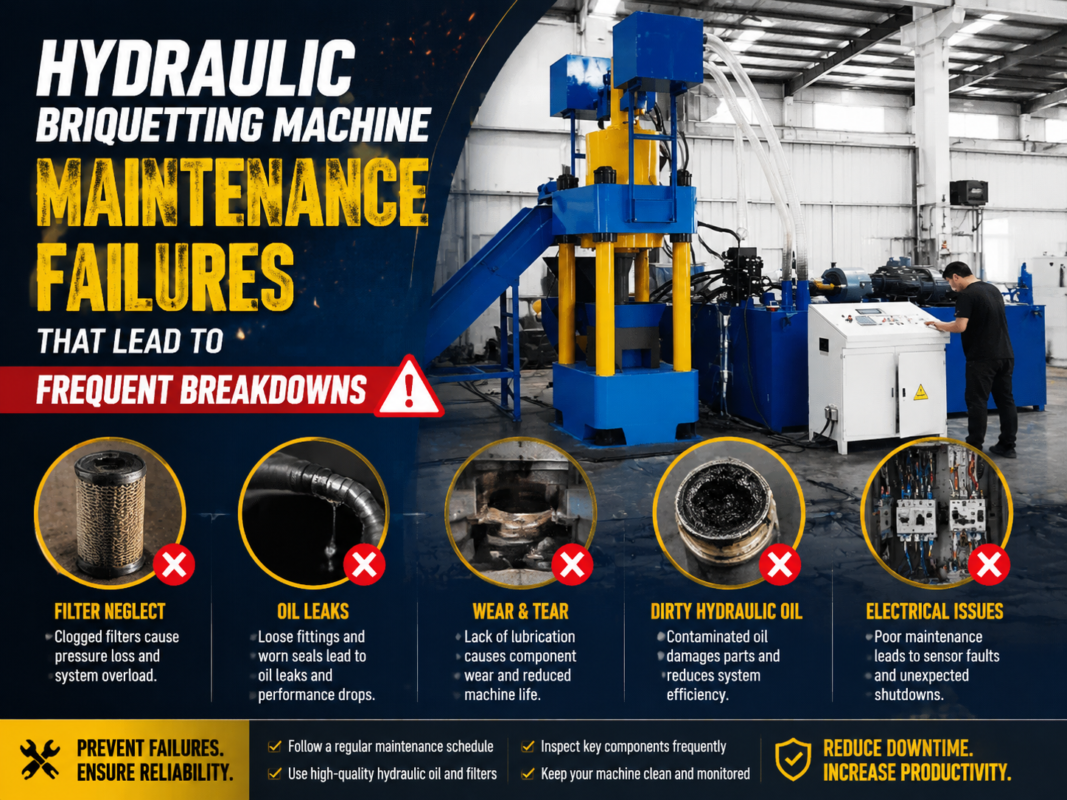
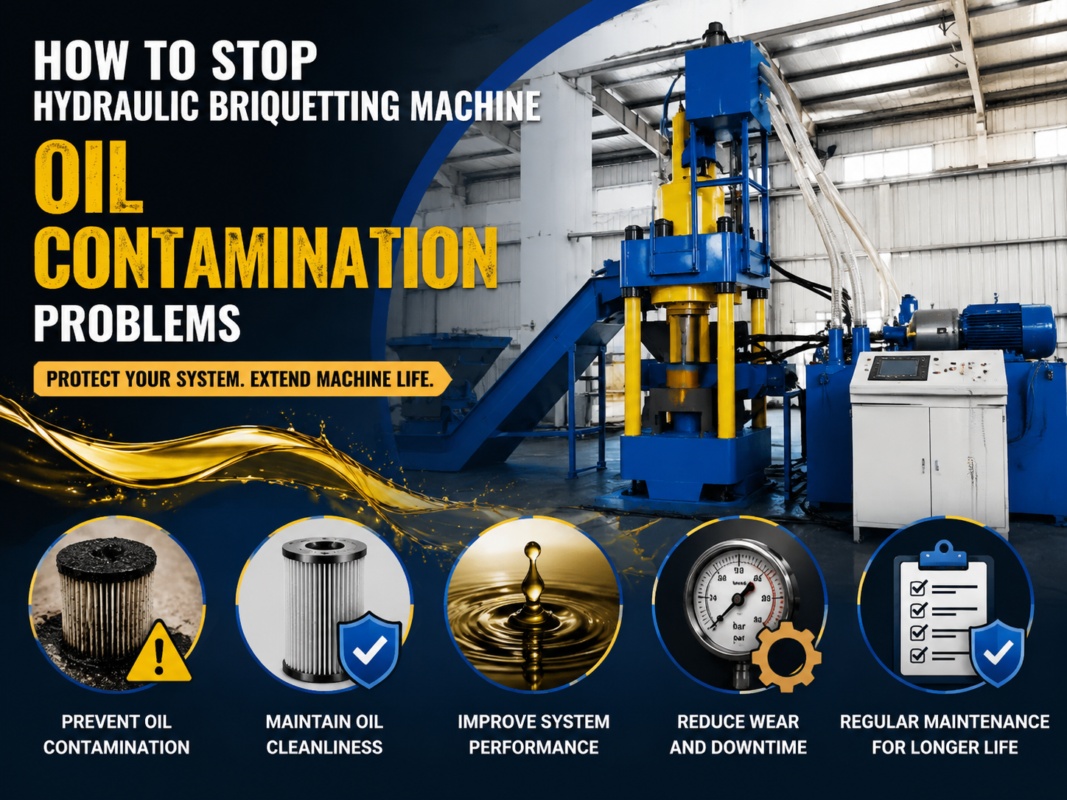
The hydraulic system is the heart of the briquetting machine. To maintain high output, the oil must be kept pristine. Contamination is the leading cause of hydraulic failure, as microscopic metal particles can score valve seats and pump vanes. Regularly changing the hydraulic filters and performing oil analysis can extend the life of the system by years. It is also important to check the nitrogen pre-charge in the accumulators (if equipped), as these components help maintain pressure stability during the compression stroke.
Electrical and Control Systems
Modern HARSLE briquetting machines utilize sophisticated PLC (Programmable Logic Controller) systems to manage the timing and pressure of the cycles. Electrical maintenance involves checking all wiring for signs of fraying or heat damage, especially near moving parts. Sensors and limit switches must be cleaned and calibrated; a dirty proximity sensor can cause the machine to stall or cycle incorrectly, directly reducing output. Ensuring that the control cabinet is free of dust and that cooling fans are operational prevents PLC overheating and erratic behavior.
Mechanical Components and Wear Parts
The mechanical structure of the machine bears the brunt of the force. The mold and the punch are considered wear parts and must be inspected for signs of deformation or excessive wear. If the clearance between the punch and the mold becomes too large, metal fines can escape, leading to messy operation and lower density briquettes. Tightening all structural bolts and checking the alignment of the ram ensures that the force is applied evenly, preventing side-loading on the hydraulic cylinders which can cause seal failure.
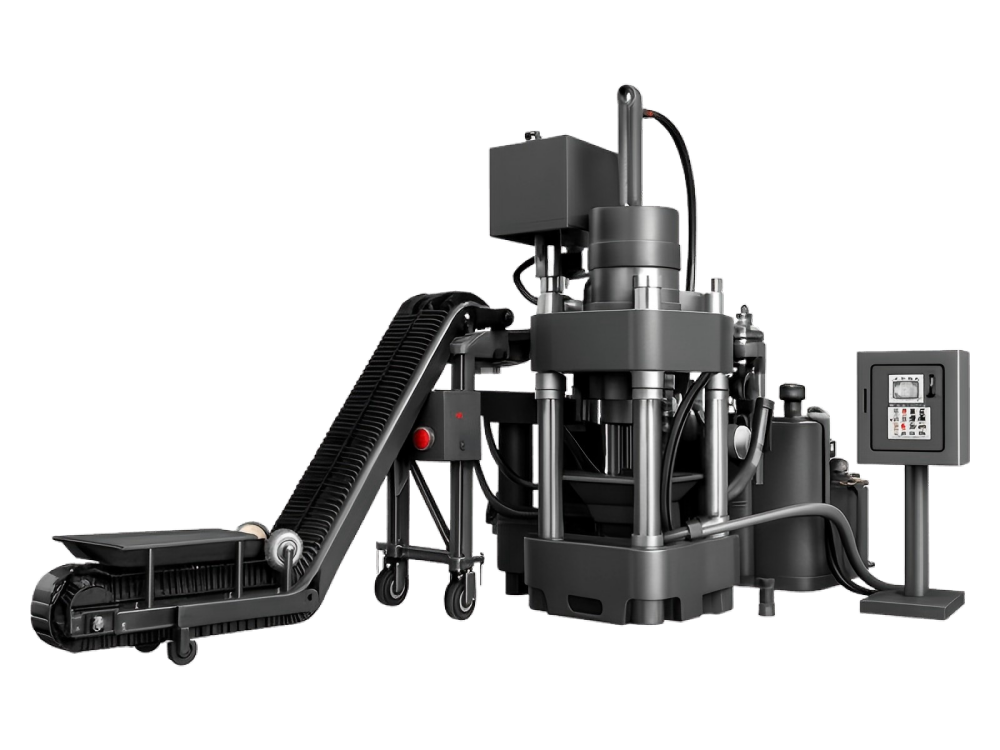
Developing a Robust Lubrication Strategy
Lubrication is the simplest yet most frequently overlooked aspect of machine maintenance. In a hydraulic briquetting machine, multiple points require regular greasing, including the main ram guides, the hopper agitator bearings, and any pivot points in the discharge mechanism. A robust lubrication strategy involves using the correct type of lubricant for each application—typically a high-pressure lithium-based grease for mechanical joints and a high-quality anti-wear hydraulic oil (such as ISO VG 46 or 68) for the main system.
The frequency of lubrication should be dictated by the machine’s duty cycle. For machines running 24/7, an automatic lubrication system is highly recommended to ensure a constant, metered flow of grease. For manually lubricated machines, a strict schedule must be followed. Over-lubrication can be just as damaging as under-lubrication, as excess grease can attract metal dust and create an abrasive paste that accelerates wear. A clean, targeted lubrication plan is a primary factor in why regular maintenance improves hydraulic briquetting machine output by reducing the energy required for each cycle.
Recognizing Early Warning Signs of Component Failure
To prevent unplanned downtime, operators must be trained to recognize the early warning signs of component failure. One of the most common signals is a gradual increase in cycle time. If the machine takes 15 seconds to produce a briquette that used to take 12 seconds, the system is losing efficiency. This is often due to internal leakage in the hydraulic valves or a worn pump. Addressing this early can restore the 20% loss in productivity before it worsens.
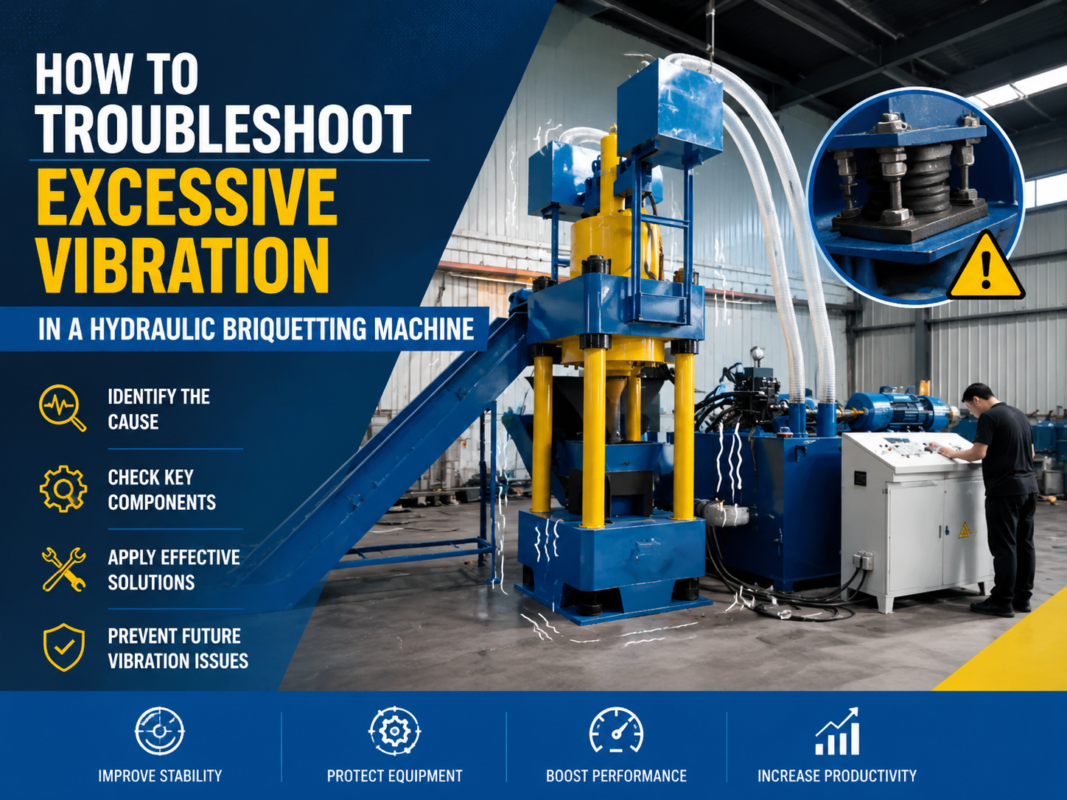
Another signal is the quality of the briquette itself. If the briquettes are becoming crumbly or are not reaching the specified density, it indicates a drop in system pressure or a problem with the material feed system. Additionally, excessive vibration during the compression stroke can indicate that the machine is not properly leveled or that the internal dampening components are failing. By monitoring these troubleshooting signals, maintenance teams can schedule repairs during planned shutdowns, ensuring that the machine’s output remains high during critical production windows.
Comprehensive Maintenance Schedule Table
The following table provides a standardized maintenance schedule for a HARSLE hydraulic briquetting machine. Adhering to this schedule is the most effective way to ensure long-term reliability and high output.
| Frequency | Component | Action Required | Objective |
|---|---|---|---|
| Daily | Hydraulic Oil | Check level and temperature | Prevent pump cavitation and overheating |
| Daily | Hoses & Fittings | Visual inspection for leaks | Maintain system pressure and safety |
| Daily | Machine Exterior | Clean metal dust and debris | Prevent sensor interference and fire hazards |
| Weekly | Grease Points | Apply lubricant to guides and bearings | Reduce friction and mechanical wear |
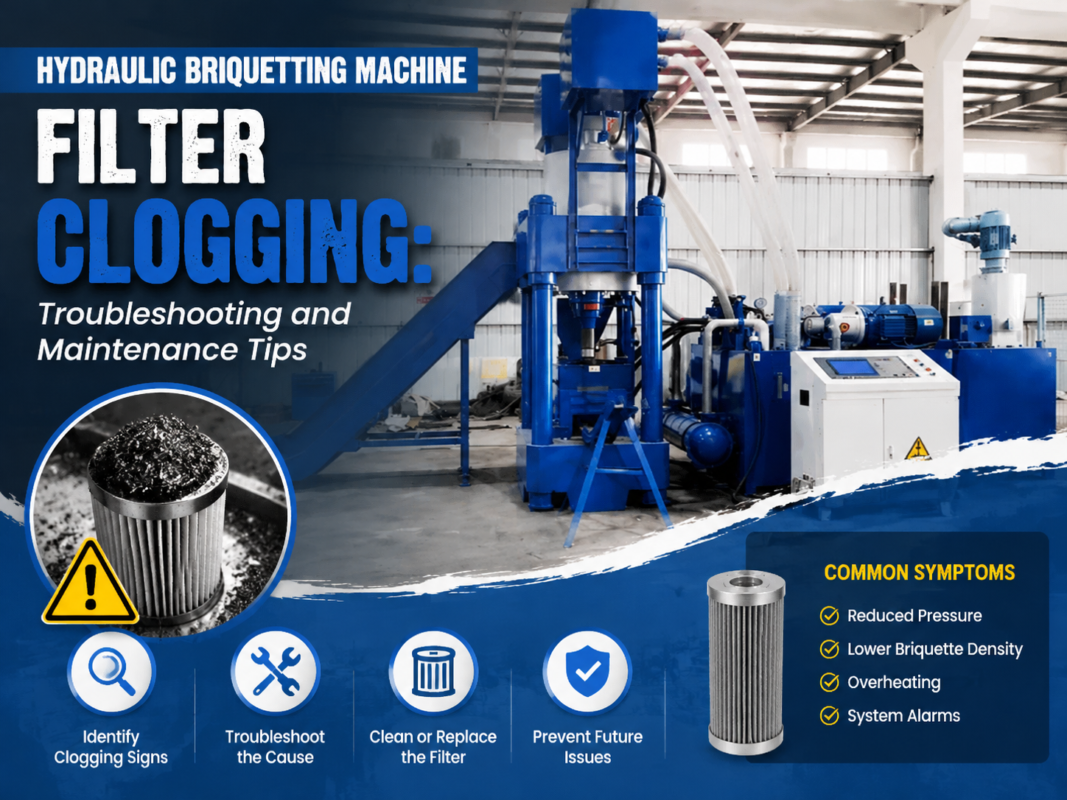
| Weekly | Filters | Check pressure gauges on filters | Ensure clean oil flow to valves |
| Monthly | Electrical Cabinet | Vacuum dust and check connections | Prevent PLC failure and short circuits |
| Monthly | Wear Plates | Inspect for thinning or scoring | Maintain briquette quality and tolerances |
| Quarterly | Hydraulic Oil | Perform oil analysis (lab test) | Detect internal wear and oil degradation |
| Bi-Annually | Hydraulic Pump | Check flow rate and pressure output | Verify volumetric efficiency |
| Annually | Full System | Replace oil, filters, and seals | Complete system rejuvenation |
Frequently Asked Questions
How often should I change the hydraulic oil?
For most industrial environments, hydraulic oil should be changed every 2,000 to 4,000 operating hours. However, this can vary based on the operating temperature and the cleanliness of the environment. Using oil analysis is the best way to determine the exact timing, as it measures the actual depletion of additives and the presence of contaminants.
Why is my briquetting machine running slower than usual?
A decrease in speed is usually caused by a drop in hydraulic flow. This could be due to a clogged suction filter, a worn hydraulic pump, or internal bypassing in a control valve. It can also be caused by high oil temperatures, which lower the oil’s viscosity and reduce the pump’s efficiency. Regular maintenance of the cooling system and filters can prevent this.
Can I use any type of grease for the lubrication points?
No, it is important to use the grease specified in the HARSLE manual. Typically, a high-pressure (EP) lithium grease is required to withstand the heavy loads found in briquetting operations. Using the wrong grease can lead to premature bearing failure or inadequate protection of the sliding guides.
What happens if I ignore a small hydraulic leak?
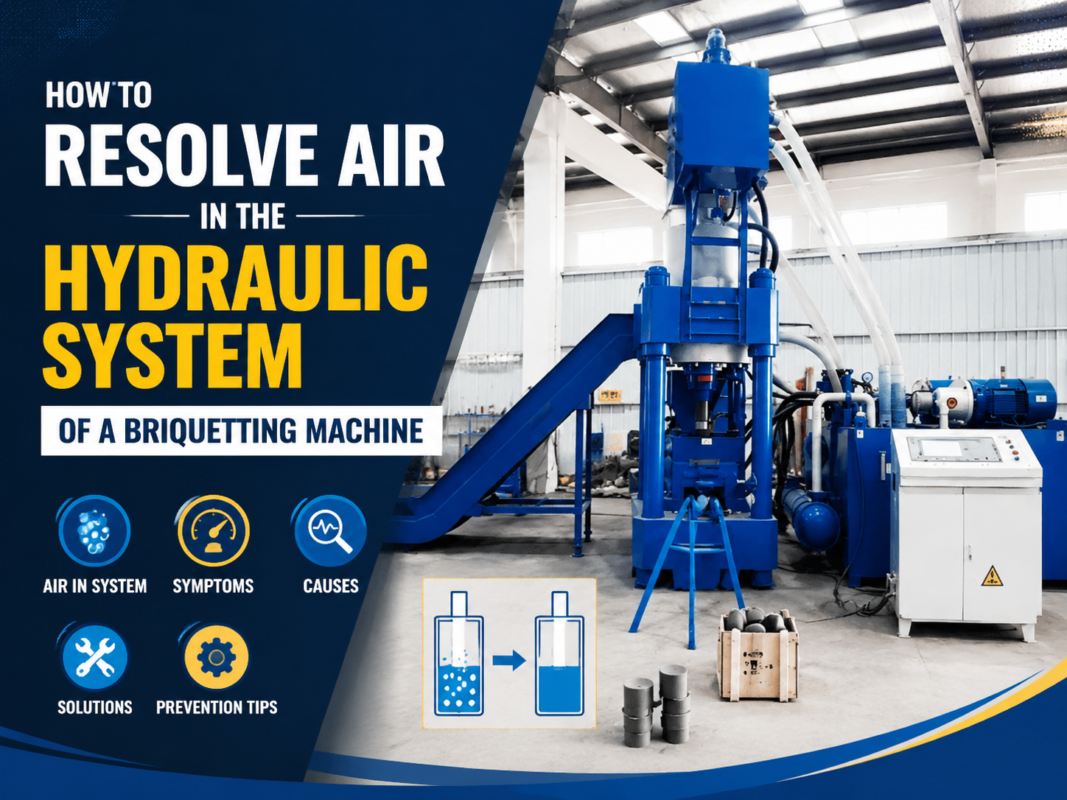
A small leak is often a symptom of a larger problem, such as a failing seal or a vibrating pipe. Ignoring it leads to oil waste, environmental hazards, and eventually a drop in oil level that can destroy the hydraulic pump. Small leaks also allow air and moisture to enter the system, which causes oxidation and cavitation.
How does maintenance affect the density of the briquettes?
Briquette density is a function of the pressure applied by the hydraulic ram. If the system cannot reach or maintain its peak pressure due to leaks, worn seals, or valve issues, the density will drop. Regular maintenance ensures the system can consistently hit the 250-300 bar pressures required for high-density metal briquettes.
Is it necessary to clean the machine every day?
Yes. Metal dust is abrasive and can be conductive. If it enters the electrical cabinet, it can cause short circuits. If it builds up on the hydraulic cylinder rods, it can damage the rod seals as they retract. Daily cleaning is a simple task that prevents very expensive repairs.
Does regular maintenance really improve the machine’s lifespan?
Absolutely. A well-maintained HARSLE briquetting machine can last for decades. Without maintenance, the cumulative effect of heat, friction, and contamination can reduce the machine’s useful life to just a few years. The cost of maintenance is a fraction of the cost of replacing the entire machine.