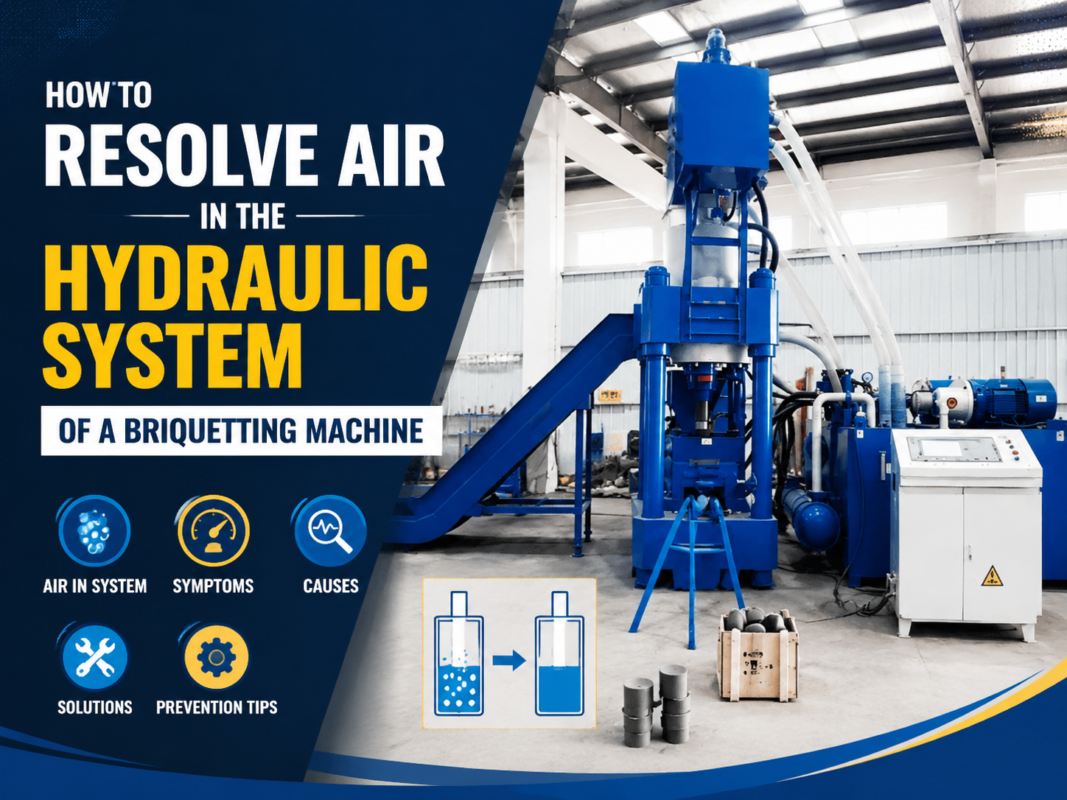
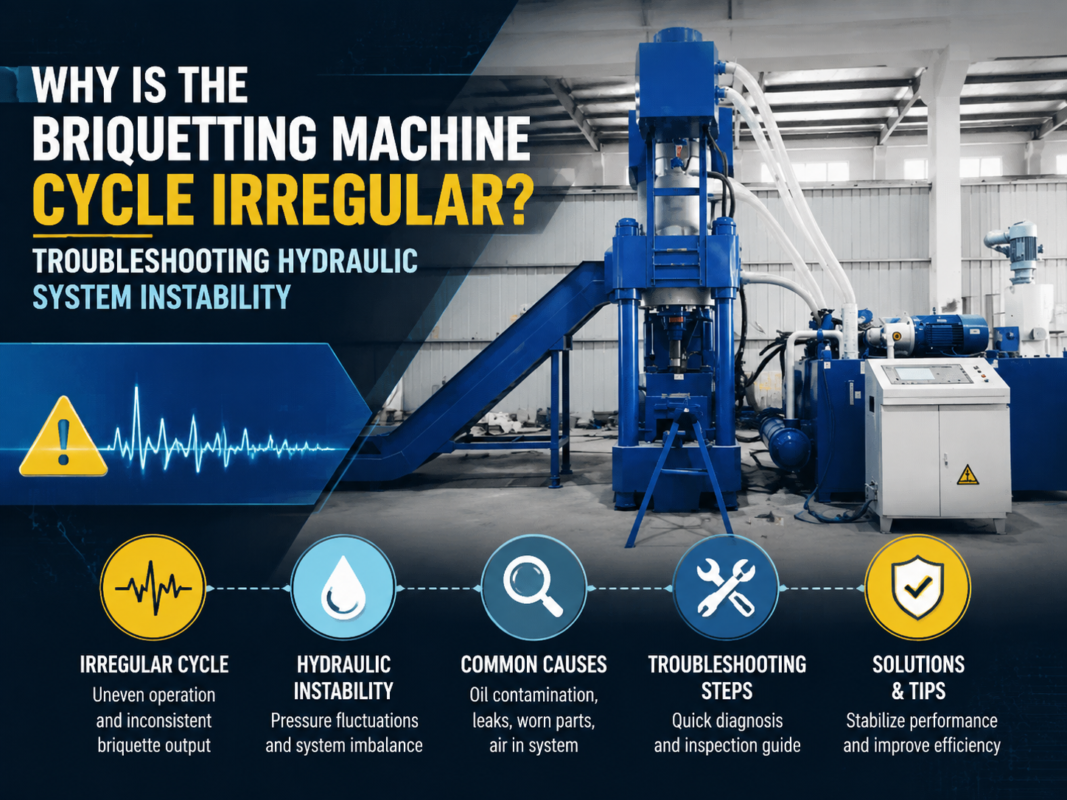
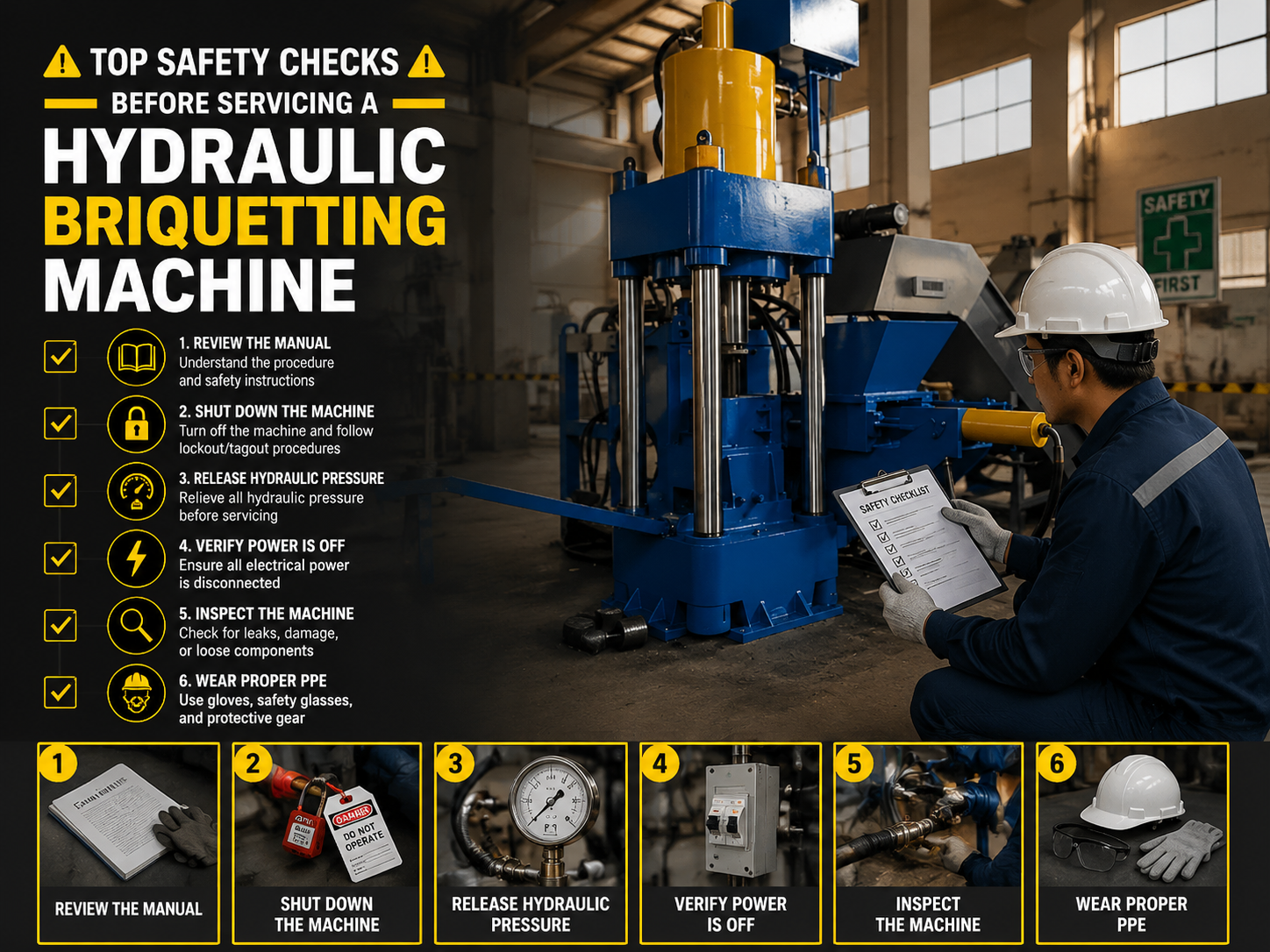
Top Safety Checks Before Servicing a Hydraulic Briquetting Machine

The Critical Importance of Maintenance for Hydraulic Briquetting Machines
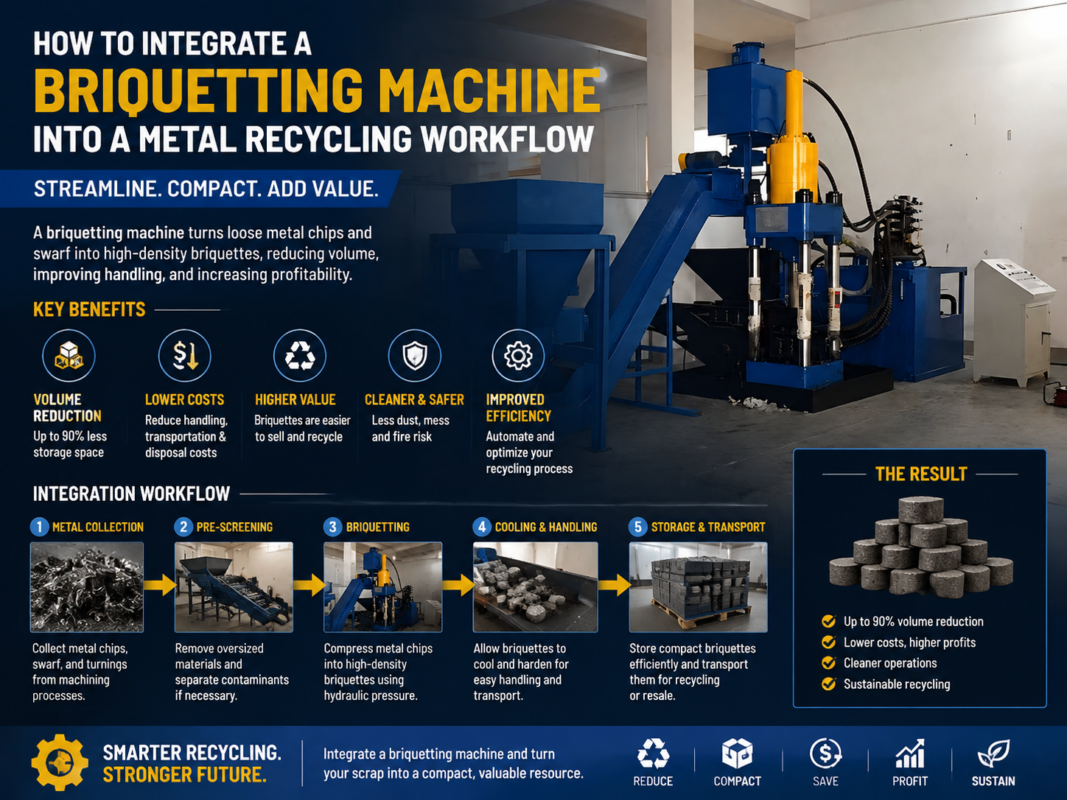
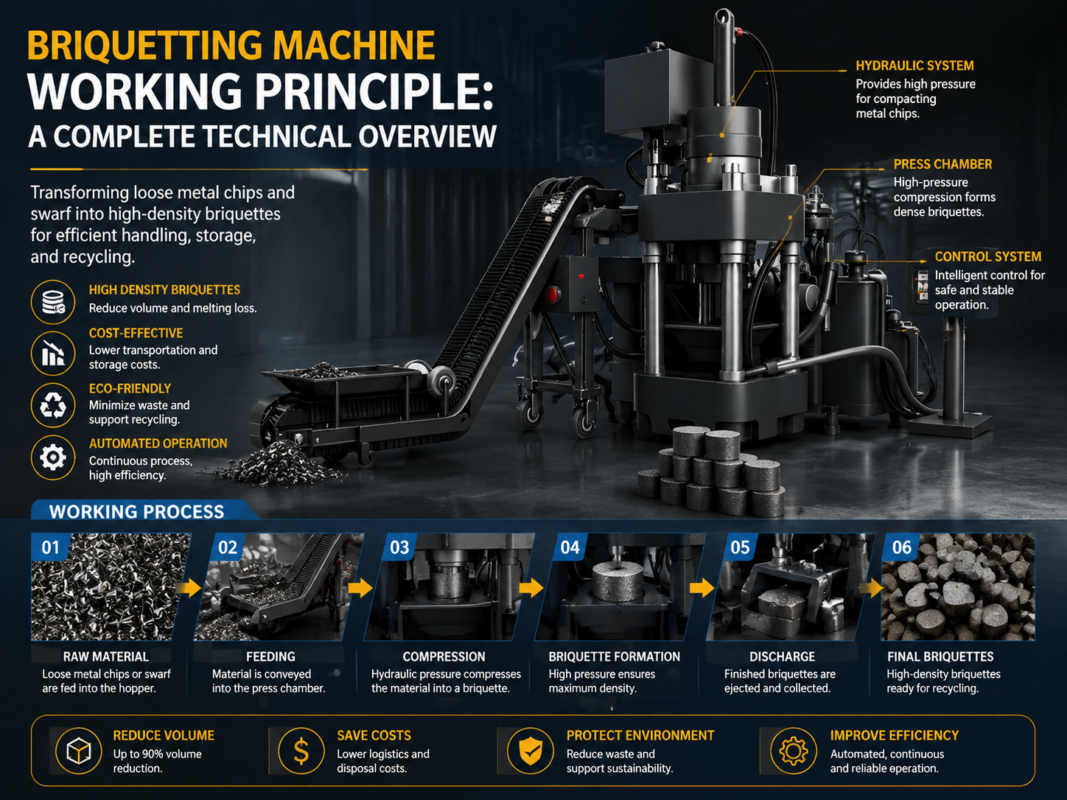
In the world of metal recycling and industrial waste management, the hydraulic briquetting machine stands as a cornerstone of efficiency. These machines are designed to compress metal chips, shavings, and turnings into dense, manageable briquettes, significantly reducing volume and increasing the value of scrap material. However, the immense force required to achieve this compression—often reaching hundreds of tons—means that these machines operate under extreme stress. Regular maintenance is not merely a recommendation; it is a fundamental requirement for operational safety, machine longevity, and financial viability.
Neglecting maintenance on a hydraulic briquetting machine can lead to catastrophic failures. A minor hydraulic leak, if left unaddressed, can escalate into a high-pressure injection injury or a fire hazard. Similarly, worn mechanical components can cause structural misalignment, leading to expensive repairs and prolonged downtime. By implementing a rigorous maintenance schedule, operators can identify potential issues before they manifest as dangerous failures. This proactive approach ensures that the machine remains a productive asset rather than a liability.
Furthermore, well-maintained machinery operates more efficiently. When hydraulic systems are clean and well-lubricated, they consume less energy and complete cycles faster. This directly impacts the bottom line by reducing operational costs and increasing throughput. For companies using HARSLE equipment, adhering to professional servicing standards ensures that the precision engineering of the machine is preserved, maintaining the high-quality output that industrial scrap processors demand.
Safety is the most compelling reason for servicing. Industrial environments are inherently hazardous, and the risks are magnified when working with high-pressure hydraulics and heavy moving parts. Establishing a culture of safety through regular checks protects the most valuable asset of any company: its people. This guide outlines the top safety checks before servicing a hydraulic briquetting machine, providing a comprehensive roadmap for technicians and facility managers.
Daily Inspection: The First Line of Defense
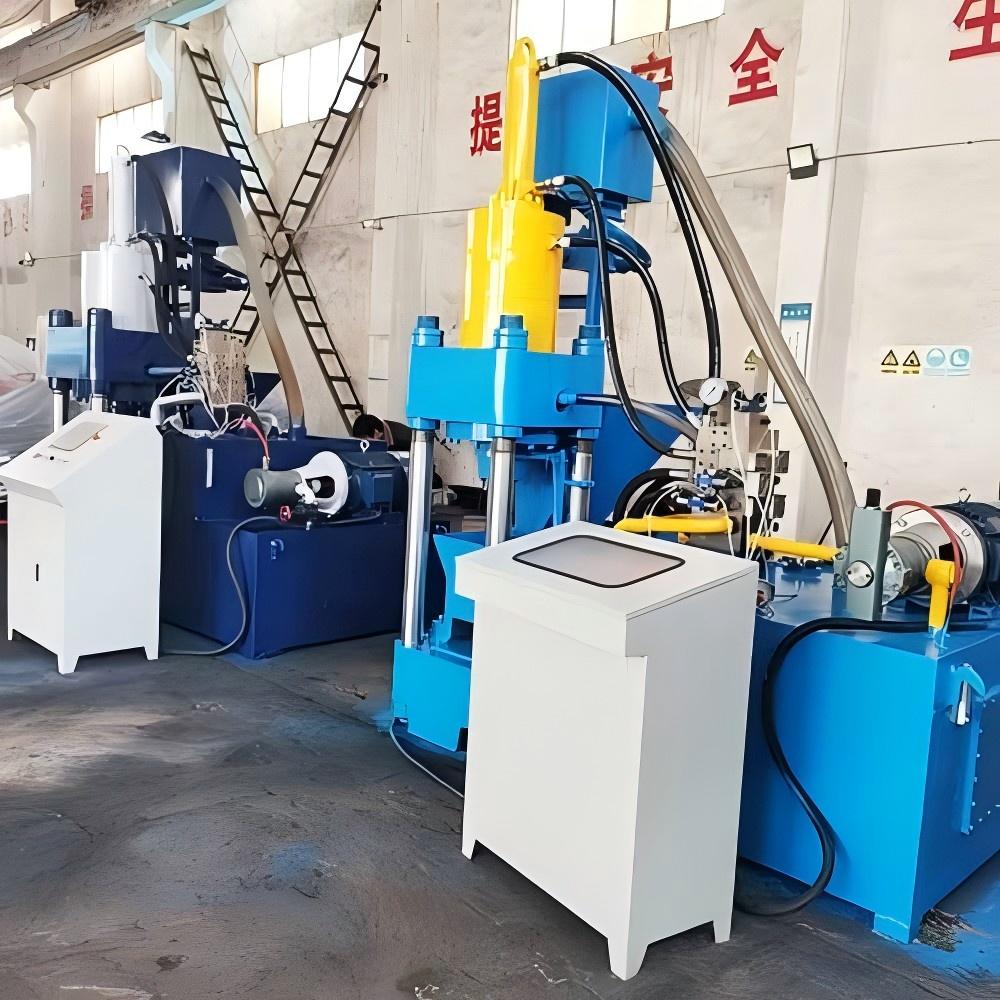
The daily inspection is a non-negotiable ritual that should occur before the machine is powered on for the shift. This visual walk-around allows the operator to spot obvious signs of wear or damage that may have occurred during the previous operation. The goal is to ensure the machine is in a ‘normal’ state before introducing the high pressures of a working cycle. Operators should look for any pools of hydraulic fluid on the floor, which indicate a breach in the system that must be addressed immediately.
Cleaning is a vital part of the daily inspection. Metal dust and fine shavings can accumulate around sensors, limit switches, and cooling fans. If left to build up, this debris can cause overheating or electrical shorts. Using compressed air or specialized industrial vacuums to clear the compression chamber and the surrounding area ensures that the mechanical movements are not obstructed. A clean machine is also much easier to inspect, as leaks and cracks are not hidden under layers of grime.
Checking the tightness of visible fasteners is another daily task. The vibration inherent in briquetting operations can gradually loosen bolts on the frame, the hopper, and the hydraulic cylinder mounts. A quick check with a wrench on critical points can prevent a component from shifting during operation, which could lead to a mechanical jam or structural damage. This simple step takes only minutes but can save hours of corrective maintenance later.
Finally, the daily inspection must include a check of the safety guards and emergency stop buttons. These components are designed to protect the operator in the event of an anomaly. If a guard is bent or an E-stop is sticky, the machine should not be operated. Testing the E-stop at the beginning of the day confirms that the electrical circuit is capable of cutting power instantly, providing peace of mind for the duration of the shift.
Hydraulic System Checks: Pressure and Fluid Integrity
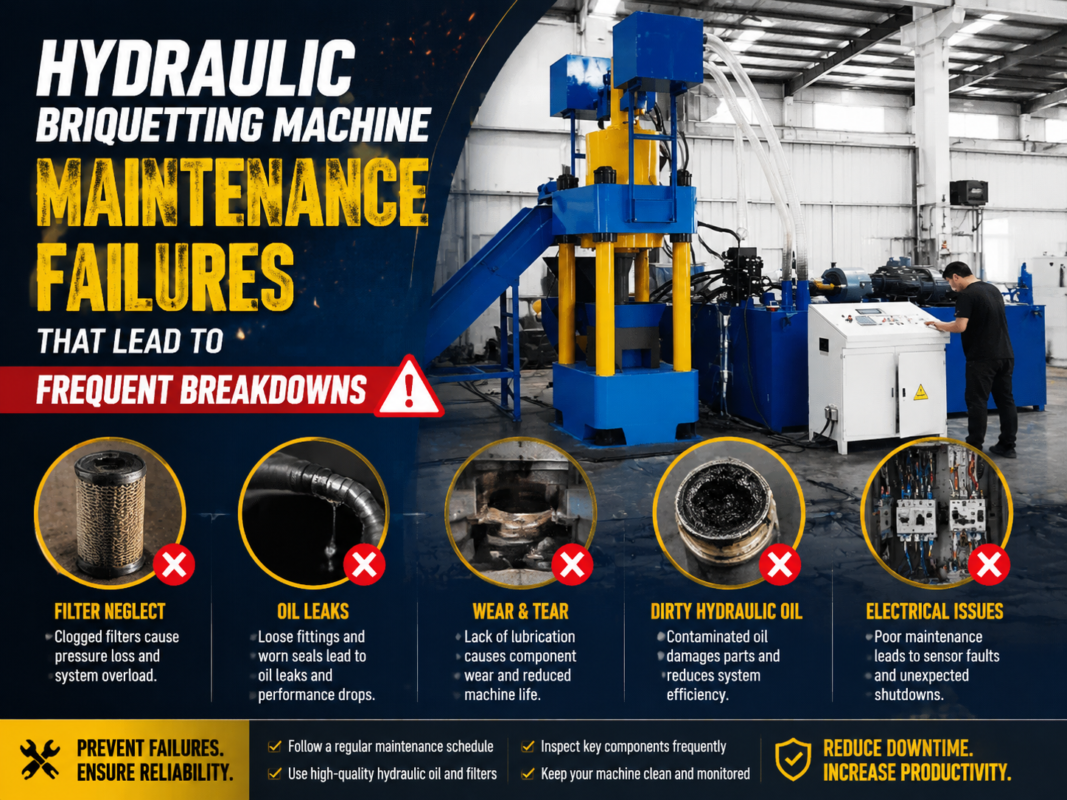
The hydraulic system is the heart of the briquetting machine, and its health is paramount. The first check involves the hydraulic oil level and quality. Oil should be at the appropriate level indicated on the sight glass. However, level is only half the story; the color and clarity of the oil are equally important. Milky oil suggests water contamination, while dark, burnt-smelling oil indicates overheating or oxidation. Contaminated oil loses its lubricating properties and can cause rapid wear on the pump and valves.
Pressure settings must be verified against the manufacturer’s specifications. Over-pressurization can lead to hose bursts or seal failures, while under-pressurization results in poor briquette density. Technicians should inspect the pressure gauges for accuracy and ensure that the relief valves are functioning correctly. These valves act as the system’s safety net, diverting fluid back to the reservoir if pressure exceeds safe limits. A malfunctioning relief valve is a major safety hazard that requires immediate attention.
Hoses and fittings require a meticulous physical inspection. Look for signs of ‘weeping’ at the connections, as well as cracks, abrasions, or bulging in the hose walls. Because hydraulic systems operate at high pressures, a pinhole leak can release a stream of fluid with enough force to penetrate human skin—a condition known as fluid injection. Never use your hands to check for leaks; instead, use a piece of cardboard or wood to pass near suspected areas while wearing appropriate PPE.
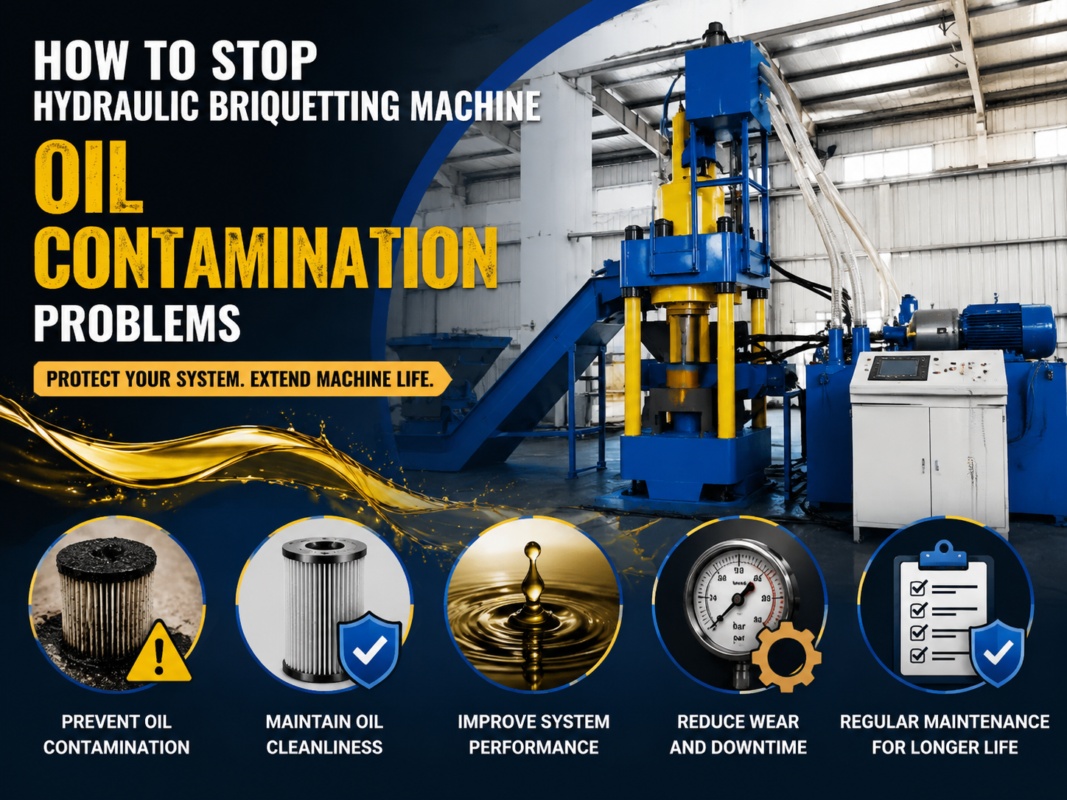
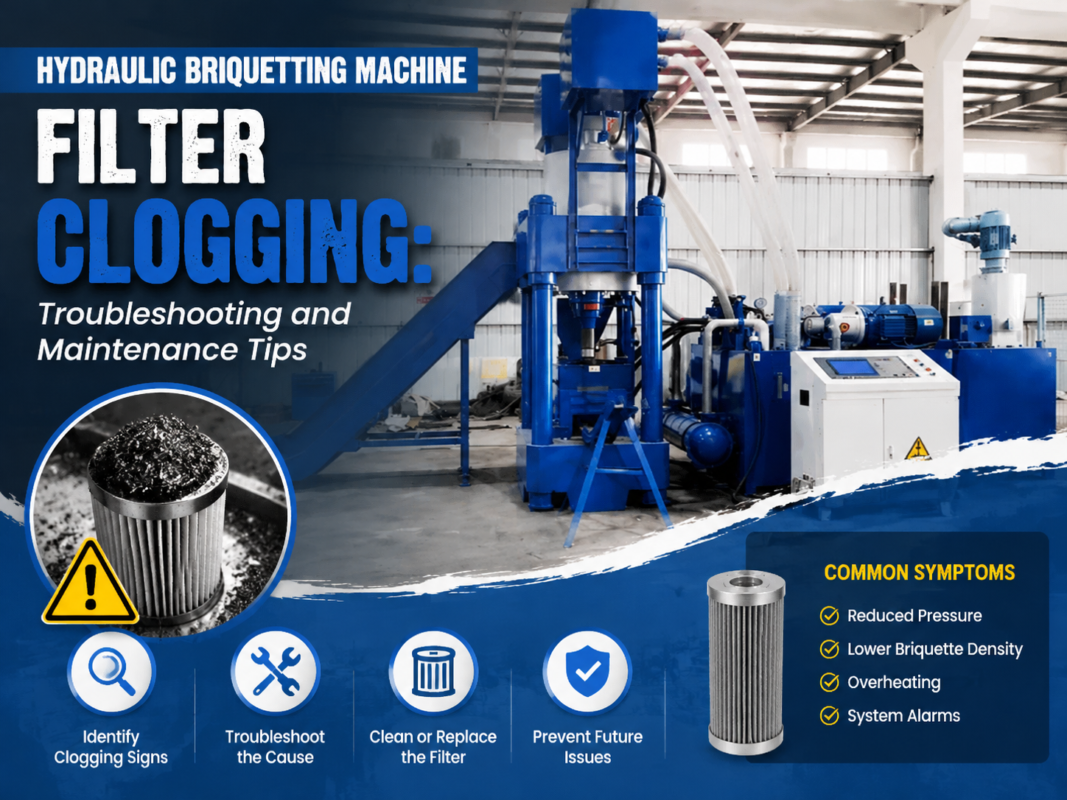
The filtration system is the primary defense against internal wear. Hydraulic briquetting machines often operate in dusty environments, making filter maintenance critical. Check the filter indicators; if they show a bypass condition, the filters must be replaced immediately. Allowing dirty oil to circulate through the precision-machined valves of a HARSLE machine will lead to erratic behavior and eventual system failure. Regular oil analysis is also recommended for large-scale operations to track the internal health of the hydraulic circuit.
Electrical System Checks: Wiring and Control Logic
Modern hydraulic briquetting machines rely on sophisticated electrical systems and Programmable Logic Controllers (PLCs) to manage the complex sequence of compression, ejection, and feeding. The first safety check in the electrical domain is the integrity of the grounding system. Proper grounding protects both the operator and the sensitive electronic components from electrical surges and static buildup, which is common when processing certain types of metal shavings.
Inspect the control cabinet for any signs of heat damage or loose wiring. Over time, the vibrations of the machine can cause terminal screws to back out, leading to intermittent connections or arcing. Ensure that all wire insulation is intact and that no wires are pinched by cabinet doors or moving parts. A clean, organized control cabinet is a sign of a well-maintained machine and makes troubleshooting significantly faster when issues do arise.
Sensors and limit switches are the ‘eyes’ of the machine. They tell the PLC the position of the ram and the status of the hopper. If these sensors are misaligned or coated in oil and dust, the machine may attempt to cycle at the wrong time, leading to mechanical interference. During the safety check, ensure that all sensors are securely mounted and that their indicator lights trigger correctly when the corresponding mechanical part is in position.
The emergency stop circuit and safety interlocks must be tested electrically. This involves more than just pressing the button; it means verifying that the safety relay trips and that the hydraulic pump motor is de-energized. If the machine is equipped with light curtains or safety mats, these should also be tested to ensure they halt operation immediately upon breach. Electrical safety is about redundancy; if one component fails, the system must be designed to fail into a safe state.
Mechanical System Checks: Structure and Wear Parts
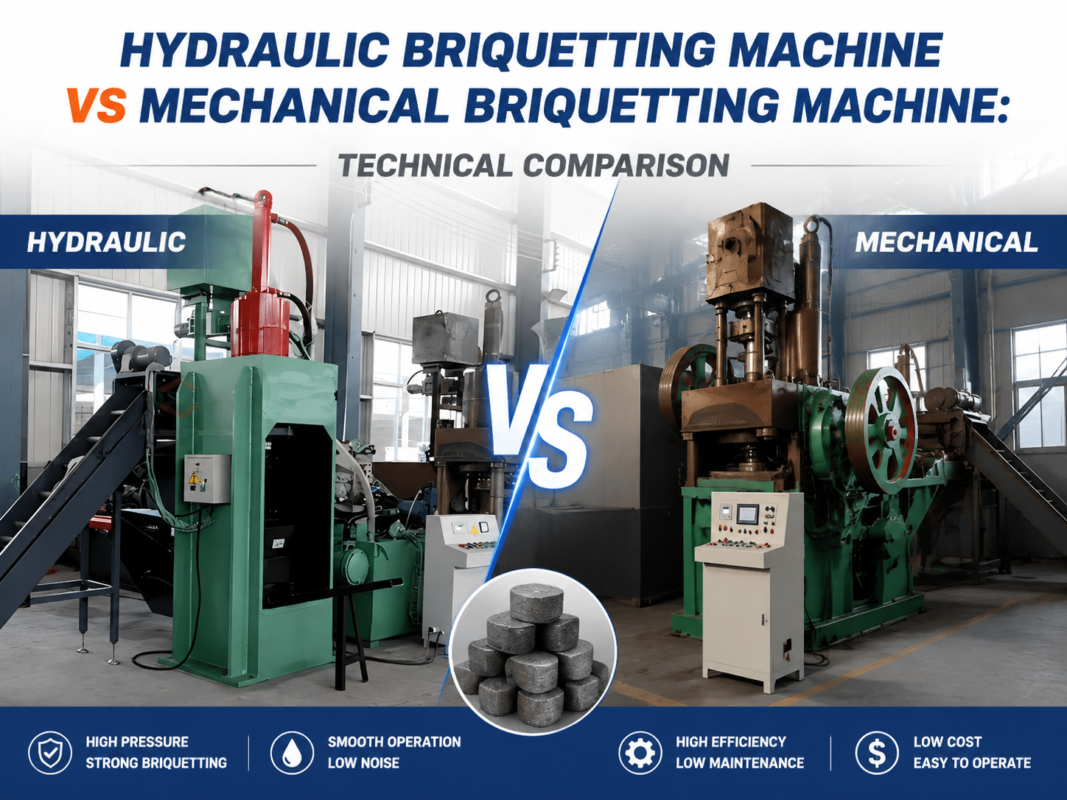
The mechanical structure of a briquetting machine endures massive cyclical loading. The primary focus of mechanical checks should be the compression chamber and the mold (or die). These areas experience the highest friction and pressure. Inspect the interior surfaces of the chamber for scoring or excessive wear. If the clearance between the ram and the chamber walls becomes too large, metal fines can blow back, causing further abrasion and reducing the density of the briquettes.
The ram itself should be checked for straightness and surface integrity. Any pitting or scratches on the ram rod can damage the hydraulic seals as the rod moves in and out of the cylinder. If the ram shows signs of misalignment, it may indicate that the guide bushings are worn and need replacement. Catching this early prevents the side-loading of the hydraulic cylinder, which is a very expensive component to repair or replace.
The feeding mechanism, whether it is a screw conveyor or a vibrating hopper, must be inspected for obstructions. Foreign objects, such as large pieces of solid metal or tools dropped into the hopper, can jam the feeder and cause motor burnout or mechanical breakage. Ensure that the transition points between the feeder and the compression chamber are clear and that any agitators are functioning to prevent ‘bridging’ of the material.
Finally, examine the main frame and welds of the machine. While HARSLE machines are built for durability, the constant stress of high-pressure cycles can, over years of service, lead to fatigue cracks in the steel structure. Pay close attention to the corners of the frame and the mounting points for the hydraulic cylinders. Any sign of structural cracking requires immediate professional evaluation and specialized welding repair to prevent a catastrophic frame failure.
Comprehensive Lubrication Plan
Lubrication is the lifeblood of mechanical longevity. A hydraulic briquetting machine has several moving parts that require different types of lubrication. The guide rails and bushings for the ram usually require a high-pressure grease that can withstand the heavy loads without being squeezed out. A manual or automatic greasing system should be checked daily to ensure that all points are receiving the necessary lubricant.
The type of lubricant used is critical. Using a general-purpose grease where a high-moly or extreme-pressure (EP) grease is specified can lead to premature wear. Consult the HARSLE manual for the specific grades required for your model. Over-lubrication can be just as detrimental as under-lubrication, as excess grease can attract metal dust, creating an abrasive paste that actually accelerates wear on the components.
For machines with automatic lubrication systems, check the reservoir levels and inspect the delivery lines. It is common for a small lubrication line to get snagged or severed by scrap metal. If this happens, the specific bearing or slide it serves will run dry, leading to rapid failure. Ensure that the timer or controller for the auto-lube system is functioning and that the ‘cycle’ light indicates that grease is being moved through the system at the correct intervals.
Don’t forget the secondary components. Pivot points on the hopper lid, ejection gates, and conveyor bearings all require regular attention. A comprehensive lubrication plan should be documented, with a logbook kept near the machine to record when each point was serviced. This documentation is invaluable for warranty claims and for tracking the overall maintenance history of the equipment.
Troubleshooting Signals: What to Watch and Listen For
Experienced operators often ‘hear’ a problem before they see it. Unusual noises are the most common early warning signs of trouble. A high-pitched squealing often indicates cavitation in the hydraulic pump, which occurs when the pump is starved of oil or when there is air in the system. Cavitation can destroy a pump in a matter of hours, so the machine should be stopped immediately if this sound is detected.
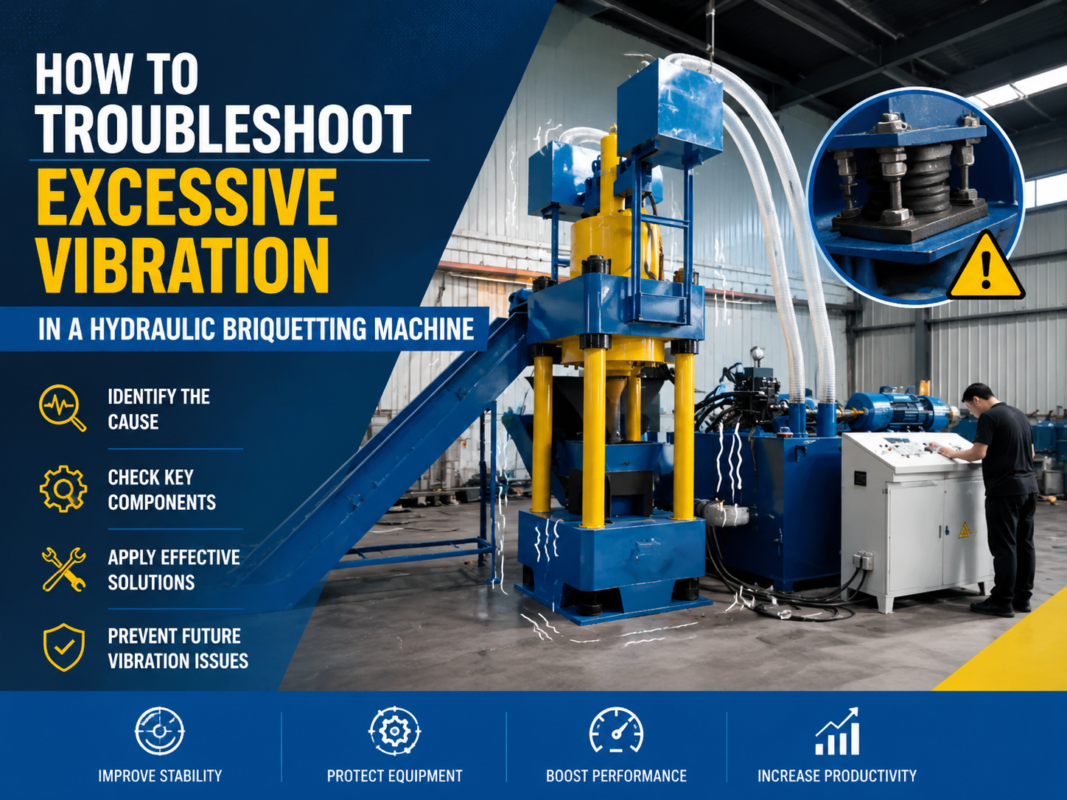
Vibration is another key indicator. While some vibration is normal during the compression stroke, excessive or rhythmic shaking can point to a loose mounting bolt, an unbalanced motor, or a failing bearing. If the vibration is accompanied by a clunking sound, it may indicate that a mechanical component has come loose inside the compression chamber or that the ram is hitting an obstruction.
Heat is a silent killer of hydraulic systems. If the hydraulic tank feels excessively hot to the touch (usually above 60°C or 140°F), the cooling system may be failing, or the oil may be bypassing a valve internally. Overheated oil loses viscosity, leading to increased internal leakage and slower cycle times. Monitoring the temperature gauge throughout the shift is a vital part of the troubleshooting process.
Slow cycle times or a loss of compression force are clear signals that the system is losing efficiency. This could be due to worn pump internals, leaking cylinder seals, or a misadjusted pressure relief valve. If the briquettes are coming out ‘soft’ or crumbling, and the pressure gauge shows a lower-than-normal reading, it is time to perform a deep-dive diagnostic of the hydraulic circuit before the machine fails completely.
Maintenance Schedule Table
| Frequency | Component | Action Required | Safety Note |
|---|---|---|---|
| Daily | Hydraulic Oil | Check level and color via sight glass. | Do not open tank while pressurized. |
| Daily | Emergency Stops | Test all E-stop buttons for functionality. | Ensure no one is in the danger zone. |
| Daily | Machine Area | Clean metal dust and debris from sensors. | Use PPE (gloves and eye protection). |
| Weekly | Fasteners | Inspect and tighten frame and cylinder bolts. | Check for signs of vibration loosening. |
| Weekly | Hoses/Fittings | Visual check for leaks, cracks, or bulges. | Never use hands to find leaks. |
| Monthly | Filters | Check indicators; replace if necessary. | Relieve system pressure before opening. |
| Monthly | Electrical Cabinet | Vacuum dust; check for loose terminals. | Turn off main power (LOTO). |
| Quarterly | Hydraulic Oil | Perform oil analysis for contamination. | Use clean sampling equipment. |
| Annually | Full Structure | Inspect welds and frame for fatigue cracks. | May require NDT (Non-Destructive Testing). |
Lockout/Tagout (LOTO) Procedures
Before any servicing or deep inspection begins, a strict Lockout/Tagout (LOTO) procedure must be followed. This is the most critical safety check of all. LOTO ensures that the machine cannot be accidentally energized while a technician is working on it. The process begins by identifying all energy sources—not just the main electrical feed, but also stored hydraulic pressure and gravity-loaded components (like a raised ram).
The technician must shut down the machine normally, then turn off the main disconnect switch and apply a personal lock and tag. But the process doesn’t stop there. The hydraulic accumulators must be bled to zero pressure, and any mechanical parts that could fall under their own weight must be physically blocked or pinned. Once the energy is dissipated, a ‘try-out’ must be performed: attempting to start the machine to verify that it is truly de-energized.
LOTO is a life-saving protocol. In the high-pressure environment of a hydraulic briquetting machine, an accidental start-up can result in limb loss or death. Every person working on the machine must have their own lock; never rely on someone else’s lock for your safety. Only when the work is complete, the tools are removed, and all guards are replaced should the locks be removed in the reverse order of their application.
Frequently Asked Questions (FAQ)
1. How often should I change the hydraulic oil in my briquetting machine?
Generally, hydraulic oil should be changed every 2,000 to 4,000 hours of operation, or once a year. However, this depends heavily on the operating environment and oil analysis results. If the oil appears cloudy or smells burnt, it should be changed immediately regardless of the hours logged.
2. Why is my briquetting machine losing pressure?
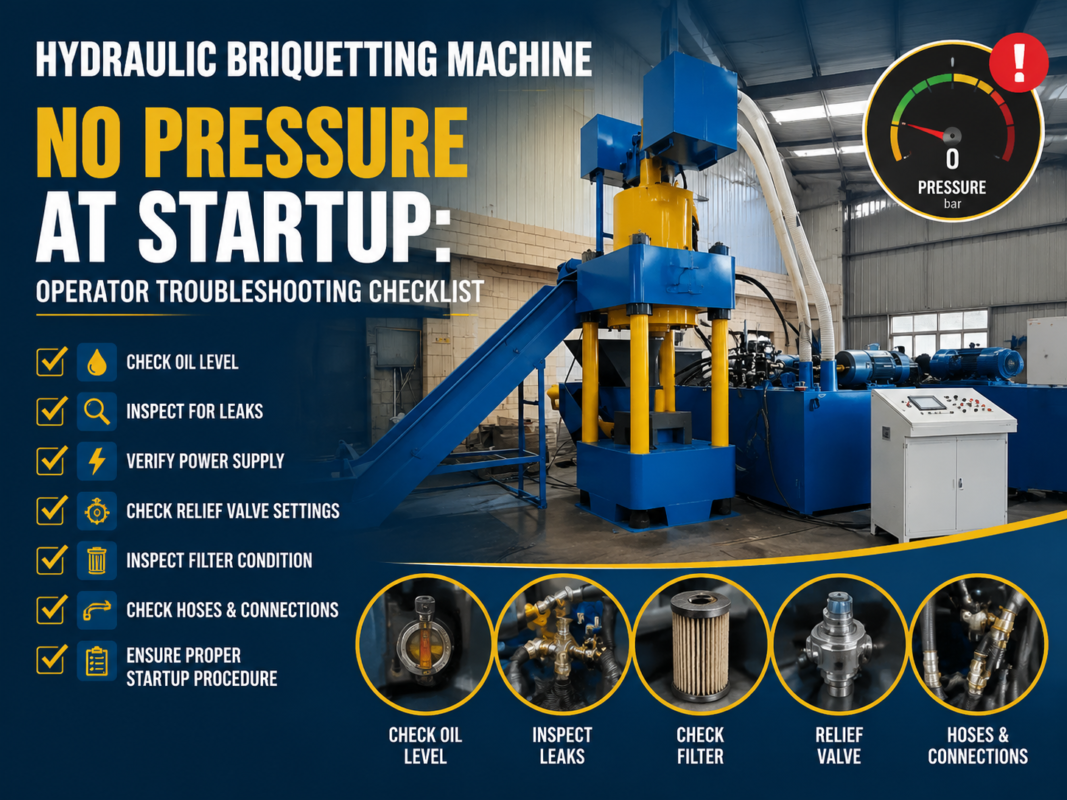
Loss of pressure is usually caused by one of three things: a worn hydraulic pump that can no longer generate flow, an internal leak in the hydraulic cylinder (worn seals), or a malfunctioning pressure relief valve that is venting fluid back to the tank prematurely. A technician should use a flow meter and pressure gauges to isolate the cause.
3. Can I use any type of grease for the guide rails?
No. You must use the grease specified by the manufacturer, typically an Extreme Pressure (EP) grease with molybdenum disulfide (moly). Using the wrong grease can lead to the lubricant being squeezed out under the high pressures of the compression stroke, leading to metal-on-metal contact and rapid wear.
4. What should I do if I find a pinhole leak in a hydraulic hose?
Immediately shut down the machine and follow LOTO procedures. Never attempt to patch a hydraulic hose. The only safe solution is to replace the entire hose assembly with one that meets or exceeds the original pressure rating. Pinhole leaks are extremely dangerous due to the risk of high-pressure fluid injection.
5. How do I know if my sensors are failing?
If the machine stops mid-cycle, fails to start a cycle, or displays an error code on the PLC screen related to ‘positioning,’ a sensor may be at fault. Check for physical damage, ensure the sensor is clean, and verify that the signal is reaching the PLC. Most sensors have an LED that lights up when they are triggered, which is a helpful diagnostic tool.