Preventive Maintenance Tips for Hydraulic Briquetting Machines in Metal Workshops: A Comprehensive Guide

The Critical Role of Preventive Maintenance in Metal Workshops
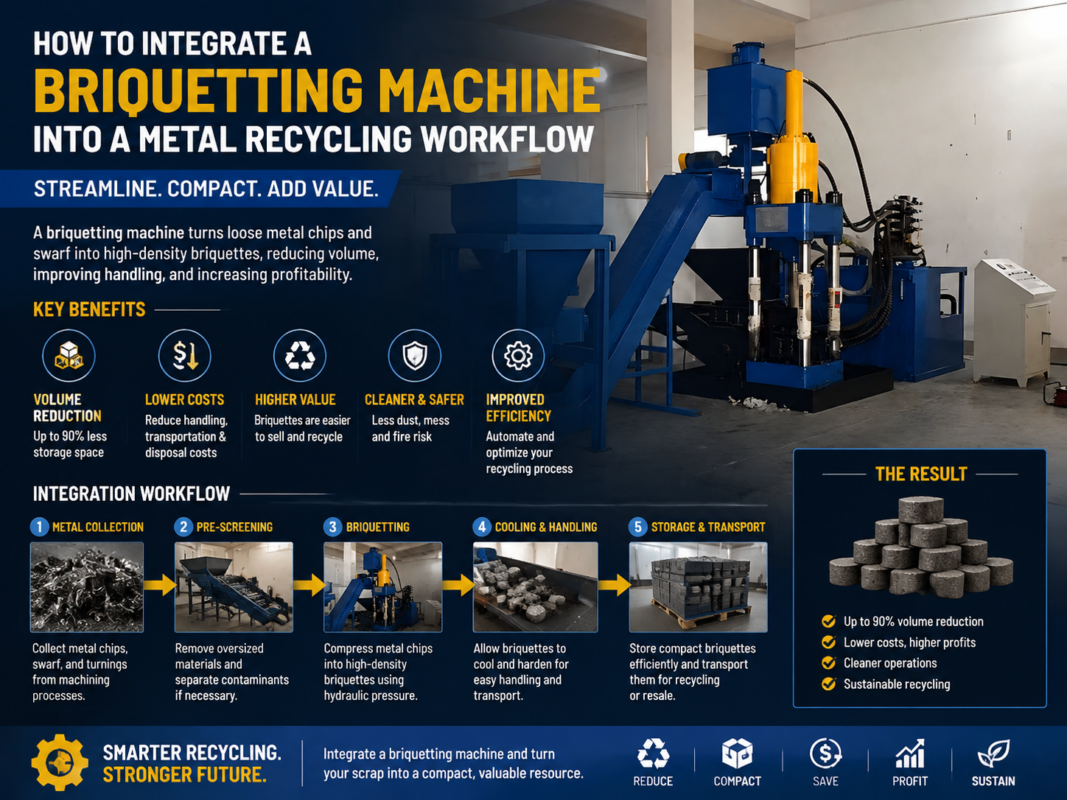
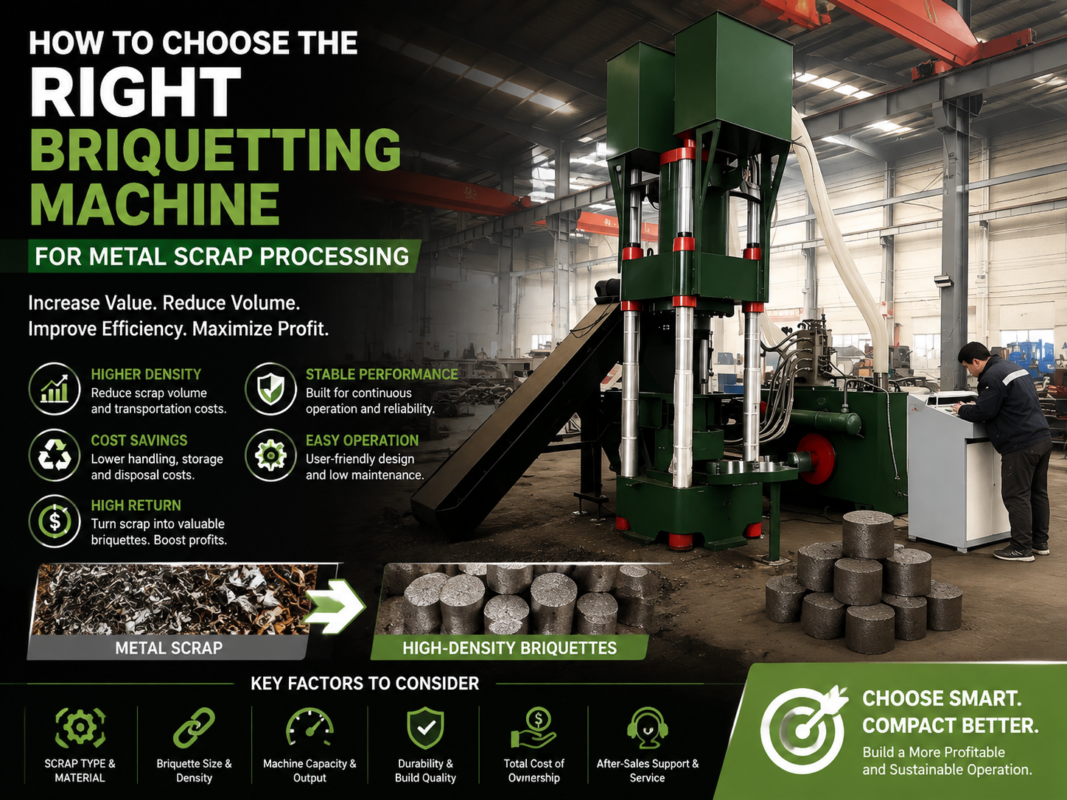
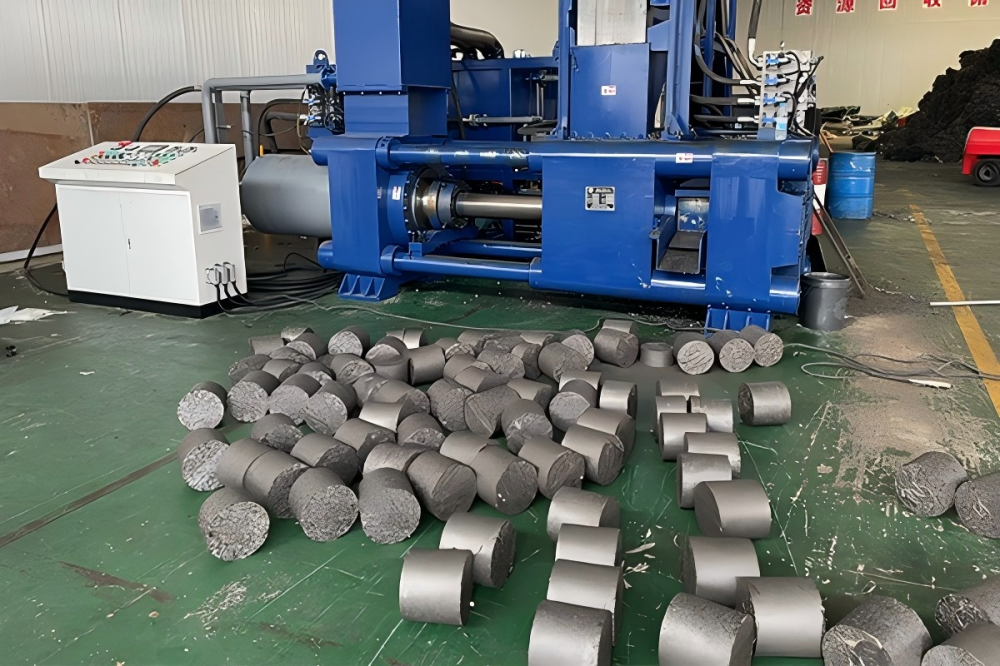
In the modern metal fabrication and recycling industry, the hydraulic briquetting machine stands as a cornerstone of efficiency. These machines are designed to compress metal chips, turnings, and shavings into dense, manageable briquettes, significantly reducing volume and increasing the value of scrap material. However, the high-pressure environment and the abrasive nature of metal waste place immense stress on the machine’s components. Implementing Preventive Maintenance Tips Hydraulic Briquetting Machines In Metal Workshops is not just a recommendation; it is a necessity for operational longevity and cost-effectiveness.
Preventive maintenance (PM) involves a systematic approach to equipment care, focusing on preventing failures before they occur rather than reacting to breakdowns. For a hydraulic briquetting machine, this means protecting the integrity of the hydraulic circuit, ensuring the precision of the mechanical dies, and maintaining the reliability of the electrical control systems. A well-maintained machine operates at peak efficiency, consumes less energy, and produces higher-quality briquettes with consistent density.
Furthermore, the financial implications of neglecting maintenance are severe. Unscheduled downtime in a busy metal workshop can halt production lines, lead to the accumulation of hazardous scrap, and result in expensive emergency repairs. By following a structured maintenance plan, workshop managers can extend the service life of their HARSLE equipment by years, ensuring a much higher return on investment (ROI). This guide provides a deep dive into the essential practices required to keep your hydraulic briquetting systems running smoothly.
Daily Inspection Routines: The First Line of Defense
The foundation of any successful maintenance program is the daily inspection. Before the start of every shift, operators should perform a comprehensive walk-around to identify potential issues that could escalate during operation. The primary focus of daily checks is cleanliness. Metal workshops are inherently dusty and filled with fine particles that can infiltrate sensitive machine parts. Wiping down the piston rods and ensuring the area around the compression chamber is free of debris prevents abrasive wear on seals and guides.
Operators must also monitor fluid levels and look for signs of leakage. Hydraulic systems rely on maintaining specific pressures; even a minor weep at a hose fitting can lead to a significant drop in performance or a catastrophic failure if left unaddressed. Checking the oil level in the reservoir ensures that the pump does not draw in air, which causes cavitation—a phenomenon that can destroy a hydraulic pump in a matter of hours. Additionally, observing the color and clarity of the oil through the sight glass can provide early warnings of contamination or oxidation.
Beyond fluid checks, daily inspections should include a verification of all safety devices. Emergency stop buttons, light curtains, and interlocking doors must be tested to ensure they function correctly. In the high-pressure world of metal briquetting, safety is paramount. A machine that cannot be stopped instantly in an emergency poses a significant risk to personnel and the facility. Documenting these daily checks in a logbook creates a historical record that can be invaluable for identifying recurring issues or patterns of wear.
Hydraulic System Maintenance: The Heart of the Machine
The hydraulic system is the lifeblood of the briquetting machine. It generates the massive force required to transform loose metal chips into solid blocks. Consequently, the hydraulic oil is the most critical component to monitor. Over time, hydraulic oil degrades due to heat, pressure, and contamination. One of the most important Preventive Maintenance Tips Hydraulic Briquetting Machines In Metal Workshops is to maintain the oil temperature within the optimal range, typically between 40°C and 60°C. If the oil becomes too hot, its viscosity drops, leading to increased internal leakage and accelerated wear on pumps and valves.
Filtration is another vital aspect of hydraulic health. Most modern briquetting machines are equipped with high-efficiency suction and return line filters. These filters must be checked and replaced according to the manufacturer’s schedule, or sooner if the filter clogging indicator is triggered. Using high-quality filters that meet the specific micron rating required by the machine is essential. Substandard filters may allow microscopic metal particles to circulate through the system, scoring cylinder walls and damaging sensitive solenoid valves.
Air and water contamination are also common enemies of hydraulic systems. Air in the system causes “spongy” operation and loud banging noises, while water turns the oil into a milky emulsion, reducing its lubricating properties and causing rust on internal components. Regularly bleeding the system and using desiccant breathers on the oil reservoir can help mitigate these risks. If the machine is equipped with an oil cooler (air or water-cooled), ensure the cooling fins are clean and the water flow is unobstructed to prevent overheating during continuous operation.
Electrical and Control System Integrity
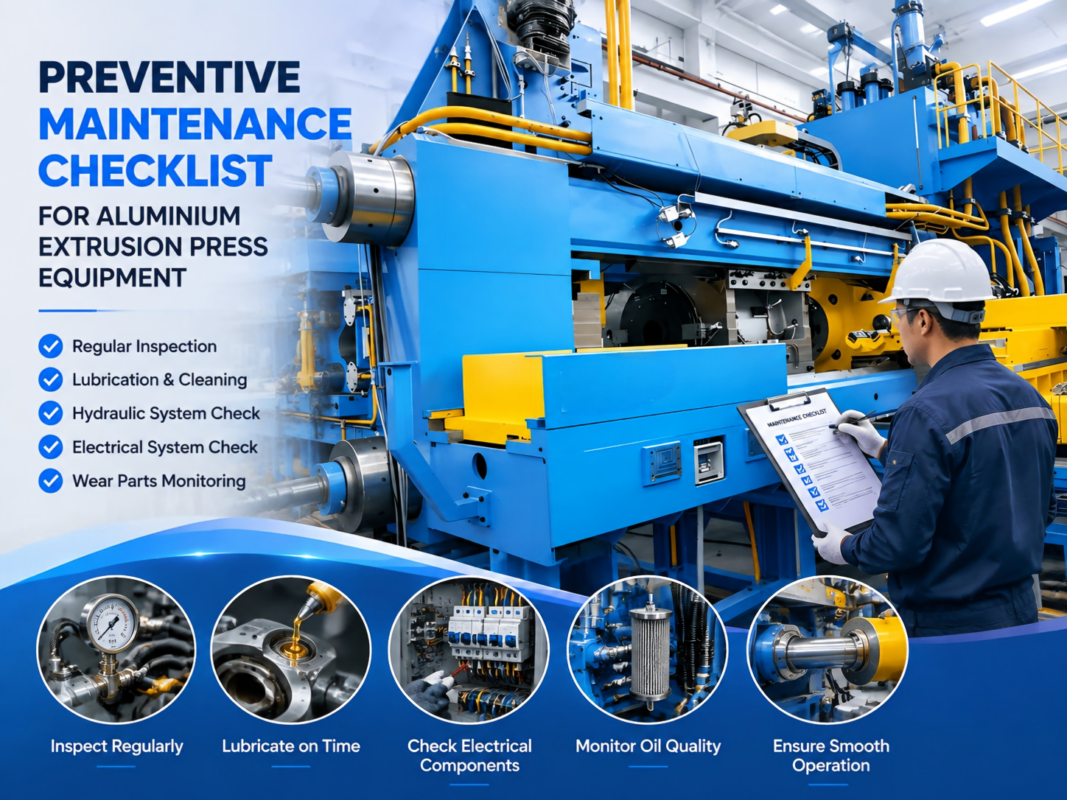
While the hydraulic system provides the brawn, the electrical system provides the brain. Modern hydraulic briquetting machines utilize Programmable Logic Controllers (PLCs) and a network of sensors to manage the complex timing of the compression cycle. Dust and vibration are the primary threats to these components. The electrical cabinet should be kept tightly sealed, and cooling fans should be checked regularly to prevent the buildup of heat, which can cause electronic components to fail prematurely.
Sensors, such as pressure transducers and limit switches, must be calibrated and checked for physical damage. In a metal workshop, it is common for flying chips or heavy scrap to strike a sensor, leading to incorrect readings or machine stalls. Ensuring that all wiring connections are tight is also crucial; loose wires can cause intermittent faults that are notoriously difficult to diagnose. Periodically cleaning the contactors and checking for signs of arcing or overheating can prevent electrical fires and unexpected shutdowns.
Software and firmware updates should also be considered part of the maintenance routine. Manufacturers like HARSLE may release updates that optimize the machine’s cycle time or improve energy efficiency. Keeping the PLC program backed up is a critical safety measure; in the event of a controller failure, having a backup ensures that the machine can be restored to operation quickly without the need for complex reprogramming.
Mechanical Components and Structural Health
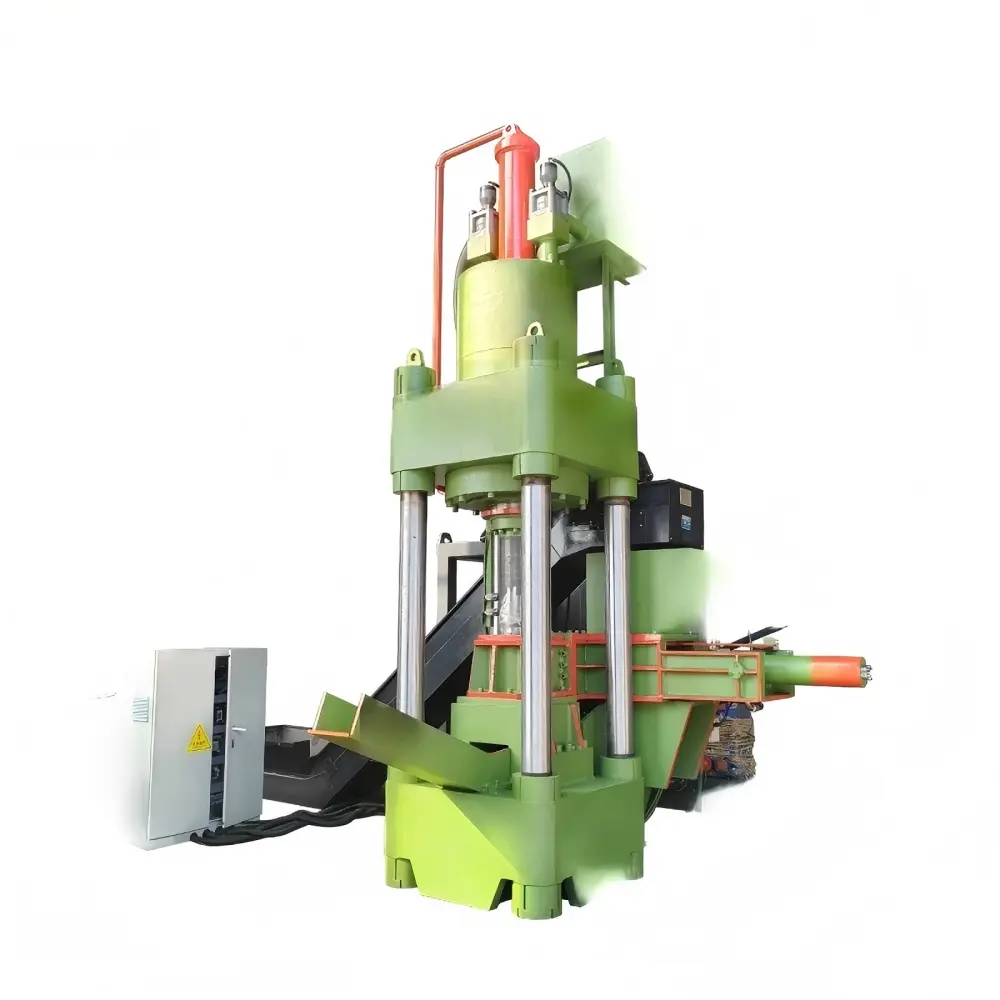
The mechanical structure of a briquetting machine undergoes intense cyclic loading. The frame, the compression chamber, and the dies are subjected to millions of pounds of force over their lifespan. Regular inspection of the structural welds and heavy-duty bolts is necessary to ensure the machine remains rigid. Any sign of cracking in the frame or loosening of the foundation bolts must be addressed immediately, as structural instability can lead to catastrophic mechanical failure.
The dies and molds are the primary wear parts in a briquetting machine. Depending on the type of metal being processed—such as abrasive aluminum or hard steel—the dies will eventually wear down, leading to briquettes that are misshapen or lack the required density. Measuring the clearance between the ram and the die is a key maintenance task. If the clearance becomes too large, metal fines can bypass the ram, causing internal damage and reducing compression efficiency. Rotating or replacing dies before they are completely worn out ensures consistent product quality and protects the more expensive components of the machine.
Furthermore, the guide rails and bushings that support the movement of the hydraulic cylinders must be inspected for scoring or excessive play. These components ensure that the force is applied linearly. If the guides are worn, the ram may enter the die at a slight angle, causing uneven wear and potential jamming. Keeping these surfaces clean and properly aligned is a fundamental aspect of mechanical maintenance.
Comprehensive Lubrication Plan
Lubrication is the simplest yet most often overlooked aspect of preventive maintenance. A proper lubrication plan reduces friction, dissipates heat, and prevents corrosion. For a hydraulic briquetting machine, lubrication points typically include the main ram guides, the pivot pins on the hopper or charging door, and any moving parts in the scrap conveyor system. Using the correct type of lubricant—whether it be high-pressure grease or specialized slide-way oil—is critical.
Over-lubrication can be just as damaging as under-lubrication. Excess grease can attract metal dust and grit, creating an abrasive paste that accelerates wear rather than preventing it. A scheduled approach, such as applying a specific number of pumps from a grease gun every 40 hours of operation, is more effective than sporadic, heavy lubrication. Many high-end HARSLE machines feature centralized lubrication systems that automatically deliver the right amount of grease to critical points; these systems must be monitored to ensure the reservoir is full and the delivery lines are not blocked.
Identifying Troubleshooting Signals
Being able to “listen” to your machine is a skill that every operator and maintenance technician should develop. Unusual sounds are often the first indicator of an impending problem. A high-pitched whining noise from the pump usually indicates cavitation or a clogged suction filter. A loud banging or knocking sound during the compression stroke may suggest a loose mechanical component or air trapped in the hydraulic cylinders. Recognizing these signals early can prevent a minor issue from turning into a major repair.
Performance metrics also serve as troubleshooting signals. If the cycle time begins to increase, it may indicate a loss of pump efficiency or a leaking bypass valve. If the briquettes are not reaching their usual density, the pressure relief valve might be out of adjustment or the seals in the main cylinder could be bypassing oil. Monitoring the power consumption of the machine is another advanced troubleshooting technique; a sudden spike in amperage can indicate mechanical binding or an electrical fault in the motor.
Standard Maintenance Schedule Table
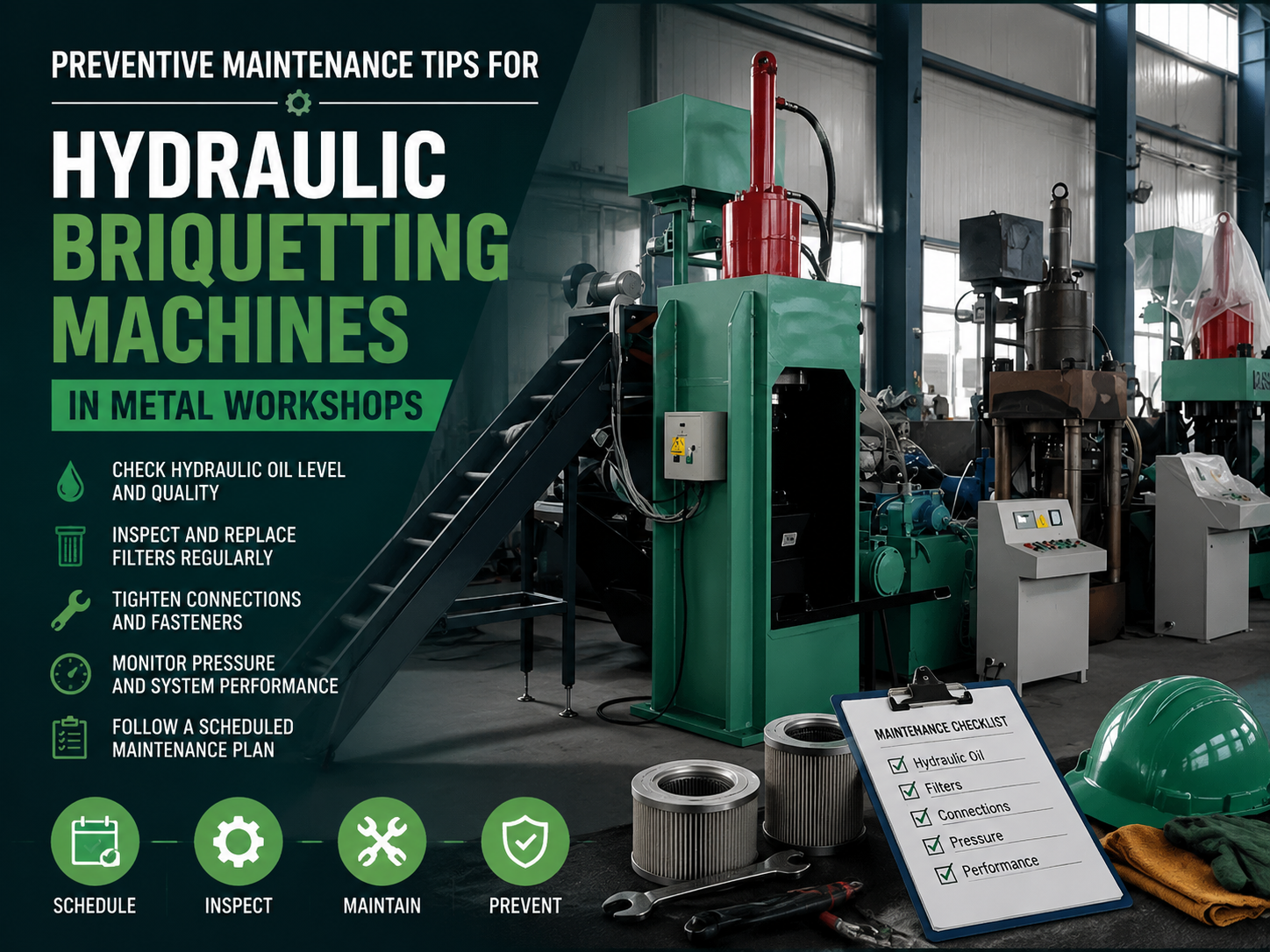
To ensure no task is missed, workshops should follow a structured maintenance schedule. The following table outlines the recommended frequency for various maintenance activities for a standard hydraulic briquetting machine.
| Frequency | Component | Action Required |
|---|---|---|
| Daily | Hydraulic Oil | Check level and temperature; inspect for leaks. |
| Daily | Safety Systems | Test E-stops, light curtains, and interlocks. |
| Daily | Machine Exterior | Clean metal dust and debris from piston rods and dies. |
| Weekly | Filters | Inspect clogging indicators; clean or replace if necessary. |
| Weekly | Mechanical Fasteners | Check and tighten foundation and structural bolts. |
| Weekly | Lubrication | Apply grease to manual lubrication points (guides, pivots). |
| Monthly | Electrical Cabinet | Vacuum dust; check for loose wiring and hot components. |
| Monthly | Hydraulic Hoses | Inspect for cracking, bulging, or abrasion. |
| Quarterly | Oil Analysis | Send a sample to a lab to check for contamination and additives. |
| Annually | Full System Service | Drain and replace hydraulic oil; replace all filters; calibrate sensors. |
Frequently Asked Questions (FAQ)
1. How often should I change the hydraulic oil in my briquetting machine?
Generally, hydraulic oil should be changed every 2,000 to 4,000 operating hours, or at least once a year. However, this depends heavily on the operating environment and the quality of the oil. Regular oil analysis is the best way to determine the exact timing, as it can identify when the oil’s additive package has depleted or when contamination levels have become unsafe.
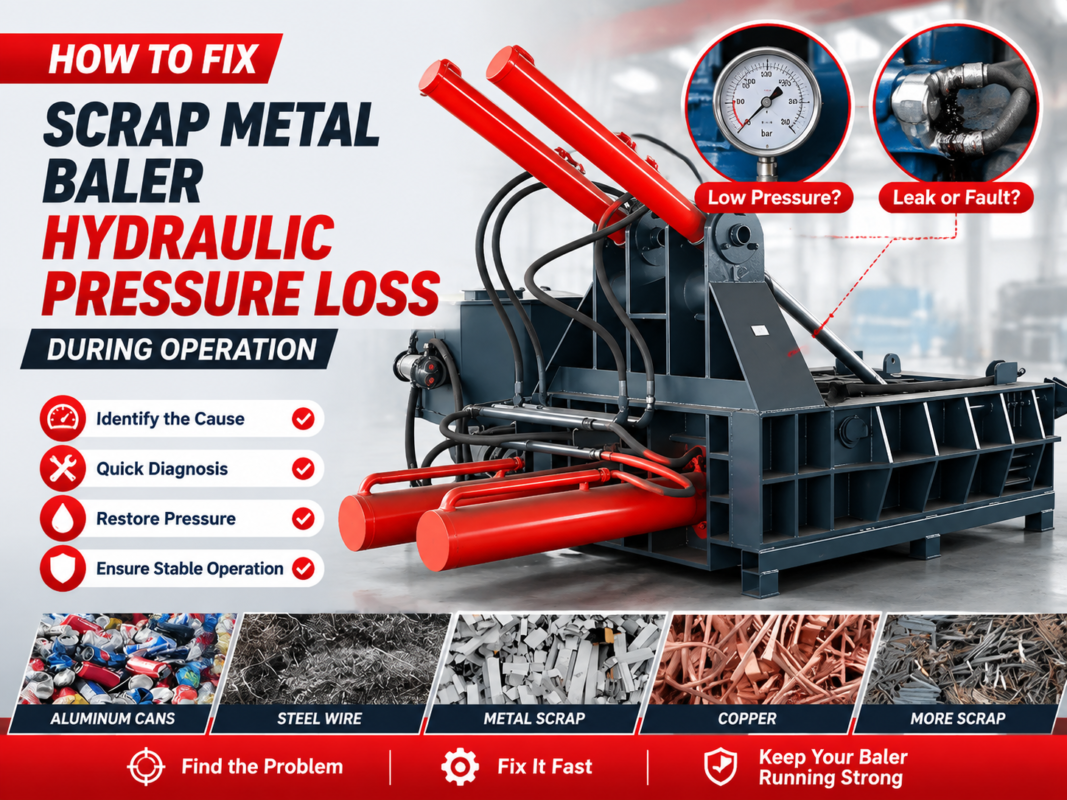
2. Why is my briquetting machine losing pressure?
Pressure loss can be caused by several factors: a worn hydraulic pump, a leaking internal seal in the main cylinder, a malfunctioning pressure relief valve, or even a simple external leak. Start by checking the relief valve settings and inspecting the system for visible leaks before moving to more complex internal diagnostics.
3. Can I process different types of metal in the same machine?
Yes, most hydraulic briquetting machines can handle various metals like aluminum, copper, steel, and cast iron. However, different metals require different pressure settings and may cause different rates of wear on the dies. It is important to adjust the machine settings according to the material density and characteristics to ensure optimal briquette quality.
4. What is the best way to clean metal dust from the machine?
The best way is to use a vacuum system or a brush. Avoid using compressed air, as it can blow fine metal particles into the electrical cabinet, into hydraulic seals, or into the lungs of workers. Keeping the workspace clean is a fundamental part of Preventive Maintenance Tips Hydraulic Briquetting Machines In Metal Workshops.
5. How do I know if my dies need replacement?
Signs of worn dies include a decrease in briquette density, irregular shapes, or metal flashing (thin sheets of metal) appearing around the edges of the briquette. You should also physically measure the die diameter and compare it to the manufacturer’s specifications. If the clearance between the ram and the die exceeds the recommended limit, it is time for a replacement.
6. What should I do if the hydraulic oil is overheating?
First, check the oil level; low oil levels are a common cause of overheating. Next, inspect the oil cooler for blockages or fan failure. If those are fine, the overheating might be caused by internal friction or a valve that is stuck in a partially open position, causing the pump to work harder than necessary.
Conclusion
Maintaining a hydraulic briquetting machine in a demanding metal workshop environment requires diligence, technical knowledge, and a proactive mindset. By adhering to the Preventive Maintenance Tips Hydraulic Briquetting Machines In Metal Workshops outlined in this guide, you can ensure that your HARSLE equipment remains a reliable asset for years to come. From the daily vigilance of operators to the technical precision of annual oil changes, every step in the maintenance process contributes to a safer, more productive, and more profitable recycling operation. Remember, the cost of maintenance is always lower than the cost of failure.