Comprehensive Guide: How to Maintain the Electrical System of a Hydraulic Briquetting Machine


Introduction to Electrical Maintenance for Hydraulic Briquetting Machines
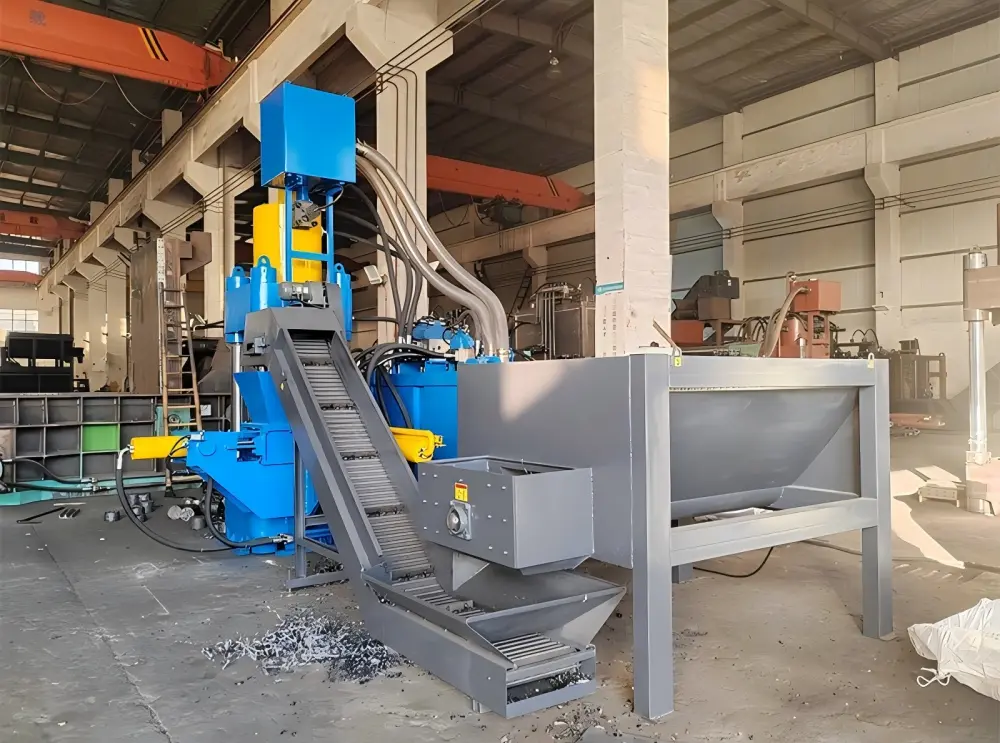
In the world of metal recycling and industrial fabrication, the hydraulic briquetting machine stands as a cornerstone of efficiency. By compressing loose metal chips, turnings, and swarf into dense, manageable briquettes, these machines save space, reduce transport costs, and increase the value of scrap material. However, the heart and brain of this powerful equipment is its electrical system. Without a properly functioning electrical network, the hydraulic pumps won’t fire, the sensors won’t detect material, and the entire production line grinds to a halt.
To maintain the electrical system of a hydraulic briquetting machine is to ensure the longevity of the entire investment. Many operators focus solely on the hydraulic oil levels or the mechanical wear of the pressing chamber, often neglecting the intricate wiring, PLC units, and control panels that dictate every movement. This guide provides a deep dive into the best practices for electrical upkeep, specifically tailored for HARSLE machinery and similar industrial-grade equipment.
The electrical system is particularly vulnerable in scrap metal environments. Fine metallic dust, oil mist, and extreme vibrations can all compromise electrical integrity. Therefore, a proactive maintenance strategy is not just a recommendation; it is a necessity for operational safety and economic viability. In the following sections, we will explore the specific steps required to keep your machine’s electrical components in peak condition.
The Importance of Electrical System Maintenance
Why is it so critical to maintain the electrical system of a hydraulic briquetting machine? First and foremost is safety. Electrical faults are a leading cause of industrial fires and operator injuries. A frayed wire or a malfunctioning relay can lead to short circuits or unexpected machine movements, posing a significant risk to personnel. By conducting regular electrical audits, you identify these hazards before they manifest into dangerous situations.
Secondly, electrical efficiency directly impacts hydraulic performance. The solenoids that control the hydraulic valves are driven by electrical signals. If the voltage is inconsistent or the signal is weak due to corrosion, the valves may not open or close fully, leading to sluggish cycle times and reduced briquette density. This inefficiency translates to higher energy bills and lower throughput, hurting the bottom line.
Furthermore, modern briquetting machines utilize sophisticated Programmable Logic Controllers (PLCs) and Human-Machine Interfaces (HMIs). These components are sensitive to heat and power surges. Replacing a fried PLC is not only expensive in terms of parts but also results in significant downtime while the new unit is programmed and integrated. Regular maintenance helps prevent these catastrophic failures by ensuring that cooling systems are working and surge protectors are intact.
Finally, consistent maintenance preserves the resale value of the machine. A well-documented service history that includes electrical inspections proves to future buyers that the machine has been cared for properly. In the industrial machinery market, a machine with a clean, organized, and functional electrical cabinet commands a much higher price than one with a “rat’s nest” of bypassed wires and burnt-out indicators.
Daily Inspection Routines for Electrical Components
Daily inspections are the first line of defense. Every shift should begin with a visual and auditory check of the electrical system. Operators should look for any signs of external damage to conduits and cables. In a scrap yard, it is common for heavy pieces of metal or forklifts to accidentally strike the machine; even a small dent in a conduit can pinch wires and cause intermittent faults.
Check the control panel for any warning lights or error messages on the HMI. Modern HARSLE machines are equipped with diagnostic software that can pinpoint issues before they cause a shutdown. If an error code appears, it should be logged and addressed immediately, rather than being cleared and ignored. Ignoring minor warnings is the fastest way to a major breakdown.
Listen for unusual sounds coming from the electrical cabinet or the motor. A buzzing sound from a contactor often indicates that the contacts are pitted or that there is a slight misalignment, which can lead to overheating. Similarly, a high-pitched whine from the electric motor might suggest a bearing issue or a phase imbalance in the power supply. Early detection of these sounds can save thousands of dollars in repair costs.
Lastly, ensure that the electrical cabinet doors are tightly sealed. The environment around a briquetting machine is often filled with fine metal dust which is conductive. If this dust enters the cabinet, it can settle on circuit boards and cause short circuits. A daily check of the door gaskets and latches ensures that the internal environment remains clean and dry.
Deep Dive: Hydraulic, Electrical, and Mechanical Integration
To effectively maintain the electrical system of a hydraulic briquetting machine, one must understand how it interacts with the hydraulic and mechanical systems. The electrical system acts as the nervous system, sending impulses to the “muscles” (the hydraulic cylinders). This integration is primarily managed through solenoid valves and pressure transducers.
Solenoid Valve Maintenance
Solenoid valves convert electrical energy into mechanical movement to shift hydraulic fluid. Over time, the coils in these solenoids can degrade due to heat. Maintenance involves checking the resistance of the coils and ensuring that the electrical connectors are tight and free of oil. If a solenoid is sluggish, it may be an electrical issue rather than a hydraulic one.
Sensor Calibration and Cleaning
Briquetting machines rely on various sensors: proximity sensors to detect the position of the ram, pressure sensors to determine when the briquette has reached the desired density, and level sensors for the oil tank. These sensors must be kept clean. Metal shavings sticking to a magnetic proximity sensor can cause false readings, leading to cycle errors. Regularly wiping down sensor faces and checking their mounting brackets for tightness is a vital part of electrical maintenance.
Motor and Drive Care
The main electric motor drives the hydraulic pump. Maintenance here involves checking the terminal box for loose connections and ensuring the cooling fan is clear of debris. If the machine uses a Variable Frequency Drive (VFD), the cooling fins on the drive must be vacuumed regularly. Heat is the number one killer of power electronics, and maintaining airflow is the best way to combat it.
Lubrication Plan and Its Electrical Impact
While lubrication is typically seen as a mechanical task, it has significant implications for the electrical system. A poorly lubricated mechanical joint increases the load on the hydraulic system, which in turn forces the electric motor to draw more current. This increased current draw generates more heat in the wires, contactors, and the motor itself.
Ensure that the motor bearings are lubricated according to the manufacturer’s specifications. Over-greasing can be just as harmful as under-greasing, as excess grease can find its way into the motor windings, causing insulation failure. Use only the recommended grade of high-temperature grease for electric motors.
Additionally, the cooling fans inside the electrical cabinet and on the back of the motor require “dry lubrication” or simply cleaning to ensure they spin freely. If a fan fails, the temperature inside the cabinet can rise rapidly, leading to the premature aging of capacitors and other sensitive electronic components. A lubrication schedule should always include these often-overlooked electrical cooling elements.
Troubleshooting Signals and Common Electrical Issues
Recognizing troubleshooting signals is key to maintaining the electrical system of a hydraulic briquetting machine. One of the most common signals is the frequent tripping of circuit breakers or blowing of fuses. This is rarely a fault of the fuse itself; rather, it indicates an overload, a short circuit, or a ground fault. Operators should never simply replace a fuse with a higher-rated one, as this can lead to a fire.
Flickering lights on the control panel or intermittent HMI reboots often point to a loose neutral wire or a failing power supply unit. In industrial environments, vibration is a constant factor that can loosen screw terminals over time. A semi-annual “tug test” on all control wiring (with the power safely locked out) can prevent these intermittent headaches.
Another signal is the smell of ozone or burning plastic. This is an emergency signal. It usually indicates that a wire is arcing or that a component is overheating. The machine should be stopped immediately, and a thermal imaging camera can be used to identify the “hot spot” within the cabinet. Modern maintenance teams often use infrared thermography during routine inspections to find these issues before they become visible or smelly.
Comprehensive Maintenance Schedule Table
To stay organized, follow this structured maintenance schedule for your briquetting machine’s electrical system.
| Frequency | Component | Action Required |
|---|---|---|
| Daily | Control Panel & HMI | Check for error codes, clean screen, ensure buttons are responsive. |
| Daily | Emergency Stops | Test all E-stop buttons to ensure immediate machine shutdown. |
| Weekly | External Cables | Inspect for physical damage, fraying, or exposure to oil/chemicals. |
| Weekly | Sensors & Switches | Clean sensor faces and check for secure mounting. |
| Monthly | Electrical Cabinet | Vacuum dust (do not use compressed air), check filters and fans. |
| Monthly | Motor Terminals | Inspect for signs of heat (discoloration) and tighten connections. |
| Quarterly | Grounding System | Test ground continuity to ensure operator safety and noise reduction. |
| Semi-Annually | PLC & Relays | Perform a full diagnostic check; replace relays nearing end-of-life. |
| Annually | Full System Audit | Infrared thermography of all panels; update software/firmware. |
Frequently Asked Questions (FAQ)
1. Can I use compressed air to clean the electrical cabinet?
It is highly discouraged. Compressed air can force conductive metal dust deeper into sensitive components like PLC slots or relay housings, causing short circuits. Instead, use a specialized industrial vacuum with a HEPA filter and a non-conductive nozzle to safely remove dust.
2. How often should I replace the backup battery in the PLC?
Most PLCs have a backup battery to retain the program during power outages. These typically last 2-5 years. However, it is best practice to replace them every 2 years or as soon as the “Low Battery” indicator appears on the CPU. Always keep a backup of the program on an external drive.
3. Why does my motor keep overheating even though the load is normal?
This could be due to several electrical factors: a voltage imbalance between phases, a failing capacitor (if single-phase), or high ambient temperature in the shop. Check the current draw on each phase with a clamp meter; they should be within 5% of each other. Also, ensure the motor’s cooling fan is functional.
4. What is the best way to protect the machine from power surges?
Installing a high-quality Surge Protective Device (SPD) at the main disconnect of the machine is the best defense. Additionally, ensure the machine is properly grounded according to local electrical codes, as this provides a path for surge energy to dissipate safely.
5. Are there specific electrical requirements for hydraulic oil heaters?
Yes. If your machine is equipped with an oil heater for cold climates, ensure the thermostat is calibrated correctly. An electrical fault in the heater can carbonize the oil, leading to both electrical failure and hydraulic system contamination.
Conclusion: Long-Term Success with HARSLE Machinery
To maintain the electrical system of a hydraulic briquetting machine is to commit to the overall health of your production facility. By following the daily, weekly, and monthly steps outlined in this guide, you can significantly reduce the risk of unexpected downtime and extend the operational life of your equipment. Remember that the electrical system is not a “set it and forget it” component; it requires the same level of attention as the hydraulic rams and the mechanical structure.
HARSLE is dedicated to providing robust metal fabrication machinery that stands the test of time. However, even the best-engineered machines require diligent maintenance. By training your operators to recognize the early warning signs of electrical distress and empowering your maintenance team with the right tools and schedules, you ensure that your hydraulic briquetting machine remains a profitable asset for years to come. Stay proactive, stay safe, and keep your electrical systems running cool and clean.