Hydraulic Briquetting Machine Pump Maintenance Tips to Avoid Costly Repairs

The Critical Role of Pump Maintenance in Hydraulic Briquetting
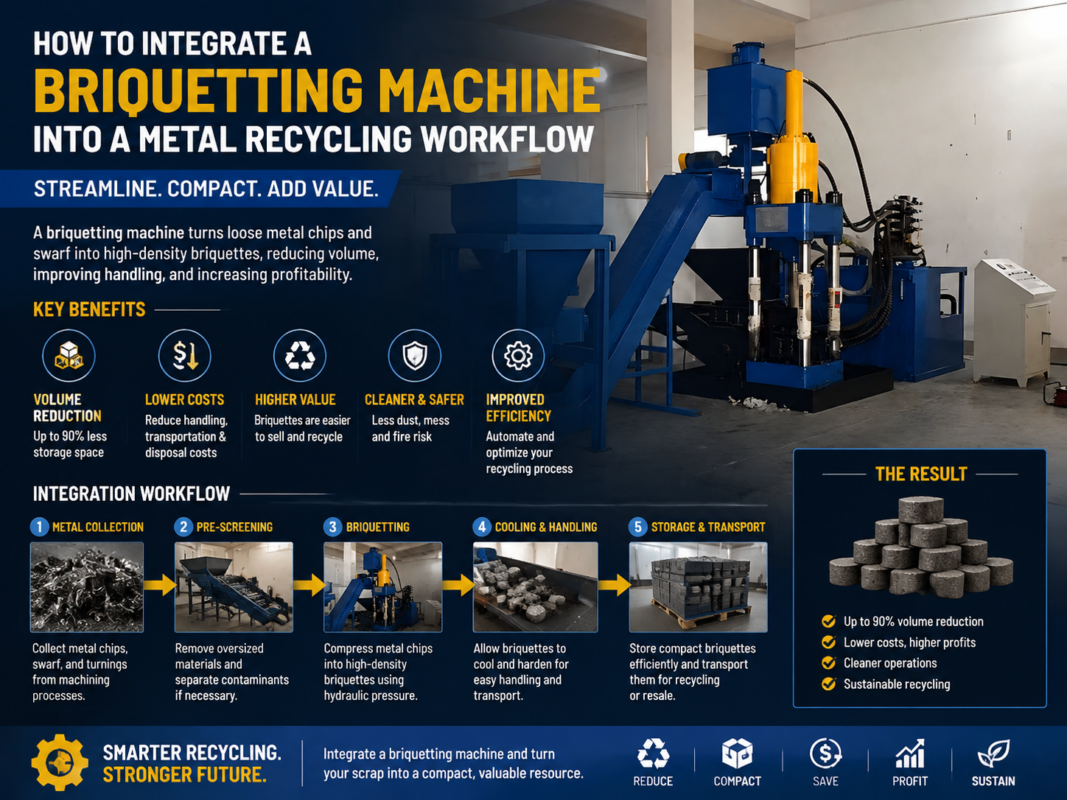
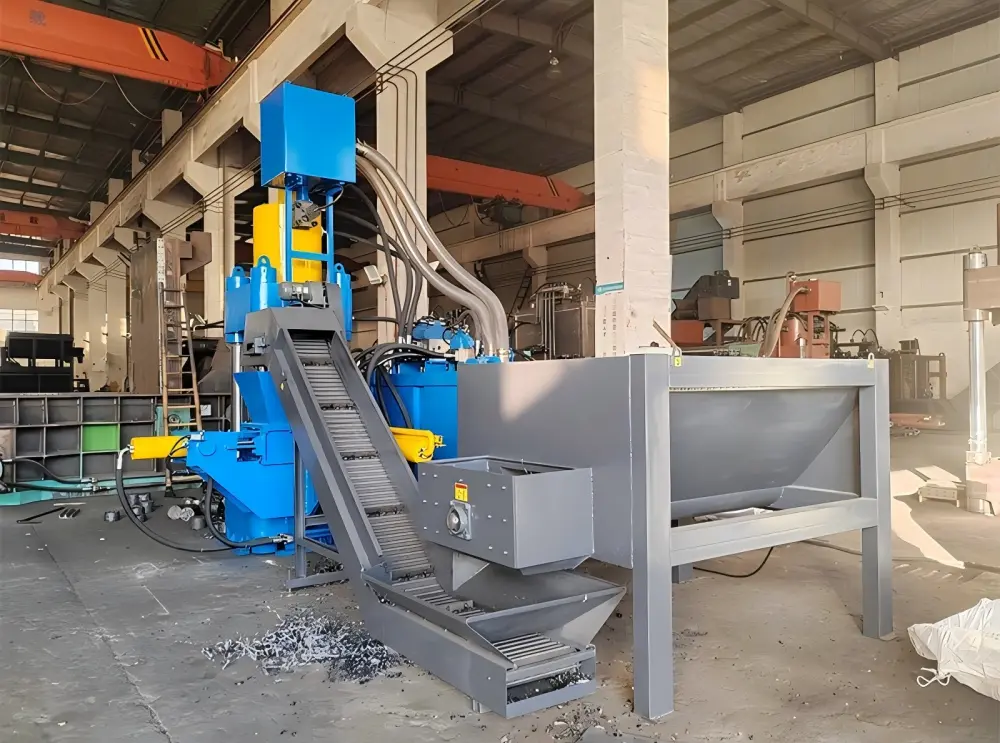
In the world of metal recycling and scrap management, the hydraulic briquetting machine stands as a cornerstone of efficiency. By compressing loose metal chips, turnings, and swarf into dense, manageable briquettes, these machines significantly reduce storage space and increase the melt value of the material. However, the heart of this powerful system is the hydraulic pump. Without a properly functioning pump, the entire operation grinds to a halt, leading to lost productivity and exorbitant repair bills. Understanding Hydraulic Briquetting Machine Pump Maintenance Tips Avoid Costly Repairs is not just a recommendation; it is a necessity for any industrial facility looking to maximize its return on investment.
The hydraulic pump is responsible for converting mechanical energy into hydraulic pressure, which then drives the cylinders to compress the metal scrap. Because it operates under high pressure and often in dusty, demanding environments, the pump is susceptible to wear and tear. Neglecting minor issues can lead to catastrophic failures that require complete pump replacement. By implementing a rigorous maintenance strategy, operators can extend the lifespan of their HARSLE equipment and ensure consistent performance year after year.
Effective maintenance goes beyond simple oil changes. It involves a holistic approach to the machine’s health, including monitoring temperature, checking for contamination, and ensuring that all mechanical connections are secure. This guide provides a comprehensive roadmap for maintaining your hydraulic briquetting machine pump, focusing on proactive measures that prevent downtime before it occurs.
The Importance of Proactive Maintenance
Proactive maintenance is the practice of performing scheduled tasks to prevent equipment failure. In the context of hydraulic briquetting machines, this means identifying potential pump issues before they manifest as a total system breakdown. The cost of a new high-pressure hydraulic pump can be thousands of dollars, not including the labor costs and the lost revenue from machine downtime. By following Hydraulic Briquetting Machine Pump Maintenance Tips Avoid Costly Repairs, companies can save a significant amount of capital over the machine’s lifecycle.
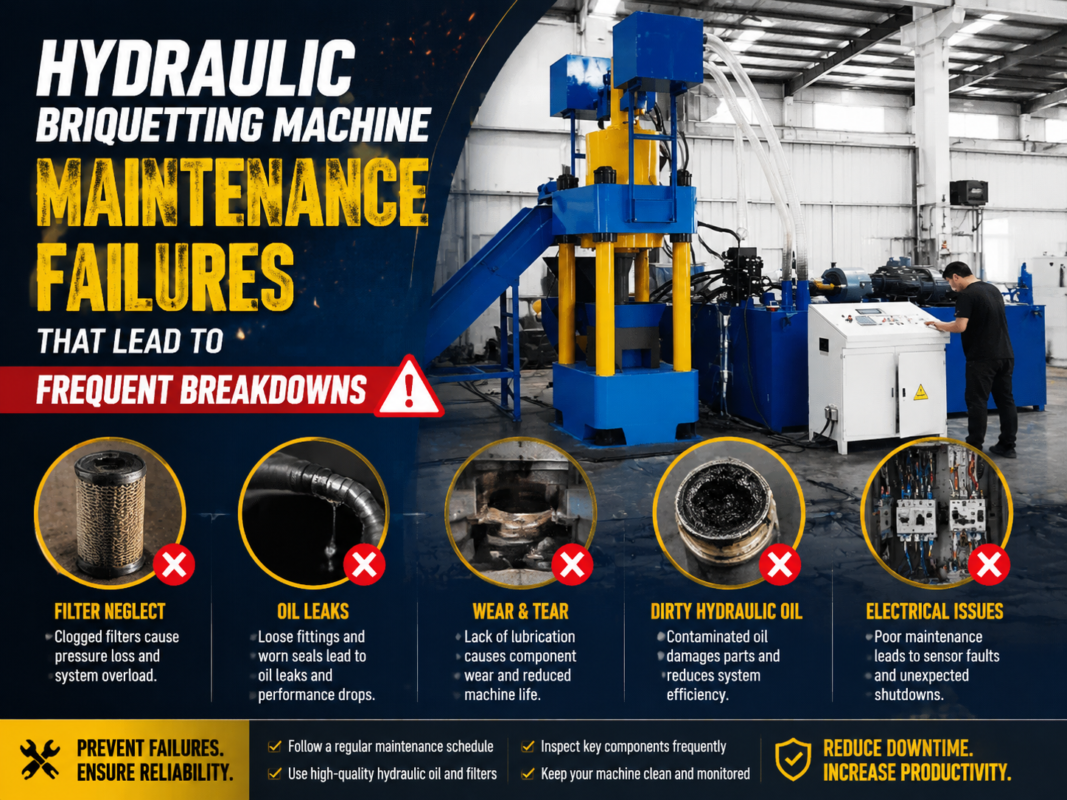
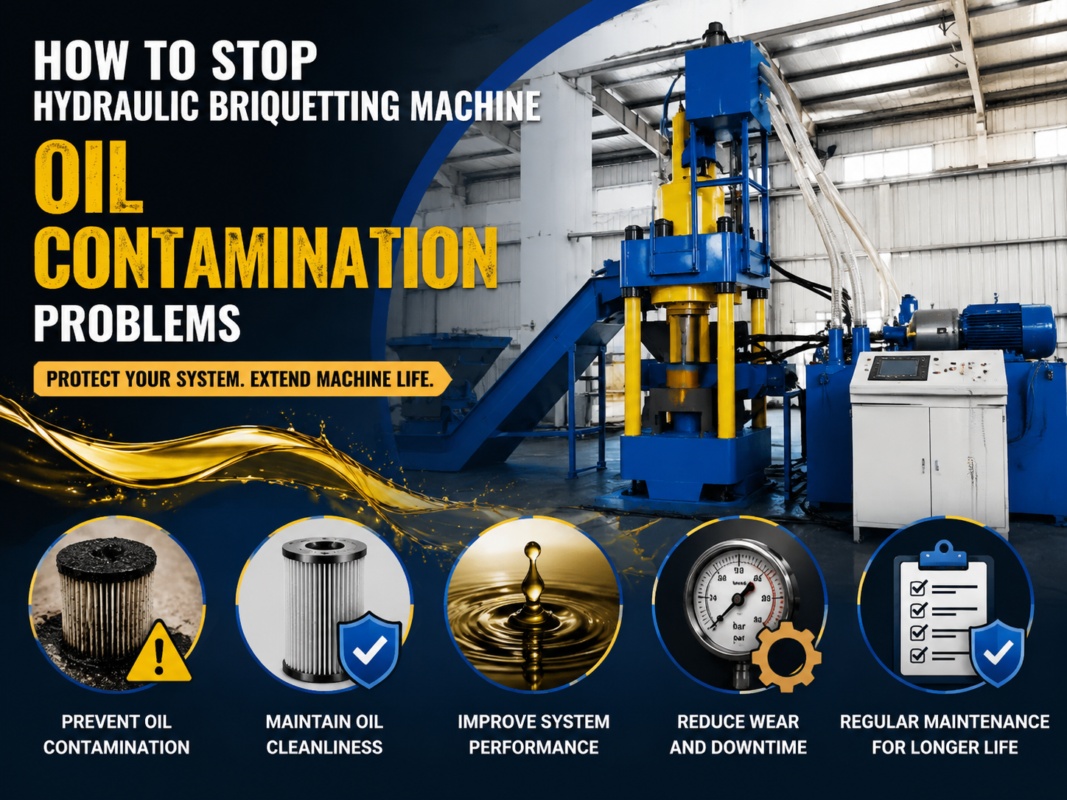
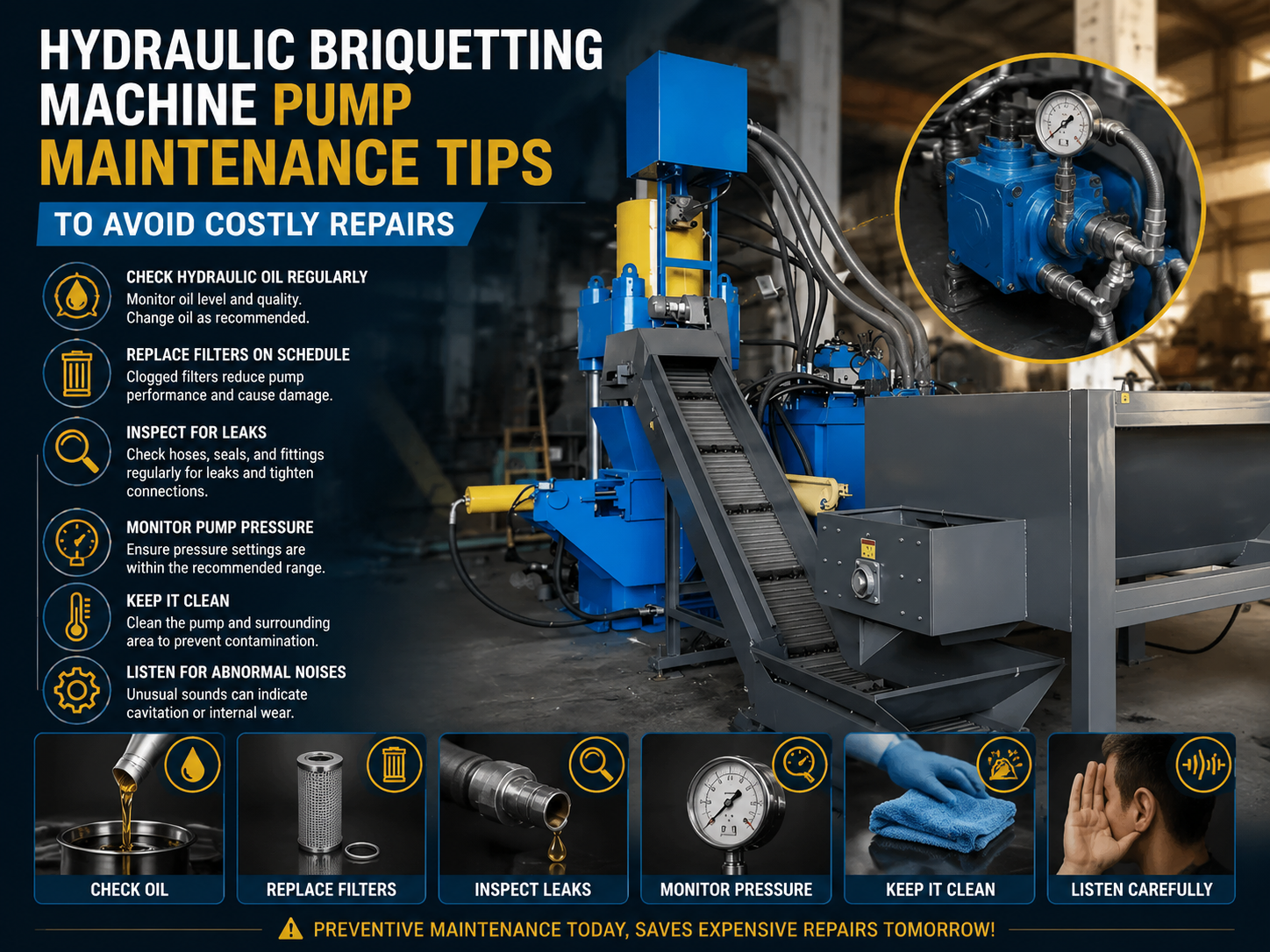
One of the primary reasons for pump failure is fluid contamination. Metal particles, dust, and moisture can enter the hydraulic system, causing internal abrasion and corrosion. A proactive maintenance plan focuses heavily on fluid cleanliness. Furthermore, regular inspections allow operators to catch leaks early. Even a small leak can lead to a drop in system pressure, forcing the pump to work harder and run hotter, which accelerates the degradation of internal seals and components.
Another critical aspect is the preservation of the pump’s volumetric efficiency. As internal parts wear, the pump may still operate but will require more energy to produce the same amount of force. This leads to increased electricity costs and slower cycle times. Regular maintenance ensures that the pump operates at peak efficiency, keeping operational costs low and production rates high.
Daily Inspection Routine for Hydraulic Pumps
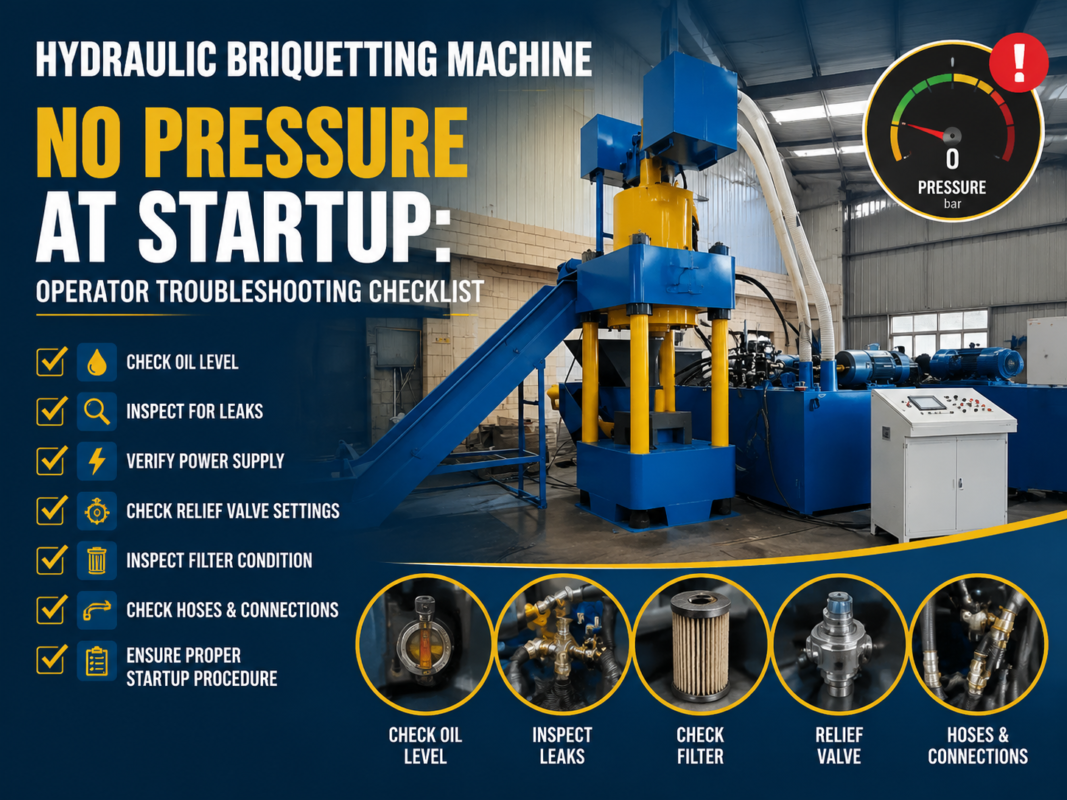
The first line of defense against pump failure is the daily inspection. This should be a non-negotiable part of the operator’s morning routine. A thorough daily check takes only a few minutes but can reveal critical information about the pump’s condition. Start by checking the hydraulic oil level in the reservoir. If the level is low, it could indicate a leak or that the system was not properly bled of air. Always use the manufacturer-recommended oil to top off the tank.
Next, perform a visual inspection of the pump housing and all connected hoses. Look for signs of “weeping” or active leaks. Even a small amount of oil on the floor or the machine frame is a red flag. Check the temperature of the pump during operation. While hydraulic systems naturally generate heat, the pump should never be too hot to touch briefly. Excessive heat is often a sign of internal bypass or cavitation, both of which are detrimental to the pump’s health.
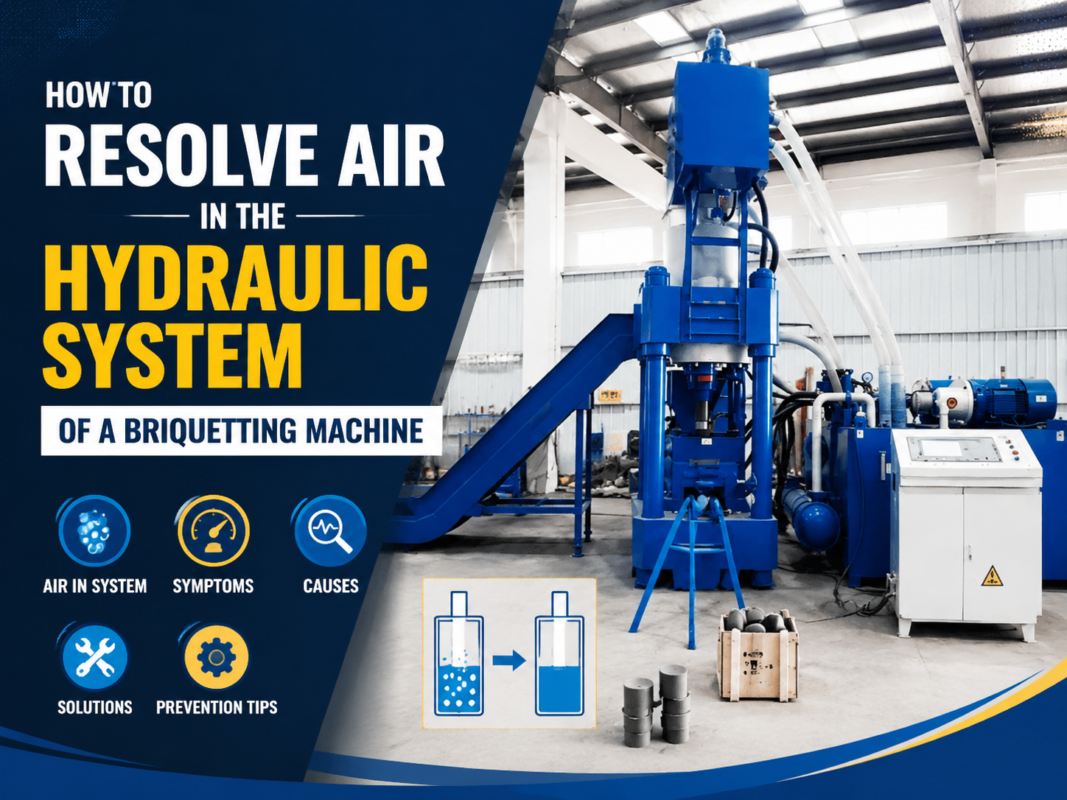
Listen closely to the pump’s sound profile. A healthy hydraulic pump produces a consistent, rhythmic hum. If you hear high-pitched whining, growling, or erratic knocking, these are symptoms of aeration or cavitation. Aeration occurs when air enters the pump inlet, while cavitation happens when the pump is starved of oil. Both conditions create tiny implosions within the fluid that can pit the metal surfaces of the pump’s internal components, leading to rapid failure.
Hydraulic, Electrical, and Mechanical System Checks
Hydraulic System Integrity
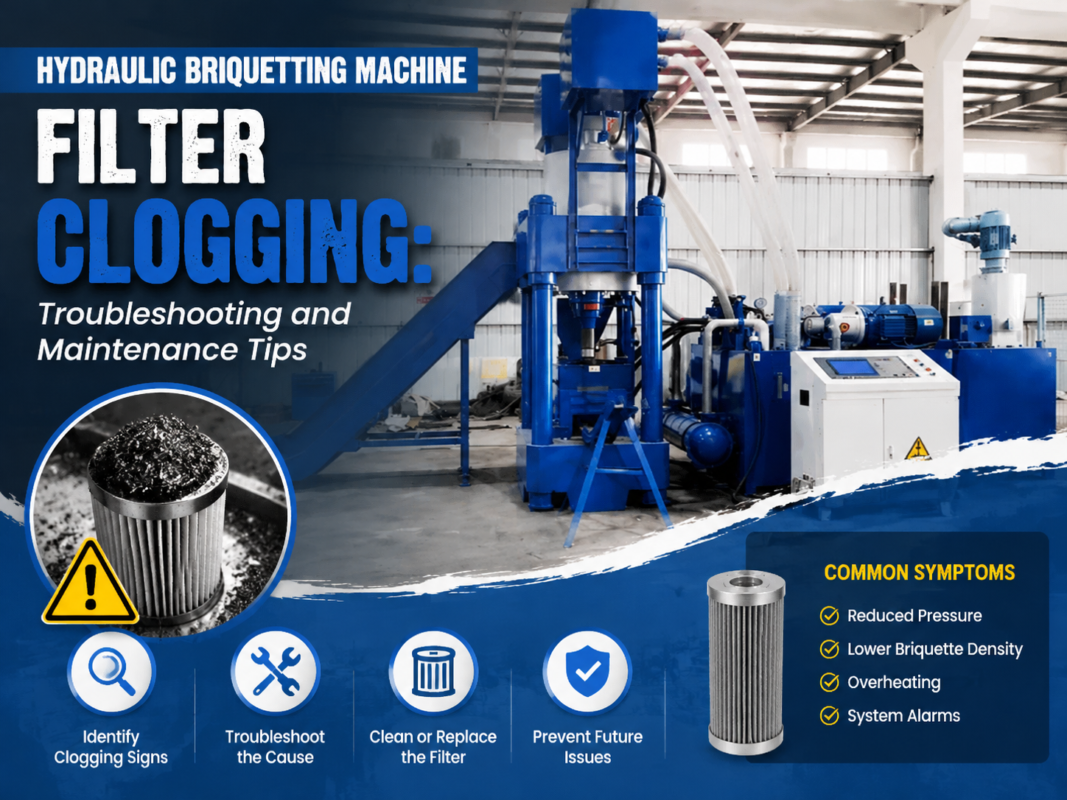
The hydraulic system is the lifeblood of the briquetting machine. Beyond the pump itself, you must inspect the filtration system. Filters are designed to trap contaminants before they reach the pump. If a filter becomes clogged, it may go into “bypass mode,” allowing unfiltered oil to circulate through the pump. Regularly check the pressure gauges on the filter housing; a high pressure differential indicates that the filter element needs replacement. Additionally, ensure that the hydraulic oil is clear and free of foam. Cloudy oil often indicates water contamination, which destroys the lubricating properties of the fluid.
Electrical Component Monitoring
The hydraulic pump is typically driven by an electric motor. Maintenance must include the electrical side of the equation. Check the motor’s amperage draw during a full compression cycle. If the motor is drawing more current than its rated capacity, the pump may be binding or the system pressure may be set too high. Inspect the wiring for signs of fraying or heat damage, especially near the terminal box. Ensure that the cooling fan on the motor is clean and unobstructed, as an overheating motor can transfer heat directly to the pump through the coupling.
Mechanical Alignment and Mounting
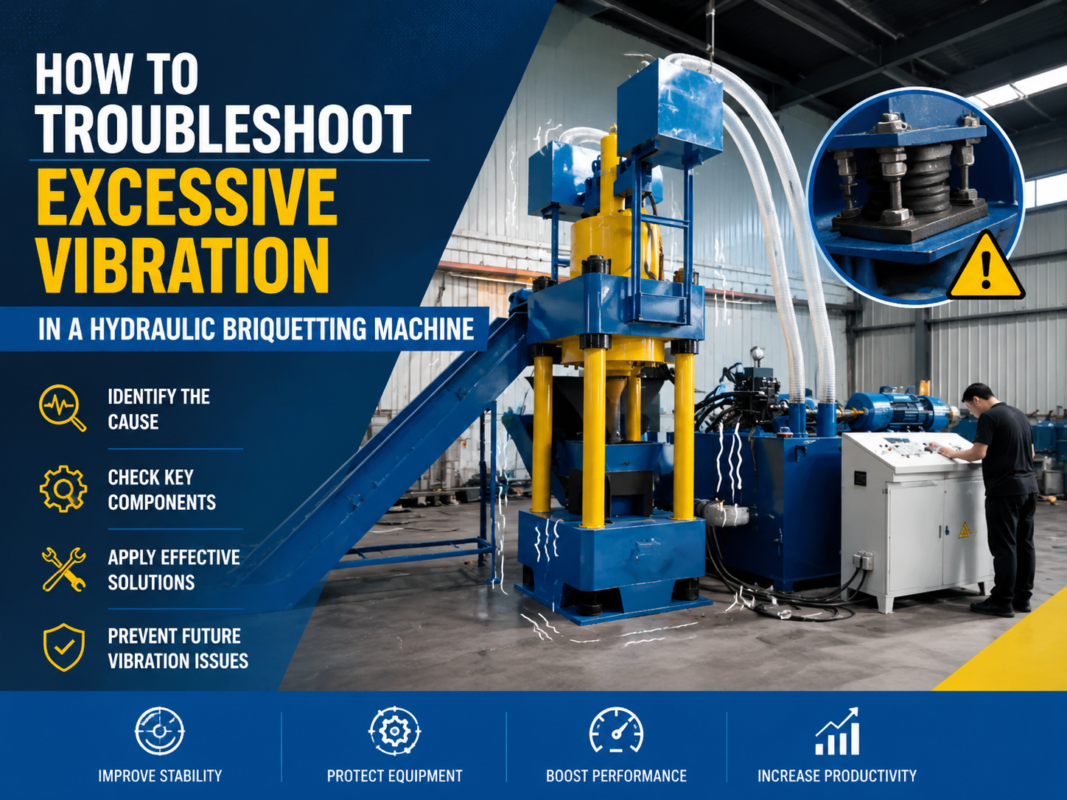
The mechanical connection between the motor and the pump is a common failure point. Ensure that the pump is securely mounted to its base. Vibration is the enemy of hydraulic systems; it can loosen fittings and cause fatigue cracks in metal lines. Check the alignment of the coupling. Even a slight misalignment can put radial loads on the pump shaft, leading to premature bearing and seal failure. Use a straightedge or a laser alignment tool periodically to verify that the motor and pump shafts are perfectly concentric.
Developing a Comprehensive Lubrication Plan
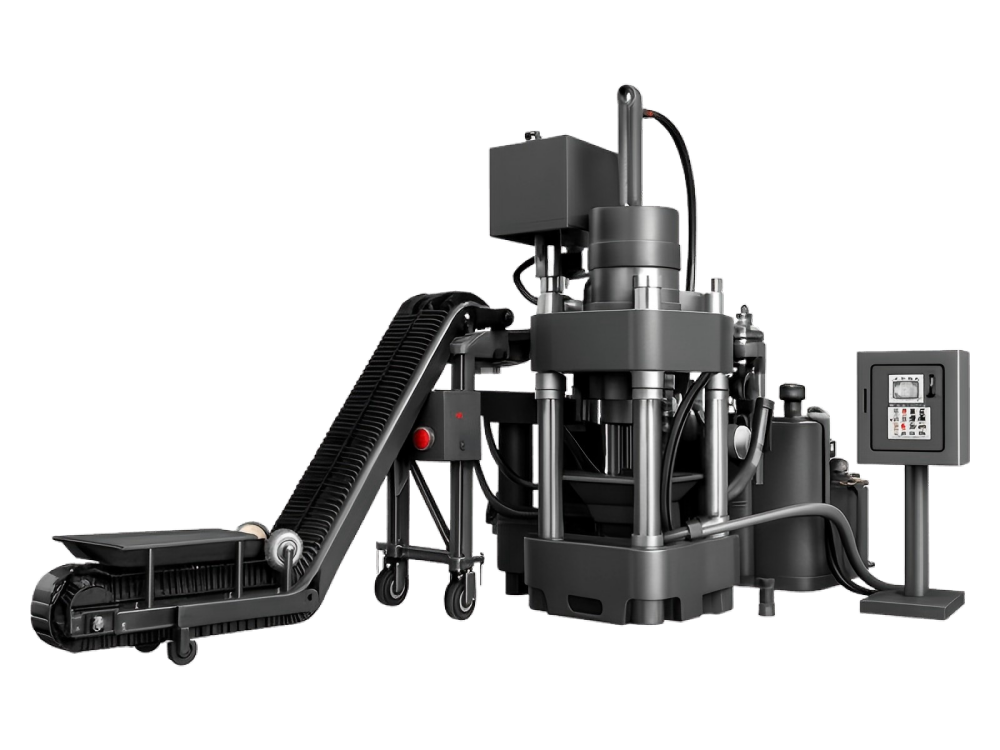
While the hydraulic oil itself provides lubrication for the internal parts of the pump, other mechanical components of the briquetting machine require dedicated lubrication. A proper lubrication plan is essential for reducing friction and wear across the entire machine. For the pump specifically, ensure that the drive shaft bearings (if they are external) are greased according to the manufacturer’s specifications. Over-greasing can be just as harmful as under-greasing, as it can blow out seals and attract abrasive dust.
The choice of hydraulic oil is the most important “lubrication” decision you will make. High-quality anti-wear (AW) hydraulic oil contains additives that form a protective film on metal surfaces. For HARSLE briquetting machines, ISO 46 or ISO 68 oils are commonly used, depending on the ambient operating temperature. Using the wrong viscosity can lead to poor lubrication at high temperatures or excessive flow resistance at low temperatures, both of which strain the pump.
Contamination control is the final pillar of a lubrication plan. When adding oil, always use a transfer pump with a built-in filter. Pouring oil directly from a drum can introduce contaminants that were present in the drum or on the funnel. By maintaining a “clean-in, clean-out” policy, you ensure that the pump’s internal surfaces remain smooth and efficient, directly following the core principle of Hydraulic Briquetting Machine Pump Maintenance Tips Avoid Costly Repairs.
Troubleshooting Signals: What Your Pump is Telling You
Learning to interpret the signals your pump sends can save you from a total system collapse. One of the most common signals is a sudden drop in system pressure. If the machine is no longer producing dense briquettes, the pump may be experiencing internal leakage. This often happens when the tolerances between the pump’s moving parts increase due to wear. If the pressure fluctuates wildly, it may indicate a failing relief valve or air trapped in the suction line.
Overheating is another critical signal. If the hydraulic oil temperature exceeds 60°C (140°F), the oil begins to oxidize and break down. This creates varnish and sludge that can stick to the pump’s internal valves and vanes. If you notice the temperature rising, check the oil cooler for blockages and ensure the pump isn’t operating at its relief pressure for extended periods. Continuous operation at relief pressure generates massive amounts of heat and is a leading cause of pump burnout.
Finally, watch for changes in cycle time. If the briquetting cycle is taking longer than usual, the pump’s flow rate (GPM/LPM) has likely decreased. This is a clear sign of wear. By tracking cycle times weekly, you can trend the pump’s performance and schedule a rebuild or replacement during a planned shutdown, rather than waiting for an emergency failure in the middle of a busy production shift.
Comprehensive Maintenance Schedule Table
To stay organized, use the following maintenance schedule as a template for your facility. Consistency is the key to avoiding costly repairs.
| Frequency | Task Description | Objective |
|---|---|---|
| Daily | Check oil level and temperature | Ensure adequate lubrication and cooling |
| Daily | Listen for unusual noise (whining/knocking) | Detect cavitation or aeration early |
| Weekly | Inspect all hoses and fittings for leaks | Prevent fluid loss and environmental hazards |
| Weekly | Clean the motor cooling fan and pump exterior | Improve heat dissipation |
| Monthly | Check filter bypass indicators | Ensure oil is being properly filtered |
| Monthly | Inspect pump-to-motor coupling alignment | Prevent shaft and bearing wear |
| Quarterly | Perform hydraulic oil analysis | Check for contamination and additive depletion |
| Annually | Drain and flush the hydraulic reservoir | Remove accumulated sludge and moisture |
| Annually | Replace all hydraulic filters and breathers | Maintain system cleanliness standards |
Frequently Asked Questions (FAQ)
1. How often should I change the hydraulic oil in my briquetting machine?
Generally, hydraulic oil should be changed every 2,000 to 4,000 hours of operation. However, this depends on the environment and oil quality. The best practice is to perform oil analysis every three months; if the analysis shows the oil is still within specification, you can extend the interval safely.
2. Why is my hydraulic pump making a loud whining noise?
A loud whining noise is usually a sign of cavitation. This happens when the pump cannot get enough oil, often due to a clogged suction strainer, a closed inlet valve, or oil that is too thick for the cold start-up conditions. Address this immediately to prevent internal damage.
3. Can I use any type of hydraulic oil?
No. You must use the oil viscosity and type recommended by HARSLE. Using the wrong oil can lead to poor lubrication, seal incompatibility, and overheating. Most briquetting machines require a high-quality anti-wear (AW) hydraulic oil.
4. What is the most common cause of pump failure?
Contamination is the leading cause of hydraulic pump failure. Small particles of metal or dirt act like sandpaper inside the pump, wearing down the precise tolerances required to generate high pressure. Keeping the oil clean is the best way to avoid repairs.
5. How do I know if my pump needs to be replaced or just repaired?
If the pump housing is cracked or if there is significant internal scoring on the main pressure plates, replacement is often more cost-effective. However, if the issue is just worn seals or bearings, a professional rebuild can restore the pump to like-new condition at a fraction of the cost.
Conclusion: Protecting Your Investment
Maintaining a hydraulic briquetting machine pump requires diligence, but the rewards are well worth the effort. By following these Hydraulic Briquetting Machine Pump Maintenance Tips Avoid Costly Repairs, you ensure that your HARSLE machinery remains a reliable asset in your metal fabrication or recycling workflow. Remember that the pump is a precision instrument; treat it with care, keep its fluid clean, and listen to the signals it provides. A well-maintained pump not only prevents expensive emergency repairs but also ensures that your briquetting process remains efficient, profitable, and safe for years to come.