
How to Reduce Downtime with Proper Aluminium Extrusion Press Maintenance

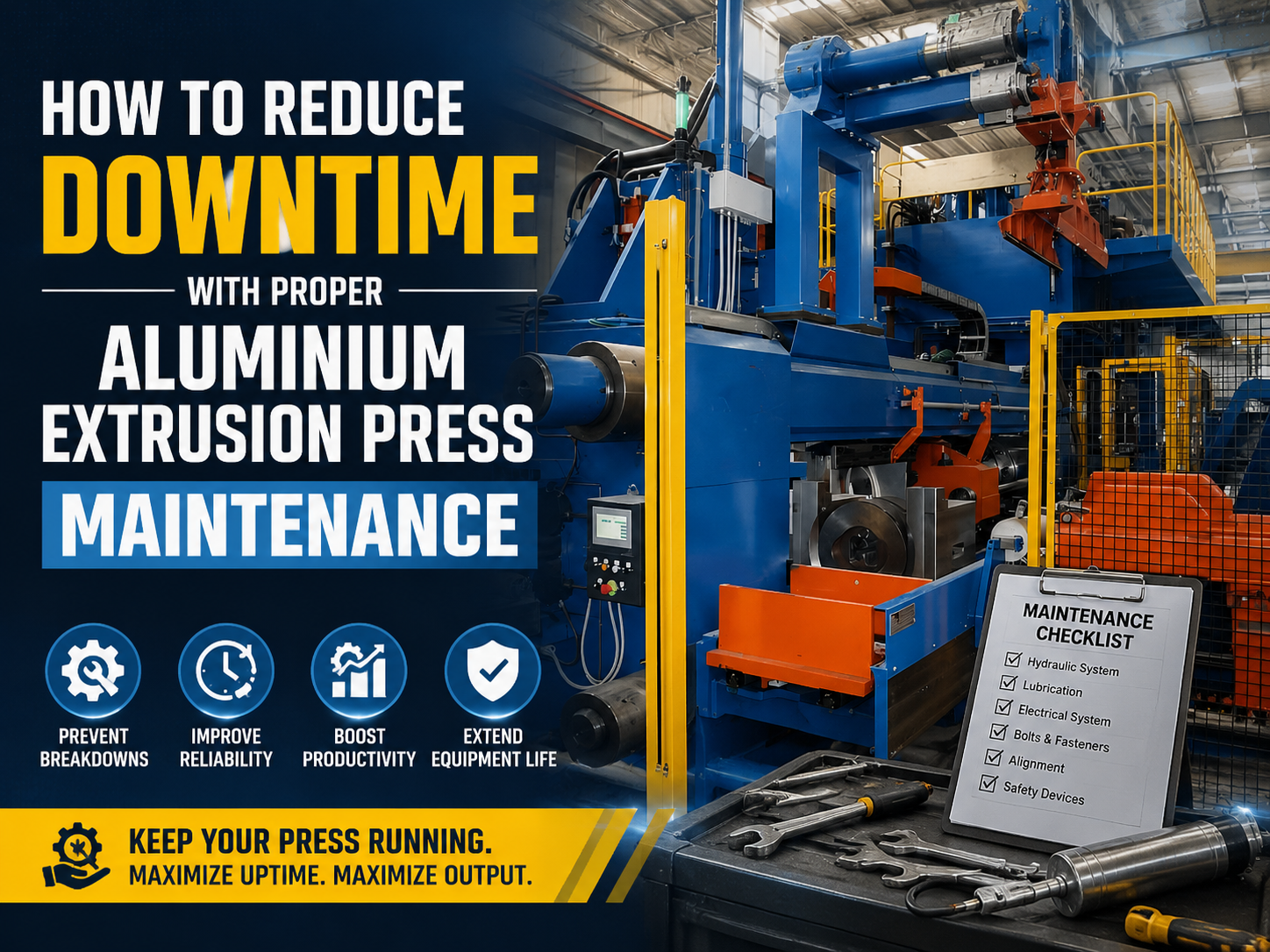
The Critical Importance of Maintenance in Aluminium Extrusion
In the high-stakes world of metal fabrication, the aluminium extrusion press stands as the centerpiece of production. When this machine operates at peak efficiency, the facility thrives; however, when it fails, the entire production line grinds to a halt. Understanding how to reduce downtime with proper aluminium extrusion press maintenance is not merely a technical necessity but a financial imperative. Every hour of unplanned downtime can cost a facility thousands of dollars in lost labor, missed deadlines, and wasted energy. By implementing a rigorous maintenance protocol, manufacturers can ensure that their HARSLE equipment remains a reliable asset for decades.
Maintenance is often viewed as a cost center, but in reality, it is a high-yield investment. A well-maintained press produces higher quality profiles with tighter tolerances and better surface finishes. Conversely, a neglected machine often suffers from misalignment, pressure fluctuations, and temperature inconsistencies, all of which lead to scrap and rework. The goal of a comprehensive maintenance strategy is to transition from reactive “firefighting” to proactive, predictive care. This shift ensures that components are replaced before they fail, preventing catastrophic damage to the press structure or hydraulic systems.
Furthermore, safety is a paramount concern in industrial environments. An aluminium extrusion press operates under immense pressure and high temperatures. Worn seals, frayed wiring, or structural fatigue can pose significant risks to operators. Proper maintenance ensures that all safety interlocks, emergency stops, and structural components are functioning as intended, creating a safer workplace. By prioritizing maintenance, companies demonstrate a commitment to both operational excellence and employee well-being.
Finally, the longevity of the machine is directly tied to the quality of its upkeep. HARSLE presses are engineered for durability, but the harsh environment of an extrusion plant—characterized by heat, dust, and heavy loads—can take a toll. Regular cleaning, lubrication, and calibration prevent the gradual degradation that leads to premature machine replacement. In the following sections, we will detail the specific steps required to maintain these complex machines and maximize their operational uptime.
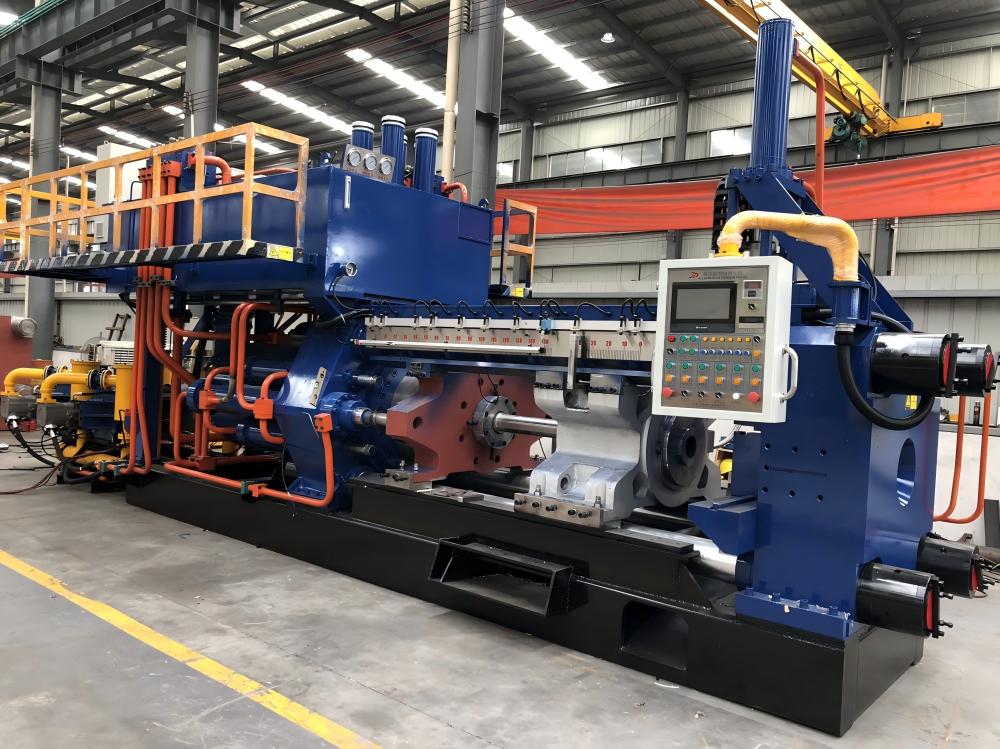
Daily Inspection: The First Line of Defense
The most effective way to reduce downtime with proper aluminium extrusion press maintenance is through a disciplined daily inspection routine. This process should be performed at the start of every shift and involves a comprehensive walk-around of the machine. Operators should be trained to look for subtle changes that might indicate an emerging problem. The first step is a visual check for leaks. Hydraulic fluid on the floor or around fittings is a clear sign of a failing seal or a loose connection. Even a small leak can lead to a significant drop in system pressure and an increase in fluid consumption over time.
Temperature monitoring is another critical aspect of daily checks. Operators should monitor the temperature of the hydraulic oil, the container, and the main motor. If the oil temperature exceeds the manufacturer’s recommended range, it could indicate a failure in the cooling system or excessive internal friction within the pumps. Similarly, inconsistent heating in the container can lead to uneven extrusion, causing defects in the final product. Modern HARSLE presses often feature digital sensors that make this monitoring easier, but manual verification remains a best practice.
Noise and vibration are often the first indicators of mechanical distress. A seasoned operator can tell if a pump sounds “off” or if there is an unusual clatter during the extrusion stroke. High-pitched whining often points to pump cavitation, while rhythmic thumping might suggest a loose mechanical component. Daily inspections should also include a check of the dummy block and the stem. Any signs of wear, cracking, or misalignment in these areas must be addressed immediately to prevent damage to the container liner or the die.
Lastly, the cleanliness of the machine cannot be overstated. Aluminium dust and debris can accumulate on sensors, slides, and cooling fans, leading to overheating or electrical faults. A daily wipe-down of critical surfaces and the removal of scrap metal from the press bed help maintain a clear working environment. By catching these minor issues daily, maintenance teams can schedule repairs during planned breaks rather than suffering through an unexpected mid-shift breakdown.
Hydraulic System Maintenance: The Heart of the Press
The hydraulic system is the lifeblood of an aluminium extrusion press. It provides the massive force required to push a solid aluminium billet through a die. To reduce downtime with proper aluminium extrusion press maintenance, the hydraulic system must be kept in pristine condition. The single most important factor in hydraulic health is oil cleanliness. Contaminants such as metal shavings, dust, and moisture can act as abrasives, wearing down pump vanes and valve seats. Regular oil analysis is essential; it provides a “blood test” for the machine, revealing the presence of wear metals and the remaining chemical stability of the fluid.
Filtration systems must be checked and serviced religiously. High-efficiency filters should be used to remove microscopic particles that standard filters might miss. If a filter bypasses or becomes clogged, the contaminated oil will circulate through the entire system, causing widespread damage. Maintenance teams should also inspect the hydraulic reservoir for signs of aeration or foaming, which can lead to spongy control and erratic press movement. Ensuring that the reservoir is filled to the correct level and that the breathers are clean is a simple yet effective way to prevent air from entering the system.
Pumps and valves require specific attention. The main pumps are under constant stress and should be monitored for efficiency. A drop in flow rate or an increase in case drain flow indicates internal wear. Directional valves and relief valves should be tested periodically to ensure they shift crisply and hold pressure accurately. Leaking valves not only waste energy but can also cause the press to drift or fail to reach the required extrusion pressure. Replacing seals and O-rings proactively during scheduled maintenance windows is far more cost-effective than dealing with a blown seal during a production run.
Finally, the hydraulic hoses and piping must be inspected for signs of abrasion, bulging, or cracking. Given the high pressures involved, a hose failure can be violent and dangerous. Hoses that are near heat sources should be shielded, and all piping should be securely clamped to prevent vibration-induced fatigue. By maintaining the integrity of the hydraulic circuit, you ensure that the HARSLE press delivers consistent power and precision throughout its service life.
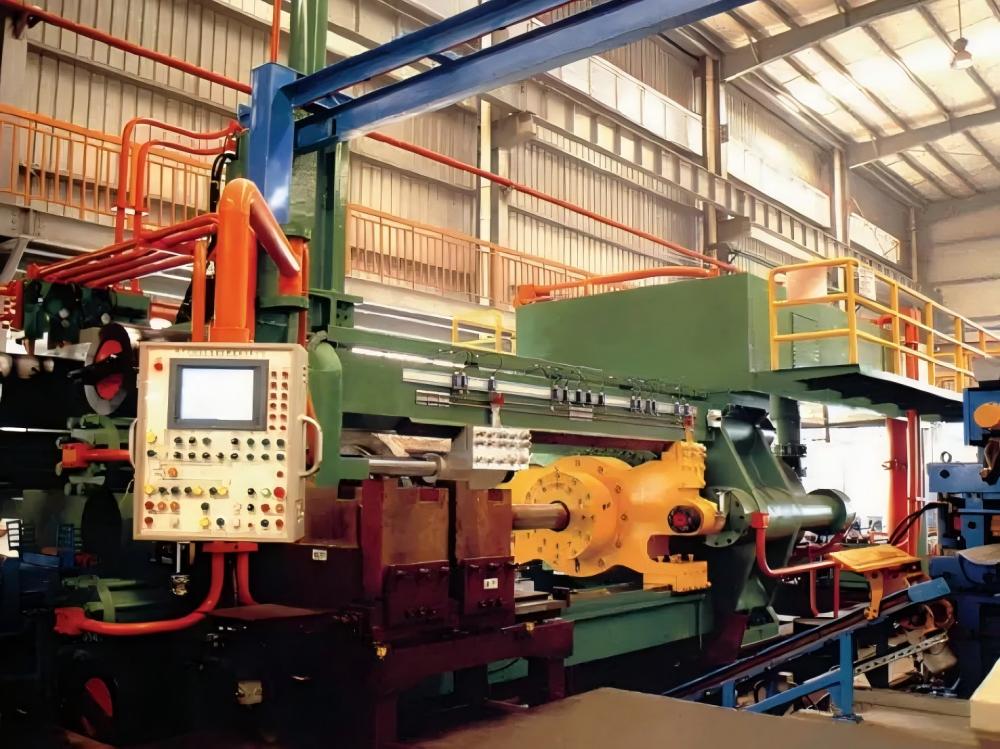
Electrical and Control System Checks
Modern aluminium extrusion presses are highly automated, relying on sophisticated PLC (Programmable Logic Controller) systems and a network of sensors to manage the extrusion process. Maintaining these electrical components is vital to reduce downtime with proper aluminium extrusion press maintenance. The control cabinet should be kept clean and cool. Dust accumulation on circuit boards can cause short circuits, while excessive heat can lead to the premature failure of electronic components. Ensure that cabinet fans are operational and that filters are cleaned or replaced regularly.
Sensors and limit switches are the “eyes” of the press. They detect the position of the ram, the presence of a billet, and the temperature of the die. If a sensor fails or becomes misaligned, the press may stop mid-cycle or enter a fault state. Regularly cleaning the faces of proximity sensors and checking the tightness of mounting brackets can prevent these nuisance trips. Furthermore, wiring should be inspected for signs of wear, especially in areas where cables are subject to constant movement. Frayed insulation or loose terminals are common causes of intermittent electrical faults that are notoriously difficult to diagnose.
Software and calibration are equally important. The HMI (Human Machine Interface) should be checked for responsiveness, and the system software should be backed up regularly. Calibration of pressure transducers and linear transducers ensures that the press is operating according to the programmed parameters. If the ram position is not accurately reported to the PLC, it can result in improper extrusion lengths or damage to the tooling. Periodic calibration against a known standard is necessary to maintain the precision that HARSLE machines are known for.
Lastly, the emergency stop circuit and safety light curtains must be tested frequently. These systems are designed to protect the operator, but they also protect the machine from damage during an abnormal event. An electrical fault in the safety circuit can prevent the press from starting, leading to significant downtime. By including electrical and control systems in the preventative maintenance plan, manufacturers can avoid the “ghost in the machine” problems that often plague older or poorly maintained equipment.
Mechanical Integrity and Alignment
The mechanical structure of an aluminium extrusion press is designed to withstand millions of pounds of force. However, even the sturdiest frame can suffer from misalignment and wear over time. To reduce downtime with proper aluminium extrusion press maintenance, the alignment of the press must be checked regularly. The relationship between the main ram, the stem, the container, and the die is critical. If these components are not perfectly centered, the extrusion force will be applied unevenly, leading to premature wear on the container liner and potential damage to the tie rods.
Tie rods are the structural backbone of the press. They are under immense tension during the extrusion stroke. Maintenance teams should use ultrasonic testing or other non-destructive methods to check for cracks or fatigue in the tie rods and their nuts. Ensuring that the tension is evenly distributed across all tie rods is essential for the long-term structural integrity of the press. Loose tie rod nuts can lead to “breathing” of the press frame, which causes rapid wear of the internal components and loss of extrusion precision.
The container and its heating system also require careful attention. The container must move smoothly on its slides, and the heating elements must provide uniform temperature across its length. Worn slides or uneven heating can cause the container to cock or bind, leading to significant mechanical stress. The dummy block, which sits at the end of the stem, should be inspected for deformation or cracking. A failing dummy block can allow aluminium to leak back past the seal, causing a “back-extrusion” that is difficult and time-consuming to clean up.
Finally, the shear and the run-out table should be included in mechanical checks. The shear must be sharp and properly aligned to ensure a clean cut of the profile. The run-out table and cooling fans must be in good working order to prevent damage to the hot, soft aluminium as it leaves the press. By maintaining the mechanical precision of the entire line, from the billet loader to the saw, you ensure a smooth flow of production and minimize the risk of mechanical failure.
Comprehensive Lubrication Plan
Lubrication is the simplest yet most frequently overlooked aspect of industrial maintenance. A robust lubrication plan is essential to reduce downtime with proper aluminium extrusion press maintenance. Different parts of the press require different types of lubricants. For example, the high-temperature environment of the container slides requires a specialized molybdenum-based grease that won’t break down under heat. In contrast, the auxiliary pivots and bearings may use a standard lithium-based grease. Using the wrong lubricant can be as damaging as using none at all.
Automatic lubrication systems are common on HARSLE presses, but they are not “set and forget” systems. The reservoirs must be kept full, and the delivery lines must be checked for blockages. If a single line is blocked, one bearing may run dry while the rest of the machine appears well-lubricated. Maintenance personnel should manually verify that grease is reaching all points by looking for the “purge” of old grease at the bearing seals. This also provides an opportunity to inspect the condition of the old grease; if it contains metal flakes, it’s a sign that the bearing is already failing.
The frequency of lubrication is just as important as the type. High-cycle machines may require daily lubrication of certain points, while others may only need attention weekly or monthly. A clear lubrication chart should be posted near the machine, detailing the location of every grease fitting, the type of lubricant required, and the frequency of application. This removes guesswork and ensures that even new operators can contribute to the machine’s upkeep.
In addition to grease, the hydraulic oil itself acts as a lubricant for the internal components of the pumps and valves. This reinforces the need for oil cleanliness. Furthermore, the air system (if the press uses pneumatic components for billet loading or cooling) requires lubricated air. Ensuring that the FRL (Filter-Regulator-Lubricator) units are functioning correctly will prevent the sticking and wear of pneumatic cylinders. A well-lubricated machine runs smoother, stays cooler, and experiences significantly less wear and tear.
Troubleshooting Signals: Recognizing Early Warnings
Effective maintenance involves being a “machine whisperer.” Recognizing the early warning signs of failure allows you to reduce downtime with proper aluminium extrusion press maintenance by intervening before a total breakdown occurs. One of the most common signals is an increase in cycle time. If the press is taking a few seconds longer to complete a stroke than it did a month ago, it’s a clear indication of declining efficiency. This could be due to a worn pump, a leaking internal seal, or a slow-acting valve. Tracking cycle times through the HMI can provide a data-driven way to spot these trends.
Unusual heat is another red flag. Using an infrared thermometer to scan hydraulic components, motors, and bearings can reveal “hot spots” that indicate friction or electrical resistance. For instance, a hydraulic valve that is significantly hotter than the ones next to it is likely leaking internally. Similarly, a motor that is running hot may be overloaded or have failing bearings. These thermal signatures are often detectable long before the component actually fails, providing a valuable window for preventative action.
Pressure fluctuations are a direct signal of hydraulic instability. If the pressure gauge needles are flickering or if the system fails to reach its target pressure smoothly, there may be air in the lines, a failing relief valve, or a pump issue. Operators should also watch for “chatter” or jerky movement of the ram. This often indicates a lack of lubrication on the ways or a problem with the proportional control valves. Addressing these symptoms immediately can prevent the damage that occurs when a machine is forced to operate under sub-optimal conditions.
Finally, pay attention to the quality of the extruded product. If the profiles are consistently showing surface defects, dimensional variations, or “twisting,” the problem may lie with the press alignment or the container heating. The product itself is often the best indicator of the machine’s health. By correlating product defects with specific machine behaviors, maintenance teams can quickly narrow down the root cause of a problem and implement a fix, thereby maintaining high uptime and quality standards.
Maintenance Schedule Table
To effectively reduce downtime with proper aluminium extrusion press maintenance, a structured schedule is required. Below is a recommended maintenance frequency for HARSLE aluminium extrusion presses.
| Frequency | Component | Action Required |
|---|---|---|
| Daily | Hydraulic System | Check oil levels, inspect for leaks, monitor oil temperature. |
| Daily | Mechanical | Clean press bed, inspect dummy block and stem alignment. |
| Weekly | Lubrication | Check auto-lube reservoirs, manually grease auxiliary points. |
| Weekly | Electrical | Clean control cabinet filters, inspect sensor cables. |
| Monthly | Hydraulic System | Take oil sample for analysis, check filter indicators. |
| Monthly | Mechanical | Inspect container slides and check tie rod nut tightness. |
| Quarterly | Control System | Calibrate pressure and position transducers. |
| Quarterly | Hydraulic System | Inspect heat exchanger and clean cooling coils. |
| Annually | Structural | Perform ultrasonic testing on tie rods and main cylinder. |
| Annually | Complete System | Full hydraulic oil change (if indicated by analysis) and system flush. |
Frequently Asked Questions (FAQ)
1. How often should I change the hydraulic oil in my extrusion press?
There is no fixed timeframe for oil changes. Instead, you should rely on regular oil analysis. If the analysis shows that the oil’s viscosity is within range, the additive package is intact, and the contamination levels are low, the oil can remain in service. However, most high-volume plants find that a full change or a comprehensive kidney-loop filtration is necessary every 12 to 24 months to reduce downtime with proper aluminium extrusion press maintenance.
2. What is the most common cause of unplanned downtime?
Hydraulic failures, specifically seal leaks and pump failures due to contaminated oil, are the leading causes of unplanned downtime. Electrical issues, such as failed sensors or loose wiring, are a close second. Implementing a strict filtration and inspection routine can eliminate the majority of these common failures.
3. Can I use any high-temperature grease for the container slides?
No. The container slides operate under extreme pressure and heat. You must use a lubricant specifically rated for these conditions, typically a heavy-duty grease with solid lubricants like molybdenum disulfide (MoS2) or graphite. Using standard grease will result in the lubricant melting and running out, leading to metal-on-metal contact and severe damage.
4. How do I know if my press is misaligned?
Signs of misalignment include uneven wear on the dummy block, the stem rubbing against the container liner, and the extruded profile consistently curving to one side. You can perform a manual alignment check using a laser alignment tool or by checking the concentricity of the stem to the container at various points of the stroke.
5. Why is my press cycle time increasing?
An increase in cycle time is usually caused by a loss of hydraulic efficiency. This could be due to internal leakage in the main cylinder, worn pump components that can no longer provide full flow at high pressure, or a slow-shifting directional valve. It can also be caused by the hydraulic oil becoming too hot, which lowers its viscosity and increases internal leakage.
6. How can I improve the lifespan of my tie rods?
The best way to protect tie rods is to ensure the press is perfectly aligned and that the tie rod nuts are tightened to the correct, even tension. Avoid overloading the press beyond its rated capacity, as this puts excessive stress on the rods. Regular non-destructive testing (NDT) can help you find and repair small cracks before they lead to a catastrophic failure.












