
Comprehensive Guide to Lubrication Best Practices for Aluminium Extrusion Press Equipment

The Critical Importance of Maintenance in Aluminium Extrusion
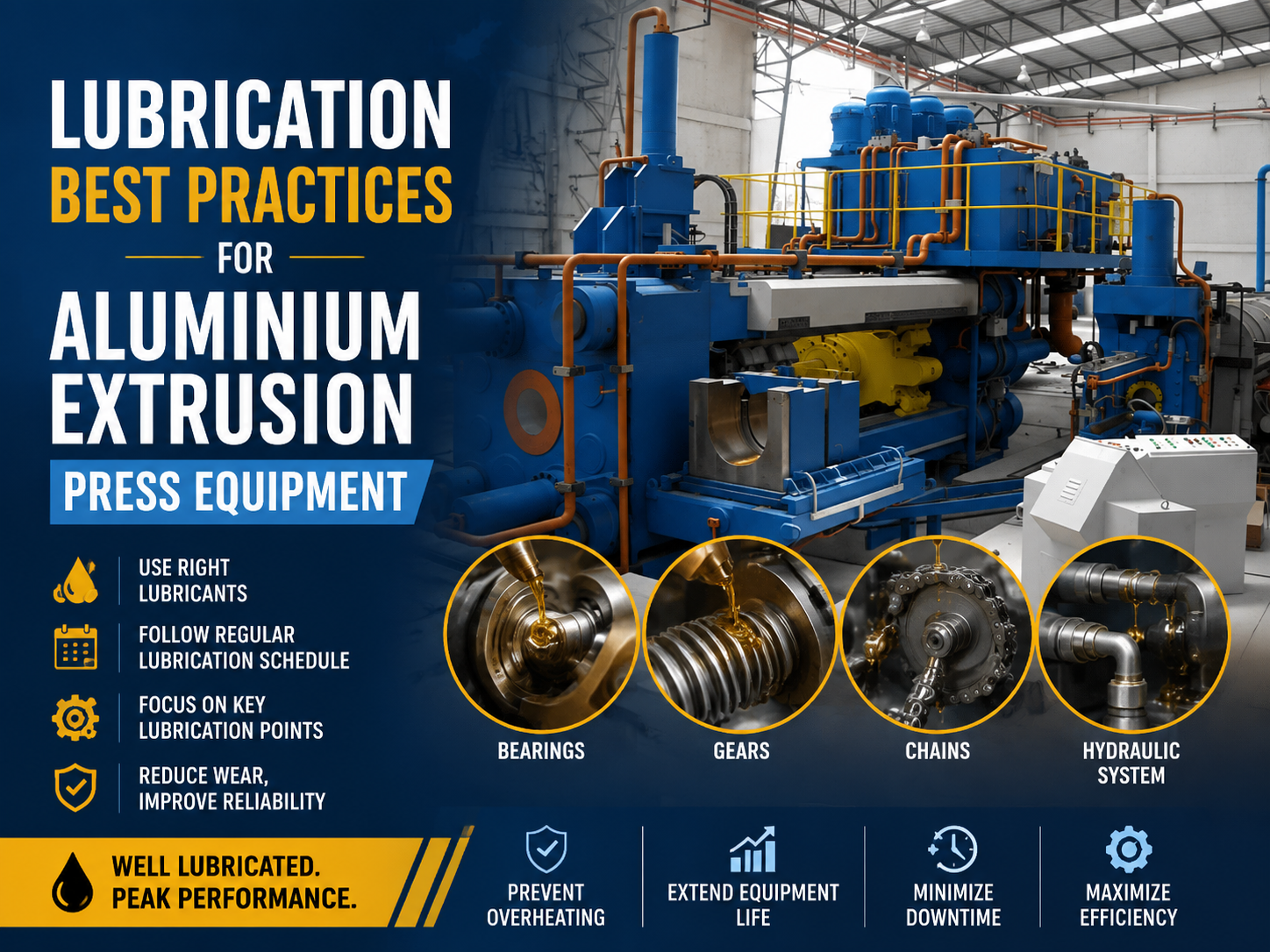
In the high-stakes world of metal fabrication, the aluminium extrusion press stands as a titan of productivity. However, the sheer force and thermal intensity required to transform solid aluminium billets into intricate profiles place immense stress on every mechanical and hydraulic component. Implementing Lubrication Best Practices Aluminium Extrusion Press Equipment is not merely a suggestion; it is a fundamental requirement for operational longevity, safety, and product quality. Without a rigorous maintenance and lubrication strategy, even the most robust HARSLE extrusion press can succumb to premature wear, leading to catastrophic failures and expensive downtime.
The primary goal of lubrication in an extrusion environment is to reduce friction between moving surfaces, dissipate heat, and prevent the ingress of contaminants. Given that extrusion processes often operate at temperatures exceeding 400°C (750°F), the lubricants used must maintain their chemical stability and viscosity under extreme conditions. Proper lubrication ensures that the main ram, container, and die slide move with precision, which directly impacts the dimensional accuracy of the finished aluminium profiles. Furthermore, a well-lubricated machine consumes less energy, as the hydraulic system doesn’t have to work as hard to overcome internal friction.
Beyond mechanical protection, maintenance serves as a diagnostic tool. By consistently monitoring the state of lubricants and the condition of the machine’s surfaces, operators can identify potential issues before they escalate. For instance, the presence of metallic flakes in the lubricant can signal the early stages of bearing failure or cylinder scoring. In this guide, we will delve deep into the specific protocols that define industry-leading maintenance for aluminium extrusion presses, ensuring your equipment remains a reliable asset for decades.
Finally, the economic impact of maintenance cannot be overstated. While high-quality lubricants and dedicated maintenance hours represent an upfront cost, they are a fraction of the expense associated with replacing a main cylinder or a set of tie rods. By adhering to Lubrication Best Practices Aluminium Extrusion Press Equipment, manufacturers protect their capital investment and ensure a consistent output that meets the rigorous standards of the aerospace, automotive, and construction industries.
Daily Inspection: The First Line of Defense
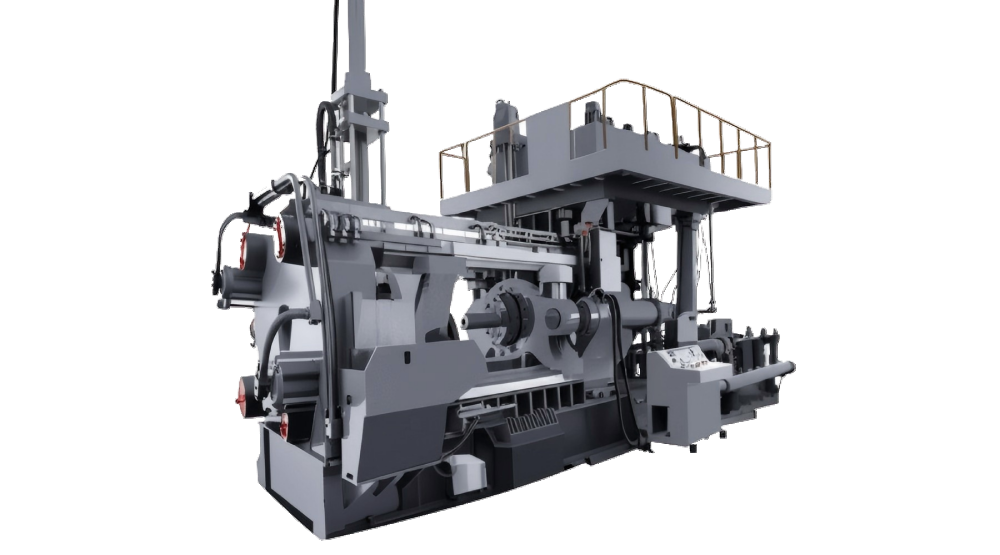
The daily inspection routine is the most effective way to catch minor issues before they become major headaches. Every shift should begin with a comprehensive walk-around of the aluminium extrusion press. Operators must look for visible signs of oil leaks around hydraulic fittings, valves, and cylinder seals. Even a small drip can indicate a loose connection or a failing seal that could lead to a significant loss of hydraulic pressure or environmental contamination. Checking the oil level in the main reservoir and the auxiliary lubrication tanks is the first step in ensuring the system has the volume necessary to operate correctly.
During the daily check, special attention should be paid to the lubrication of the container guide rails and the die slide. These components move frequently and are exposed to high heat and potential debris from the extrusion process. If these surfaces appear dry or exhibit signs of “galling” (material transfer due to friction), immediate lubrication is required. Operators should also verify that the automatic lubrication system, if equipped, is functioning correctly. This involves checking the cycle counters and ensuring that grease or oil is actually reaching the distribution points.
Temperature monitoring is another critical aspect of daily inspections. Using infrared thermometers or built-in sensors, maintenance personnel should check the operating temperature of the hydraulic fluid and the main bearings. Excessive heat is a primary indicator of lubrication failure or internal component wear. If the hydraulic oil temperature exceeds the manufacturer’s recommended range (typically 40°C to 55°C), it can lead to rapid oxidation of the oil, reducing its lubricating properties and damaging sensitive proportional valves.
Lastly, the daily inspection should include a check of the billet loader and the shear mechanism. These auxiliary components are essential for the continuous operation of the press. Ensuring that the pivot points and sliding surfaces of the loader are well-greased prevents jerky movements that could misalign the billet, leading to a “sticker” or damage to the container entrance. A clean, well-lubricated shear ensures a clean cut of the butt end, which is vital for maintaining the quality of the next extrusion cycle.
Hydraulic, Electrical, and Mechanical Checks
Hydraulic System Integrity
The hydraulic system is the heart of the aluminium extrusion press. Maintaining the purity and chemical balance of the hydraulic fluid is paramount. Lubrication Best Practices Aluminium Extrusion Press Equipment dictate that oil samples should be taken regularly for laboratory analysis. This analysis checks for viscosity changes, water content, and the presence of wear metals. High-pressure pumps and sensitive servo-valves require oil that meets specific ISO cleanliness standards (such as ISO 4406 16/14/11). If the oil becomes contaminated with particulates, it can act as an abrasive, rapidly wearing down internal components.
Filters play a crucial role in maintaining hydraulic health. Maintenance teams must monitor filter bypass indicators and replace elements according to the schedule or when pressure drops indicate clogging. It is also essential to inspect the heat exchangers or cooling towers. If the cooling system is inefficient, the hydraulic oil will overheat, losing its film strength and causing the seals to harden and leak. Ensuring the air breathers on the hydraulic tank are clean prevents airborne dust from being sucked into the system as the oil level fluctuates.
Electrical and Control System Monitoring
While not directly related to liquid lubrication, the electrical system controls the delivery of lubricants and monitors the health of the press. Sensors that detect oil flow, pressure, and temperature must be calibrated and kept clean. Dust and oil mist can accumulate on electrical cabinets and sensors, leading to short circuits or false readings. Regularly cleaning the control panels and ensuring that all cable connections are tight prevents unexpected shutdowns. In modern HARSLE presses, the PLC (Programmable Logic Controller) often tracks lubrication cycles; ensuring this software is correctly configured is a vital part of the maintenance plan.
Mechanical Alignment and Wear Checks
The mechanical structure of the press, including the tie rods, platen, and container housing, must be checked for alignment. Misalignment can cause uneven loading on the bearings and guide ways, leading to localized lubrication failure and rapid wear. The tie rod nuts should be inspected for tightness, and the tension in the rods should be verified periodically using ultrasonic testing or hydraulic tensioning tools. If the press is out of square, the main ram will not enter the container centrally, causing excessive wear on the ram head and the container liner.
The Comprehensive Lubrication Plan
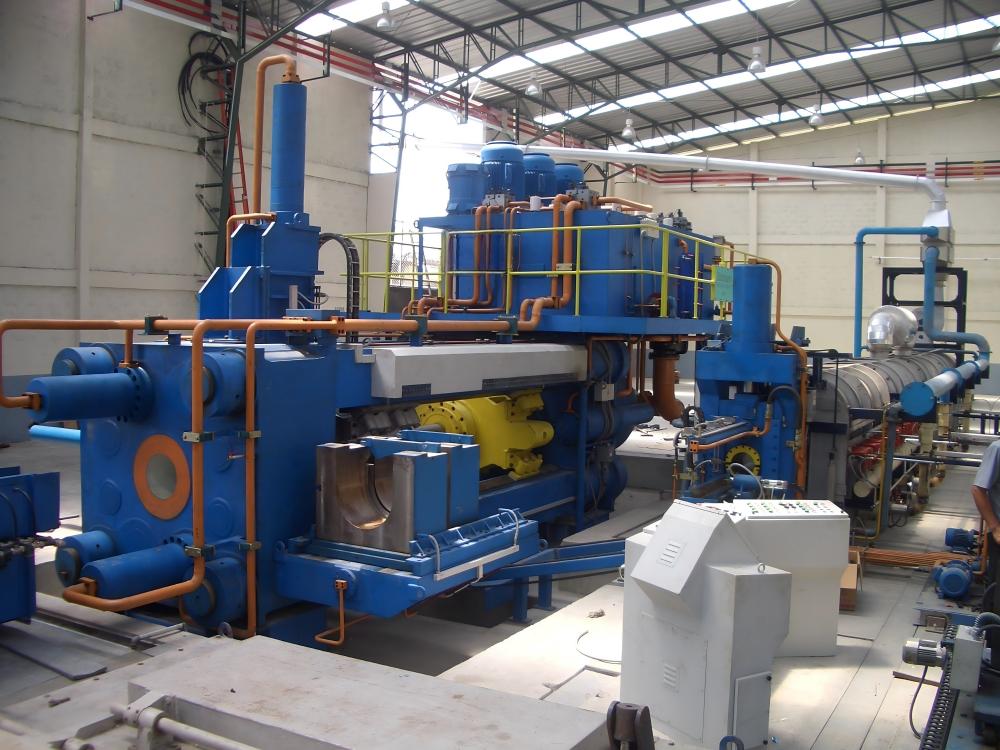
A successful lubrication plan for an aluminium extrusion press requires a multi-faceted approach, utilizing different types of lubricants for specific applications. For the main hydraulic system, a high-quality anti-wear (AW) hydraulic oil with a high viscosity index is typically used. This ensures the oil remains thick enough to protect parts at high temperatures while remaining fluid enough for cold starts. For the mechanical sliding surfaces, such as the container ways and die slide, a heavy-duty grease containing solid lubricants like molybdenum disulfide (MoS2) or graphite is often preferred. These solids provide a “dry” lubricating layer that can withstand the extreme pressures and temperatures where liquid oils might fail.
The frequency of lubrication is just as important as the type of lubricant used. Automated lubrication systems are highly recommended for extrusion presses because they deliver small, precise amounts of grease at frequent intervals. This “micro-dosing” ensures that the friction surfaces are always covered by a fresh film of lubricant and helps to flush out any contaminants. If the press relies on manual lubrication, a strict schedule must be followed, with every grease nipple and oil point clearly labeled and logged in a maintenance database.
Specific components require specialized attention. The main ram, for example, should be lightly coated with a specific oil to prevent corrosion and reduce friction with the V-packings. However, excessive oil on the ram can attract dust, which then acts as an abrasive. The butt shear blade and the die face often require a release agent or a high-temperature lubricant to prevent the hot aluminium from sticking to the steel tools. These lubricants are usually applied via a spray system and must be compatible with the aluminium alloy being processed to avoid surface defects on the profiles.
Finally, the lubrication plan must include a strategy for lubricant storage and handling. Lubricants should be stored in a clean, climate-controlled environment to prevent contamination and degradation. Using dedicated transfer pumps and color-coded containers for different types of oil and grease prevents cross-contamination, which can lead to chemical reactions and system failure. Training staff on these Lubrication Best Practices Aluminium Extrusion Press Equipment ensures that the plan is executed correctly every day.
Troubleshooting Signals: Reading the Machine
An aluminium extrusion press will often “tell” the operator when something is wrong with its lubrication. One of the most common signals is unusual noise. A high-pitched whining or screaming from the hydraulic pumps often indicates cavitation, which can be caused by low oil levels, clogged suction filters, or air entering the system. Similarly, a grinding or squeaking sound from the guide rails suggests that the surfaces are dry and metal-on-metal contact is occurring. These sounds should never be ignored, as they represent active damage to the machine.
Vibration is another key indicator. If the main ram or the container moves with a jerky, “stick-slip” motion, it is a sign that the lubrication film has broken down. This can lead to poor surface finish on the extruded aluminium and put unnecessary stress on the hydraulic cylinders. Monitoring the vibration levels of the main motors and pumps can also reveal bearing wear or misalignment issues that are exacerbated by poor lubrication. Modern HARSLE presses can be equipped with vibration sensors that provide real-time data to the control system.
Changes in cycle time can also point to lubrication problems. If the press is taking longer to complete a cycle, it may be due to increased friction in the moving parts or a loss of efficiency in the hydraulic system. Operators should keep a log of average cycle times for different profiles and investigate any significant deviations. Additionally, if the “breakout pressure” (the pressure required to start the extrusion) increases unexpectedly, it could indicate that the billet or the container is not properly lubricated, or that there is excessive friction in the press structure.
Visual cues on the extruded product itself can also serve as troubleshooting signals. Streaks, scratches, or inconsistent dimensions in the aluminium profiles can often be traced back to issues with the die slide lubrication or container alignment. If the butt end of the billet is difficult to shear or leaves a messy residue, the shear lubrication system may be failing. By correlating product quality issues with machine performance, maintenance teams can more accurately pinpoint the root cause of the problem.
Maintenance Schedule Table
To maintain peak performance, follow this structured maintenance schedule for your aluminium extrusion press equipment.
| Frequency | Component | Action Required |
|---|---|---|
| Daily | Hydraulic Reservoir | Check oil level and temperature; inspect for leaks. |
| Daily | Guide Rails / Ways | Visual check for lubrication film and debris. |
| Weekly | Auto-Lube System | Verify pump operation and refill grease/oil reservoirs. |
| Weekly | Hydraulic Filters | Check pressure differential indicators. |
| Monthly | Hydraulic Oil | Take oil samples for laboratory analysis (cleanliness/viscosity). |
| Monthly | Tie Rods | Inspect for cracks and check nut tightness. |
| Quarterly | Heat Exchangers | Clean cooling coils and check water flow rates. |
| Annually | Main Cylinder | Full internal inspection and seal replacement if necessary. |
Frequently Asked Questions (FAQ)
1. What is the best type of oil for an aluminium extrusion press hydraulic system?
Most modern presses require a high-quality, mineral-based anti-wear (AW) hydraulic oil, typically ISO VG 46 or 68, depending on the ambient temperature of the facility. It is crucial to use an oil with a high viscosity index to ensure stability across the wide range of operating temperatures encountered in extrusion.
2. How often should I change the hydraulic oil?
Rather than changing oil on a fixed time schedule, it is better to change it based on the results of oil analysis. If the oil is kept clean (filtered to ISO 16/14/11) and the additive package remains intact, it can last for several years. However, if analysis shows oxidation or high water content, it should be replaced immediately.
3. Can I use standard automotive grease for the guide rails?
No. Standard automotive grease often lacks the high-temperature stability and extreme-pressure (EP) additives required for an extrusion press. You should use a specialized industrial grease, often containing molybdenum disulfide or graphite, designed to withstand temperatures above 200°C on the sliding surfaces.
4. Why is my press making a loud banging noise during the decompression cycle?
Banging during decompression often indicates an issue with the hydraulic valves or air trapped in the system. It can also be caused by worn-out dampening components. Ensure that the decompression valves are properly lubricated and that the hydraulic oil is not foaming, which can be a sign of air leaks in the suction line.
5. How does proper lubrication affect the quality of the aluminium profiles?
Proper lubrication ensures smooth, consistent movement of the ram and container. This prevents pressure fluctuations that can cause variations in the wall thickness or surface finish of the profile. It also ensures that the die slide and other tooling are perfectly aligned, which is critical for maintaining tight tolerances.
6. Is an automated lubrication system worth the investment?
Absolutely. An automated system removes the risk of human error and ensures that critical components receive the exact amount of lubricant they need at the right time. This significantly reduces wear, lowers lubricant consumption, and allows maintenance staff to focus on more complex diagnostic tasks.


