Comprehensive Guide: How to Maintain Cooling Systems in Aluminium Extrusion Press Machinery

The Critical Role of Cooling Systems in Aluminium Extrusion
In the world of metal fabrication, the aluminium extrusion press is a powerhouse of force and heat. To maintain cooling systems in aluminium extrusion press machinery is not merely a suggestion; it is a fundamental requirement for operational safety and product quality. During the extrusion process, massive amounts of hydraulic energy are converted into heat. Simultaneously, the friction between the aluminium billet and the container, as well as the deformation of the metal through the die, generates temperatures often exceeding 450°C. Without a robust and well-maintained cooling system, this heat would quickly lead to catastrophic component failure.
The cooling system serves two primary purposes: protecting the hydraulic fluid and managing the temperature of the press components. Hydraulic oil has a specific operating window, usually between 40°C and 55°C. If the oil exceeds these temperatures, its viscosity drops, leading to poor lubrication, internal leakage, and accelerated wear on pumps and valves. Furthermore, the mechanical structures of the press, including the main cylinder and the container, require thermal management to prevent uneven expansion, which can lead to misalignment and poor extrusion tolerances.
Effective maintenance ensures that the heat exchangers, cooling towers, and circulation pumps operate at peak efficiency. A neglected cooling system often results in “thermal drifting,” where the press performance changes as the shift progresses and the machine heats up. By prioritizing the maintenance of these systems, fabricators can ensure consistent cycle times, reduce energy consumption, and significantly extend the mean time between failures (MTBF) for expensive hydraulic components.
HARSLE emphasizes that a proactive approach to cooling system health is the most cost-effective strategy for any extrusion plant. This guide provides a deep dive into the technical requirements and best practices for keeping your aluminium extrusion press running cool and efficient.
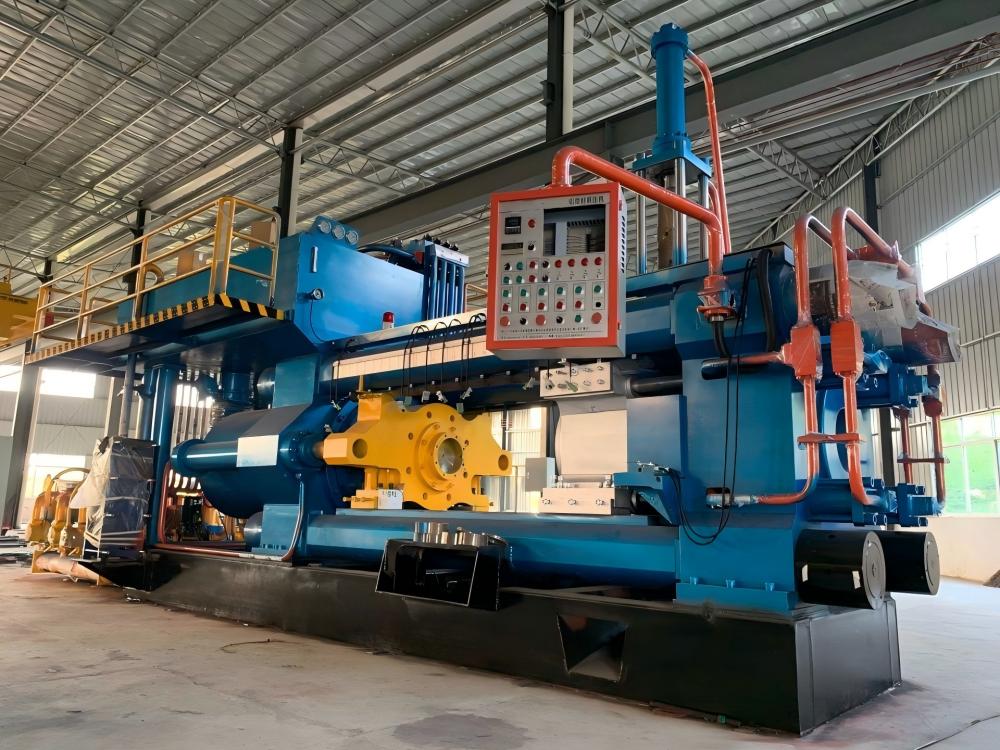
Importance of Thermal Stability in Extrusion Operations
Thermal stability is the cornerstone of precision in aluminium extrusion. When you maintain cooling systems in aluminium extrusion press machinery, you are essentially managing the dimensional integrity of the entire machine. Aluminium extrusion involves tight tolerances; even a few millimeters of thermal expansion in the press frame or the tie rods can result in eccentric profiles or wall thickness variations that fail quality control checks.
Beyond the machine itself, the hydraulic oil is the lifeblood of the press. High temperatures cause the oil to oxidize, forming sludge and varnish. These contaminants clog fine-tolerance servo valves and proportional valves, leading to erratic ram movement and jerky extrusion speeds. By keeping the oil cool, you preserve its chemical properties, ensuring that the additives designed to prevent foaming and corrosion remain effective over thousands of operating hours.
Energy efficiency is another major factor. A cooling system clogged with scale or debris requires the pumps to work harder to move the same volume of fluid, increasing electricity costs. Moreover, if the oil is too hot, the volumetric efficiency of the hydraulic pumps drops, meaning the motor must spin longer to achieve the same extrusion pressure. Maintaining the cooling system is, therefore, a direct investment in reducing the carbon footprint and operational costs of the facility.
Finally, there is the aspect of operator safety. Overheated hydraulic systems are prone to seal failures. A high-pressure oil leak near a hot billet or a gas-fired furnace creates a significant fire hazard. A well-maintained cooling system keeps the external surfaces of the hydraulic lines at safe temperatures and prevents the degradation of seals that could lead to dangerous leaks.
Daily Inspection Protocols for Cooling Systems
Daily inspections are the first line of defense against cooling system failure. The goal is to identify trends before they become critical issues. Operators should begin each shift by checking the primary temperature gauges on the hydraulic reservoir. If the temperature is climbing faster than usual during the startup phase, it indicates a potential blockage in the heat exchanger or a failing thermostatic valve.
Visual inspections of all cooling lines are essential. Look for signs of “sweating” or condensation, which might indicate a temperature differential that is too high, or conversely, look for leaks at joints and flanges. Even a small drip of cooling water can lead to corrosion of the press bed or electrical short circuits if it reaches the control cabinets. Check the water level in the cooling tower or the expansion tank; a sudden drop in level suggests a leak in the underground piping or a ruptured tube within the heat exchanger.
Listen for unusual noises coming from the circulation pumps. A high-pitched whine or a “marbles in a blender” sound usually indicates cavitation, which occurs when the pump isn’t receiving enough water or when there is air in the system. Cavitation can destroy a pump impeller in a matter of days. Additionally, check the clarity of the cooling water. If the water appears murky or discolored, it may be time to check the filtration system or adjust the chemical treatment levels to prevent algae growth and scale buildup.
Lastly, verify the operation of the cooling fans on the heat exchangers or cooling towers. Ensure that there are no obstructions, such as plastic wrap or dust buildup, blocking the airflow. In many industrial environments, airborne debris can quickly coat the fins of an air-cooled heat exchanger, drastically reducing its ability to shed heat. A quick daily wipe-down or air-blast can prevent this accumulation.
Hydraulic Cooling System Maintenance
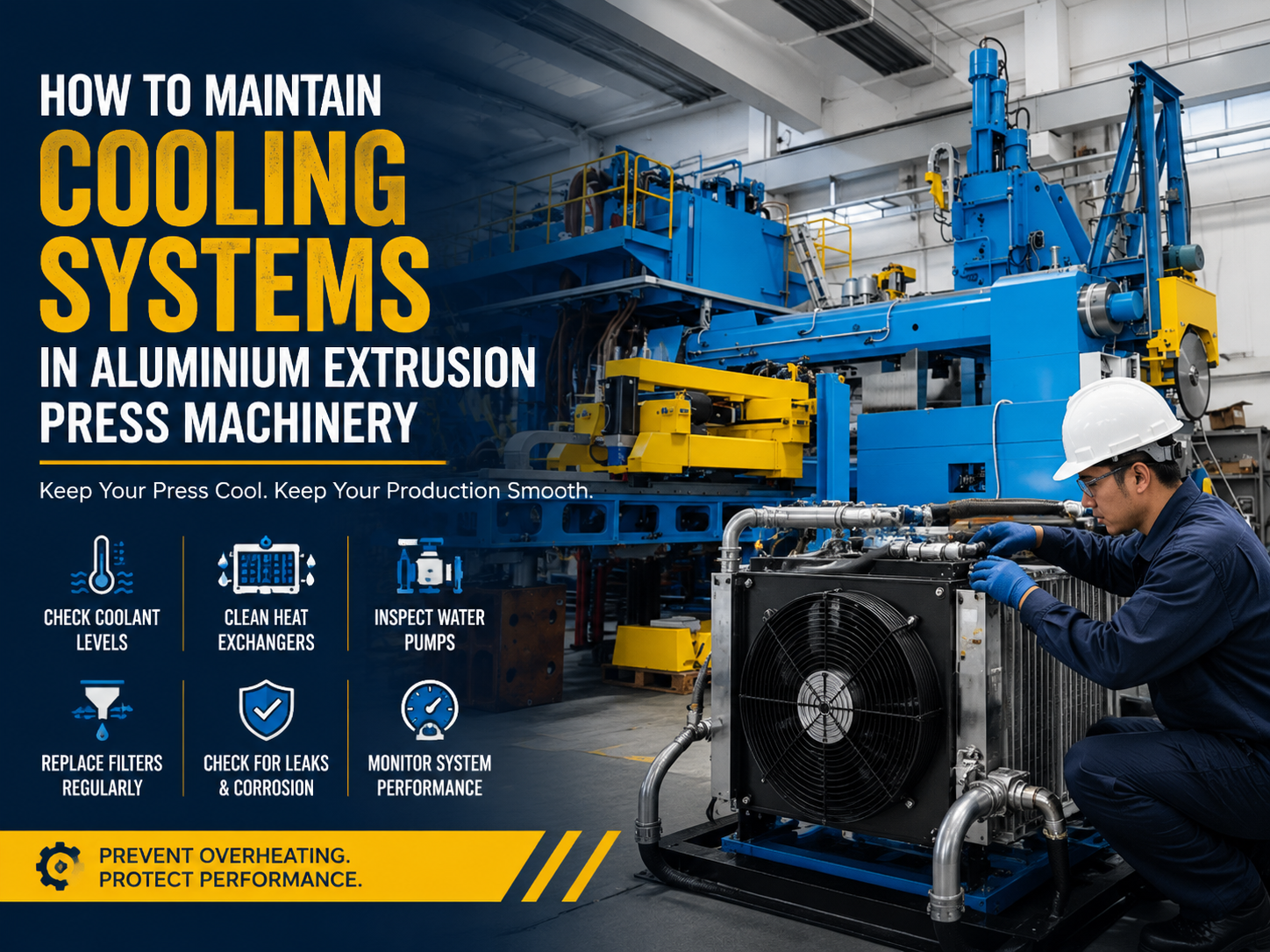
The hydraulic cooling circuit is typically the most critical component to monitor. Most aluminium extrusion presses use either shell-and-tube or plate-and-frame heat exchangers. To maintain cooling systems in aluminium extrusion press machinery, these exchangers must be kept free of internal fouling. Over time, minerals in the cooling water (such as calcium and magnesium) precipitate out and form a hard scale on the heat transfer surfaces, acting as an insulator and reducing efficiency.
For shell-and-tube exchangers, periodic “rodding out” of the tubes may be necessary to remove physical blockages. For plate heat exchangers, the plates may need to be disassembled and cleaned with specific descaling agents. It is vital to use chemicals that are compatible with the plate material (usually stainless steel or titanium) and the gasket material (NBR or EPDM). Always flush the system thoroughly after chemical cleaning to prevent residual acids from corroding the system.
Monitoring the pressure differential across the heat exchanger is a professional way to gauge its condition. If the pressure drop between the inlet and outlet increases significantly, it is a clear sign of clogging. Furthermore, the thermostatic bypass valve—which allows oil to bypass the cooler when it is cold—must be tested. If this valve sticks in the open position, the oil will never reach its optimal operating temperature, leading to increased wear due to high viscosity.
Oil analysis is a secondary but vital part of cooling maintenance. By analyzing the oil for oxidation products, you can determine if the cooling system has failed to protect the oil in the past. If the oil shows signs of thermal degradation, the cooling system’s capacity should be re-evaluated, especially if the press has been upgraded or is being run at higher cycle speeds than originally intended.
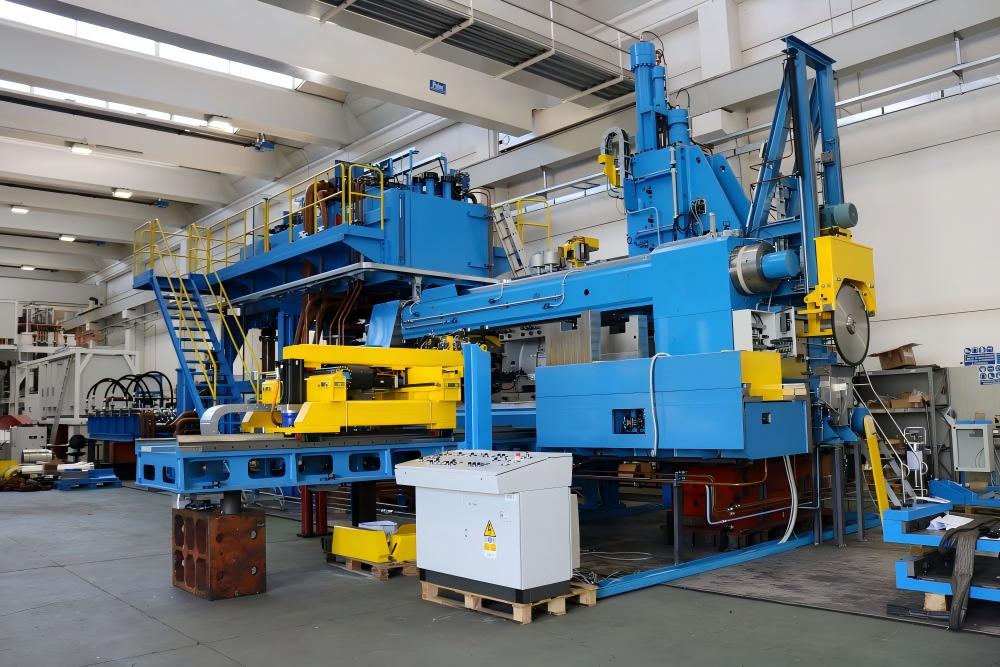
Electrical and Control System Cooling
While the hydraulic system handles the bulk of the heat, the electrical control systems are equally sensitive to temperature. Modern extrusion presses rely on Variable Frequency Drives (VFDs), PLCs, and sensitive electronic sensors. These components generate their own heat and are often housed in sealed cabinets to protect them from the dusty environment of a metal fabrication shop.
Maintenance of the cabinet cooling units—whether they are simple filter fans or dedicated air conditioning units—is paramount. Filters should be cleaned or replaced weekly. If a filter is clogged, the internal temperature of the cabinet can rise rapidly, leading to “nuisance trips” or the premature failure of electronic components. Heat sinks on VFDs should be checked for dust accumulation; a layer of dust can cause a drive to overheat and shut down the entire press mid-cycle.
Ensure that the seals on the electrical cabinets are intact. If the cooling system is working but the seals are broken, hot, humid, and dusty air from the factory floor will be drawn into the cabinet, neutralizing the cooling effect and introducing contaminants. In high-humidity environments, check the condensate drains on cabinet air conditioners to ensure they are not blocked, as water dripping onto live electrical components can be disastrous.
It is also wise to use infrared thermography during routine maintenance. An IR camera can quickly identify “hot spots” in the electrical cabinet, such as a loose wire connection or an overloaded circuit breaker, before they cause a fire or a system failure. This predictive maintenance technique complements the physical cooling system by identifying heat sources that the cooling system might be struggling to manage.
Mechanical Cooling and Quench Systems
In aluminium extrusion, the cooling doesn’t stop at the press; the extruded profile itself must be cooled as it exits the die. This is known as the quench system. Maintaining the quench system is vital for achieving the desired metallurgical properties (T5 or T6 tempers) of the aluminium. The quench can involve air fans, water sprays, or water baths.
For water quench systems, the nozzles are the primary maintenance focus. They can become clogged with scale or debris, leading to uneven cooling of the profile. Uneven cooling causes the aluminium to warp or twist, resulting in scrap. Nozzles should be checked daily for a consistent spray pattern and cleaned or replaced as needed. The pumps supplying the quench water require the same level of care as the hydraulic cooling pumps, including checking for seal leaks and bearing lubrication.
Air quench systems rely on high-velocity fans. The maintenance here involves checking the fan blades for balance and cleanliness. A buildup of dust on the blades can cause vibration, which leads to bearing failure. The ductwork should also be inspected for leaks, as a loss of air pressure will reduce the cooling rate of the profile, potentially affecting its hardness and strength.
The water used in quench systems often becomes contaminated with aluminium fines and lubricants from the die. A dedicated filtration and settlement system is necessary to keep this water clean. Without proper filtration, the recirculated water will act like an abrasive, wearing down the nozzles and the pump internals. Regularly cleaning the settlement tanks and replacing filter media is a critical task in the broader scope of maintaining cooling systems in aluminium extrusion press machinery.
Comprehensive Lubrication Plan for Cooling Components
A cooling system is only as good as the mechanical components that drive it. Circulation pumps and cooling tower fans require a strict lubrication schedule to prevent friction-induced heat and mechanical failure. Most industrial pumps use grease-lubricated ball or roller bearings. Over-lubrication is just as dangerous as under-lubrication, as excess grease can cause the bearings to churn and overheat, leading to seal failure.
Use a high-quality, water-resistant lithium-complex grease for most cooling system applications. The frequency of lubrication depends on the operating environment; in the hot, humid conditions near an extrusion press, monthly lubrication is often required. Always clean the grease fittings before applying new grease to prevent pushing dirt into the bearing housing.
For cooling tower fans, the gearboxes require regular oil level checks and annual oil changes. The harsh outdoor environment subjects these gearboxes to moisture and temperature extremes. Use synthetic gear oils if recommended by the manufacturer, as they provide better stability across a wide temperature range. Additionally, check the drive belts for proper tension and signs of wear. A slipping belt reduces fan speed and cooling efficiency while generating its own heat through friction.
Keep a detailed log of all lubrication activities. This log should include the date, the type of lubricant used, and the amount applied. This data is invaluable for troubleshooting; for example, if a pump bearing fails prematurely, the log can help determine if it was due to a missed lubrication cycle or an incorrect lubricant type.
Troubleshooting Signals: When the Cooling System Fails
Recognizing the early warning signs of cooling system distress can save a facility thousands of dollars in repairs. One of the most common signals is a gradual increase in the baseline operating temperature of the hydraulic oil. If the oil is consistently 5°C hotter than it was the previous month under similar ambient conditions, the cooling system is losing efficiency, likely due to fouling.
Another signal is the presence of foam in the hydraulic reservoir. While foaming can be caused by oil contamination, it is often a sign of air being sucked into the cooling line on the suction side of the pump. This air reduces the heat transfer capability of the oil and causes cavitation. Similarly, if you notice the cooling water turning a milky color, it may indicate a leak in the heat exchanger where hydraulic oil is crossing over into the water circuit.
Listen for “water hammer”—a loud banging noise in the pipes. This usually indicates sudden changes in flow or air pockets in the system, which can stress joints and lead to catastrophic pipe failure. Furthermore, if the press’s cycle time begins to slow down, it may be because the PLC is automatically throttling the speed to prevent the oil from overheating, a feature found in many modern HARSLE presses.
Finally, pay attention to the smell. Overheated hydraulic oil has a distinct, burnt odor. If you smell this near the reservoir, the oil has already begun to break down, and the cooling system has failed its primary mission. Immediate action is required to flush the system, replace the oil, and repair the cooling deficiency.
Maintenance Schedule Table
| Frequency | Component | Action Required |
|---|---|---|
| Daily | Hydraulic Reservoir | Check temperature and oil level; inspect for foam. |
| Daily | Cooling Tower / Fans | Visual check for obstructions and unusual noise. |
| Weekly | Electrical Cabinet Filters | Clean or replace air filters; check fan operation. |
| Weekly | Quench Nozzles | Inspect spray pattern; clean any clogged orifices. |
| Monthly | Pump Bearings | Lubricate according to manufacturer specifications. |
| Monthly | Heat Exchanger | Check pressure differential; inspect for external leaks. |
| Quarterly | Cooling Water Quality | Test pH, hardness, and biological growth; adjust treatment. |
| Annually | System Flush | Deep clean heat exchangers; change gearbox oils. |
Frequently Asked Questions (FAQ)
1. What is the ideal temperature for hydraulic oil in an extrusion press?
The ideal operating temperature for most hydraulic systems in aluminium extrusion is between 45°C and 50°C. Temperatures above 60°C significantly accelerate oil oxidation and seal degradation, while temperatures below 35°C may result in oil that is too viscous for efficient operation.
2. How often should I clean my plate heat exchanger?
This depends heavily on your water quality. In systems with hard water, cleaning may be required every 6 months. If you use a closed-loop system with treated deionized water, you may only need to clean it every 2 years. Monitoring the pressure drop across the exchanger is the best way to determine the specific needs of your machine.
3. Can I use tap water for my cooling system?
While tap water is often used, it is not recommended without treatment. Tap water contains minerals and chlorine that can cause scaling and corrosion. A closed-loop system with a mixture of distilled water and corrosion inhibitors is the professional standard for maintaining cooling systems in aluminium extrusion press machinery.
4. Why is my press slowing down when it gets hot?
Most modern control systems have a thermal protection mode. When the hydraulic oil exceeds a pre-set limit, the PLC reduces the pump displacement or cycle speed to generate less heat. This is a safety feature to prevent damage, but it indicates that your cooling system is inadequate or failing.
5. What are the signs of a failing cooling pump?
Common signs include increased vibration, high-pitched whining (cavitation), leaking mechanical seals, and a noticeable drop in water flow or pressure. Regular vibration analysis can help detect bearing failure before the pump seizes.