
Comprehensive Aluminium Extrusion Press Maintenance Schedule for Plant Managers

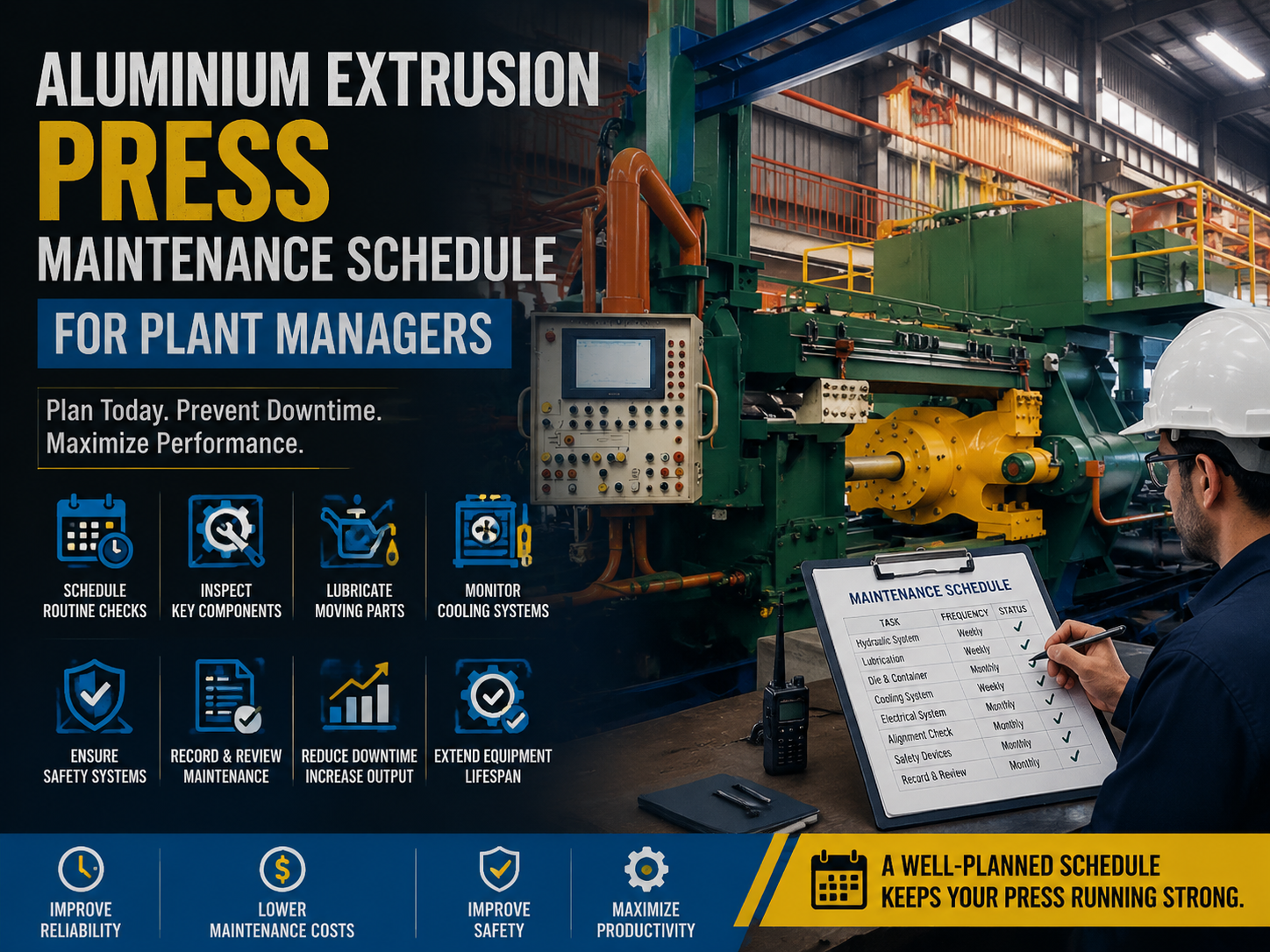
The Critical Role of Maintenance in Aluminium Extrusion
For plant managers overseeing high-output facilities, the aluminium extrusion press is the heartbeat of production. A well-maintained press ensures dimensional accuracy, surface finish quality, and, most importantly, operational safety. However, the harsh environment of an extrusion plant—characterized by extreme heat, high pressures, and continuous cycling—places immense stress on every component. Implementing a rigorous Aluminium Extrusion Press Maintenance Schedule for Plant Managers is not merely a recommendation; it is a financial necessity to prevent catastrophic failures and unplanned downtime.
Effective maintenance goes beyond simple repairs. It involves a proactive strategy that combines preventative, predictive, and corrective measures. When a HARSLE aluminium extrusion press is maintained according to professional standards, its service life can extend by decades, providing a much higher return on investment (ROI). Plant managers must balance production targets with the technical requirements of the machinery, ensuring that the maintenance team has the resources and time needed to perform thorough inspections.
Neglecting maintenance leads to a cascade of issues. Minor hydraulic leaks can evolve into significant fluid loss and fire hazards. Misalignment in the press structure can result in uneven wall thickness in profiles, leading to high scrap rates. By following a structured maintenance schedule, managers can identify these issues in their infancy. This guide provides a comprehensive framework for maintaining aluminium extrusion presses, covering everything from daily walk-throughs to annual overhauls.
In the modern manufacturing landscape, data-driven maintenance is also becoming vital. Many HARSLE machines now integrate sensors that provide real-time feedback on temperature, pressure, and cycle times. Integrating this data into your maintenance schedule allows for a more sophisticated approach, where components are serviced based on actual wear rather than just elapsed time. This article will detail the traditional and advanced methods required to keep your extrusion line running at peak efficiency.
Daily Inspection: The First Line of Defense
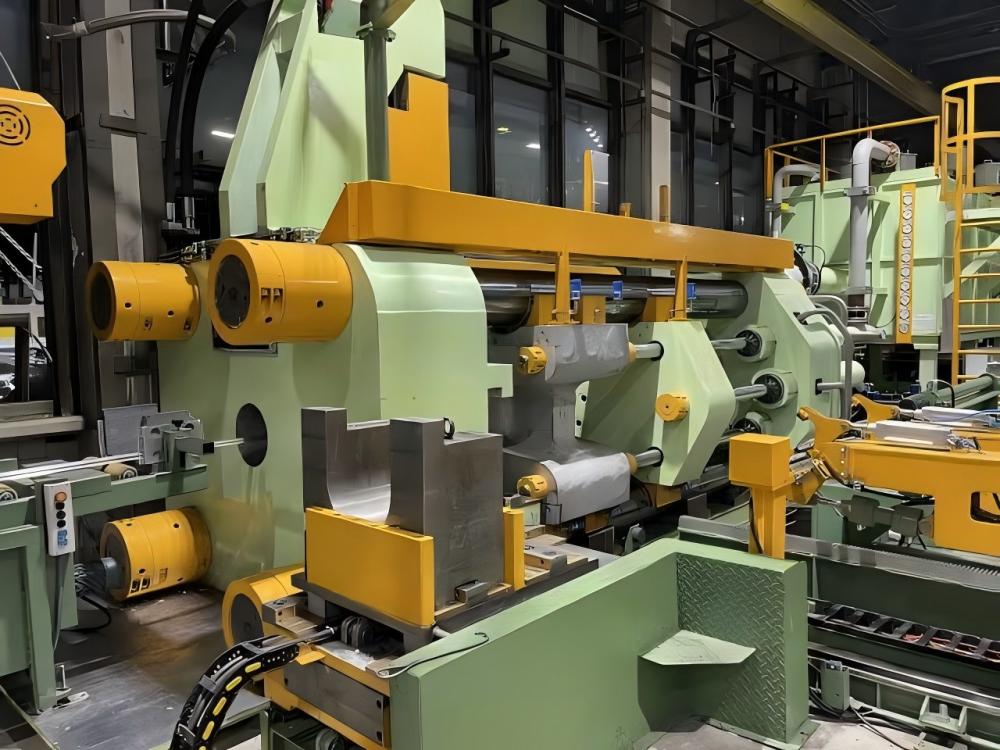
The daily inspection is the most critical part of the Aluminium Extrusion Press Maintenance Schedule for Plant Managers. It should be performed at the start of every shift by the operator or a dedicated maintenance technician. The goal is to identify obvious signs of wear or malfunction before they escalate during production. This “walk-around” inspection should be documented in a logbook to track recurring issues.
Key daily checks include monitoring the hydraulic fluid levels and temperatures. Hydraulic oil is the lifeblood of the press; if the level is low, it may indicate a leak that needs immediate attention. If the temperature is too high, the cooling system may be failing, which can lead to rapid degradation of seals and valves. Operators should also listen for unusual noises, such as cavitation in the pumps or banging in the piping, which often signal air ingestion or mechanical looseness.
Safety systems must be tested daily without exception. This includes emergency stop buttons, light curtains, and interlock switches on the safety gates. A failure in any of these systems should result in an immediate halt to operations until the fault is rectified. Furthermore, the cleanliness of the press area is vital. Accumulations of aluminium dust, scale, and excess grease can hide leaks and create slip hazards or fire risks.
Finally, the daily check should include a visual inspection of the extrusion tools—the die, the container, and the stem. Check for any signs of cracking or excessive wear. Ensure that the container heating system is functioning correctly and reaching the required setpoints. Proper pre-heating is essential to prevent thermal shock and ensure the flow characteristics of the aluminium billet are consistent.
Hydraulic System Maintenance and Oil Health
The hydraulic system of an aluminium extrusion press is a complex network of pumps, valves, cylinders, and accumulators operating under extreme pressure. Maintaining the integrity of this system is paramount. The primary enemy of any hydraulic system is contamination. Microscopic particles can score valve seats, damage pump vanes, and cause internal leakage that reduces the press’s tonnage and speed.
Plant managers should implement a regular oil analysis program. Every three to six months, a sample of the hydraulic fluid should be sent to a laboratory to check for viscosity changes, oxidation, and particle counts (ISO 4406 standards). Based on these results, the oil may need to be filtered (kidney-loop filtration) or replaced entirely. Simply changing filters is not enough if the oil itself has broken down chemically due to heat.
Leaks are another major concern. Even a small “weep” can lead to significant oil loss over time and create a messy, dangerous work environment. All fittings and hoses should be inspected for signs of abrasion or bulging. High-pressure hoses have a finite lifespan and should be replaced proactively every few years, regardless of their outward appearance, to prevent sudden bursts that could cause injury or fire.
The hydraulic accumulators, which store energy for rapid movements, require periodic nitrogen pre-charge checks. If the pre-charge is too low, the pumps will work harder, leading to increased energy consumption and heat generation. Conversely, if it is too high, the system may experience violent pressure spikes. Maintaining the correct balance is essential for the smooth operation of the main ram and auxiliary cylinders.
Electrical and Control System Integrity
Modern aluminium extrusion presses rely heavily on sophisticated electrical components and PLC (Programmable Logic Controller) systems. The electrical cabinet should be kept clean and cool. Dust accumulation on circuit boards can lead to overheating and short circuits. Plant managers should ensure that the cabinet cooling fans and filters are checked and cleaned monthly.
Vibration is a constant factor in extrusion plants, and it can cause electrical connections to loosen over time. During scheduled shutdowns, technicians should use infrared thermography to scan the electrical panels. “Hot spots” often indicate loose connections or failing components that are not yet visible to the naked eye. Tightening terminal blocks and ensuring that wire insulation is not brittle or cracked are essential preventative steps.
The sensors and transducers that provide feedback to the PLC—such as linear scales for ram position and pressure transducers for tonnage—must be calibrated regularly. If a sensor is out of calibration, the press may not reach its full pressure, or it may over-travel, causing mechanical damage. Ensuring the accuracy of these components is vital for maintaining the tight tolerances required in high-end aluminium profiles.
Software backups are another often-overlooked aspect of electrical maintenance. Plant managers should ensure that the latest PLC and HMI (Human Machine Interface) programs are backed up on secure external drives. In the event of a lightning strike or hardware failure, having a current backup can mean the difference between a few hours of downtime and several days of re-programming.
Mechanical Components and Structural Alignment
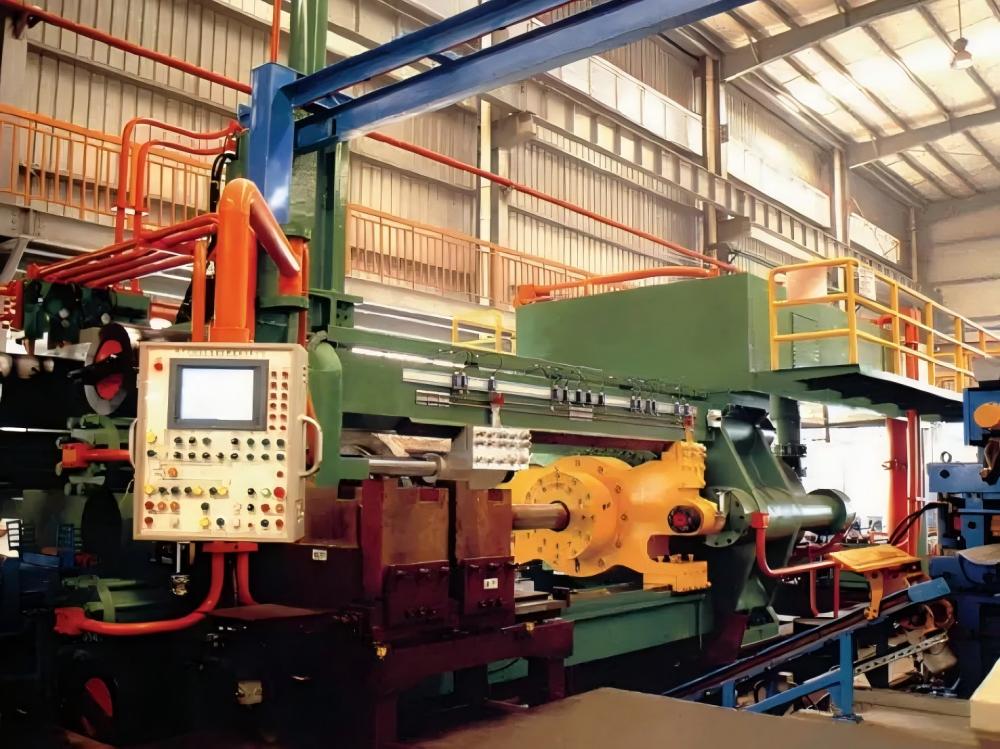
The mechanical structure of the press—the platen, the tie-rods, and the main cylinder—must withstand millions of pounds of force. Over time, the constant cycling can lead to structural fatigue or misalignment. One of the most critical mechanical checks in the Aluminium Extrusion Press Maintenance Schedule for Plant Managers is the alignment of the press centerline. The stem, container, and die must be perfectly aligned to ensure the billet is extruded evenly.
Misalignment causes uneven wear on the container liner and the extrusion stem. It can also lead to “bananaing” of the profiles, where the extruded aluminium curves as it exits the die. Using laser alignment tools annually is the best way to ensure the press remains true. Additionally, the tie-rod nuts should be checked for tightness. If one tie-rod is looser than the others, the press frame will flex unevenly, potentially leading to cracked platens or broken tie-rods.
The shear blade, which cuts the butt end of the billet after extrusion, requires frequent attention. A dull or misaligned shear blade will not cut cleanly, leading to “smearing” of the aluminium and potential contamination of the next billet. The shear guides should be lubricated, and the blade should be sharpened or replaced as soon as the cut quality begins to degrade.
Wear plates and guide rails for the moving crosshead and the container housing must also be inspected. These components are designed to be sacrificial, protecting the main frame of the press. If the wear plates become too thin, the moving parts of the press will begin to wobble, leading to precision issues. Replacing wear plates is a standard part of a major annual maintenance overhaul.
Lubrication Plan: Reducing Friction and Wear
Lubrication is the simplest yet most frequently botched aspect of machine maintenance. For an aluminium extrusion press, the lubrication requirements are diverse, ranging from high-temperature greases for the container area to standard oils for the guide rails. A detailed lubrication map should be created, identifying every grease nipple and oil reservoir on the machine.
The container and die slide operate at temperatures exceeding 400°C. Standard greases will simply melt and run off at these temperatures. Specialized high-temperature, molybdenum-disulfide, or graphite-based lubricants must be used. These lubricants provide a dry film that prevents galling and seizing of the heavy metal components. Over-lubrication can be just as bad as under-lubrication, as excess grease can attract contaminants and create a thick, abrasive paste.
Automatic lubrication systems are common on HARSLE presses. These systems must be monitored to ensure they are actually delivering grease to the points. A blocked line in an automatic system can go unnoticed for weeks, leading to the failure of a bearing or guide rail. Technicians should manually verify that grease is reaching the furthest points of the system during their weekly checks.
The type of lubricant used should never be mixed without consulting the manufacturer. Different soap bases in greases can react with each other, causing the lubricant to harden or lose its lubricating properties. Plant managers should maintain a strict inventory of approved lubricants and ensure that the maintenance team is trained on the specific requirements of each section of the press.
Troubleshooting Signals: What to Watch For
Experienced plant managers and operators develop an intuition for their machinery, but it is better to rely on a systematic approach to troubleshooting. Certain “signals” indicate that the press is deviating from its optimal state. For example, an increase in cycle time—even by just a few seconds—can indicate a loss of hydraulic efficiency or a slow-acting valve. Over a shift, these seconds add up to significant lost production.
Vibration is another key indicator. If the press begins to vibrate excessively during the extrusion stroke, it may indicate that the main pump is failing or that there is air trapped in the main cylinder. Thermal imaging can also be used as a troubleshooting tool for mechanical parts. If a bearing housing is significantly hotter than the surrounding metal, it is likely failing due to lack of lubrication or internal damage.
The quality of the extruded profile is often the first indicator of a press problem. If the surface finish becomes rough (pick-up), it may indicate that the container temperature is inconsistent or that the die is not being supported correctly. If the dimensions of the profile are drifting, it points toward alignment issues or wear in the container liner. By correlating product defects with machine behavior, managers can pinpoint the root cause of issues more quickly.
Finally, keep an eye on energy consumption. A sudden spike in the electricity bill for the extrusion line often indicates that the hydraulic pumps are working harder than necessary to overcome internal leaks or friction. Monitoring the kilowatt-hours per ton of aluminium extruded is an excellent high-level metric for machine health.
Detailed Maintenance Schedule Table
The following table summarizes the Aluminium Extrusion Press Maintenance Schedule for Plant Managers. This should be adapted based on the specific model of your HARSLE press and your production intensity.
| Frequency | Component | Action Required |
|---|---|---|
| Daily | Hydraulic System | Check oil level, temperature, and look for visible leaks. |
| Daily | Safety Systems | Test E-stops, light curtains, and door interlocks. |
| Daily | Tooling | Inspect die, container, and stem for cracks or debris. |
| Weekly | Lubrication | Verify automatic grease system levels and manual points. |
| Weekly | Filters | Check hydraulic filter indicators; replace if necessary. |
| Monthly | Electrical Cabinet | Clean filters, check cooling fans, and vacuum dust. |
| Monthly | Shear System | Check blade sharpness and guide alignment. |
| Quarterly | Oil Analysis | Send hydraulic oil sample for lab testing (ISO 4406). |
| Quarterly | Accumulators | Check nitrogen pre-charge levels and adjust. |
| Semi-Annually | Alignment | Perform laser alignment of stem, container, and platen. |
| Annually | Structural | Ultrasonic testing of tie-rods and main cylinder for fatigue. |
| Annually | Heat Exchanger | Clean and descale the hydraulic cooling system. |
Frequently Asked Questions (FAQ)
1. How often should hydraulic oil be completely replaced?
There is no fixed timeframe for oil replacement. It depends entirely on the results of your oil analysis. If the oil is kept clean (filtered to ISO 16/14/11 or better) and the temperature is controlled, it can last for several years. However, if the analysis shows high oxidation or depletion of additives, it must be changed immediately to protect the pumps.
2. What is the most common cause of press misalignment?
The most common cause is uneven thermal expansion or loose tie-rod nuts. If the press is not allowed to reach a stable operating temperature before full-load production begins, the components may expand unevenly. Over time, the vibration of the extrusion cycle can also cause the heavy nuts securing the frame to back off slightly.
3. Can we perform maintenance while the press is hot?
Some inspections must be done while the press is at operating temperature (like checking for thermal expansion issues), but most mechanical and hydraulic work should be done when the press is cool for safety. Always follow LOTO (Lock-Out, Tag-Out) procedures and use heat-resistant PPE if working near the container or die slide.
4. Why is the press losing tonnage during the stroke?
Loss of tonnage usually indicates internal leakage. This could be in the main cylinder seals, a bypass in a high-pressure relief valve, or a failing hydraulic pump. Check the pressure gauges; if the pump is reaching its set pressure but the ram isn’t moving with force, the leak is likely in the cylinder seals.
5. How do I know if my shear blade needs sharpening?
Look at the “butt” (the scrap end of the billet). If the cut is jagged, or if there is a large “lip” of aluminium left on the die face, the blade is dull or the clearance between the blade and the die is too large. A clean, flat cut is essential for high-quality extrusion.
6. What are the benefits of predictive maintenance for extrusion presses?
Predictive maintenance uses sensors to detect early signs of failure. For example, vibration analysis on a pump can predict a bearing failure weeks before it happens. This allows plant managers to schedule the repair during a planned weekend shutdown rather than suffering an expensive breakdown during a peak production run.


