Common Mistakes In Aluminium Extrusion Press Maintenance Avoid Them: A Comprehensive Guide

The Critical Role of Maintenance in Aluminium Extrusion
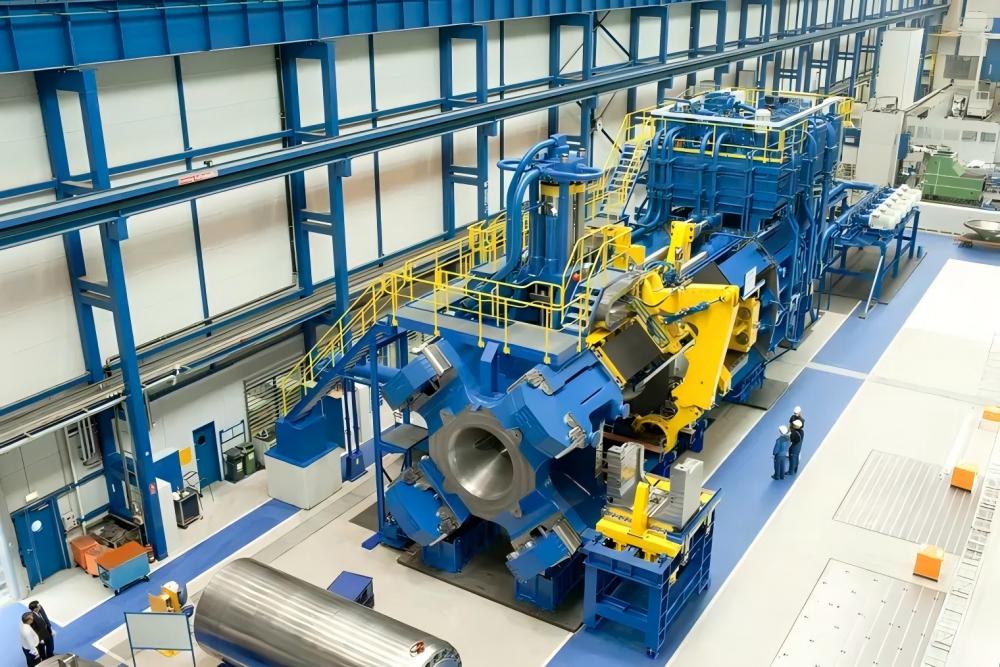
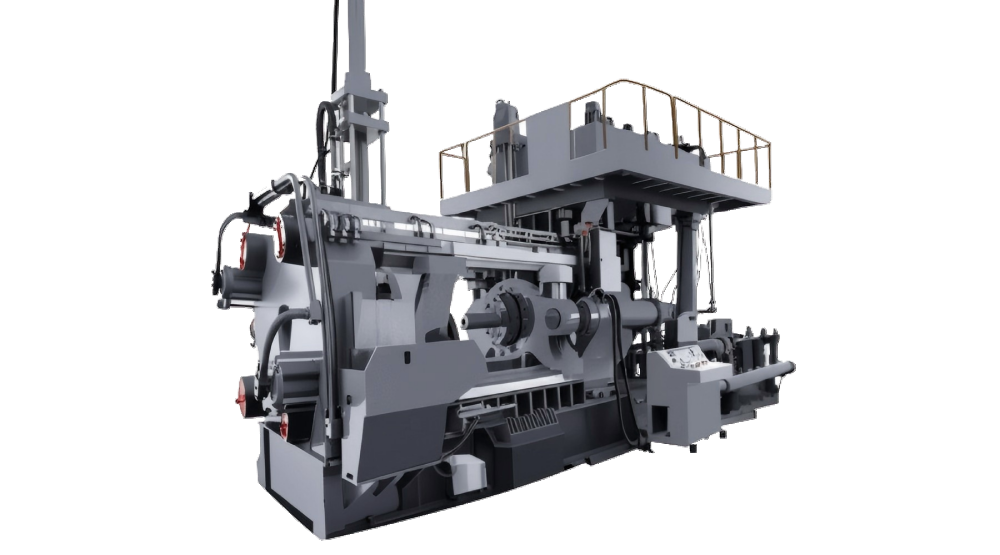
In the high-stakes world of metal fabrication, the aluminium extrusion press stands as a cornerstone of production. These massive machines exert thousands of tons of pressure to transform raw billets into intricate profiles used in everything from aerospace components to window frames. However, the sheer power and complexity of these systems mean that maintenance is not just a suggestion—it is a survival requirement for any manufacturing facility. When maintenance is neglected or performed incorrectly, the consequences range from minor downtime to catastrophic structural failure.
Effective maintenance ensures that the press operates within its designed tolerances, maintaining the precision required for high-quality aluminium profiles. Without a rigorous upkeep schedule, components like the main cylinder, tie rods, and hydraulic pumps begin to wear unevenly. This leads to a phenomenon known as ‘press drift,’ where the alignment of the stem and the container becomes compromised, resulting in wall thickness variations and surface defects in the finished product. For companies like HARSLE, providing robust machinery is only half the battle; the other half is ensuring operators understand the nuances of long-term care.
Furthermore, the economic impact of poor maintenance cannot be overstated. An unplanned stoppage on a 2500-ton extrusion line can cost thousands of dollars per hour in lost production and wasted energy. By focusing on the Common Mistakes In Aluminium Extrusion Press Maintenance Avoid Them, facility managers can transition from a reactive ‘firefighting’ culture to a proactive ‘preventative’ strategy. This guide delves deep into the pitfalls of extrusion press care and provides actionable solutions to keep your machinery running at peak performance.
Common Mistakes In Aluminium Extrusion Press Maintenance Avoid Them
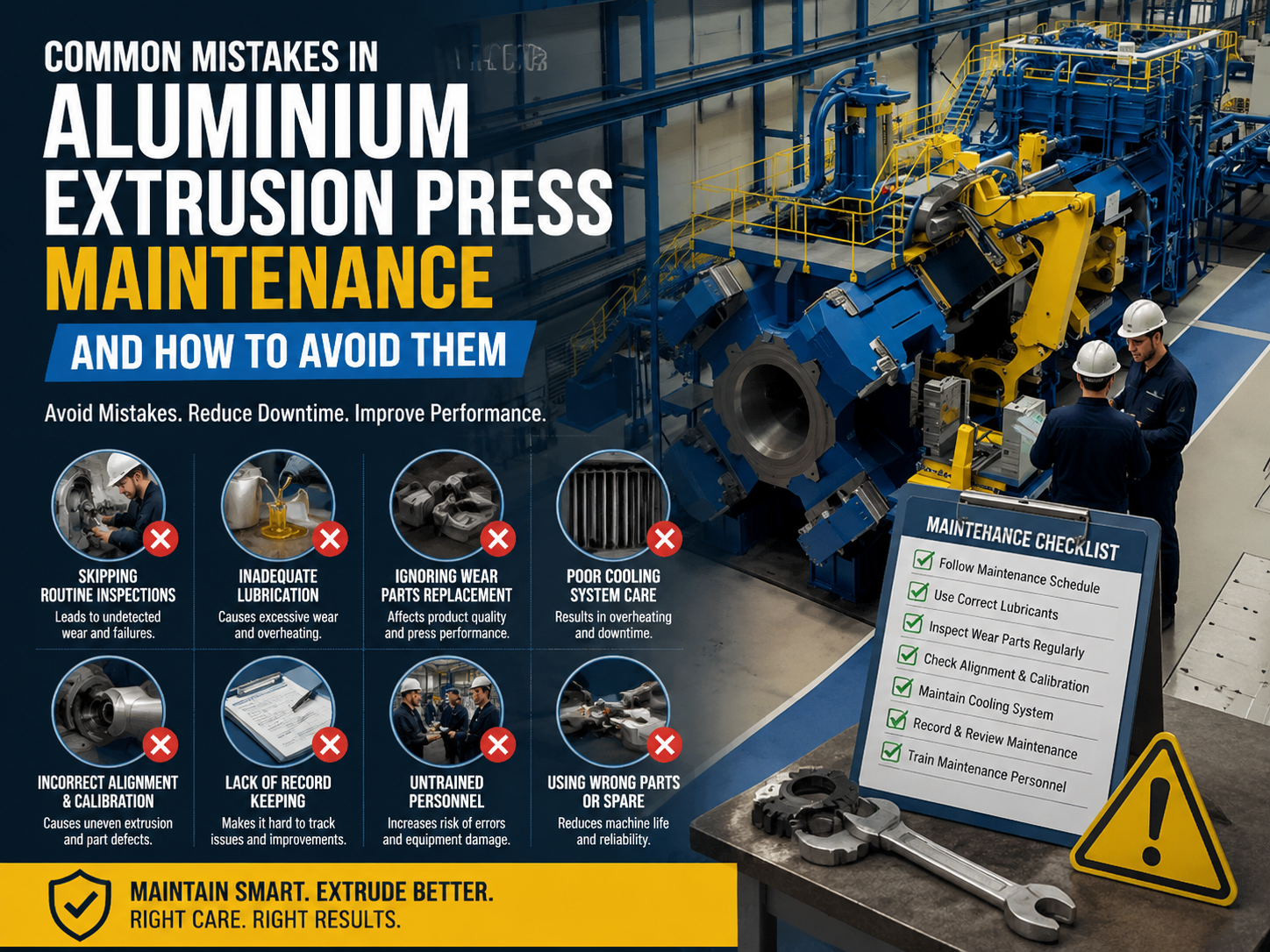
One of the most frequent errors in industrial settings is the ‘if it isn’t broken, don’t fix it’ mentality. In the context of an aluminium extrusion press, this approach is dangerous. Reactive maintenance often ignores the subtle warning signs of impending failure, such as micro-vibrations or slight increases in hydraulic fluid temperature. By the time a component actually breaks, it has likely caused secondary damage to surrounding systems. Avoiding this mistake requires a shift toward scheduled inspections based on cycle counts rather than just calendar days.
Another common mistake is the improper handling of hydraulic fluid. Many operators assume that as long as the oil level is high, the system is healthy. However, hydraulic oil in an extrusion press is subject to extreme thermal stress and contamination. Neglecting to perform regular oil analysis is a recipe for disaster. Contaminants like moisture, metal shavings, and varnish can erode valve seats and damage expensive piston pumps. To avoid this, implement a strict fluid management program that includes high-efficiency filtration and quarterly laboratory testing.
Misalignment is a silent killer of extrusion presses. Over time, the constant thermal expansion and contraction of the press frame can cause the container and the die slide to shift out of true. Many maintenance teams fail to check the ‘plumb and level’ of the press regularly. When the stem enters the container at even a slight angle, it creates excessive wear on the dummy block and the container liner. This not only ruins the tooling but can also lead to cracked tie rods due to uneven loading. Regular laser alignment checks are the best way to avoid this costly error.
Finally, a lack of documentation is a major hurdle in effective maintenance. When repairs are made without being logged, it becomes impossible to track the mean time between failures (MTBF) for specific parts. This lack of data prevents the maintenance team from identifying recurring issues that might stem from a deeper systemic problem. Utilizing a Digital Maintenance Management System (CMMS) to track every bolt tightened and every filter changed is essential for modern extrusion operations.
Daily Inspection: The First Line of Defense
The daily inspection is the most basic yet most vital part of any maintenance routine. It should begin with a comprehensive visual walk-around before the first shift starts. Operators should look for signs of hydraulic leaks around the main cylinder and the auxiliary pumps. Even a small ‘weep’ can indicate a failing seal that could blow out under full extrusion pressure. Checking the floor for oil spots is a simple way to catch these issues early.
Beyond leaks, the daily check must include the monitoring of all pressure gauges and temperature sensors. The hydraulic oil temperature should remain within a specific range (usually 40°C to 55°C). If the oil is too cold, its viscosity will be too high, causing cavitation in the pumps; if it is too hot, the lubricity breaks down, leading to rapid component wear. Additionally, the billet heater and the die oven temperatures must be verified to ensure they are calibrated correctly, as improper billet temperature puts unnecessary strain on the press.
Mechanical components also require daily scrutiny. The shear blade should be inspected for sharpness and proper clearance. A dull shear will not only produce a poor cut but can also jar the entire press frame, leading to loosened fasteners over time. Furthermore, the dummy block should be checked for any signs of ‘mushrooming’ or heat checking. Ensuring that the dummy block is expanding and contracting correctly is crucial for preventing aluminium backflow, which can jam the container.
Lastly, the safety systems must be tested every single day. This includes E-stop buttons, light curtains, and interlocks on the safety gates. In the high-pressure environment of aluminium extrusion, there is no room for error regarding operator safety. A daily log should be signed off by both the operator and the maintenance supervisor to ensure accountability and consistency in these checks.
Hydraulic, Electrical, and Mechanical Checks
Hydraulic System Integrity
The hydraulic system is the heart of the extrusion press. To maintain it, one must look beyond the surface. One critical check is the monitoring of pump case drain flows. An increase in the amount of oil returning from the pump case to the tank is a primary indicator of internal pump wear. By catching this early, you can schedule a pump rebuild during a planned shutdown rather than waiting for a total failure during a production run. Additionally, the nitrogen pre-charge in the accumulators must be checked monthly. Accumulators help dampen pressure spikes; if the pre-charge is lost, the resulting ‘hydraulic shock’ can crack pipes and damage valves.
Electrical and Control Systems
Modern HARSLE extrusion presses rely heavily on sophisticated PLC (Programmable Logic Controller) systems and sensors. Electrical maintenance often gets overlooked until a ‘ghost’ fault stops the machine. To avoid this, maintenance teams should perform regular thermal imaging of the electrical cabinets. Hot spots on breakers or contactors indicate loose connections or overloading. Furthermore, sensors such as linear transducers, which track the position of the ram, must be kept clean and free of grease. Dust and debris can cause signal interference, leading to inaccurate ram positioning and potential collisions.
Mechanical Structure and Alignment
The mechanical structure of the press, particularly the tie rods and the platens, bears the brunt of the extrusion force. Tie rod tensioning is a specialized task that must be performed with precision. If one tie rod is tighter than the others, the press frame will twist under load, leading to premature fatigue cracking. Using ultrasonic bolt meters to measure the actual stretch of the tie rods is the industry standard for ensuring even tension. Additionally, the ways and guides that support the moving crosshead must be checked for wear. Excessive play in the guides will allow the ram to wander, destroying the alignment between the stem and the die.
The Ultimate Lubrication Plan
Lubrication is often treated as a low-skill task, but in an extrusion press, it is a science. The high temperatures near the container and the die require specialized lubricants that won’t break down or carbonize. Using the wrong type of grease is a common mistake that leads to clogged lubrication lines and seized bearings. A proper plan specifies the exact type of lubricant for each point—typically a high-temperature, molybdenum-disulfide based grease for the moving parts near the heat zone.
The frequency of lubrication is just as important as the type. Many modern presses feature automated lubrication systems. While these are convenient, they are not ‘set and forget.’ The lines can become air-locked or blocked by debris. A weekly check of the auto-lube reservoir and a visual confirmation that grease is actually reaching the lubrication points (like the die slide ways and the container guides) is essential. Over-lubrication should also be avoided, as excess grease can attract aluminium dust, creating an abrasive paste that accelerates wear.
Special attention must be paid to the lubrication of the billet and the dummy block. While not ‘machinery lubrication’ in the traditional sense, the application of boron nitride or graphite release agents is critical. Improper application can lead to the billet sticking to the dummy block or the die, causing a ‘sticker’ that requires hours of downtime to clear. Ensuring the spray systems are clean and the nozzles are correctly aimed is a key part of the lubrication strategy.
Troubleshooting Signals: Listening to Your Press
An extrusion press will often ‘tell’ you when something is wrong long before it fails. Unusual noises are the most common signal. A high-pitched whining from the hydraulic pumps usually indicates cavitation, often caused by a clogged suction filter or a leak in the intake line. A ‘banging’ sound during the decompression cycle suggests that the decompression valves are not timing correctly, which can lead to catastrophic pipe failure due to water hammer effects in the hydraulic lines.
Vibration is another key indicator. While some vibration is normal during the breakthrough phase of extrusion, excessive or changing vibration patterns should be investigated. Portable vibration analyzers can be used to check the health of the main motor bearings and the pump shafts. If the vibration is coming from the press frame itself, it may indicate that the foundation bolts have loosened or that the grout under the press bed is failing. Addressing these structural issues early prevents the frame from warping.
Changes in the extrusion profile quality are also troubleshooting signals. If the profiles suddenly show ‘pick-up’ (small particles of aluminium on the surface) or if the dimensions start to drift, the issue may lie with the container heating system or the alignment of the press. Monitoring the ‘breakthrough pressure’—the maximum pressure required to start the extrusion—is also vital. A sudden increase in breakthrough pressure for the same alloy and die suggests that the billet is too cold or that there is excessive friction in the container, possibly due to a worn liner.
Maintenance Schedule Table
| Frequency | Component | Action Required | Goal |
|---|---|---|---|
| Daily | Hydraulic System | Check oil levels, temperatures, and look for leaks. | Prevent pump damage and fluid loss. |
| Daily | Safety Systems | Test E-stops, light curtains, and interlocks. | Ensure operator safety. |
| Weekly | Lubrication System | Verify auto-lube operation and reservoir levels. | Reduce friction and wear on moving parts. |
| Weekly | Shear & Tooling | Inspect shear blade sharpness and dummy block condition. | Maintain clean cuts and prevent backflow. |
| Monthly | Accumulators | Check nitrogen pre-charge levels. | Dampen pressure spikes and protect piping. |
| Monthly | Electrical Cabinets | Thermal imaging and vacuuming of dust. | Prevent electrical fires and PLC faults. |
| Quarterly | Hydraulic Oil | Send samples for laboratory analysis. | Monitor contamination and oil life. |
| Bi-Annually | Alignment | Perform laser alignment of stem, container, and die. | Prevent uneven wear and profile defects. |
| Yearly | Tie Rods | Ultrasonic testing for cracks and tension check. | Ensure structural integrity of the press frame. |
Frequently Asked Questions (FAQ)
1. How often should I change the hydraulic oil in my extrusion press?
You should not change the oil based on time alone. Instead, use quarterly oil analysis to monitor the oil’s condition. With high-quality filtration and proper temperature control, hydraulic oil can last several years. Change it only when the additive package is depleted or if contamination levels exceed the manufacturer’s specifications.
2. Why is my extrusion press losing alignment so frequently?
Frequent loss of alignment is often caused by uneven thermal expansion or issues with the foundation. Ensure that the press is allowed to reach operating temperature before fine-tuning the alignment. Also, check the condition of the foundation bolts and the grout; if the press is ‘walking’ on its base, it will never stay aligned.
3. What is the most common cause of tie rod failure?
The most common cause is uneven tensioning. If one tie rod is carrying more load than the others, it will succumb to fatigue much faster. Another cause is ‘shock loading’ from improper decompression cycles in the hydraulic system. Regular ultrasonic testing is the best way to catch micro-cracks before they lead to a full break.
4. Can I use standard industrial grease for all parts of the press?
No. The areas near the container and die slide operate at temperatures exceeding 400°C. Standard grease will melt and run out, or worse, carbonize and block the lubrication channels. Always use high-temperature, extreme-pressure lubricants specifically rated for extrusion environments.
5. How do I know if my hydraulic pumps are cavitating?
Cavitation produces a distinct ‘marbles in a blender’ sound. You may also notice foam in the hydraulic reservoir and a loss of system pressure. Cavitation is extremely destructive to pump internals and should be addressed immediately by checking for suction line obstructions or air leaks.
6. What are the benefits of a digital maintenance log?
A digital log allows you to track the history of the machine, predict when parts will fail based on historical data, and ensure that no maintenance tasks are skipped. It also provides a valuable record for safety audits and helps in training new maintenance personnel by providing a clear roadmap of the machine’s service history.