
Comprehensive Guide: How to Maintain Seals and Hoses in Aluminium Extrusion Press Equipment

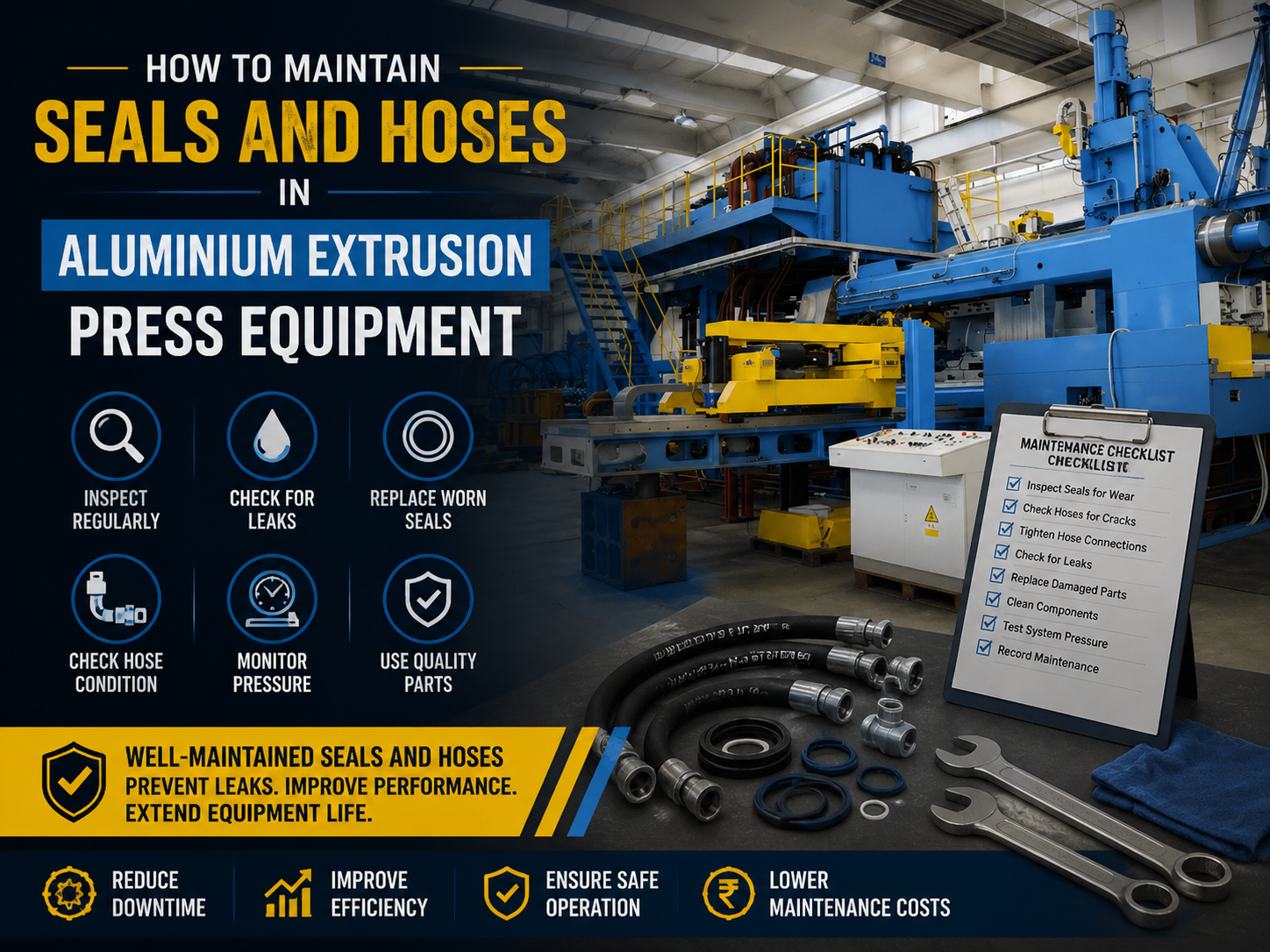
The Critical Role of Seals and Hoses in Aluminium Extrusion
In the high-pressure world of metal fabrication, the aluminium extrusion press stands as a titan of productivity. However, the operational integrity of these massive machines relies heavily on the smallest components: seals and hoses. To maintain seals and hoses in aluminium extrusion press equipment is not merely a suggestion; it is a fundamental requirement for operational safety, efficiency, and longevity. These components manage the hydraulic force required to push solid aluminium billets through precision dies, often operating under pressures exceeding 3,000 PSI and in environments where ambient temperatures fluctuate significantly.
Seals are responsible for maintaining the pressure boundary within hydraulic cylinders, preventing the loss of expensive hydraulic fluid and ensuring that the ram exerts consistent force. Hoses, the veins of the system, transport this fluid across the machine’s complex architecture. When these components fail, the results are often catastrophic, ranging from minor fluid leaks that create slip hazards to explosive hose ruptures that can cause severe injury and total production halts. Understanding the stressors—such as thermal degradation, chemical incompatibility, and mechanical wear—is the first step in a robust maintenance strategy.
HARSLE recognizes that for industrial operators, downtime is the enemy of profitability. By implementing a rigorous maintenance protocol focused on these hydraulic lifelines, facilities can extend the service life of their extrusion presses by years. This guide provides a deep dive into the technical nuances of seal and hose care, offering actionable insights for maintenance teams and plant managers alike.
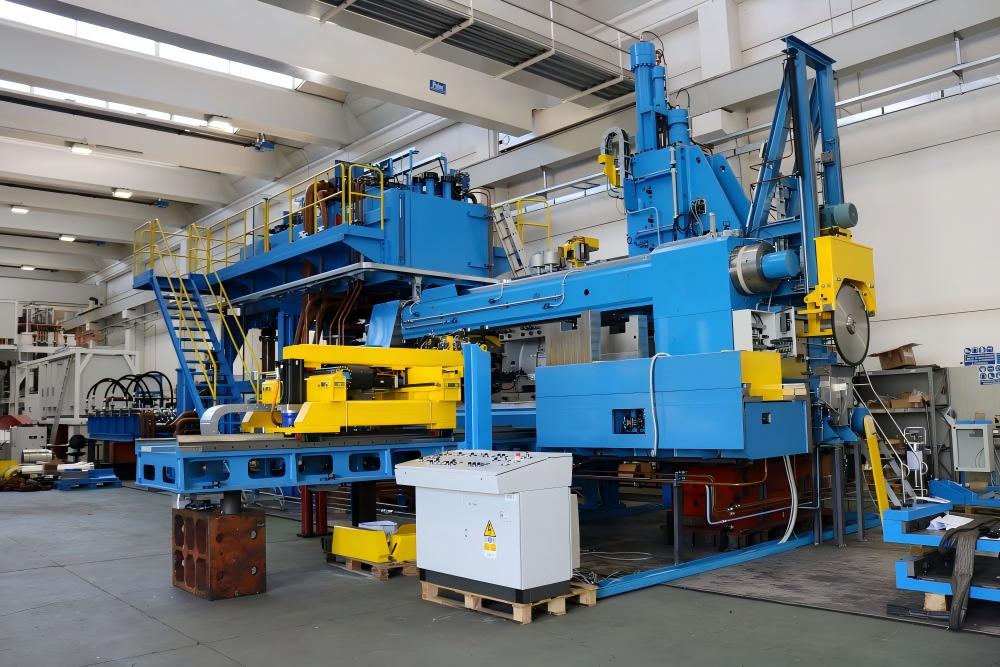
Importance of Proactive Maintenance
Proactive maintenance of seals and hoses is the most cost-effective strategy in industrial management. In an aluminium extrusion environment, the cost of a seal kit might be a few hundred dollars, but the cost of replacing it after a failure—including lost production time, hydraulic fluid cleanup, and potential damage to the cylinder rod—can reach tens of thousands of dollars. By focusing on the focus keyword, maintain seals hoses in aluminium extrusion press equipment, operators shift from a reactive ‘run-to-fail’ model to a predictive ‘reliability-centered’ model.
Environmental factors play a massive role in component degradation. Aluminium extrusion involves high heat; the billets are pre-heated, and the extrusion process itself generates friction-based heat. This heat radiates to the hydraulic lines. Over time, high temperatures cause rubber compounds in hoses to become brittle, a process known as ‘heat aging.’ Similarly, seals can lose their elasticity, leading to ‘compression set,’ where they no longer spring back to seal the gap between moving parts. Proactive replacement based on service hours rather than visible failure is essential.
Furthermore, hydraulic fluid cleanliness is inextricably linked to seal life. Contaminants such as metal shavings or dust act as abrasives. As the hydraulic ram moves, these particles are ground into the seal faces, creating micro-scratches that eventually lead to bypass leaks. A proactive maintenance plan includes regular fluid analysis and filtration checks, which directly protects the seals and hoses from internal erosion.
Daily Inspection Protocols
The daily inspection is the frontline of defense against equipment failure. Every shift should begin with a visual and tactile walkthrough of the extrusion press. Operators should look for ‘weeping’ at the fittings. A weep is a slow dampness that hasn’t yet become a drip. In high-pressure systems, a weep is a precursor to a spray. Identifying these early allows for scheduled tightening or replacement during planned breaks rather than emergency shutdowns.
Hose routing must be checked daily. Because the extrusion press has moving parts—such as the container housing and the moving crosshead—hoses are constantly flexing. Ensure that hoses are not rubbing against sharp metal edges or against each other. Abrasion is one of the leading causes of external hose failure. If the outer protective jacket of a hose is worn down to the wire reinforcement, the hose is a ‘ticking time bomb’ and must be replaced immediately.
Temperature monitoring is another daily task. Using an infrared thermometer, maintenance staff should check the temperature of the hydraulic fluid and the surface of the main cylinders. If one section of the press is significantly hotter than others, it may indicate an internal seal leak where fluid is ‘bypassing’ the piston. This bypass creates friction and heat without doing work, signaling that the internal seals are failing even if no oil is leaking outside the machine.
Hydraulic, Electrical, and Mechanical Synergy
Maintaining an aluminium extrusion press requires an integrated approach. While the focus is on seals and hoses, these components do not operate in a vacuum. The hydraulic system’s health is monitored by electrical sensors. Pressure transducers and flow meters provide data that can indicate seal wear. For instance, if the electrical control system shows that the pump must work harder (higher RPM or displacement) to maintain the same extrusion pressure, it is a clear sign of internal seal leakage.
Mechanical alignment is perhaps the most overlooked factor in seal longevity. If the main ram or the container is slightly misaligned, it exerts ‘side-loading’ on the seals. Seals are designed to handle axial pressure, not lateral force. Side-loading compresses one side of the seal while leaving a gap on the other, leading to rapid, uneven wear and premature failure. Regular mechanical leveling and alignment checks of the press frame are mandatory to maintain seals hoses in aluminium extrusion press equipment effectively.
Electrical heating elements used for the die and container must also be shielded from hydraulic hoses. A stray hose touching a heater band will melt instantly, leading to a high-pressure oil fire. Maintenance teams must ensure that all thermal shielding is intact and that hoses are secured with high-temperature clamps that prevent ‘hose whip’ in the event of a surge. The synergy between these systems ensures that the hydraulic components are not stressed beyond their design limits.
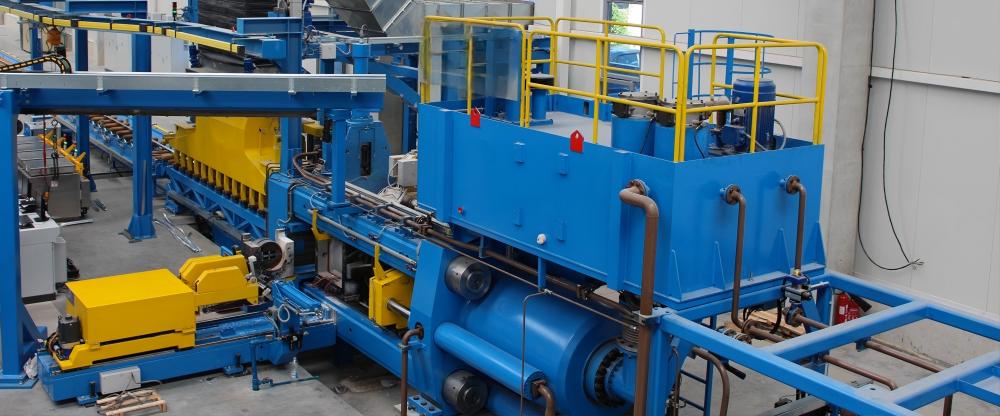
Comprehensive Lubrication Plan
Lubrication is often misunderstood in the context of hydraulic seals. While the hydraulic fluid itself provides lubrication for internal seals, external wiper seals and guide bushings require specific greasing. The goal of a lubrication plan is to reduce friction and prevent the entry of contaminants. In an aluminium plant, fine aluminium dust and caustic cleaners used for die maintenance can be highly abrasive. A thick, high-quality grease acts as a secondary barrier, trapping these particles before they reach the primary seals.
When selecting lubricants, chemical compatibility is paramount. Some greases contain additives that can cause certain seal materials, like Nitrile (NBR), to swell or disintegrate. Always consult the machine’s technical manual or the seal manufacturer’s compatibility chart. For high-temperature zones near the extrusion die, synthetic fluorinated greases are often required as they do not break down or ‘carbonize’ under extreme heat.
The frequency of lubrication should be dictated by the environment. In a 24/7 high-volume production facility, automated lubrication systems are preferred. These systems deliver small, precise amounts of grease at frequent intervals, ensuring that the seal interface is always ‘wet.’ If manual lubrication is used, it must be documented in a logbook to ensure no points are missed. Over-lubrication can be just as damaging as under-lubrication, as excess grease can trap heat and attract more abrasive dust.
Troubleshooting Signals and Warning Signs
Learning to ‘read’ the machine is a skill that saves thousands in repair costs. One of the most common signals of seal failure is ‘spongy’ or erratic movement of the ram. This is often caused by air being sucked into the system through a worn suction-line seal or a damaged hose. If the ram ‘shudders’ during the extrusion stroke, it may be the ‘stick-slip’ phenomenon, where the seal has lost its lubricity and is grabbing the cylinder wall.
Listen for cavitation—a high-pitched whining or ‘marbles in a blender’ sound coming from the pumps. While this is a pump issue, it is often caused by a restricted or collapsing suction hose. If a hose’s inner liner fails, it can act as a one-way valve, restricting flow and starving the pump. This not only destroys the pump but also sends metal debris throughout the system, shredding every seal in its path.
Visible ‘ballooning’ of a hose is an emergency. This happens when the internal wire reinforcement has failed, and the pressure is being held only by the outer rubber jacket. If you see a bulge, depressurize the system immediately. Additionally, look for ‘oil mist’ in the air. A pinhole leak in a high-pressure hose can create a fine mist that is nearly invisible but highly flammable. Using a piece of cardboard (never your hand!) to swipe near suspected leaks can help identify these dangerous ‘micro-leaks.’
Maintenance Schedule Table
A structured schedule is the backbone of industrial reliability. Use the following table as a baseline for your aluminium extrusion press maintenance program.
| Frequency | Component | Action Required |
|---|---|---|
| Daily | Hoses & Fittings | Visual check for leaks, weeping, and abrasion. |
| Daily | Cylinders | Check for external oil leakage on rods and ‘hot spots’. |
| Weekly | Hose Clamps | Ensure all clamps are tight and hoses aren’t vibrating excessively. |
| Monthly | Hydraulic Fluid | Sample fluid for particle count (ISO 4406) and water content. |
| Quarterly | Seal Integrity | Perform a ‘drift test’ to check for internal cylinder bypass. |
| Annually | Critical Hoses | Proactively replace high-flex or high-heat hoses regardless of appearance. |
| Bi-Annually | Main Seals | Inspect and consider replacement of main ram seals during major overhaul. |
Advanced Seal Materials and Selection
Not all seals are created equal. When you maintain seals hoses in aluminium extrusion press equipment, you must ensure that replacement parts match the operational demands. Standard Nitrile (NBR) seals are common but have a temperature limit of around 100°C. In the proximity of the extrusion die, Viton (FKM) seals are often necessary as they can withstand temperatures up to 200°C and offer superior chemical resistance.
For the main extrusion cylinder, which handles the brunt of the force, ‘V-packing’ or ‘Chevron’ seals are often used. These consist of multiple rings that nest together. The advantage of V-packing is that it can often be adjusted; tightening the gland nut compresses the rings, flaring them out to stop a leak temporarily until a full teardown can be performed. Modern presses are moving toward high-performance polyurethane seals, which offer incredible abrasion resistance and can handle the high-cycle speeds of modern automated extrusion lines.
When ordering hoses, pay attention to the ‘dash size’ and the pressure rating. A common mistake is replacing a 4-wire spiral hose with a 2-wire braided hose because they look similar. However, the 4-wire hose is designed for high-impulse applications where pressure spikes are frequent. Using an underrated hose will lead to a burst within days. Always match the SAE or ISO rating specified by the original equipment manufacturer (OEM) like HARSLE.
Frequently Asked Questions (FAQ)
1. How often should hydraulic hoses be replaced on an extrusion press?
While some hoses can last 5-10 years, in the high-heat environment of an aluminium extrusion press, critical high-pressure hoses should be replaced every 2 to 3 years as a preventive measure. Hoses subject to constant flexing may need replacement every 12-18 months.
2. What causes a hydraulic seal to turn hard and brittle?
This is typically caused by ‘heat aging.’ If the hydraulic fluid temperature consistently exceeds the seal material’s rating (usually 60-70°C for standard systems), the plasticizers in the rubber leach out, leaving the seal hard, brittle, and prone to cracking.
3. Can I use any hydraulic oil in my HARSLE extrusion press?
No. You must use oil with the correct viscosity (usually ISO VG 46 or 68) and the appropriate anti-wear (AW) additives. Furthermore, ensure the oil is compatible with your seal materials to prevent swelling or shrinkage.
4. Why is there water in my hydraulic fluid, and how does it affect seals?
Water usually enters through condensation in the reservoir or a leak in the oil cooler. Water causes ‘hydrolysis’ in certain seal materials (like polyurethane), causing them to soften and crumble. It also leads to corrosion on the cylinder rods, which then tears the seals.
5. What is the ‘Diesel Effect’ in hydraulic cylinders?
The Diesel Effect occurs when air bubbles in the oil are compressed rapidly in the cylinder, causing them to ignite. This creates localized intense heat that chars the seals from the inside out. Proper bleeding of the system after maintenance is essential to prevent this.
6. How do I know if a hose is about to fail?
Look for ‘cover cracks’ that expose the wire reinforcement, ‘kinking’ which indicates internal structural damage, or ‘blistering’ of the outer cover. Any of these signs mean the hose should be replaced during the next available window.
Conclusion
To maintain seals hoses in aluminium extrusion press equipment is to invest in the heart of your production line. By combining daily vigilance with technical knowledge of materials and system dynamics, operators can eliminate the chaos of unexpected failures. Remember that a clean, cool, and well-aligned press is a press that treats its seals and hoses with respect. As a leader in metal fabrication machinery, HARSLE encourages all operators to prioritize these small but mighty components to ensure a safe and productive manufacturing environment. Regular training for maintenance staff and a partnership with quality component suppliers will ensure your extrusion press remains a pillar of your facility for decades to come.


