
Maintenance Tips to Improve Aluminium Extrusion Press Product Consistency

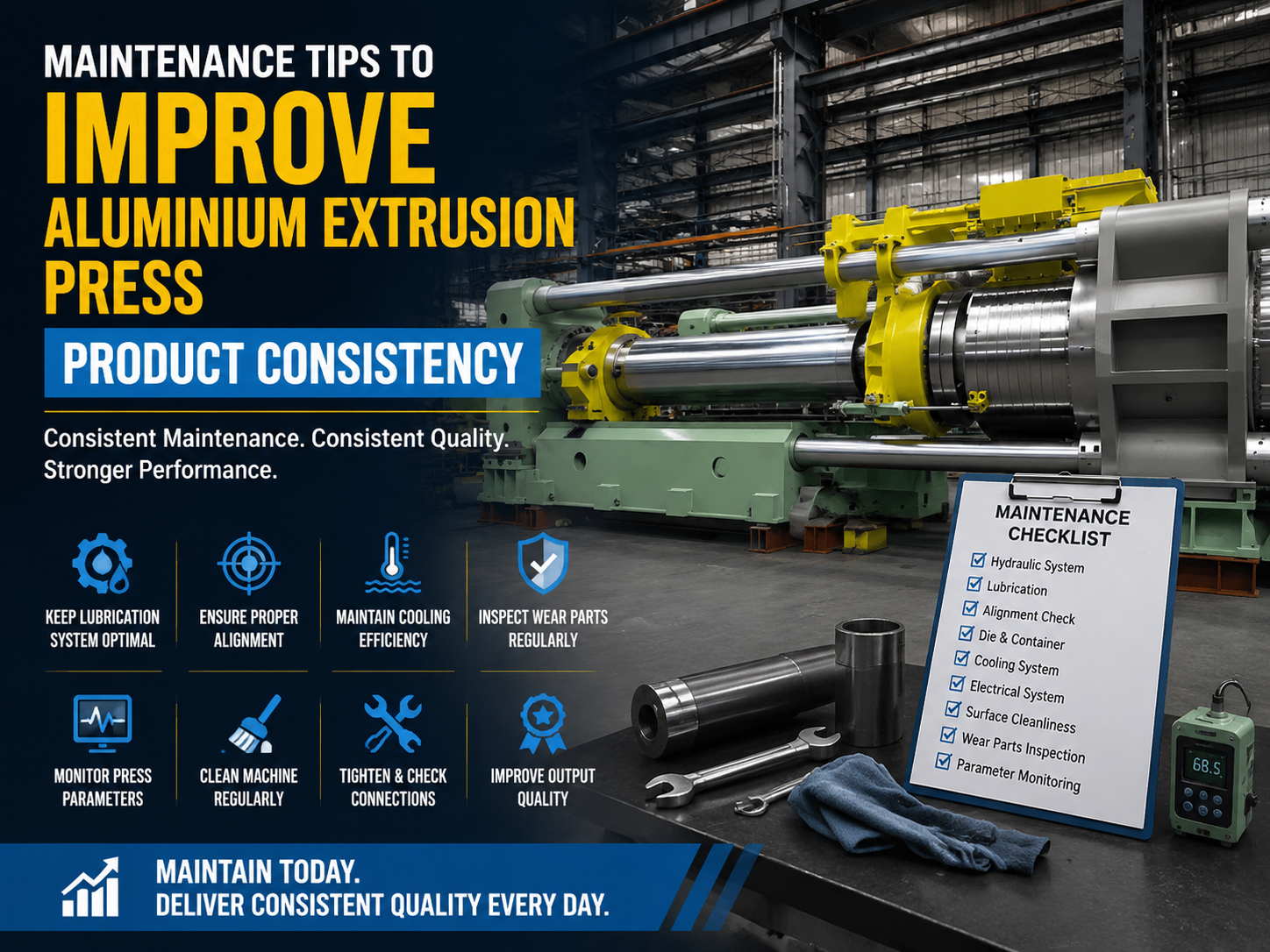
The Critical Role of Maintenance in Aluminium Extrusion Consistency
In the world of high-precision manufacturing, the aluminium extrusion press stands as a cornerstone of production. However, the quality of the final profile is not merely a result of the machine’s initial design, but rather a reflection of its ongoing care. Implementing specific maintenance tips to improve aluminium extrusion press product consistency is essential for any facility aiming to reduce scrap rates and meet stringent industry tolerances. When a press is neglected, subtle shifts in alignment, pressure fluctuations, and thermal instabilities begin to manifest as dimensional inaccuracies or surface defects in the extruded profiles.
Consistency in extrusion is defined by the ability to produce the same profile geometry, surface finish, and mechanical properties across thousands of cycles. For HARSLE machinery users, maintaining this level of excellence requires a proactive approach. A well-maintained press ensures that the flow of metal through the die remains uniform, which is critical for complex shapes. Without regular intervention, components like the container, stem, and die slide can wear unevenly, leading to “profile drift” where the dimensions of the product slowly change over time, often going unnoticed until the product fails quality control.
Furthermore, the economic impact of maintenance cannot be overstated. Beyond just product consistency, a rigorous maintenance program extends the lifespan of expensive components like the main hydraulic pumps and the extrusion stem. By focusing on maintenance tips to improve aluminium extrusion press product consistency, operators can significantly reduce “dead cycle time”—the period when the press is not extruding—thereby increasing overall equipment effectiveness (OEE). In an industry where margins are tight, the difference between a profitable run and a loss often lies in the reliability of the machinery.
Finally, safety is a paramount concern that goes hand-in-hand with maintenance. An extrusion press operates under immense pressure, often exceeding thousands of tons. Regular checks ensure that safety interlocks, emergency stops, and structural components are in perfect working order. A machine that is consistent in its operation is inherently safer for the operators, as it behaves predictably and reduces the likelihood of catastrophic failures that could result from worn-out hydraulic hoses or fatigued structural bolts.
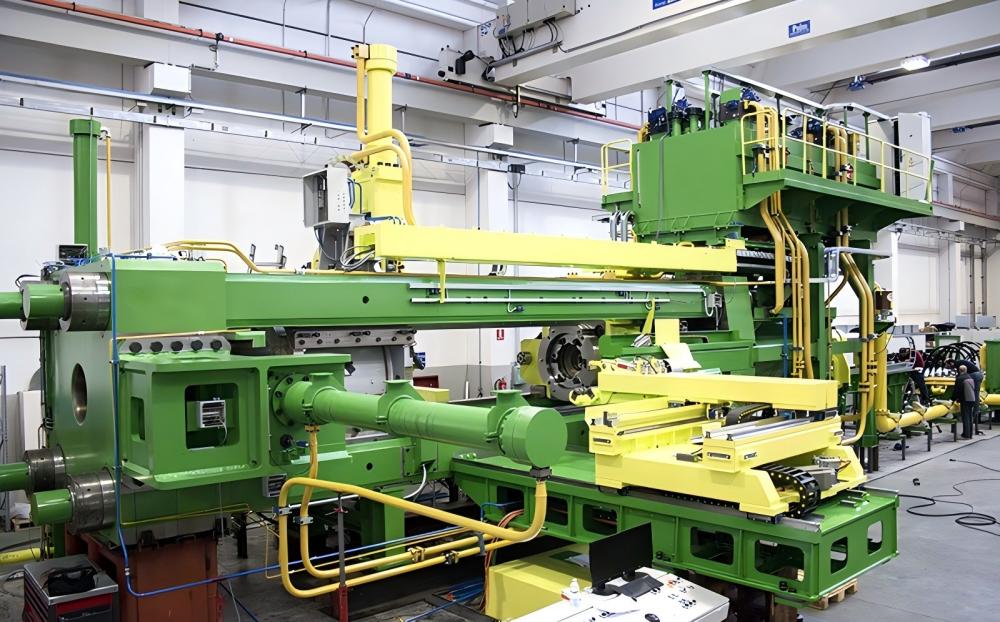
Daily Inspection Protocols for Peak Performance
The foundation of any successful maintenance strategy is the daily inspection. These are the front-line actions that catch minor issues before they escalate into production-stopping failures. Operators should begin every shift with a visual walkthrough of the machine. This includes checking for any visible hydraulic leaks around the main cylinder, pumps, and valve blocks. Even a small drip can indicate a failing seal or a loose fitting that could lead to a significant drop in system pressure, directly affecting the extrusion speed and consistency.
Monitoring the temperature of the hydraulic oil and the container is another vital daily task. Aluminium extrusion is a thermally sensitive process; if the container heating elements are not functioning correctly, the billet will not flow evenly, resulting in structural weaknesses in the profile. Daily checks should verify that all thermocouples are providing accurate readings and that the heating zones are balanced. Inconsistent heating is one of the primary causes of “streaking” or uneven wall thickness in extruded aluminium parts.
Safety systems must also be tested daily. This includes the light curtains, emergency stop buttons, and the gate interlocks. While these may not seem directly related to product consistency, a malfunctioning safety sensor can cause the press to stop abruptly mid-cycle. Such interruptions can cause the aluminium to cool inside the die, leading to a “stuck” charge that requires significant downtime to clear and often results in the loss of the die’s calibration for the next run.
Lastly, the cleanliness of the press area should be maintained. Aluminium dust, scale, and debris can accumulate on the guide rails and sensors. If debris enters the hydraulic reservoir or interferes with the linear transducers that track the stem position, the press’s accuracy will suffer. A clean machine is a precise machine. Operators should ensure that the billet loader and the shear blade area are free from excessive lubricant buildup or metal fragments that could interfere with the smooth transition of materials.
Deep Dive: Hydraulic System Integrity
The hydraulic system is the heart of the aluminium extrusion press, providing the force necessary to push solid metal through a die. To improve aluminium extrusion press product consistency, the hydraulic system must deliver smooth, pulse-free pressure. The first step in ensuring this is rigorous oil analysis. Over time, hydraulic oil breaks down due to heat and shear forces, and it can become contaminated with water or particulate matter. Contaminated oil causes premature wear on the proportional valves, which are responsible for the precise control of the extrusion speed. If these valves stick or respond sluggishly, the extrusion speed will fluctuate, leading to variations in the profile’s surface finish.
Filtration systems must be checked and serviced according to the manufacturer’s guidelines. High-efficiency filters are necessary to remove microscopic particles that can score the surfaces of the main ram and the pump pistons. When these surfaces are damaged, internal leakage occurs, reducing the volumetric efficiency of the press. This means the press has to work harder and consume more energy to achieve the same extrusion force, often leading to overheating and further oil degradation.
Accumulators also play a critical role in maintaining pressure stability. These components store energy and dampen pressure spikes that occur during the transition phases of the extrusion cycle. If the nitrogen pre-charge in the accumulators is not at the correct level, the press may experience “jerky” movements. This lack of smooth motion is a major contributor to dimensional inconsistencies, particularly in thin-walled profiles where even a slight variation in speed can cause the metal to tear or buckle.
Finally, the cooling system for the hydraulic oil must be kept in top condition. As the oil temperature rises, its viscosity decreases, which can lead to increased leakage and reduced control precision. Heat exchangers should be cleaned regularly to ensure maximum heat transfer. In many cases, installing a modern oil conditioning unit that monitors both temperature and cleanliness in real-time can provide the data needed to make informed maintenance decisions, further enhancing the consistency of the extrusion process.
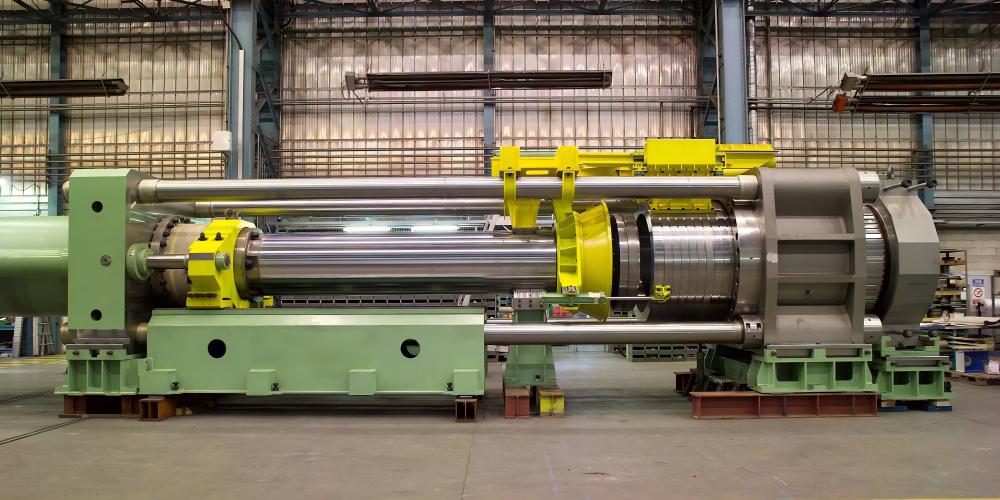
Electrical and Control System Precision
Modern HARSLE extrusion presses rely heavily on sophisticated PLC (Programmable Logic Controller) systems and sensors to manage the extrusion cycle. The accuracy of these electrical components is paramount for product consistency. One of the most important maintenance tips is the regular calibration of the linear transducers and pressure sensors. These devices tell the PLC exactly where the stem is and how much force is being applied. If a transducer is out of calibration by even a few millimeters, the “dead cycle” timing will be off, and the press may not apply the correct pressure at the critical start of the extrusion.
Wiring and connections should be inspected for signs of wear or thermal damage. In the high-vibration environment of a metal fabrication shop, electrical connections can loosen over time, leading to intermittent signals that are notoriously difficult to troubleshoot. Using thermal imaging cameras to inspect electrical cabinets can reveal “hot spots”—loose connections or failing components that are generating excessive heat. Addressing these issues before they cause a system failure is a key part of a predictive maintenance strategy.
Software and firmware updates should not be overlooked. Manufacturers often release updates that improve the control logic for the extrusion process, such as better algorithms for isothermal extrusion (maintaining a constant temperature at the die). Ensuring your press is running the latest optimized software can lead to immediate improvements in product consistency. Additionally, backing up the PLC programs and machine parameters regularly is vital; in the event of a hardware failure, having a recent backup can mean the difference between a few hours of downtime and several days of lost production.
The cooling fans and filters for the electrical cabinets must also be maintained. Electronic components are sensitive to heat and dust. If a cabinet’s cooling system fails, the PLC or the variable frequency drives (VFDs) may overheat and shut down or, worse, behave erratically. Erratic behavior in the control system is a nightmare for product consistency, as it can lead to unpredictable changes in extrusion speed and pressure that are hard to trace back to a specific mechanical cause.
Mechanical Alignment and Structural Integrity
The mechanical alignment of an aluminium extrusion press is perhaps the most significant factor in determining the geometric accuracy of the finished profile. The “press centerline”—the imaginary line that runs through the center of the main ram, the stem, the container, and the die—must be perfectly maintained. Over time, the massive forces involved in extrusion can cause the press frame to shift or the guide rails to wear. If the stem is not perfectly centered as it enters the container, it will apply uneven pressure to the billet, causing the metal to flow faster on one side of the die than the other. This results in “banana-ing” or twisting of the extruded profile.
Regularly checking the alignment of the container and the die slide is essential. The container must be parallel to the die face to ensure a proper seal. If there is any misalignment, aluminium can leak out (known as “flash”), which not only wastes material but also causes a drop in the effective extrusion pressure. This pressure drop can lead to inconsistent density and mechanical properties in the final product. Using laser alignment tools is the most accurate way to verify that all components are correctly positioned along the press axis.
The condition of the tie rods and nuts should also be monitored. These components hold the entire press together against the force of the extrusion. If a tie rod nut becomes loose or if a tie rod develops a stress crack, the press frame can flex during the cycle. This flexing changes the alignment under load, making it impossible to achieve consistent results. Periodic non-destructive testing (NDT), such as ultrasonic or dye penetrant inspection, should be performed on the tie rods to detect any signs of fatigue before a catastrophic failure occurs.
Finally, the wear surfaces, such as the bronze liners on the moving crosshead and the container housing, must be inspected. These liners are designed to wear out so that the main structural components do not. However, if they are allowed to wear beyond their limits, the resulting “play” in the system will lead to vibration and misalignment. Replacing these liners as part of a scheduled maintenance program is a relatively low-cost way to maintain the high-precision performance of the press.
Developing a Robust Lubrication Strategy
Lubrication is often the most overlooked aspect of industrial machinery maintenance, yet it is one of the most effective maintenance tips to improve aluminium extrusion press product consistency. In an extrusion press, there are numerous moving parts that operate under high loads and temperatures. Without proper lubrication, friction increases, leading to heat generation and accelerated wear. The main ram, the container guides, and the die slide all require specific types of lubricants that can withstand the extreme conditions of the extrusion environment.
An automated lubrication system is highly recommended for consistency. These systems deliver a precise amount of grease or oil to the critical points at regular intervals. However, even automated systems need to be monitored. Operators should check that all grease lines are intact and that the reservoirs are filled with the correct grade of lubricant. Using the wrong type of grease—for example, one that cannot handle high temperatures—can lead to the lubricant breaking down and forming a sticky residue that actually increases friction rather than reducing it.
The lubrication of the die and the billet is also critical. While this is more of a process control issue, the equipment used to apply these lubricants (such as the soot system or the boron nitride sprayer) must be maintained. If the lubricant is applied unevenly to the billet or the die, the friction between the aluminium and the steel will vary, causing the metal to flow inconsistently. This can lead to surface defects like “pick-up” or “tearing,” which ruin the aesthetic and functional quality of the profile.
Finally, a lubrication log should be kept. This log tracks when each component was last lubricated and what type of lubricant was used. This data is invaluable for troubleshooting. If a component begins to show signs of premature wear, the log can help determine if the lubrication schedule was followed or if a different lubricant should be considered. A disciplined approach to lubrication reduces the “noise” in the mechanical system, allowing for the smooth, repeatable movements that are necessary for consistent product output.
Identifying Troubleshooting Signals and Product Defects
To truly improve aluminium extrusion press product consistency, operators must be trained to recognize the early warning signs of machine trouble. These signals often appear in the product before they are obvious on the machine itself. For example, if the extruded profiles begin to show “chatter marks” or a wavy surface, it often indicates vibration in the hydraulic system or a loose mechanical component. Similarly, if the wall thickness of a hollow profile is uneven, it is a clear sign that the stem or the die is out of alignment.
Noise is another critical indicator. A change in the sound of the hydraulic pumps—such as a high-pitched whine or a growling noise—can indicate cavitation or air entering the system. Cavitation is extremely destructive to pumps and leads to erratic pressure delivery. If the press makes a loud “bang” at the end of the stroke, it may indicate that the cushioning in the hydraulic cylinders is failing or that the mechanical stops are misaligned. Ignoring these sounds will inevitably lead to a breakdown and a loss of product consistency.
Monitoring the “press data” is also a form of troubleshooting. Most modern HARSLE presses record the pressure and speed for every cycle. By analyzing these trends, maintenance teams can spot gradual changes. For instance, if the pressure required to extrude the same profile at the same speed is slowly increasing over several weeks, it may indicate that the container heaters are losing efficiency or that the internal friction of the press is increasing due to poor lubrication. Catching these trends early allows for scheduled maintenance during planned downtime.
Finally, the appearance of the “butt” (the unextruded portion of the billet) can provide clues. An uneven butt thickness suggests that the shear blade is not cutting cleanly or that the container is not sealing properly against the die. A clean, consistent shear is necessary to prevent air from being trapped in the next extrusion cycle, which would cause “blisters” in the profile. By linking specific product defects to machine conditions, the maintenance team can become much more effective at ensuring long-term consistency.
Comprehensive Maintenance Schedule Table
A structured maintenance schedule is the backbone of consistency. Below is a recommended schedule for HARSLE aluminium extrusion presses to ensure all critical components are addressed at the appropriate intervals.
| Frequency | Component | Action Required |
|---|---|---|
| Daily | Hydraulic System | Check for leaks, monitor oil temperature and level. |
| Daily | Safety Systems | Test E-stops, light curtains, and interlocks. |
| Daily | Lubrication | Verify auto-lube operation and reservoir levels. |
| Weekly | Filters | Inspect and clean/replace hydraulic and air filters. |
| Weekly | Guide Rails | Clean debris and check for even lubrication film. |
| Monthly | Alignment | Perform a basic visual check of stem and container centering. |
| Monthly | Electrical | Inspect cabinet cooling fans and clean dust filters. |
| Quarterly | Oil Analysis | Send oil sample to lab for contamination and viscosity testing. |
| Quarterly | Sensors | Calibrate pressure transducers and linear encoders. |
| Yearly | Structural | NDT testing of tie rods and inspection of main frame welds. |
| Yearly | Hydraulic Pumps | Comprehensive performance test and internal wear check. |
Frequently Asked Questions
How does hydraulic oil quality affect extrusion consistency?
Hydraulic oil quality is paramount because the viscosity and cleanliness of the oil determine how accurately the proportional valves can control the press speed. Contaminated or degraded oil leads to erratic valve movement, causing fluctuations in the extrusion speed, which results in surface defects and dimensional variances in the aluminium profiles.
Why is stem alignment so important for product quality?
The stem must be perfectly centered as it pushes the billet into the container. If it is misaligned, it creates uneven pressure distribution within the metal. This causes the aluminium to flow through the die at different rates, leading to profiles that are warped, twisted, or have inconsistent wall thicknesses.
What are the signs that my extrusion press needs a major overhaul?
Signs include persistent hydraulic leaks that cannot be stopped by seal changes, excessive vibration during the extrusion cycle, a significant increase in the “dead cycle time,” and the inability to maintain profile tolerances even with new dies. Frequent unplanned downtime and rising energy consumption are also strong indicators that a comprehensive overhaul is required.
Can software updates really improve product consistency?
Yes. Software updates for the PLC often include improved control algorithms that better manage the relationship between pressure, speed, and temperature. These optimizations can lead to more stable extrusion conditions, especially for difficult-to-extrude alloys or complex geometries, directly improving the consistency of the output.
How often should I perform NDT on my press tie rods?
It is generally recommended to perform Non-Destructive Testing (NDT) on tie rods at least once a year. However, for presses operating at high capacities or in 24/7 environments, more frequent inspections may be necessary. Detecting a fatigue crack early can prevent a catastrophic frame failure, which would be both dangerous and extremely costly to repair.


