Alligator Shear Buying Guide: Capacity, Blade Size, and Cutting Force Explained

Introduction to Alligator Shear Procurement
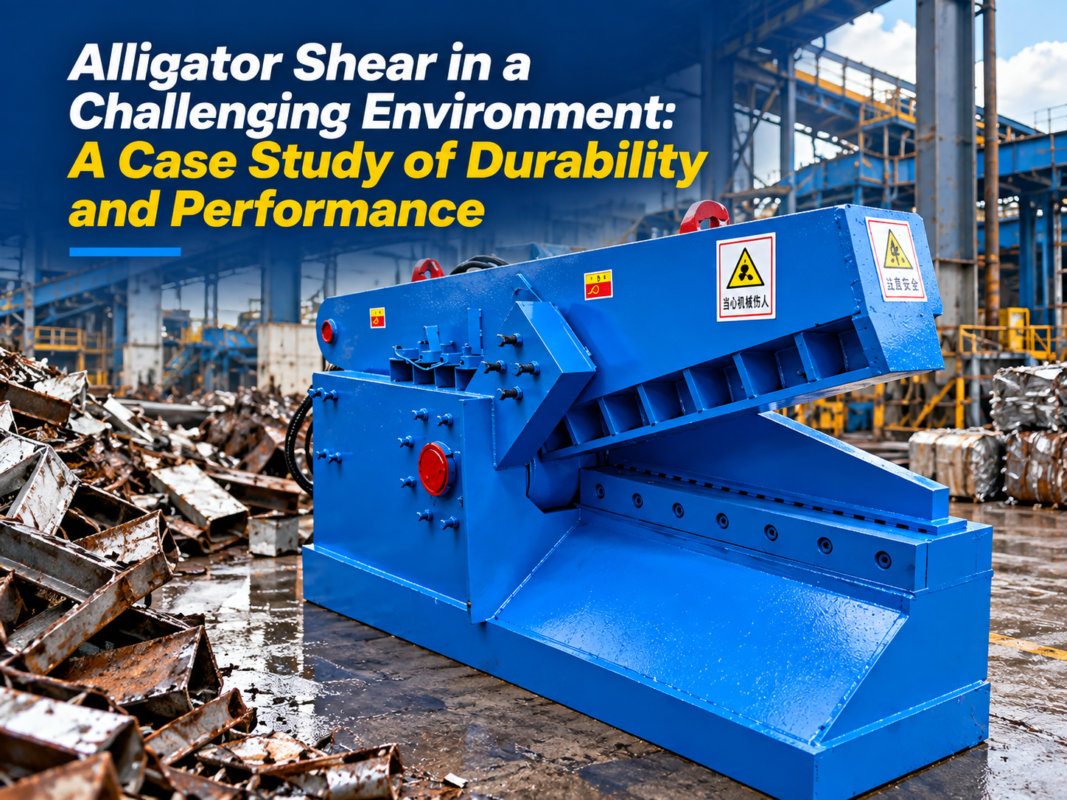
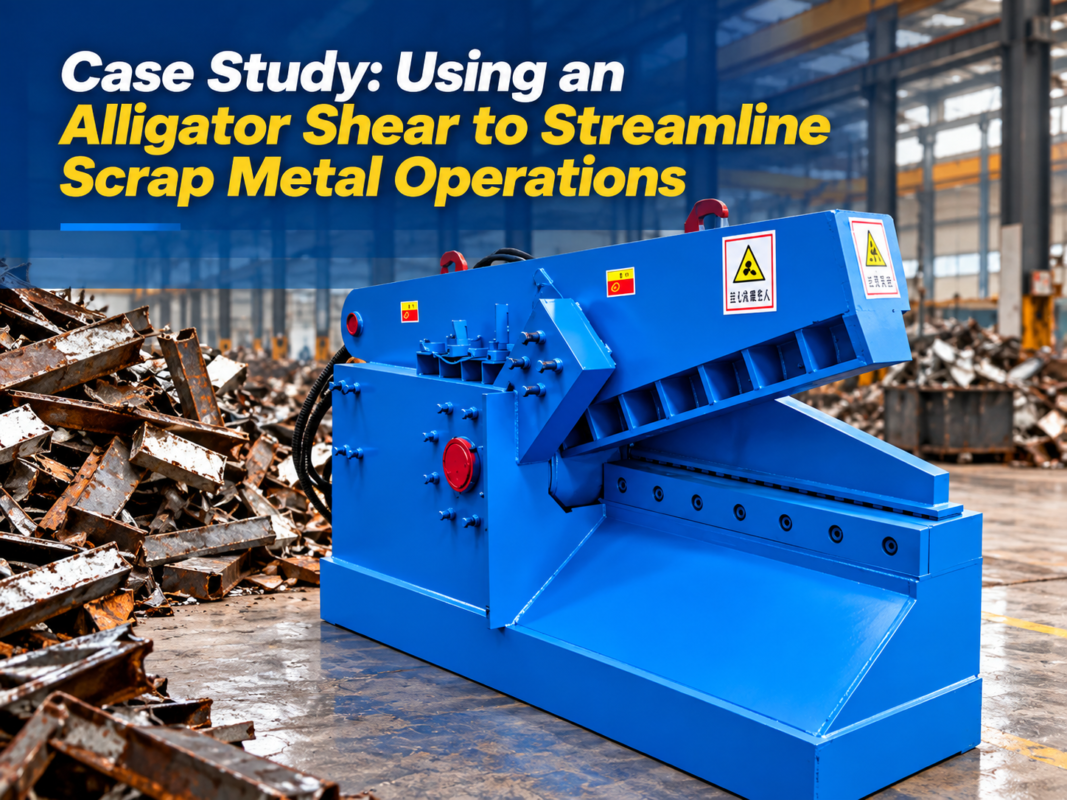
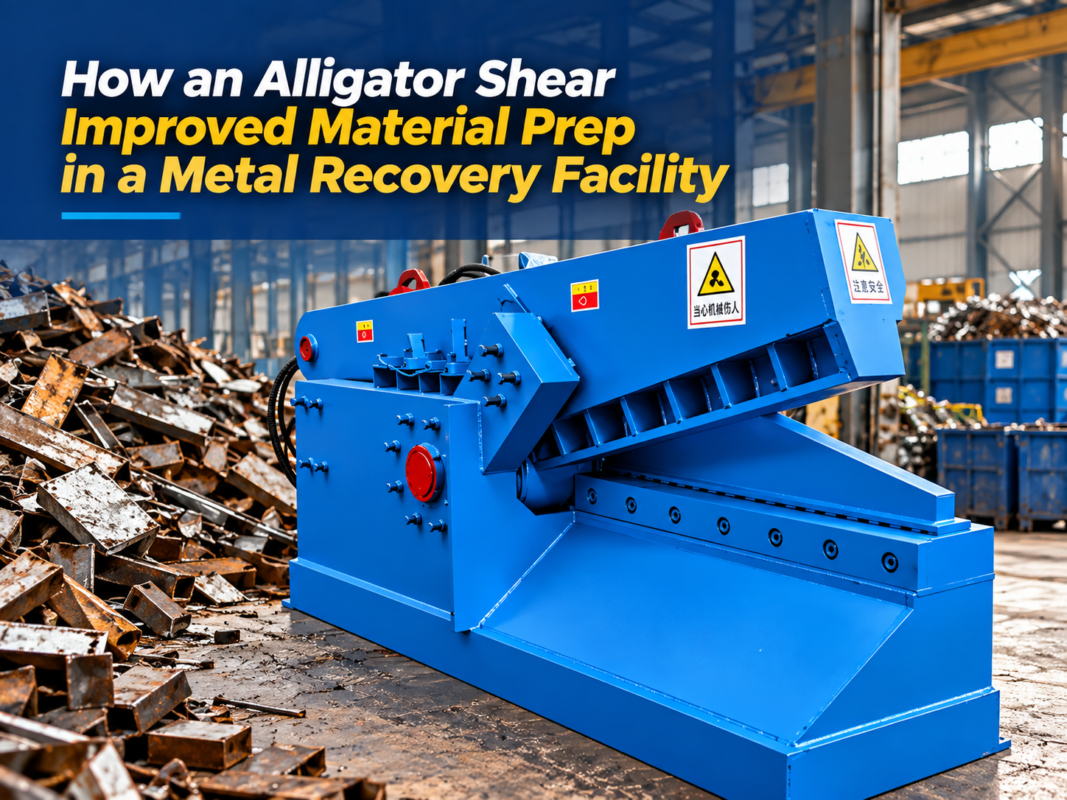
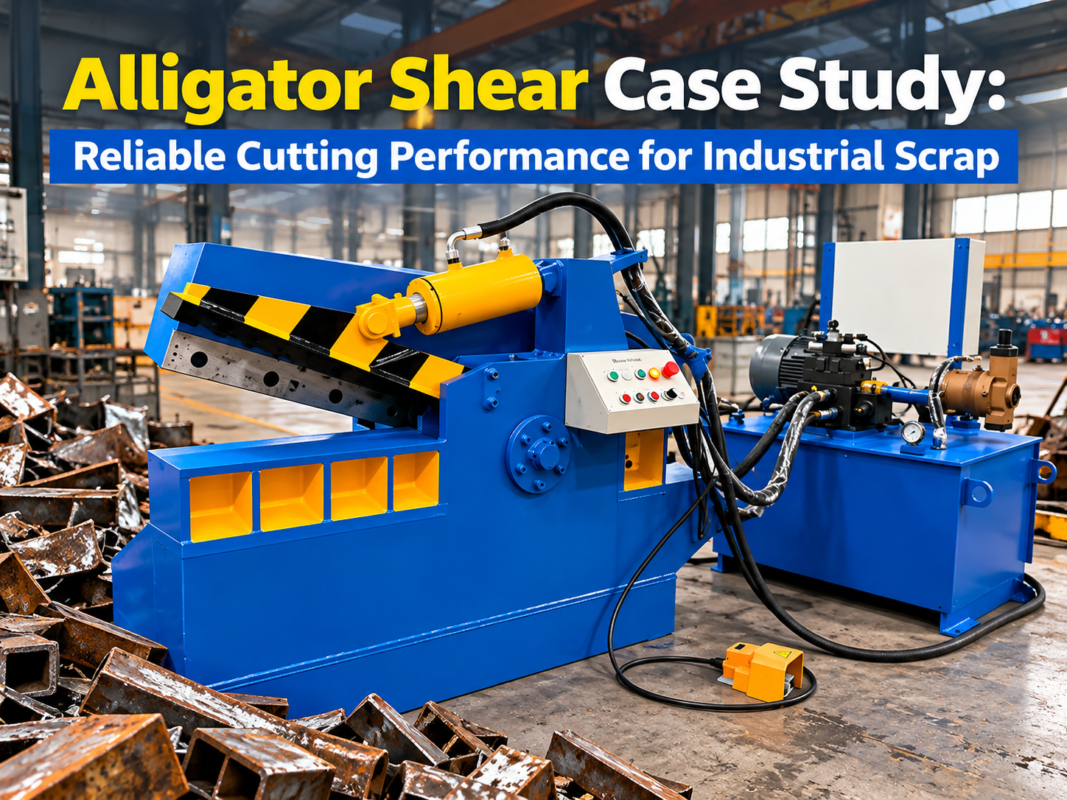
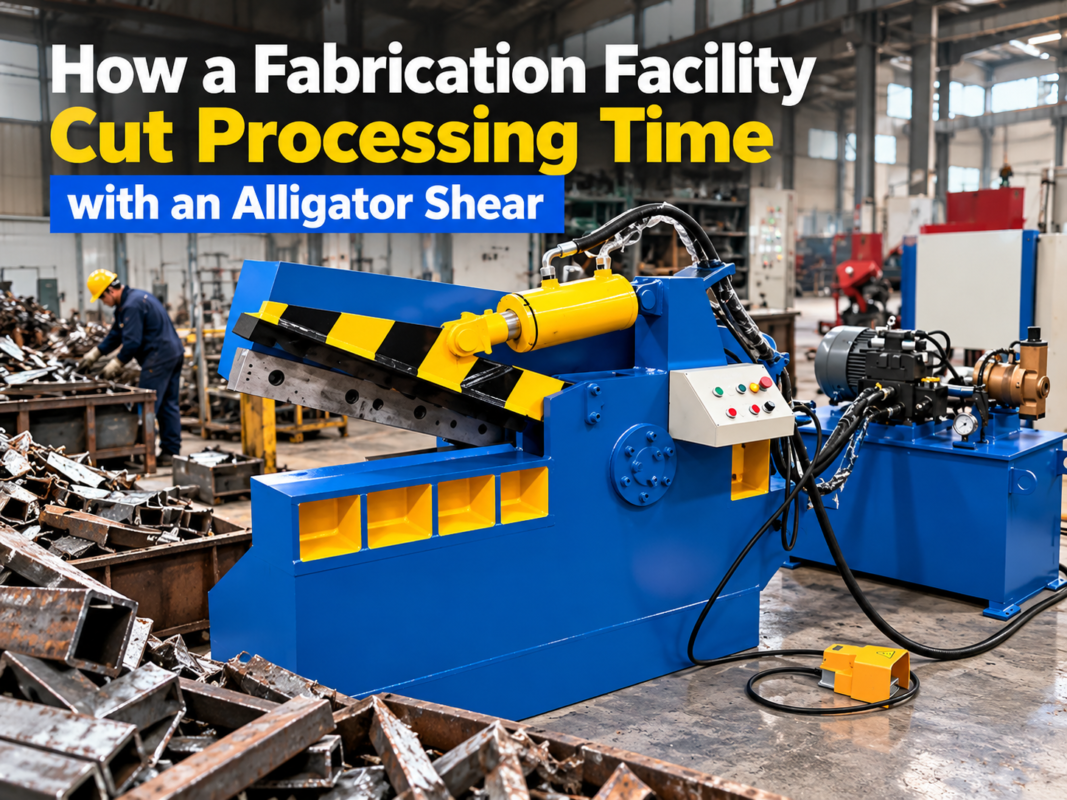
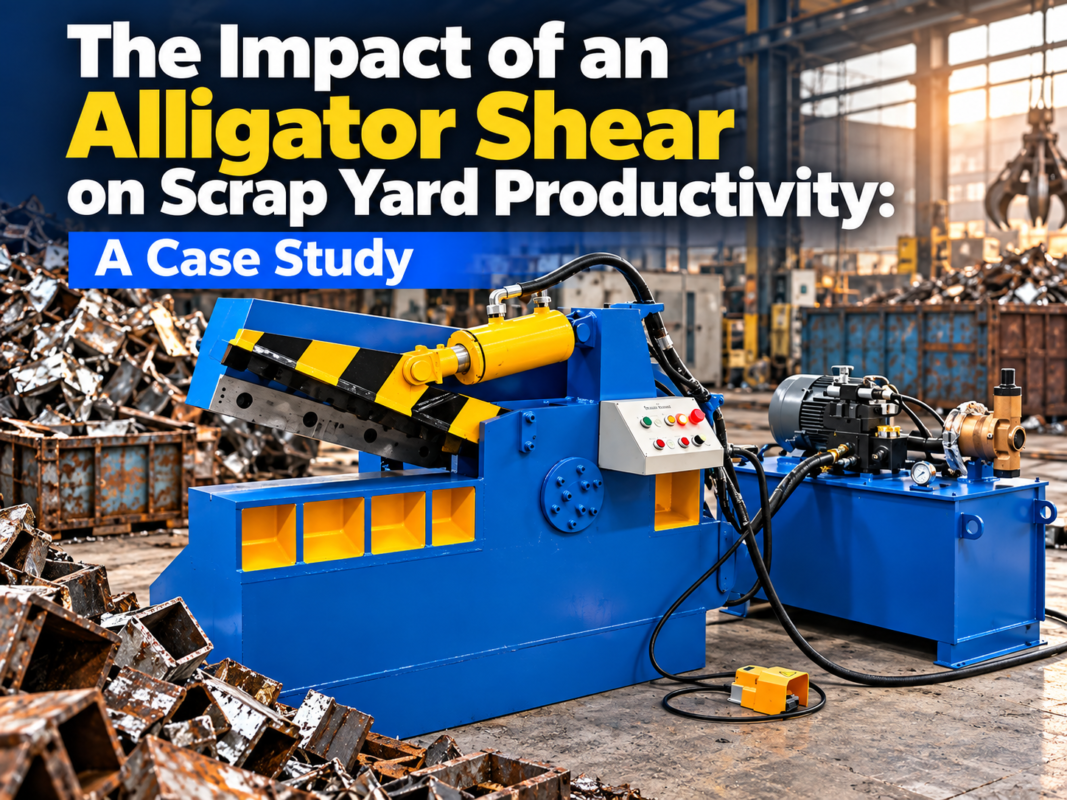
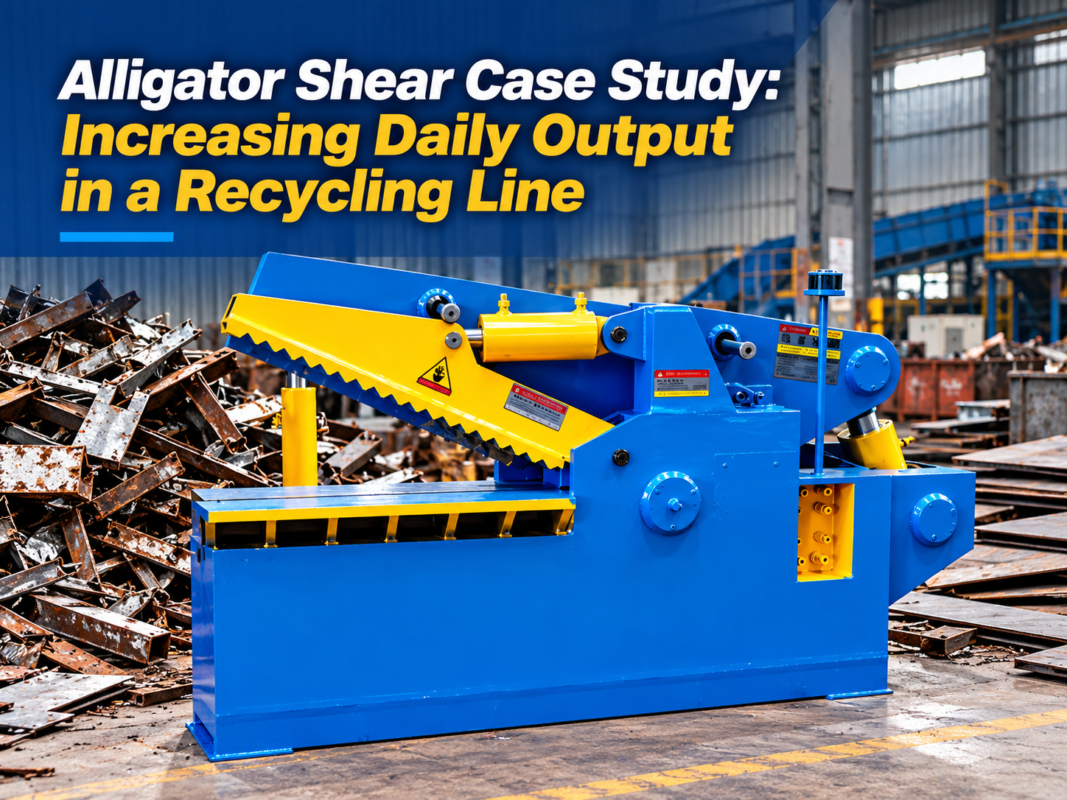
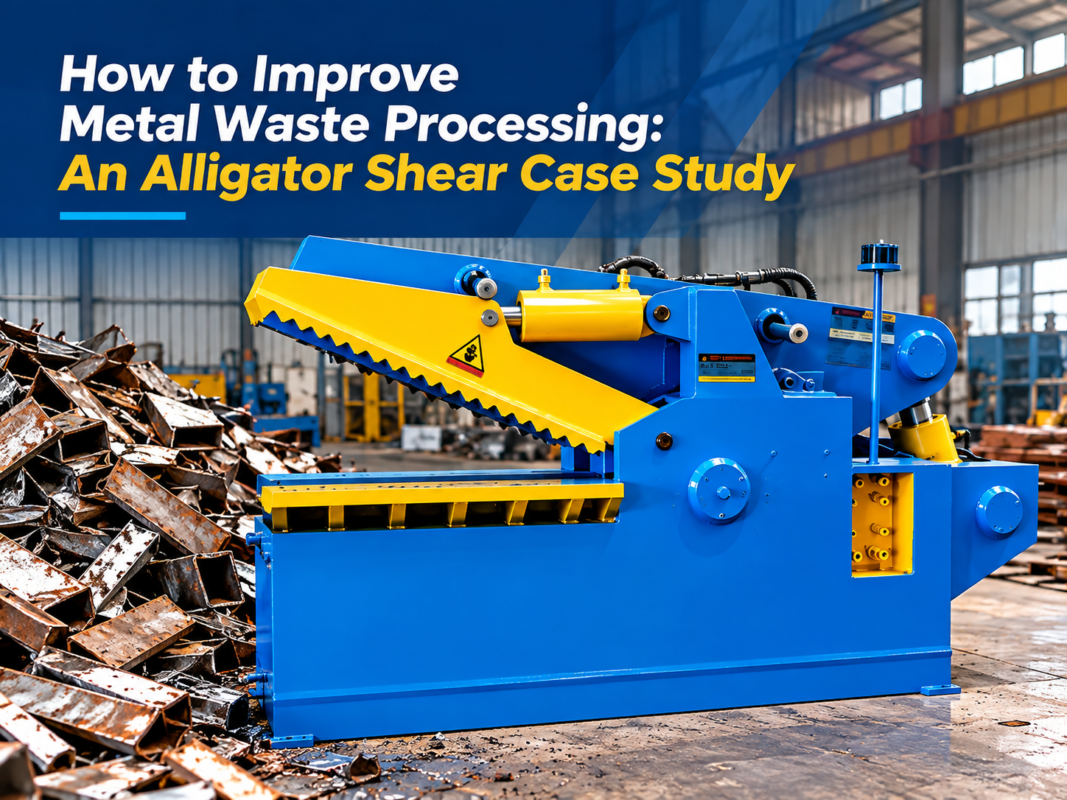
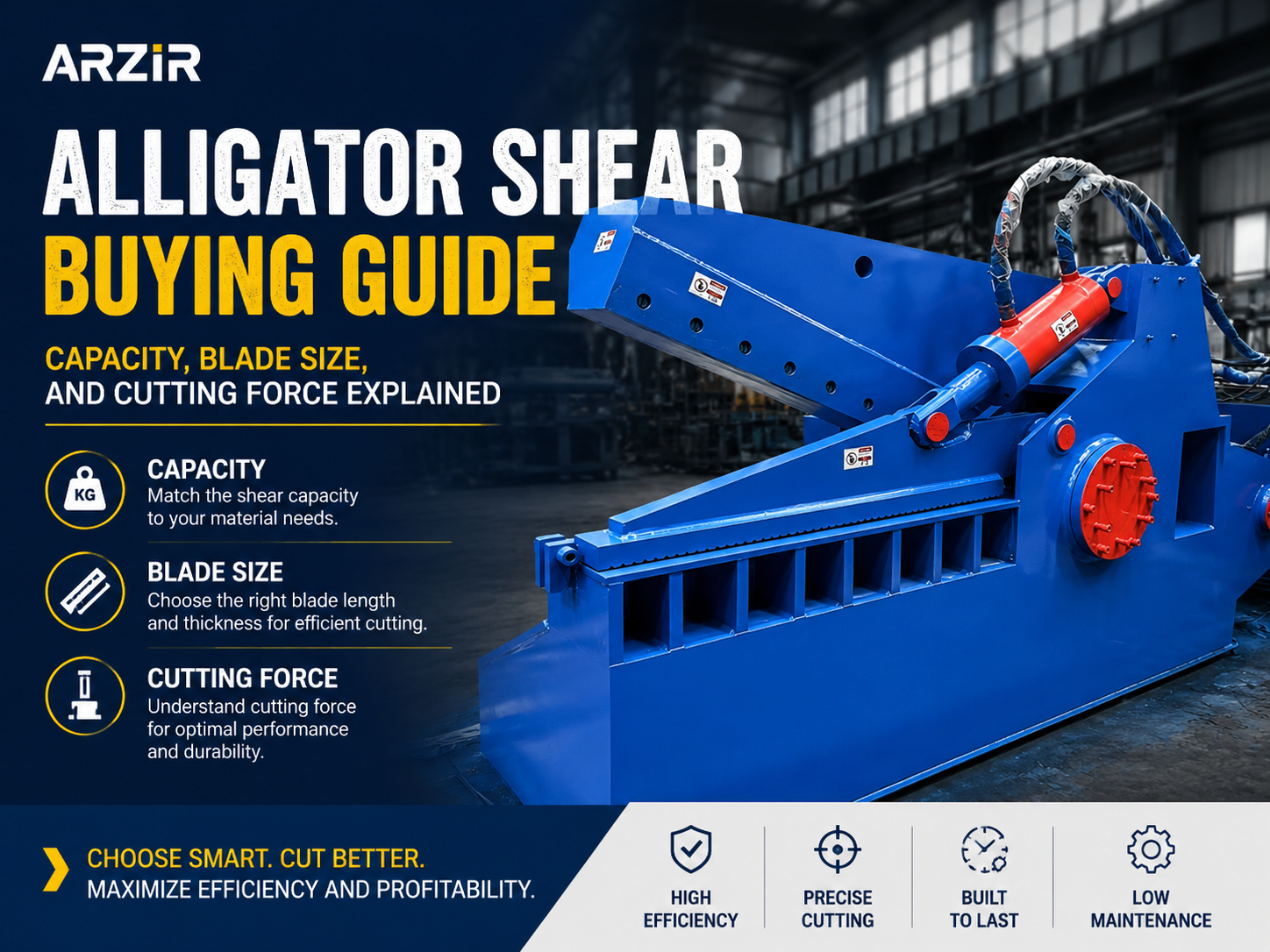
In the world of scrap metal recycling and metal fabrication, the alligator shear stands as a cornerstone of efficiency. Named for its characteristic jaw-like movement, this machine is essential for cold-cutting various metal shapes, including round bars, square steel, angle iron, and pipes. However, selecting the right machine is not merely a matter of picking the largest model available. It requires a deep understanding of how capacity, blade size, and cutting force interact to meet your specific production goals. This Alligator Shear Buying : Capacity, Blade Size, Cutting Force Explained guide is designed to help industrial buyers navigate the complexities of these machines, ensuring a high return on investment and long-term operational reliability.
HARSLE has long been a leader in providing robust hydraulic solutions for the metalworking industry. Whether you are a small-scale recycler or a large industrial plant, understanding the technical nuances of an alligator shear can prevent costly mistakes, such as under-powering your operation or over-investing in unnecessary capacity. In the following sections, we will break down the financial and technical aspects of these machines to provide a clear roadmap for your next purchase.
Price Range Overview: What to Expect
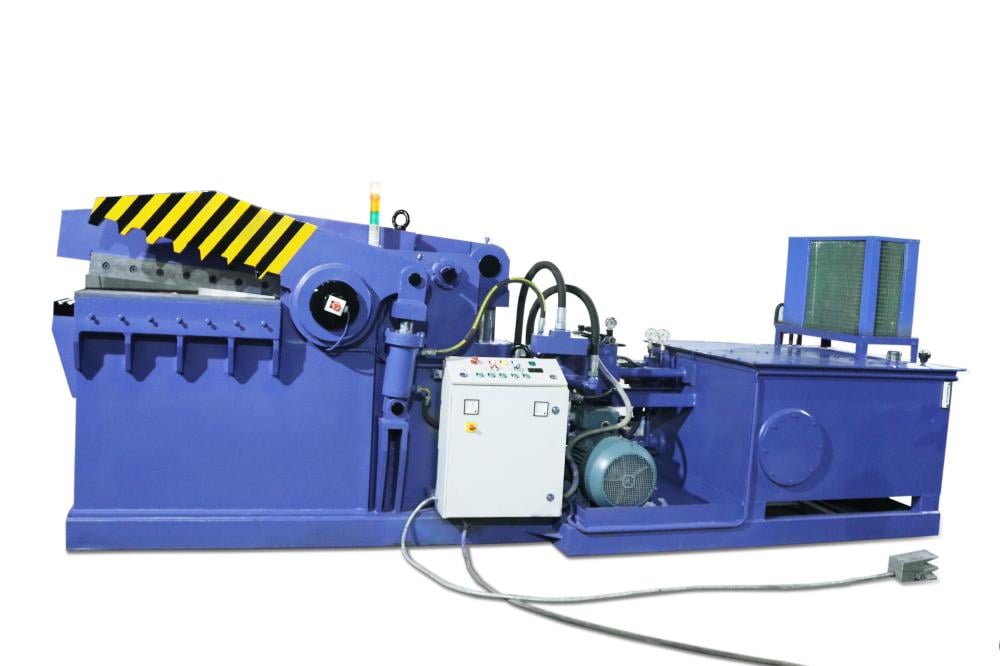
The price of an alligator shear varies significantly based on its hydraulic power, blade length, and automation features. Generally, these machines are categorized into three tiers: entry-level, mid-range, and heavy-duty industrial units. Understanding these price brackets helps in budgeting and setting realistic expectations for performance.
Entry-Level Shears ($3,000 – $8,000): These are typically smaller units with a cutting force ranging from 60 to 100 tons and blade lengths between 400mm and 600mm. They are ideal for small recycling centers focusing on non-ferrous metals like aluminum and copper, or for light-duty fabrication shops. While affordable, they often lack the speed and continuous duty cycle required for high-volume operations.
Mid-Range Industrial Shears ($10,000 – $25,000): This is the most popular category for professional scrap yards. These machines offer cutting forces from 120 to 250 tons and blade lengths up to 800mm. They feature more robust hydraulic systems, often utilizing high-quality valves and pumps that allow for faster cycle times. These units can handle a wider variety of ferrous materials, including thicker steel plates and larger pipe diameters.
Heavy-Duty and Automated Systems ($30,000+): At the top end of the spectrum are shears designed for 24/7 operation. These machines boast cutting forces exceeding 315 tons and blade lengths of 1000mm or more. They often include advanced features like automatic feeding systems, integrated cooling units for the hydraulic oil, and PLC-controlled operation. These are intended for large-scale industrial demolition and high-volume scrap processing facilities.
Main Cost Drivers in Alligator Shear Manufacturing
When comparing quotes for an alligator shear, it is important to look beyond the sticker price. Several key components drive the cost and determine the machine’s longevity. The first major driver is the Hydraulic System. High-end machines like those from HARSLE utilize premium pumps (such as Rexroth or Vickers) and high-pressure seals. A cheap hydraulic system may save money upfront but will lead to leaks, pressure drops, and frequent maintenance issues down the line.
The Motor and Electrical Components also play a significant role. Industrial-grade motors from brands like Siemens or Schneider Electric ensure that the machine can operate under heavy load without overheating. Furthermore, the inclusion of a high-efficiency motor can significantly reduce long-term energy costs, which is a critical factor for high-volume users.
Another critical cost driver is the Blade Material and Heat Treatment. Alligator shear blades are subjected to immense stress. High-quality blades are typically made from specialized tool steels like Cr12MoV or H13, which have undergone rigorous vacuum heat treatment to achieve the perfect balance of hardness and toughness. Cheaper machines often use inferior steel that dulls quickly or, worse, chips under pressure, leading to frequent replacement costs.
Finally, the Frame Construction affects the price. A heavy, welded steel frame provides the necessary rigidity to prevent deflection during heavy cuts. If the frame is too light, the machine will vibrate excessively, leading to premature wear on the pivot pins and hydraulic cylinders. HARSLE emphasizes a reinforced frame design to ensure that the cutting force is directed entirely into the material being processed.
Configuration Impact: Capacity, Blade Size, and Cutting Force
Understanding the relationship between capacity, blade size, and cutting force is the most technical part of the buying process. These three factors are inextricably linked and determine what the machine can actually do on the shop floor.
Cutting Force (Tonnage)
Cutting force is the amount of pressure the hydraulic cylinder can exert at the throat of the blades. It is usually measured in tons. However, it is vital to understand that the force is not uniform across the entire length of the blade. Due to the lever principle, the force is highest near the pivot point (the throat) and lowest at the tip of the blade. When a manufacturer states a 200-ton capacity, this usually refers to the maximum force available at the throat. Buyers must ensure the tonnage is sufficient for the thickest part of their hardest material.
Blade Size (Length)
Blade size determines the maximum dimensions of the material you can feed into the machine. A longer blade (e.g., 1000mm) allows you to cut wider plates or larger bundles of scrap in a single stroke. However, a longer blade also spreads the cutting force over a larger area. If you have a 100-ton machine with a very long blade, you might find it struggles to cut thick materials at the tip. Therefore, the blade length must be balanced against the available tonnage to ensure effective cutting across the entire span.
Material Capacity
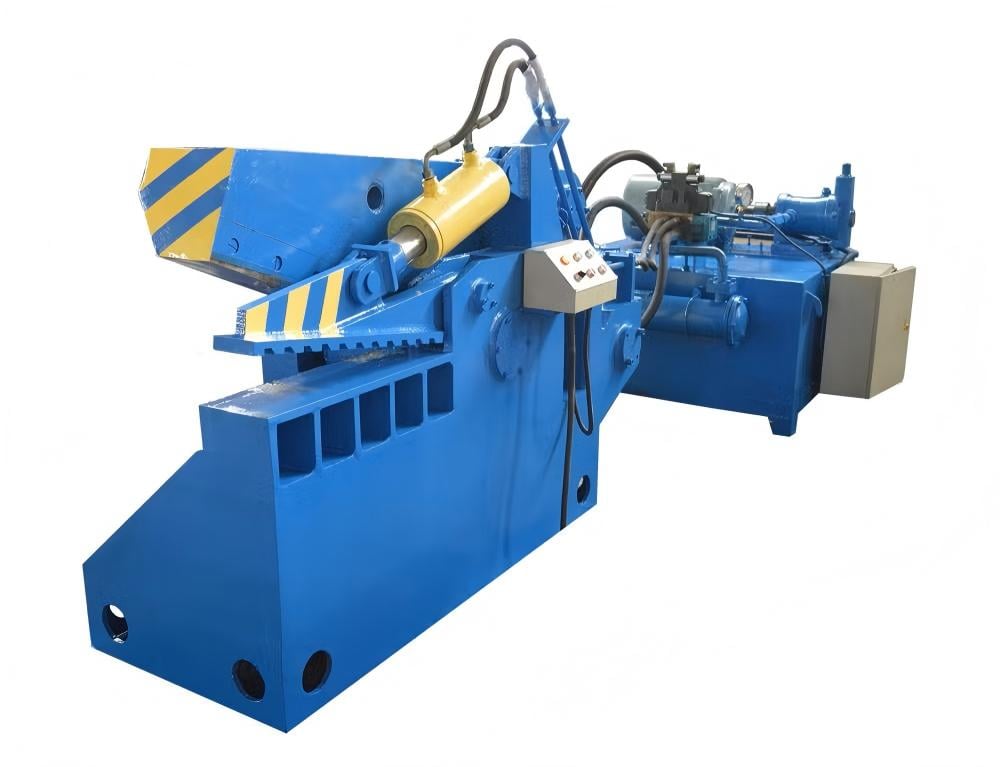
Capacity is the practical application of force and blade size. It is usually defined by the maximum diameter of round bar or the maximum thickness of plate steel the machine can cut. For example, a HARSLE Q43-2000 model might be rated for 50mm round steel. It is always advisable to choose a machine with a capacity roughly 20-30% higher than your average daily requirement. This “safety margin” prevents the machine from constantly running at its limit, which extends the life of the hydraulic seals and the motor.
Hidden Costs of Owning an Alligator Shear
The purchase price is just the beginning of the Total Cost of Ownership (TCO). To accurately budget, buyers must consider several hidden costs. Installation and Commissioning can be a factor, especially for larger units that require specialized foundation work or high-voltage electrical connections. While many HARSLE machines are designed for “plug and play” operation, larger systems may require professional setup.
Maintenance and Consumables are ongoing expenses. The most frequent cost is blade sharpening and replacement. Depending on the material being cut (e.g., stainless steel vs. aluminum), blades may need to be rotated or sharpened every few months. Additionally, hydraulic oil needs to be filtered and replaced periodically to prevent contamination from damaging the valves. A high-quality hydraulic oil can be expensive, but it is essential for protecting the system.
Energy Consumption is often overlooked. A machine with a 30kW motor running 8 hours a day can add significantly to your monthly utility bill. Choosing a machine with an efficient hydraulic circuit that unloads the pump when not cutting can save thousands of dollars over the machine’s lifespan. Finally, consider the cost of Downtime. If a cheap machine breaks down and parts are not readily available, the lost production can quickly exceed the initial savings on the purchase price. This is why choosing a reputable brand like HARSLE, with a robust spare parts supply chain, is critical.
ROI Calculation: Is the Investment Worth It?
Calculating the Return on Investment (ROI) for an alligator shear involves comparing the cost of the machine against the increased revenue from processed scrap and labor savings. Processed scrap (cut to size) typically commands a much higher market price than “unprepared” scrap. For instance, if prepared steel fetches $50 more per ton than unprepared steel, and your HARSLE shear allows you to process 10 tons per day, you are generating an additional $500 in daily revenue.
Labor savings are another major factor. Manually cutting scrap with a torch is slow, dangerous, and requires expensive gases. An alligator shear can do the work of three or four workers with torches in a fraction of the time. If the machine costs $20,000 and generates $500 in extra revenue per day while saving $200 in labor and gas costs, the payback period is less than 30 operating days. Even with maintenance and electricity factored in, the ROI on a well-chosen alligator shear is often measured in months, not years.
| Factor | Manual Torch Cutting | HARSLE Alligator Shear |
|---|---|---|
| Processing Speed | Slow (Manual) | Fast (Hydraulic) |
| Labor Requirement | High (Skilled) | Low (Operator) |
| Safety Risk | High (Fire/Fumes) | Moderate (Mechanical) |
| Material Value | Low (Unprepared) | High (Prepared) |
| Operating Cost | High (Gases/Consumables) | Low (Electricity/Oil) |
Buying Advice: How to Choose the Right HARSLE Model
When you are ready to purchase, follow this checklist to ensure you get the best machine for your needs. First, Analyze Your Material Mix. Do you primarily handle light aluminum extrusions or heavy structural steel? This will dictate whether you need a high-speed, low-tonnage machine or a high-tonnage powerhouse. Second, Consider Your Space. Alligator shears come in various footprints. Ensure you have enough room for the machine, the operator, and the inflow/outflow of material.
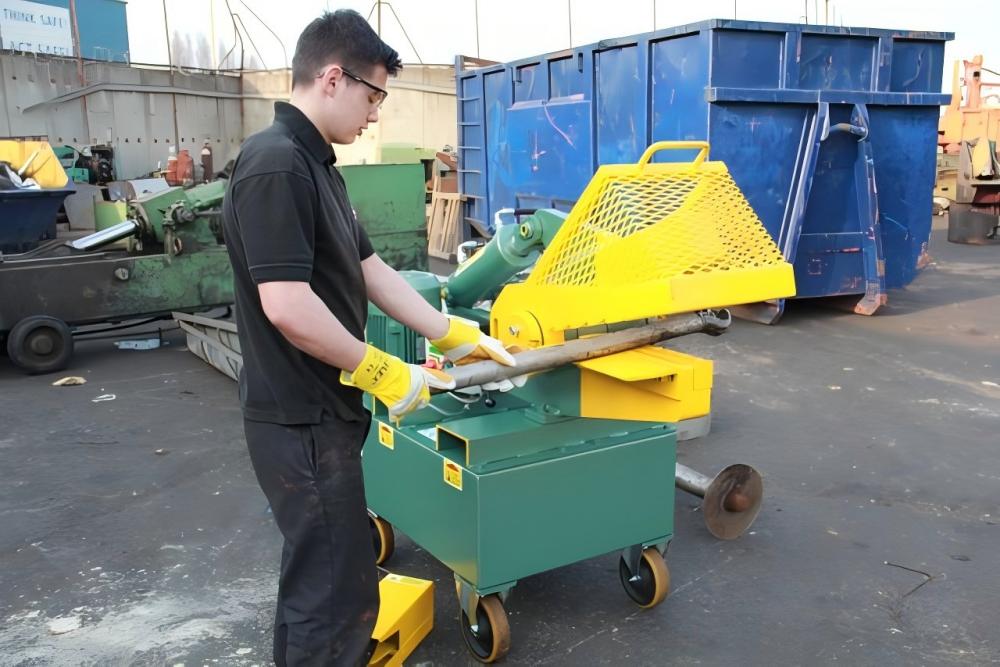
Third, Check the Cycle Time. In a production environment, every second counts. Look for machines with a “fast-cycle” feature that allows the jaw to open and close quickly when not under load. Fourth, Evaluate Safety Features. Modern HARSLE shears come equipped with blade guards, emergency stop buttons, and sometimes foot-pedal operation to keep the operator’s hands away from the cutting zone. Never compromise on safety to save a few dollars.
Finally, Verify After-Sales Support. Ask the manufacturer about the availability of replacement blades, seal kits, and technical support. A machine is only as good as the support behind it. HARSLE provides comprehensive documentation and support to ensure that your investment remains productive for decades.
Frequently Asked Questions (FAQ)
What is the difference between an alligator shear and a guillotine shear?
An alligator shear uses a hinged, jaw-like motion, making it ideal for oddly shaped scrap, pipes, and profiles. A guillotine shear moves in a straight vertical line and is generally used for cutting large, flat sheets of metal. Alligator shears are more versatile for recycling, while guillotines are better for precision fabrication of plate steel.
How often do the blades need to be sharpened?
This depends entirely on the material you are cutting. If you are cutting soft metals like copper or aluminum, blades can last for several months of continuous use. If you are cutting hardened steel or rebar, you may need to rotate or sharpen the blades every few weeks. Most HARSLE blades have four cutting edges, meaning you can rotate them four times before needing a full regrind.
Can an alligator shear cut stainless steel?
Yes, but stainless steel is much harder than mild steel. You will need a machine with higher cutting force (tonnage) and specialized blades designed for high-tensile materials. When cutting stainless, it is also important to operate at a slower cycle speed to prevent excessive heat buildup in the blades.
Is a foot pedal or a manual lever better for operation?
A foot pedal is generally preferred for high-volume work as it leaves the operator’s hands free to position the material. However, manual levers offer more tactile control, which some operators prefer for delicate or precise cuts. Many HARSLE models offer both options or can be switched between modes.
What kind of hydraulic oil should I use?
Most alligator shears require a high-quality anti-wear hydraulic oil, typically ISO VG 46 or 68, depending on your local climate. In colder environments, a thinner oil (46) is better for startup, while in hot environments, a thicker oil (68) maintains better viscosity. Always refer to the HARSLE user manual for specific recommendations.
Does the machine require a special foundation?
Smaller alligator shears can usually be placed on a standard reinforced concrete shop floor. However, the largest heavy-duty models (over 250 tons) may require a dedicated concrete pad to absorb the vibrations and the weight of the machine. Always check the floor loading capacity before installation.