How to Choose the Right Container Shear for Metal Fabrication Operations

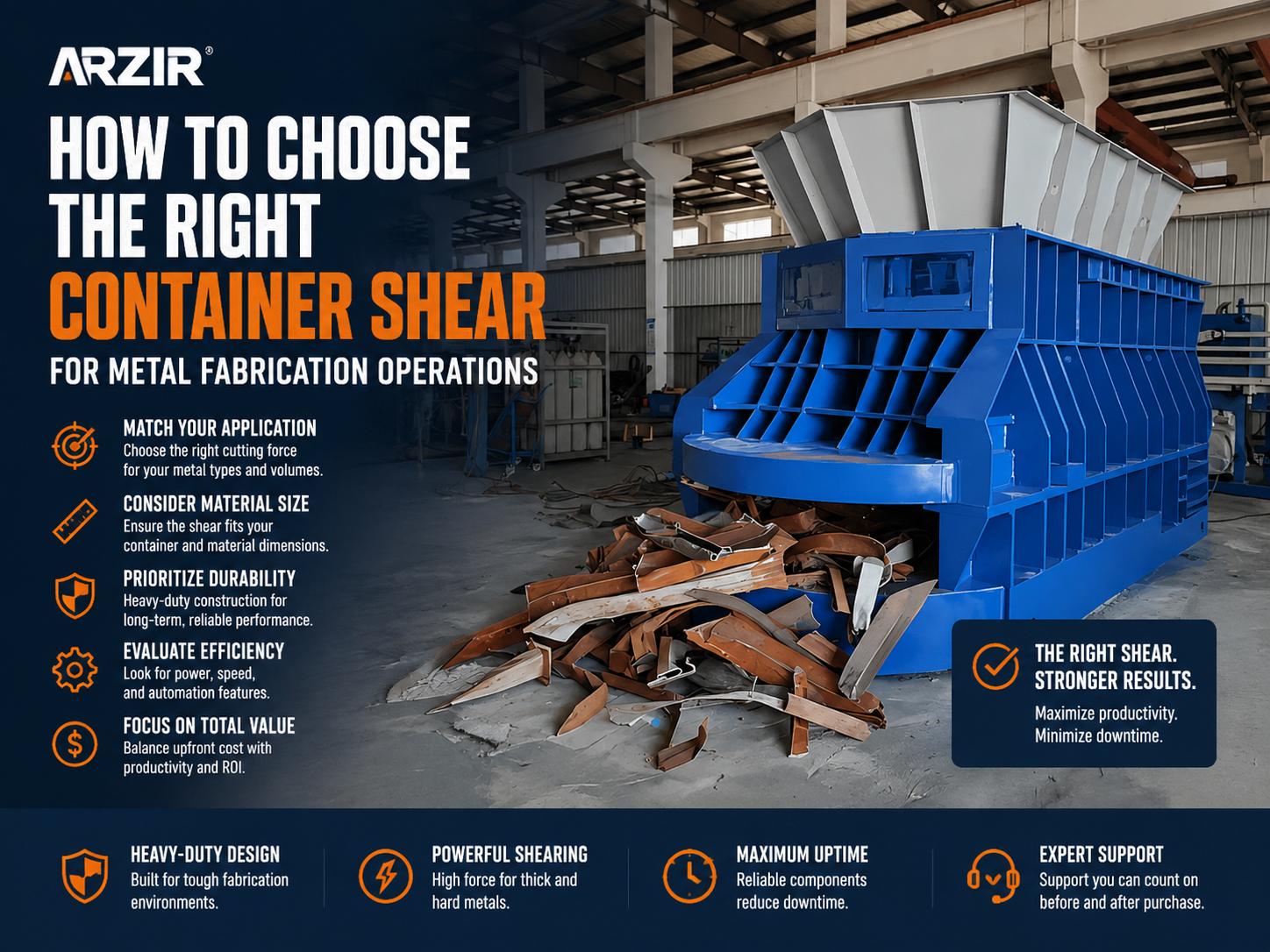
Introduction to Container Shears in Modern Metal Fabrication
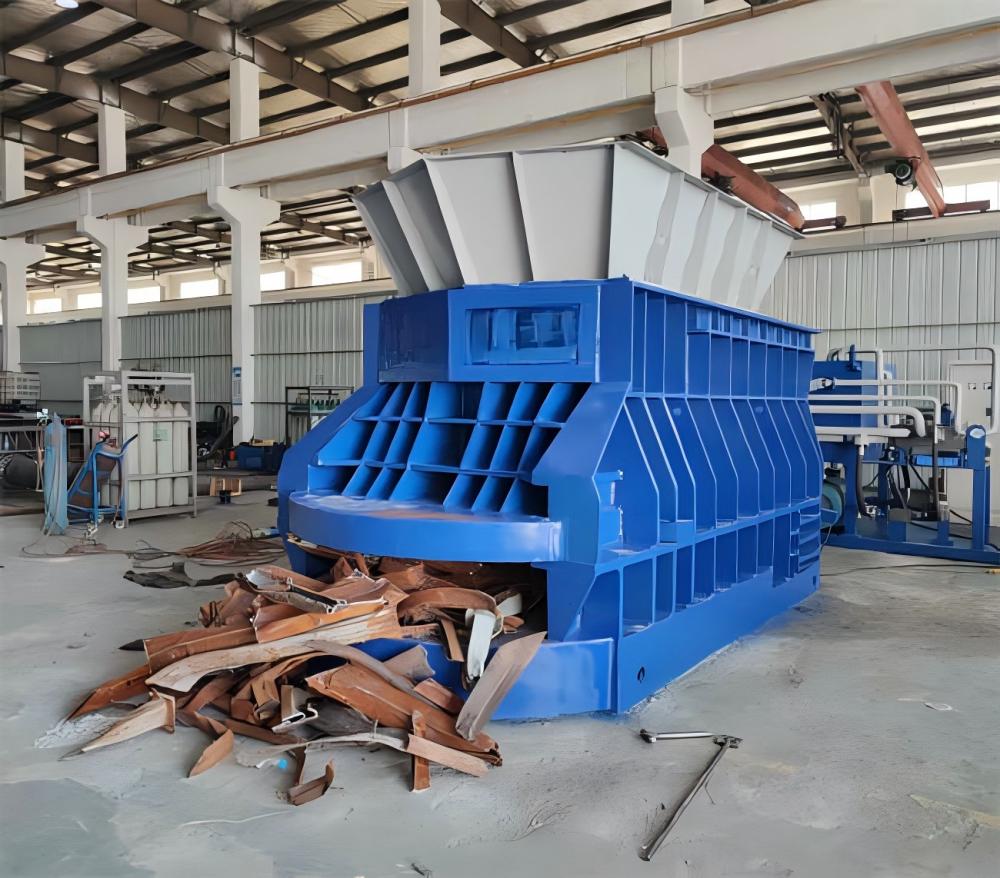
In the rapidly evolving landscape of metal recycling and industrial fabrication, the efficiency of scrap processing can make or break a company’s profitability. As metal fabrication operations scale, the need for high-volume, automated processing becomes undeniable. This is where the container shear—often referred to as a box shear or mobile scrap shear—enters the spotlight. Unlike traditional alligator shears or massive stationary guillotine shears, the container shear offers a unique blend of mobility, high cutting force, and continuous feeding capabilities.
Choosing the right container shear for metal fabrication operations is not merely a matter of picking the largest machine within a budget. It requires a deep understanding of material flow, hydraulic efficiency, and the specific types of scrap metal being processed. Whether you are dealing with HMS1, HMS2, light structural steel, or non-ferrous alloys, the configuration of your shear will dictate your throughput and, ultimately, your return on investment. This guide is designed to walk you through every technical and financial aspect of the selection process.
At HARSLE, we have observed that many fabrication shops struggle with the transition from manual torch cutting or small-scale shearing to industrial-grade container shears. The leap in productivity is massive, but so is the complexity of the machinery. By the end of this article, you will have a comprehensive framework to evaluate different models, understand the cost drivers, and select a machine that aligns with your long-term operational goals.
Price Range Overview: What to Expect
The investment required for a container shear varies significantly based on capacity, brand reputation, and technological integration. Generally, the market is divided into three primary tiers. Understanding these tiers helps fabrication managers align their capital expenditure (CAPEX) with their projected scrap volume.
Entry-Level and Compact Models ($60,000 – $120,000): These machines are typically designed for smaller yards or fabrication shops that process between 500 to 1,000 tons of scrap per month. They often feature cutting forces in the 400-ton range and may have simplified hydraulic systems. While they lack the blistering speed of high-end models, they are highly effective for processing light to medium scrap and offer a lower barrier to entry.
Mid-Range Industrial Shears ($150,000 – $350,000): This is the most popular category for established metal fabrication operations. These shears usually offer 500 to 800 tons of cutting force and are built with more robust structural steel. They often include advanced PLC controls, remote operation capabilities, and more efficient cooling systems for 24/7 operation. At this price point, you begin to see high-end components from brands like Rexroth or Vickers.
High-Capacity Heavy-Duty Shears ($400,000+): These are the titans of the industry, designed for massive scrap yards and heavy industrial demolition projects. With cutting forces exceeding 1,000 tons and massive hopper capacities, these machines can process heavy structural beams and thick plate steel with ease. They are often equipped with sophisticated automation and data tracking systems to monitor every cut and cycle.
Main Cost Drivers: Why Prices Vary
When you compare quotes for container shears, you might notice wide discrepancies even between machines with similar tonnage ratings. These differences are usually driven by the quality of internal components and the engineering of the frame. One of the primary cost drivers is the hydraulic system. High-end shears utilize variable displacement pumps and high-pressure valves that allow for faster cycle times and lower energy consumption. A cheaper machine might use fixed-gear pumps that run hot and consume more electricity, leading to higher long-term operational costs.
The blade material and design also play a significant role. Premium container shears use blades made from specialized tool steels or Hardox wear plate, which can withstand the immense friction and heat of continuous shearing. The way these blades are mounted—and whether they are four-sided (rotatable)—affects how often you need to spend money on replacements and sharpening. A machine that allows for quick blade rotations can save hundreds of hours of downtime over its lifespan.
Furthermore, the structural integrity of the box is a hidden but vital cost driver. The container shear operates by pushing scrap into a confined space and then shearing it. This creates immense internal pressure. High-quality manufacturers like HARSLE use stress-relieved, high-tensile steel for the container walls and the shear head. Cheaper models may use thinner plates that can warp or crack under the repetitive stress of processing heavy HMS1 scrap, leading to catastrophic failure and expensive repairs.
Configuration Impact: Matching Machine to Material
To choose the right container shear for metal fabrication operations, you must analyze the physical characteristics of your scrap. Not all shears are created equal when it comes to material handling. The configuration of the feeding hopper and the stroke length of the pusher ram are critical factors. If your scrap consists of long pipes or structural beams, you need a shear with a long container box (typically 5 to 6 meters) to avoid the need for pre-cutting with torches.
Cutting Force vs. Cycle Time: There is often a trade-off between the power of the cut and the speed of the machine. For fabrication operations focused on light-gauge offcuts, a faster cycle time (e.g., 2-3 cuts per minute) is more valuable than raw tonnage. Conversely, if you are processing heavy machinery parts or thick plate, you need the 800-ton force even if the cycle time is slower. Modern shears often feature “regenerative circuits” that allow the ram to move quickly when not under load and switch to high-pressure mode only when the blade meets resistance.
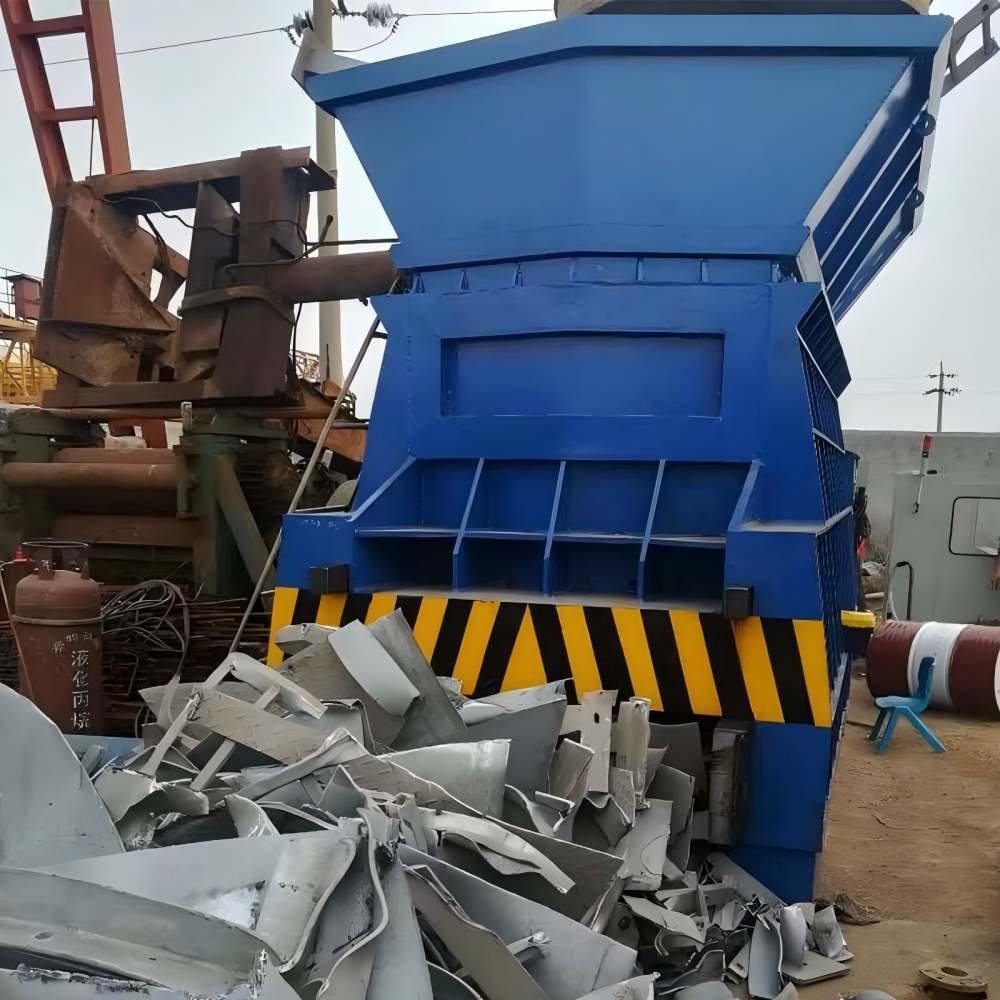
Mobility and Installation: Another configuration choice is between stationary and mobile (hook-lift) units. Stationary units are ideal for dedicated scrap processing zones within a factory, as they can be integrated into conveyor systems. Mobile container shears, however, offer the flexibility to move the machine to the scrap pile, reducing the need for internal logistics and material handling. This can significantly lower the operational cost per ton by reducing diesel consumption in loaders and forklifts.
| Feature | Light Fabrication Scrap | Heavy Industrial Scrap | Demolition/Mixed Scrap |
|---|---|---|---|
| Recommended Tonnage | 400 – 500 Tons | 800 – 1250 Tons | 600 – 800 Tons |
| Box Length | 3 – 4 Meters | 6+ Meters | 5 Meters |
| Cycle Speed | High (3-4 cuts/min) | Moderate (1-2 cuts/min) | Moderate |
| Primary Focus | Volume & Speed | Cutting Power | Versatility |
Hidden Costs of Ownership
The purchase price is only the beginning. To accurately choose a container shear for metal fabrication operations, you must account for the “hidden” costs that emerge during the first three to five years of ownership. Energy consumption is perhaps the most overlooked. A shear running on a 90kW motor will have significantly different utility bills than one running on a 150kW motor. If your local electricity rates are high, investing in a machine with an inverter-driven motor or a more efficient hydraulic circuit can pay for itself in less than two years.
Maintenance and Wear Parts: Container shears are high-wear machines. The liners inside the container box, the shear blades, and the hydraulic seals will all eventually need replacement. When evaluating a manufacturer, ask for the price and availability of these wear parts. If a machine uses proprietary parts that must be shipped internationally, a simple seal failure could result in weeks of lost production. Standardizing on machines that use globally available components (like Parker seals or Siemens electronics) is a wise strategic move.
Foundation and Site Prep: For stationary shears, the cost of the concrete foundation can be substantial. These machines generate significant vibration and require a reinforced pad to prevent the ground from shifting. Additionally, you must consider the cost of oil. A large container shear can require 1,000 to 2,000 liters of hydraulic oil. The cost of the initial fill, plus the cost of regular filtration and eventual replacement, must be factored into your operational budget.
ROI Calculation: When Does the Investment Pay Off?
Calculating the ROI for a container shear involves comparing the cost of your current processing method against the projected costs of the new machine. For many fabrication shops, the current method is manual torch cutting. Torch cutting is slow, requires expensive gases (oxygen/acetylene), and carries significant safety risks and insurance premiums. A container shear can often replace three to five manual cutters, drastically reducing labor costs.
The Throughput Advantage: Consider a scenario where a shop processes 500 tons of scrap per month. If manual processing costs $40 per ton in labor and consumables, the monthly cost is $20,000. A container shear might reduce that processing cost to $10 per ton (including electricity, maintenance, and one operator), resulting in a monthly saving of $15,000. At this rate, a $180,000 machine would pay for itself in just 12 months. This doesn’t even account for the higher price you can command for “clean,” sheared scrap compared to oversized, unprocessed material.
Material Value Spread: In the scrap industry, the difference between “unprepared” scrap and “prepared” scrap (e.g., HMS1 cut to 2-foot lengths) can be $30 to $60 per ton. By processing your own scrap in-house with a container shear, you capture this entire spread. For a high-volume operation, this increased margin on the material itself is often enough to justify the purchase of a high-end shear, even before considering labor savings.
Buying Advice: A Checklist for Success
Before signing a purchase agreement, there are several critical steps every buyer should take. First, request a material test. Any reputable manufacturer, including HARSLE, should be willing to show you videos of their machine processing material similar to yours, or even invite you to a factory acceptance test. Seeing how the machine handles “springy” material or thick structural beams will tell you more than any spec sheet ever could.
Second, evaluate the control system. Modern container shears should feature a user-friendly interface with diagnostic capabilities. If a sensor fails, the PLC should tell the operator exactly which one is malfunctioning. This reduces troubleshooting time from hours to minutes. Remote control is also a highly recommended feature, as it allows the loader operator to trigger the shear cycles without leaving the cab of their crane or forklift.
Finally, check the after-sales support infrastructure. Does the manufacturer offer remote diagnostic support via the internet? Do they have a local service partner? For metal fabrication operations, downtime is the enemy. Choosing a partner like HARSLE ensures that you have access to technical expertise and spare parts when you need them most. Don’t be swayed by the lowest price if it comes at the expense of long-term reliability and support.
Frequently Asked Questions (FAQ)
1. How often do the blades need to be changed?
Blade life depends entirely on the material being cut. For clean, light-gauge steel, blades can last for 500 to 1,000 hours before needing to be rotated. For heavy, sandy, or rusty scrap, you may need to rotate them every 200 to 300 hours. Most modern blades have four cutting edges, so you can rotate them three times before needing a full replacement or professional sharpening.
2. Can a container shear handle non-ferrous metals like aluminum?
Yes, container shears are excellent for non-ferrous metals. In fact, because aluminum and copper are softer, the machine will experience less wear and tear. However, you must ensure the blade gap is set correctly for thinner non-ferrous materials to prevent “folding” instead of shearing.
3. What kind of power supply is required?
Most industrial container shears require a 3-phase power supply (380V/415V/480V depending on your region). The amperage requirement is significant, so you must ensure your facility’s electrical transformer can handle the peak loads during the shear stroke. Diesel-powered versions are also available for remote locations or mobile operations.
4. Is it better to buy a mobile or stationary unit?
If your scrap is concentrated in one area and you have a conveyor system, a stationary unit is more stable and easier to maintain. If you have a large yard and want to minimize material handling, a mobile (hook-lift) unit is the better choice. Mobile units also tend to have a higher resale value due to their versatility.
5. How do I maintain the hydraulic system?
The key to hydraulic longevity is cleanliness. You must change the filters regularly and monitor the oil temperature. Most high-quality shears come with integrated oil coolers and filtration units. Using the correct grade of hydraulic oil for your climate (e.g., ISO 46 or ISO 68) is also crucial for preventing pump cavitation and seal wear.
Conclusion
To choose the right container shear for metal fabrication operations is to make a decision that will define your facility’s efficiency for the next decade. By focusing on the total cost of ownership—including energy, maintenance, and labor—rather than just the initial price tag, you can select a machine that truly enhances your bottom line. Whether you prioritize the mobility of a hook-lift unit or the raw power of a 1000-ton stationary shear, the principles of hydraulic efficiency and structural integrity remain the same. At HARSLE, we are dedicated to providing the technical guidance and robust machinery needed to turn your scrap into a high-margin asset.