How to Buy the Right Container Shear: Essential Questions for Industrial Buyers

Introduction to Industrial Container Shears
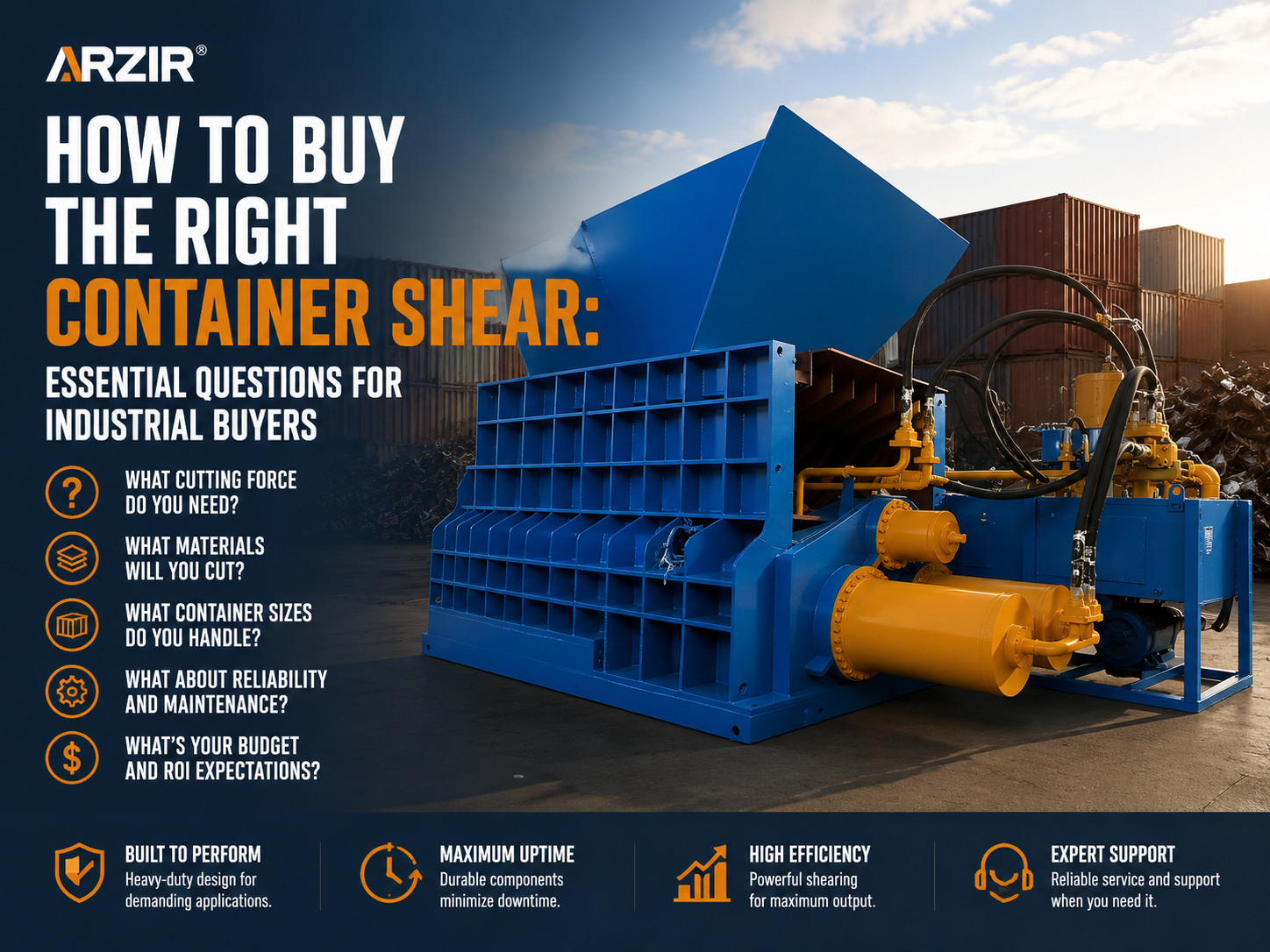
In the high-stakes world of scrap metal recycling and industrial waste management, the container shear stands as a titan of efficiency. Unlike traditional alligator shears or massive stationary guillotine shears, the container shear offers a unique blend of high-volume processing and relatively compact footprints. For industrial buyers, the decision to Buy Container Shear: Essential Questions Industrial Buyers must answer goes beyond simple price tags; it involves a deep dive into operational throughput, material types, and long-term durability.
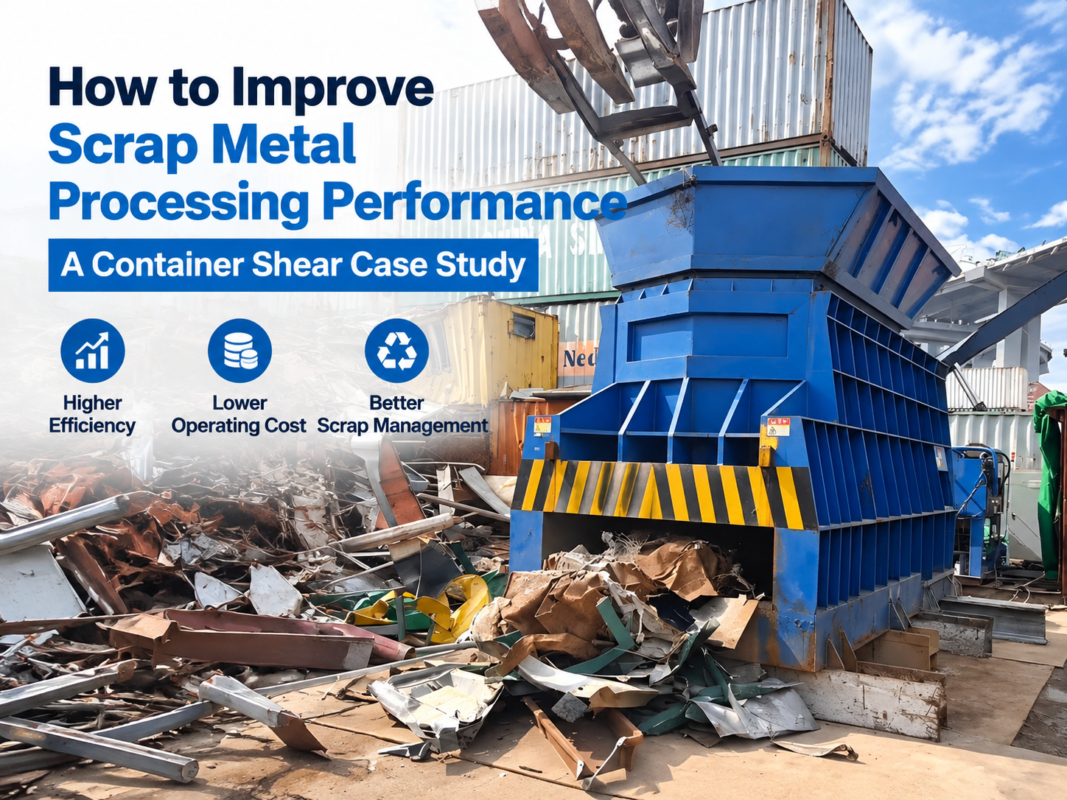
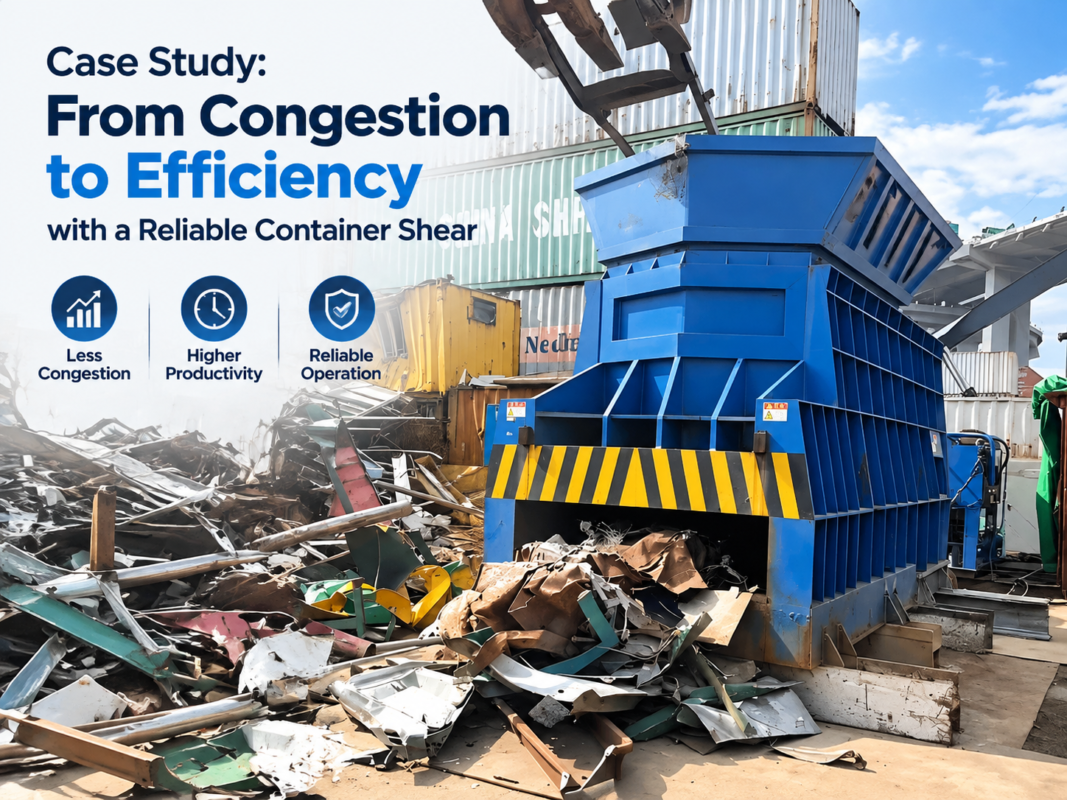
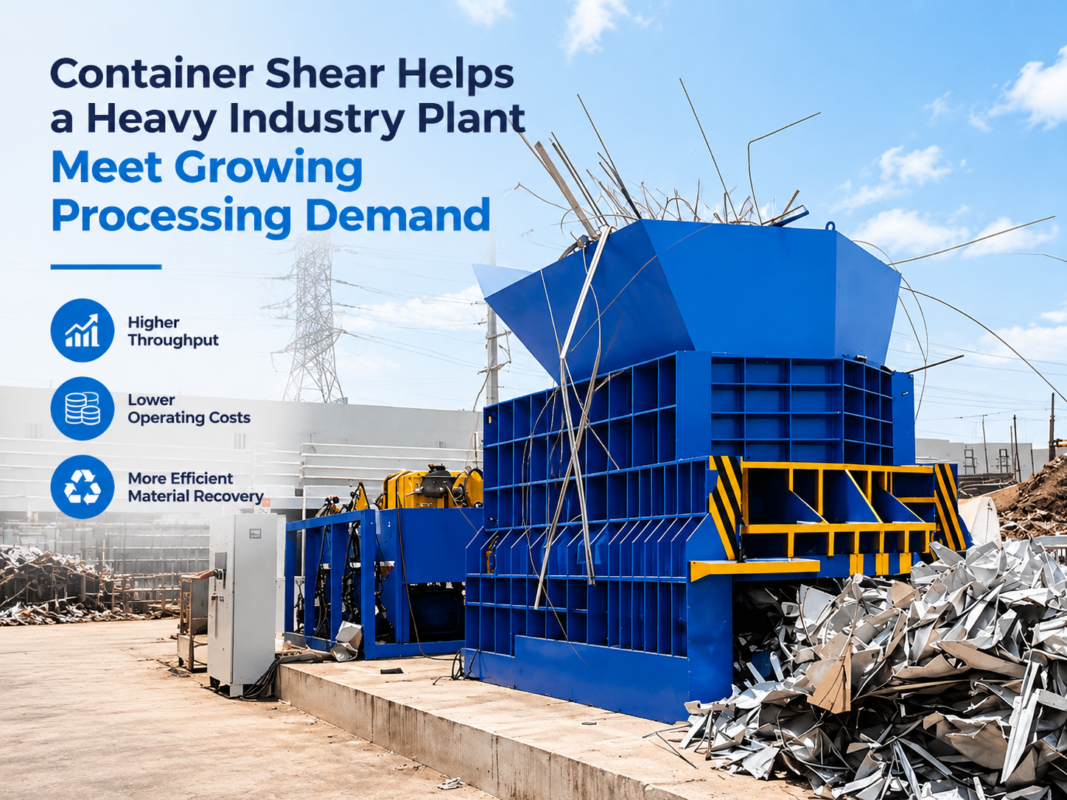
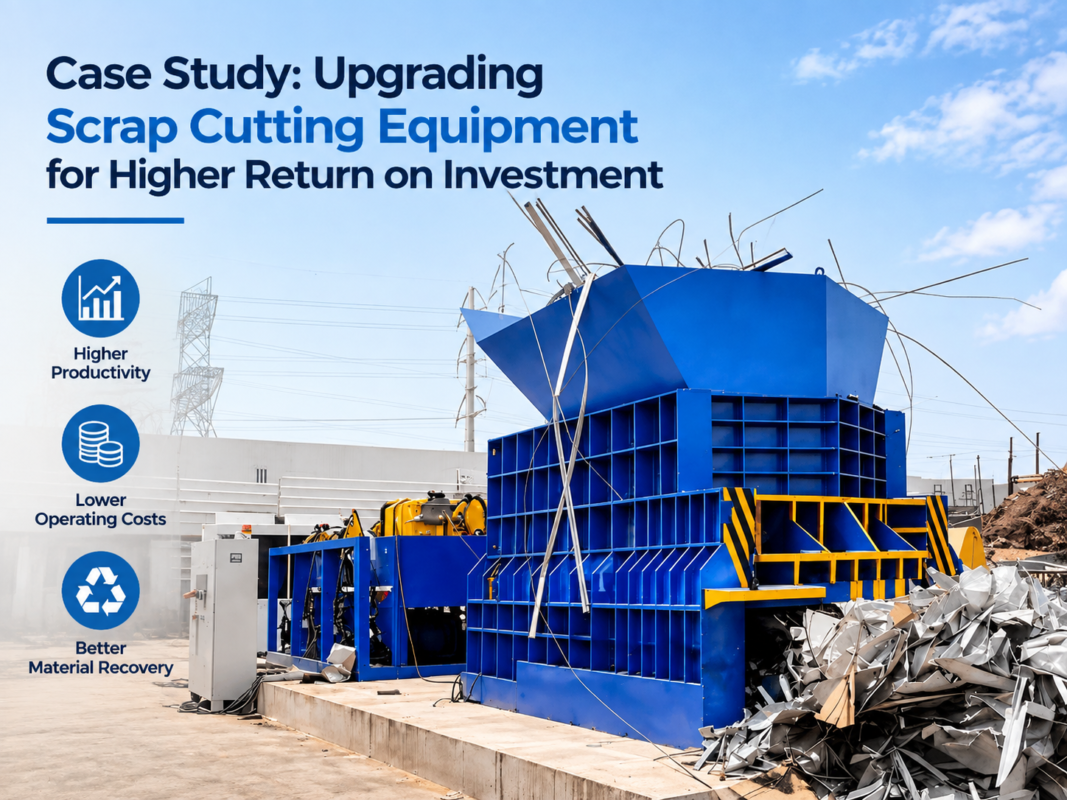
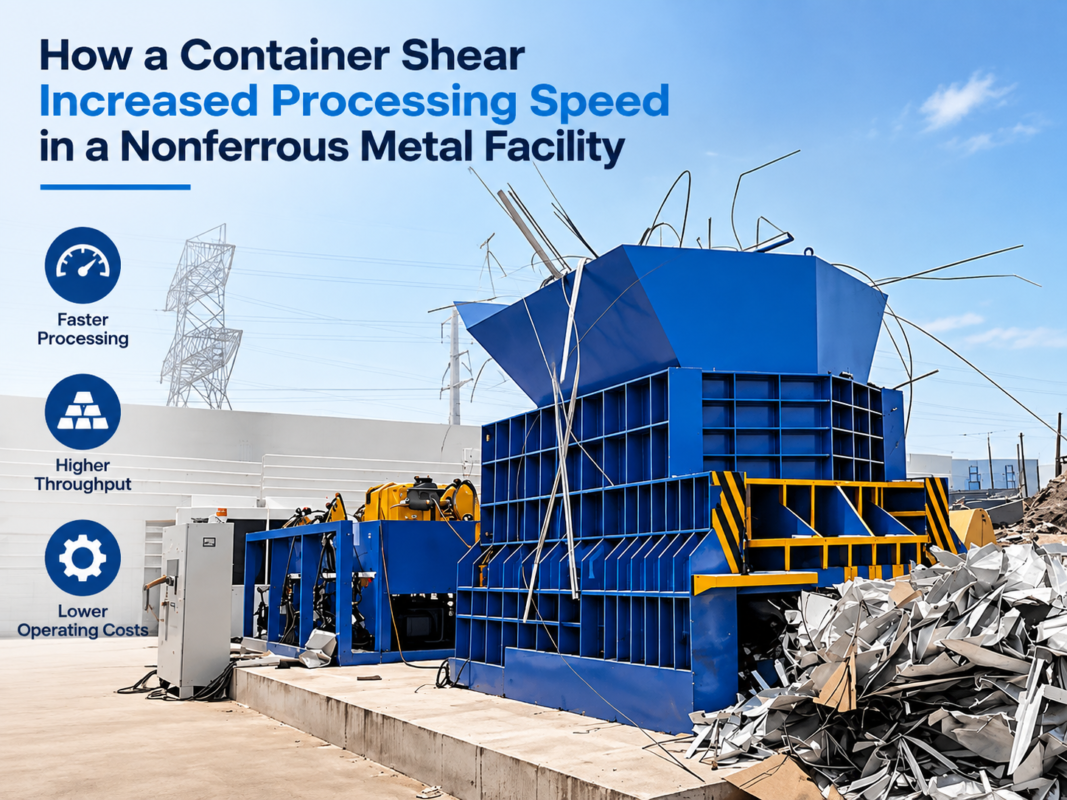
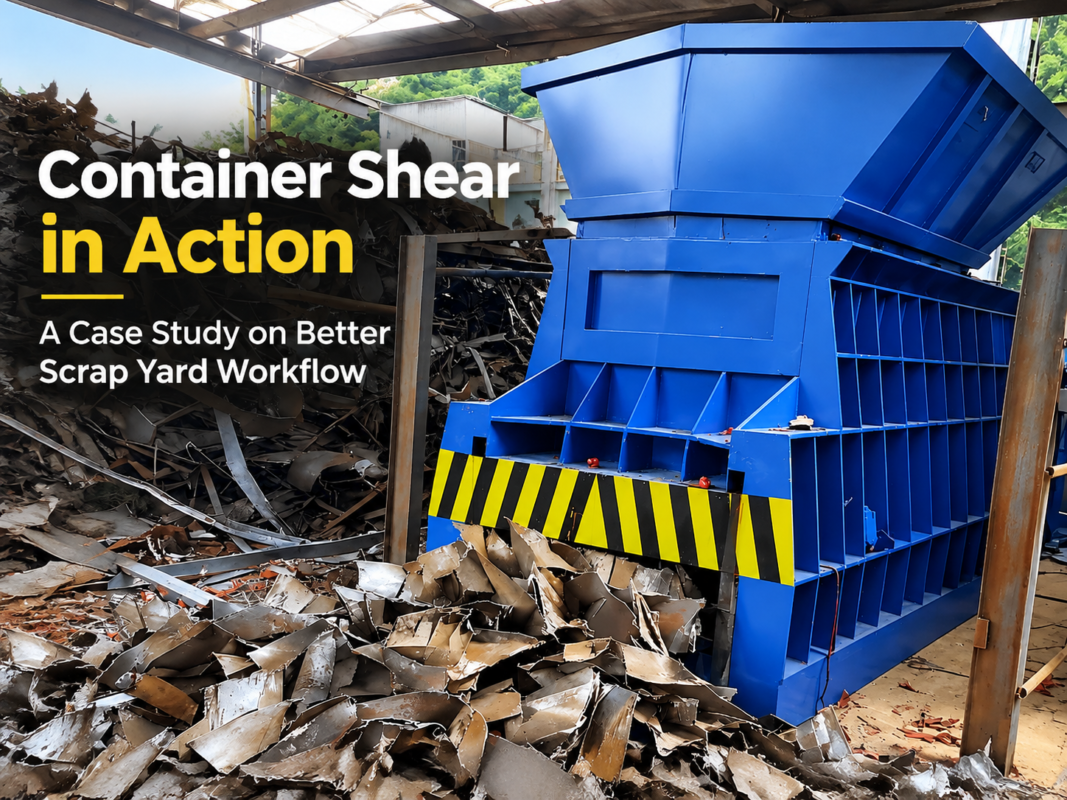
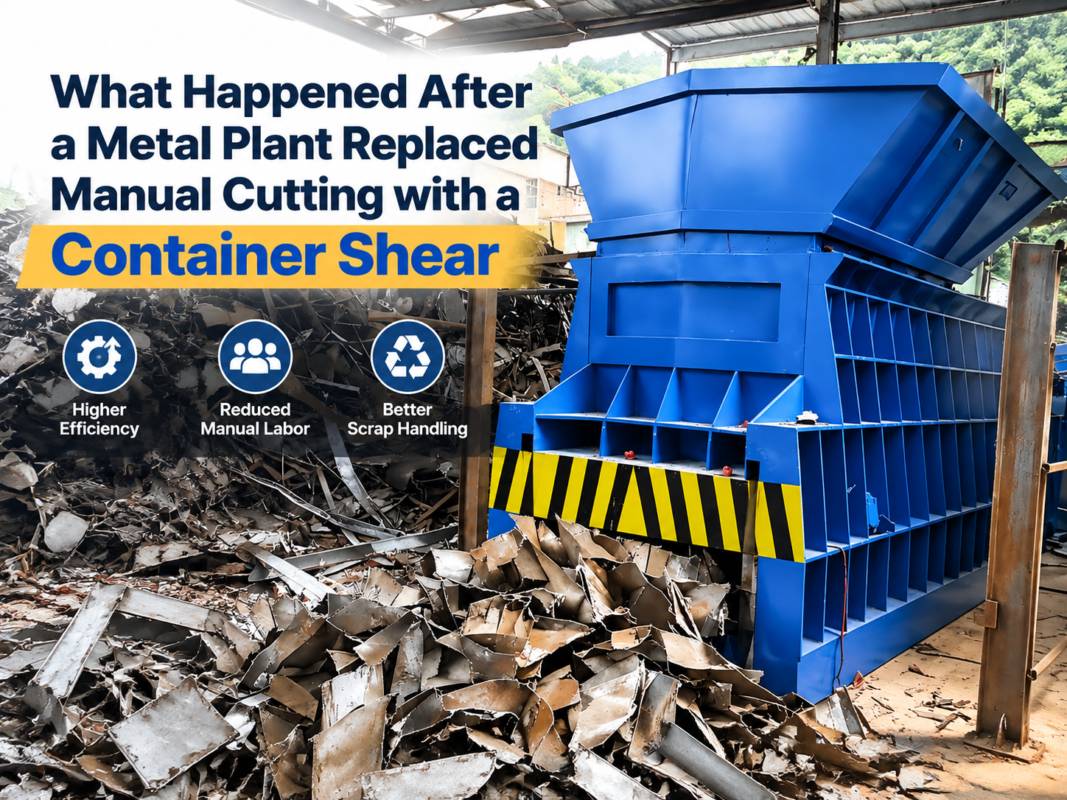
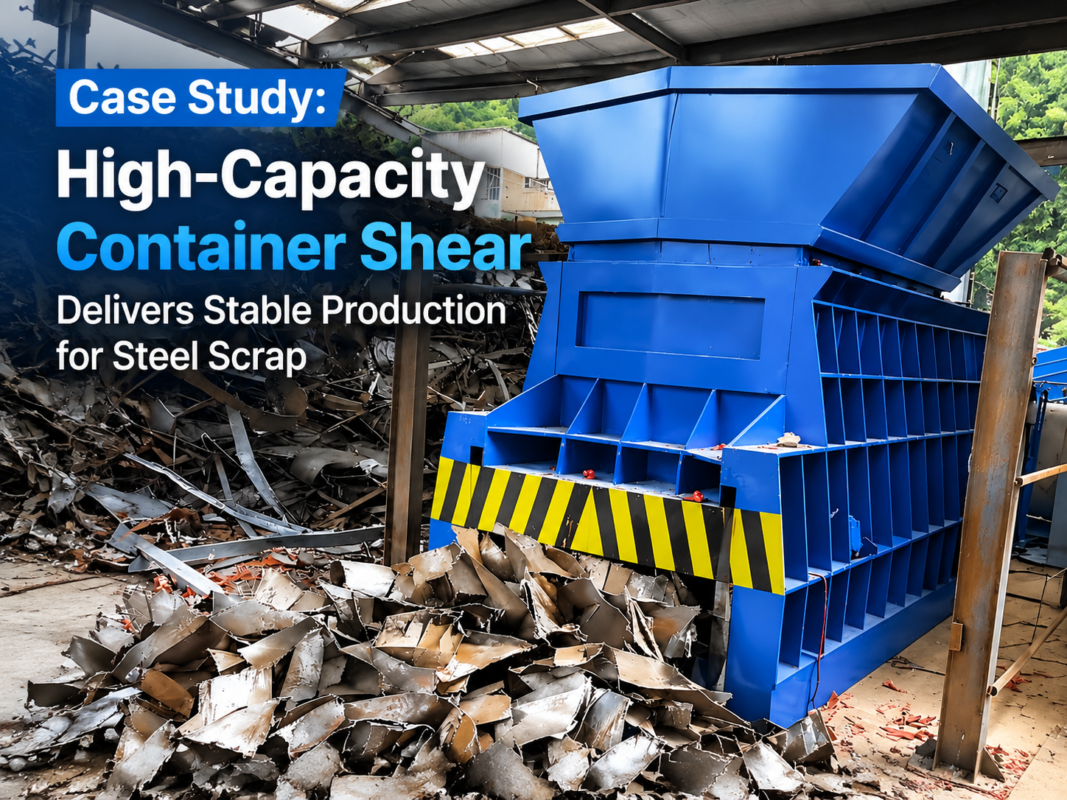
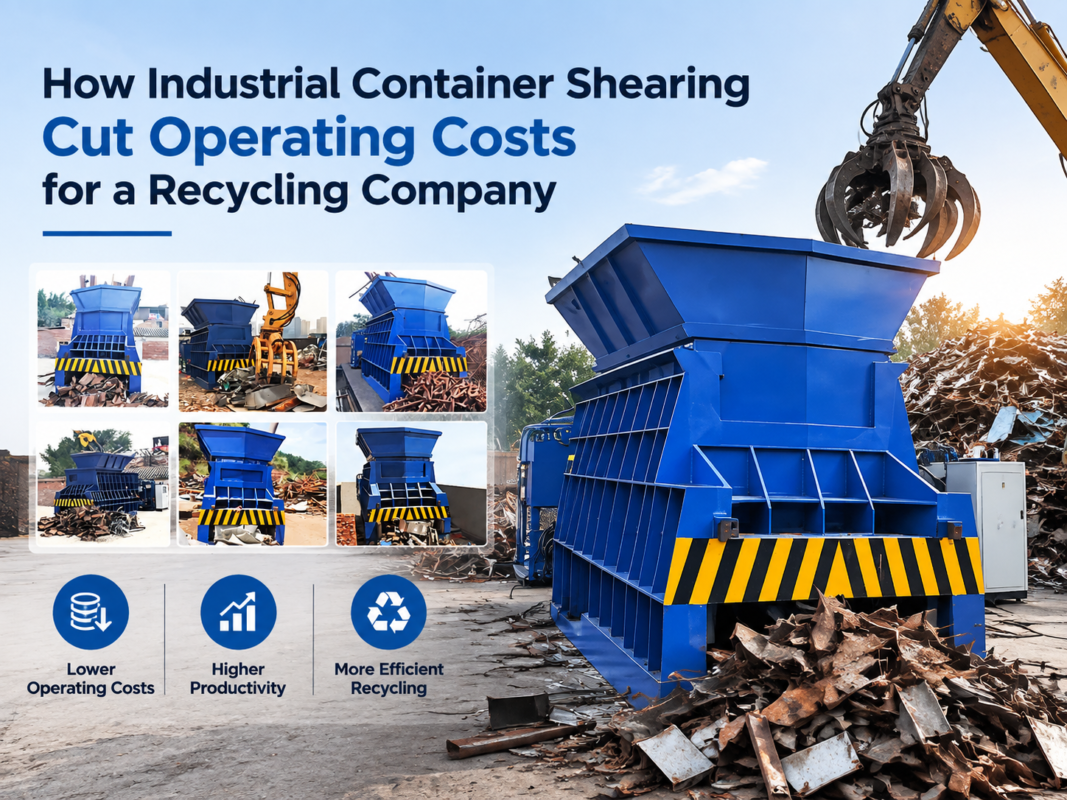
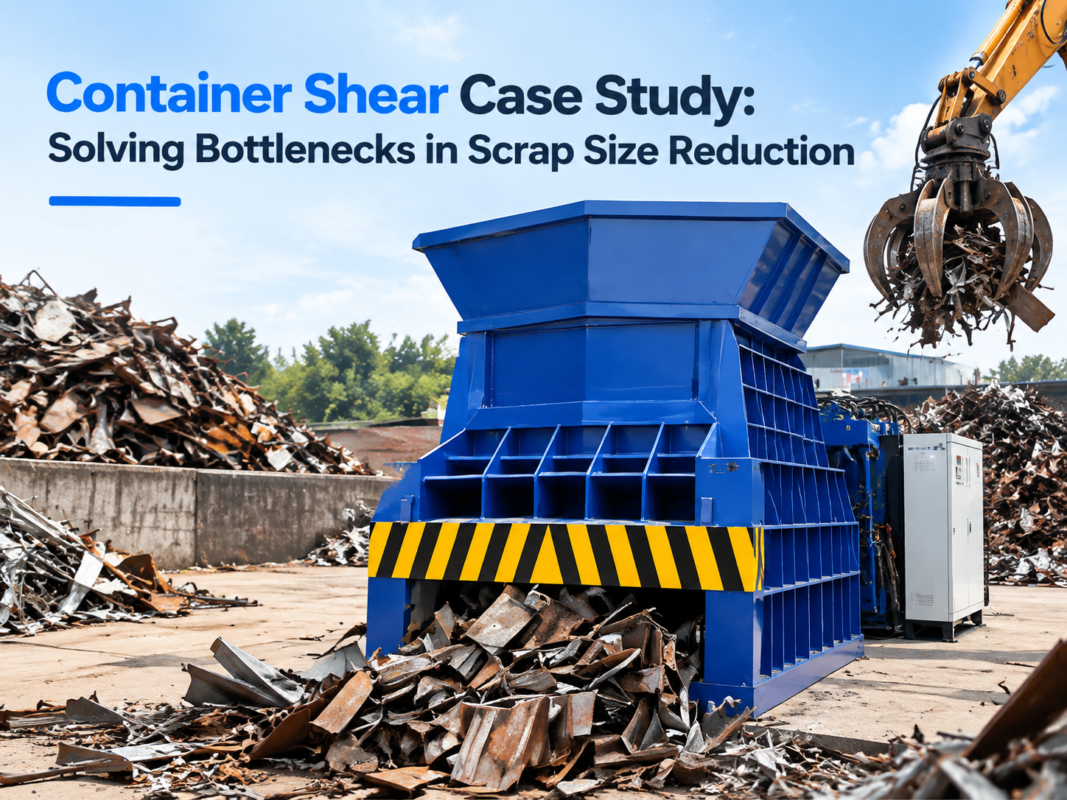
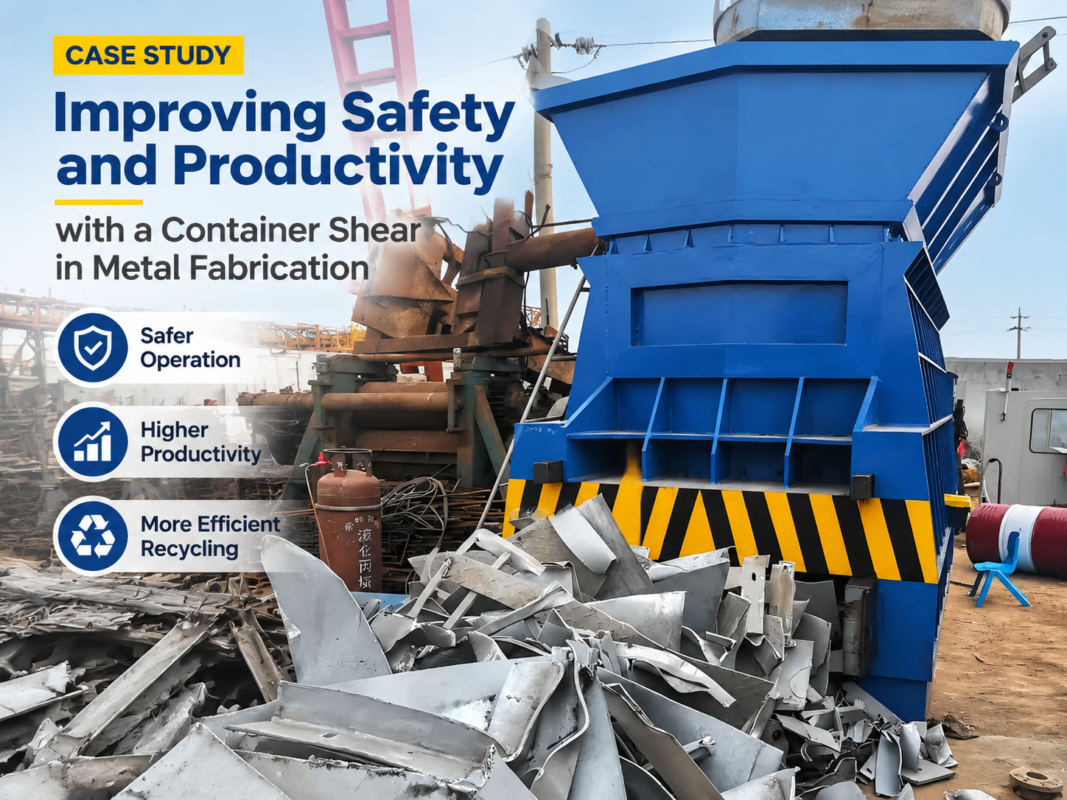
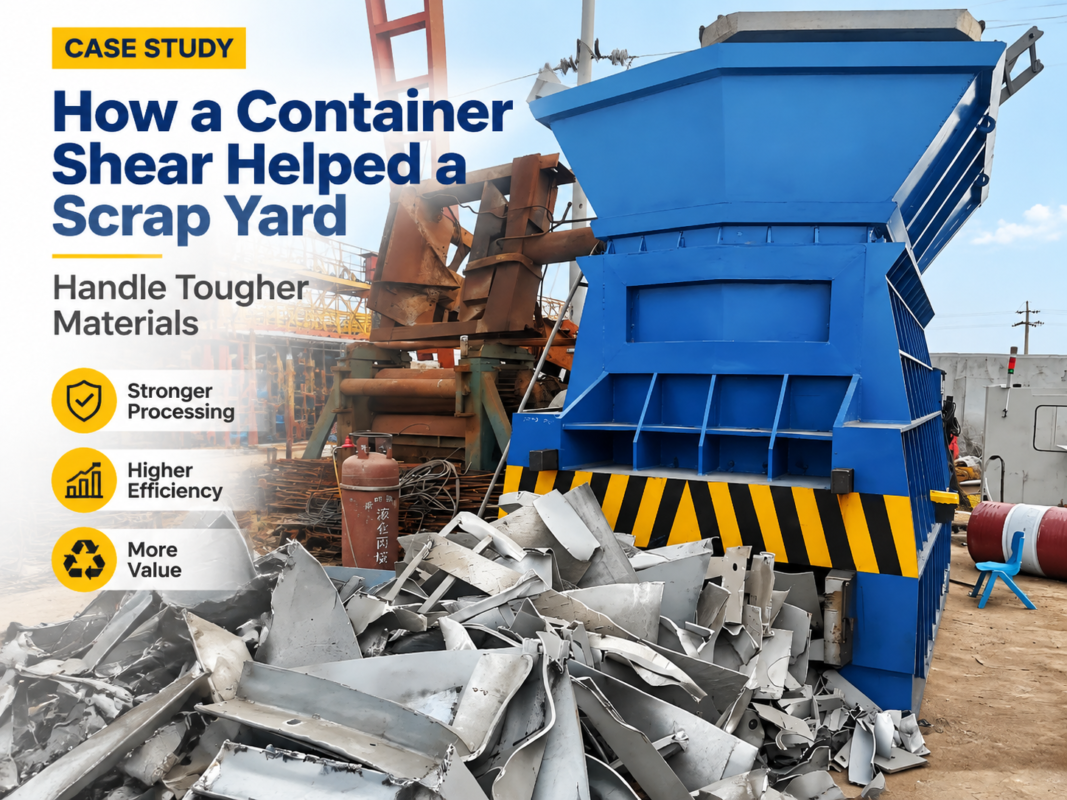
A container shear, often referred to as a box shear, operates by feeding scrap into a large hopper or ‘box,’ where it is compressed and then sheared into uniform lengths. This process is vital for preparing scrap for smelting or transport, significantly increasing the density of the material and, consequently, its market value. As global demand for recycled steel and non-ferrous metals continues to rise, investing in the right machinery becomes a cornerstone of a profitable recycling operation.
However, the market is flooded with various models, ranging from light-duty units to massive 1200-ton force machines. Navigating this landscape requires a technical understanding of hydraulic systems, blade metallurgy, and structural integrity. This guide is designed to provide industrial buyers with the comprehensive knowledge needed to make an informed investment, ensuring that the chosen machine meets current needs while allowing for future growth.
Price Range Overview: What to Expect
When you look to Buy Container Shear: Essential Questions Industrial Buyers often start with the budget. The price of a container shear can vary wildly based on its shearing force, brand reputation, and technological features. Generally, the market is divided into three primary tiers: entry-level, mid-range, and heavy-duty industrial units.
Entry-level container shears, typically offering between 400 to 600 tons of shearing force, usually fall within the $80,000 to $150,000 range. These machines are ideal for smaller yards or specialized recycling centers that handle lighter structural steel, aluminum, and copper. While they lack the sheer power of larger units, they offer lower energy consumption and easier maintenance for businesses just scaling up their operations.
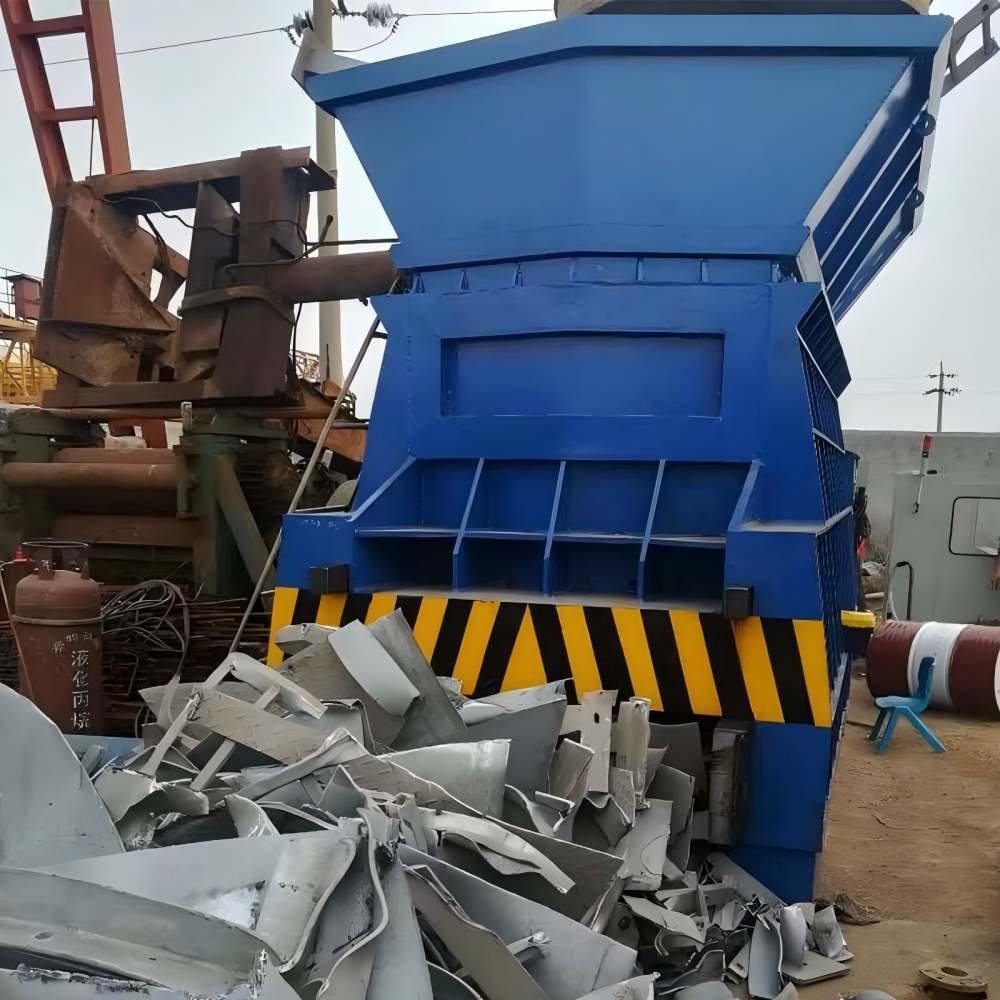
Mid-range units, providing 600 to 1000 tons of force, are the workhorses of the industry. These machines typically cost between $150,000 and $350,000. They are designed for continuous operation and can handle heavier scrap, including HMS1 and HMS2 grades. At this price point, buyers should expect advanced PLC controls, better hydraulic cooling systems, and more durable wear plates. These machines represent the ‘sweet spot’ for most medium-sized industrial recycling facilities.
Finally, heavy-duty industrial container shears with forces exceeding 1000 tons can cost anywhere from $400,000 to over $1,000,000. These are massive installations designed for 24/7 operation in high-volume environments like shipbreaking yards or large-scale steel mills. These units often feature automated feeding systems, remote diagnostics, and specialized high-strength alloys in their construction to withstand the immense stresses of processing heavy industrial scrap.
Main Cost Drivers in Container Shear Acquisition
Understanding what drives the cost of a container shear is essential for evaluating quotes from different manufacturers. The most significant cost driver is the Shearing Force. The hydraulic cylinders required to generate 1000 tons of pressure are significantly more expensive than those for 500 tons. This isn’t just about the cylinders themselves, but the entire structural frame, which must be reinforced to prevent warping or cracking under such extreme loads.
The Hydraulic System Quality is another major factor. High-end machines utilize pumps and valves from reputable global brands like Rexroth or Kawasaki. While these components increase the initial purchase price, they offer superior reliability, smoother operation, and easier access to spare parts globally. A cheaper hydraulic system might save money upfront but can lead to catastrophic downtime if a proprietary or low-quality pump fails.
Blade Material and Design also play a role. The blades are the primary wear part of the machine. High-quality shears use specialized tool steels or tungsten carbide inserts that maintain their edge longer and can be rotated or reground multiple times. The design of the blade seat and the ease of blade replacement are critical ergonomic factors that influence both the cost of the machine and the ongoing labor costs associated with maintenance.
Lastly, Automation and Control Systems contribute to the price. Modern container shears are equipped with sophisticated PLC (Programmable Logic Controller) systems that monitor everything from oil temperature to cycle times. Features like automatic lubrication, remote troubleshooting via internet connectivity, and integrated weighing scales add to the cost but significantly improve operational efficiency and reduce the likelihood of operator error.
Configuration Impact: Tailoring the Machine to Your Needs
The configuration of a container shear determines its versatility and throughput. One of the first decisions a buyer must make is between a Stationary vs. Mobile/Portable unit. Stationary units are typically more powerful and have larger feed boxes, making them suitable for dedicated recycling yards with high volumes. Mobile units, often mounted on trailers or tracks, offer the flexibility to move the machine to the scrap source, which can drastically reduce transportation costs for large-scale demolition projects.
The Feed Box Dimensions are equally critical. A larger box allows for the processing of oversized scrap without the need for pre-cutting with torches. This saves labor and fuel. However, a larger box requires more powerful compression cylinders to ‘tuck’ the scrap before the shearing stroke begins. Buyers must balance the size of the scrap they typically receive with the cycle time of the machine; a box that is too large for the material being processed will result in wasted energy and slower throughput.
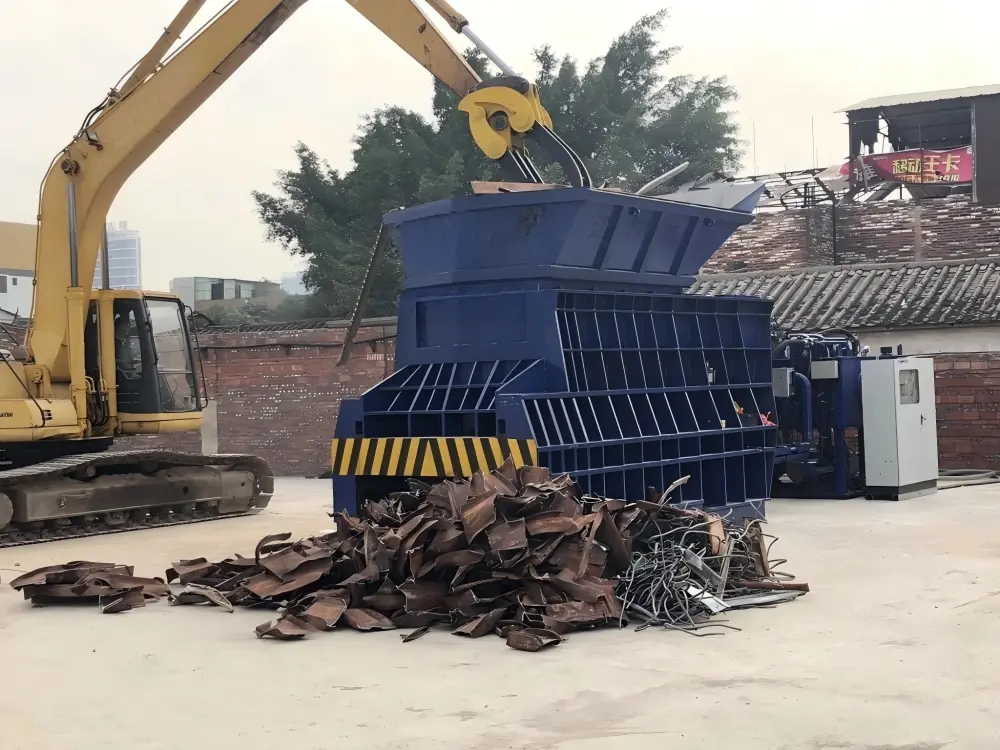
Power Source is another configuration variable. While most industrial container shears are electric-driven for consistency and lower operating costs in a fixed location, diesel-powered units are essential for remote sites or yards with limited electrical infrastructure. Some modern machines offer hybrid configurations, allowing the operator to switch between diesel and electric power depending on the availability of utilities, providing the ultimate in operational flexibility.
Furthermore, the Discharge System should not be overlooked. How the sheared material leaves the machine—whether via a conveyor belt, a vibrating chute, or simply falling into a pit—affects the layout of the yard. An integrated conveyor system can automate the loading of trucks or containers, further reducing labor costs and streamlining the logistics of the recycling process.
Hidden Costs of Owning a Container Shear
When you Buy Container Shear: Essential Questions Industrial Buyers must ask should include the total cost of ownership (TCO). The purchase price is just the beginning. Installation and Foundation costs can be substantial. A 600-ton shear generates massive vibrations and requires a reinforced concrete pad designed to specific engineering standards. Failure to provide an adequate foundation can lead to machine misalignment and premature structural failure.
Energy Consumption is a recurring hidden cost. These machines require significant power to operate. Buyers should look for units with energy-efficient hydraulic systems, such as variable displacement pumps, which only draw power when needed. Over the course of a year, the difference in electricity bills between an efficient machine and an outdated one can amount to tens of thousands of dollars.
Spare Parts and Consumables are a constant requirement. Blades, liners, and hydraulic filters must be replaced regularly. It is vital to inquire about the cost and availability of these parts. Some manufacturers use proprietary blade designs that force you to buy expensive replacements only from them. Choosing a machine that uses standard or easily sourced wear parts can significantly lower long-term maintenance expenses.
Finally, Operator Training and Safety Compliance involve costs that are often underestimated. Operating a container shear is a skilled job. Improper loading can jam the machine or cause ‘fly-back’ of material, which is a major safety hazard. Investing in comprehensive training for your staff is not only a legal requirement in many jurisdictions but also protects your investment from damage caused by operator error.
ROI Calculation: When Will the Machine Pay for Itself?
Calculating the Return on Investment (ROI) for a container shear involves comparing the increased revenue from processed scrap against the total cost of the machine and its operation. The primary driver of ROI is Throughput. If a machine can process 10 tons of scrap per hour and the price difference between unprocessed and sheared scrap is $50 per ton, the machine generates $500 of value per hour.
However, you must subtract the Operating Costs, which include electricity/fuel, labor, and maintenance. If these costs total $150 per hour, the net gain is $350 per hour. For a machine costing $250,000, the payback period would be approximately 714 operating hours. In a standard single-shift operation, this could be achieved in less than six months, making the container shear one of the most profitable pieces of equipment in a recycling yard.
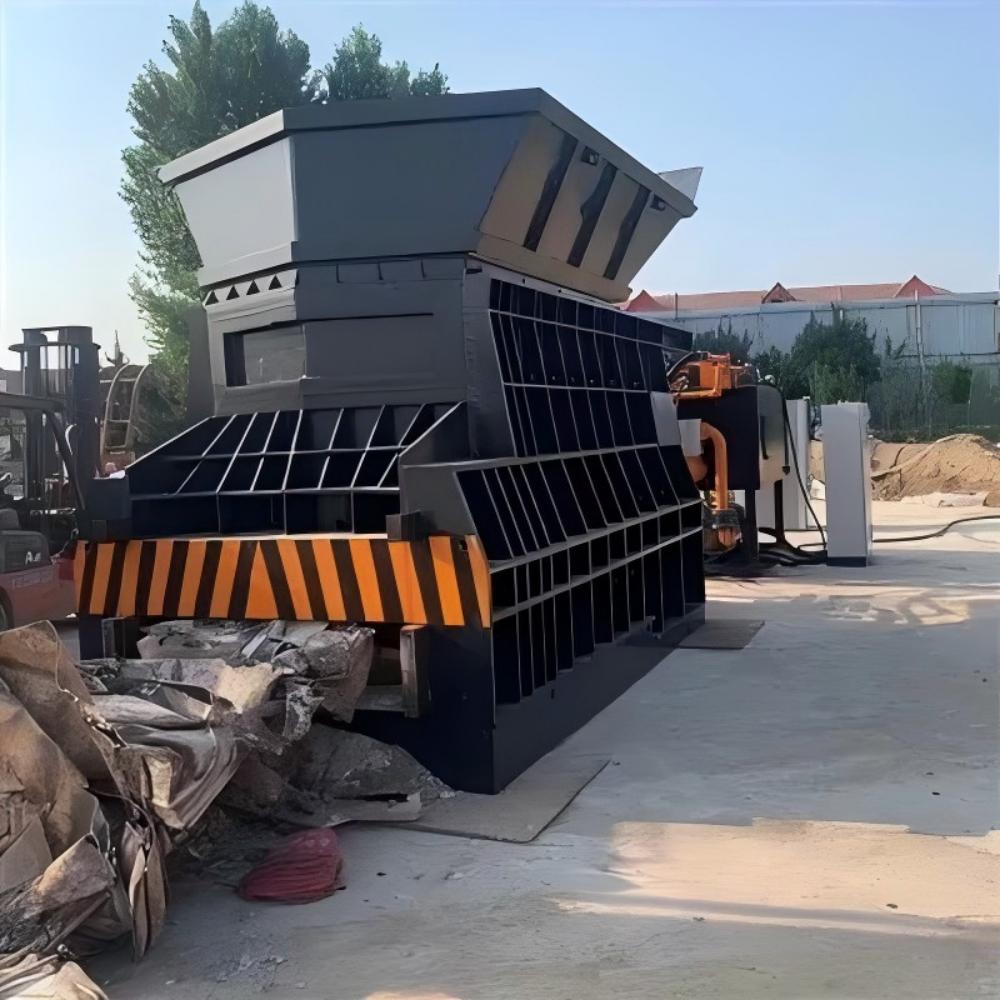
Another factor in ROI is Logistical Savings. Sheared scrap is much denser than loose scrap. This means you can fit more weight into each truck or shipping container. If you can double the density of your loads, you effectively halve your transportation costs. For yards that ship material over long distances, these savings alone can often justify the purchase of a high-capacity container shear.
Lastly, consider the Market Access. Many steel mills and foundries will only accept scrap that meets specific size and purity requirements. By owning a container shear, you gain access to these premium buyers who pay higher prices than general scrap dealers. This vertical integration allows you to capture more of the value chain, significantly boosting your annual profit margins.
Buying Advice: Essential Questions for Manufacturers
Before signing a contract to Buy Container Shear: Essential Questions Industrial Buyers should pose to the manufacturer or dealer include technical, logistical, and support-related queries. Here is a checklist of essential questions:
- What is the actual cycle time under load? Manufacturers often quote ‘dry cycle’ times (without material). You need to know how fast it processes real scrap.
- What grade of steel is used for the frame and the box? Look for high-tensile steel and Hardox (or equivalent) wear liners to ensure longevity.
- Can the hydraulic system handle ambient temperatures in my region? If you operate in a very hot or very cold climate, specialized cooling or heating systems for the hydraulic oil are mandatory.
- What is the expected lifespan of the blades when processing HMS1 scrap? This helps you estimate your annual consumable budget.
- Is the PLC software proprietary or open-source? You want to ensure that you aren’t locked into a single provider for software updates or troubleshooting.
- What is the lead time for critical spare parts? If a main cylinder seal fails, you cannot afford to wait six weeks for a part from overseas.
- Do you provide on-site installation and commissioning? Ensure the price includes a technician who will set up the machine and verify its performance.
- What safety features are integrated? Look for emergency stops, safety interlocks on access doors, and pressure relief valves.
By asking these questions, you demonstrate to the supplier that you are a knowledgeable buyer, which often leads to better service and more transparent pricing. Don’t be afraid to ask for references from other customers who have used the same model for at least two years; their feedback on reliability and manufacturer support is invaluable.
Frequently Asked Questions (FAQ)
1. What is the difference between a container shear and a guillotine shear?
A guillotine shear is typically a stationary, gravity-fed or pusher-fed machine that is much larger and more expensive. A container shear uses a ‘box’ to compress the scrap before shearing, making it more compact and often more versatile for different types of scrap. Container shears are also easier to transport and install compared to massive guillotine systems.
2. How often do the blades need to be changed?
Blade life depends entirely on the material being processed. For clean, light scrap, blades might last 500-1000 hours before needing to be rotated or sharpened. For heavy, dirty, or alloyed scrap, this could drop to 200-300 hours. Most modern container shears feature four-sided blades that can be rotated to provide four fresh cutting edges before needing replacement.
3. Can a container shear handle car bodies?
While some large container shears can process car bodies, it is generally not the most efficient use of the machine. Car bodies are better handled by a dedicated car baler or a shredder. However, if the container shear has a large enough box and sufficient compression force, it can flatten and shear a car body into manageable pieces.
4. What kind of maintenance is required daily?
Daily maintenance usually involves checking hydraulic oil levels, inspecting hoses for leaks, greasing moving parts (if not automated), and checking the blade gap. Keeping the machine clean of debris, especially around the hydraulic cylinders and the cooling fans, is also vital for preventing overheating and premature wear.
5. Is it better to buy new or used?
Buying new offers the benefit of a warranty, modern efficiency, and the latest safety features. However, a well-maintained used container shear from a reputable brand can offer significant savings. If buying used, always insist on a professional inspection of the hydraulic pumps and a structural ultrasonic test of the main frame to check for hidden cracks.
6. How does the ‘box’ size affect productivity?
The box size determines the maximum size of the scrap you can feed into the machine. A larger box reduces the need for pre-processing (like torch cutting), which saves time and labor. However, a larger box also means a longer compression cycle. The ideal box size is one that comfortably fits 90% of your typical scrap intake without being excessively large.