The Complete Container Shear Buying Guide for Scrap Yards and Steel Mills

Introduction to Container Shears in Modern Scrap Processing
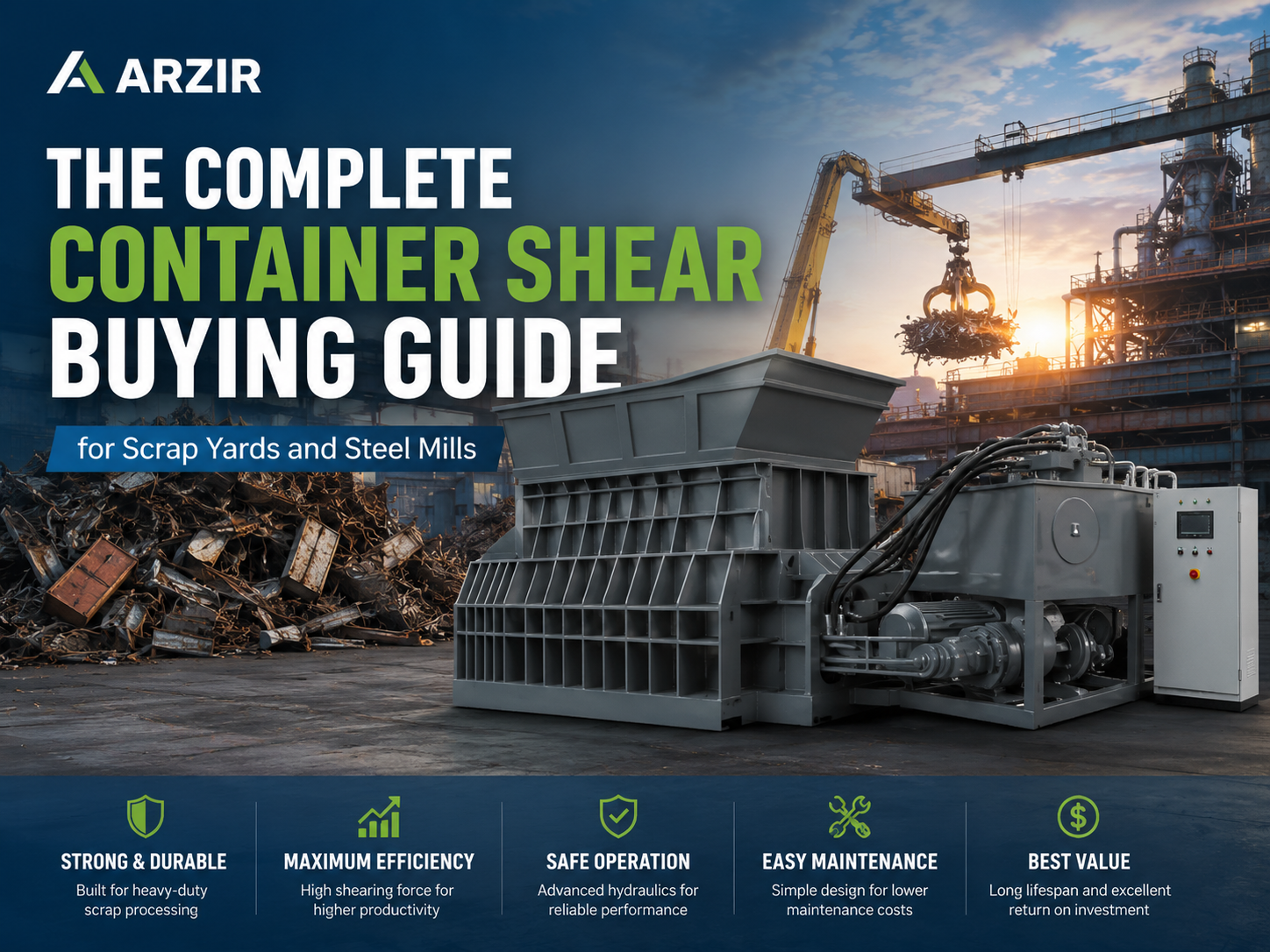
In the rapidly evolving landscape of metal recycling, efficiency is the primary differentiator between a profitable scrap yard and one that struggles with overhead. The container shear has emerged as a revolutionary piece of equipment, bridging the gap between smaller alligator shears and massive, stationary gantry shears. Designed to handle heavy-duty scrap processing with a focus on mobility and continuous feeding, these machines are essential for scrap yards and steel mills looking to optimize their workflow. This Complete Container Shear Buying Guide for Scrap Yards and Steel Mills aims to provide a deep dive into the technical, financial, and operational aspects of acquiring this machinery.
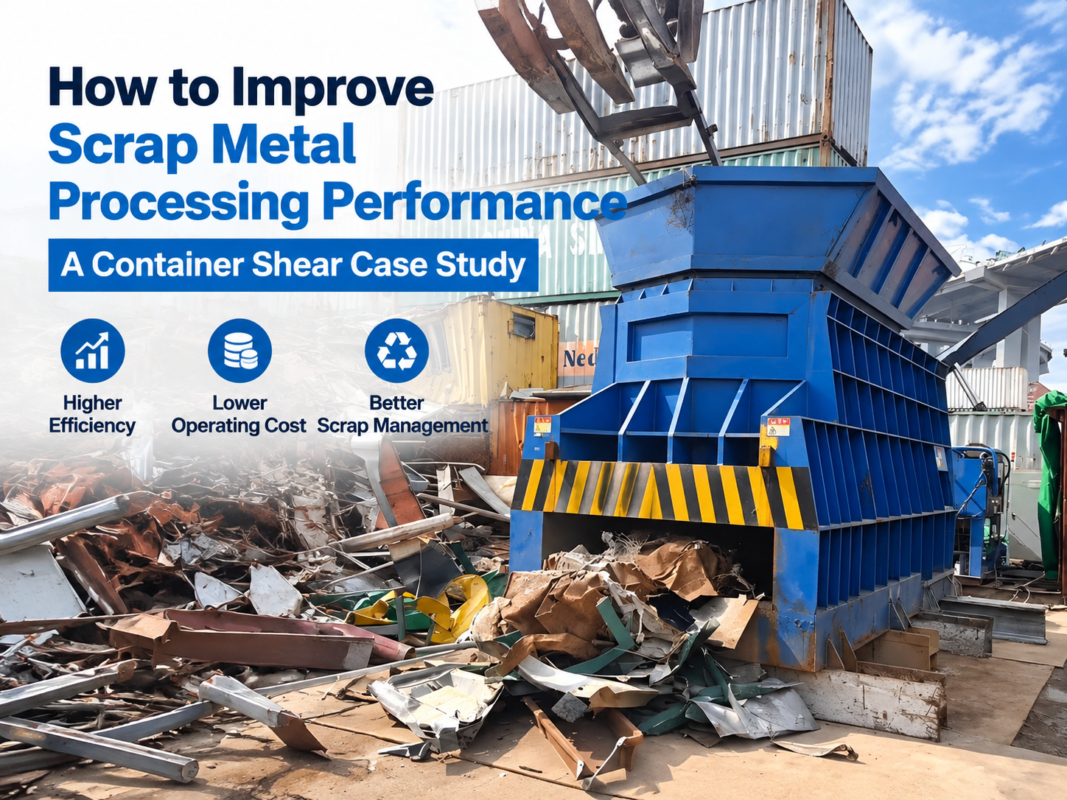
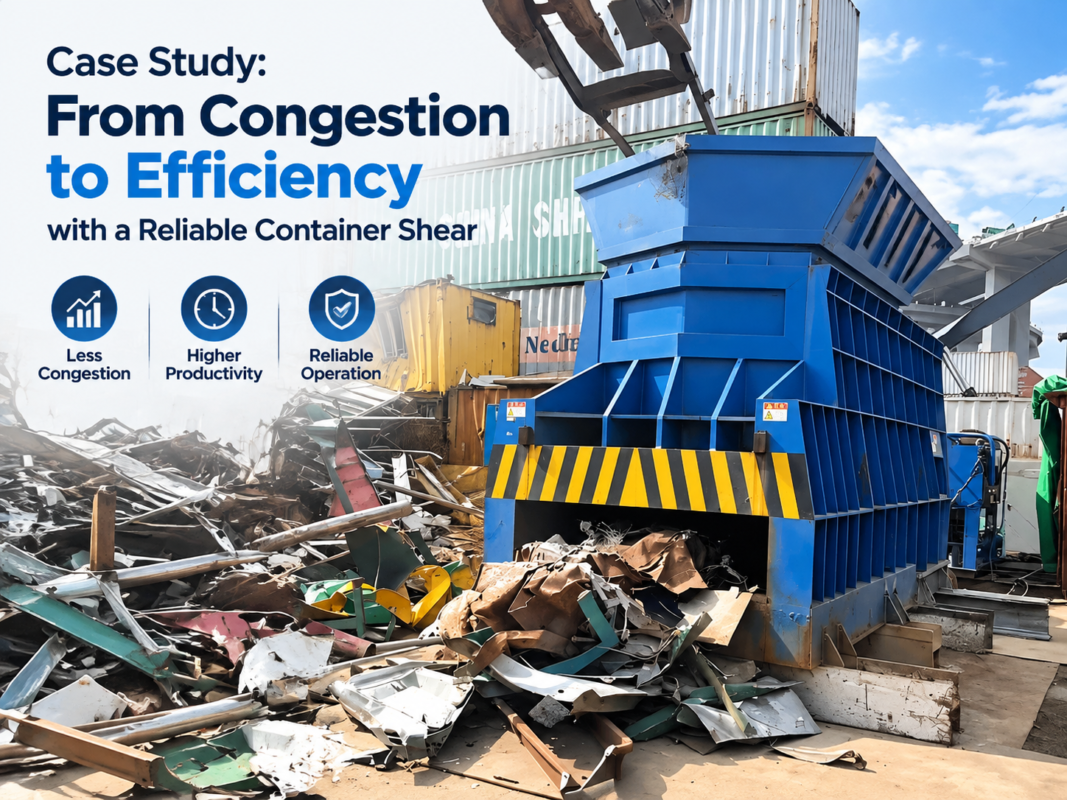
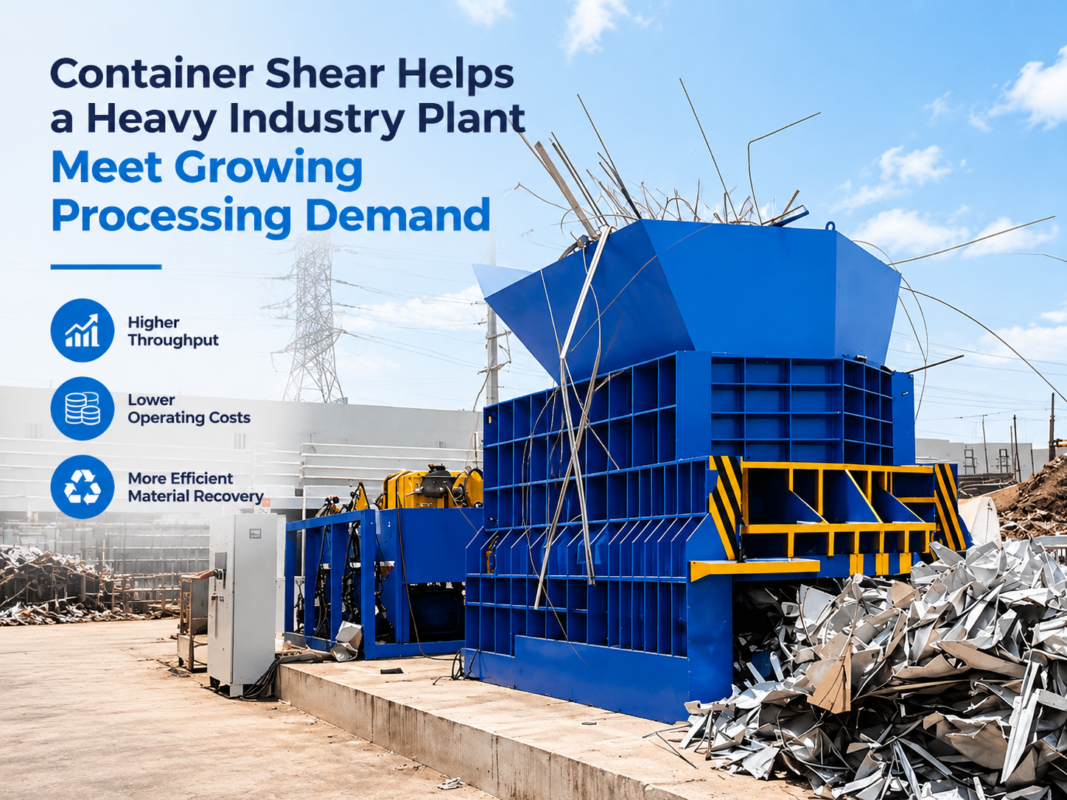
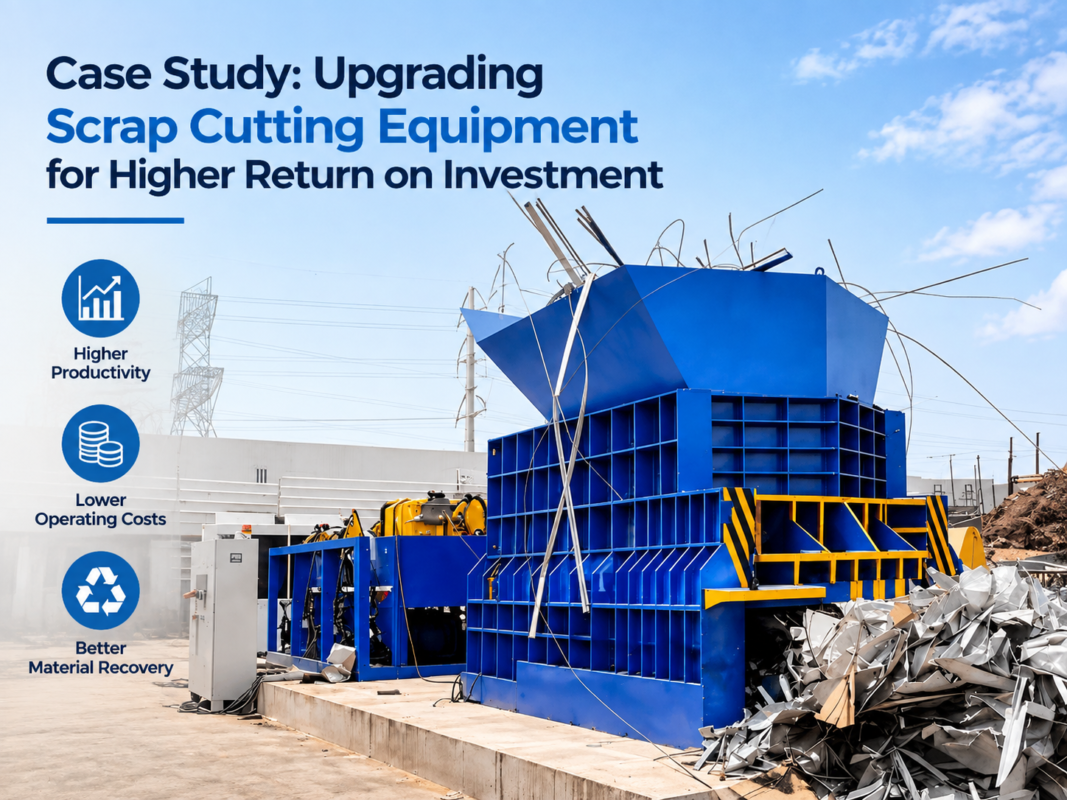
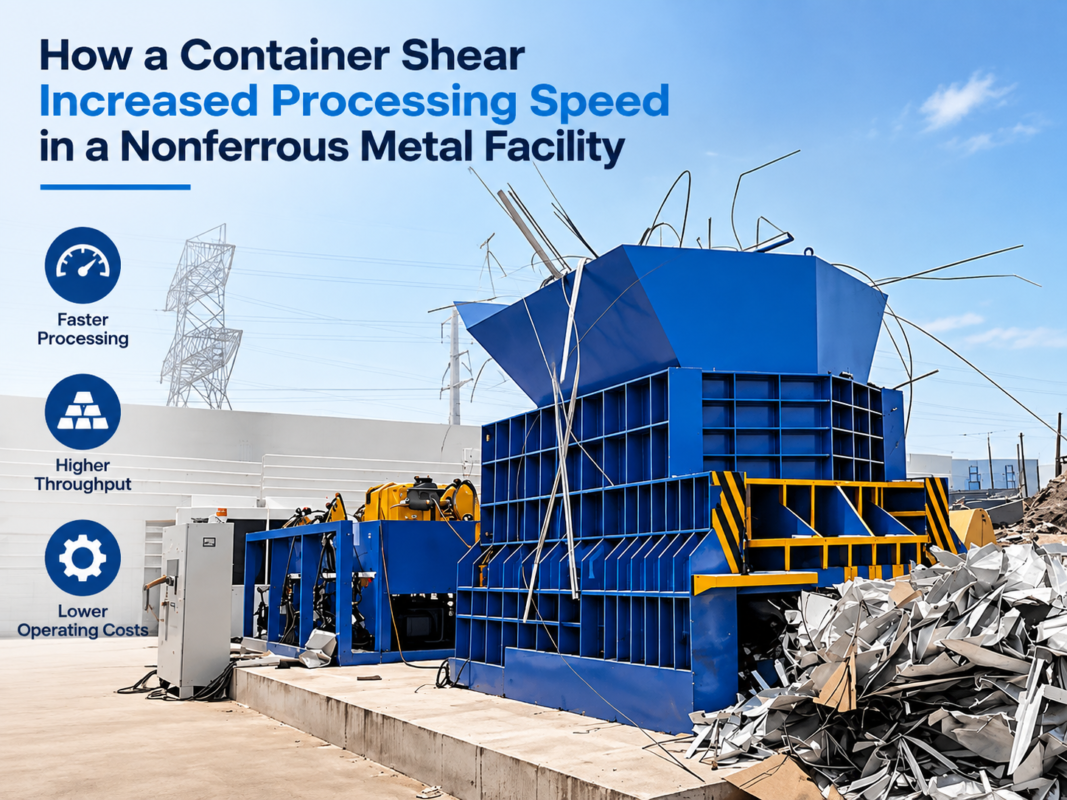
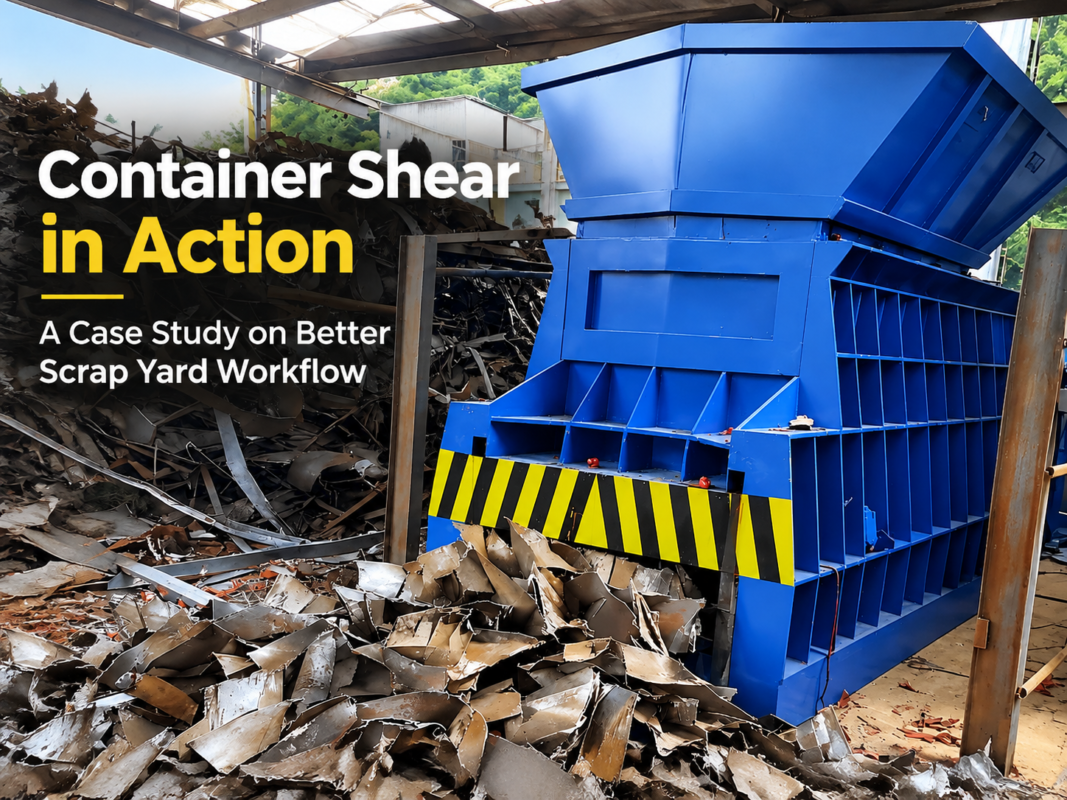
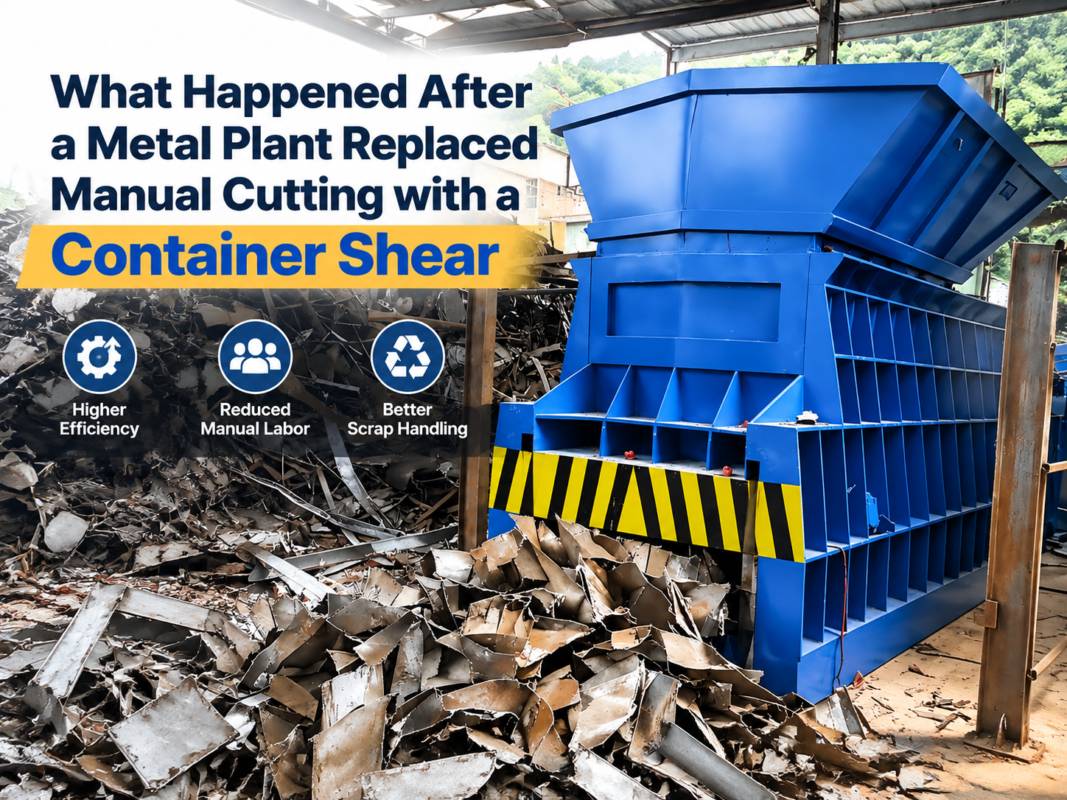
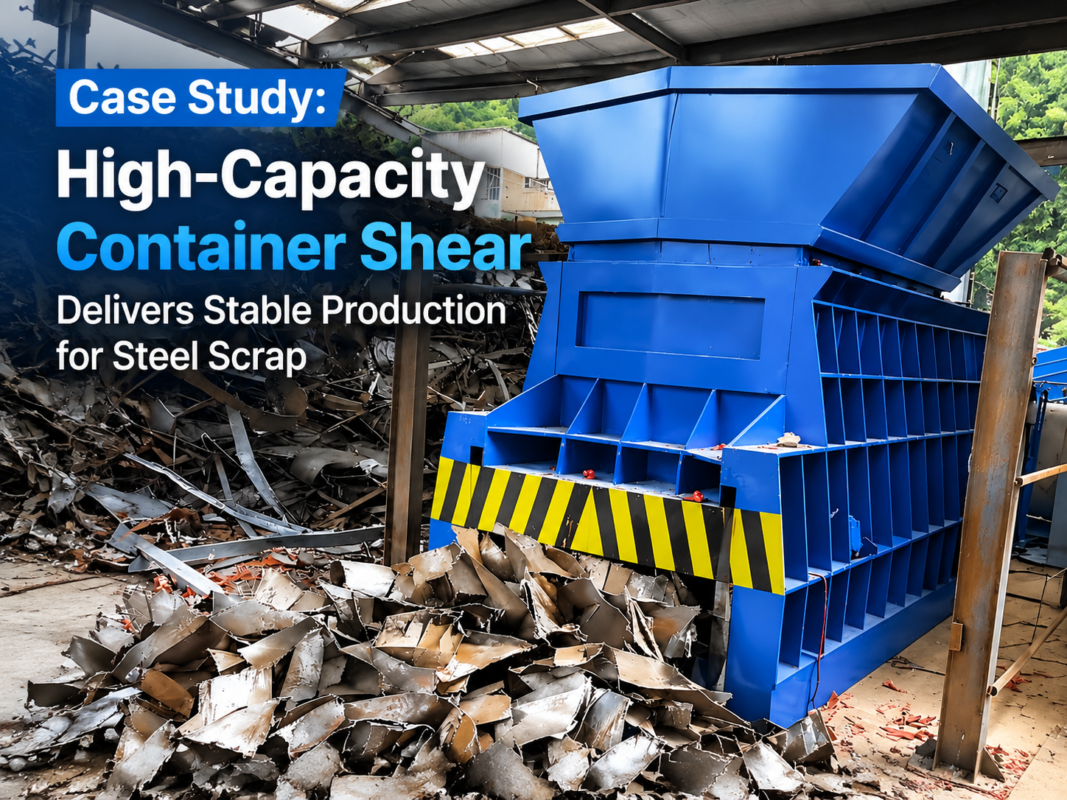
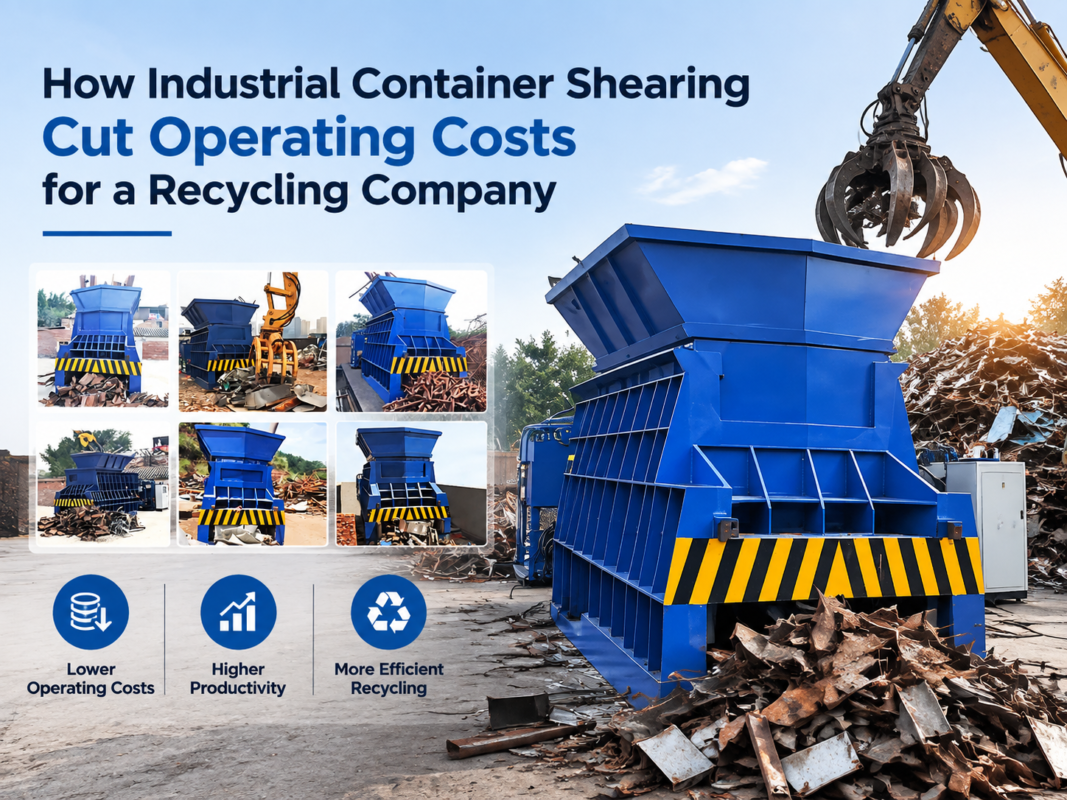
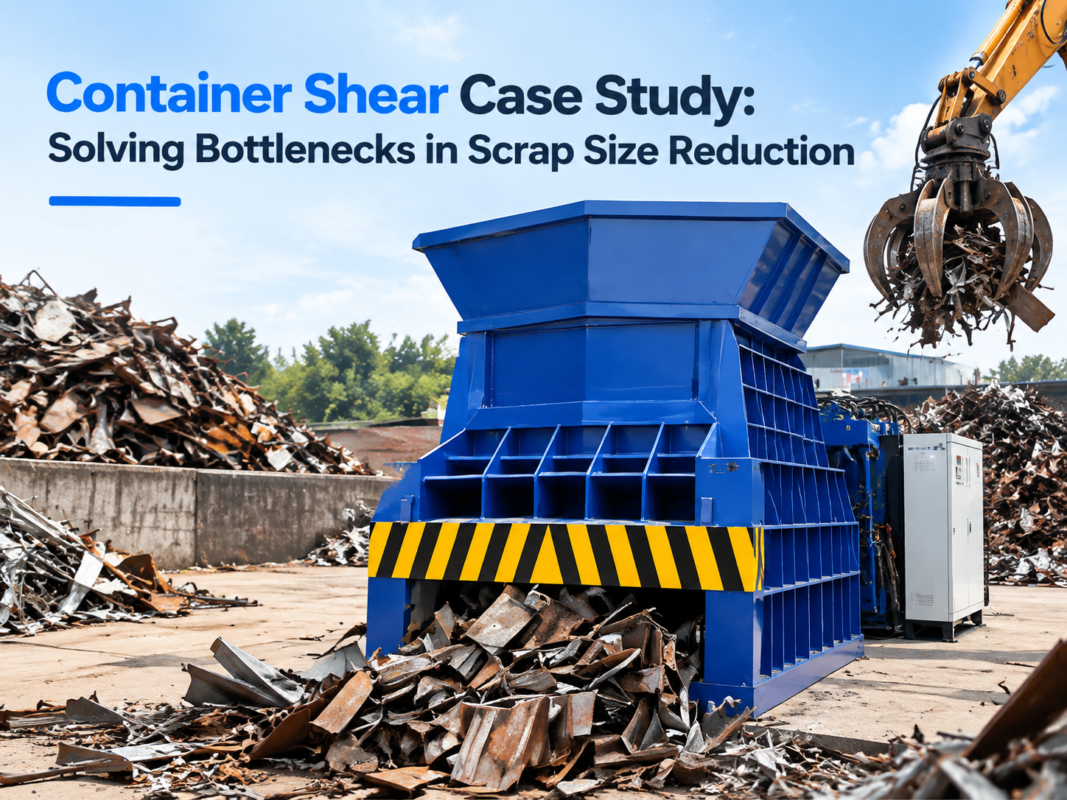
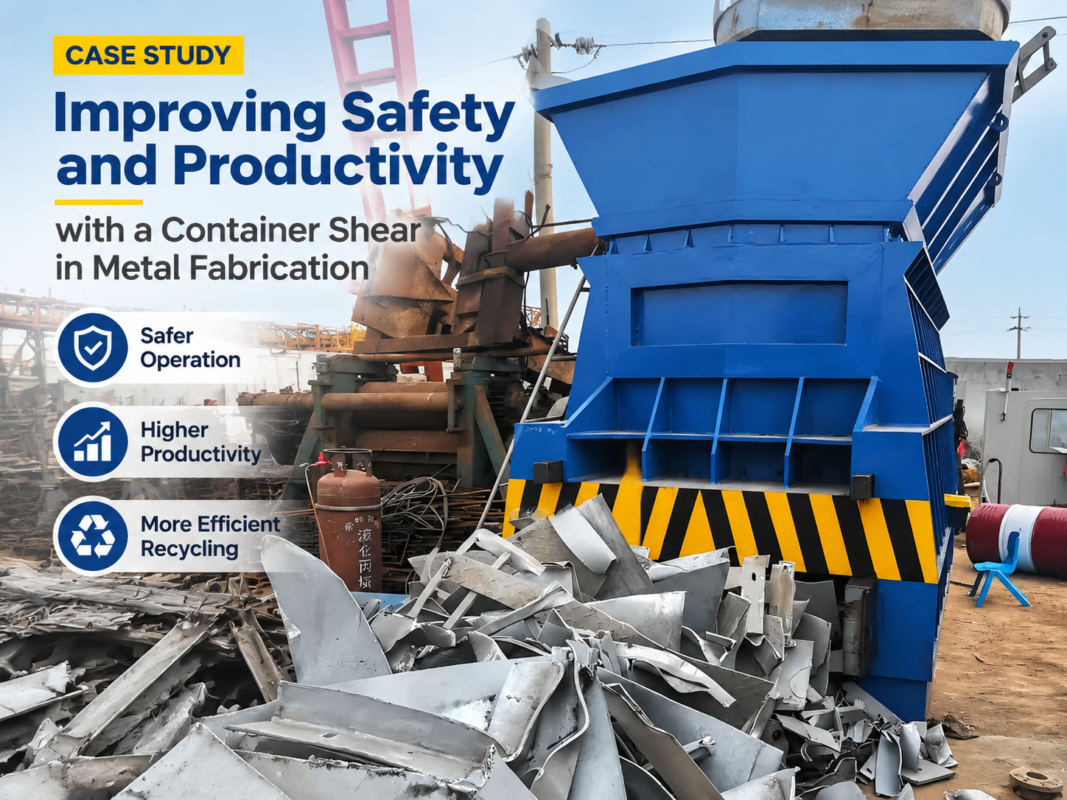
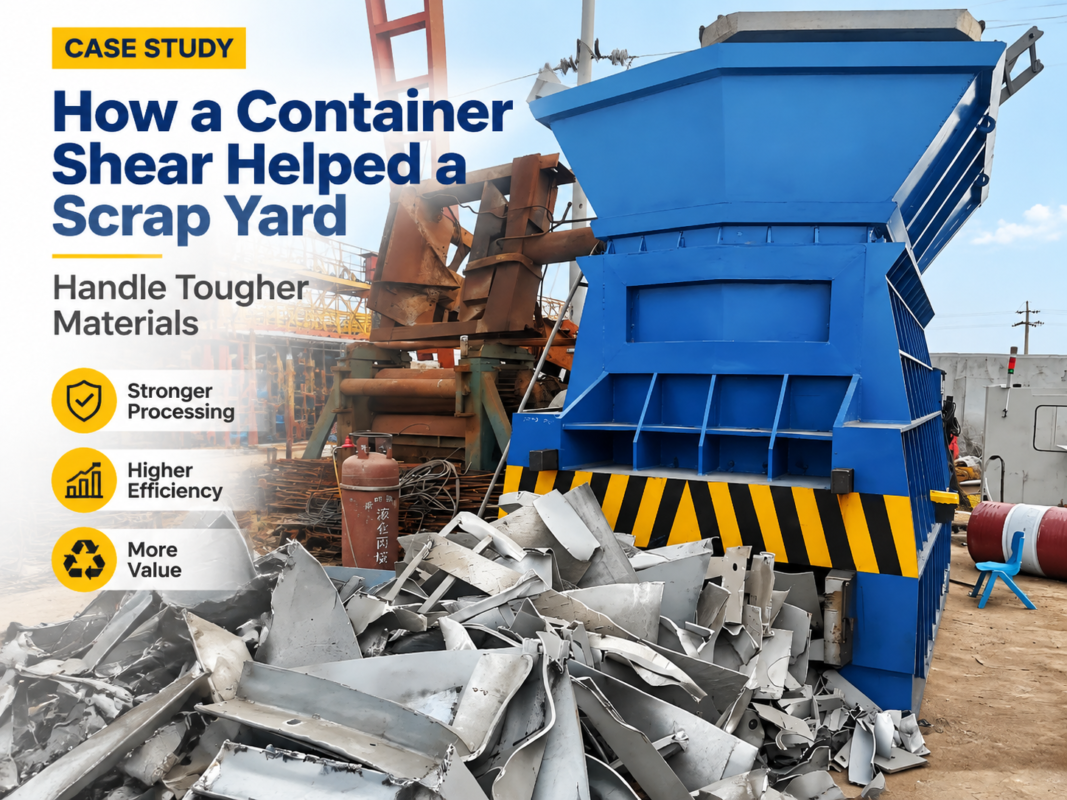
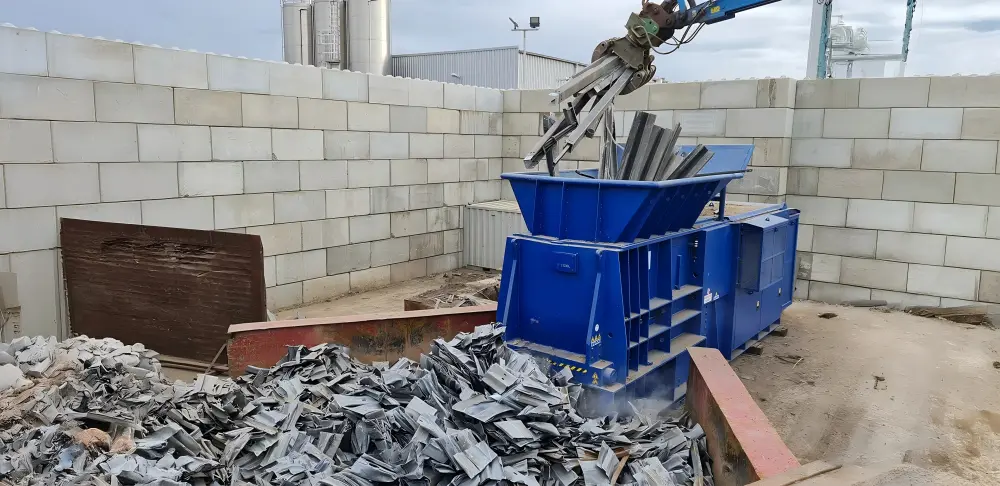
Container shears, often referred to as box shears, are characterized by their integrated feeding box and horizontal or slightly inclined shearing mechanism. Unlike traditional shears that require manual positioning of every piece of metal, a container shear allows operators to load bulk scrap into a hopper. The machine then compresses and shears the material automatically. This automation significantly reduces labor costs and increases the density of the processed scrap, making it more valuable for steel mills and easier to transport.
For steel mills, the consistency of the scrap size is paramount. Container shears provide a uniform output that fits perfectly into electric arc furnaces (EAF), ensuring efficient melting processes and reducing energy consumption. As global demand for recycled steel grows, the pressure on scrap yards to deliver high-quality, sized material has never been higher. Investing in the right container shear is not just about buying a machine; it is about upgrading your entire production capacity.
Price Range Overview: What to Expect
When searching for a Complete Container Shear Buying Scrap Yards Steel Mills solution, the first question is almost always about the price. The market for container shears is broad, with prices varying significantly based on shearing force, motor power, and brand reputation. Generally, the price range can be categorized into three main tiers: entry-level, mid-range, and high-end industrial units.
Entry-level container shears, typically offering a shearing force between 400 and 600 tons, usually range from $80,000 to $130,000. These machines are ideal for smaller yards that process light to medium scrap, such as automotive parts, thin-walled pipes, and sheet metal. While they lack the sheer power of larger units, they offer a compact footprint and lower energy consumption, making them a great starting point for growing businesses.
Mid-range units, which are the most popular choice for established scrap yards, offer shearing forces between 630 and 1000 tons. These machines typically cost between $150,000 and $280,000. They are designed for 8-12 hour daily shifts and can handle heavier structural steel, HMS 1/2, and larger industrial scrap. These units often feature advanced PLC controls and more robust hydraulic systems, providing a balance between cost and high-volume output.
High-end industrial container shears, with forces exceeding 1250 tons, can cost anywhere from $350,000 to over $600,000. These are massive installations designed for 24/7 operation in large-scale steel mills or regional scrap hubs. They feature high-speed hydraulics, massive feeding boxes, and specialized wear-resistant liners like Hardox 500. While the initial investment is high, the cost per ton of processed material is significantly lower due to the massive throughput these machines achieve.
Main Cost Drivers in Container Shear Manufacturing
Understanding why one machine costs $100,000 and another costs $300,000 requires a look under the hood. The primary cost driver is the hydraulic system. High-quality pumps and valves from brands like Rexroth, Parker, or Vickers ensure longevity and precise control. A machine equipped with a high-flow hydraulic system can complete a shearing cycle in 30 seconds, whereas a cheaper system might take 60 seconds. Over a year, this difference in cycle time translates to thousands of tons of lost production.
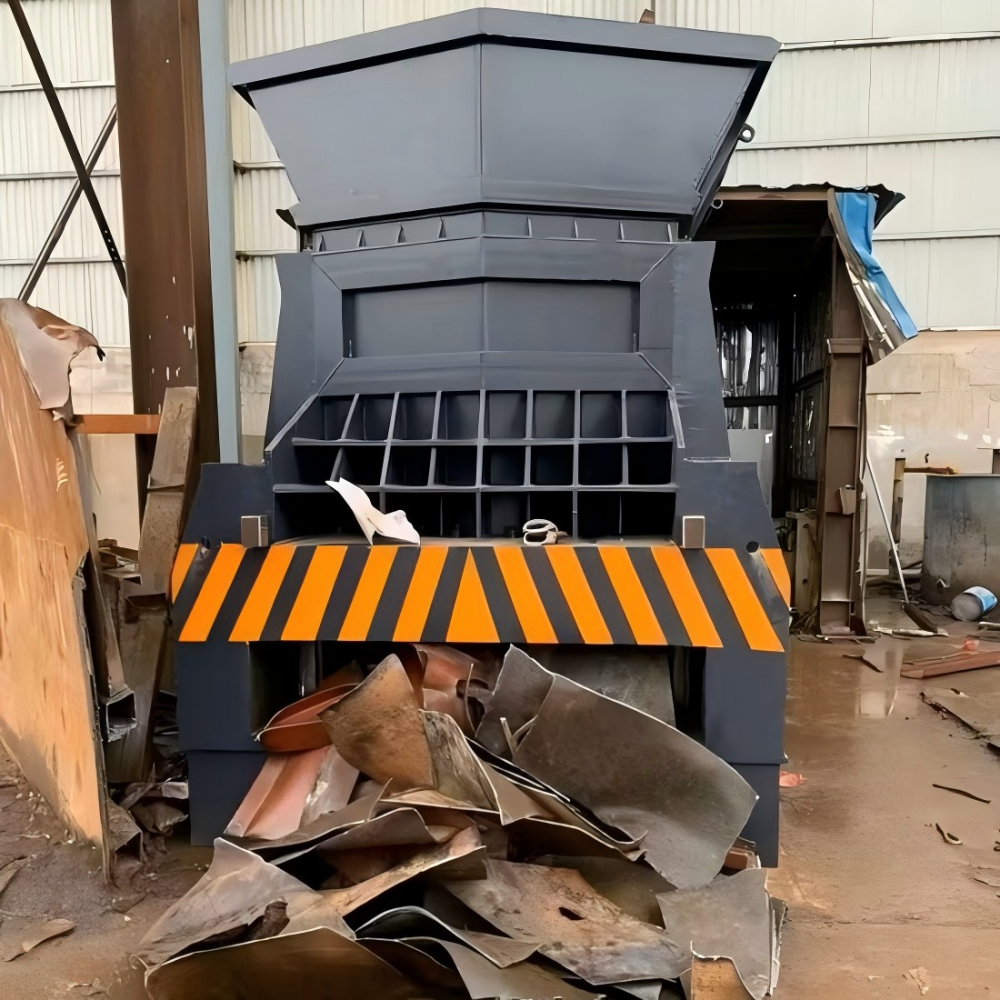
The quality of the steel used in the frame and the shearing box is another critical factor. Container shears are subject to immense internal pressures during the compression phase. Manufacturers like HARSLE use high-tensile Q355B or Q345B steel for the main structure, with critical wear areas lined with replaceable manganese or Hardox plates. The thickness of these plates and the precision of the welding directly impact the machine’s lifespan and its ability to resist deformation over years of heavy use.
Blade quality and the blade-holding mechanism also drive costs. Shearing blades must be made from specialized tool steel (such as 9CrSi or Cr12MoV) that can maintain an edge while under extreme pressure. Furthermore, the inclusion of an automated lubrication system and a high-efficiency cooling system (air or water-cooled) adds to the upfront cost but prevents expensive downtime caused by overheating or friction-related wear.
Finally, the control system plays a major role. Modern container shears utilize Siemens or Omron PLCs with touchscreen interfaces. These systems allow for remote diagnostics, automated cycle programming, and safety interlocks. While a manual lever-operated system is cheaper, it is less efficient and poses higher safety risks for the operator. Automation ensures that the machine operates at peak efficiency without constant human intervention.
Configuration Impact: Tailoring the Machine to Your Needs
The configuration of a container shear significantly impacts its utility in a specific environment. One of the first choices a buyer must make is between a stationary and a mobile unit. Stationary units are bolted to a concrete foundation and are typically powered by high-voltage electricity. They are the standard for steel mills where the material is brought to the machine. Mobile units, often mounted on a trailer or equipped with hydraulic legs for easy loading onto a flatbed, are powered by diesel engines. These are preferred by scrap yards that need to move the machine between different sites or within a large yard.
The size of the feeding box is another critical configuration detail. A longer and wider box allows for the loading of oversized scrap without the need for pre-cutting with a torch. This saves significant time and labor. For example, a 6-meter box can accommodate long pipes and beams that would otherwise require manual processing. However, a larger box requires more powerful cylinders to compress the material, which increases the overall price and energy requirements of the machine.
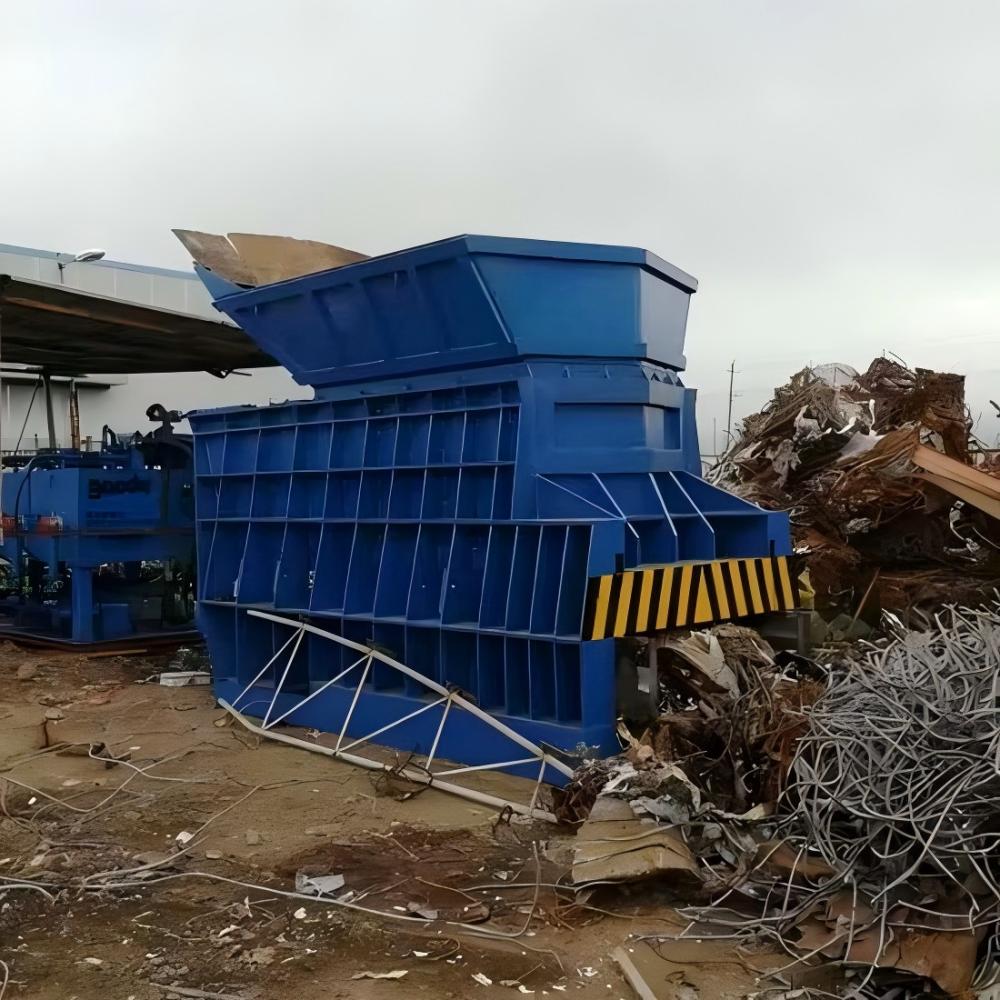
Power source configuration is also a major consideration. While electric motors are more energy-efficient and require less maintenance, they require a stable and high-capacity power grid. In remote areas or yards with limited electrical infrastructure, a diesel-powered unit is the only viable option. Some manufacturers now offer hybrid systems that can run on both, providing maximum flexibility. Additionally, the choice of cooling system—air-cooled for moderate climates or water-cooled for high-temperature environments—ensures the hydraulic oil remains at the optimal viscosity for performance.
Hidden Costs of Owning a Container Shear
The purchase price is only the beginning of the total cost of ownership. One of the most overlooked hidden costs is site preparation. A stationary container shear requires a reinforced concrete pad capable of withstanding both the static weight of the machine (which can exceed 50 tons) and the dynamic vibrations during operation. Failure to provide a proper foundation can lead to frame misalignment and premature hydraulic failure.
Maintenance and wear parts represent a recurring expense that must be factored into the budget. The shearing blades are consumable items. Depending on the hardness of the scrap being processed, blades may need to be rotated every few weeks and replaced every few months. Similarly, the wear liners inside the compression box will eventually thin out and require replacement. Keeping a stock of these parts is essential to avoid prolonged downtime.
Energy consumption is another significant factor. A 1000-ton shear might be powered by two 45kW motors. If the machine runs for 10 hours a day, the electricity bill can be substantial. Buyers should look for machines with variable displacement pumps or “eco-modes” that reduce power consumption when the machine is idling or during the low-pressure parts of the cycle. Furthermore, hydraulic oil is a major expense; a large shear can hold over 2,000 liters of oil, which needs to be filtered and periodically replaced.
ROI Calculation: When Will the Machine Pay for Itself?
Calculating the Return on Investment (ROI) for a Complete Container Shear Buying Scrap Yards Steel Mills project involves comparing the “before” and “after” costs of scrap processing. The primary savings come from labor reduction. If a yard currently employs four workers for manual torch cutting, a container shear can often reduce that to one operator and one loader driver. This can save upwards of $100,000 per year in wages and benefits alone.
Secondary savings come from the increased value of the scrap. Steel mills pay a premium for “shredded” or “sheared” scrap that meets specific size requirements (e.g., 2 feet or 3 feet lengths). By upgrading from raw, bulky scrap to sized scrap, a yard can increase its margin by $20 to $50 per ton. If the machine processes 1,000 tons per month, that is an additional $20,000 to $50,000 in monthly revenue.
Furthermore, transport efficiency is greatly improved. Bulky scrap takes up a lot of volume but has little weight, meaning trucks often hit their volume limit before their weight limit. Sheared scrap is much denser, allowing for full-weight loads. This can reduce shipping costs by 30-50%. When you combine labor savings, increased scrap value, and reduced transport costs, most high-quality container shears from HARSLE pay for themselves within 12 to 24 months of operation.
Buying Advice: How to Choose the Right Manufacturer
Choosing the right manufacturer is as important as choosing the right machine. You should look for a company with a proven track record in hydraulic machinery. Ask for references and, if possible, visit a site where their machines are currently in operation. A reputable manufacturer like HARSLE will be transparent about the components they use and provide detailed technical specifications.
Evaluate the after-sales support. Does the manufacturer have a local service partner? How quickly can they ship replacement blades or hydraulic seals? In the scrap industry, a machine that is down for a week can cost a company tens of thousands of dollars in lost contracts. Ensure the manufacturer offers comprehensive training for your operators, covering both daily operation and routine maintenance tasks.
Finally, don’t just buy based on the highest tonnage. A 1000-ton shear that is poorly designed will be less effective than a well-engineered 800-ton shear. Look at the cycle time, the box dimensions, and the ease of blade replacement. A machine that is easy to maintain will always provide a better long-term ROI than a complex machine that requires specialized technicians for every minor adjustment.
Technical Specifications Comparison Table
| Feature | Entry-Level (400T-600T) | Mid-Range (630T-1000T) | Industrial (1250T+) |
|---|---|---|---|
| Typical Scrap Type | Light sheet, aluminum, thin pipe | HMS 1/2, structural steel, beams | Heavy plate, large castings, 24/7 use |
| Cycle Time | 60-90 seconds | 45-60 seconds | 30-45 seconds |
| Box Length | 3000mm – 4000mm | 5000mm – 6000mm | 7000mm+ |
| Motor Power | 30kW – 45kW | 75kW – 110kW | 150kW+ |
Frequently Asked Questions (FAQ)
1. What is the difference between a container shear and a gantry shear?
A gantry shear is a massive, stationary machine where the shearing head moves vertically. It usually requires a separate pre-compression wing or box. A container shear is more compact, often integrated into a single “box” unit, and is much easier to install or move. Container shears are generally more cost-effective for medium-sized operations, while gantry shears are for the highest volume industrial applications.
2. Can a container shear process cars?
Yes, mid-range and high-end container shears (800 tons and above) can easily process car bodies once the engines and fluids are removed. The compression box flattens the car before the horizontal shear cuts it into manageable pieces. For dedicated car processing, however, a car baler or a specialized shredder might be more efficient depending on the end-market requirements.
3. How often do the blades need sharpening?
Container shear blades are typically not “sharpened” in the traditional sense but are rotated. Most blades have four cutting edges. When one edge becomes dull or chipped, the blade is turned to a fresh edge. Depending on the material, you might rotate the blades every 200-500 hours of operation. Once all four edges are worn, the blades are replaced or professionally reground.
4. Is diesel or electric power better?
Electric power is better for stationary installations because it is quieter, cheaper per hour of operation, and requires less engine maintenance. Diesel power is essential for mobile operations or yards without a high-voltage power supply. Diesel units also provide more flexibility in where the machine can be positioned within the yard.
5. What kind of hydraulic oil should I use?
Most container shears use anti-wear hydraulic oil (ISO VG 46 or 68). In very cold climates, a low-pour-point oil is necessary, while in very hot climates, a higher viscosity oil is used to maintain pressure. Always follow the manufacturer’s specific recommendations to protect the high-precision pumps and valves.
6. How long does installation take?
For a mobile container shear, setup can take as little as a few hours. For a stationary unit, the process takes longer: 2-4 weeks for the concrete foundation to cure, followed by 3-5 days for mechanical assembly, hydraulic filling, and electrical commissioning. HARSLE provides technical supervisors to oversee this process and ensure the machine is calibrated correctly.