Choosing a Container Shear Machine: Capacity, Blade Design, and Efficiency Tips

Introduction to Container Shear Technology
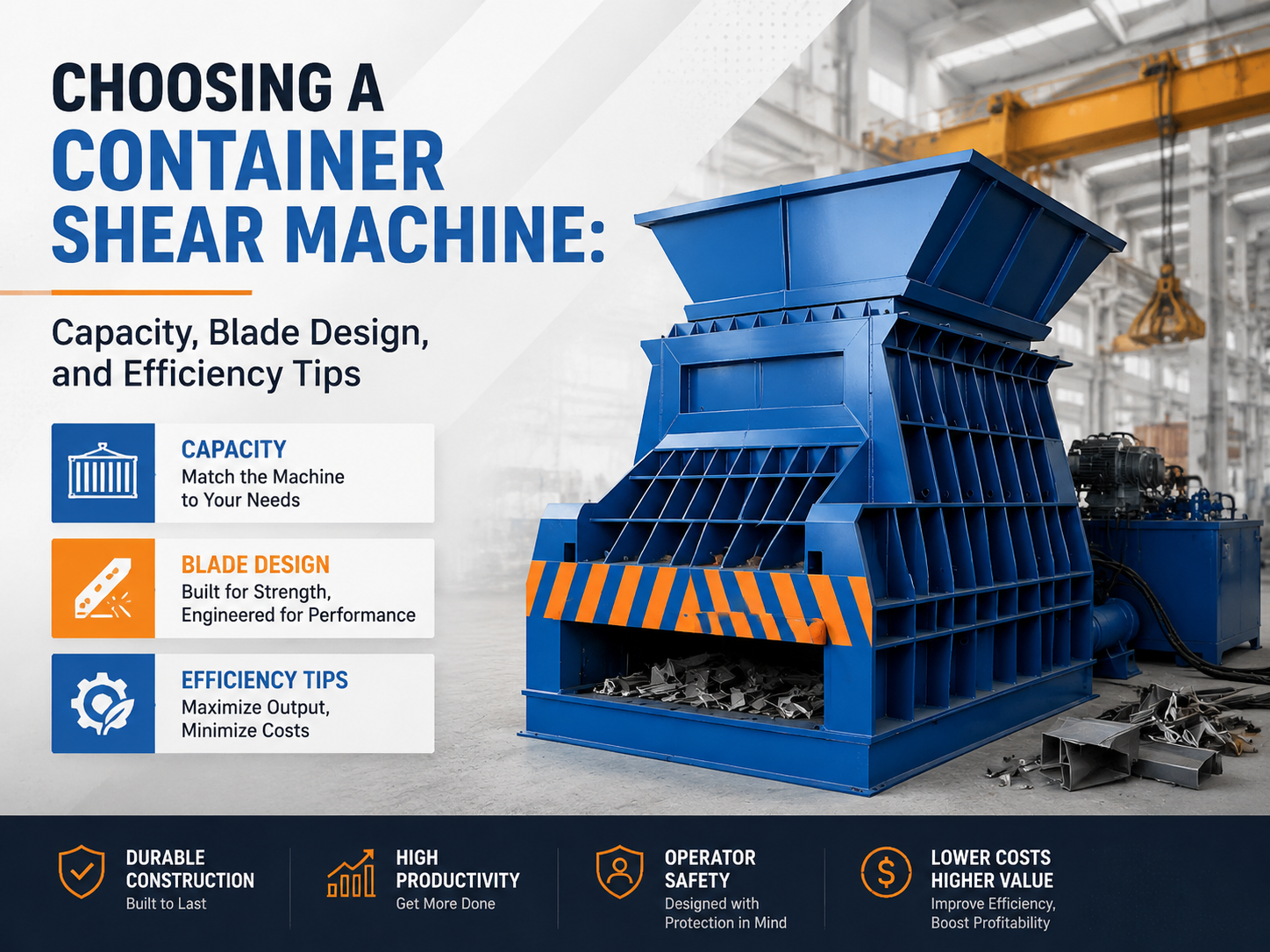
In the rapidly evolving world of scrap metal recycling, the container shear has emerged as a cornerstone of efficiency. Unlike traditional alligator shears or massive stationary guillotine shears, the container shear offers a unique blend of high-volume processing and relatively compact footprints. For businesses looking to scale their operations, understanding the nuances of Choosing A Container Shear Machine: Capacity, Blade Design, and Efficiency Tips is critical to ensuring a high return on investment. HARSLE, a leader in metal fabrication machinery, provides this comprehensive guide to help you navigate the technical complexities of these powerful machines.
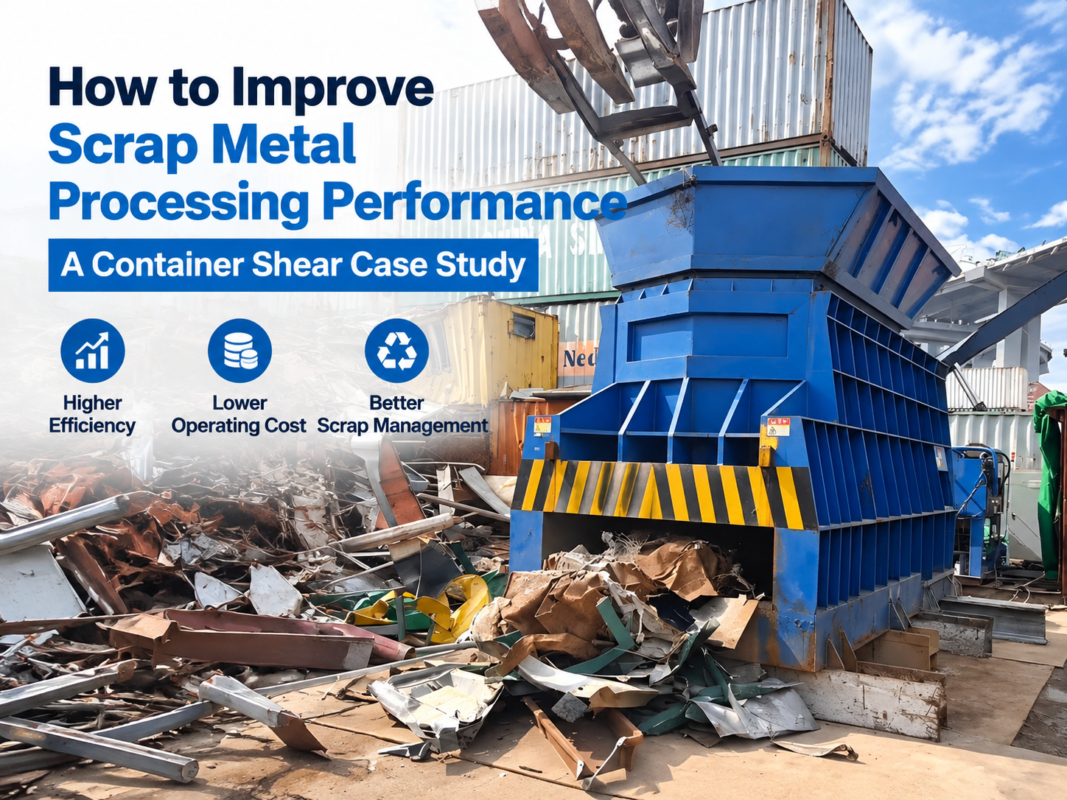
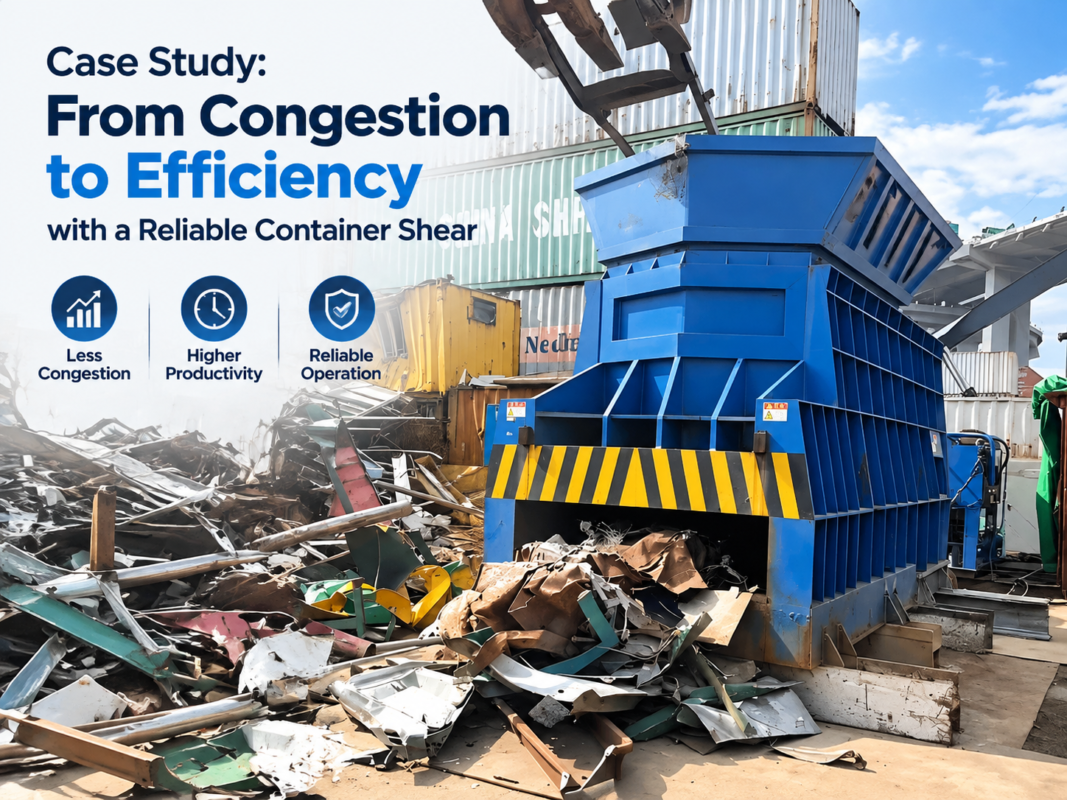
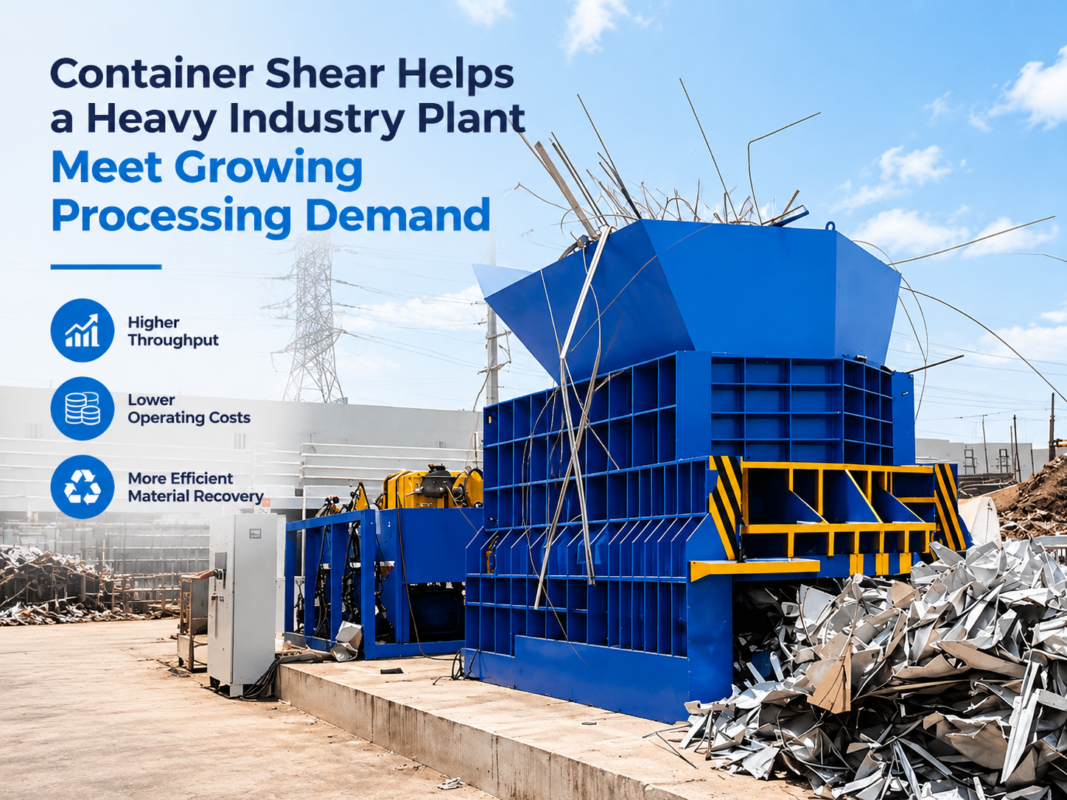
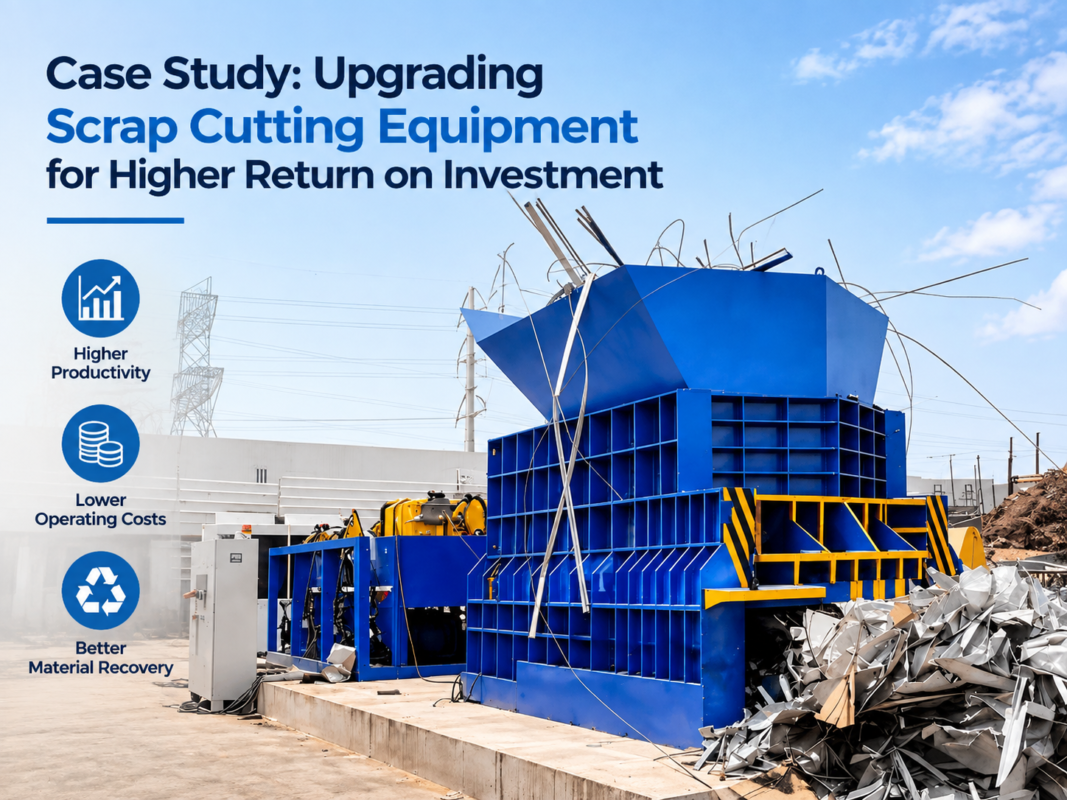
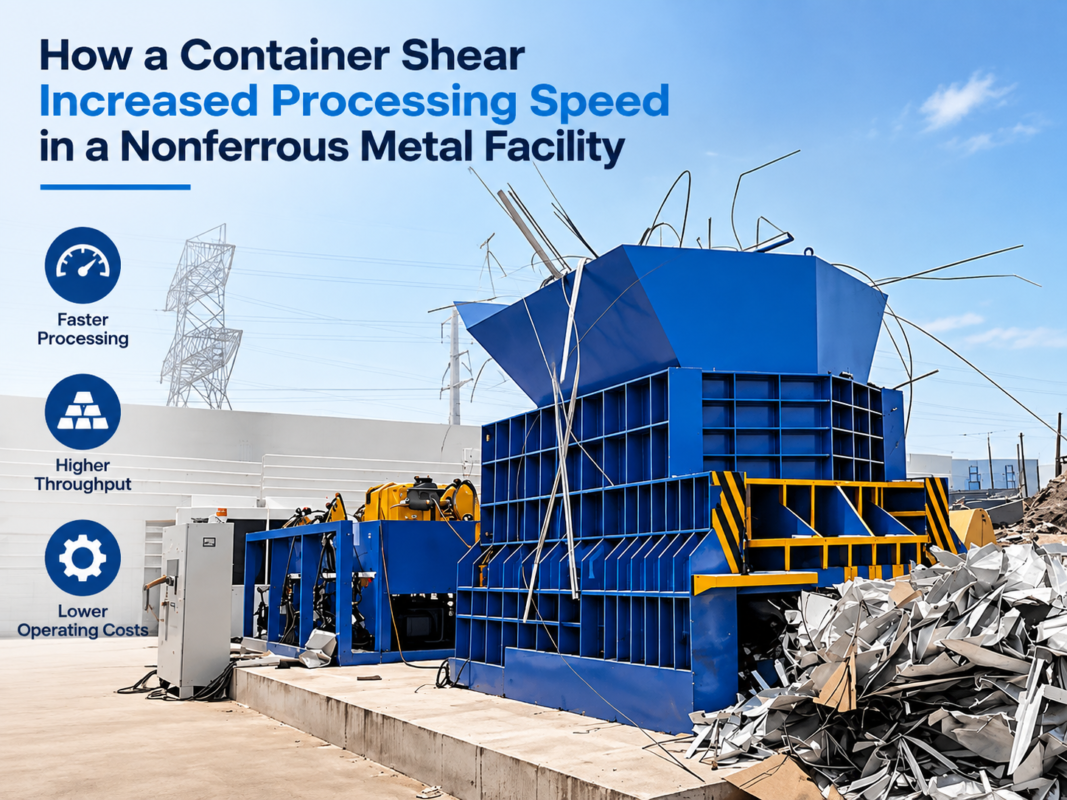
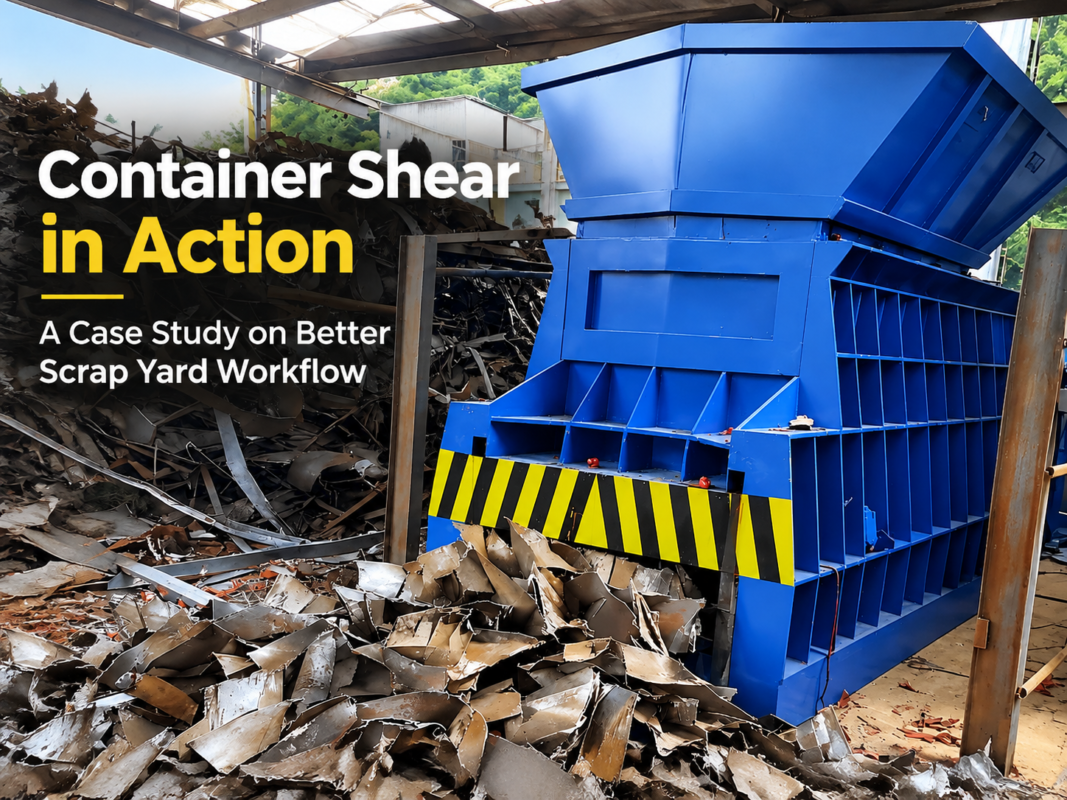
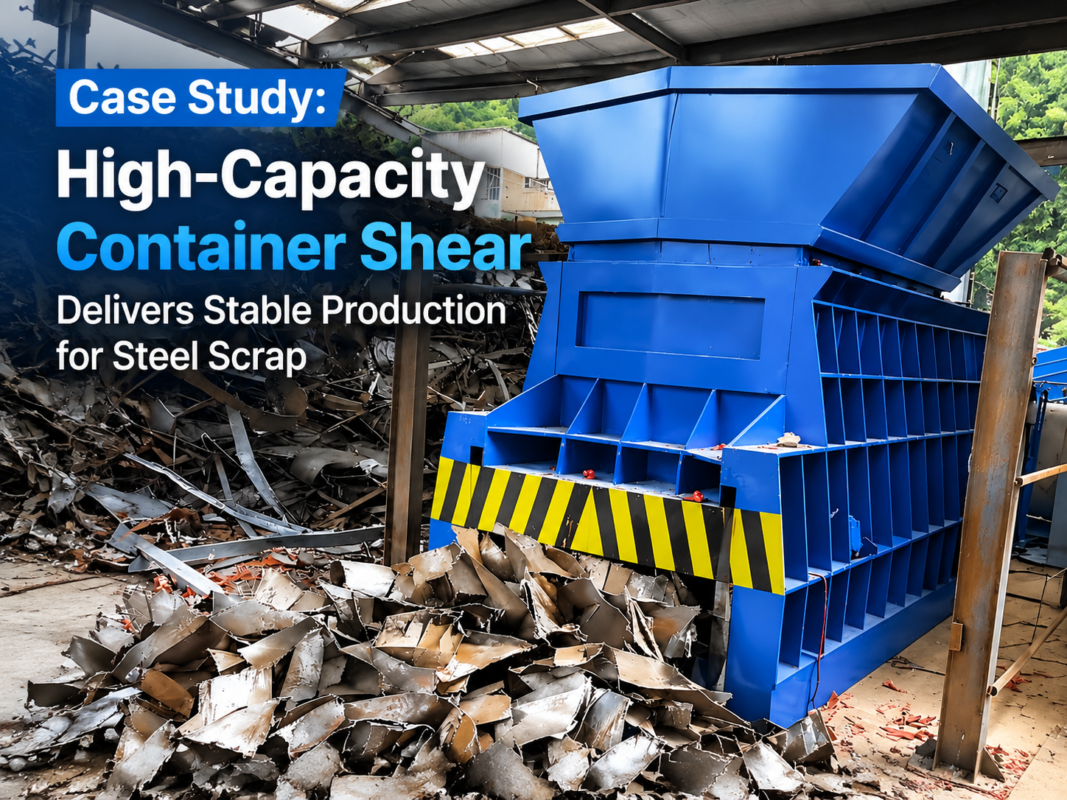
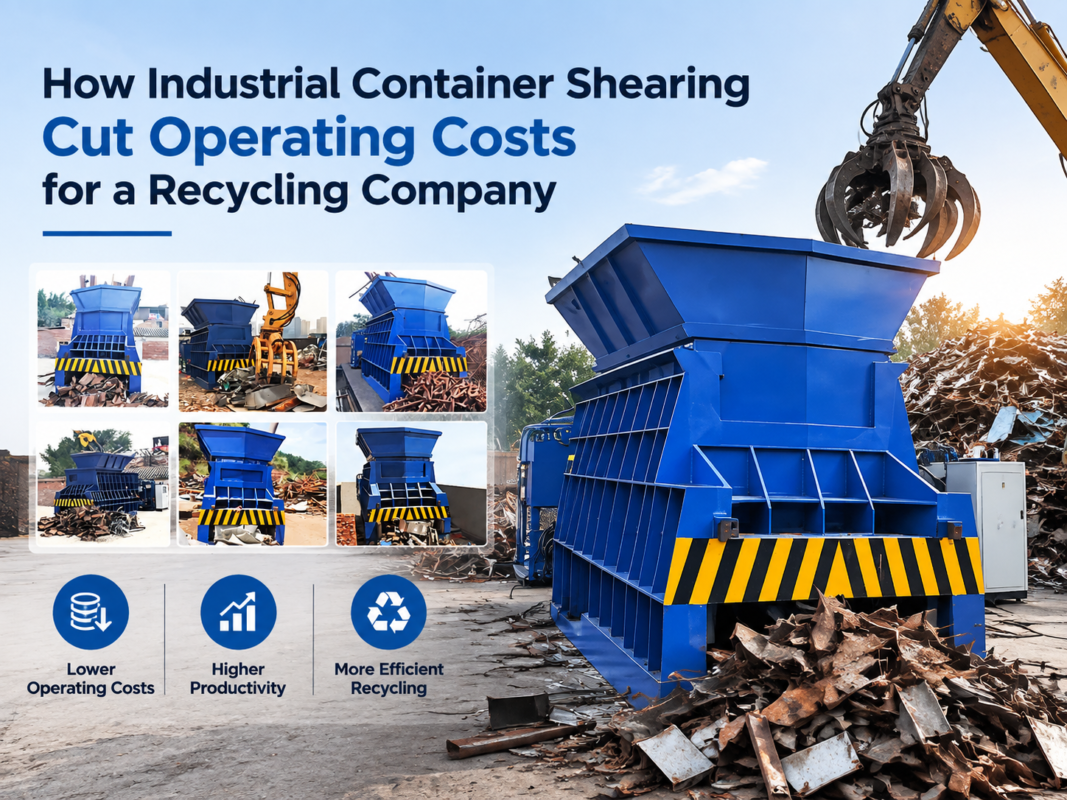
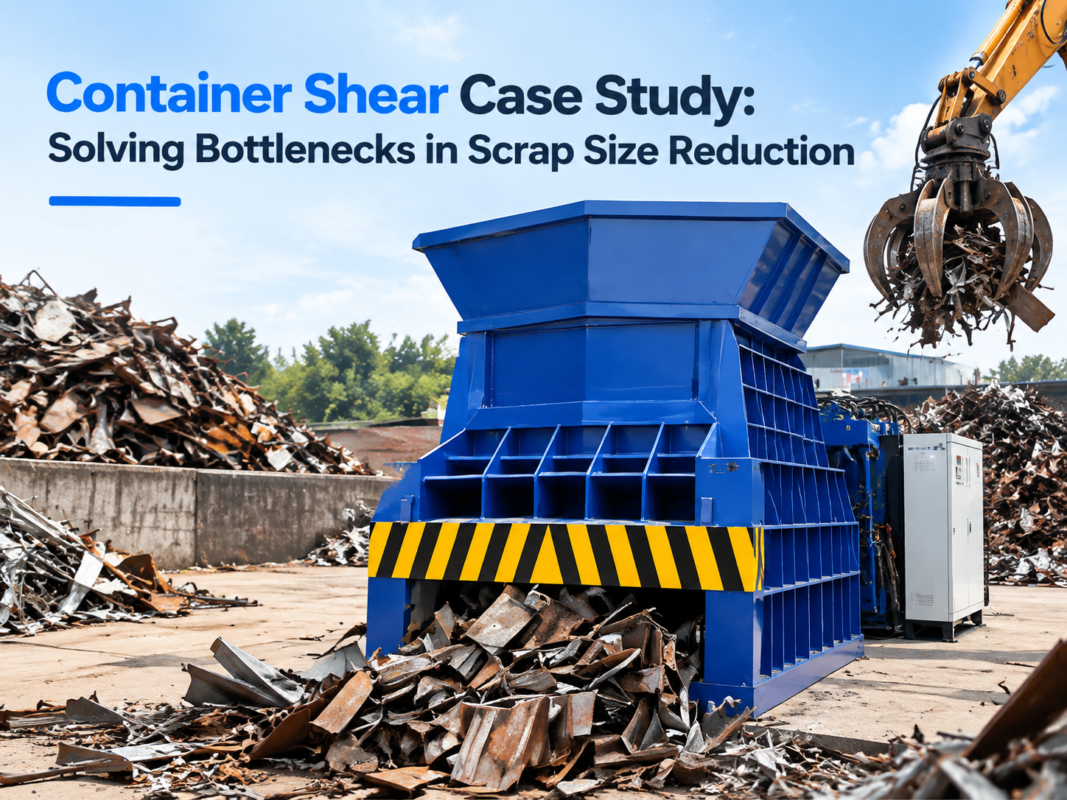
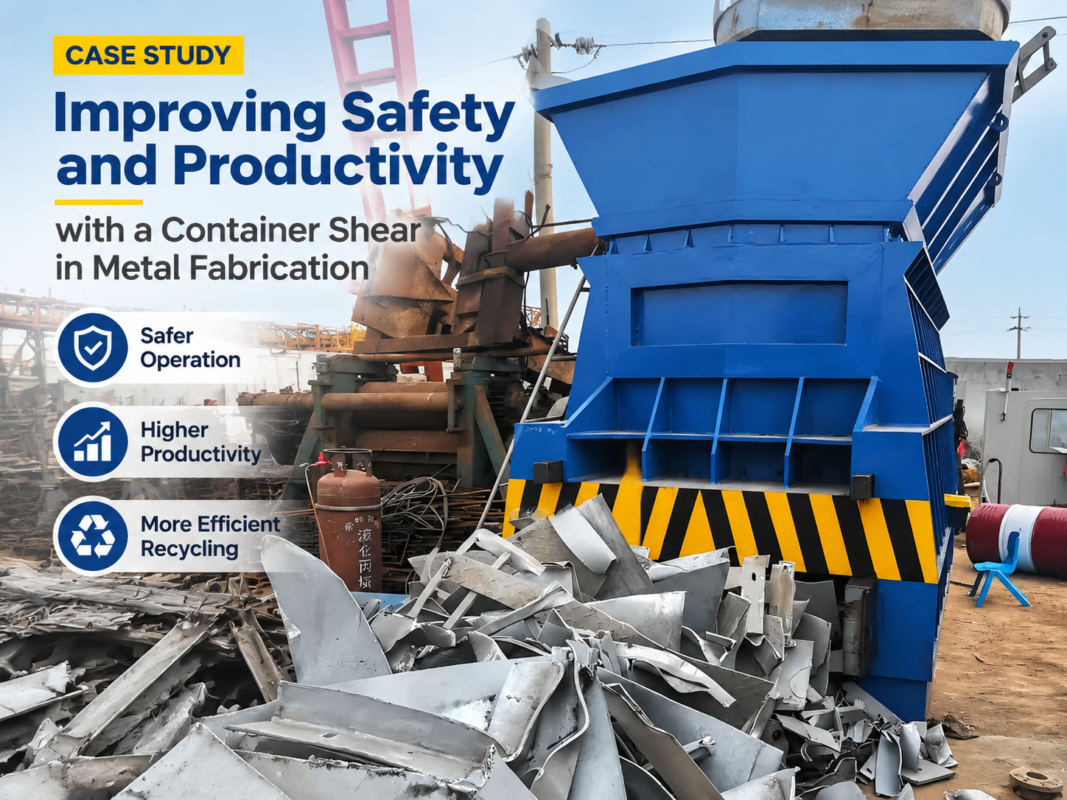
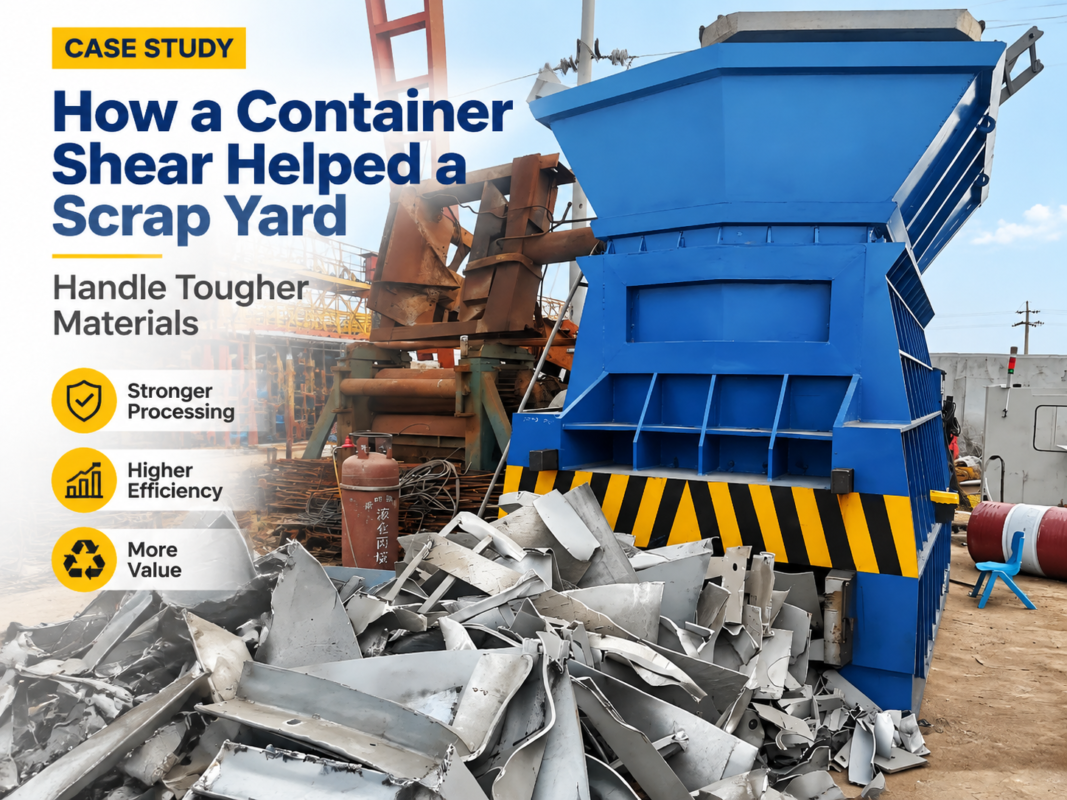
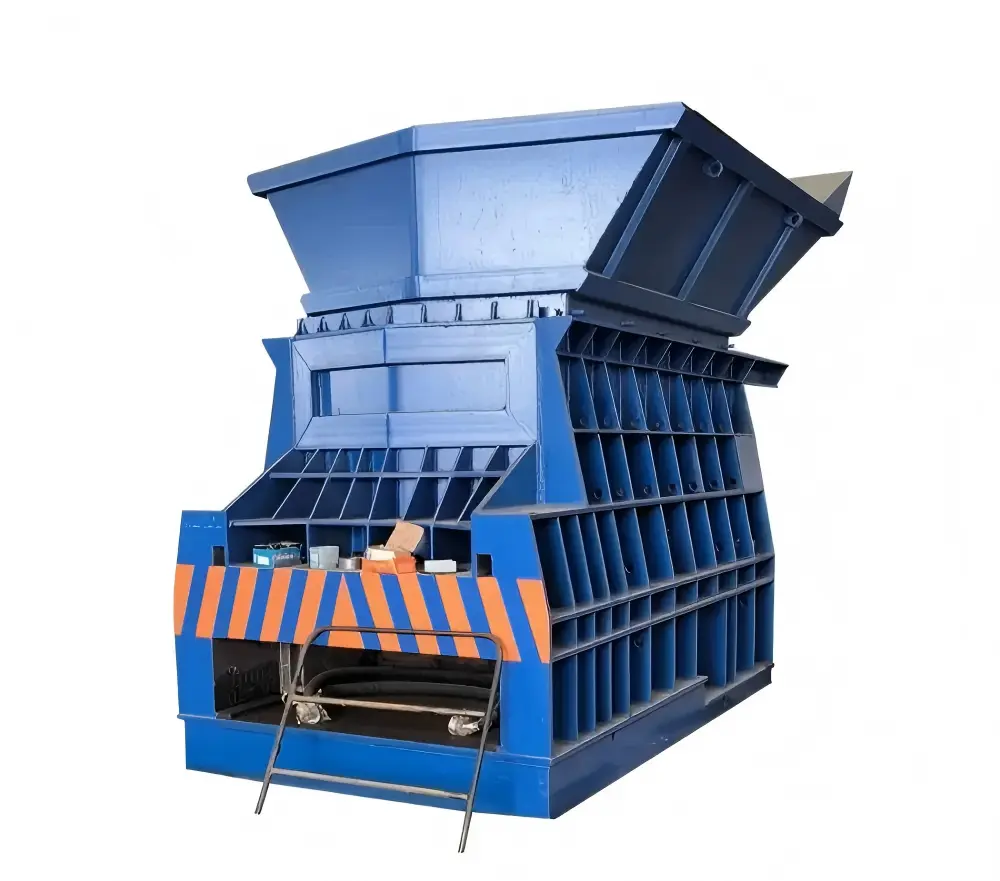
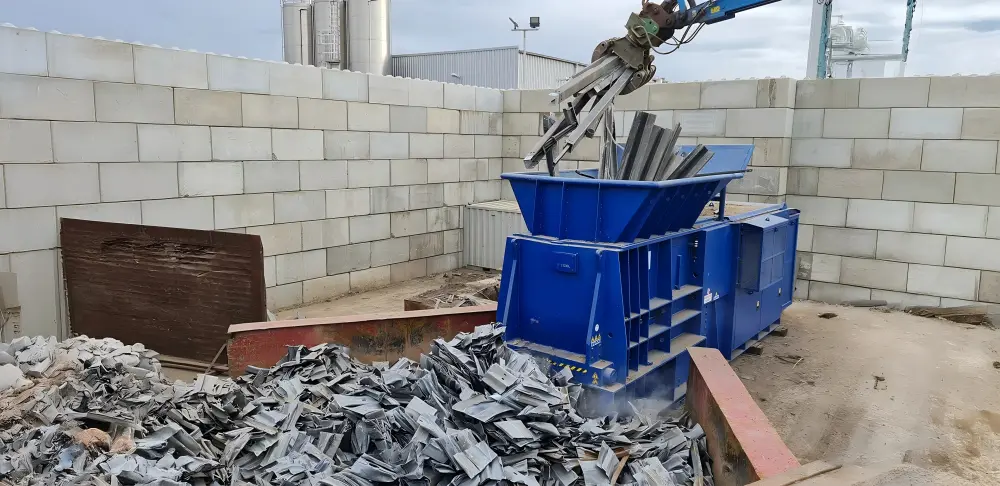
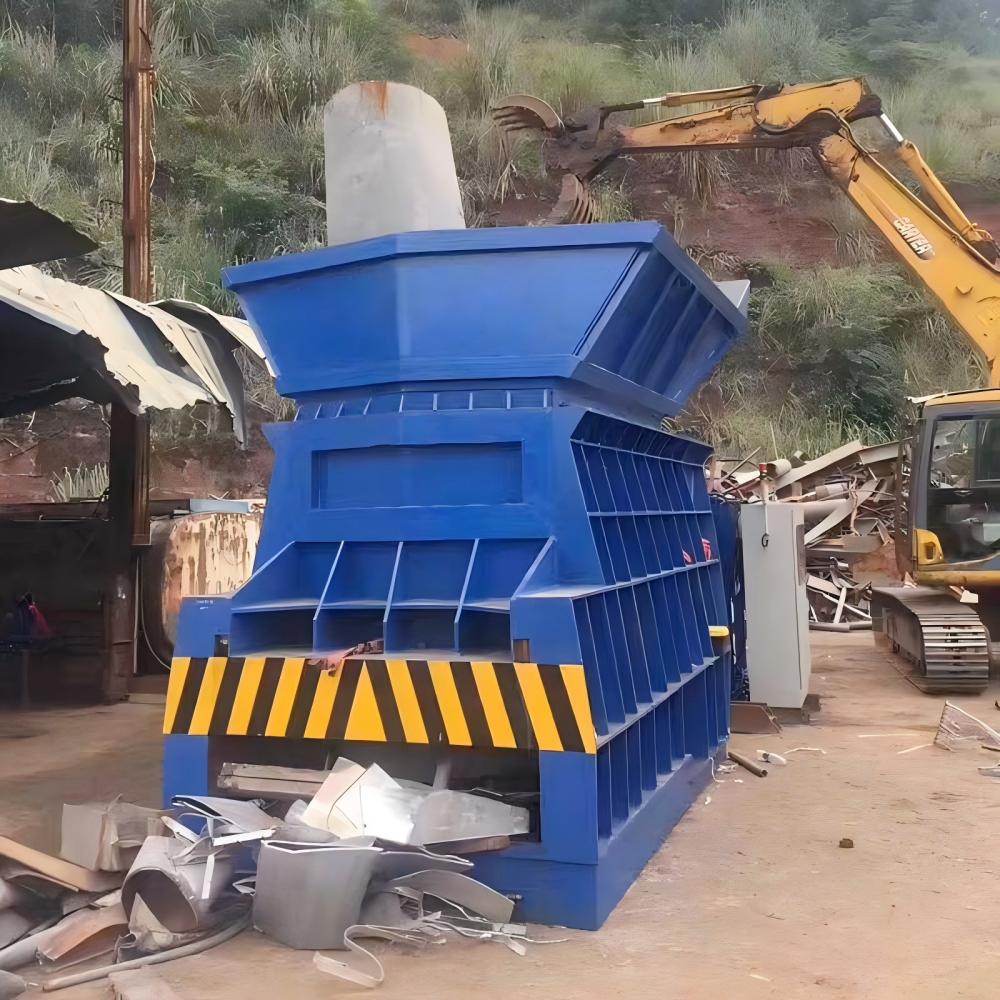
Container shears are designed to process bulky scrap metal—ranging from HMS 1 and 2 to structural steel and pipe—into manageable, high-density furnace-ready loads. The ‘container’ aspect refers to the integrated feeding box that compresses the scrap before the vertical blade performs the cut. This design minimizes the need for manual pre-sorting and torch cutting, significantly reducing labor costs and improving safety on the yard floor.
Price Range Overview: What to Expect
When entering the market for a container shear, the price range can be vast, reflecting the diversity in capacity and automation levels. Generally, container shears are categorized by their shearing force, measured in metric tons. An entry-level machine, typically in the 400 to 500-ton range, may start anywhere from $45,000 to $75,000. These machines are ideal for smaller yards processing light to medium-gauge scrap.
Mid-range machines, offering 600 to 800 tons of shearing force, usually fall between $80,000 and $150,000. These are the workhorses of the industry, capable of handling thicker structural steel and larger volumes. At the top end of the spectrum, heavy-duty container shears with 1000 to 1250+ tons of force can exceed $250,000. These industrial giants are designed for 24/7 operation in large-scale recycling facilities where throughput is the primary metric of success.
It is important to note that these prices often reflect the base machine. Customizations such as remote control systems, specialized cooling units for hot climates, or reinforced feeding boxes can add to the initial capital expenditure. However, as we will explore, the cheapest machine is rarely the most cost-effective over a five-year horizon.
Main Cost Drivers in Container Shear Procurement
Understanding what drives the cost of a container shear helps buyers distinguish between a premium machine and a budget-constrained one. The primary driver is the Hydraulic System. High-end machines utilize pumps and valves from reputable global brands like Rexroth or Parker. These components offer higher pressure stability and longer lifespans, which justifies their higher price point compared to generic alternatives.
The second major driver is the Steel Quality and Frame Construction. A container shear is subjected to immense structural stress. Machines built with high-tensile steel and reinforced with wear-resistant liners (like Hardox) in the feeding box will naturally cost more. These materials prevent the frame from warping over time and protect the core structure from the abrasive nature of scrap metal.
Finally, Automation and Control Systems play a significant role. Modern container shears equipped with Siemens PLC systems, touch-screen interfaces, and remote diagnostic capabilities allow for precision operation and faster troubleshooting. While these features increase the upfront cost, they drastically reduce downtime, which is the single biggest profit-killer in the scrap industry.
Configuration Impact: Capacity and Blade Design
When Choosing A Container Shear Machine: Capacity, Blade Design, and Efficiency Tips, the configuration of the blade and the feeding box is paramount. The capacity of the machine is not just about the tonnage; it is about the ‘throat’ size and the length of the feeding box. A longer box allows for larger pieces of scrap to be loaded without pre-cutting, saving time and fuel for secondary equipment like excavators.
Blade design is another critical factor. Most container shears use a four-sided rectangular blade that can be rotated to provide four fresh cutting edges before needing a full regrind. However, the metallurgy of the blade is what matters most. Blades made from 6CrW2Si or Cr12MoV alloys offer a balance of hardness and toughness, ensuring they don’t chip when hitting hardened steel but remain sharp enough to shear through ductile materials efficiently.
Furthermore, the ‘V-shape’ vs. ‘Straight’ blade configuration affects how the machine grips the material. A slight V-angle in the blade helps to center the scrap during the cut, preventing lateral movement that can cause uneven wear on the guide rails. This configuration is particularly beneficial when processing round pipes or irregular structural beams.
Hidden Costs of Ownership
The purchase price is only the ‘tip of the iceberg.’ To truly understand the cost of a container shear, one must look at the hidden expenses. Electricity Consumption is a major factor. A 500-ton shear might run on a 45kW motor, while a 1000-ton unit might require dual 75kW motors. Over a year of double-shift operation, the difference in utility bills can be tens of thousands of dollars.
Maintenance and Wear Parts represent another ongoing cost. Blades, hydraulic filters, and oil are standard, but the wear liners in the compression box are often overlooked. Depending on the abrasiveness of your scrap, these liners may need replacement every 12 to 24 months. Choosing a machine with easily replaceable, bolt-on liners can save significant labor costs compared to weld-in versions.
Lastly, consider Site Preparation and Installation. A container shear requires a reinforced concrete pad to handle the vibration and weight. Additionally, you may need to upgrade your facility’s electrical transformer to handle the high-amperage draw during the motor’s start-up phase. Neglecting these factors in your initial budget can lead to expensive delays during the commissioning phase.
ROI Calculation: Making the Business Case
Calculating the Return on Investment (ROI) for a container shear involves comparing the ‘Cost per Ton’ of processed scrap against the market premium for sheared material. For example, ‘Prepared’ scrap (sheared to size) often fetches a premium of $30 to $60 per ton over ‘Unprepared’ bulky scrap. If a 600-ton container shear processes 8 tons per hour and operates for 2,000 hours a year, it produces 16,000 tons of premium material.
At a $40/ton premium, that is $640,000 in additional gross revenue. Subtracting the costs of labor (one operator), electricity, and maintenance (estimated at $15/ton), the net gain is $25/ton, or $400,000 annually. In this scenario, a $120,000 machine pays for itself in less than four months of full-capacity operation. This aggressive ROI is why container shears have become the preferred choice for growing scrap yards.
Beyond the direct financial gain, consider the Logistical Savings. Sheared scrap is much denser than bulky scrap. This means you can fit more weight into a standard shipping container or truck, reducing your freight costs per ton. In an industry where margins are often thin, these logistical efficiencies can be the difference between profit and loss.
Buying Advice: Tips for a Successful Purchase
When you are ready to move forward with Choosing A Container Shear Machine: Capacity, Blade Design, and Efficiency Tips, follow this checklist to ensure a successful acquisition:
- Verify the Real Tonnage: Some manufacturers quote ‘theoretical’ tonnage. Ask for the cylinder bore size and operating pressure to calculate the actual shearing force.
- Test with Your Material: If possible, send samples of your most common scrap to the manufacturer for a test cut. This ensures the blade design and box size are appropriate for your specific needs.
- Check Spare Parts Availability: Ensure the manufacturer maintains a local or rapidly shippable stock of blades, seals, and sensors. A machine waiting for a $50 sensor is a machine that isn’t making money.
- Evaluate the Cooling System: If you operate in a hot climate, an oversized industrial oil cooler is mandatory. Hydraulic oil loses its viscosity and lubricating properties if it exceeds 60°C, leading to premature pump failure.
- Inspect the Welding Quality: Look at the seams of the feeding box. They should be deep, consistent, and free of porosity. Poor welding is a sign of a machine that will crack under the stress of heavy shearing.
Efficiency Tips for Daily Operation
Once your container shear is installed, maximizing its efficiency is a matter of operational discipline. First, Optimize the Loading Sequence. Operators should aim to fill the box to its maximum volume without overstuffing. Overstuffing causes the lid to struggle to close, wasting cycle time and putting unnecessary strain on the lid cylinders.
Second, Implement a Strict Lubrication Schedule. The guide slides for the shearing ram are under extreme pressure. Automated lubrication systems are a great investment, but if your machine is manual, ensure it is greased every 4 hours of operation. This reduces friction, lowers energy consumption, and prevents the ‘scoring’ of the metal surfaces.
Third, Monitor Blade Gap. As blades wear, the gap between the moving and stationary blade increases. This leads to ‘folding’ rather than ‘shearing,’ which consumes significantly more power and can jam the machine. Regularly shimming the blades to maintain the manufacturer’s recommended clearance (usually 0.5mm to 1.0mm) will keep the cuts clean and the energy bills low.
Conclusion: Why HARSLE is Your Ideal Partner
Choosing the right container shear is a pivotal decision for any metal recycling business. By focusing on Capacity, Blade Design, and Efficiency Tips, you can select a machine that not only meets your current needs but also allows for future growth. HARSLE’s range of container shears is engineered with the user in mind, combining robust structural integrity with advanced hydraulic technology to deliver industry-leading performance.
Whether you are processing light aluminum extrusions or heavy industrial I-beams, HARSLE provides the technical expertise and post-sales support necessary to keep your yard running at peak efficiency. Investing in a HARSLE container shear means investing in a legacy of durability and a future of profitability.
Frequently Asked Questions (FAQ)
1. What is the difference between a container shear and a guillotine shear?
A container shear is generally more compact and features an integrated feeding/compression box, making it easier to transport and install. A guillotine shear is typically a larger, stationary machine that requires a separate pre-compression wing or ‘side-press’ system and often involves more extensive foundation work.
2. How often should I rotate the blades on my container shear?
Blade rotation depends on the material being processed. For average HMS scrap, blades should be checked every 80-100 hours of operation. If you notice a decrease in cutting quality or an increase in hydraulic pressure for standard cuts, it is time to rotate the blades to a new edge.
3. Can a container shear be moved once it is installed?
Yes, one of the primary advantages of a container shear is its ‘semi-mobile’ nature. While it requires a solid foundation, it does not require the deep pits or massive permanent structures that traditional shears do. It can be moved via a heavy-duty low-boy trailer if your yard layout changes.
4. What type of hydraulic oil is best for these machines?
Most container shears use ISO 46 or ISO 68 anti-wear hydraulic oil. In colder climates, a multi-grade oil with a high viscosity index is recommended to ensure smooth start-ups in freezing temperatures.
5. Is it better to buy a larger capacity machine than I currently need?
Generally, yes. Operating a 600-ton machine at 80% capacity is much more efficient and results in less wear and tear than operating a 400-ton machine at 100% capacity. A larger machine also gives you the flexibility to accept heavier scrap grades that your competitors might not be able to process.