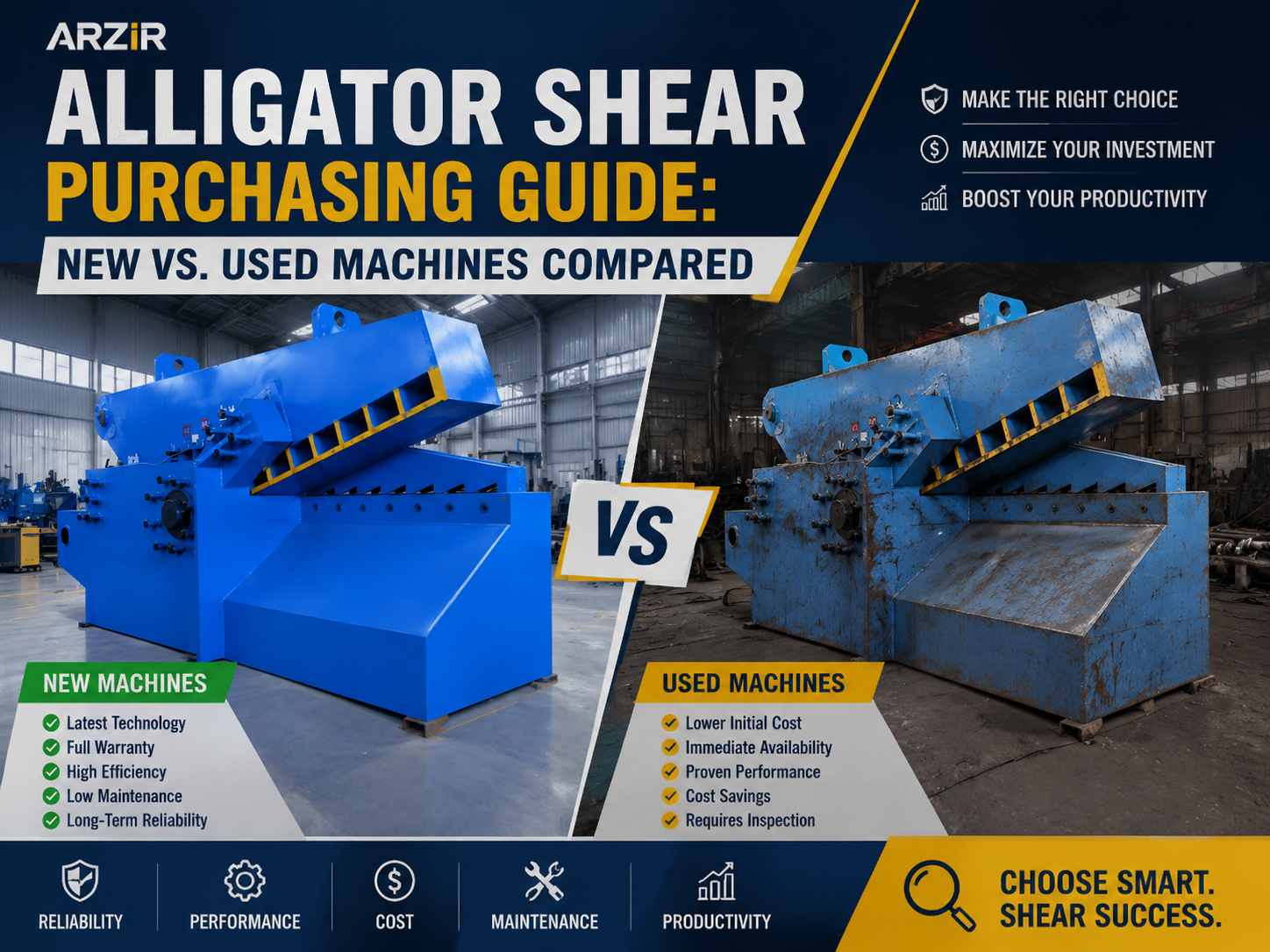
Alligator Shear Purchasing Guide: New vs. Used Machines Compared

Introduction to Alligator Shear Purchasing
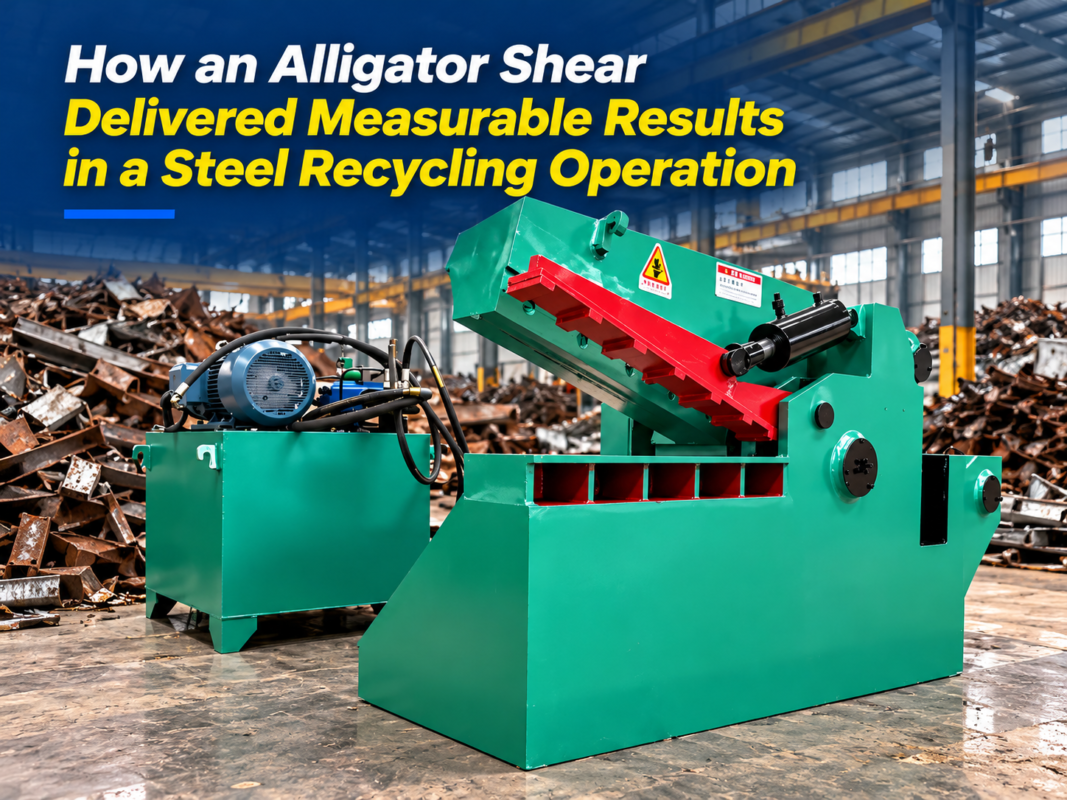
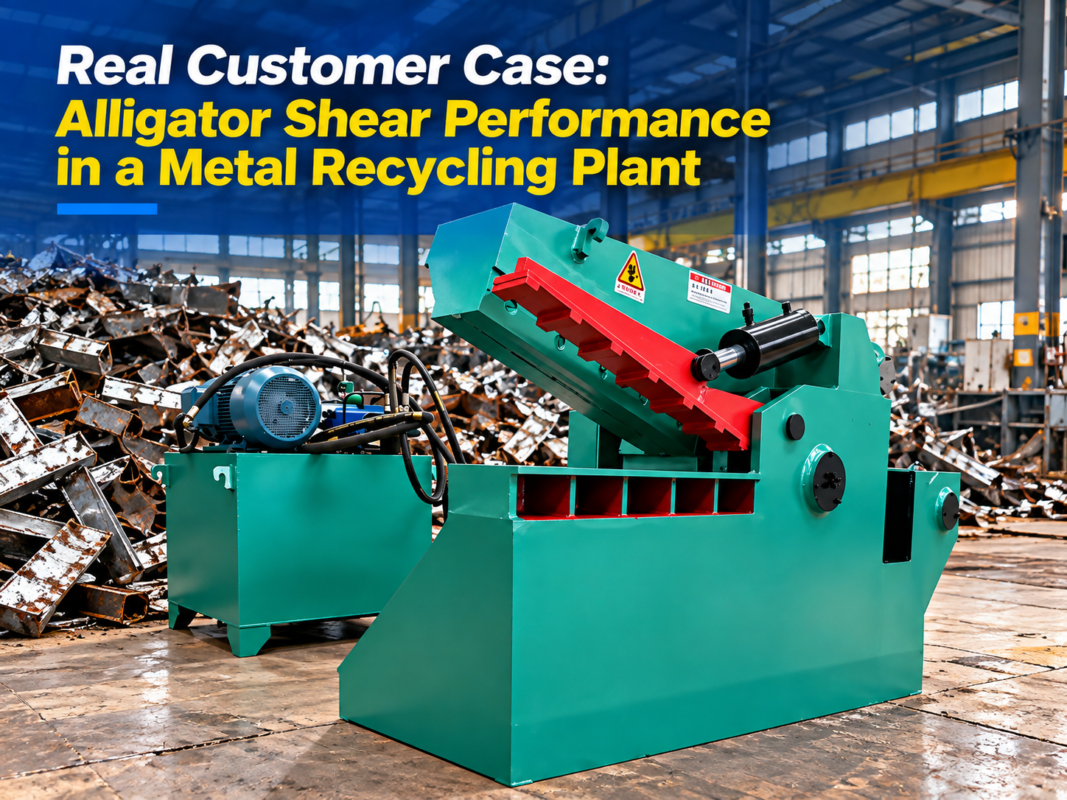
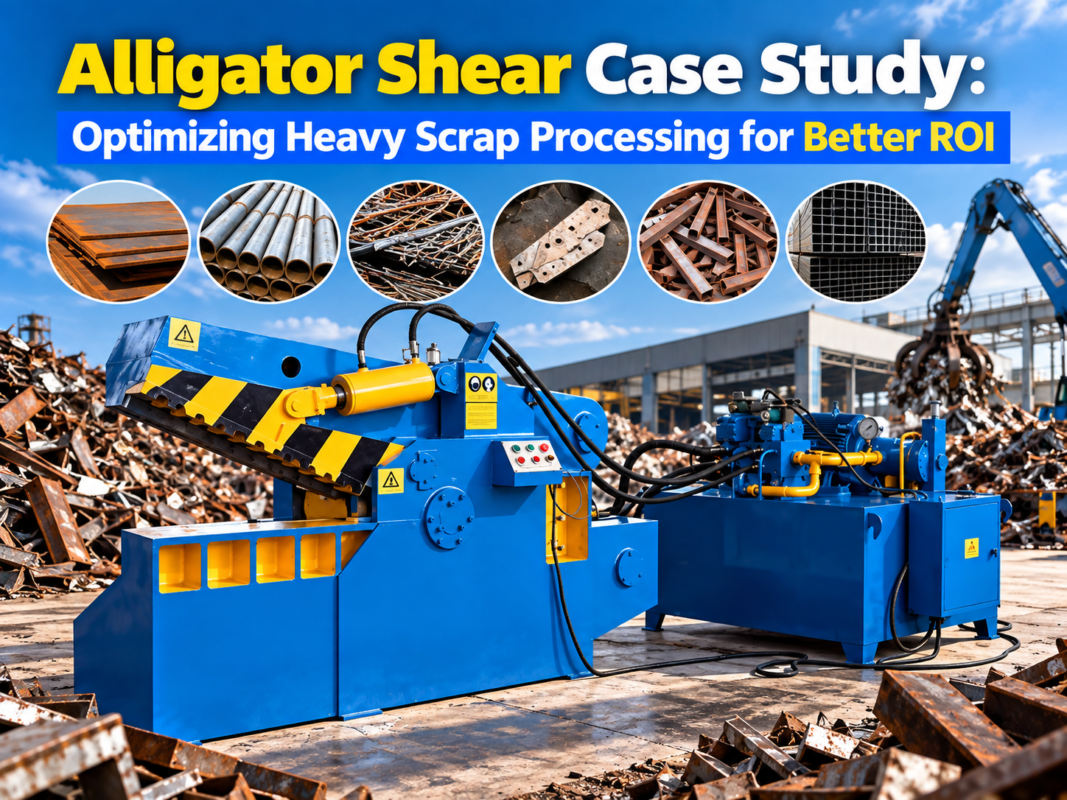
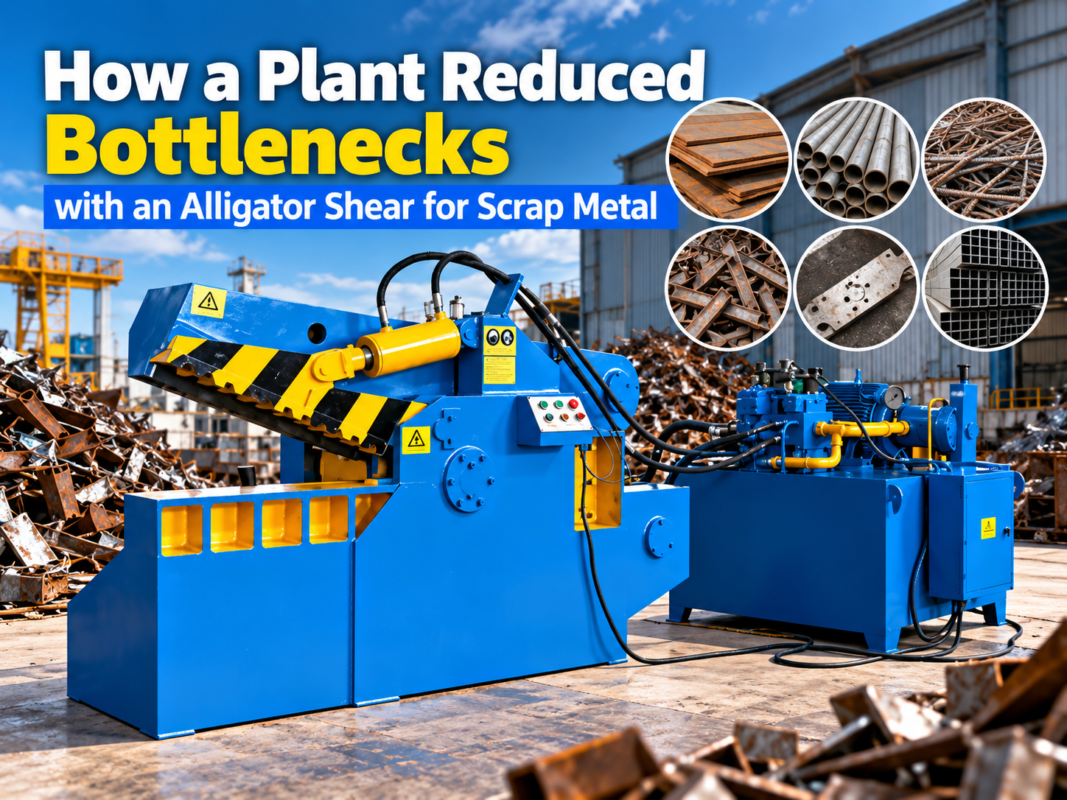
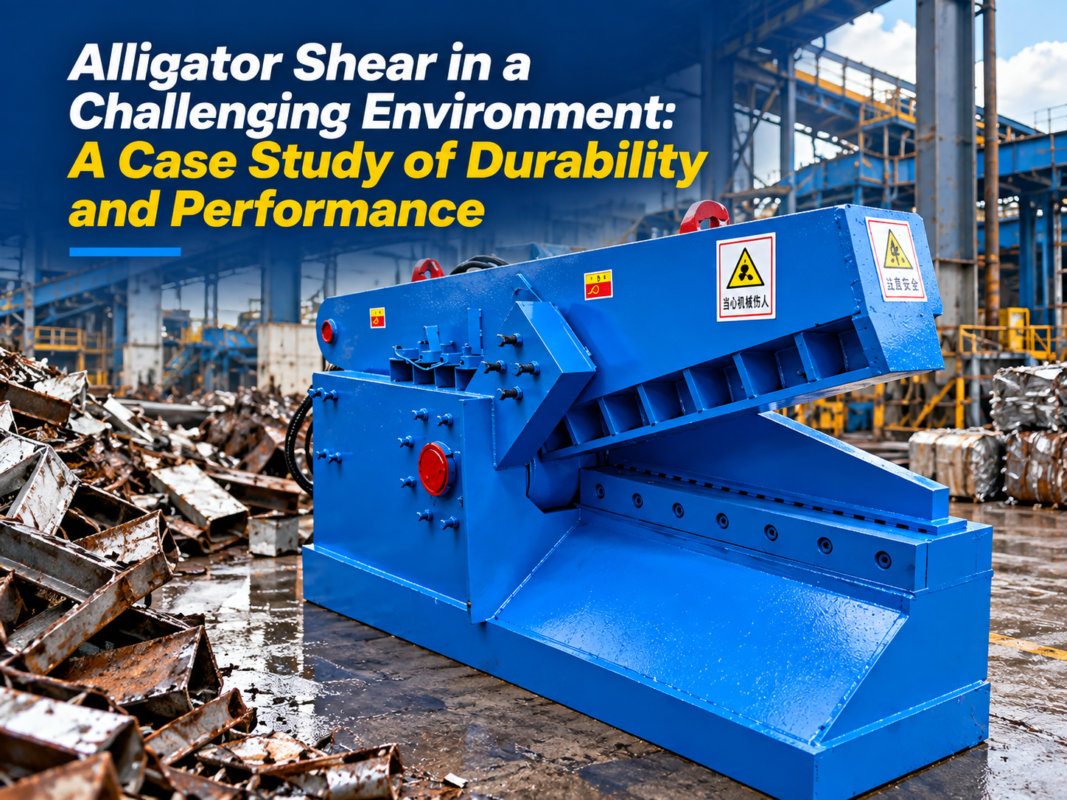
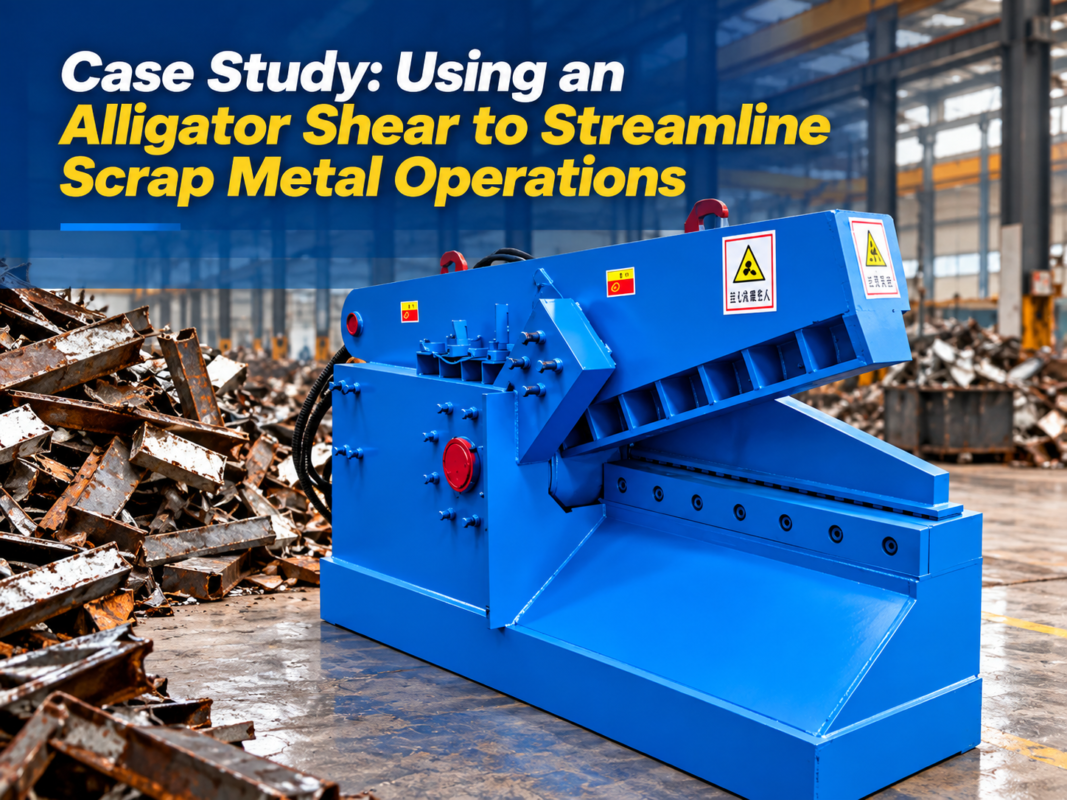
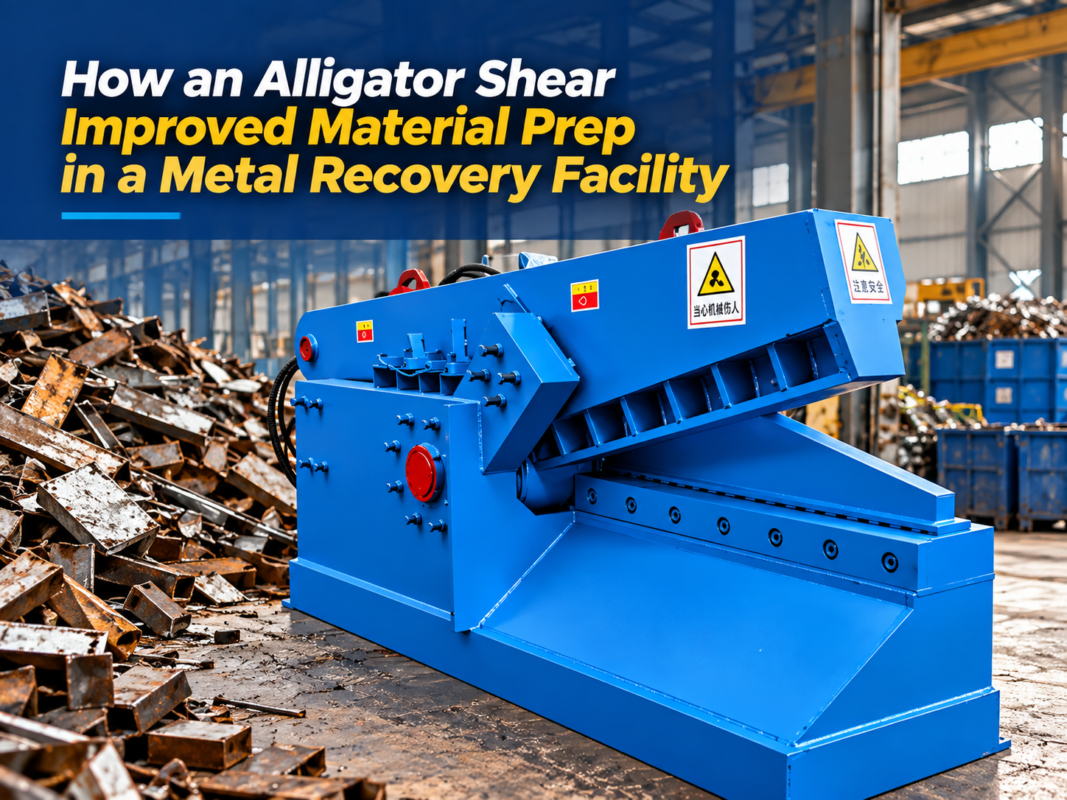
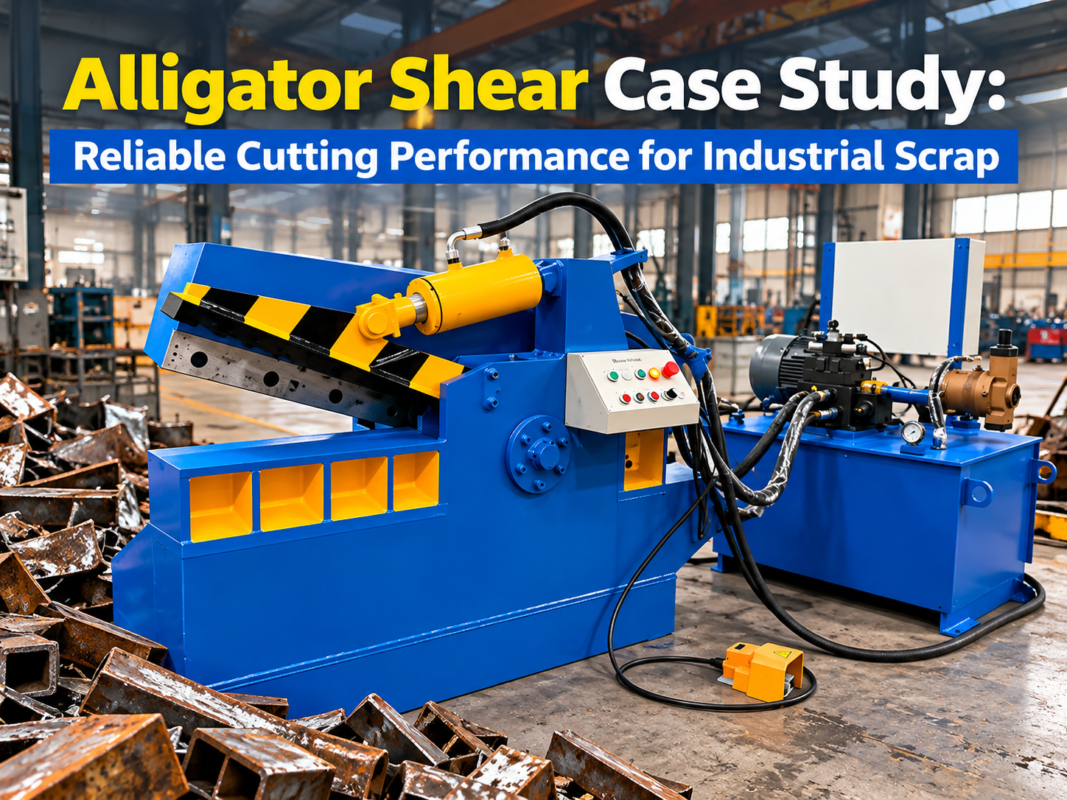
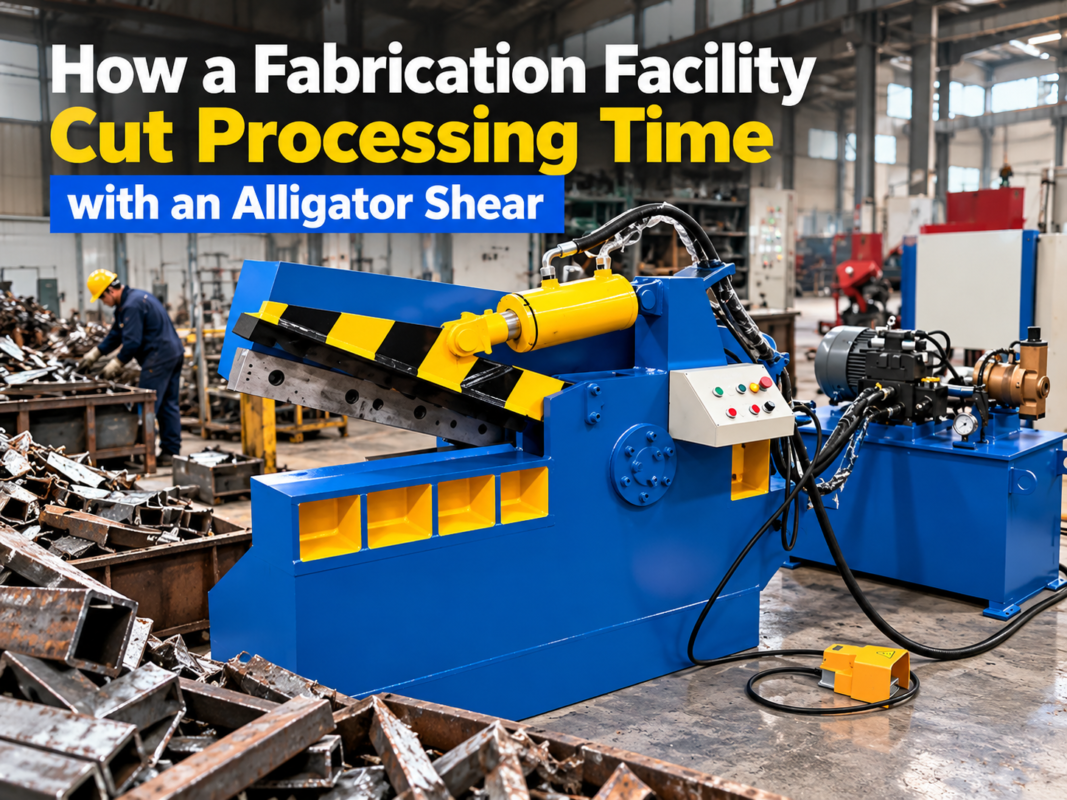
In the world of scrap metal recycling and industrial demolition, the alligator shear remains a cornerstone of efficiency. Named for its characteristic jaw-like movement, this hydraulic powerhouse is essential for cold-cutting various metal shapes, including pipes, bars, and profiles. However, when it comes to procurement, facility managers and business owners face a critical decision: should they invest in a brand-new machine or opt for a pre-owned unit? This Alligator Shear Purchasing : New Vs. Used Machines Compared guide aims to dissect every facet of this decision, from initial capital expenditure to long-term operational reliability.
The scrap industry is notoriously tough on equipment. Alligator shears operate under high pressure, dealing with abrasive materials and demanding duty cycles. Choosing between new and used isn’t just about the price tag; it’s about understanding the total cost of ownership (TCO). A new machine offers the latest safety features and manufacturer warranties, while a used machine might offer immediate cost savings but carry the risk of hidden mechanical fatigue. As we delve into this comparison, we will explore how technical configurations, hydraulic integrity, and market availability influence the final ROI of your investment.
Price Range Overview: New vs. Used
The financial landscape of alligator shear purchasing is diverse. Generally, a new alligator shear from a reputable manufacturer like HARSLE represents a significant but secure investment. Prices for new units are typically determined by the shear force (measured in tons) and the blade length. For instance, a standard 63-ton shear with a 400mm blade might start at a competitive entry-level price, whereas a heavy-duty 500-ton industrial shear can reach much higher figures due to the complexity of its hydraulic systems and structural reinforcement.
Used machines, on the other hand, typically trade at 40% to 70% of the price of a new unit. The variance here is massive. A five-year-old machine that has been meticulously maintained in a clean indoor environment will command a premium, while a ten-year-old unit from a high-volume outdoor scrap yard might be priced at scrap value itself. It is important to note that the “sticker price” of a used machine is rarely the final cost. Buyers must factor in the lack of warranty and the immediate need for consumable replacements, such as blades and hydraulic seals.
| Machine Class | New Price Range (Est. USD) | Used Price Range (Est. USD) | Typical Application |
|---|---|---|---|
| Light Duty (63-100 Tons) | $5,000 – $12,000 | $2,500 – $7,000 | Small recycling centers, copper wire, thin aluminum |
| Medium Duty (120-250 Tons) | $15,000 – $35,000 | $8,000 – $20,000 | General scrap, steel pipes, automotive parts |
| Heavy Duty (315-500+ Tons) | $40,000 – $100,000+ | $20,000 – $55,000 | Industrial demolition, heavy structural steel, ship breaking |
Main Cost Drivers in Alligator Shear Purchasing
When evaluating Alligator Shear Purchasing : New Vs. Used Machines Compared, several technical factors drive the cost. The most prominent is the hydraulic system. A new machine utilizes modern, high-efficiency pumps and valves that are designed for lower heat generation and higher cycle speeds. In used machines, the hydraulic pump is often the first major component to fail. If a used shear requires a pump replacement shortly after purchase, the initial savings can vanish instantly.
Blade quality is another significant driver. New machines come equipped with high-grade alloy steel blades (such as H13 or 9CrSi) that are precision-ground and heat-treated for longevity. Used machines often come with dull or chipped blades. Replacing a full set of blades on a large alligator shear can cost thousands of dollars. Furthermore, the structural integrity of the “jaw” or the main pivot pin is a critical cost driver. If the pivot point on a used machine has excessive play due to years of heavy use, it may require expensive machining and bushing replacement to restore cutting accuracy.
Configuration Impact on Performance and Value
The configuration of an alligator shear dictates its utility in a specific workflow. Modern new machines often feature programmable logic controllers (PLCs) that allow for automatic cutting cycles, foot-pedal integration, and safety sensors. These features increase throughput and reduce operator fatigue. When comparing new vs. used, you will find that older machines are almost entirely manual. While simpler to repair, they lack the efficiency and safety protocols required by modern industrial standards.
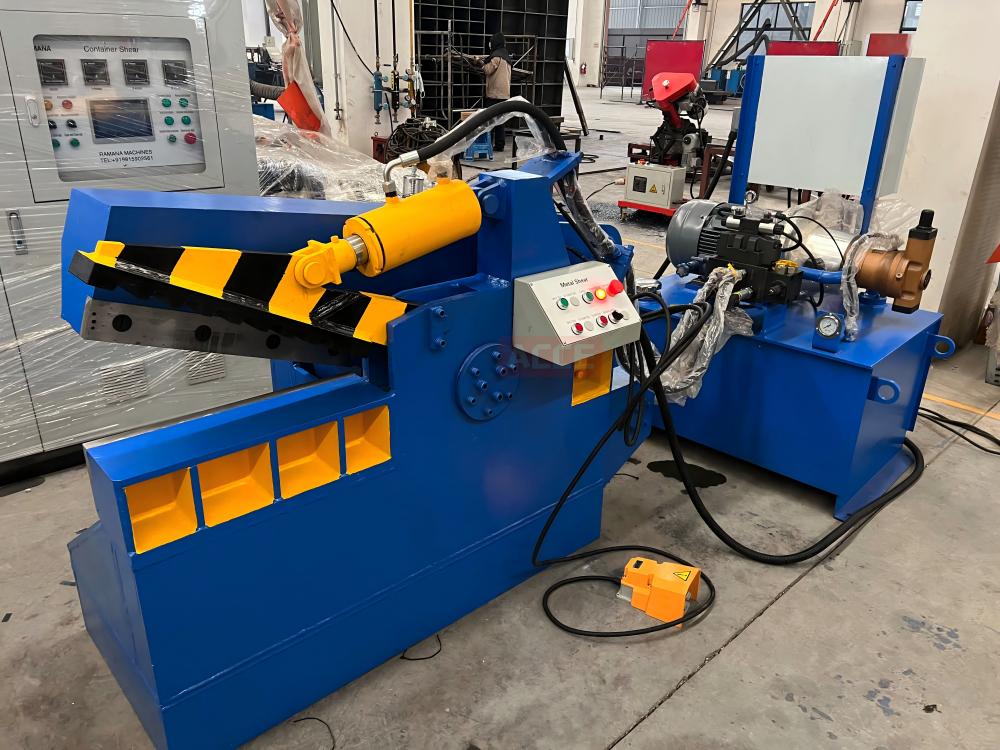
Another configuration aspect is the cooling system. New high-performance shears often include integrated air or water cooling for the hydraulic oil. This allows the machine to run 24/7 without the oil thinning out and losing pressure. Many older, used models lack sophisticated cooling, meaning they may need to be shut down during peak summer hours or high-intensity shifts to prevent seal damage. This downtime directly impacts the profitability of a scrap operation.
Hidden Costs of Buying Used Equipment
The allure of a low purchase price for used machinery often masks several hidden costs. The first is logistics. Moving a 5-ton or 10-ton piece of machinery requires specialized rigging and freight. While this applies to new machines as well, new machines are typically shipped in optimized packaging with clear installation manuals. Used machines may arrive partially disassembled, missing bolts, or leaking residual oil, leading to higher setup costs.
Electrical compatibility is another hidden hurdle. A used machine manufactured twenty years ago might not meet current electrical codes or may require a voltage transformer to work with your facility’s power supply. Furthermore, the “Cost of Neglect” is a real factor. Previous owners may have used low-quality hydraulic oil or ignored filter changes, leading to internal scoring of the hydraulic cylinders. A cylinder rebuild is a labor-intensive and expensive process that can keep the machine offline for weeks.
ROI Calculation: New vs. Used
To truly understand Alligator Shear Purchasing : New Vs. Used Machines Compared, one must look at the Return on Investment (ROI). Let’s consider a scenario where a recycling yard processes 20 tons of scrap per day. A new HARSLE alligator shear, with its faster cycle times and 98% uptime, might process that scrap in 6 hours. A used machine, prone to minor leaks and slower hydraulic response, might take 8 hours to process the same amount.
Over a year, those 2 extra hours per day accumulate into significant labor costs. Additionally, the energy efficiency of a new motor can save hundreds of dollars in monthly utility bills. When you factor in the tax benefits of depreciating a new asset and the lack of repair bills for the first 24 months, the “expensive” new machine often pays for itself faster than a “cheap” used one. However, for a startup with very low volume (e.g., processing only 2 tons a week), a used machine might be the only viable way to enter the market without excessive debt.
Buying Advice: How to Choose Wisely
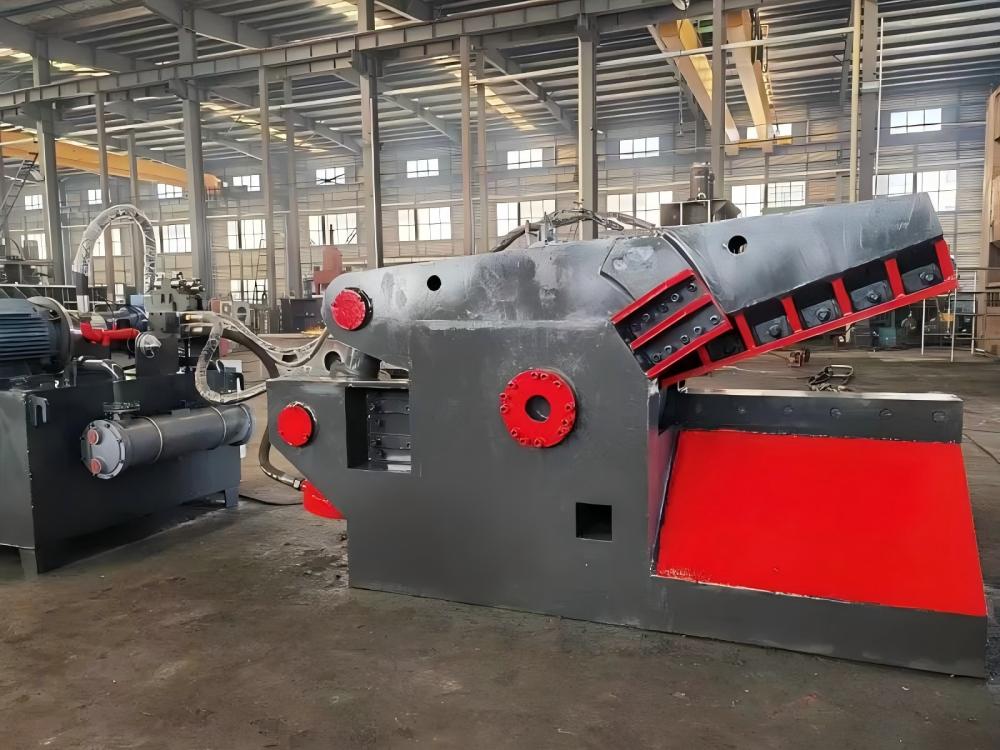
If you decide to go the “New” route, focus on the manufacturer’s reputation and after-sales support. Brands like HARSLE provide comprehensive manuals, spare parts availability, and technical guidance. Ensure the machine specifications (blade length and pressure) exceed your current needs by at least 20% to allow for business growth. Check for safety features like emergency stop buttons and protective cages, which are mandatory in many jurisdictions.
If you decide to buy “Used,” never buy sight-unseen. Conduct a “dry run” to check for smooth jaw movement. Inspect the hydraulic hoses for cracks and the cylinders for any signs of oil weeping. Bring a sample of the toughest material you plan to cut and see how the machine handles it. Most importantly, check the availability of replacement blades. If the machine is an obsolete model, you might have to custom-order blades at a massive markup. A used machine is only a bargain if it can be kept running with minimal friction.
Conclusion
The choice in Alligator Shear Purchasing : New Vs. Used Machines Compared ultimately depends on your budget, technical expertise, and production volume. New machines offer peace of mind, high efficiency, and modern safety, making them ideal for established businesses looking to scale. Used machines offer a low entry barrier for smaller operations or as backup units, provided the buyer is prepared for higher maintenance demands. By carefully weighing the cost drivers and hidden expenses outlined in this guide, you can make an informed decision that powers your scrap processing operations for years to come.
Frequently Asked Questions (FAQ)
1. What is the average lifespan of a new alligator shear?
With proper maintenance, a high-quality new alligator shear can last 15 to 20 years. The frame and jaw are built for longevity, while the hydraulic components and blades are the primary wear items that will need periodic replacement or servicing.
2. Can I upgrade an old used alligator shear with new blades?
Yes, most alligator shears allow for blade replacement. However, you must ensure the bolt pattern and dimensions match the original specifications. Upgrading to higher-quality tool steel blades can significantly improve the performance of an older machine.
3. Is it difficult to find parts for older alligator shears?
It depends on the brand. Major manufacturers often keep parts in stock for decades. However, for generic or defunct brands, you may need to have parts custom-machined, which can be very expensive and time-consuming.
4. What safety features should I look for in a new machine?
Look for a foot-pedal guard, an emergency stop button within easy reach, a protective mesh cage over the cutting area, and a pressure relief valve in the hydraulic system to prevent overloading.
5. How often should the hydraulic oil be changed in these machines?
For a new machine, the first oil change usually happens after the first 100-200 hours of “break-in” time. After that, it is typically changed every 2,000 hours or once a year, depending on the environment and usage intensity.
6. Does HARSLE offer warranties on their new alligator shears?
Yes, HARSLE typically provides a standard warranty on the main components of their new machinery, along with technical support to ensure the machine is set up and operating correctly from day one.