How to Evaluate an Alligator Shear for Efficiency, Durability, and Safety

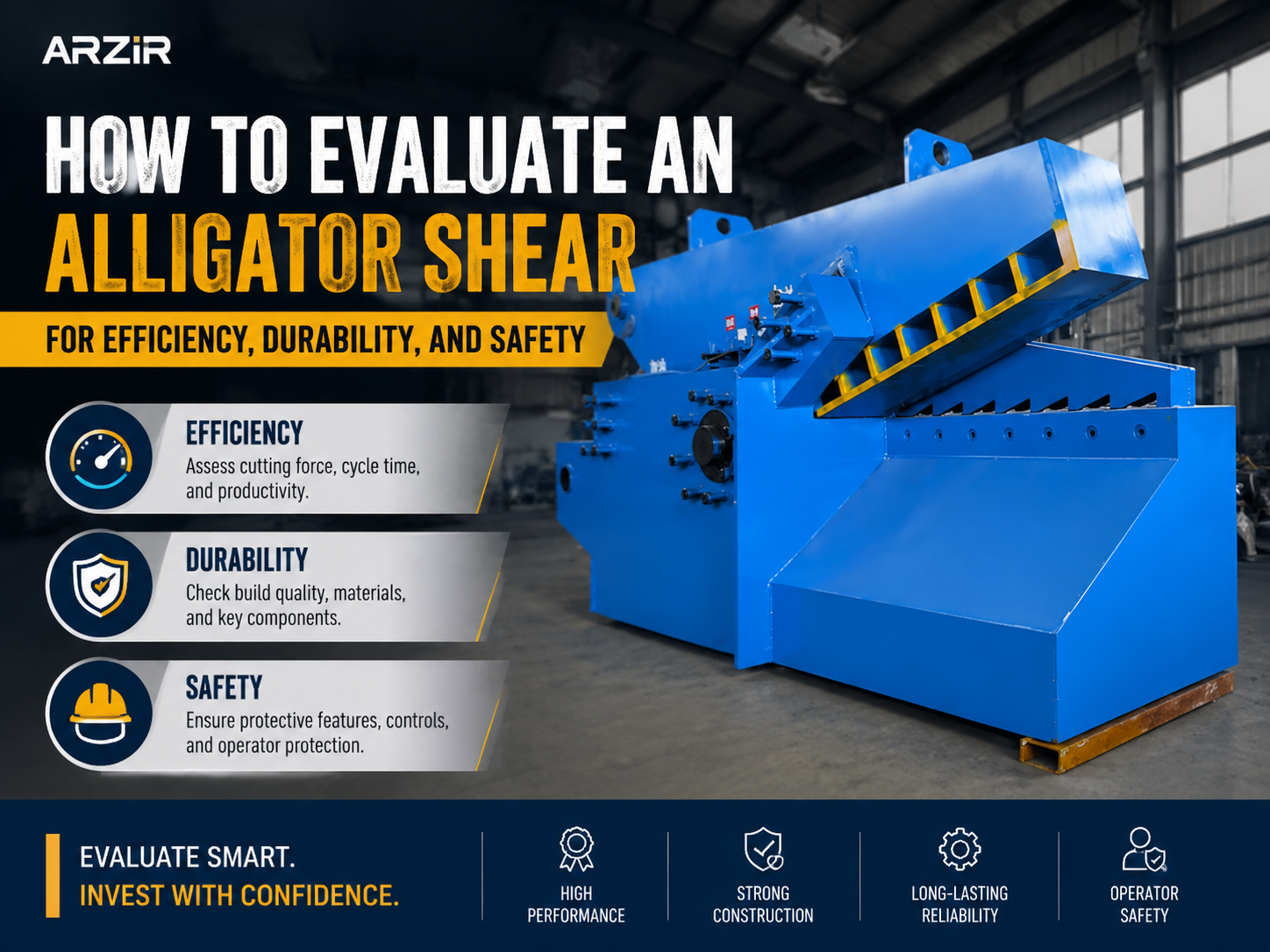
Introduction to Alligator Shear Evaluation
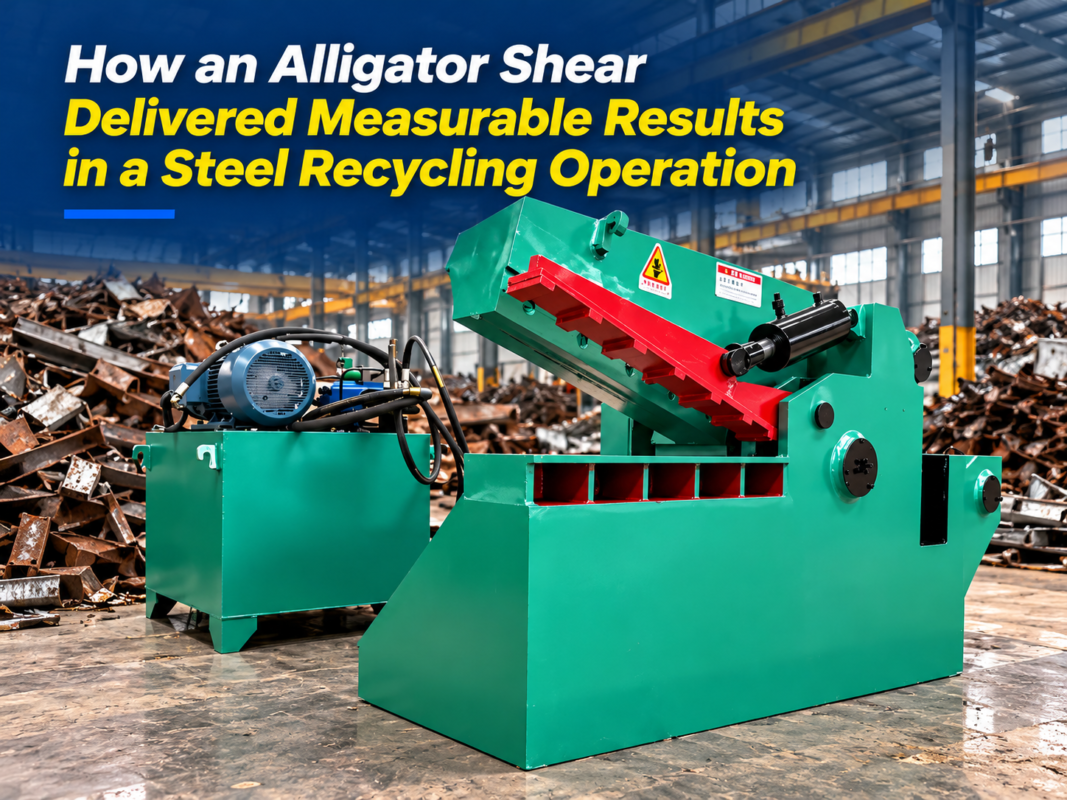
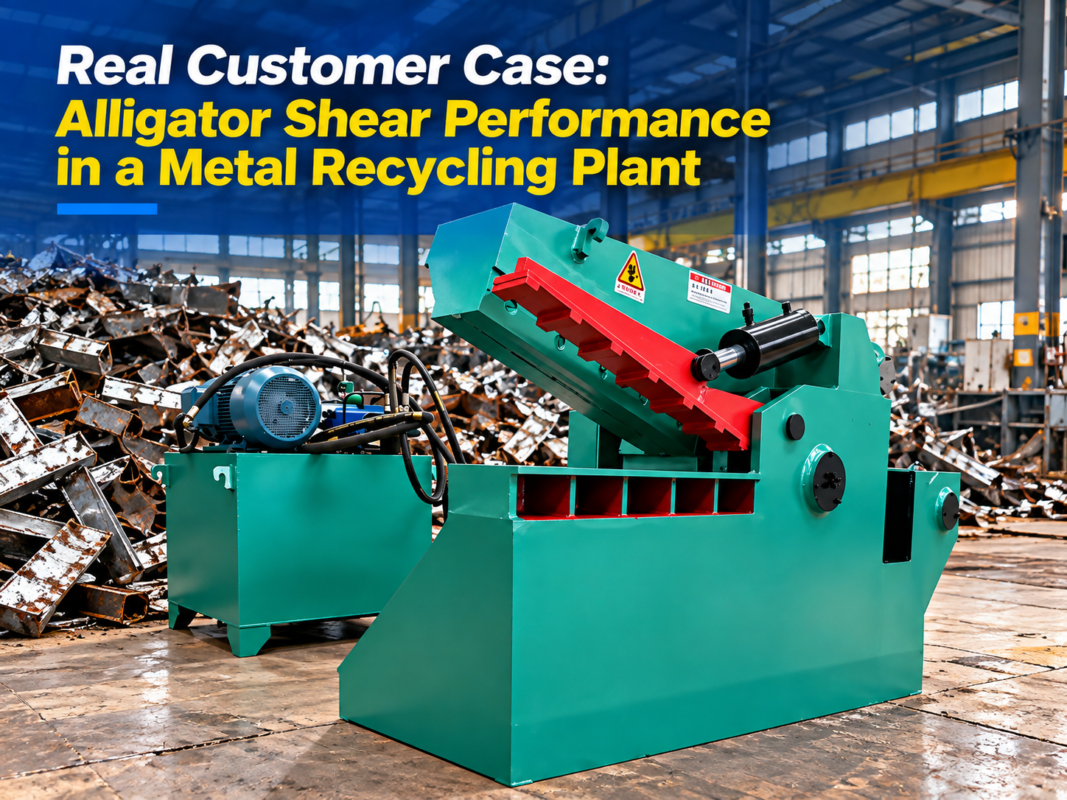
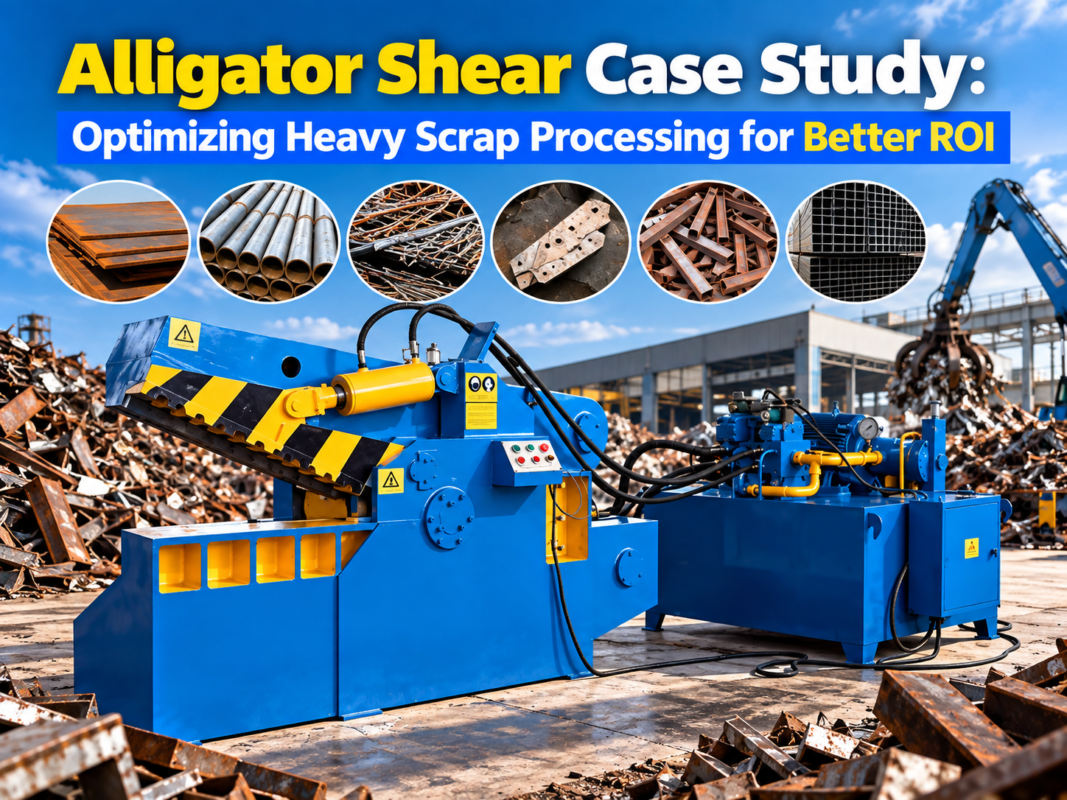
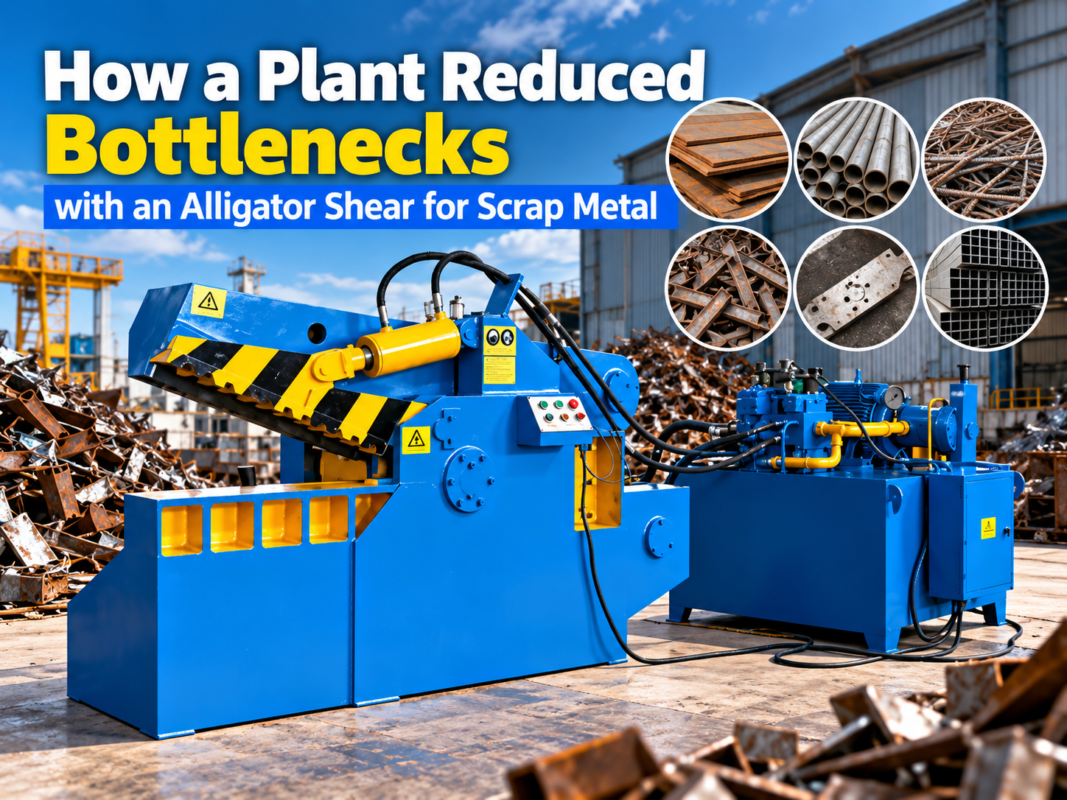
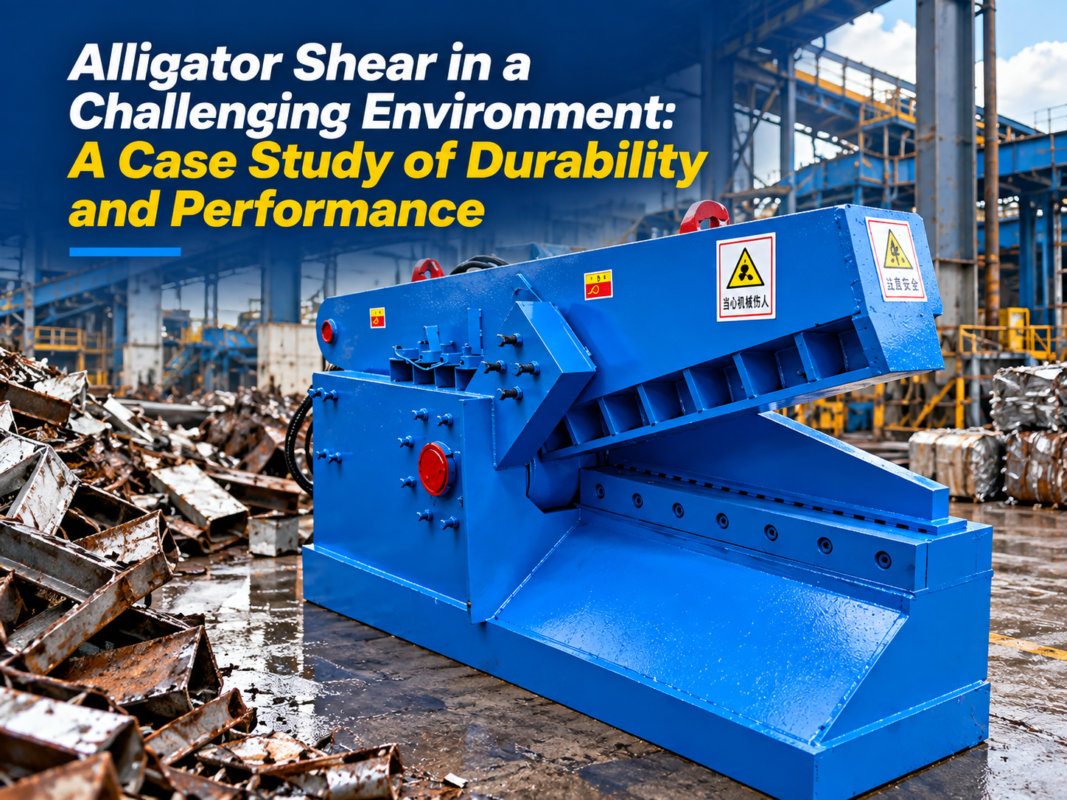
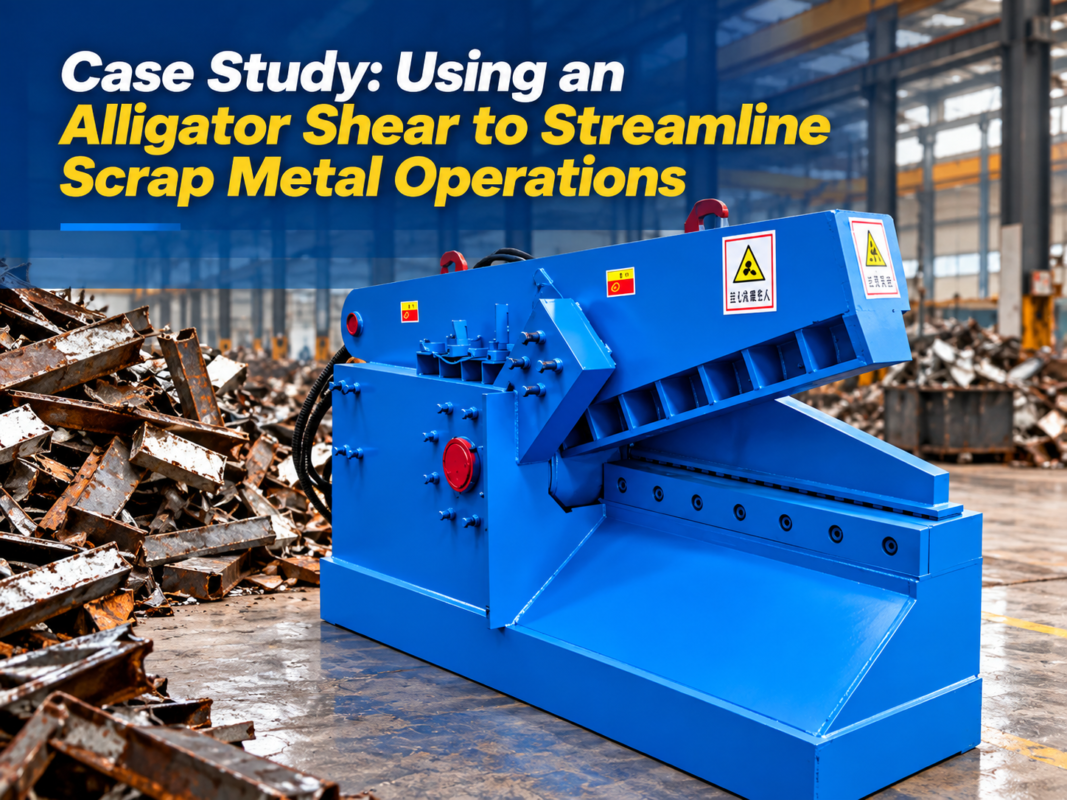
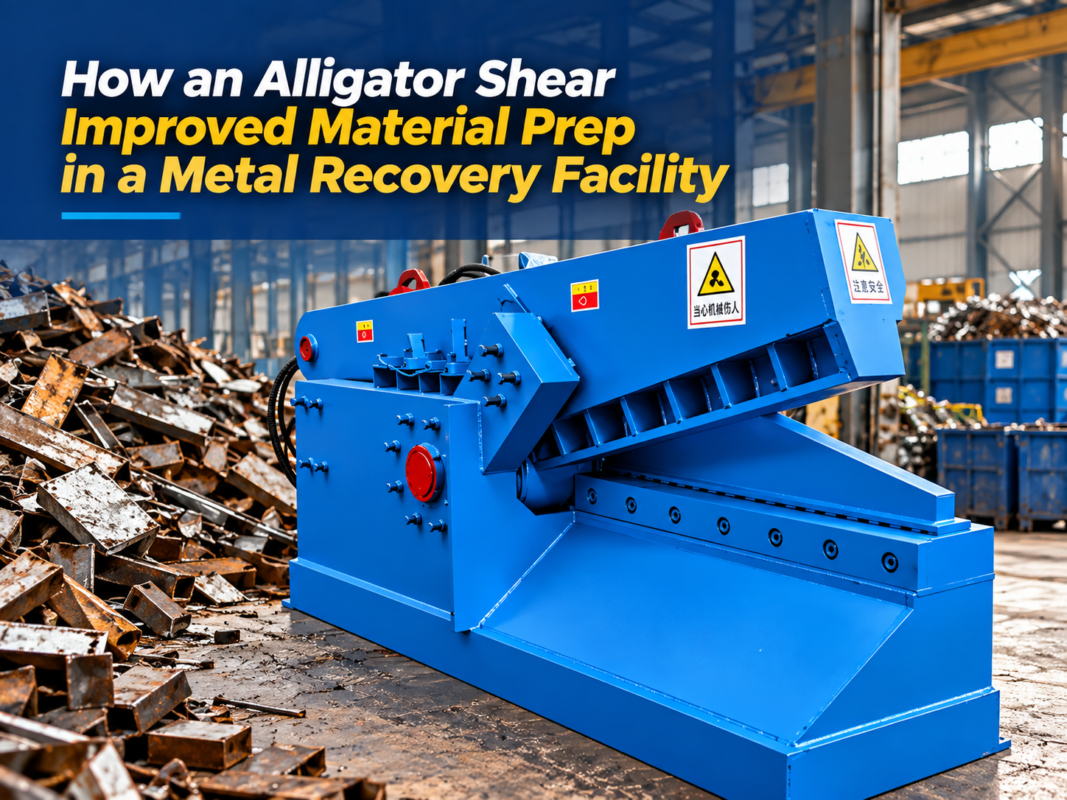
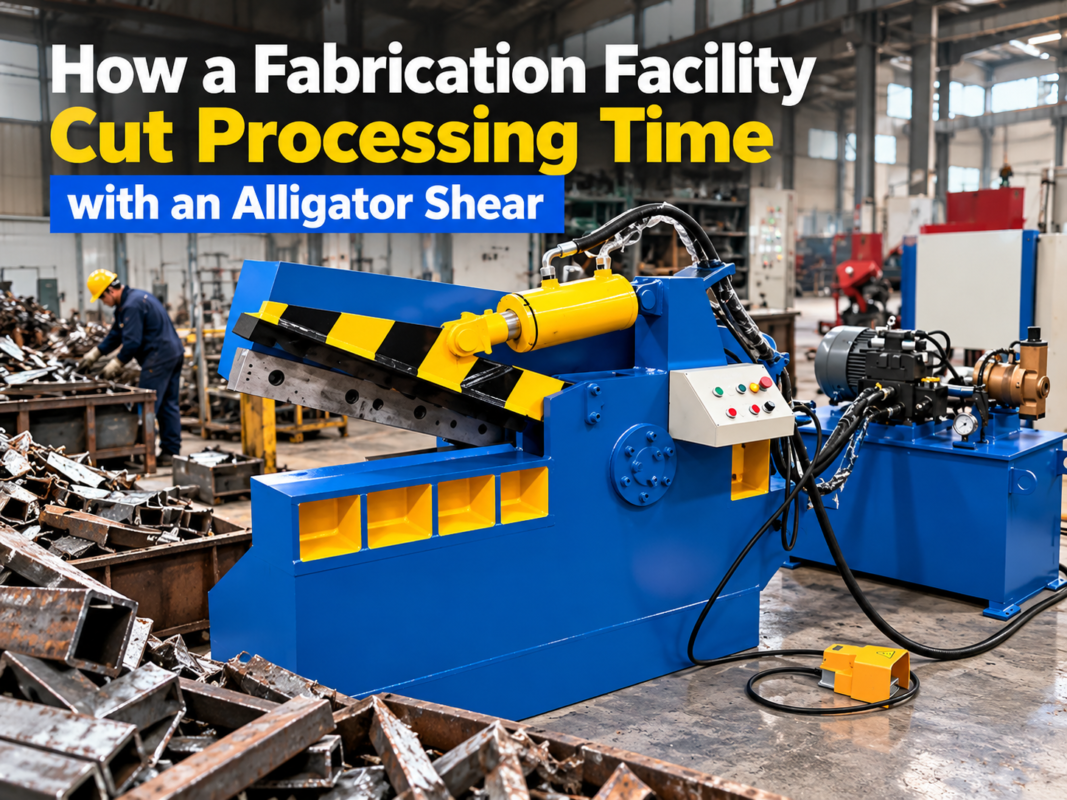
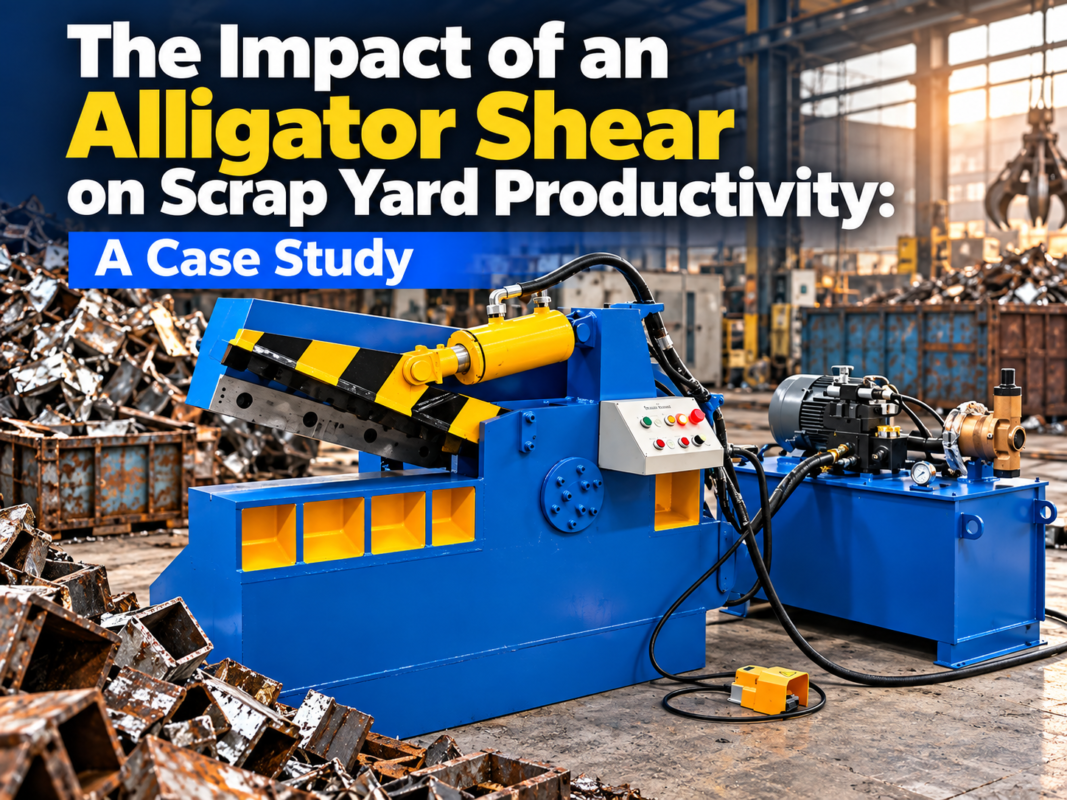
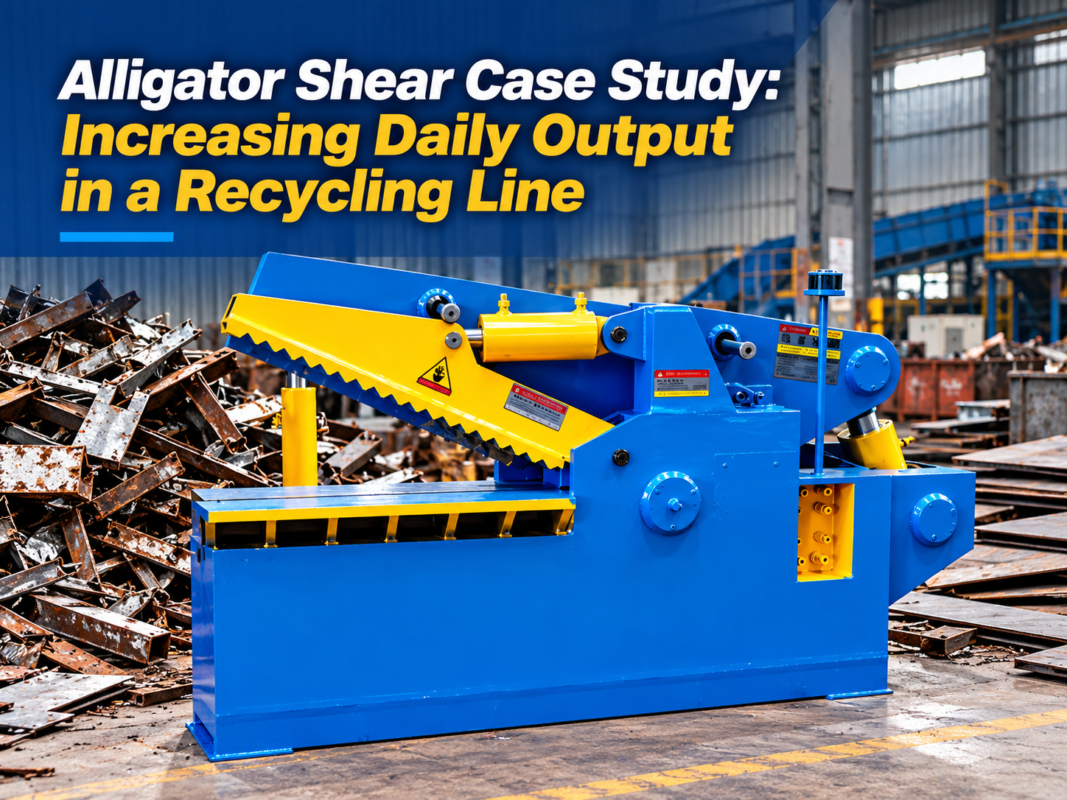
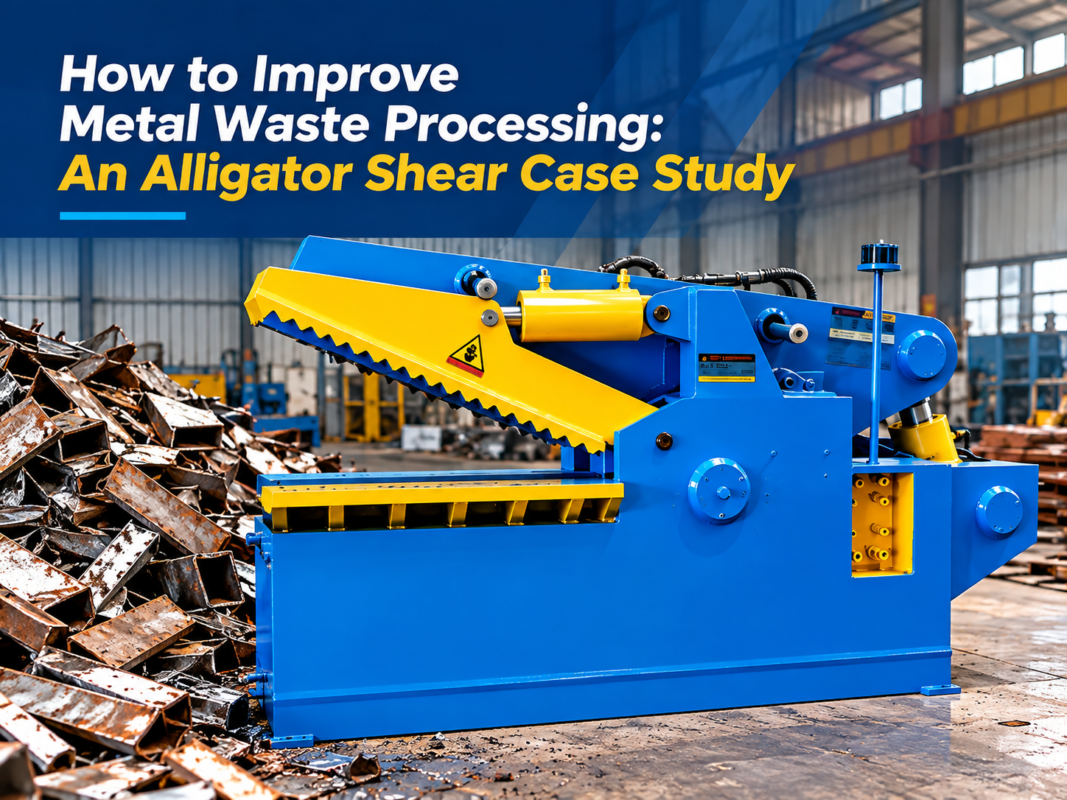
In the world of scrap metal recycling and industrial demolition, the alligator shear is an indispensable workhorse. Named for its characteristic jaw-like movement, this machine is designed to cut through various metal profiles, pipes, and cables, preparing them for further processing or smelting. However, not all alligator shears are created equal. When you look to evaluate an alligator shear for efficiency, durability, and safety, you are not just looking at a price tag; you are looking at the long-term viability of your recycling operation.
Efficiency in an alligator shear translates directly to throughput—how many tons of material can you process per shift? Durability determines your uptime and maintenance costs over a decade of service. Safety, perhaps the most critical factor, ensures that your operators remain protected while handling high-pressure hydraulic equipment and sharp metal fragments. This guide provides a comprehensive framework for assessing these three pillars, ensuring that your investment in HARSLE machinery or any industrial shear yields the highest possible return.
Price Range Overview: What to Expect in the Market
The market for alligator shears is diverse, ranging from small, workshop-sized units to massive industrial machines capable of shearing heavy structural steel. Understanding the price range is the first step in your evaluation process. Generally, alligator shears are categorized by their shearing force, measured in tons, and their blade length.
Entry-level alligator shears, often used for cutting copper wire, small aluminum profiles, or radiator cores, typically fall in the $3,000 to $7,000 range. These machines usually offer a shearing force of 60 to 100 tons and are ideal for smaller scrap yards or specialized recycling centers. While they are affordable, their efficiency is limited by their slower cycle times and smaller jaw openings.
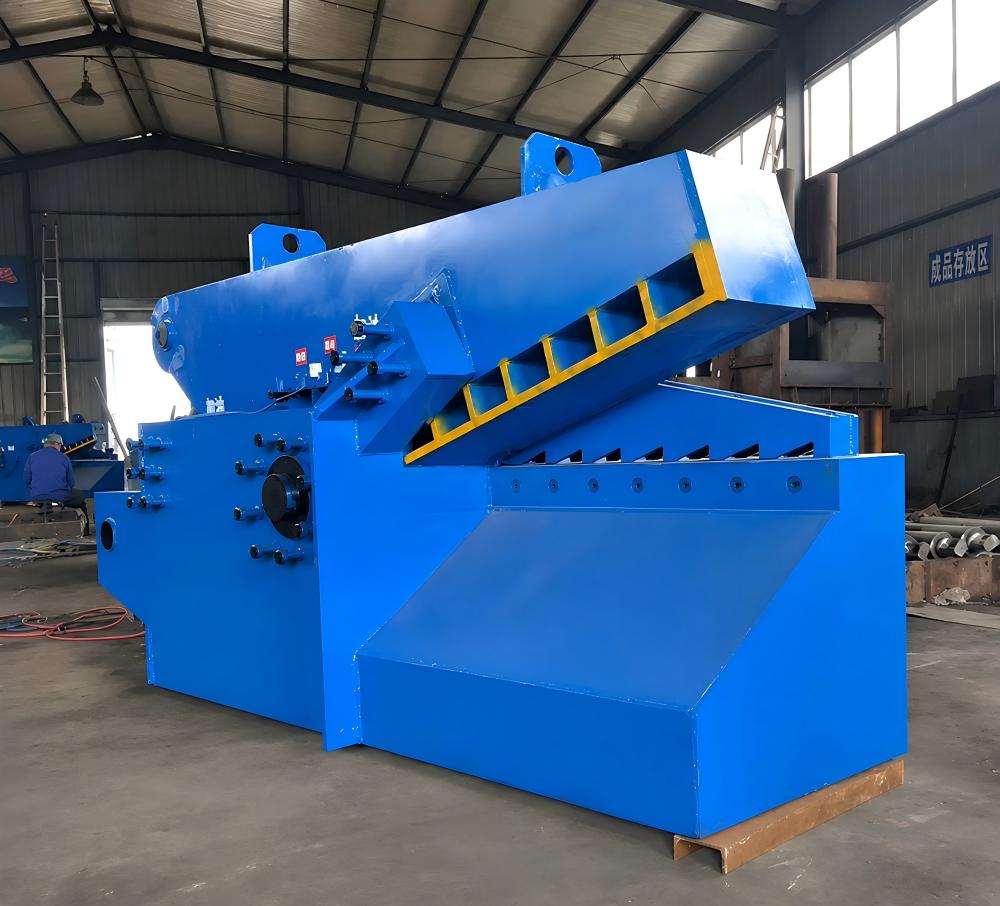
Mid-range industrial shears, which are the most common in professional scrap yards, range from $8,000 to $20,000. These machines provide 120 to 250 tons of force and feature blade lengths between 600mm and 800mm. They are designed for continuous operation and can handle a wider variety of materials, including steel pipes and thick aluminum extrusions. High-end, heavy-duty alligator shears can exceed $35,000, offering over 300 tons of force and advanced automation features. These are built for high-volume environments where durability and speed are paramount.
Main Cost Drivers in Alligator Shear Manufacturing
When you evaluate an alligator shear for efficiency, durability, and safety, you must understand what drives the cost. It is rarely just the size of the machine; rather, it is the quality of the internal components and the engineering behind the hydraulic system. The first major cost driver is the hydraulic pump and motor assembly. High-quality brands like HARSLE utilize premium hydraulic components that offer higher pressure ratings and better heat dissipation, which directly impacts the machine’s efficiency and lifespan.
The second driver is the metallurgy of the blades. Alligator shear blades are subject to immense stress and abrasion. Cheap machines often use inferior steel that requires frequent sharpening or replacement. In contrast, high-performance shears use H13 tool steel or specialized alloys that are heat-treated to maintain their edge under extreme conditions. While these blades increase the initial cost, they significantly reduce the long-term cost per cut.
Frame construction also plays a vital role. A heavy-duty, welded steel frame prevents the machine from flexing during high-pressure cuts. Flexing not only reduces cutting accuracy but also puts undue stress on the hydraulic cylinders and pivot pins, leading to premature failure. A robust frame is a hallmark of a durable machine. Finally, the inclusion of advanced safety features, such as protective cages, emergency stop circuits, and foot-pedal interlocks, adds to the manufacturing cost but is essential for modern industrial compliance.
Configuration Impact on Performance and Safety
The configuration of an alligator shear determines its suitability for specific tasks. One of the primary considerations is the blade length. A shorter blade (e.g., 400mm) provides higher concentrated force at the throat of the shear, making it excellent for thick, dense materials. A longer blade (e.g., 1000mm or 1200mm) allows for the processing of larger, bulkier items like car bumpers or long pipes in a single pass, increasing overall efficiency.
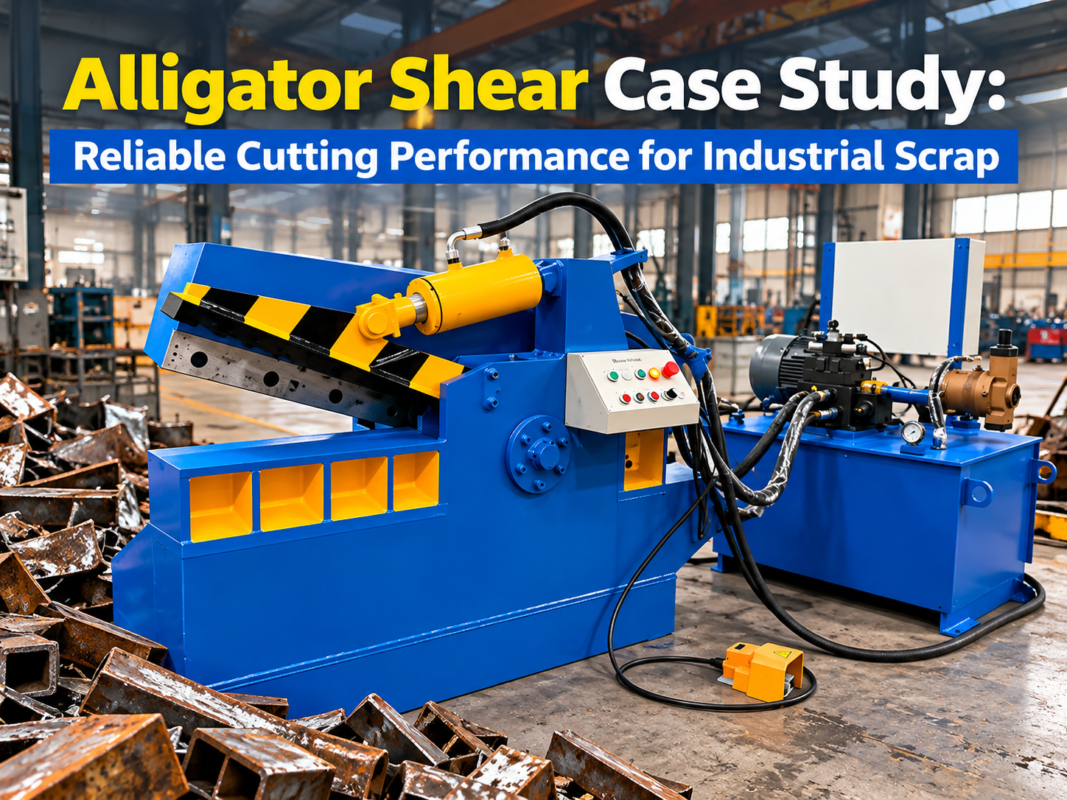
Another critical configuration choice is the control system. Manual control via a hand lever offers precision but can be fatiguing for the operator over long shifts. Automatic or semi-automatic configurations, often controlled by a foot pedal, allow for faster cycle times and better ergonomics. Some modern HARSLE models feature continuous cutting modes, where the jaw opens and closes at a set frequency, allowing the operator to simply feed material into the machine.
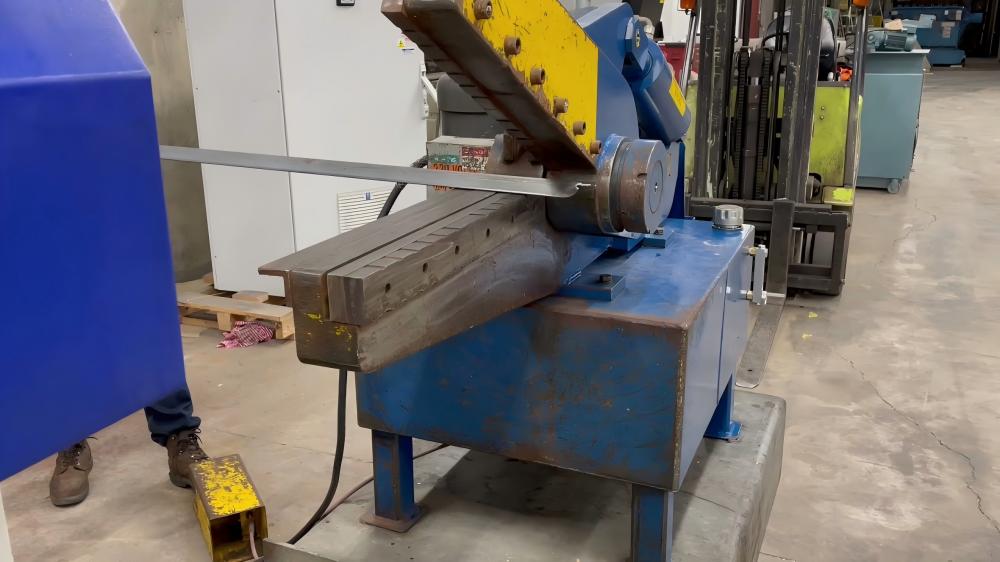
Safety configurations are equally important. Modern shears should come equipped with a hold-down device. This is a secondary hydraulic or mechanical arm that pins the material against the lower blade before the upper blade begins its cut. This prevents the material from “kicking up,” which is a leading cause of injury in scrap yards. Furthermore, the integration of an oil cooling system is a configuration detail that impacts durability; without it, the hydraulic fluid can overheat during intensive summer shifts, leading to seal failure and loss of pressure.
Hidden Costs of Owning an Alligator Shear
The purchase price is only the beginning of the total cost of ownership. To truly evaluate an alligator shear for efficiency, durability, and safety, you must account for hidden costs. Energy consumption is a significant factor. A machine with an inefficient hydraulic circuit will draw more kilowatts per ton of material processed, leading to higher monthly utility bills. Look for machines with high-efficiency motors and variable displacement pumps that only draw power when needed.
Maintenance and wear parts represent another ongoing expense. Alligator shears require regular hydraulic oil changes, filter replacements, and lubrication of the pivot points. The cost of replacement blades and the downtime associated with changing them must be factored in. If a machine uses non-standard blade sizes, you may be forced to buy expensive proprietary replacements from the manufacturer. HARSLE designs machines with serviceability in mind, ensuring that common wear parts are accessible and reasonably priced.
Shipping and installation are often overlooked. These machines are heavy—often weighing several tons—and require specialized freight and rigging to set up. Additionally, you must consider the cost of operator training. A safe and efficient operation requires staff who understand how to position material correctly and how to identify signs of mechanical fatigue before a failure occurs. Investing in training reduces the risk of accidents and extends the life of the machine.
ROI Calculation: Measuring the Value of Your Investment
Calculating the Return on Investment (ROI) for an alligator shear involves comparing the increased revenue from processed scrap against the total cost of the machine. Processed scrap (cut to size) commands a significantly higher price at the mill than unprocessed, bulky scrap. For example, if an alligator shear allows you to upgrade 5 tons of scrap per day from “unprepared” to “prepared” grade, and the price difference is $40 per ton, the machine generates $200 in additional revenue per day.
To calculate the ROI period, use the following formula: Total Investment / (Daily Revenue Increase – Daily Operating Costs) = Days to Payback. Total investment includes the purchase price, shipping, and installation. Daily operating costs include labor, electricity, and a pro-rated amount for maintenance and blade wear. Most high-quality alligator shears in a busy yard will pay for themselves within 6 to 12 months.
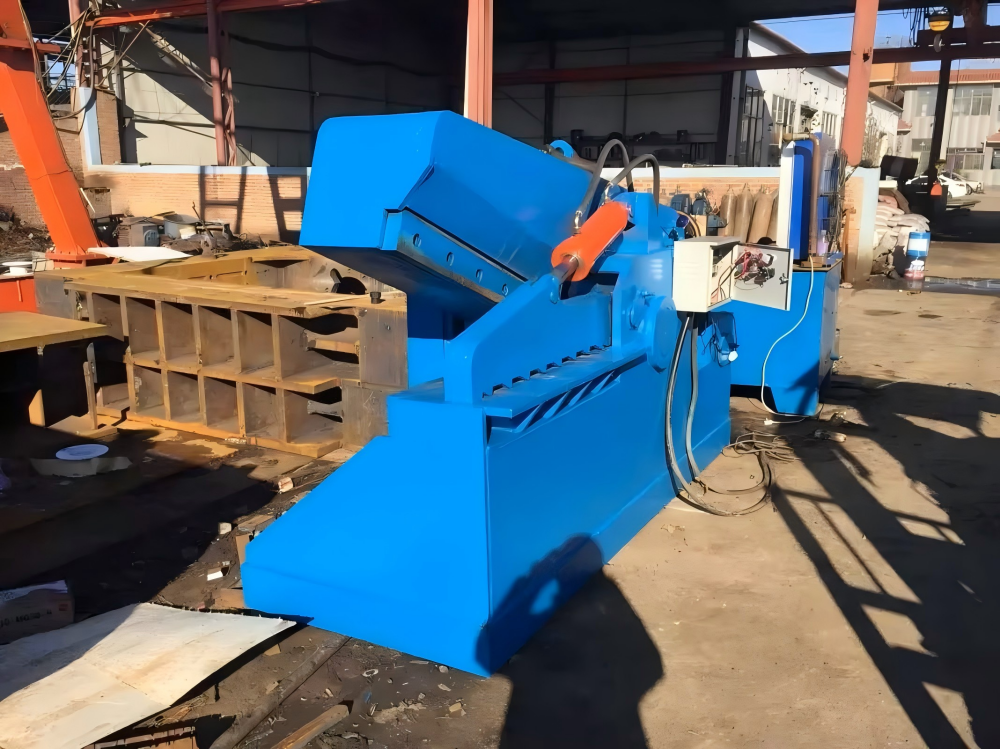
Beyond the direct financial gain, consider the “soft” ROI. This includes the reduction in transport costs (since cut scrap is denser and requires fewer truck loads) and the improved safety record of your facility. A machine that prevents a single workplace injury can save tens of thousands of dollars in insurance premiums and legal fees, making the safety features of a HARSLE shear a vital part of the ROI equation.
Buying Advice: How to Choose the Right Alligator Shear
When you are ready to make a purchase, start by auditing your material stream. What is the thickest and toughest material you process daily? Your shear should be rated for slightly more than your maximum requirement to ensure it isn’t constantly running at its limit, which preserves durability. If you primarily handle aluminum, a 120-ton shear might be sufficient; for heavy steel pipe, you should look at 200 tons or more.
Research the manufacturer’s reputation. Companies like HARSLE have a long history in metal fabrication machinery and offer robust after-sales support. Ask about the availability of spare parts and the technical documentation provided with the machine. A good manufacturer will provide detailed hydraulic schematics and maintenance schedules. If possible, request a video of the machine testing a material sample similar to what you process to verify its efficiency and cutting quality.
Finally, do not compromise on safety. Ensure the machine meets CE or local safety standards. Check for the presence of emergency stops, blade guards, and a reliable hold-down mechanism. A cheaper machine that lacks these features is a liability, not an asset. By prioritizing efficiency, durability, and safety in your evaluation, you ensure that your alligator shear remains a productive part of your business for years to come.
Frequently Asked Questions (FAQ)
1. How often should I sharpen the blades on my alligator shear?
The frequency of sharpening depends entirely on the material being cut and the volume of work. For clean aluminum, blades may last several months. For contaminated steel or rebar, they may need attention every few weeks. Most blades are four-sided, meaning you can rotate them to a fresh edge before needing a full regrind. Always monitor the gap between the blades; if it widens, the machine will “fold” the metal rather than cut it, which strains the hydraulics.
2. Can an alligator shear cut through hardened steel shafts?
Generally, alligator shears are designed for structural steel, pipes, and profiles. Cutting through induction-hardened shafts or high-carbon tool steel can chip or shatter the shear blades. If you must cut hardened materials, you need a shear with specialized heavy-duty blades and a force rating significantly higher than the material’s shear strength. It is always best to consult with the manufacturer before attempting to cut non-standard materials.
3. What type of hydraulic oil is best for these machines?
Most alligator shears use standard anti-wear hydraulic oil, such as ISO 46 or ISO 68. The choice depends on your operating environment. In colder climates, a thinner oil (ISO 32 or 46) helps with start-up, while in hot environments, a thicker oil (ISO 68) maintains better viscosity and lubrication. Always refer to your HARSLE manual for specific recommendations and change the oil every 2,000 operating hours or annually.
4. Is a foot pedal better than a hand lever?
A foot pedal is generally preferred for high-volume production because it leaves the operator’s hands free to position the material safely. However, a hand lever provides more tactile feedback and is often used on smaller, more portable units. For the best of both worlds, many modern industrial shears offer both options or a semi-automatic cycle controlled by a foot switch.
5. How do I ensure the safety of my operators?
Safety is ensured through a combination of machine features and operator discipline. Ensure the hold-down device is always functional to prevent material kickback. Operators should wear full PPE, including face shields and heavy-duty gloves. Most importantly, never allow an operator to reach into the jaw area while the motor is running, and implement a strict lockout/tagout (LOTO) procedure for all maintenance tasks.
6. What is the difference between an alligator shear and a guillotine shear?
An alligator shear uses a pivoting motion, similar to scissors, and is primarily used for scrap processing and cutting long materials into smaller pieces. A guillotine shear uses a straight vertical motion and is typically used in fabrication shops to cut large sheets of metal with high precision. Alligator shears are more robust for irregular scrap, while guillotines are better for flat plate work.
7. Why is my shear losing cutting power?
Loss of power is usually related to the hydraulic system. Check for low oil levels, clogged filters, or a worn-out hydraulic pump. Another common cause is internal leaking in the hydraulic cylinder seals, which prevents the system from reaching maximum pressure. Finally, ensure the relief valve is set correctly; if it is set too low, the machine will bypass oil before the cut is completed.