What to Look for When Buying a Gantry Shear for Heavy-Duty Metal Cutting

Introduction to Heavy-Duty Gantry Shears
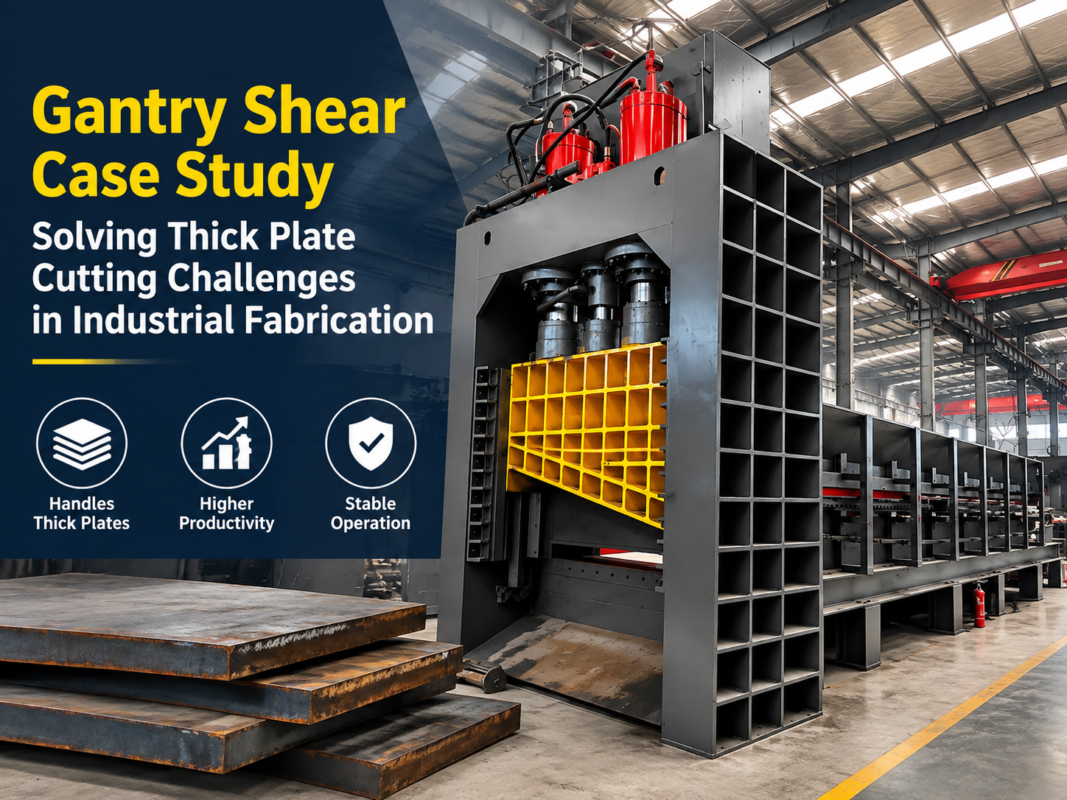
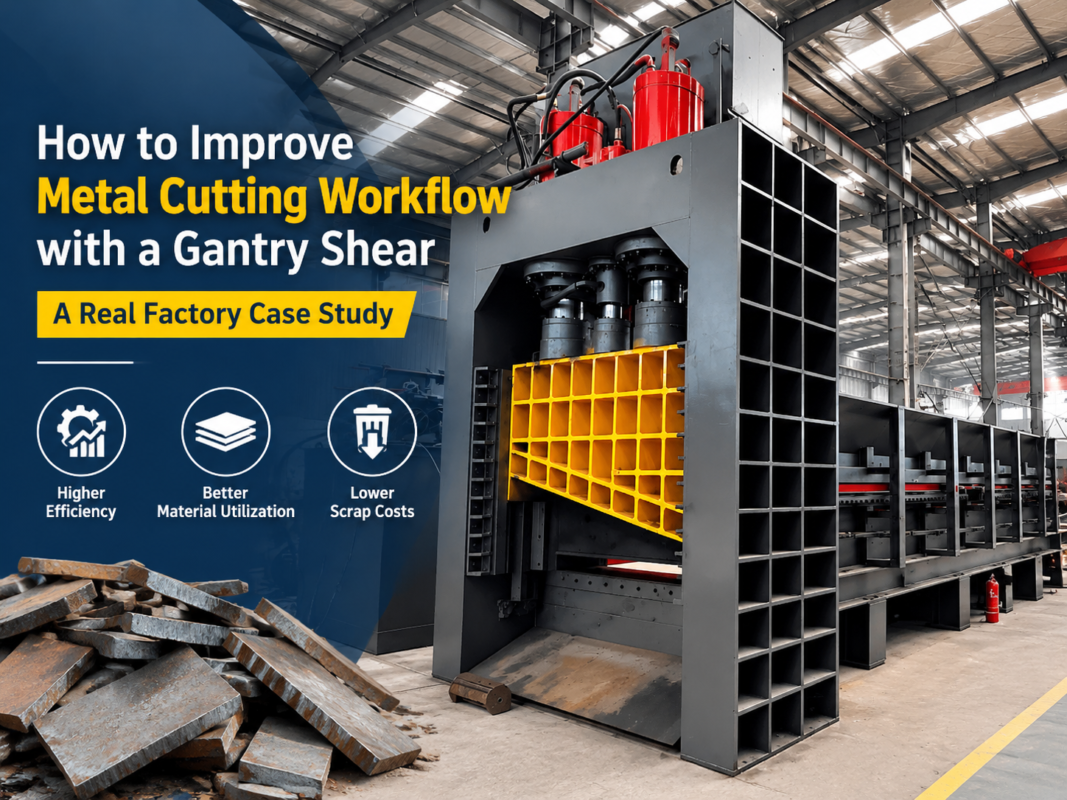
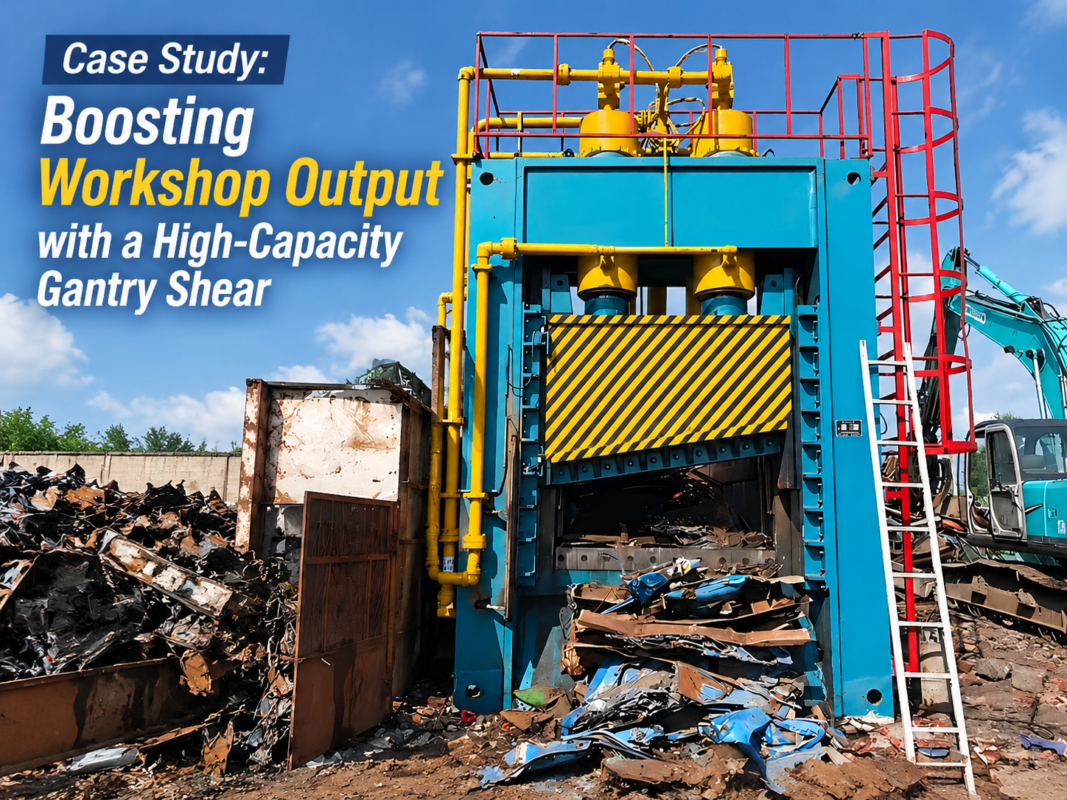
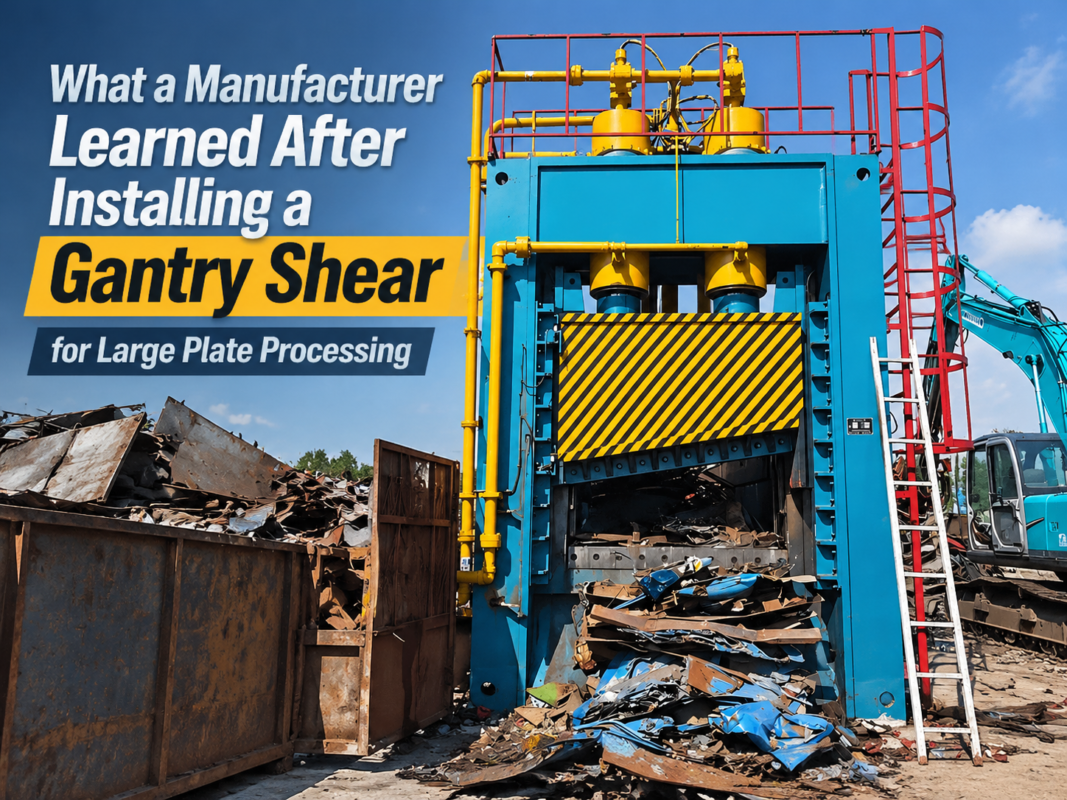
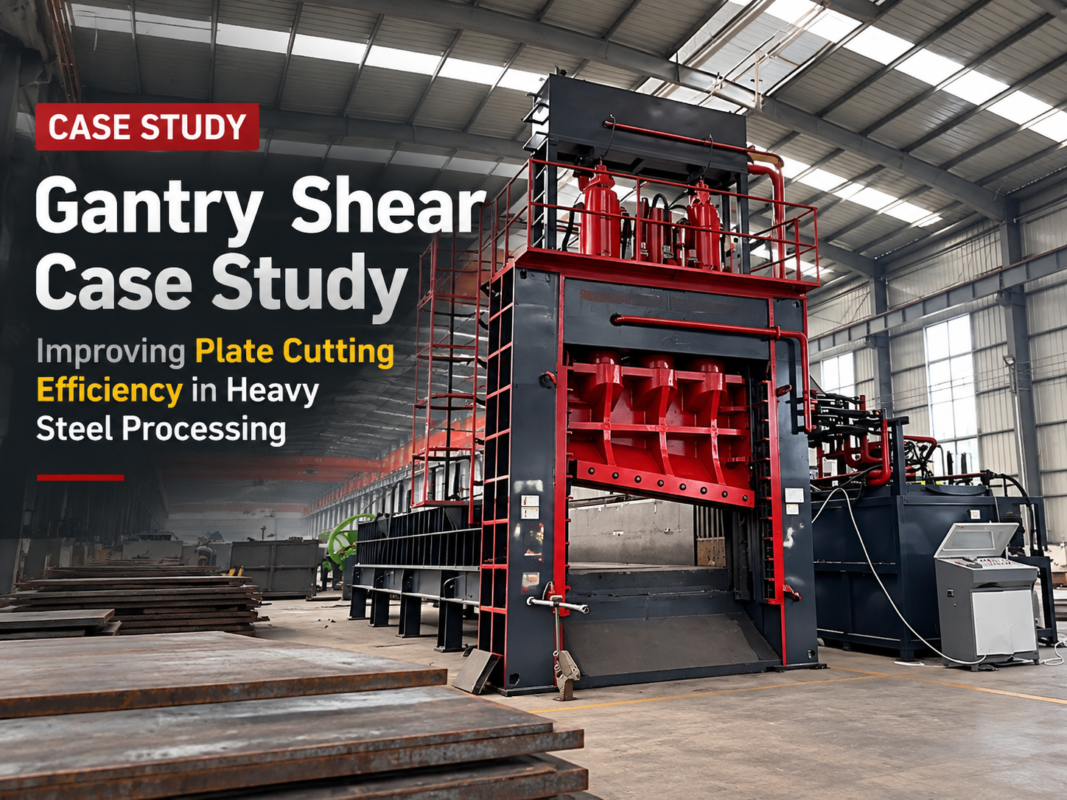
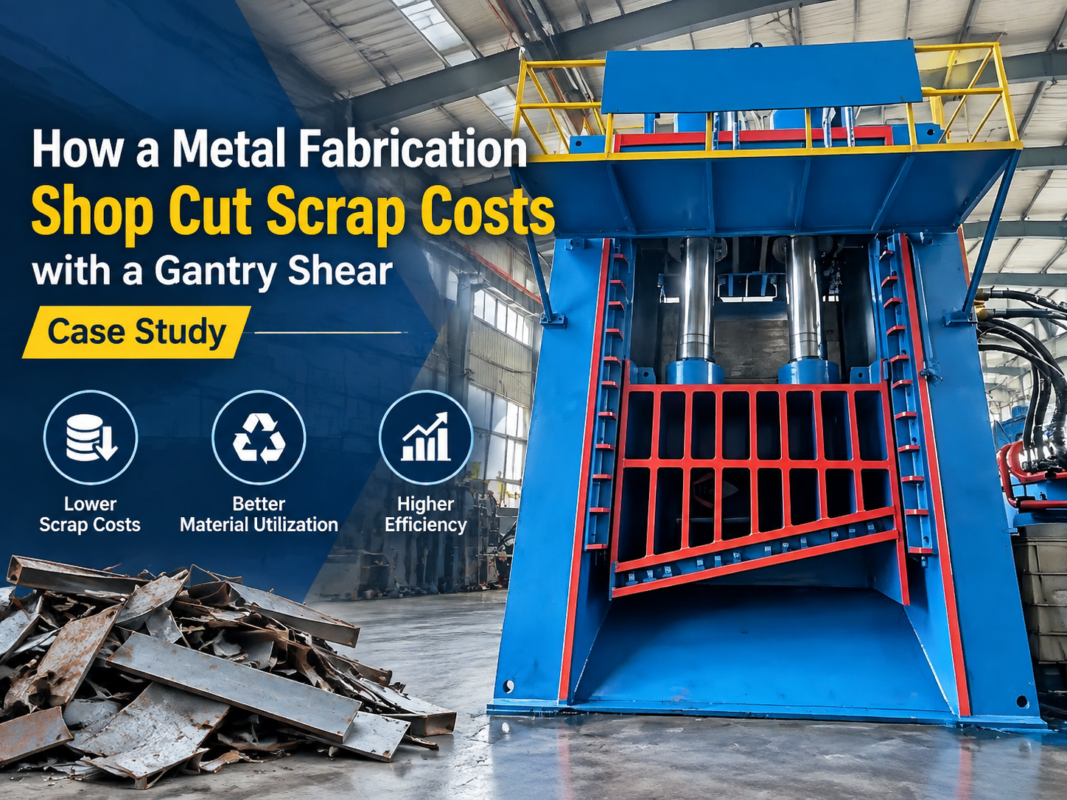
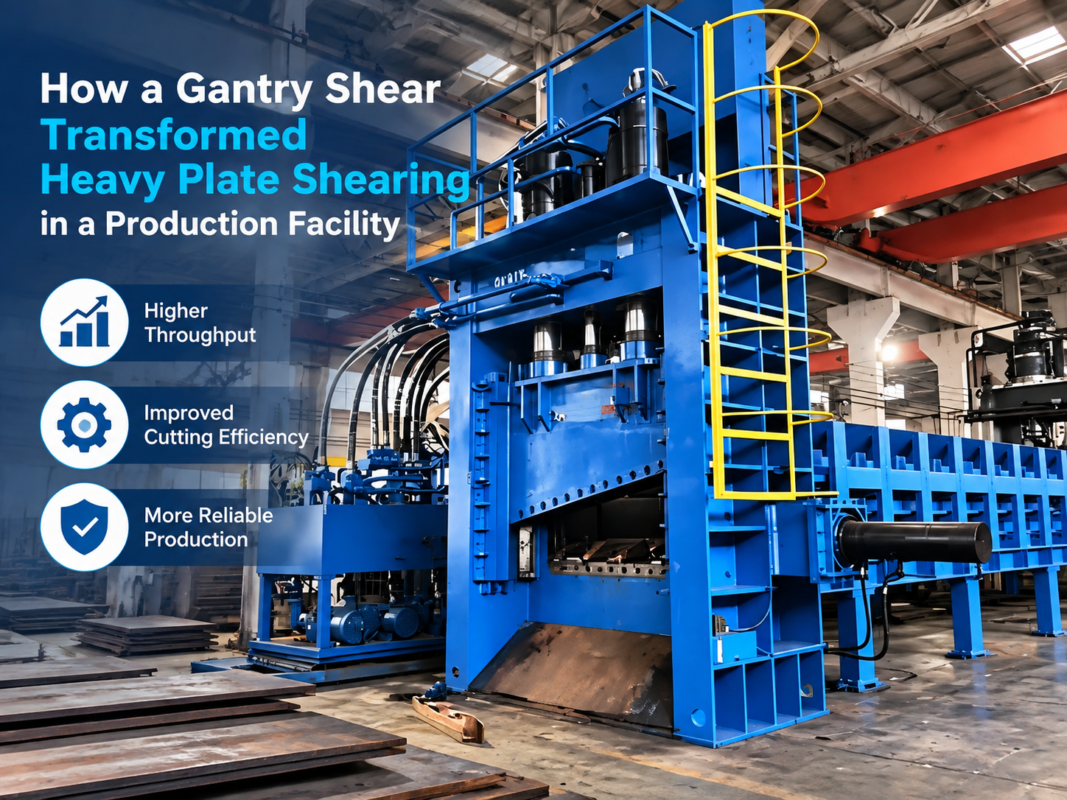
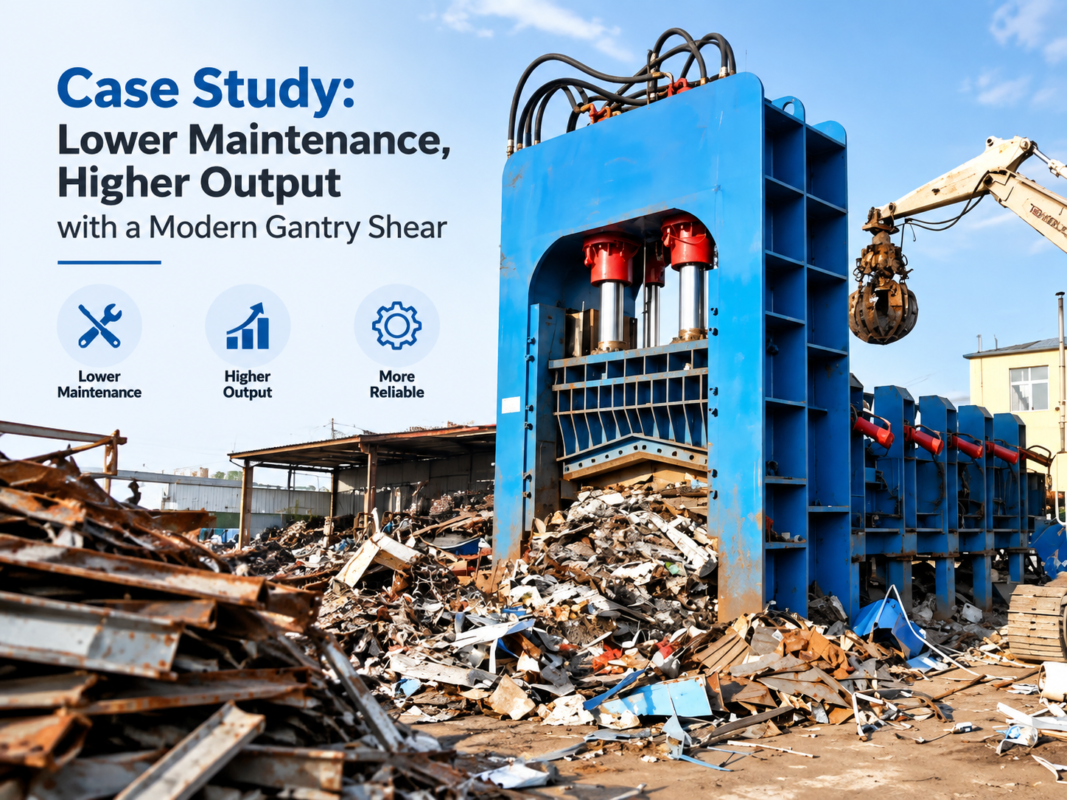
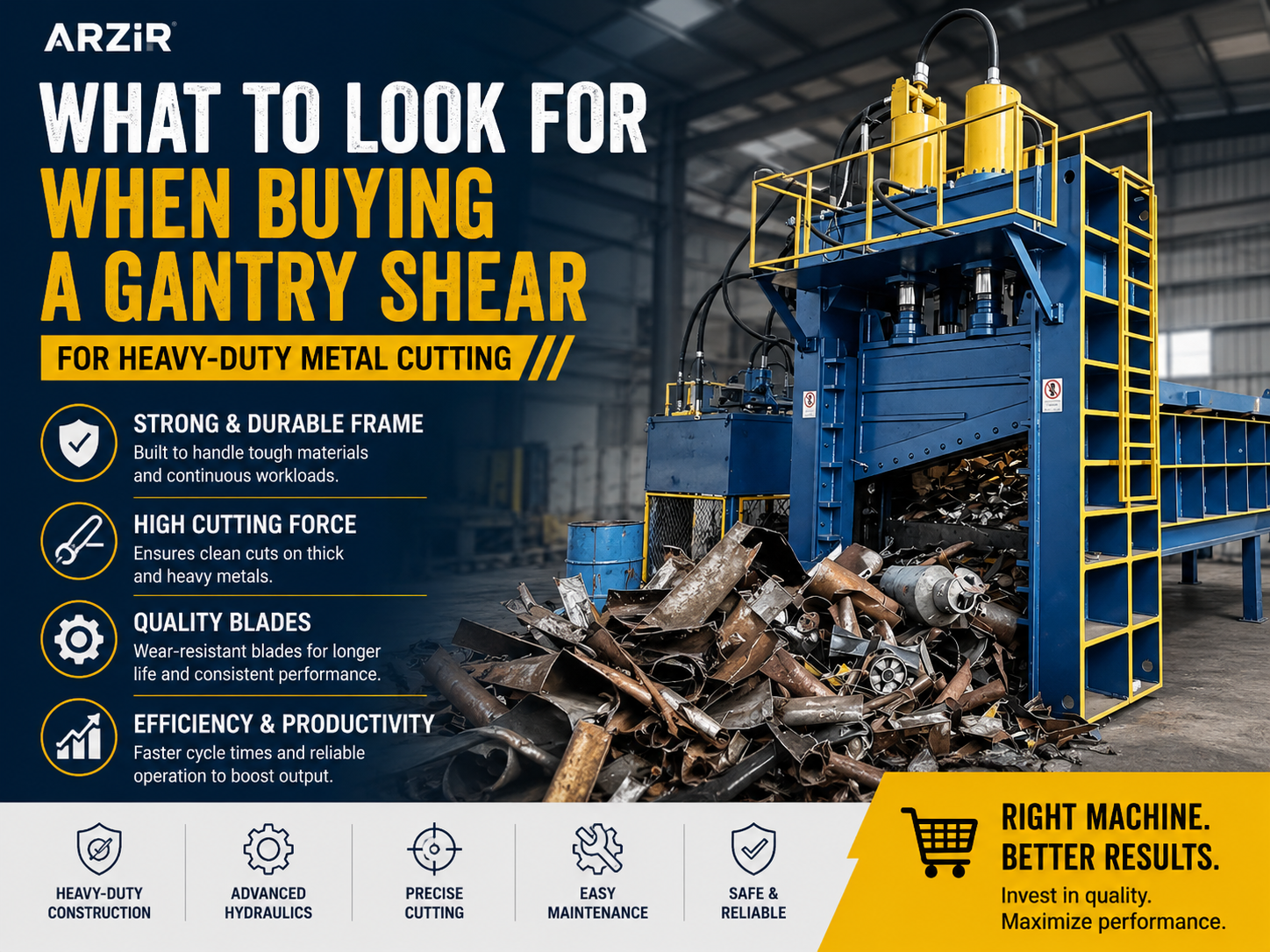
In the world of industrial scrap processing and large-scale metal fabrication, the gantry shear stands as a titan of efficiency. Designed to handle the most demanding tasks—from shearing structural steel beams to processing decommissioned ships and heavy automotive scrap—the gantry shear is an essential investment for any high-volume recycling facility. However, the process of selecting the right machine is fraught with technical complexities. Knowing exactly what to Look When Buying A Gantry Shear Heavy-Duty Metal Cutting can mean the difference between a profitable, long-term asset and a maintenance-heavy liability.
A gantry shear operates on a vertical cutting principle, utilizing immense hydraulic force to drive a blade through thick metal sections. Unlike alligator shears, which are suited for smaller, manual tasks, gantry shears are automated powerhouses capable of processing hundreds of tons of material per day. As global demand for recycled steel continues to rise, the efficiency of your shearing operation directly impacts your bottom line. This guide provides a comprehensive breakdown of the critical factors, costs, and configurations you must consider before making a purchase.
Price Range Overview: Understanding the Market
The price of a gantry shear is primarily dictated by its shearing force, measured in tons, and its level of automation. For heavy-duty applications, machines typically range from 400 tons to over 1600 tons of cutting force. Entry-level heavy-duty shears (400T to 600T) are often priced between $80,000 and $150,000. These are suitable for medium-sized scrap yards focusing on standard structural steel and light industrial waste.
Mid-range gantry shears (800T to 1000T) represent the sweet spot for most professional recycling operations. These machines, priced between $180,000 and $350,000, offer the robustness required for continuous 24/7 operation and can handle thicker plate steel and larger pipe diameters. At this level, you begin to see more advanced hydraulic systems and PLC-controlled automation as standard features.
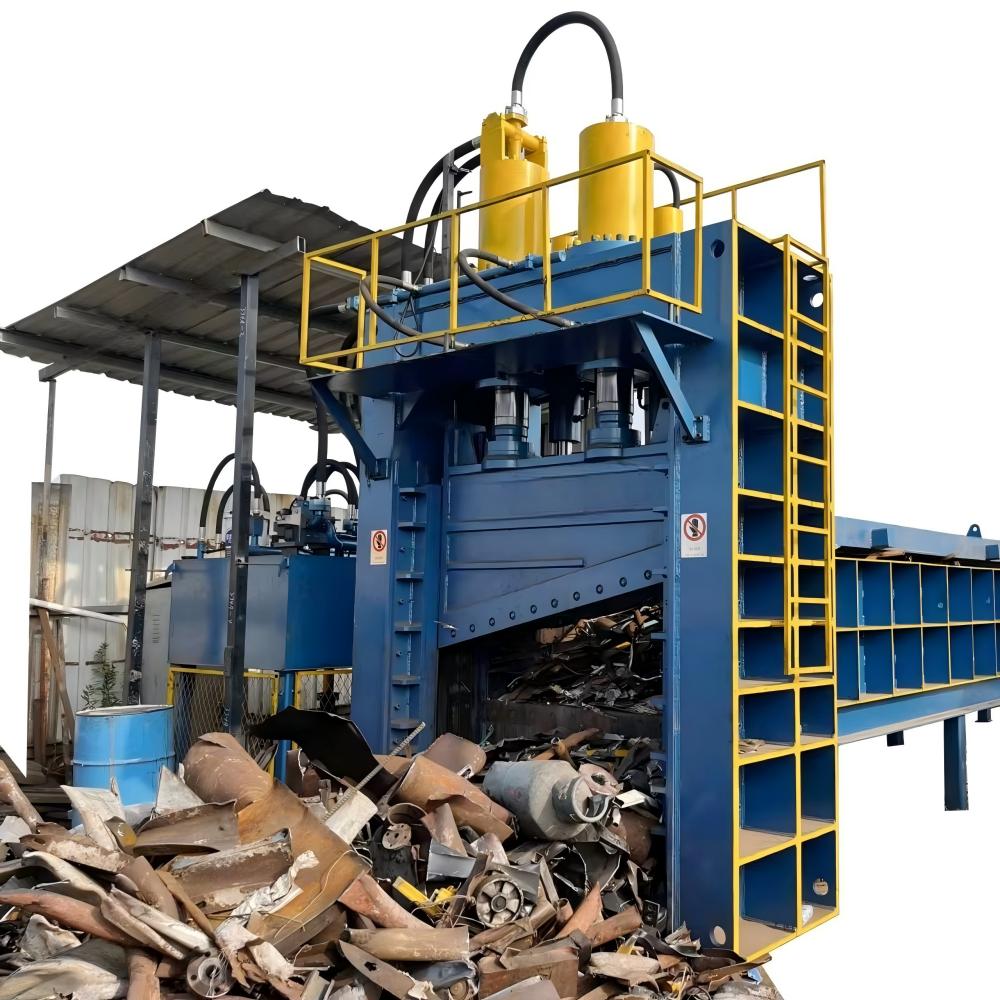
High-capacity industrial shears (1250T to 2000T+) are custom-engineered solutions for the most extreme environments, such as shipbreaking yards or large-scale steel mill recycling centers. These units can exceed $500,000 and often require specialized foundations and power infrastructure. While the initial investment is high, the cost-per-ton of processed material is significantly lower due to the massive throughput these machines achieve.
Main Cost Drivers in Gantry Shear Manufacturing
When evaluating the price of a gantry shear, it is important to understand what happens beneath the surface. The first major cost driver is the quality of the steel used in the frame. A gantry shear is subject to violent vibrations and immense pressure; therefore, high-tensile, stress-relieved steel frames are mandatory. Cheaper models may use lower-grade steel that can develop structural cracks over years of heavy use.
The hydraulic system is the heart of the machine. Premium brands like HARSLE utilize world-class components such as Rexroth or Parker pumps and valves. These components are more expensive upfront but offer superior reliability and easier sourcing of spare parts. A high-quality hydraulic system ensures smooth pressure transitions, reducing the wear and tear on seals and cylinders, which is a critical factor to Look When Buying A Gantry Shear Heavy-Duty Metal Cutting.
Automation and control systems also play a significant role in pricing. Modern shears utilize Siemens or Schneider PLC systems with HMI (Human Machine Interface) touchscreens. These systems allow for precise control over the cutting cycle, remote diagnostics, and integration with yard management software. The inclusion of sensors for oil temperature, pressure levels, and blade position adds to the cost but prevents catastrophic failures.
Configuration Impact: Tailoring the Machine to Your Needs
The configuration of your gantry shear should be dictated by the specific type of scrap you process. One of the most important configurations is the blade length and the width of the feeding hopper. A wider hopper allows for larger pieces of scrap to be loaded without pre-cutting, which saves significant labor costs. For heavy-duty cutting, a hopper length of 6 to 8 meters is standard, allowing for long beams and pipes to be processed efficiently.
Another critical configuration is the “press-down” or “pre-compression” mechanism. In heavy-duty applications, the scrap must be firmly held and compressed before the shear blade makes contact. Side-squeeze boxes or heavy-duty top-press lids are used to densify the scrap. This not only ensures a cleaner cut but also protects the blades from shifting material, which can cause blade chipping or machine misalignment.
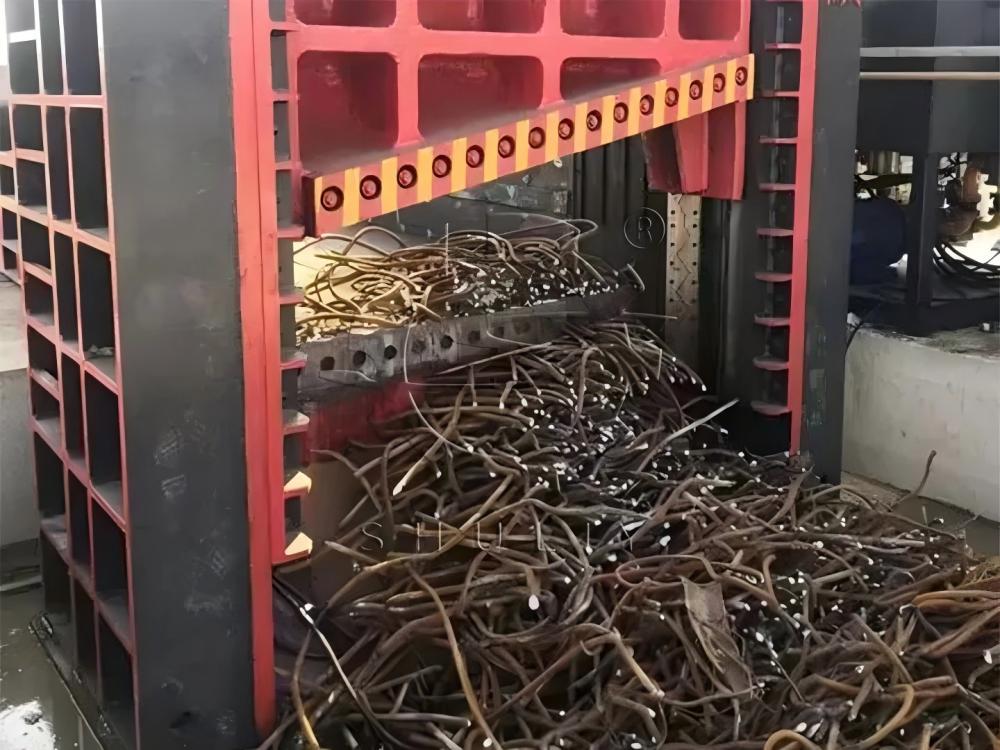
Cooling and filtration systems are often overlooked but are vital for heavy-duty operations. In high-volume environments, hydraulic oil can overheat quickly, leading to loss of viscosity and damage to the pumps. Look for machines equipped with high-capacity air or water cooling systems and multi-stage magnetic filtration to keep the hydraulic fluid clean and at an optimal operating temperature.
Hidden Costs of Owning a Gantry Shear
The purchase price is only the beginning of the total cost of ownership. One of the most significant hidden costs is the foundation and site preparation. A 1000-ton gantry shear can weigh over 80 tons and exerts massive dynamic loads during the cutting stroke. This requires a reinforced concrete foundation, often several meters deep, which can cost tens of thousands of dollars depending on local soil conditions.
Logistics and installation are also substantial expenses. These machines are often shipped in multiple oversized containers or as break-bulk cargo. You will need heavy-duty cranes for offloading and positioning. Furthermore, the electrical infrastructure must be capable of handling high peak currents. Many heavy-duty shears require a dedicated transformer or significant upgrades to the facility’s power grid to avoid voltage drops during the shearing cycle.
Ongoing maintenance and consumables must be factored into the budget. Shear blades are high-wear items; depending on the material being cut, they may need to be rotated or reground every few weeks. The cost of high-quality replacement blades and the downtime required for blade changes should be included in your operational cost analysis. Additionally, the volume of hydraulic oil required—often thousands of liters—represents a significant recurring expense during oil changes.
ROI Calculation: Is the Investment Worth It?
Calculating the Return on Investment (ROI) for a gantry shear involves comparing the increased value of processed scrap against the total cost of operation. Unprocessed “HMS 1/2” scrap sells for significantly less than “prepared” scrap that meets steel mill specifications for size and density. By using a gantry shear to convert bulky, low-value scrap into high-density, furnace-ready material, you can often increase your margin by $30 to $60 per ton.
Consider a scenario where a mid-sized yard processes 50 tons of scrap per day. If the gantry shear increases the value of that scrap by an average of $40 per ton, the daily gross profit increase is $2,000. Over a 250-day working year, that totals $500,000. Even after accounting for electricity, labor, and maintenance costs, a high-quality gantry shear can often pay for itself within 12 to 18 months of full-scale operation.
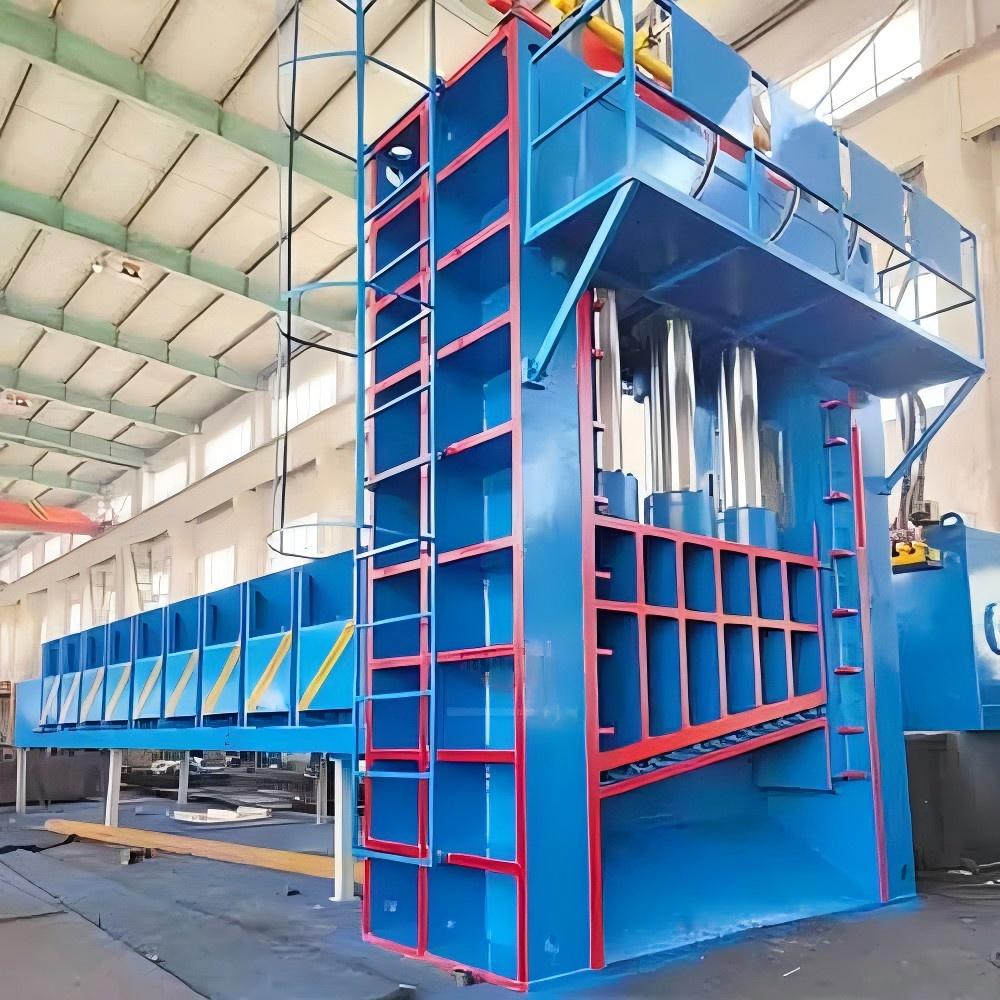
Furthermore, the reduction in labor costs is a major factor. A single gantry shear operator can replace a team of five or more workers using manual torches or alligator shears. This not only reduces the payroll but also significantly improves safety in the yard, as workers are no longer exposed to the fumes and fire hazards associated with torch cutting.
Buying Advice: How to Choose the Right Vendor
When you are ready to Look When Buying A Gantry Shear Heavy-Duty Metal Cutting, the reputation of the manufacturer is paramount. Look for companies like HARSLE that have a proven track record in the metal fabrication industry. A reliable vendor should provide detailed technical specifications, including the cycle time, maximum cutting thickness for different grades of steel, and the specific brands of hydraulic and electrical components used.
Always request a video of the machine in operation or, if possible, visit a site where the machine is currently being used. Pay attention to the speed of the return stroke and the stability of the frame during the cut. A machine that shakes excessively or has a slow hydraulic recovery will likely have a shorter lifespan and lower productivity. Additionally, inquire about the availability of after-sales support and the lead time for critical spare parts like seals and blades.
Finally, consider the future-proofing of the machine. As environmental regulations tighten, look for shears with energy-efficient motors (such as IE3 or IE4 ratings) and noise-reduction features. Choosing a machine with a slightly higher capacity than your current needs can also provide room for business growth without needing to upgrade the entire system in a few years.
Frequently Asked Questions (FAQ)
1. What is the maximum thickness a 1000-ton gantry shear can cut?
A 1000-ton gantry shear can typically cut solid round steel bars up to 180-200mm in diameter or flat steel plates up to 100-120mm thick, depending on the tensile strength of the material. For hollow sections and structural beams, the capacity is significantly higher due to the lower density of the material.
2. How often do the shear blades need to be replaced?
Shear blades are designed with multiple cutting edges (usually four). Depending on the volume and type of scrap, an edge may last between 200 and 500 hours of operation. Once all four edges are worn, the blades can often be reground several times before a full replacement is necessary.
3. Can a gantry shear be used for non-ferrous metals?
Yes, gantry shears are excellent for processing large volumes of aluminum, copper, and stainless steel. However, because non-ferrous metals are often more valuable, it is important to ensure the machine is cleaned between batches to prevent cross-contamination of materials.
4. What kind of hydraulic oil is recommended for heavy-duty shears?
Most heavy-duty gantry shears require high-quality anti-wear hydraulic oil, typically ISO VG 46 or VG 68, depending on the ambient operating temperature. In extremely cold climates, a low-pour-point oil may be required to ensure the system functions correctly during startup.
5. Is it better to choose a diesel or electric-powered gantry shear?
Electric motors are generally more cost-effective and easier to maintain for stationary yard operations. However, if the shear is located in a remote area without a stable power grid, a diesel-powered hydraulic unit may be necessary. Most HARSLE gantry shears are optimized for electric power to maximize energy efficiency.
6. What safety features should I look for?
Essential safety features include emergency stop buttons at multiple locations, safety interlocks on access doors, pressure relief valves to prevent hydraulic overload, and protective shielding to prevent debris from flying out of the cutting zone during the shearing process.
7. How does the feeding speed affect productivity?
The feeding speed is determined by the cycle time of the hydraulic cylinders and the efficiency of the loading crane. A faster cycle time allows for more cuts per minute, but it must be balanced with the cooling capacity of the system to prevent overheating. Look for machines with “fast-fill” valves that speed up the non-cutting portion of the stroke.