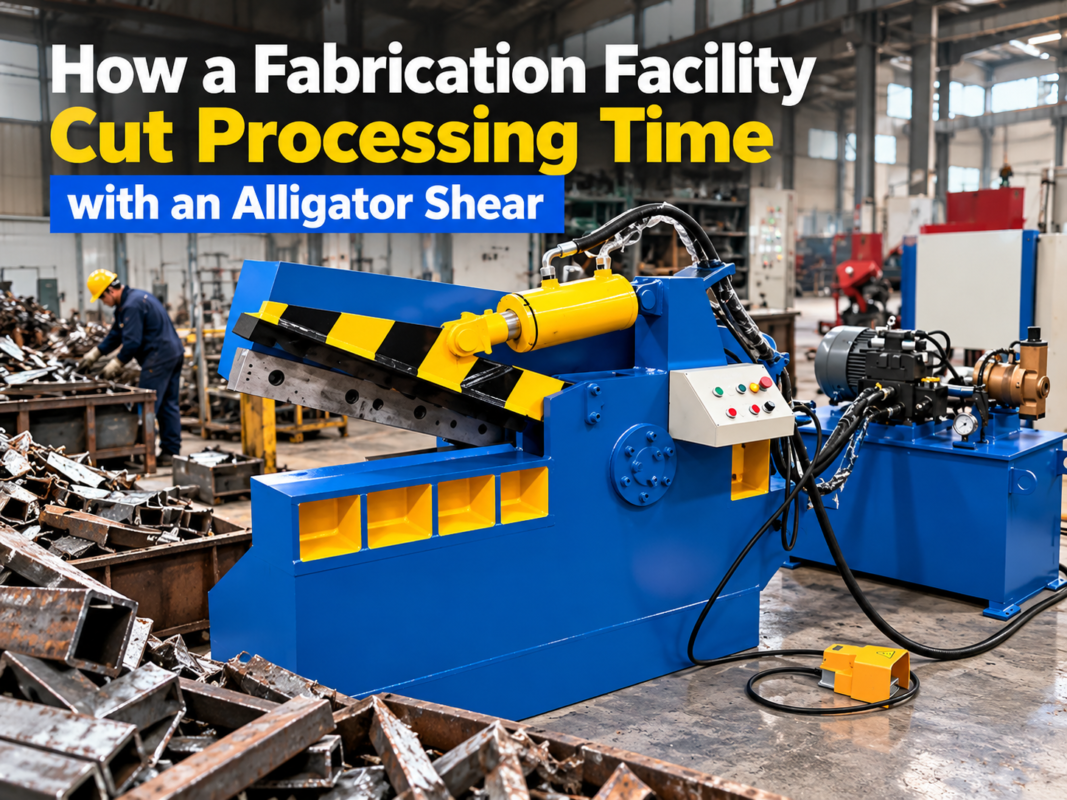
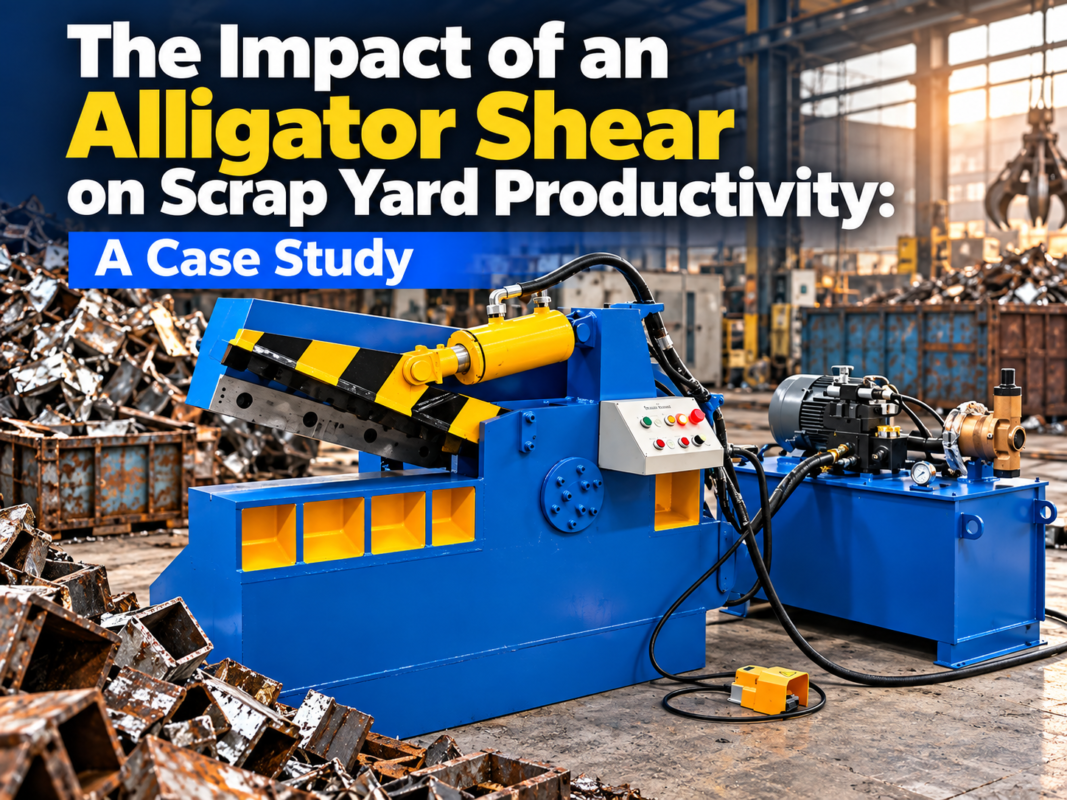
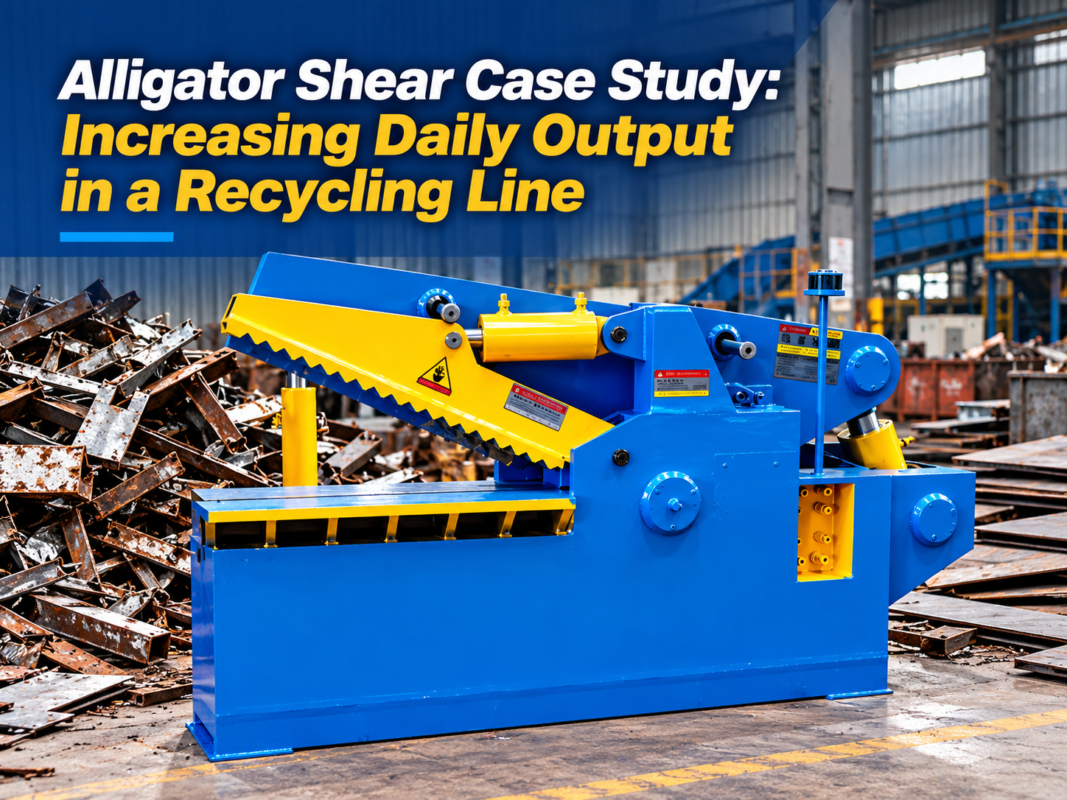
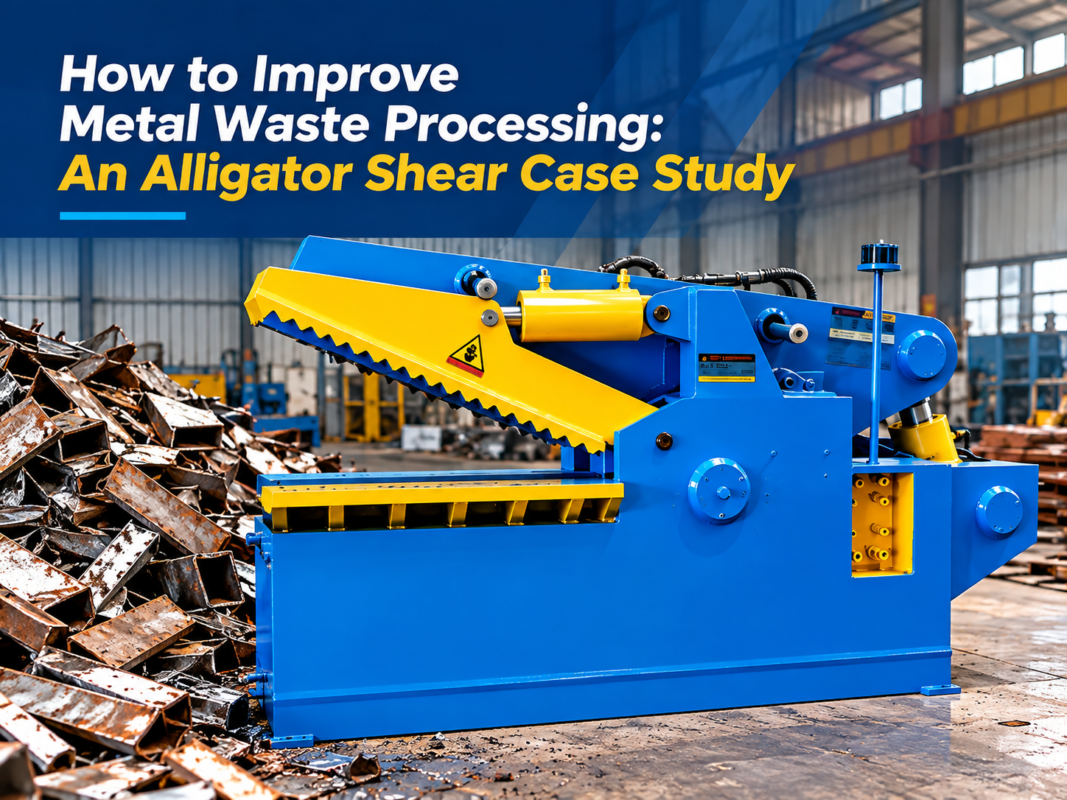
Alligator Shear Selection Guide: Matching Machine Size to Production Requirements

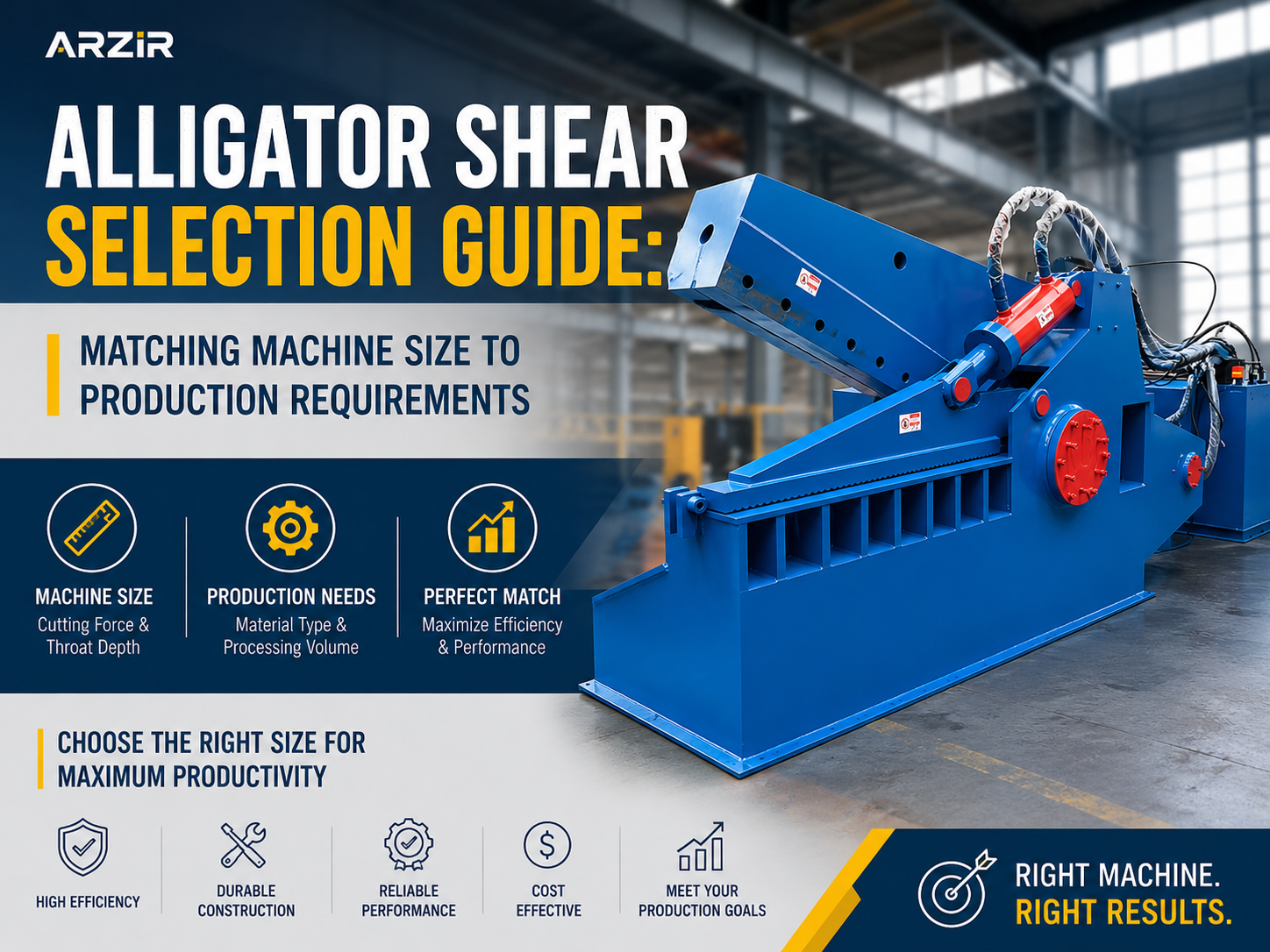
Introduction to Alligator Shear Selection: Matching Machine Size Production Requirements
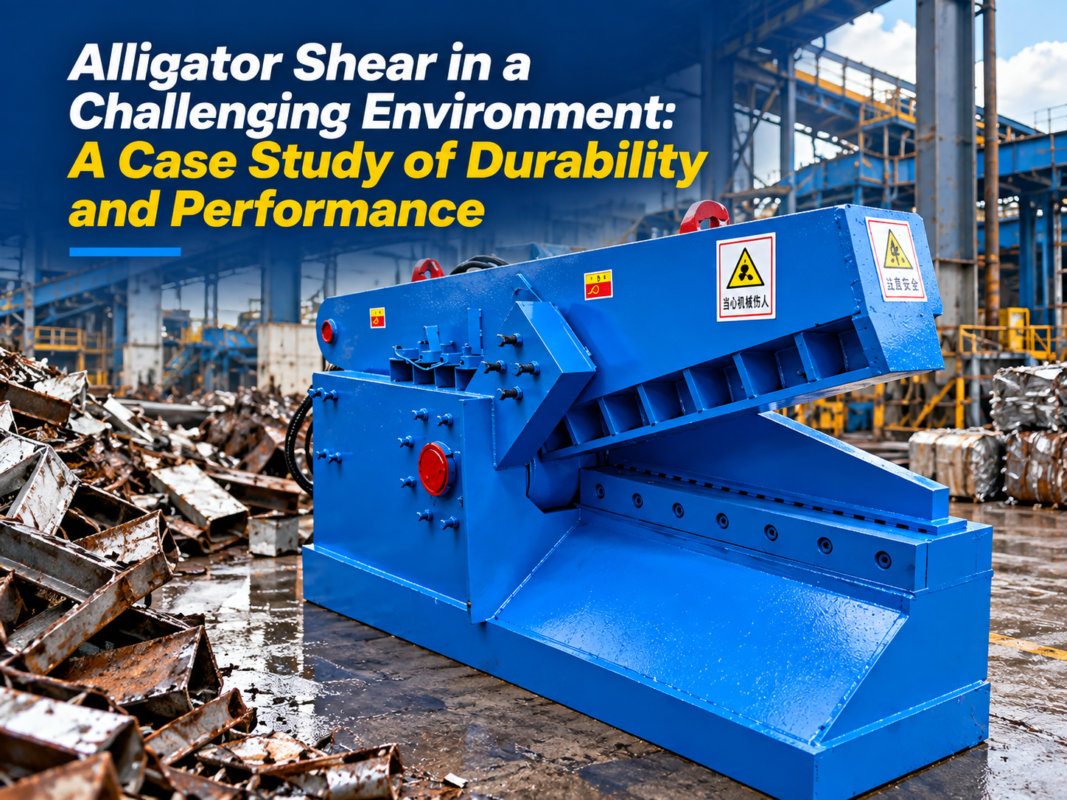
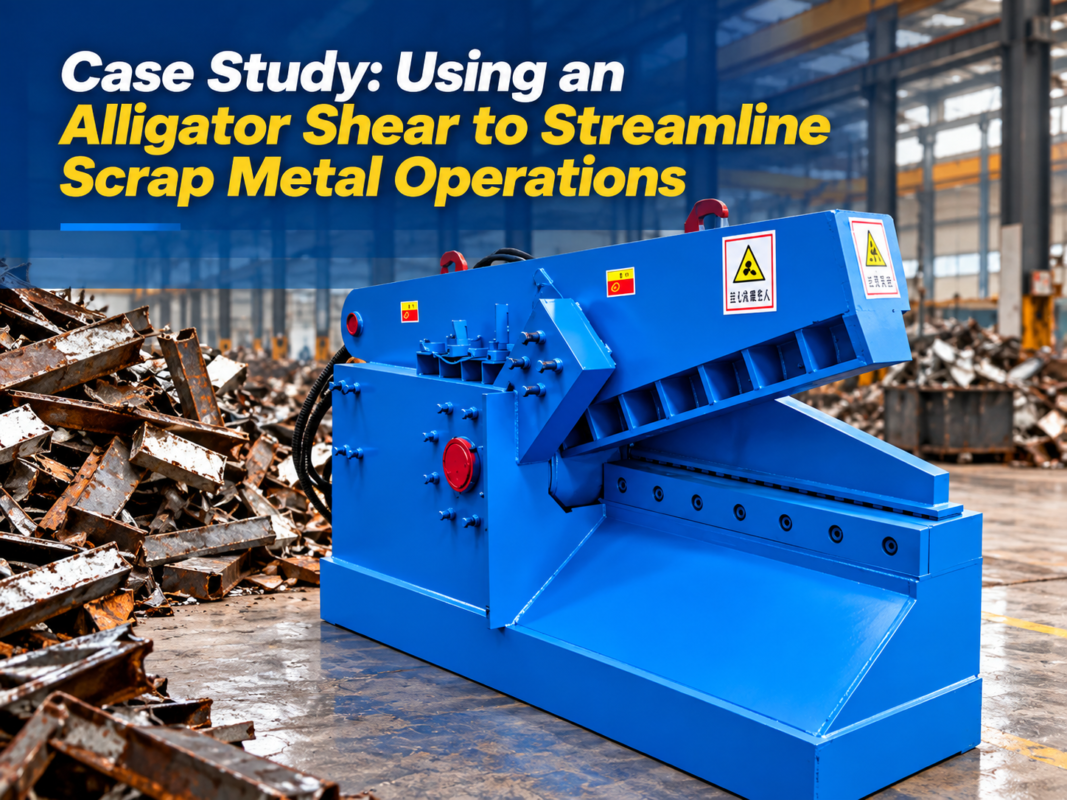
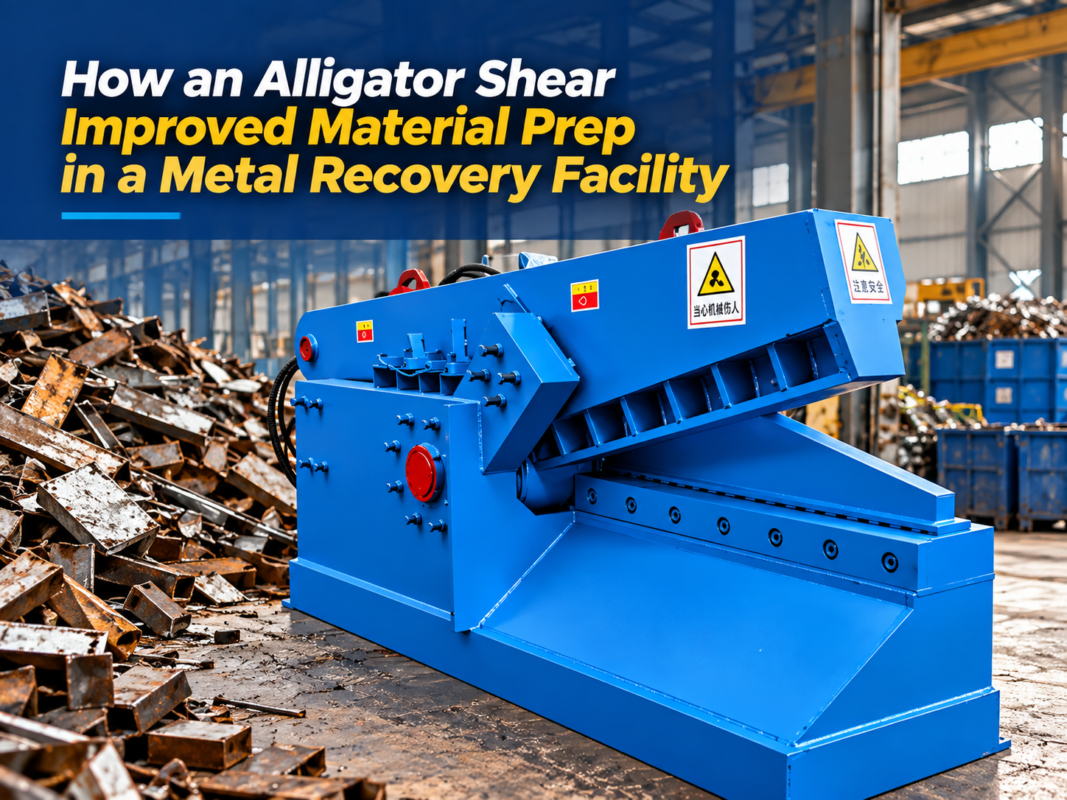
In the world of scrap metal recycling and industrial fabrication, the alligator shear remains an indispensable tool. Named for its characteristic jaw-like movement, this machine is the workhorse of scrap yards, used to cold-cut various metal shapes and sections into manageable sizes for smelting or further processing. However, the most common mistake buyers make is underestimating the importance of Alligator Shear Selection: Matching Machine Size Production Requirements. Choosing a machine that is too small leads to equipment failure and safety hazards, while an oversized machine results in unnecessary capital expenditure and high operational costs.
HARSLE understands that every production facility has unique needs. Whether you are processing thin aluminum extrusions or heavy-duty steel beams, the efficiency of your operation depends on the synergy between the machine’s capacity and your daily throughput. This guide provides a comprehensive deep dive into the technical and financial aspects of selecting the right alligator shear, ensuring your investment yields the highest possible return.
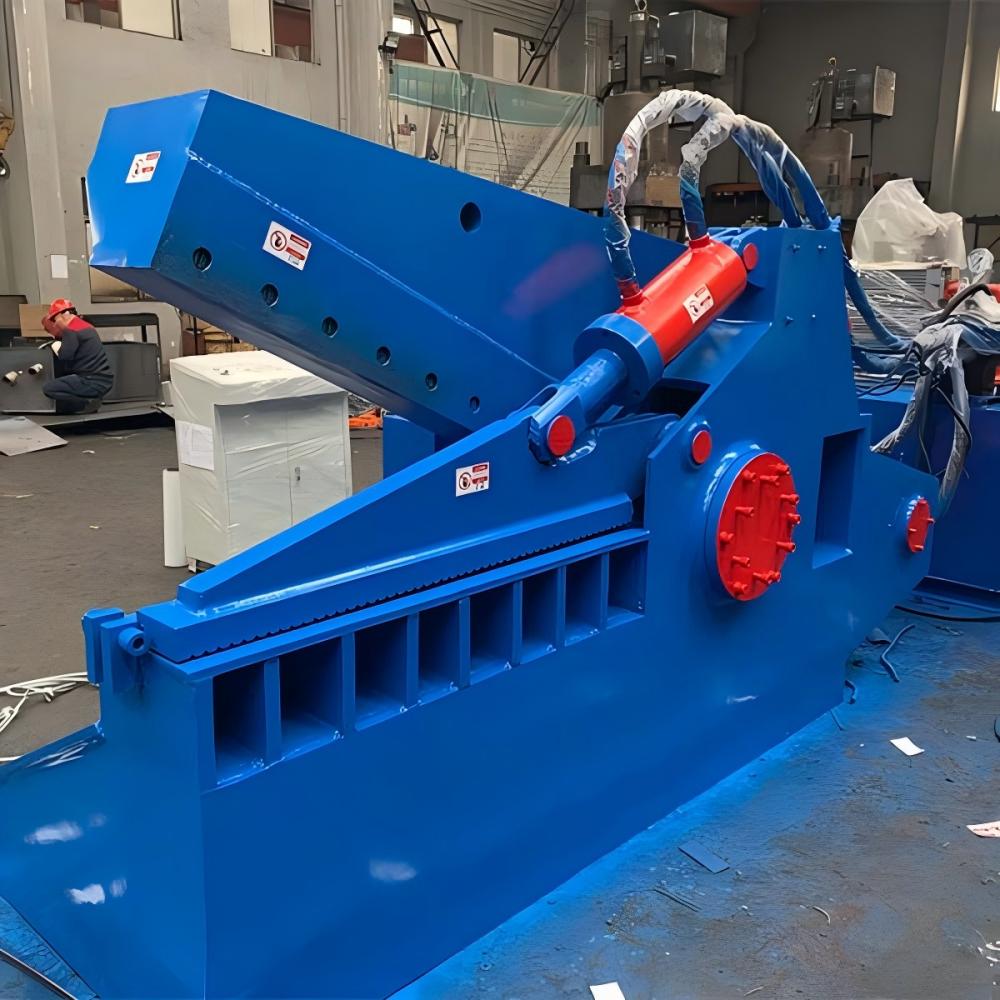
Price Range Overview: Understanding the Market Tiers
The price of an alligator shear is primarily dictated by its shear force (measured in tons) and blade length. When considering Alligator Shear Selection: Matching Machine Size Production Requirements, it is helpful to categorize machines into three distinct price and performance tiers.
1. Entry-Level/Small-Scale Shears ($3,000 – $8,500)
These machines typically offer a shear force between 63 and 100 tons. They are designed for light-duty recycling centers that handle non-ferrous metals like copper, aluminum, and thin-gauge steel. Blade lengths usually range from 400mm to 600mm. While affordable, these machines have slower cycle times and are not intended for continuous 24/7 operation.
2. Mid-Range/Standard Industrial Shears ($9,000 – $28,000)
This is the most popular category for professional scrap yards. With shear forces ranging from 120 to 250 tons, these machines can handle thicker steel plates, rebar, and larger pipes. They often feature improved hydraulic systems and faster cycle times (8-12 cuts per minute). Blade lengths in this tier typically range from 600mm to 800mm.
3. Heavy-Duty/High-Production Shears ($30,000 – $75,000+)
Designed for massive throughput, these machines boast shear forces of 315 to 500 tons or more. They feature blade lengths up to 1200mm and are capable of cutting through heavy structural steel, large-diameter pipes, and automotive components. These units are often integrated into automated lines and feature advanced cooling systems for continuous operation.
Main Cost Drivers in Alligator Shear Selection
When evaluating the cost of an alligator shear, it is essential to look beyond the sticker price. Several technical factors significantly influence the final quote and the machine’s long-term performance.
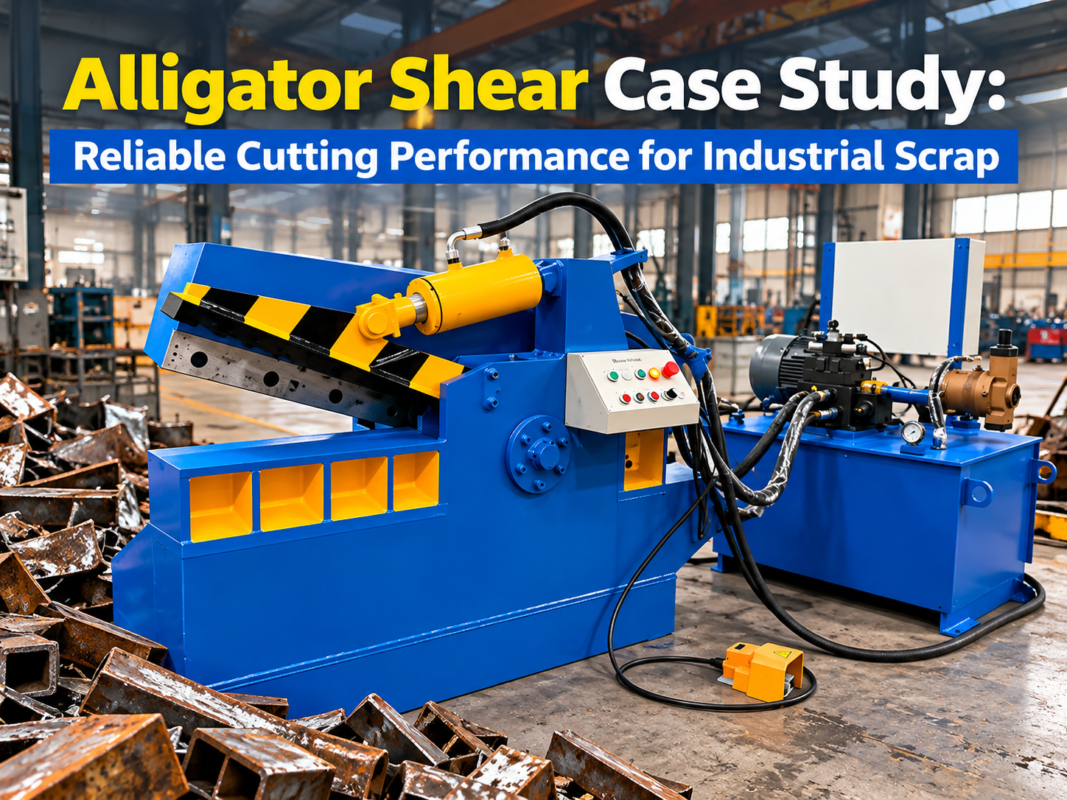
- Hydraulic System Quality: The heart of the shear is its hydraulic pump and valve system. Premium brands like HARSLE utilize high-pressure pumps (often from reputable brands like Rexroth or high-quality domestic equivalents) that ensure consistent force and longevity. A cheaper hydraulic system may save money upfront but will lead to frequent leaks and pressure drops.
- Blade Material and Hardness: Not all blades are created equal. High-quality shears use 9CrSi, Cr12MoV, or H13 tool steel. The heat treatment process determines how long the blade stays sharp. Superior blade metallurgy increases the initial cost but drastically reduces the frequency of blade rotations and replacements.
- Motor Power and Efficiency: The kilowatt (kW) rating of the motor determines the machine’s ability to maintain cycle speeds under load. Energy-efficient motors may have a higher purchase price but lower the monthly utility bills significantly.
- Frame Construction: A heavy, welded steel frame is necessary to absorb the immense vibrations and stresses of shearing. Machines with more “heft” use more raw material in their construction, which is reflected in the price but ensures the machine won’t crack under pressure.
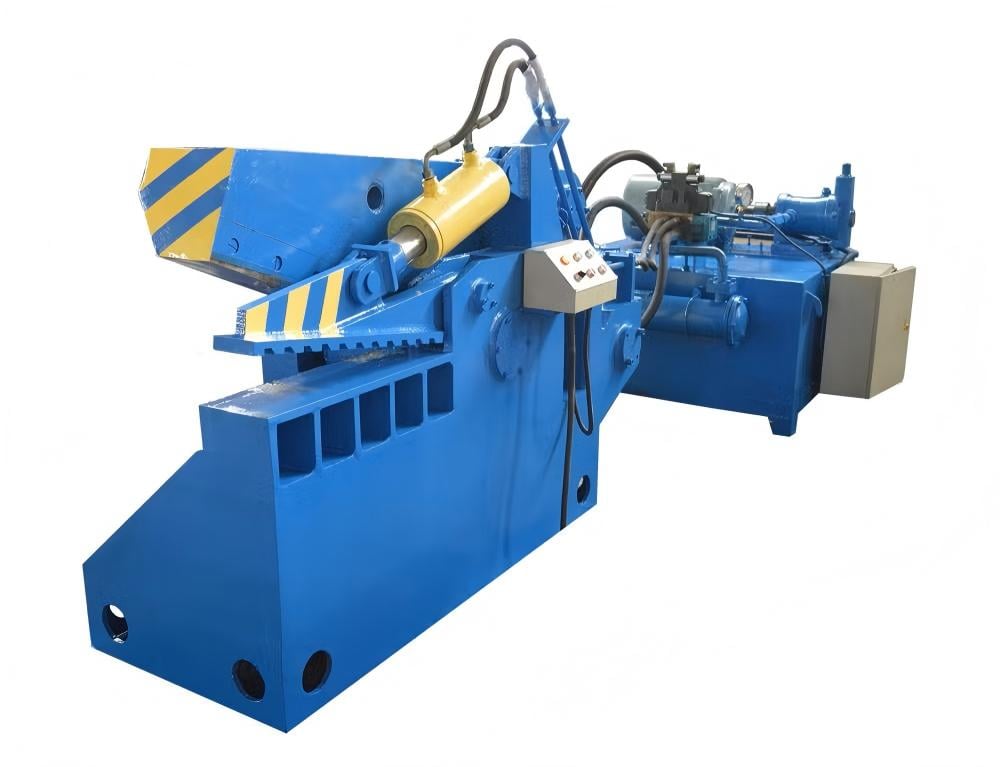
Configuration Impact: Technical Specs vs. Production Needs
To achieve successful Alligator Shear Selection: Matching Machine Size Production Requirements, you must align the machine’s configuration with your specific material stream. Here is how different configurations impact your workflow:
Blade Length vs. Opening Height
The blade length determines how much material you can cut in a single stroke, but the opening height (the gap between the jaws) determines the maximum diameter of the scrap you can feed. If you process large-diameter pipes, you need a wide opening, even if the material wall is thin. Conversely, if you process flat plates, a longer blade with a smaller opening might be more efficient.
Manual vs. Automatic Control
Most alligator shears offer two modes: single-stroke (controlled by a foot pedal) and continuous automatic cutting. For high-volume production, an automatic cycle is essential. However, for precision cleaning of scrap (removing brass fittings from copper pipe, for example), a responsive foot pedal is more important. HARSLE machines typically offer both modes to provide maximum flexibility.
Cooling Systems
In hot climates or high-production environments, hydraulic oil can overheat, leading to seal failure and reduced viscosity. Adding an air-cooled or water-cooled oil chiller is a configuration choice that adds cost but is mandatory for multi-shift operations. Without proper cooling, a machine rated for 15 cuts per minute might drop to 5 cuts per minute as the oil thins out.
Hidden Costs of Ownership
The purchase price is only the beginning. To truly understand the impact of Alligator Shear Selection: Matching Machine Size Production Requirements, you must account for these often-overlooked expenses:
| Cost Category | Description | Estimated Impact |
|---|---|---|
| Installation & Foundation | Heavy shears require a level, reinforced concrete pad to prevent shifting. | $500 – $2,500 |
| Hydraulic Oil | Large machines can require 200-600 liters of high-grade hydraulic oil. | $400 – $1,200 |
| Electrical Upgrades | High-tonnage shears may require 3-phase power upgrades in your facility. | Varies by location |
| Blade Maintenance | Blades must be flipped (4 edges) and eventually reground or replaced. | $300 – $1,500 per set |
| Operator Training | Safety training is critical to prevent accidents and machine misuse. | Ongoing |
ROI Calculation: Is the Machine Paying for Itself?
The Return on Investment (ROI) for an alligator shear is calculated by the “Value Add” it provides to scrap metal. Unprocessed scrap (long pipes, large beams) is bought at a lower price by smelters because it is difficult to handle. Processed scrap (cut to “cupola size” or 2-foot lengths) commands a premium price.
Example ROI Scenario:
Assume a mid-range HARSLE shear costs $15,000. It processes 2 tons of steel per hour. The price difference between unprocessed and processed steel is $40 per ton.
Daily Profit Increase: 2 tons/hr x 8 hrs x $40/ton = $640 per day.
Payback Period: $15,000 / $640 = ~24 working days.
Even after accounting for labor and electricity, a correctly sized alligator shear often pays for itself within 3 to 6 months. However, if the machine is undersized and breaks down frequently, the ROI disappears into repair costs and downtime.
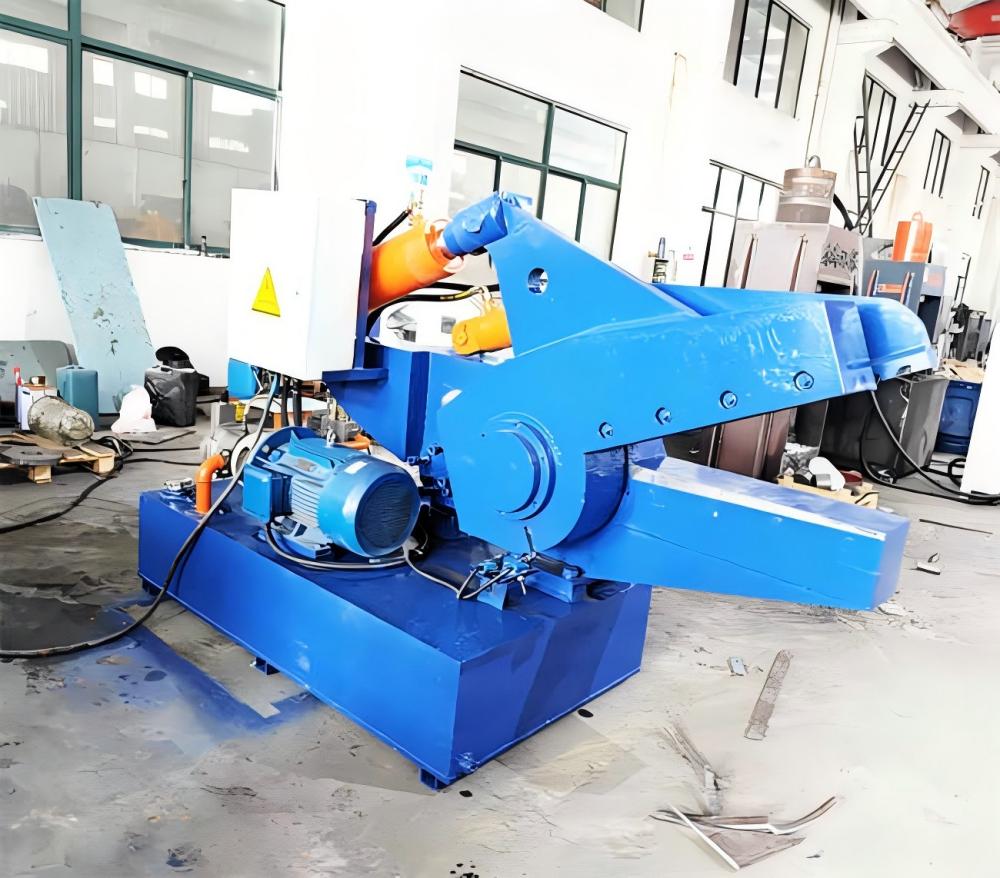
Buying Advice: A Checklist for Success
When finalizing your Alligator Shear Selection: Matching Machine Size Production Requirements, follow this checklist to ensure you are making the right choice:
- Analyze Your Heaviest Material: Don’t buy a machine based on your average material. Buy it based on the thickest, toughest 10% of what you process.
- Verify the Shear Force: Ensure the manufacturer’s “rated force” is continuous, not just a peak burst.
- Check Blade Accessibility: How easy is it to change the blades? Look for designs that allow for quick rotation.
- Safety Features: Does the machine have a protective cage? Is there an emergency stop within reach of the operator?
- Spare Parts Availability: Choose a reputable manufacturer like HARSLE that maintains an inventory of seals, blades, and valves.
- Footprint: Ensure you have enough space not just for the machine, but for the “swing” of the long scrap pieces being fed into it.
Frequently Asked Questions (FAQ)
What is the difference between an alligator shear and a guillotine shear?
Alligator shears use a hinged, jaw-like motion and are generally used for smaller, irregular scrap pieces and cleaning materials. Guillotine shears move vertically and are typically used for processing very large volumes of heavy plate or structural steel in a box-feed system.
Can an alligator shear cut stainless steel?
Yes, but stainless steel is much harder than mild steel. When cutting stainless, you should generally use a machine with 50% more shear force than what would be required for the same thickness of mild steel to avoid straining the motor and dulling the blades prematurely.
How often should I sharpen the blades?
This depends on the material being cut. For clean aluminum, blades can last months. For sandy or rusty steel, they may need flipping every few weeks. Most alligator shear blades have four cutting edges; once all four are dull, they must be professionally reground.
Does the machine require a special foundation?
Smaller units (under 100 tons) can often sit on a standard thick shop floor. Larger units (200+ tons) require a reinforced concrete foundation to prevent the machine from “walking” or cracking the floor due to the intense hydraulic shocks during the cut.
What kind of hydraulic oil should I use?
Most HARSLE alligator shears use anti-wear hydraulic oil (ISO VG 46 or 68, depending on your ambient temperature). Using the correct oil is vital for protecting the pump and valves.
Is it better to buy a new or used alligator shear?
While used machines are cheaper, they often come with worn-out hydraulic seals and dull blades. Given the fast ROI of a new HARSLE machine and the security of a warranty, buying new is usually the safer and more profitable long-term investment.
Can the shear be operated by one person?
Yes, alligator shears are designed for single-operator use. However, for very long pieces of scrap, a second person or a support stand may be needed to help feed the material safely.
What are the most common wear parts?
The most common wear parts are the cutting blades, the hydraulic seals in the main cylinder, and the high-pressure hoses. Keeping a spare set of these on hand minimizes downtime.