Top Factors to Consider When Purchasing an Alligator Shear for a Scrap Yard

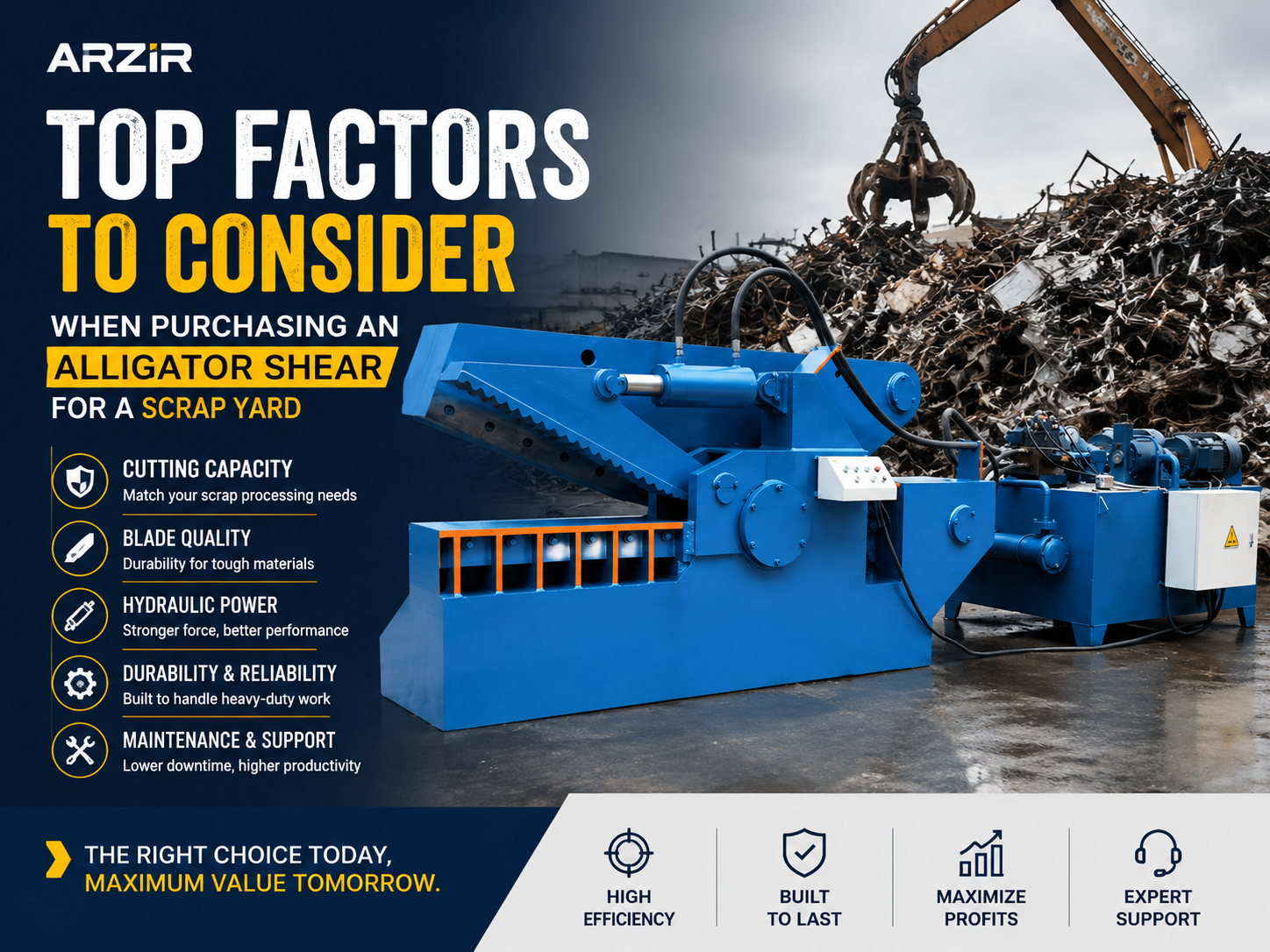
Introduction to Alligator Shears in the Recycling Industry
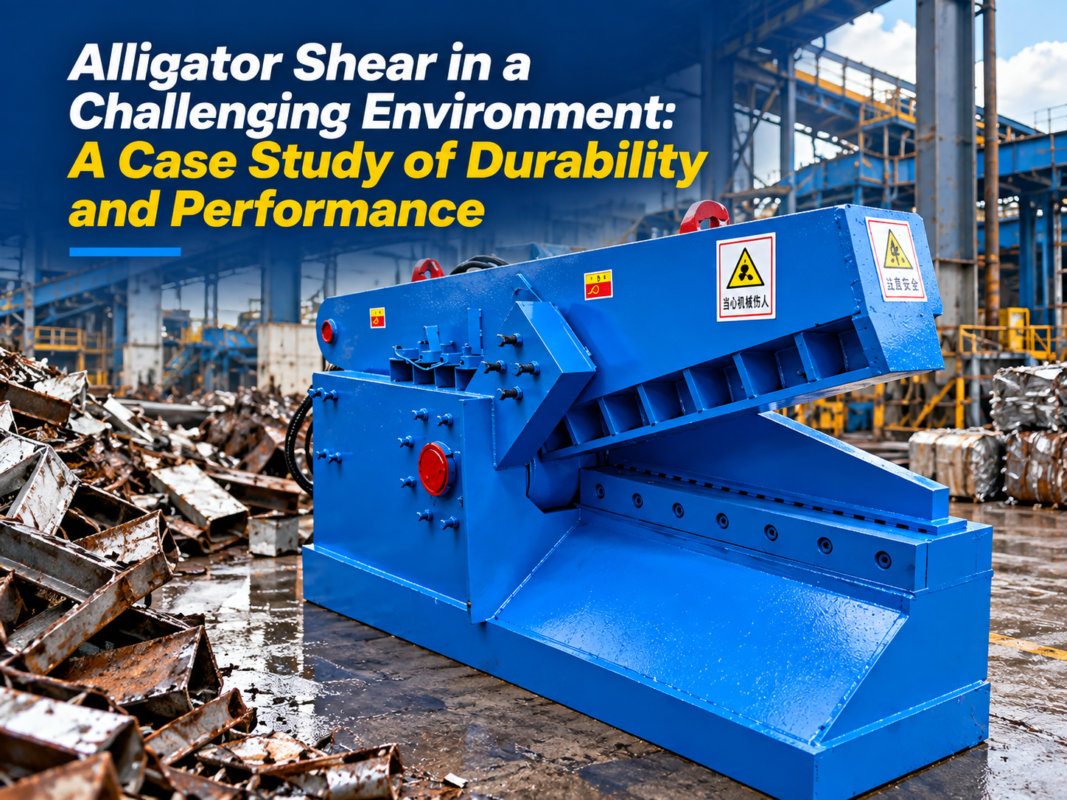
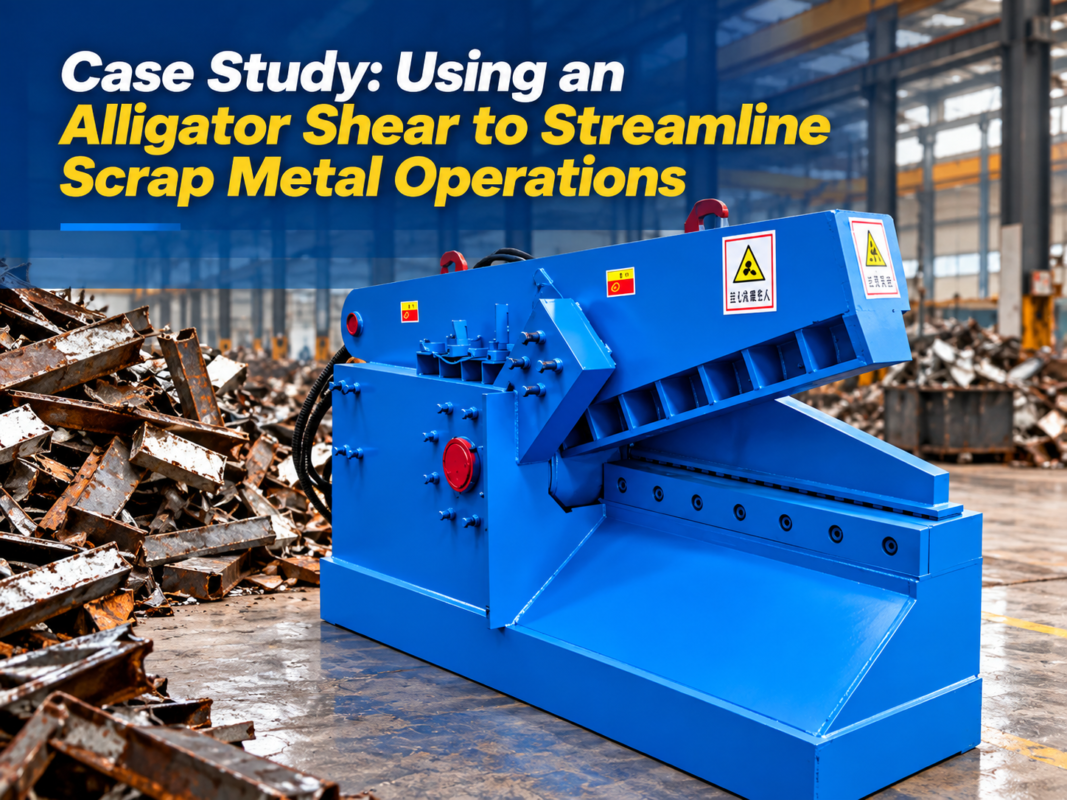
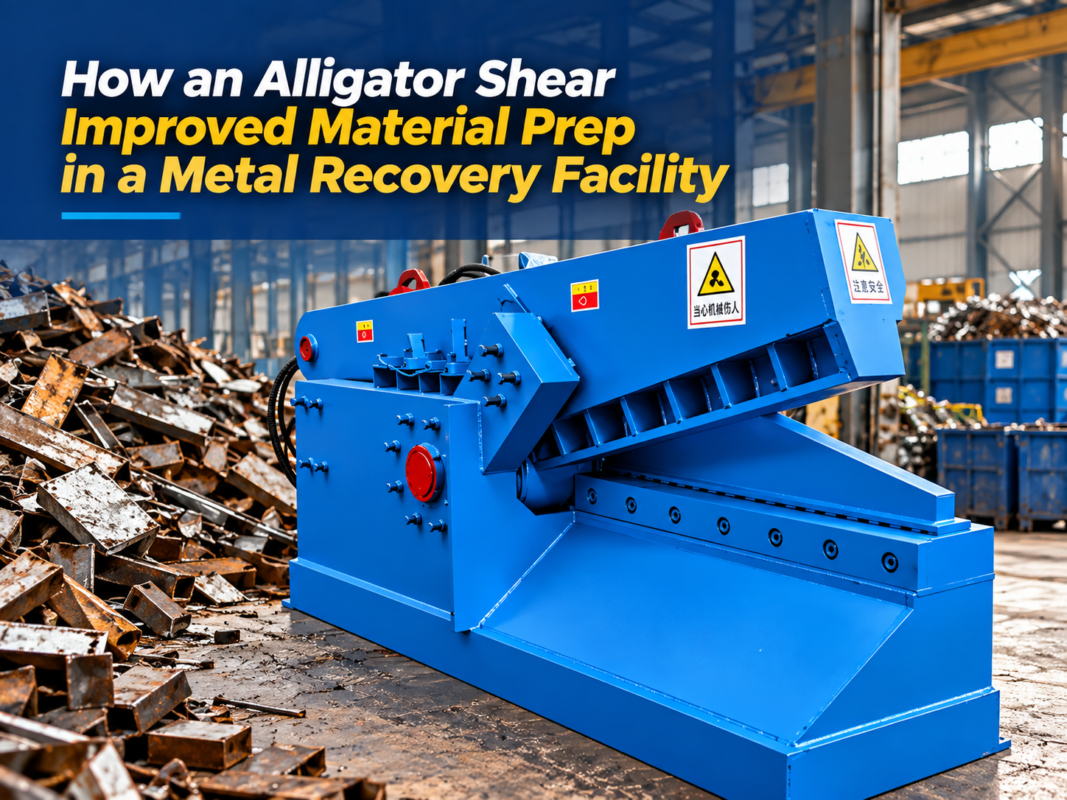
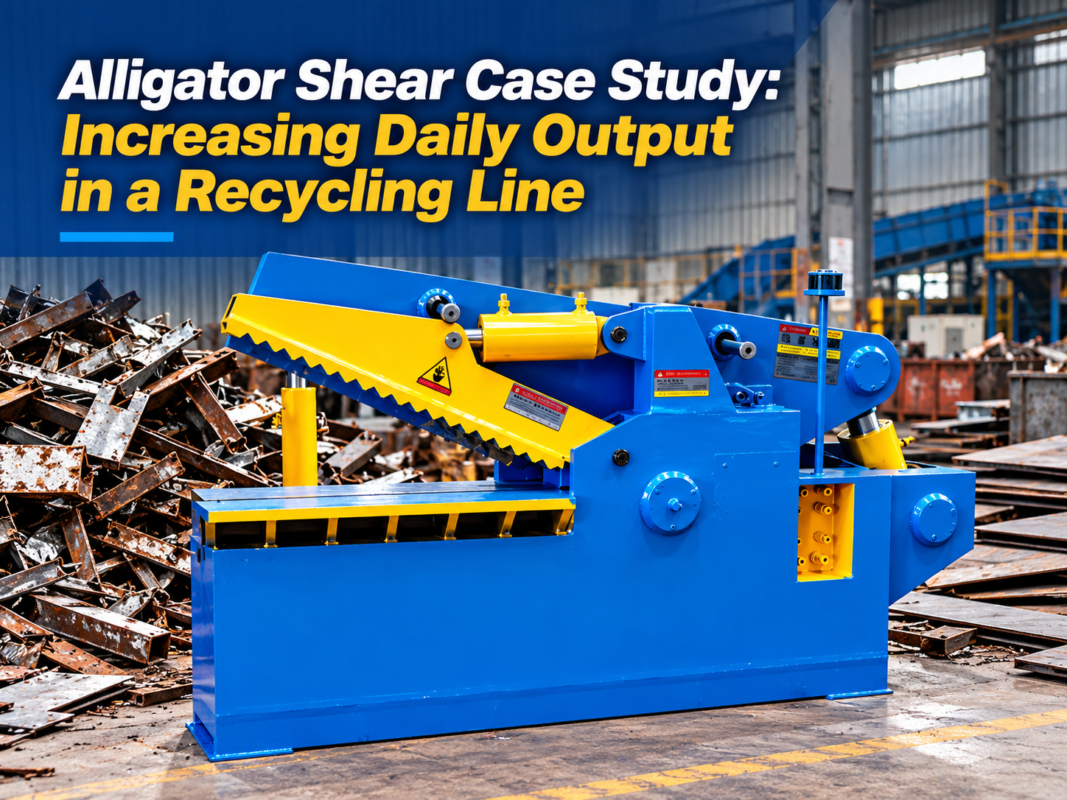
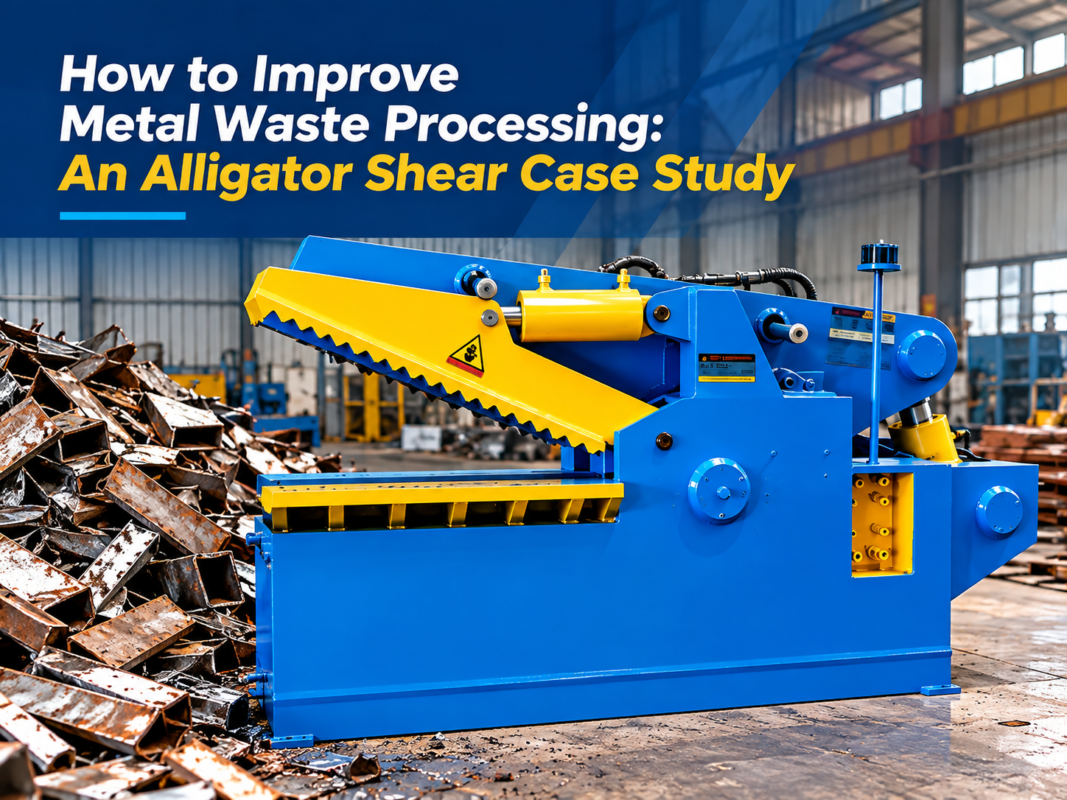
In the high-stakes environment of a modern scrap yard, efficiency and throughput are the primary drivers of profitability. Among the most essential tools in this industry is the alligator shear. Named for its characteristic jaw-like movement, this machine is the workhorse of metal processing, designed to cut long-form scrap metal into manageable sizes for further processing or smelting. However, choosing the right machine is not a simple task. There are numerous Top Factors Consider When Purchasing An Alligator Shear A Scrap Yard that can significantly impact your operational costs and long-term success.
Whether you are processing non-ferrous metals like copper and aluminum or heavy-duty ferrous materials, the alligator shear provides the mechanical advantage necessary to clean and size scrap. A well-chosen shear allows a yard to upgrade lower-grade scrap into higher-value categories by removing contaminants or reducing the size of the material to meet mill specifications. This guide provides an in-depth analysis of the technical, financial, and operational considerations every scrap yard owner must evaluate before making an investment.
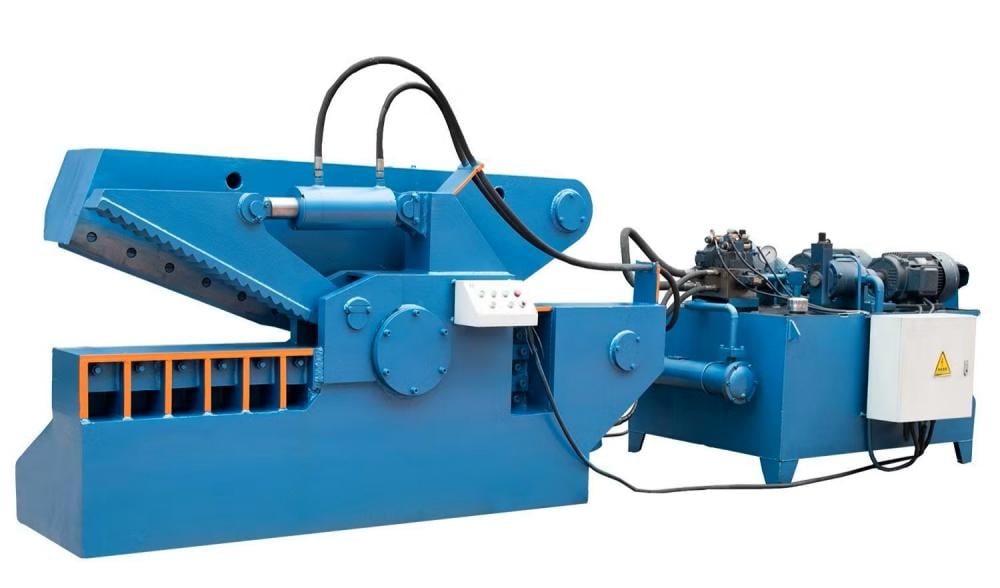
Price Range Overview: What to Expect
The price of an alligator shear varies wildly based on its capacity, brand, and features. Understanding the market tiers is the first step in budgeting for your purchase. Generally, alligator shears are categorized into three main price brackets: entry-level, mid-range, and industrial-grade.
Entry-level shears, often used for light non-ferrous processing like copper wire or small aluminum extrusions, typically range from $3,000 to $8,000. These machines usually feature shorter blade lengths (around 300mm to 400mm) and lower cutting forces. While affordable, they are not designed for continuous heavy-duty use and may lack advanced safety features or high-speed hydraulic systems.
Mid-range machines, which are the most common in medium-sized scrap yards, fall between $10,000 and $25,000. These units offer a balance of power and speed, with blade lengths ranging from 600mm to 800mm and cutting forces between 100 and 200 tons. They are capable of handling a mix of ferrous and non-ferrous materials and often include features like foot-pedal control and basic safety guards.
Industrial-grade alligator shears are designed for 24/7 operation and heavy ferrous scrap. These machines can cost anywhere from $30,000 to over $100,000. They feature massive cutting forces (up to 500 tons or more), long blades (1000mm+), and sophisticated hydraulic cooling systems. When evaluating the Top Factors Consider When Purchasing An Alligator Shear A Scrap Yard, the initial price must be weighed against the machine’s intended duty cycle and the volume of material it will process.
Main Cost Drivers: Technical Specifications
Several technical factors dictate the cost and performance of an alligator shear. Understanding these drivers ensures you don’t overpay for features you don’t need or, conversely, buy a machine that is underpowered for your requirements.
1. Blade Length and Opening Height
The blade length determines the maximum size of the material you can feed into the machine in a single pass. For scrap yards dealing with large structural beams or long pipes, a longer blade (800mm-1200mm) is essential. However, a longer blade requires more hydraulic force to maintain cutting pressure across its entire length, which increases the machine’s price. The opening height is equally important; if the “mouth” of the alligator doesn’t open wide enough, you will spend excessive time pre-cutting material with a torch, which increases labor costs.
2. Cutting Force (Tonnage)
Cutting force is perhaps the most critical specification. It is the measure of how much pressure the hydraulic cylinder can exert on the blades. For light aluminum, 60-100 tons may suffice. For heavy steel plate or HMS (Heavy Melting Scrap), you will likely need 250 tons or more. It is always advisable to choose a machine with a slightly higher tonnage than your current average needs to account for tougher-than-expected materials and to reduce strain on the hydraulic system.
3. Motor Power and Cycle Speed
The motor power (measured in kW or HP) directly influences the cycle speed of the shear. A more powerful motor can drive the hydraulic pump faster, allowing the jaw to open and close more quickly. In a high-volume scrap yard, a difference of 2 seconds per cycle can result in hundreds of additional tons processed over a month. High-speed valves and regenerative hydraulic circuits are premium features that can significantly boost productivity but also add to the initial cost.
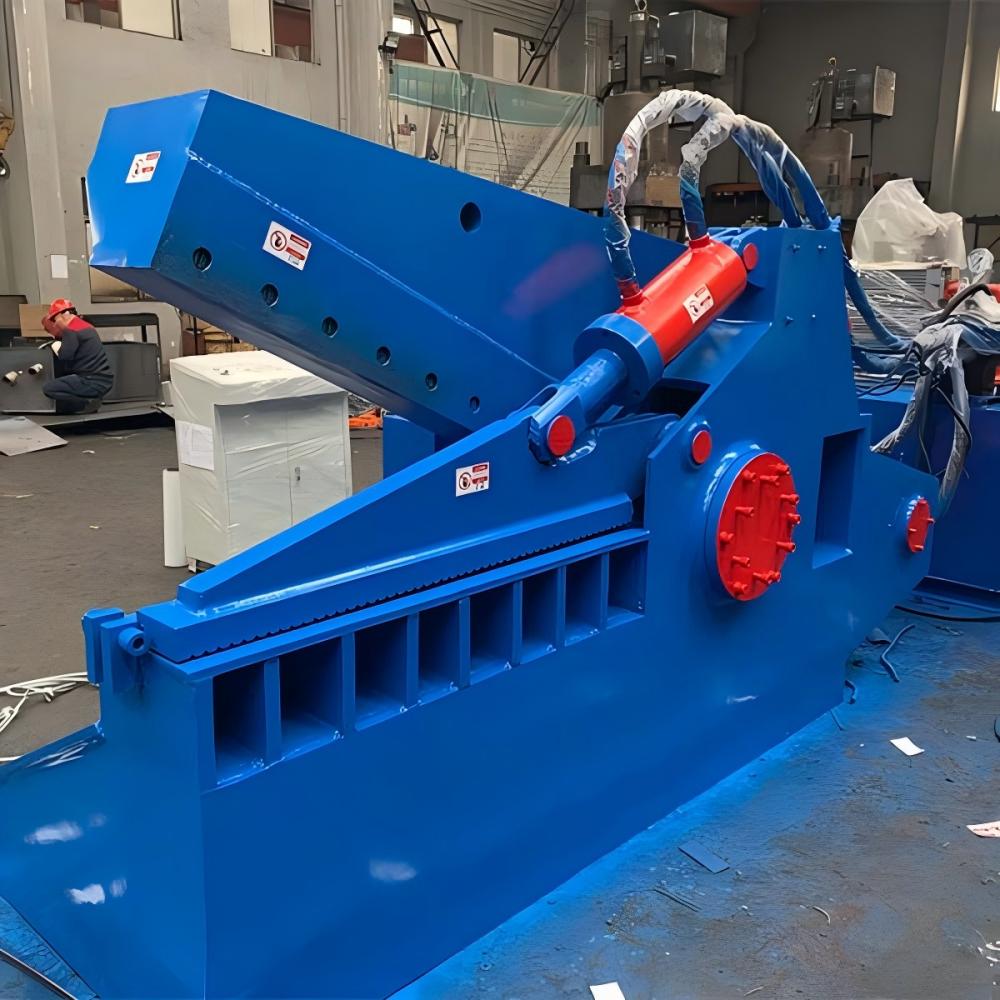
Configuration Impact: Manual vs. Automatic Systems
The configuration of the shear plays a massive role in both safety and efficiency. When looking at the Top Factors Consider When Purchasing An Alligator Shear A Scrap Yard, you must decide between manual, semi-automatic, and fully automatic configurations.
Manual shears require the operator to trigger every cut, usually via a foot pedal or hand lever. This is ideal for precision work, such as cleaning copper from electric motors, where the operator needs to see exactly where the blade hits. However, manual operation is slower and more fatiguing for the operator.
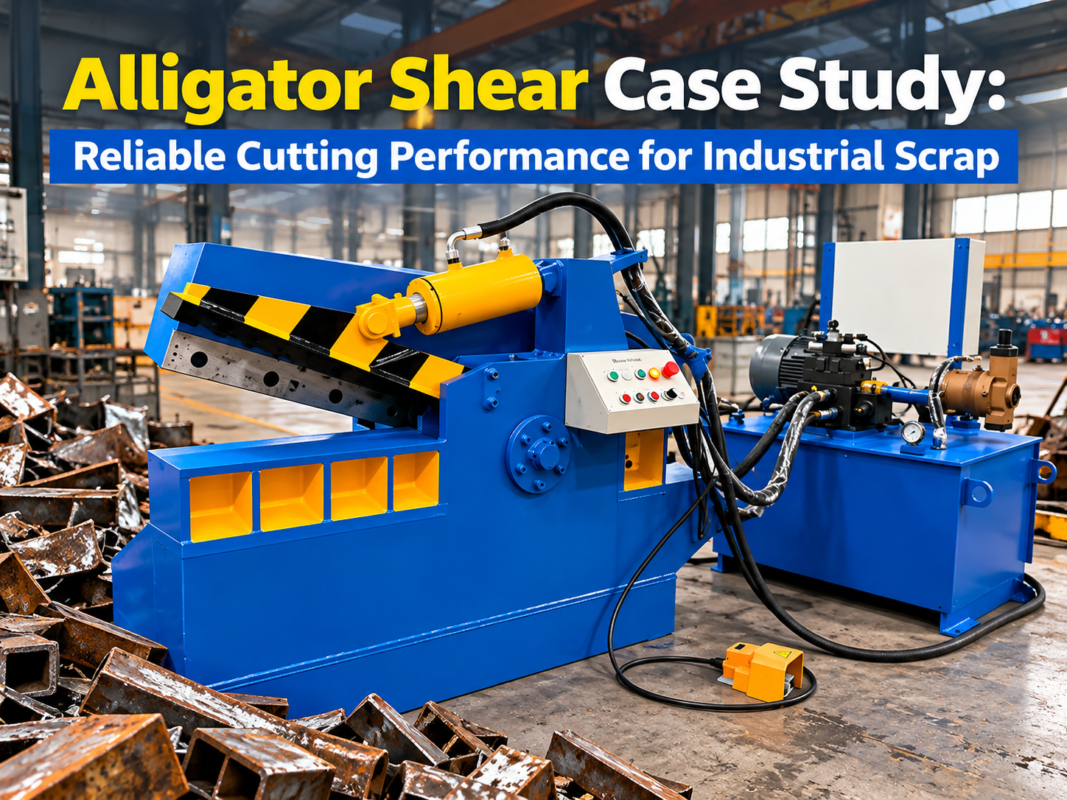
Semi-automatic systems often include a “continuous cut” mode where the jaw cycles automatically as long as the foot pedal is depressed. This is excellent for processing long pipes or rebar. Fully automatic systems may include conveyor belts and sensors that feed material into the shear and cycle the blade without direct human intervention. While these systems significantly reduce labor costs and increase safety by keeping operators away from the blades, they require a much higher capital investment and more complex maintenance.
Another configuration factor is the “hold-down” mechanism. A hydraulic hold-down prevents the material from “kicking up” during the cut. Without a proper hold-down, the material can fly out of the machine, posing a severe safety risk to the operator. Automatic hydraulic hold-downs are standard on high-end machines and are a critical factor for any yard prioritizing safety.
Hidden Costs: Beyond the Purchase Price
The sticker price of an alligator shear is only part of the total cost of ownership. Smart buyers look at the hidden costs that emerge over the first few years of operation.
- Hydraulic Oil: Large shears can require hundreds of liters of hydraulic oil (typically 46# or 68#). This oil must be changed periodically, and leaks can be expensive to fix.
- Blade Maintenance: Blades are consumables. Depending on the material being cut, they will need to be rotated (most blades have 4 cutting edges) and eventually reground or replaced. High-quality tool steel blades (like D2 or H13) last longer but cost more upfront.
- Electrical Infrastructure: Heavy-duty shears require 3-phase power. If your yard only has single-phase power, the cost of installing a phase converter or upgrading your utility service can be thousands of dollars.
- Freight and Installation: These machines are incredibly heavy. Shipping a 5-ton machine requires specialized freight, and you may need a crane or heavy-duty forklift to position it in your yard.
- Foundation Requirements: Large shears exert massive vibration and force. You may need to pour a reinforced concrete pad to prevent the machine from shifting or cracking the floor.
ROI Calculation: Making the Business Case
To justify the purchase, you must calculate the Return on Investment (ROI). The primary way an alligator shear pays for itself is through “value adding.” For example, if you buy “unprepared” scrap at a lower price and use the shear to turn it into “prepared” scrap (which fetches a higher price at the mill), the difference is your gross profit per ton.
Consider this example: If the price difference between unprepared and prepared steel is $40 per ton, and your shear can process 2 tons per hour, you are generating $80 of additional value per hour. If the machine costs $20,000 and your labor/operating costs are $30 per hour, your net gain is $50 per hour. At this rate, the machine pays for itself in 400 hours of operation. This calculation is one of the most important Top Factors Consider When Purchasing An Alligator Shear A Scrap Yard because it determines the financial viability of the equipment.
| Scrap Type | Unprepared Price (Est.) | Prepared Price (Est.) | Value Added per Ton |
|---|---|---|---|
| HMS (Heavy Melting Scrap) | $220 | $270 | $50 |
| Aluminum Extrusions | $1,200 | $1,450 | $250 |
| Copper Wire (Cleaned) | $6,000 | $7,200 | $1,200 |
As shown in the table, non-ferrous metals like copper offer a much higher ROI per ton, which is why even small yards often invest in a dedicated alligator shear for cleaning copper and brass.
Buying Advice: How to Choose the Right Manufacturer
When you are ready to buy, the manufacturer you choose is just as important as the machine’s specs. Companies like HARSLE have built a reputation for providing robust hydraulic machinery that balances performance with affordability. Here is a checklist for vetting a supplier:
- Spare Parts Availability: Does the manufacturer stock replacement blades, seals, and valves? A machine that is down for three weeks waiting for a part from overseas is a liability.
- Technical Support: Do they provide detailed manuals, wiring diagrams, and video support for troubleshooting?
- Build Quality: Look at the welding quality and the brand of hydraulic components. Reputable brands often use Rexroth or Vickers valves and Siemens motors.
- Safety Compliance: Ensure the machine meets local safety standards (such as CE or OSHA). This includes blade guards, emergency stop buttons, and safety warnings.
- Warranty: A standard 12-month warranty on the main structure and hydraulic system is the industry norm. Be wary of suppliers offering less.
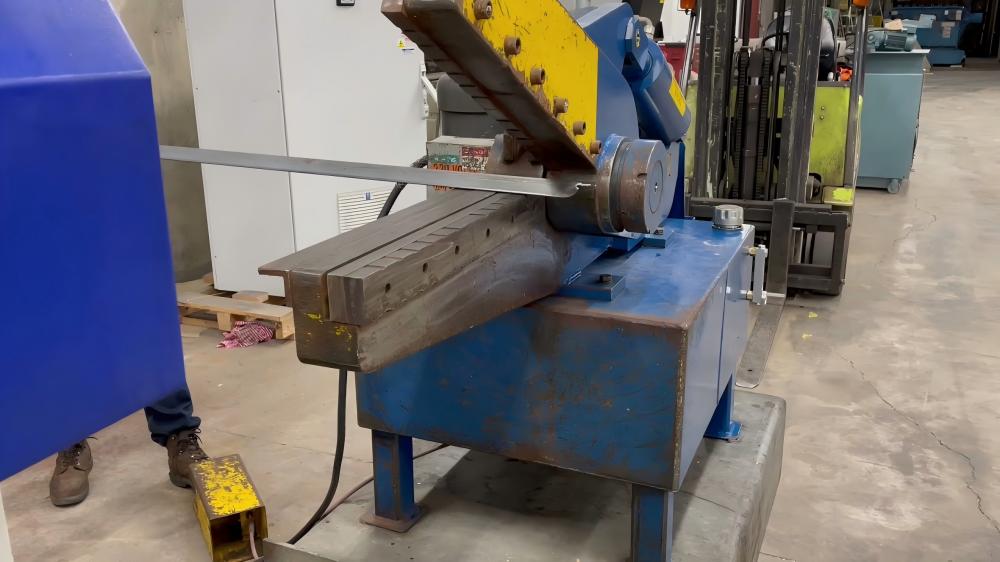
Maintenance Tips for Longevity
Once you have considered the Top Factors Consider When Purchasing An Alligator Shear A Scrap Yard and made your purchase, maintenance is key to protecting your investment. Alligator shears operate in dirty, dusty environments, which is the enemy of hydraulic systems.
Daily maintenance should include checking oil levels and greasing all pivot points. Weekly, you should inspect the blade gap. If the gap between the upper and lower blade becomes too wide, the machine will “fold” the metal rather than cutting it, which puts immense lateral stress on the bearings and cylinder. Monthly, check the hydraulic filters and look for any signs of oil aeration or overheating. Keeping the machine clean and well-lubricated can easily double its lifespan.
Frequently Asked Questions (FAQ)
What is the difference between an alligator shear and a guillotine shear?
An alligator shear uses a hinged, jaw-like motion, making it ideal for long, irregular scrap and cleaning tasks. A guillotine shear uses a vertical downward stroke and is typically used for processing large volumes of uniform plate or heavy structural scrap in a baler-shear configuration.
Can an alligator shear cut stainless steel?
Yes, but stainless steel is much harder than mild steel. You will need a shear with high tonnage and high-quality blades (like H13 tool steel). Cutting stainless steel will also dull the blades faster than cutting aluminum or mild steel.
How often do the blades need to be sharpened?
This depends entirely on the material. If you are cutting clean aluminum, blades can last for months. If you are cutting sandy or dirty steel, you may need to rotate or sharpen the blades every few weeks. Most alligator shear blades are four-sided, meaning you can flip them three times before needing a professional regrind.
Is a foot pedal or a hand lever better?
A foot pedal is generally preferred because it leaves both of the operator’s hands free to manipulate the scrap material. However, for certain high-precision cleaning tasks, some operators prefer the tactile feedback of a hand lever.
What safety equipment is required to operate an alligator shear?
Operators should always wear heavy-duty gloves, eye protection (safety glasses or a face shield), hearing protection, and steel-toed boots. A safety cage or guard should always be in place to prevent the operator’s hands from entering the cutting zone.
Conclusion
Investing in an alligator shear is a significant step for any scrap yard looking to scale its operations. By focusing on the Top Factors Consider When Purchasing An Alligator Shear A Scrap Yard—including cutting force, blade length, hydraulic efficiency, and total cost of ownership—you can ensure that your investment yields high returns for years to come. Remember that the cheapest machine is rarely the most cost-effective in the long run. Prioritize build quality, safety features, and manufacturer support to keep your yard running at peak efficiency. With the right equipment, like the solutions offered by HARSLE, your scrap yard can transform raw waste into a highly profitable commodity with ease.