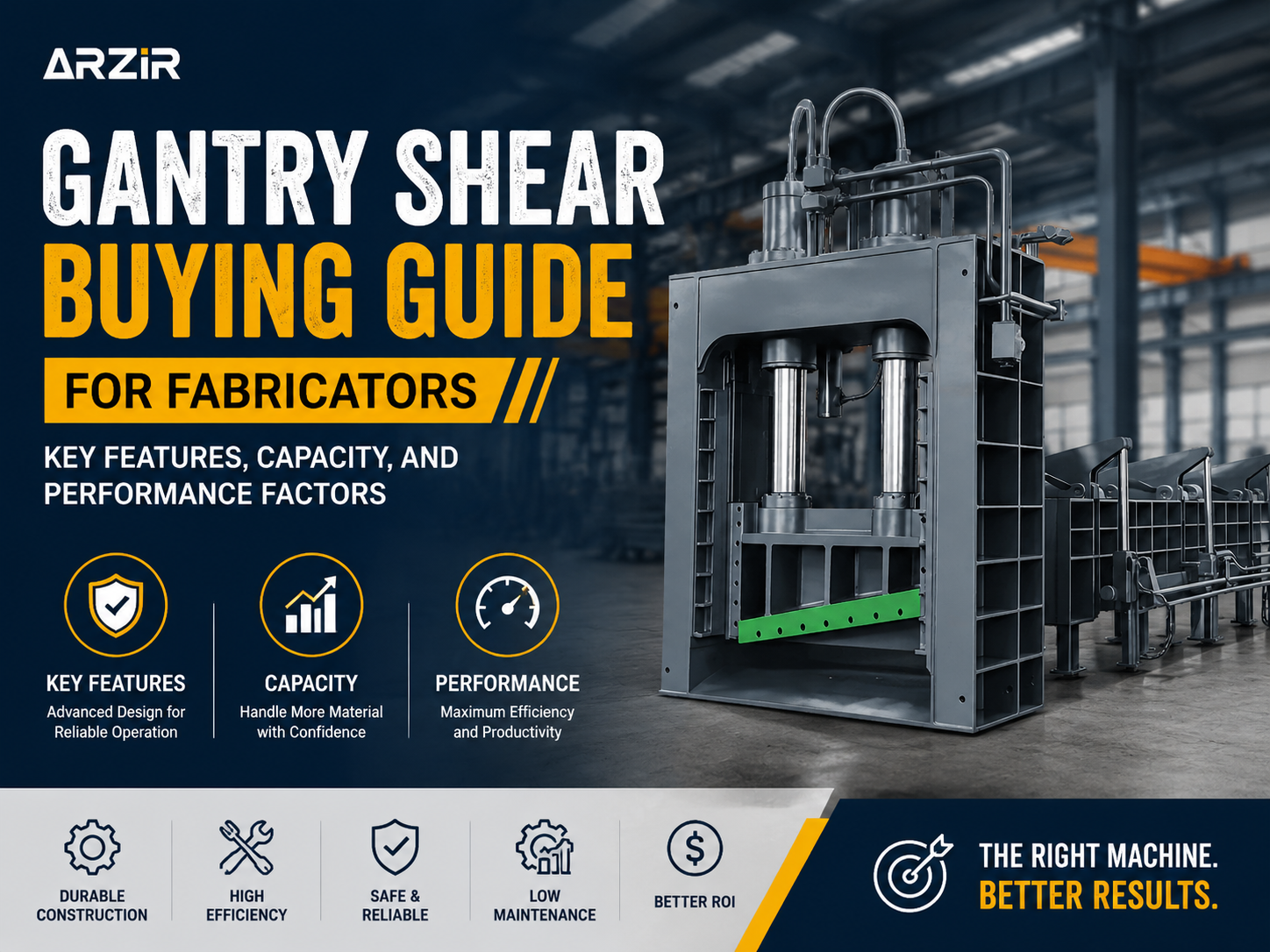
Gantry Shear Buying Guide for Fabricators: Key Features, Capacity, and Performance Factors

Introduction to Gantry Shear Procurement for Modern Fabricators
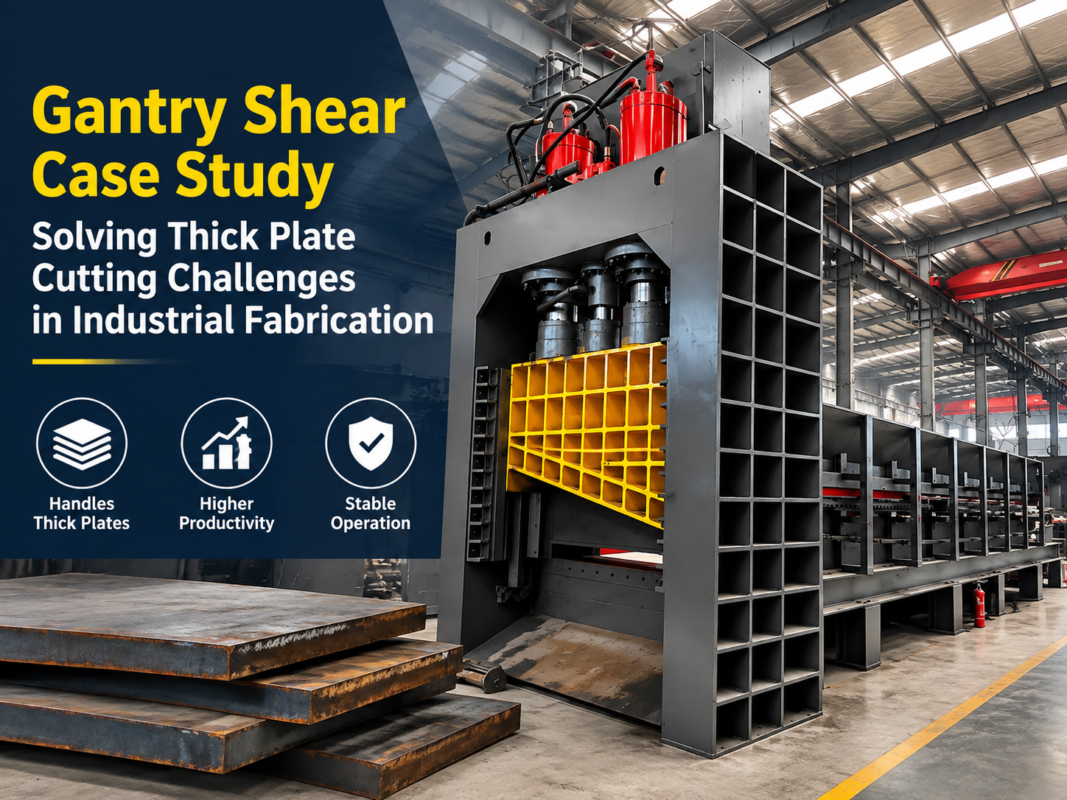
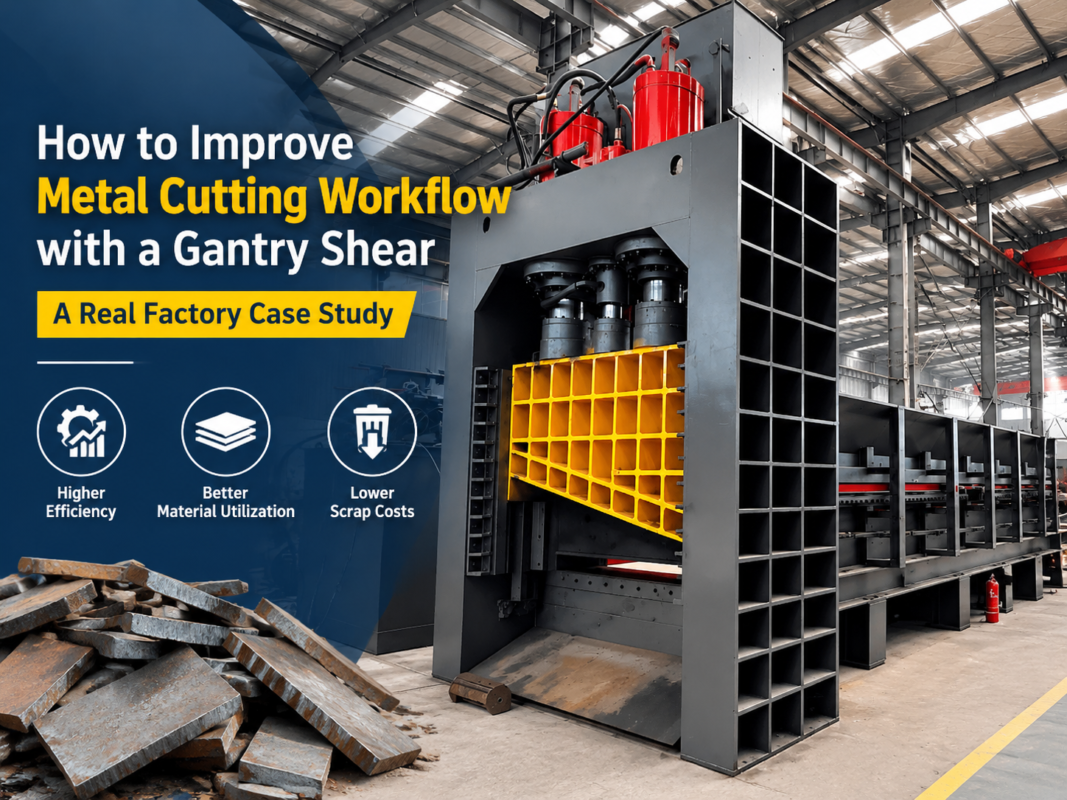
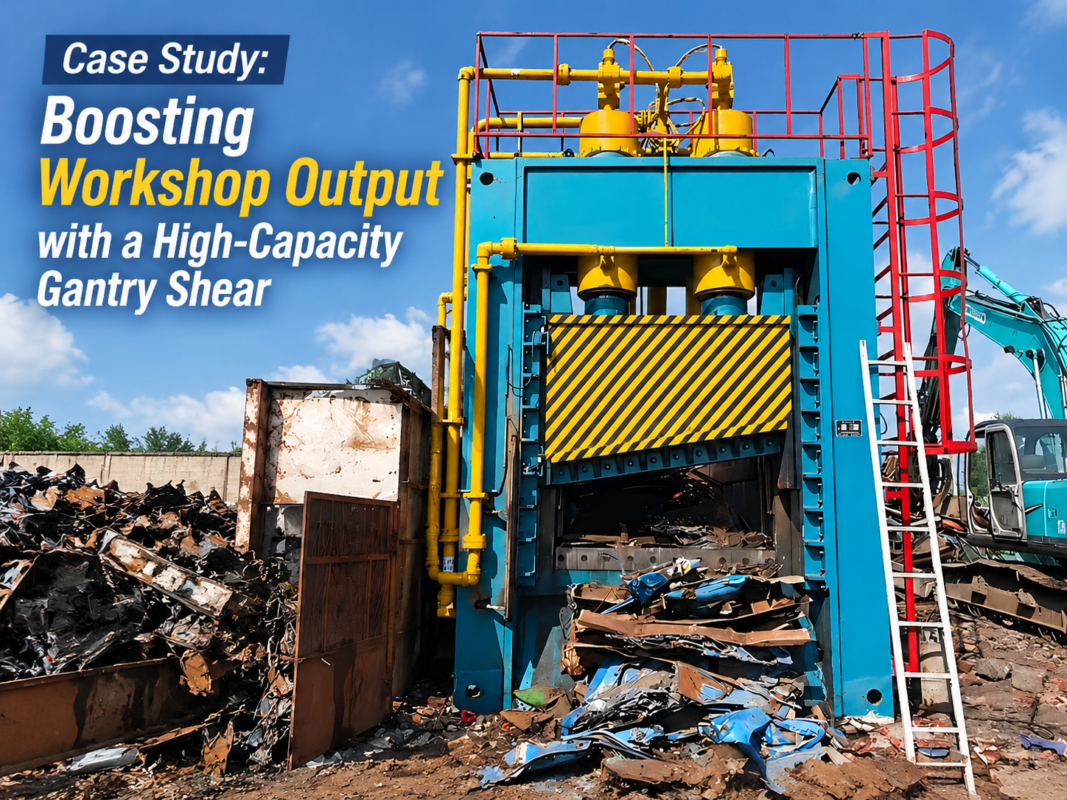
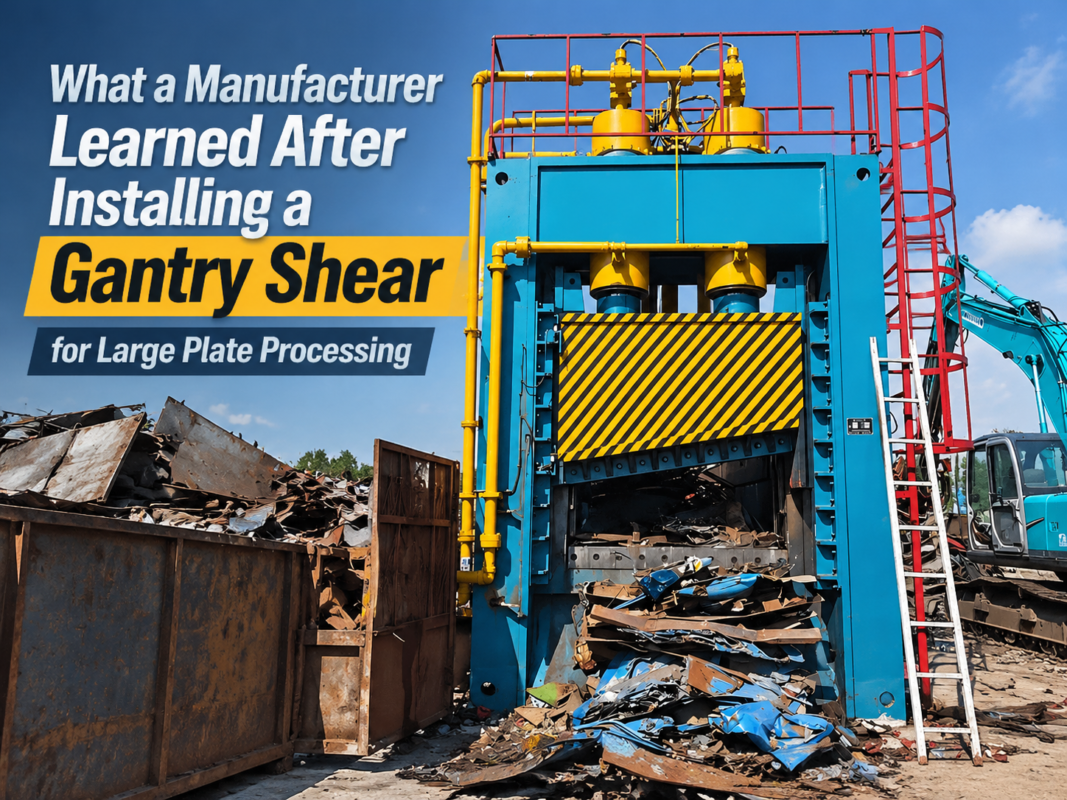
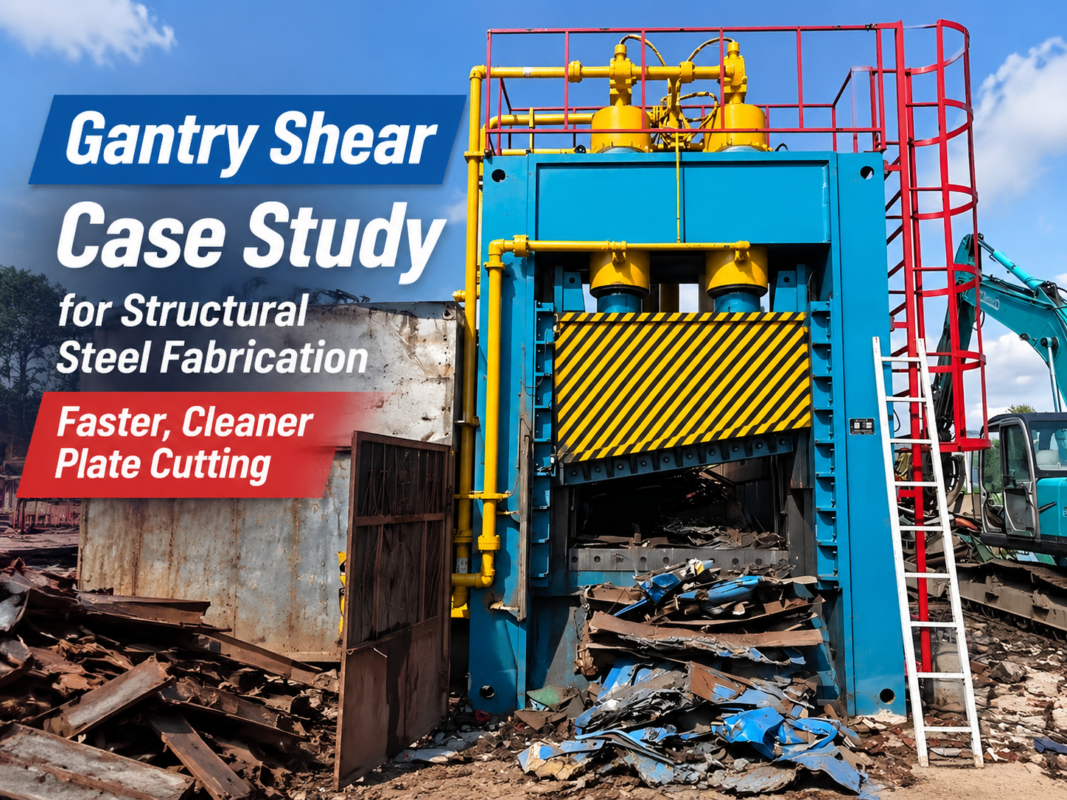
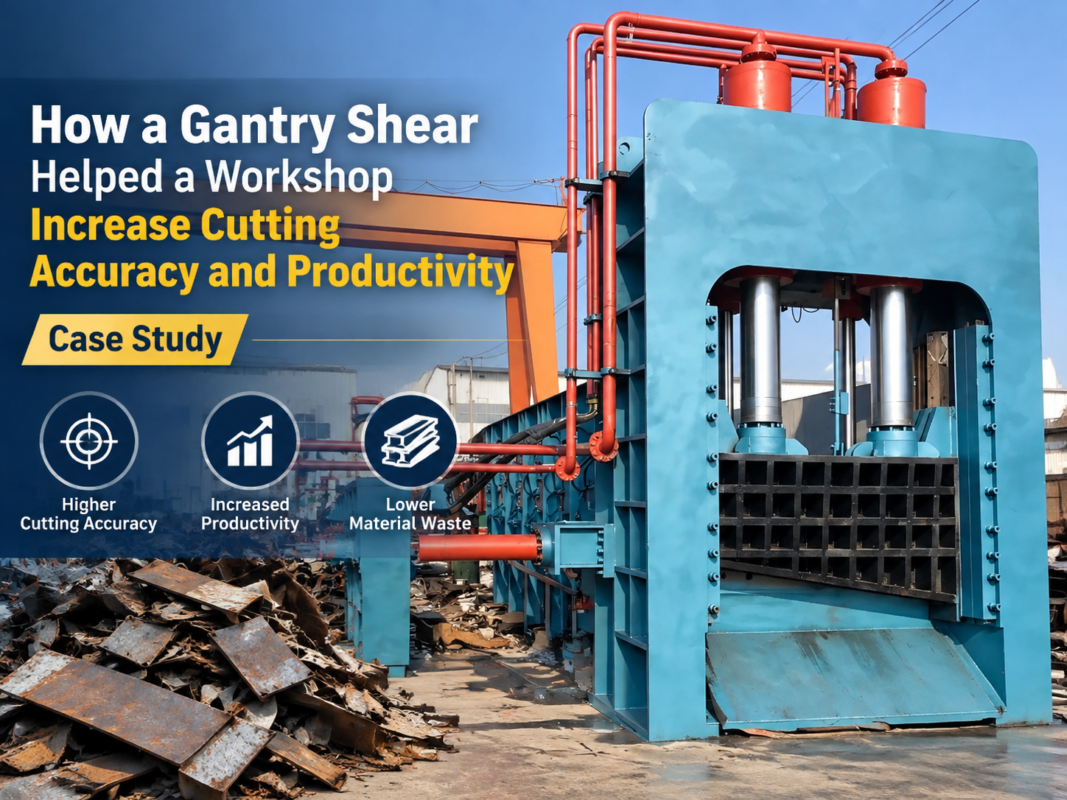
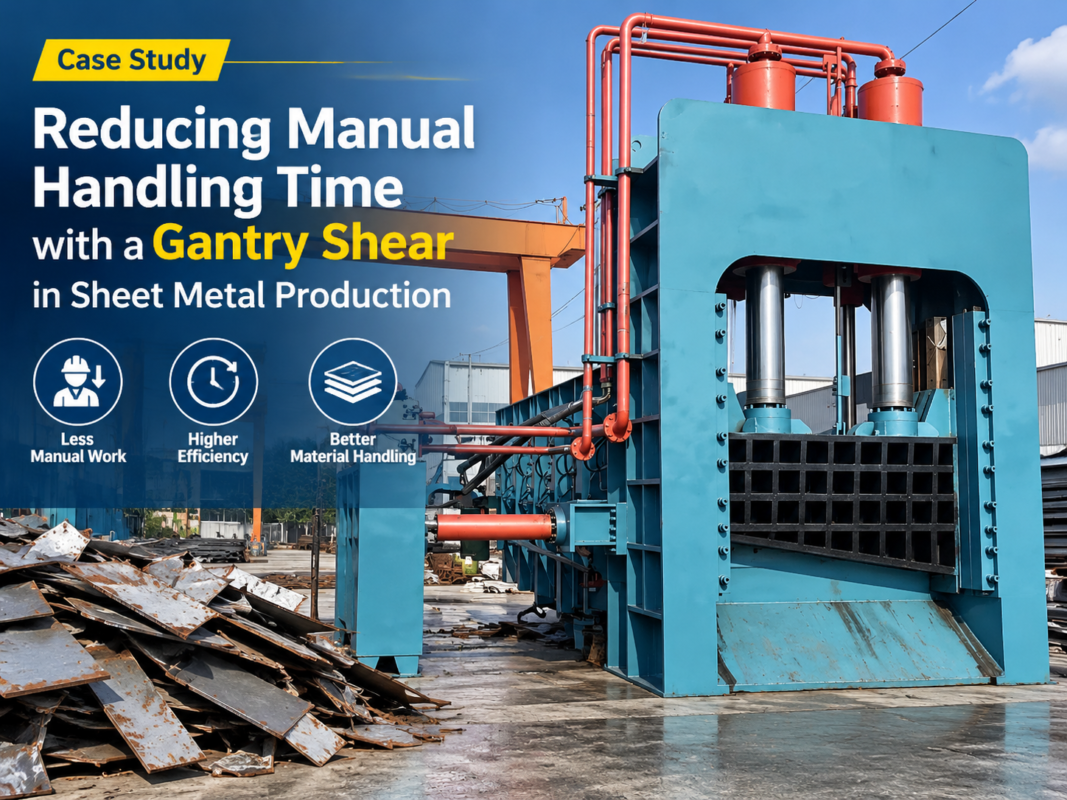
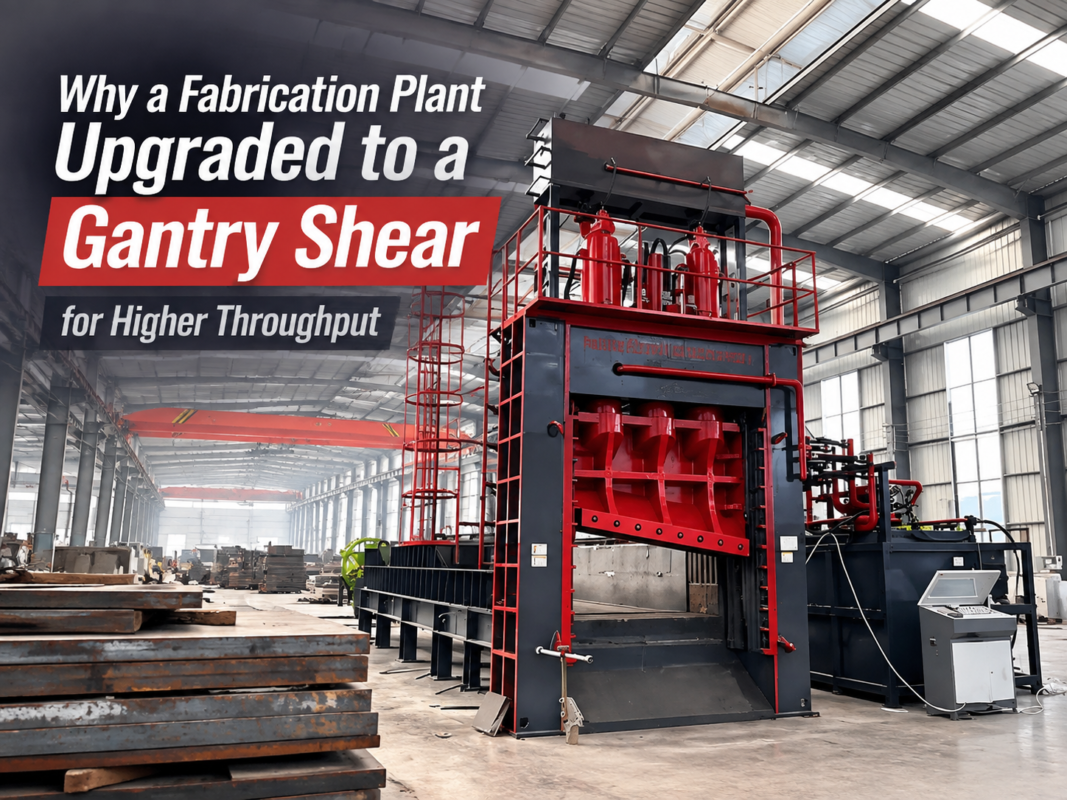
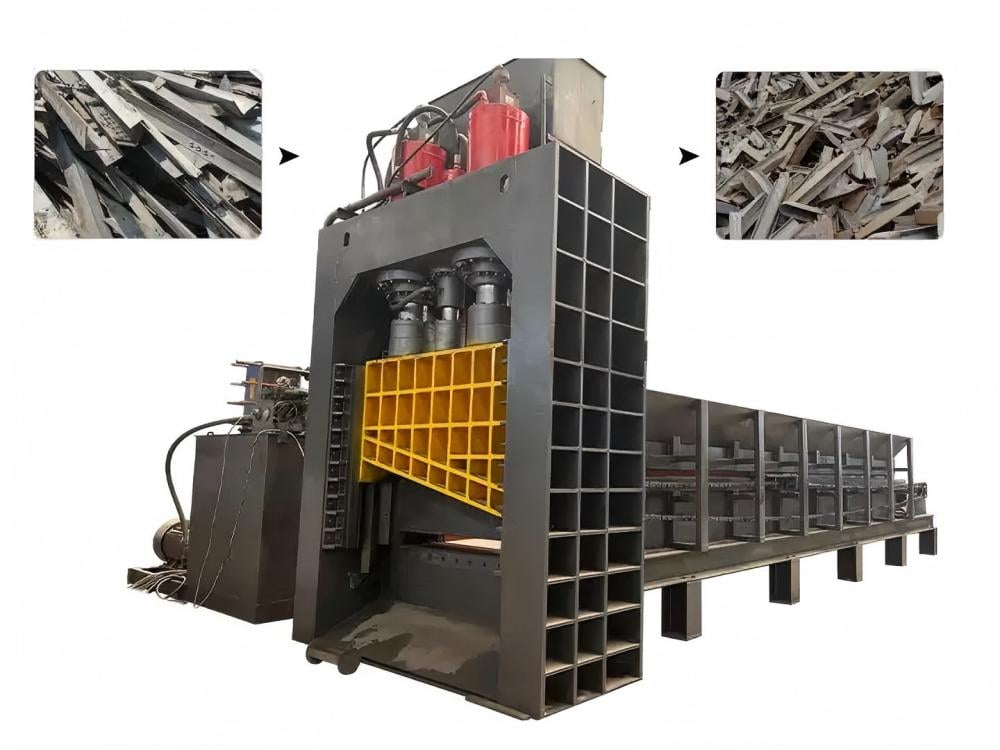
In the heavy-duty world of metal recycling and industrial fabrication, the gantry shear stands as a titan of productivity. For fabricators looking to scale their operations, understanding the nuances of Gantry Shear Buying Fabricators: Key Features, Capacity, Performance Factors is not just a matter of equipment acquisition; it is a strategic investment in long-term operational efficiency. A gantry shear, often referred to as a heavy-duty hydraulic scrap shear, is designed to process large volumes of metal scrap, including structural steel, pipes, and automotive frames, into manageable sizes for smelting or transport.
As the global demand for recycled steel continues to rise, the pressure on fabricators to process scrap faster and more efficiently has never been higher. Choosing the right gantry shear requires a deep dive into technical specifications, structural integrity, and the specific needs of your facility. This guide is designed to navigate the complexities of the market, providing a roadmap for selecting a machine that balances power with precision and cost with performance.
Price Range Overview: Understanding the Market Landscape
The price of a gantry shear can vary significantly based on its shearing force, throat width, and level of automation. Generally, the market is divided into three primary tiers: entry-level, mid-range, and high-capacity industrial units. For small to medium-sized scrap yards, entry-level machines typically offer shearing forces between 400 and 600 tons. These units are often priced between $60,000 and $120,000, depending on the manufacturer and the inclusion of basic conveyor systems.
Mid-range gantry shears, which are the workhorses of the industry, offer shearing forces from 800 to 1,200 tons. These machines are designed for continuous operation and can handle thicker structural steels. Prices for these units typically range from $150,000 to $350,000. At this level, you begin to see more advanced hydraulic systems, better cooling units, and more robust frame constructions that can withstand the rigors of multi-shift operations.
High-capacity industrial gantry shears are the pinnacle of scrap processing technology, with shearing forces exceeding 1,500 tons, sometimes reaching up to 2,500 tons or more. These machines are massive installations, often integrated into fully automated scrap processing lines. The price for such equipment can exceed $500,000 and can reach well over $1 million when including custom feeding systems, advanced PLC controls, and specialized foundations. Understanding where your volume requirements fall within these brackets is the first step in a successful procurement process.
Main Cost Drivers in Gantry Shear Manufacturing
When evaluating the cost of a gantry shear, several technical factors dictate the final price tag. The most significant driver is the hydraulic system. High-quality pumps from reputable brands like Rexroth or Parker, combined with sophisticated valve blocks, ensure smooth operation and longevity. A machine equipped with a high-flow hydraulic system will have faster cycle times, directly impacting your daily throughput. The complexity of the hydraulic circuit, including the use of nitrogen accumulators for rapid blade return, adds to the initial cost but pays off in performance.
The structural steel and frame construction are equally critical. A gantry shear must withstand immense internal pressures during the shearing cycle. Manufacturers that use high-tensile, heavy-duty steel plates and advanced welding techniques produce machines that are less prone to frame fatigue and cracking. The weight of the machine is often a good indicator of its durability; a heavier machine generally contains more steel, providing better stability and a longer service life. This “mass” is a significant portion of the manufacturing cost.
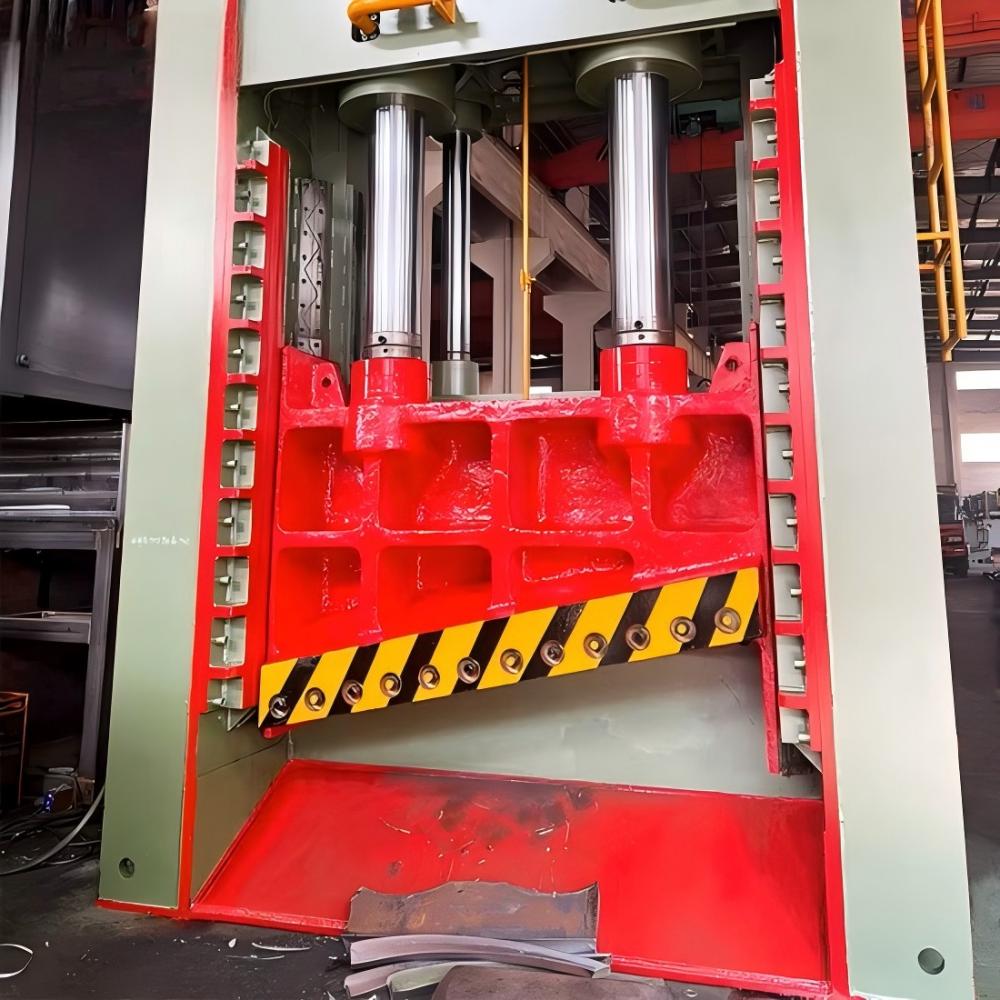
Another major cost driver is the blade quality and holder design. The blades are the primary wear parts of the machine. High-chrome, high-carbon tool steel blades are expensive but offer significantly longer intervals between rotations and sharpenings. Furthermore, the design of the blade seat and the ease with which blades can be changed or adjusted affect both the manufacturing cost and the future maintenance expenses for the fabricator. Machines that offer four-sided rotatable blades provide better value over time.
Configuration Impact: Tailoring the Machine to Your Workflow
The configuration of a gantry shear determines how well it integrates into your existing workflow. One of the most important configuration choices is the feeding mechanism. Traditional hopper-fed shears require a crane or loader to drop scrap into a box, which is then pushed toward the blade. More advanced configurations include continuous belt conveyors or vibrating feeders, which allow for a more automated and steady flow of material. While automated feeding increases the footprint and cost, it significantly reduces labor requirements and idle time.
The throat width and blade length are also vital configuration factors. A wider throat allows for larger pieces of scrap to be processed without the need for pre-cutting with torches, which is a labor-intensive and dangerous process. However, a wider throat requires a more powerful hydraulic system to maintain the same shearing pressure across the entire blade. Fabricators must balance the size of their typical scrap input with the shearing force required to cut it efficiently.
Control systems represent another area where configuration impacts performance. Modern gantry shears often feature PLC (Programmable Logic Controller) systems with touch-screen interfaces. These systems allow operators to set specific stroke lengths, monitor hydraulic pressure in real-time, and diagnose faults quickly. Advanced configurations might also include remote monitoring capabilities, allowing management to track production metrics and maintenance needs from an office or mobile device. Choosing the right level of automation is a balance between your budget and your desire for data-driven operational control.
Hidden Costs: Beyond the Initial Purchase Price
Buying a gantry shear involves more than just the invoice price of the machine. One of the most overlooked hidden costs is site preparation and foundation work. Because of the immense force and vibration generated during the shearing process, these machines require a reinforced concrete foundation, often several feet deep with specific anchoring points. Failure to provide an adequate foundation can lead to machine misalignment, frame damage, and even structural failure of the surrounding floor.
Electrical infrastructure upgrades are another common hidden cost. A large gantry shear can have multiple high-horsepower motors that require significant amperage. Many facilities find they need to upgrade their transformers or install new sub-panels to handle the load. Additionally, the cost of hydraulic oil should not be underestimated. These machines can hold hundreds or even thousands of gallons of specialized hydraulic fluid, which represents a significant initial and recurring expense.
Shipping and installation also add to the total investment. Gantry shears are oversized loads that often require specialized heavy-haul trucking and permits. Once on-site, a heavy-duty crane is usually required to lift the components into place. Finally, consider the cost of initial operator training and safety certification. Ensuring your team knows how to operate the machine safely and perform basic maintenance is essential for preventing costly accidents and premature wear.
ROI Calculation: Measuring the Value of Your Investment
Calculating the Return on Investment (ROI) for a gantry shear involves looking at both cost savings and revenue increases. The primary revenue driver is throughput capacity. If a new gantry shear allows you to process 15 tons of scrap per hour compared to 5 tons with older methods, the increased volume of salable material is the foundation of your ROI. Furthermore, processed scrap (cut to specific lengths) often commands a higher price per ton at the mill than unprocessed, bulky scrap.
On the cost-saving side, consider labor reduction. A high-capacity gantry shear can often do the work of several manual torch cutters. By reducing the headcount required for scrap preparation, you save on wages, benefits, and insurance premiums. Additionally, the safety profile of a gantry shear is much higher than manual cutting, potentially leading to lower workers’ compensation rates over time. You should also factor in the reduction in consumables, such as oxygen and acetylene gases used in torch cutting.
To calculate the payback period, sum the total investment (machine, foundation, shipping, training) and divide it by the monthly net gain (increased scrap value + labor savings – operating costs like electricity and maintenance). For many busy fabrication and recycling centers, a well-chosen gantry shear can pay for itself within 18 to 36 months. The long-term value lies in the machine’s ability to provide consistent, high-volume output for a decade or more with proper maintenance.
Buying Advice: A Checklist for Fabricators
When you are ready to move forward with a purchase, following a structured evaluation process is essential. Here is a checklist to guide your decision-making:
- Define Your Material Mix: What is the thickest and toughest material you process? Ensure the shear’s rated capacity handles your 90th percentile material easily, rather than operating at its absolute limit constantly.
- Evaluate the Manufacturer’s Reputation: Look for manufacturers like HARSLE that have a track record in hydraulic machinery. Ask for references and, if possible, visit a site where the machine is in operation.
- Check Spare Parts Availability: A gantry shear is a long-term asset. Ensure that wear parts like blades, seals, and filters are readily available in your region to minimize downtime.
- Assess the Hydraulic Cooling System: In hot climates or high-duty cycle environments, the hydraulic oil can overheat. Ensure the machine has a robust air or water cooling system to maintain oil viscosity.
- Inspect the Safety Features: Look for emergency stop buttons, safety cages, and interlock systems that prevent operation when guards are removed.
- Consider Future Expansion: If you plan to grow, consider a machine with a slightly higher capacity than you currently need, or one that can be easily integrated into a larger automated line later.
Finally, always request a detailed technical specification sheet and a clear warranty statement. Understanding what is covered (and for how long) can save significant stress if a component fails during the first year of operation. Don’t be afraid to ask for custom modifications if your specific application requires them, such as specialized blade configurations for pipe shearing.
Frequently Asked Questions (FAQ)
1. How often do the blades on a gantry shear need to be changed?
Blade life depends heavily on the material being processed. For standard structural steel, blades might need to be rotated every 200-400 hours of operation. Most gantry shear blades have four cutting edges, so you can rotate them three times before they need professional regrinding or replacement. Processing hardened steels or contaminated scrap will shorten this interval significantly.
2. What kind of daily maintenance is required for a gantry shear?
Daily maintenance should include checking hydraulic oil levels, inspecting hoses for leaks, and greasing all pivot points and slide ways. It is also crucial to clear any small debris from the blade area and the feeding box to prevent jamming. A daily visual inspection of the blades for chips or cracks is also recommended to ensure cut quality and safety.
3. Can a gantry shear be used outdoors?
Yes, many gantry shears are designed for outdoor use in scrap yards. However, they require weather protection for the electrical cabinets and hydraulic power units. Using specialized hydraulic oil for the specific temperature range of your climate is also necessary. In very cold climates, oil heaters may be required for cold starts, while in hot climates, enhanced cooling systems are essential.
4. What is the difference between a gantry shear and an alligator shear?
An alligator shear is a smaller, jaw-like machine used for cleaning scrap or cutting smaller pieces. It is usually manually fed. A gantry shear is a much larger, vertical-action machine designed for high-volume processing of heavy structural scrap. Gantry shears offer much higher shearing forces and are typically integrated into automated or semi-automated feeding systems.
5. How do I determine the right tonnage for my needs?
The required tonnage is determined by the cross-sectional area and the tensile strength of the material you intend to cut. For example, cutting a 10-inch I-beam requires significantly more force than cutting a 2-inch pipe. Most manufacturers provide a capacity chart that relates material thickness and width to the required shearing force. It is always better to have a 20% buffer in capacity to avoid straining the hydraulic system.
6. Does the machine require a specialized operator?
While the basic operation of a modern gantry shear is straightforward thanks to PLC interfaces, the operator should be trained in scrap sorting and machine safety. An experienced operator can maximize throughput by feeding the machine efficiently and can identify early warning signs of mechanical issues, potentially saving thousands in repair costs.